




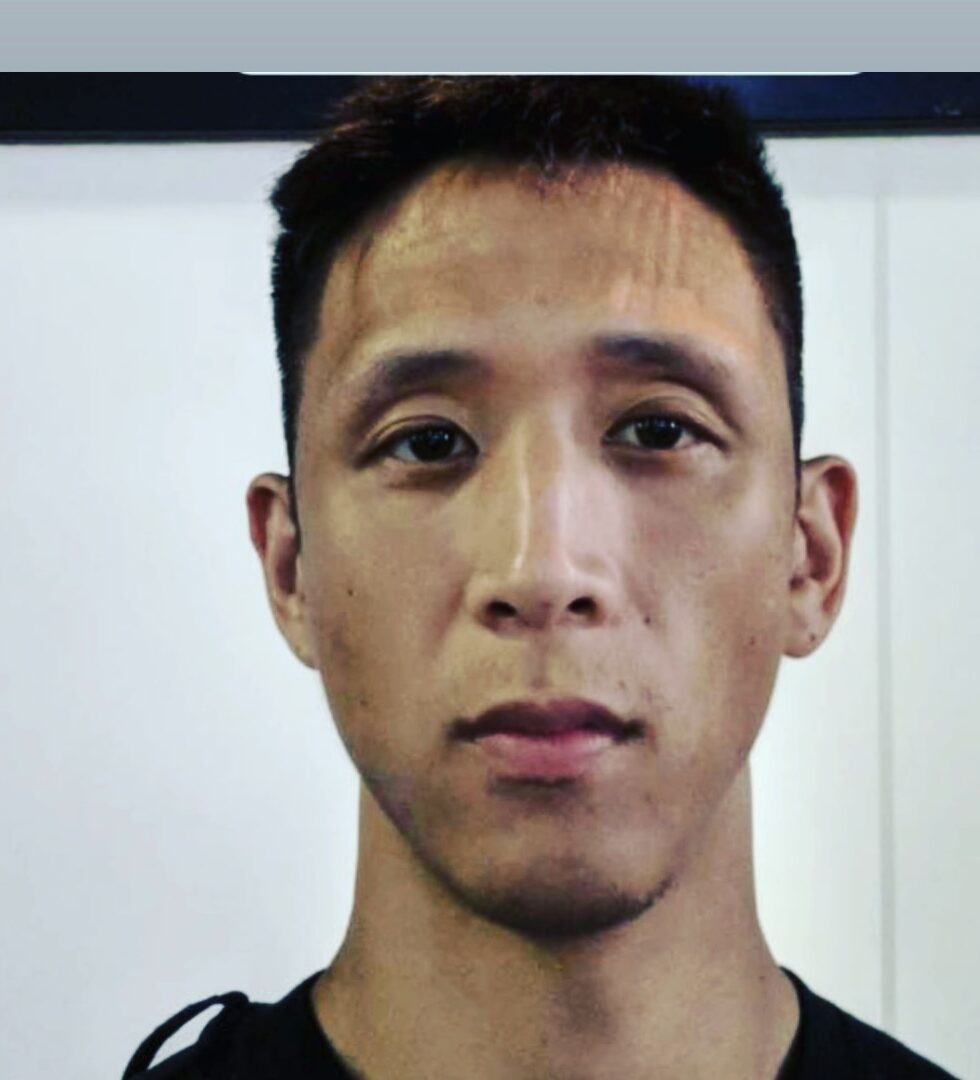
Today we’d like to introduce you to James Goh.
Hi James, so excited to have you with us today. What can you tell us about your story?
Getting into ceramics was a relatively recent development for me, but my relationship with art spans much further back through other mediums. Throughout high school, I attended Art Center on weekends, focusing primarily on figure drawing and illustration. After graduating, I continued studying there at night, working to refine my drawing skills while also exploring film photography as another creative outlet and building a portfolio of work.
During this period in my early twenties, I also began practicing martial arts—specifically jiu-jitsu. I was drawn to competition, having previously competed in swimming and water polo when I was younger. Competing in jiu-jitsu gave me opportunities to travel, and one of the places I visited most frequently was Japan.
While in Japan, I was able to immerse myself not only in the culture but also in its art. One medium in particular resonated deeply with me: ceramics. As I visited galleries and studios, I was struck by the ability to physically hold and feel works created by other artists. That tactile experience created an intimate connection—one that felt immediate and personal. Engaging with the work through touch, and through the senses more broadly, was what truly sparked my interest in ceramics and continues to inform my practice.
Alright, so let’s dig a little deeper into the story – has it been an easy path overall and if not, what were the challenges you’ve had to overcome?
No, I wouldn’t say the path to improving in ceramics has been smooth. I often compare it to jiu-jitsu-there are constant ups and downs, and inevitable plateaus that appear once you reach a certain level. Those moments make it especially important to continue striving for improvement, whether that means refining technique, working more efficiently, or discovering new approaches altogether.
I believe there is always room to do things better, and that mastery is never truly complete. In this way, art feels very similar to jiu-jitsu: it is a never-ending practice. There are always new skills to learn, new challenges to take on, and new mediums or techniques to explore within ceramics. Because of this, there is an ongoing struggle to improve and to reach a point where I feel satisfied with the outcome of my work-knowing that satisfaction itself is always temporary and part of the process.
Alright, so let’s switch gears a bit and talk business. What should we know about your work?
I primarily work on the wheel, spending most of my time throwing, but I am actively expanding my skill set by practicing hand-building and carving as well. With a background in illustration and photography, I draw inspiration from a wide range of mediums and disciplines. I am still developing my understanding of core artistic principles such as composition, color coordination, and ergonomic design.
What draws me to ceramics is that it exists at the intersection of function and art-you are creating objects meant to be used while simultaneously considering their aesthetic presence. At this stage, I wouldn’t say there is a single element that distinctly sets my work apart, as I am still exploring the medium and learning its technical foundations. However, I hope that through continued practice and experimentation, I will eventually discover a visual language or approach that distinguishes my work as a ceramic artist.
How do you think about happiness?
I think what makes me happy is seeing progress in my work- taking an idea I’ve envisioned, realizing it through practice and refinement, and arriving at an outcome that aligns with my personal expectations.
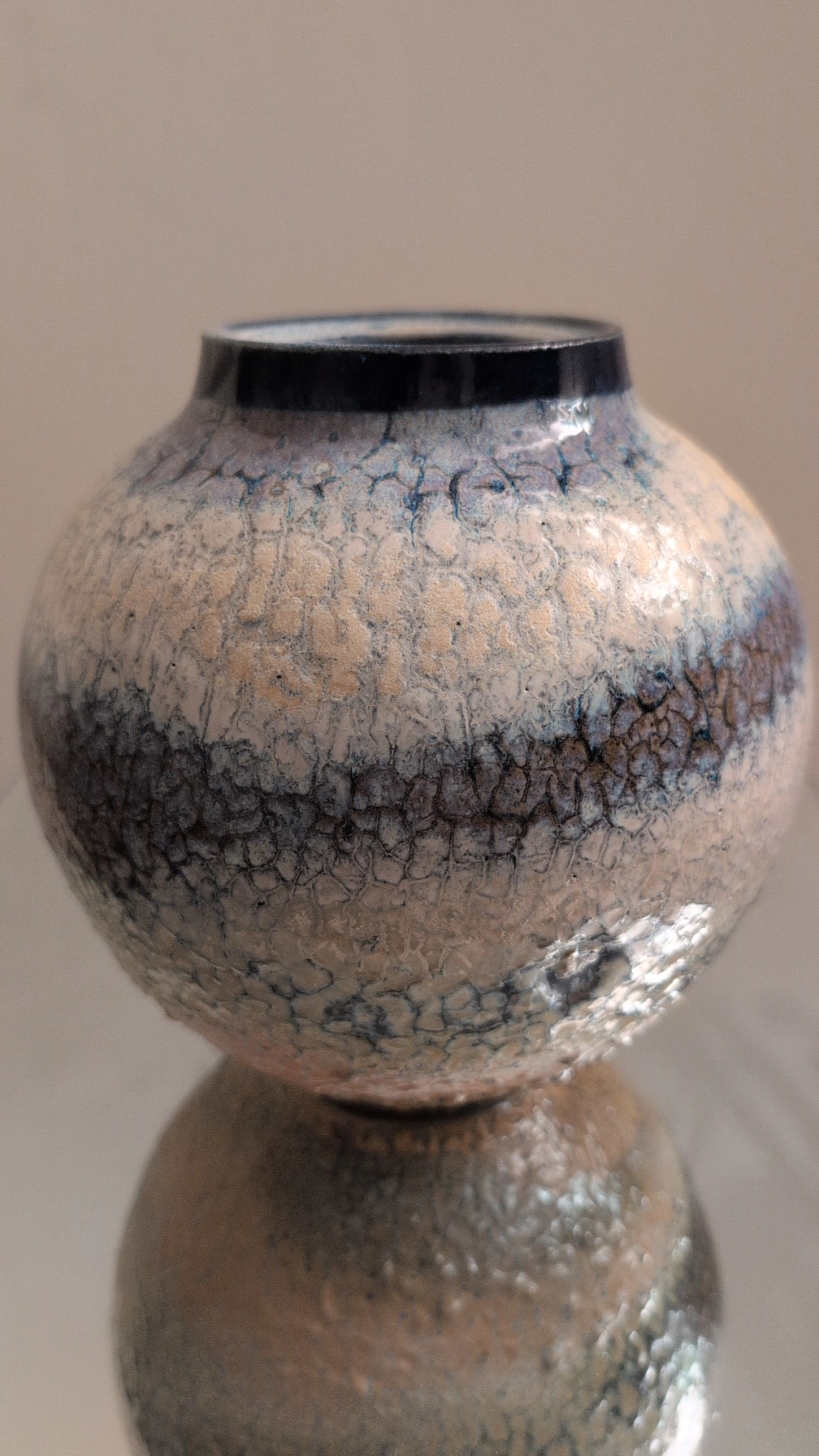
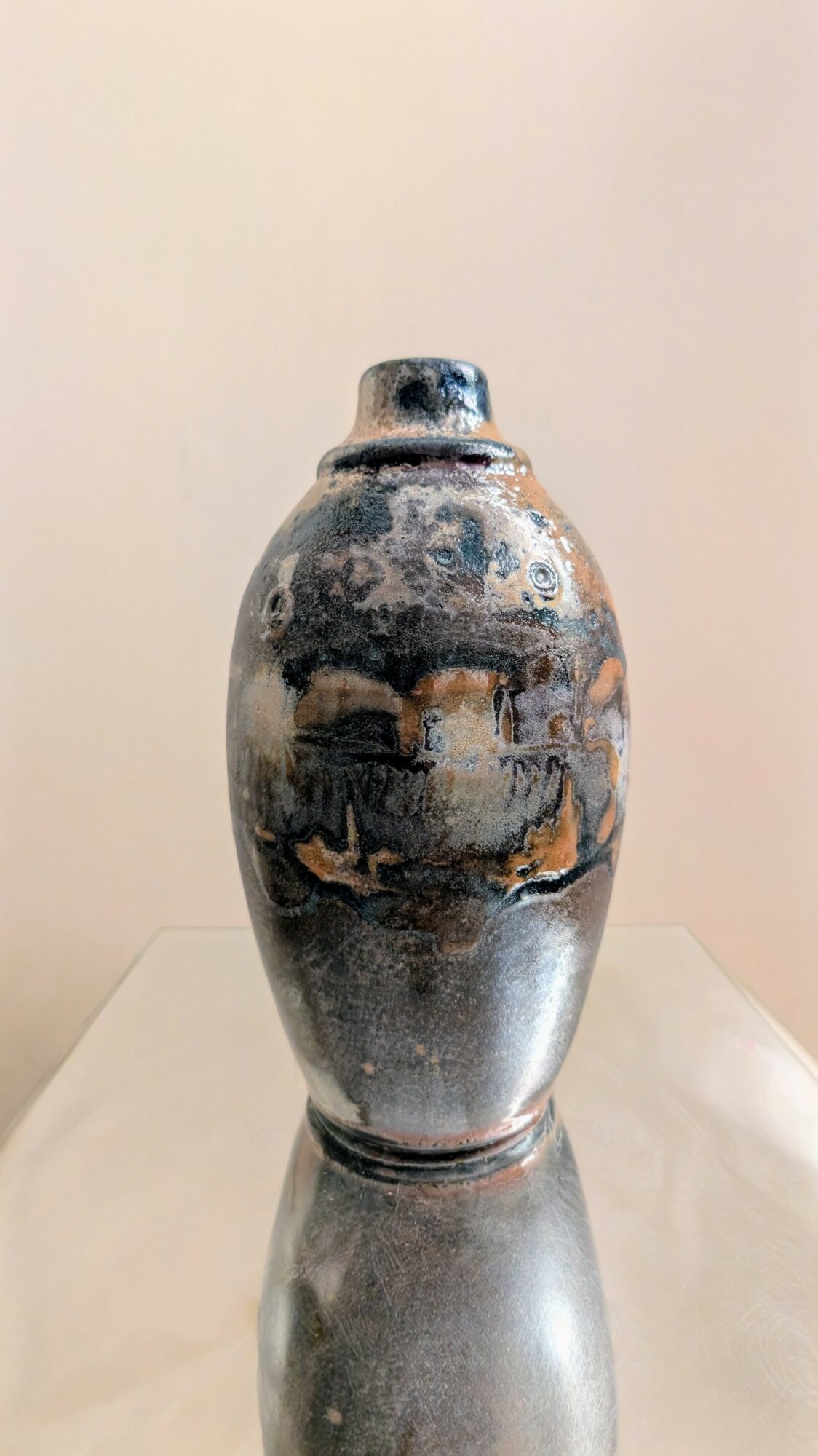
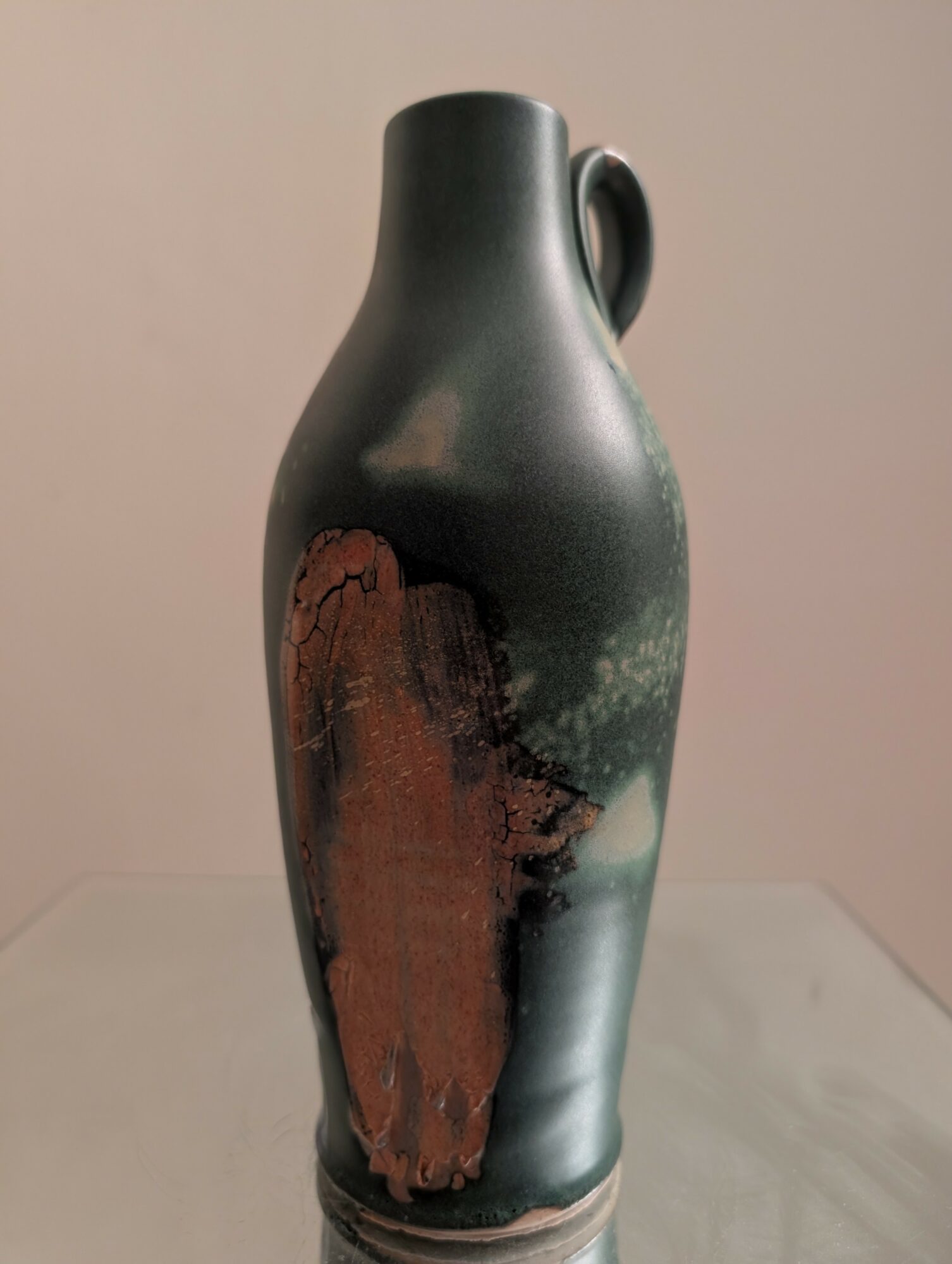
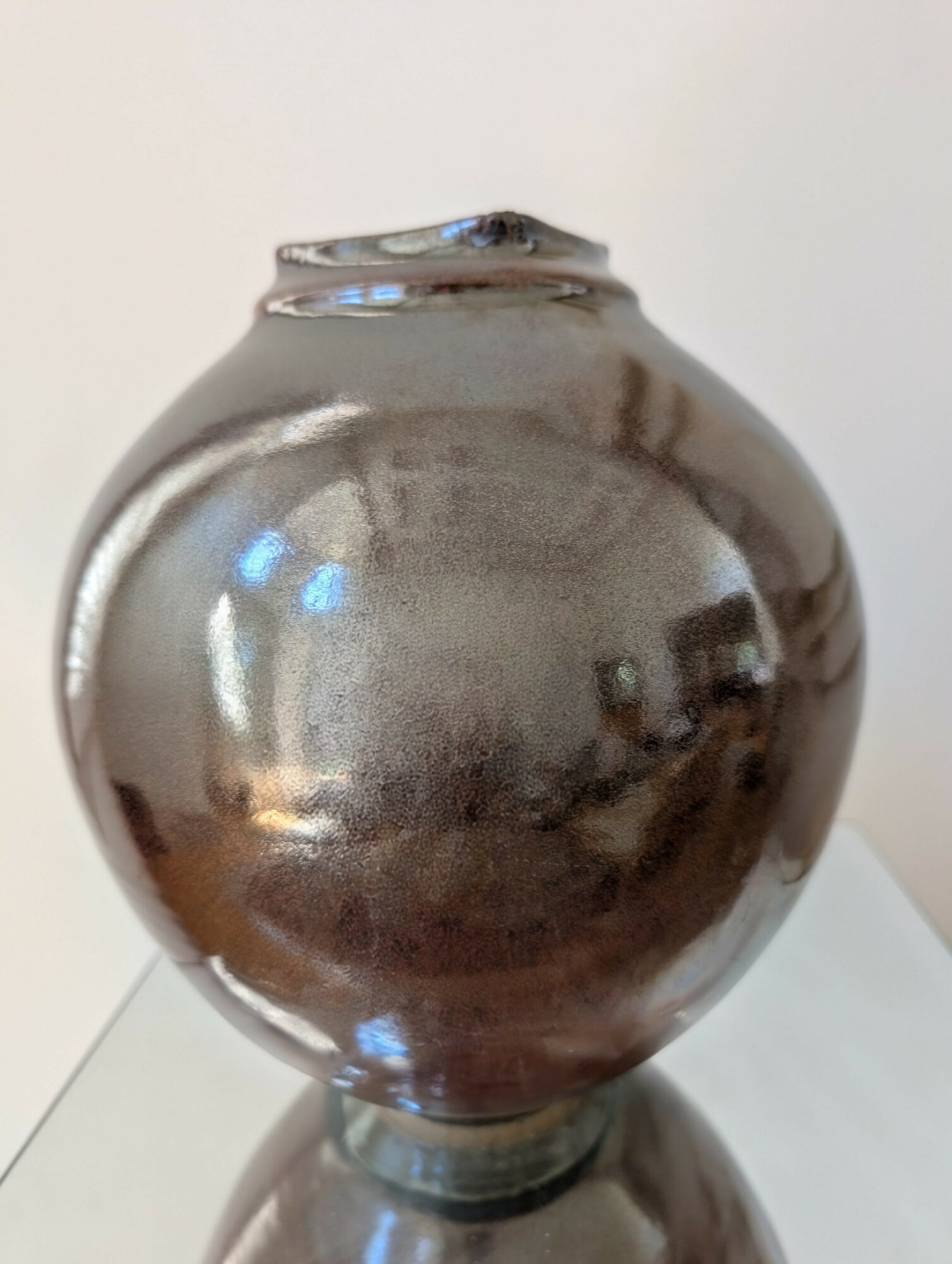
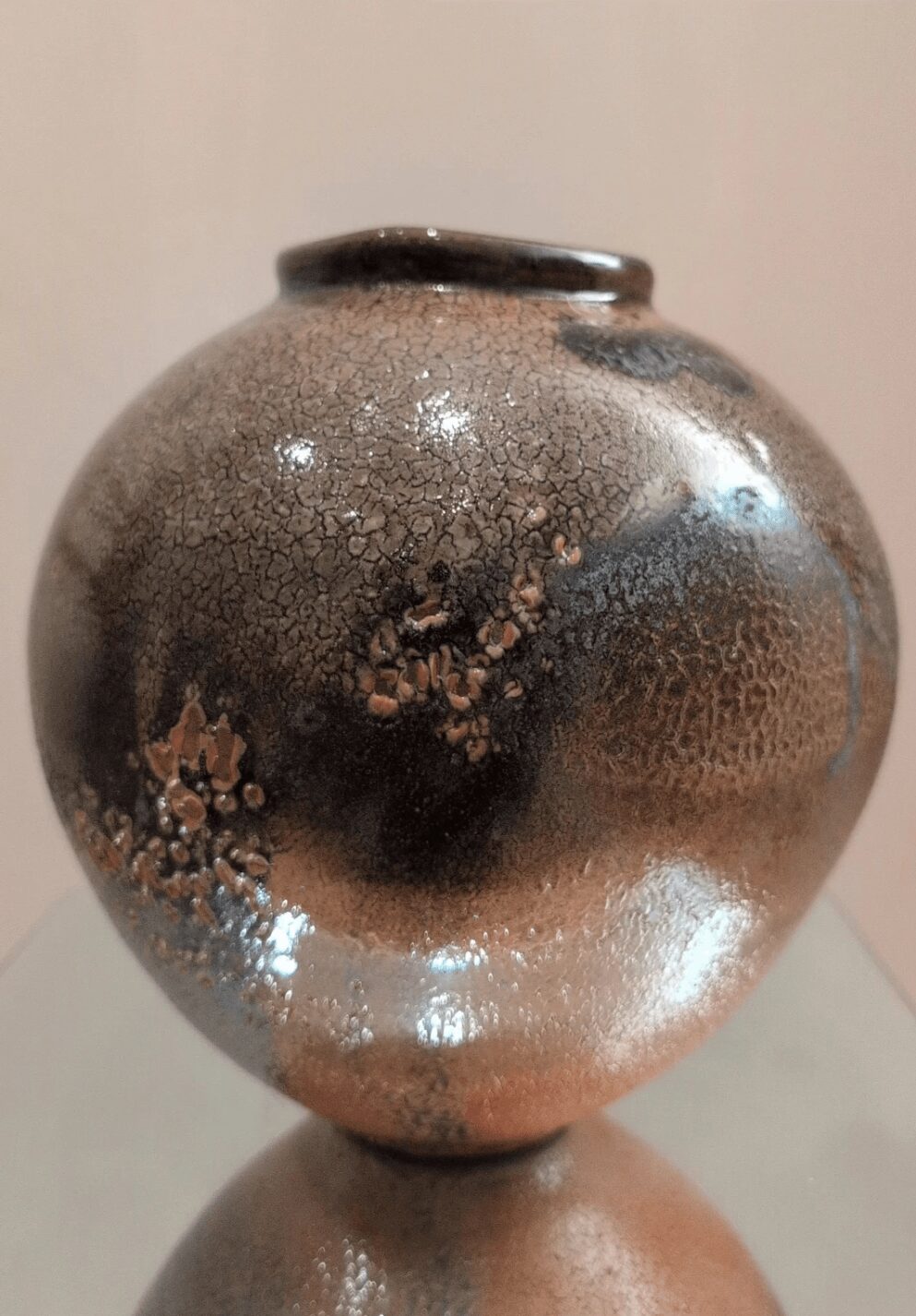
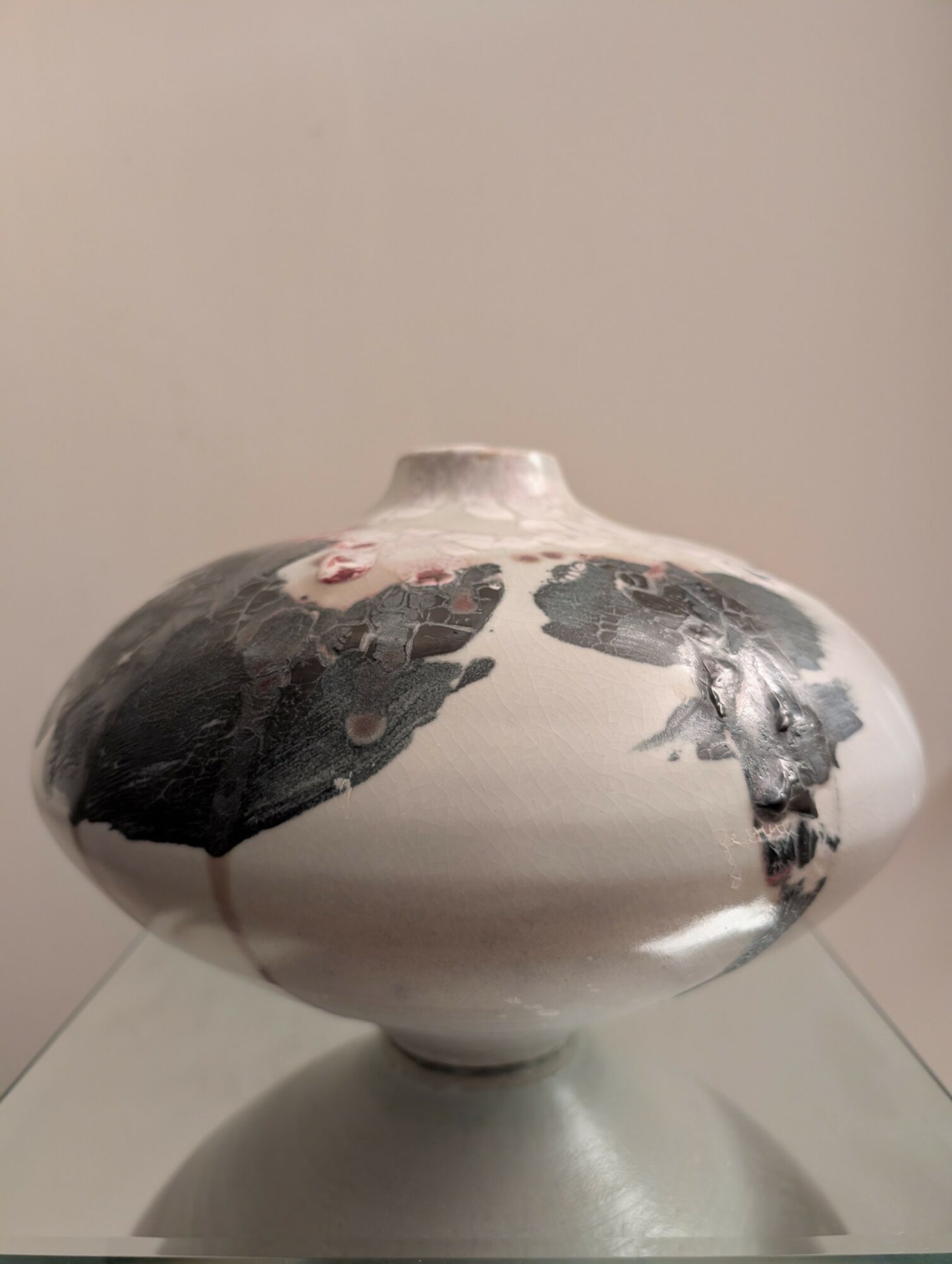
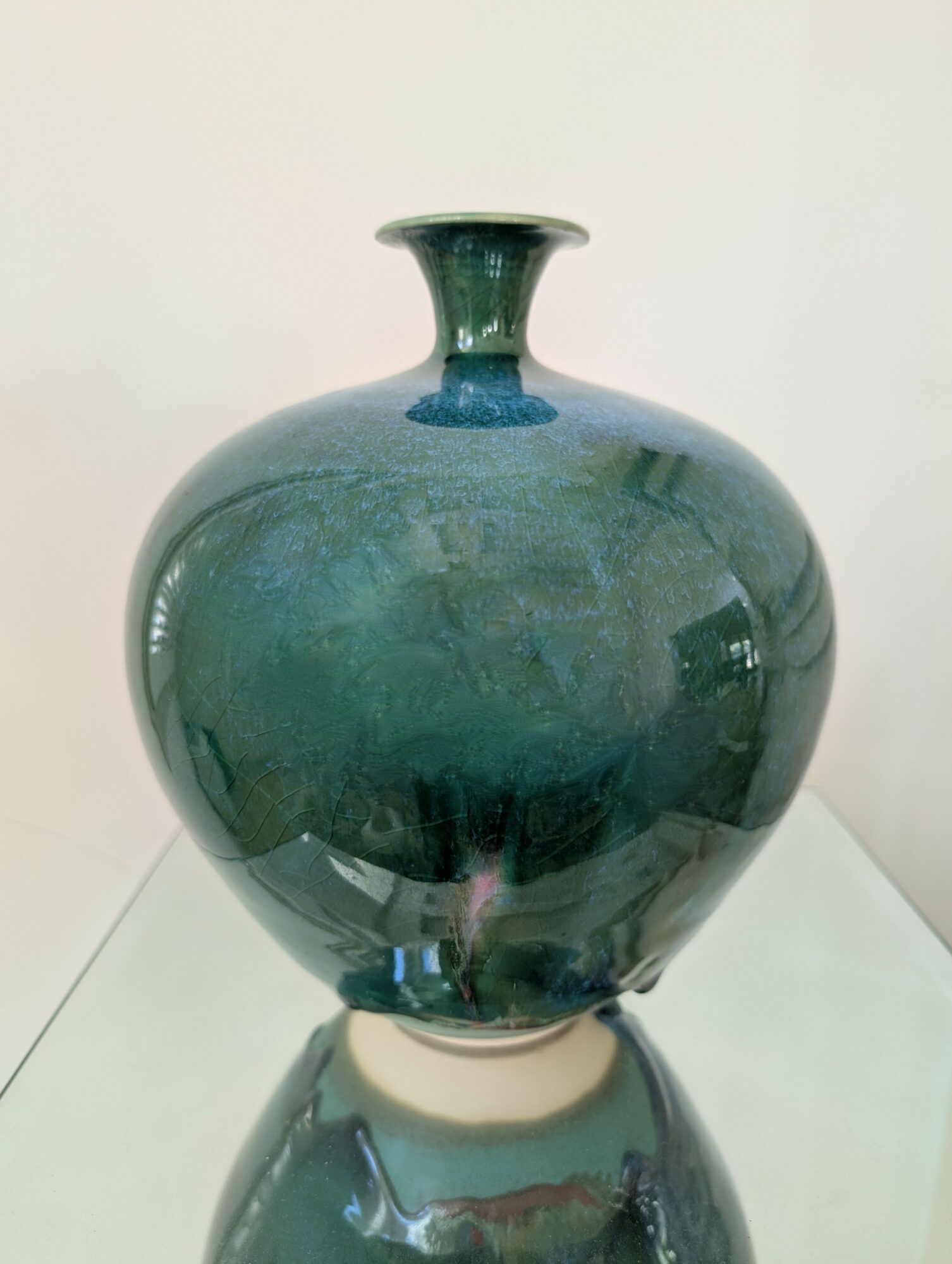
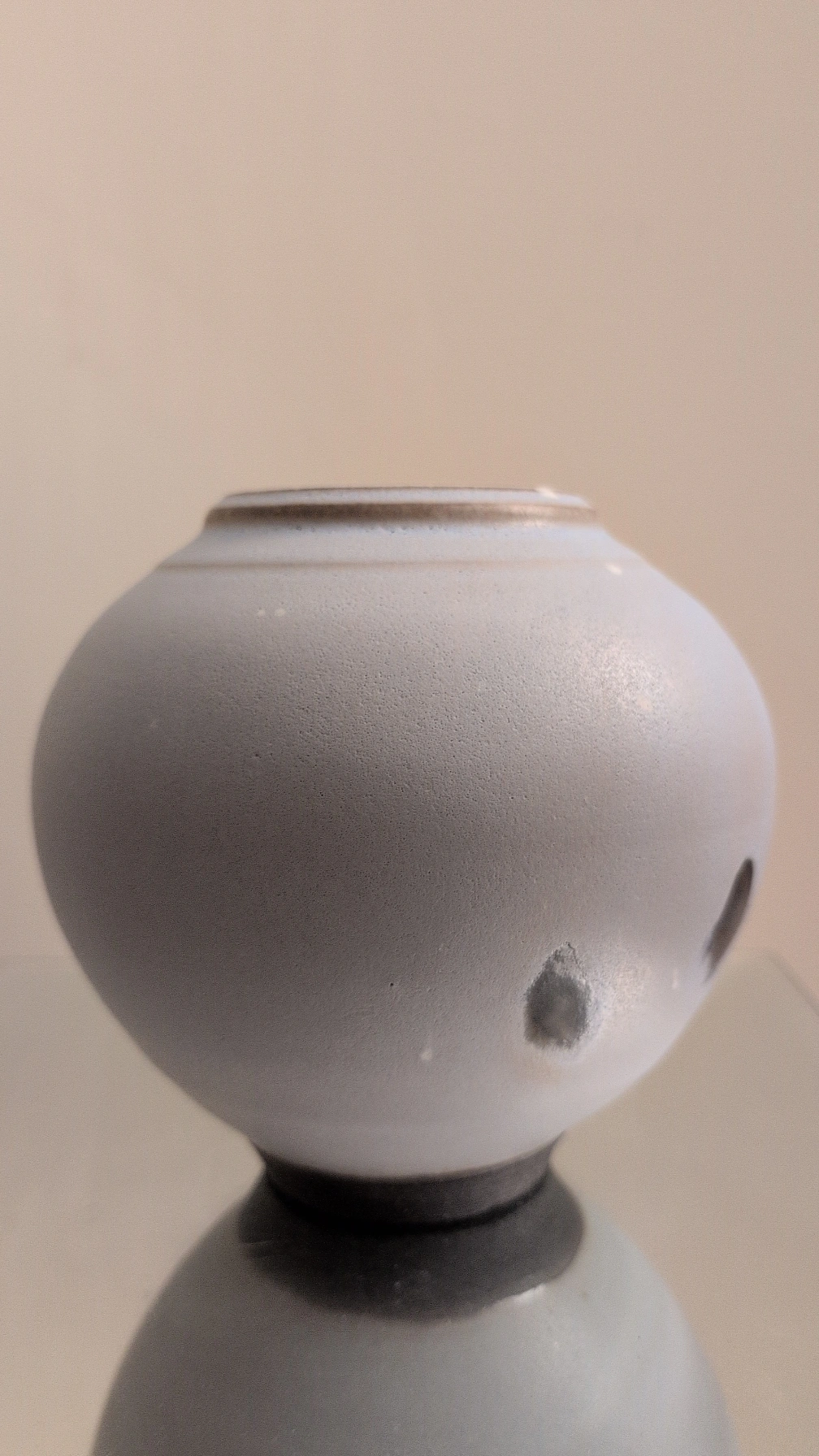
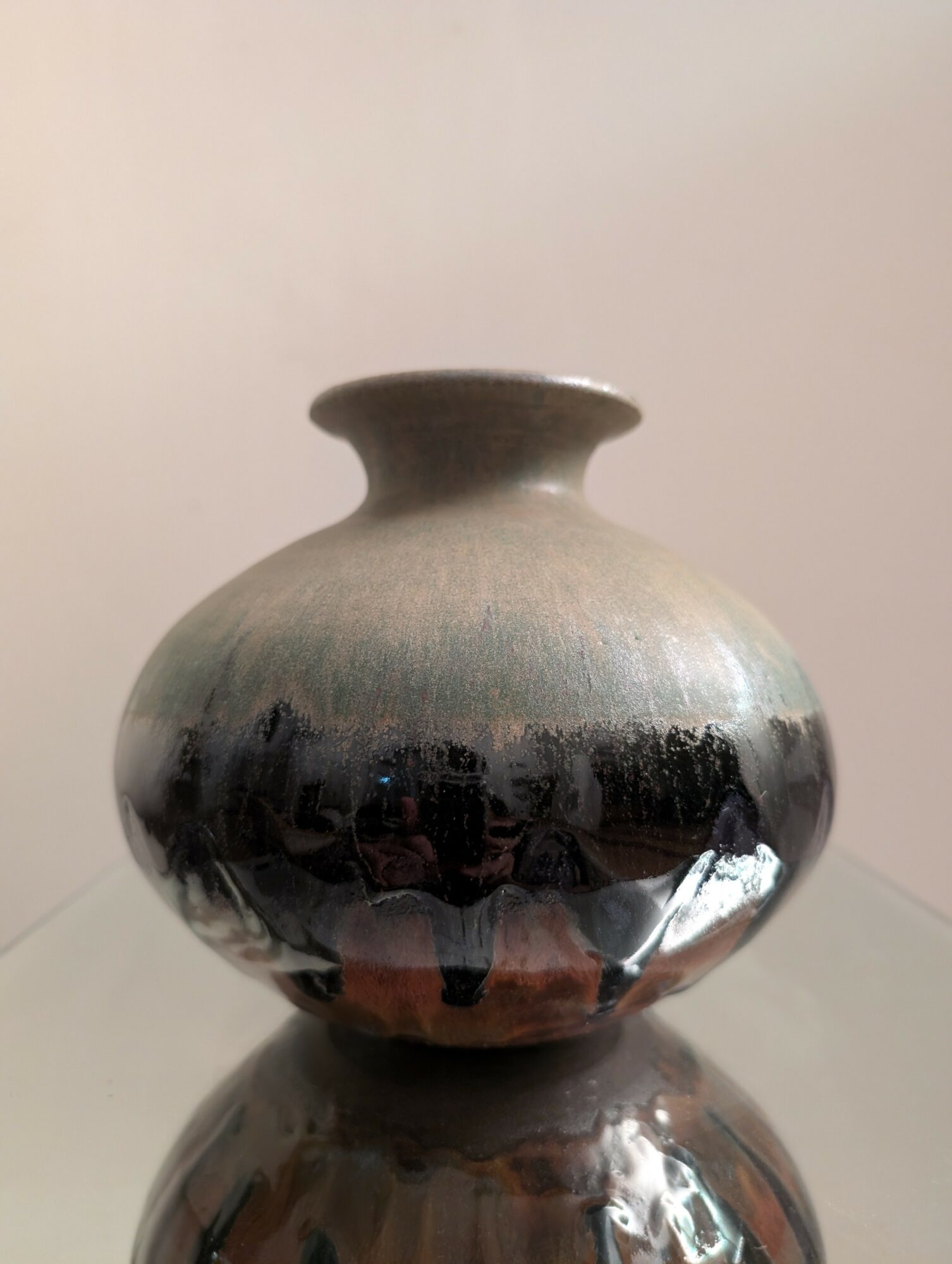
Image Credits
Rene Calvillo
Popular
-

What is something outside of work that is bringing you joy lately?
-

Local Highlighter Series
-
What did suffering teach you that success never could?
-

What are you most proud of building — that nobody sees?
-

Who were you before the world told you who you had to be?
-

If you could say one kind thing to your younger self, what would it be?


