




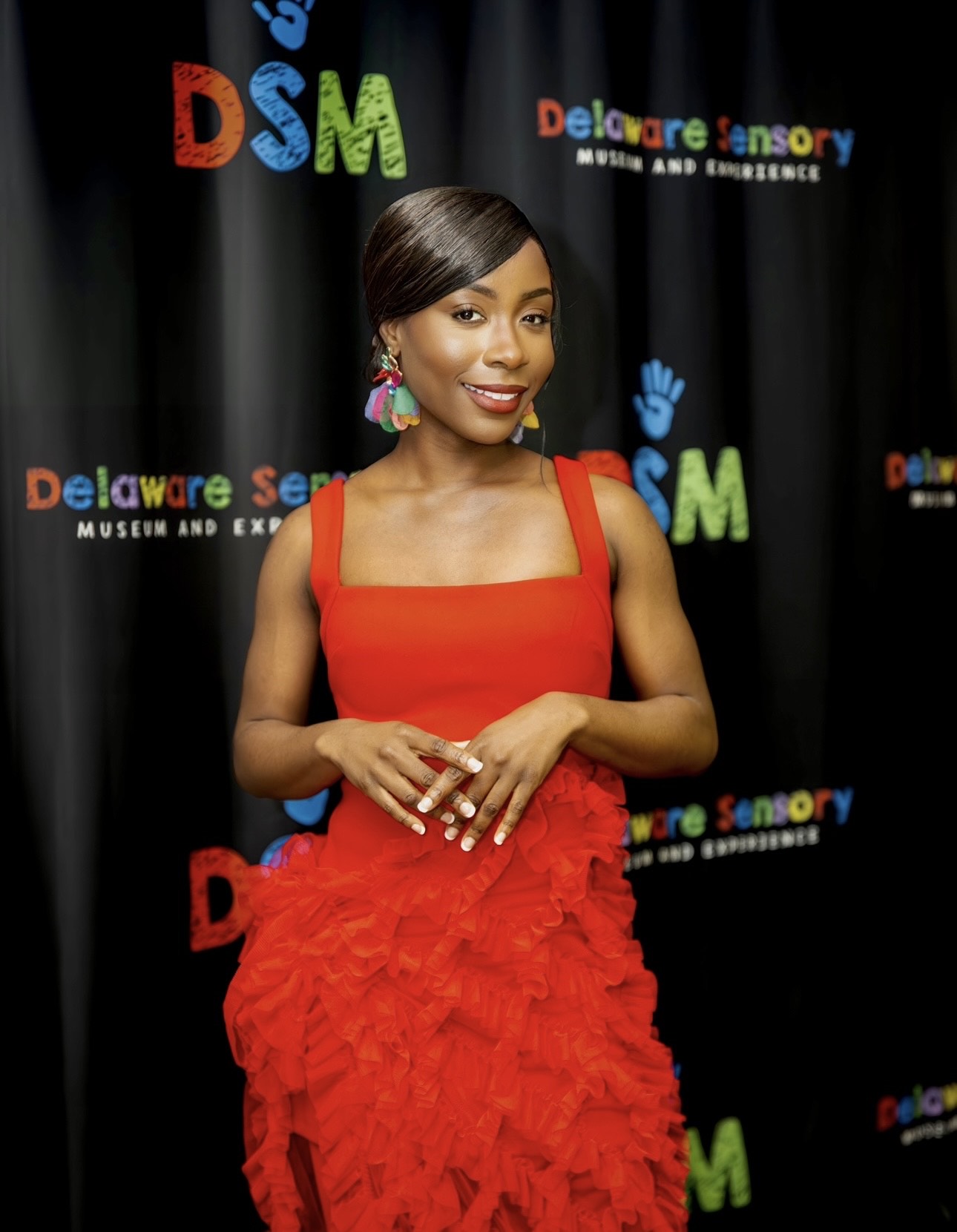
Today we’d like to introduce you to India-Sage Williams.
Hi India-Sage, thanks for sharing your story with us. To start, maybe you can tell our readers some of your backstory.
I always say my story didn’t start with the Delaware Sensory Museum — it started the day I became a mother.
When my son Lotus was born, I stepped into a world I didn’t fully understand yet. As he grew, I began noticing differences in how he experienced the world — how he responded to sound, light, textures, and environments. Our journey through evaluations, therapy waitlists, and the emotional maze of trying to find support opened my eyes to an entirely new reality for families like ours.
I realized quickly that what we needed most didn’t exist:
a place where children with sensory differences could feel regulated, understood, and celebrated — not overwhelmed or out of place. A place where caregivers could feel supported and not alone. A place where community, education, and early intervention could meet.
Along this journey, I also began hearing story after story from other families, educators, and clinicians who were experiencing the same gaps — long waitlists, limited spaces for regulation, and communities unsure how to support neurodivergent children. I felt God pressing on my heart: “Build what you needed.”
That was the seed that grew into the Delaware Sensory Museum Inc..
I’m a faith-led CEO, an autism mom, and a startup founder building something that didn’t exist in my state. My background is not traditional museum leadership, but what I have is lived experience, vision, and a calling far bigger than my comfort zone.
I started with no funding, no blueprint, and no roadmap — just a burden to create change. I spent months researching sensory-inclusive design, talking with specialists, pitching the concept to community leaders, and building relationships with school districts, healthcare providers, government leaders and neurodivergent adults. Every door that opened felt divinely timed.
From there, things began to move quickly — speaking engagements, community partnerships, an invitation to pitch at the Pete DuPont Freedom Foundation Reinventing Delaware Dinner, serving on the “Stop building for us, build with us” panel at the Lincoln Financial Field, hosted by Children’s Hospital of Philadelphia, Center for Autism Research, family coordinator, Jamiel Owens, during the Empathy Tech conference, and now building a coalition of families, educators, therapists, and supporters rallying around the mission. In December 2025 hosting our “Heart Of The Spectrum” end-of-year celebration and awards banquet honoring local and global change-makers including our keynote speaker, Multi-Platinum, Grammy Award Winning Singer, Autism mom, and Founder of Ryders Room Inc, Faith Evans.
Today, the Delaware Sensory Museum is gaining statewide engagement. We’re working toward establishing Delaware’s first sensory-inclusive, therapy-informed museum and community hub — one that bridges early intervention, play, education, and family support.
My story is still being written, but one thing remains constant:
I’m doing this for families like mine, for children like Lotus, and for the next generation of neurodivergent leaders who deserve spaces designed with them in mind.
And everything I’ve built so far — every connection, every event, every door that’s opened — is only possible because of purpose, community, and God’s timing.
Would you say it’s been a smooth road, and if not what are some of the biggest challenges you’ve faced along the way?
Has it been a smooth road? If not, what were some of the struggles along the way?
Definitely not a smooth road — and honestly, I don’t think it was meant to be. Purpose-led work rarely comes packaged in convenience.
As a mother navigating the neurodiversity landscape with my son Lotus, I’ve had to learn and unlearn in real time. I’ve spent nights researching therapies, advocating through systems that weren’t built with families like ours in mind, and fighting for access to support while balancing co-parenting, entrepreneurship, and the emotional weight of wanting to get it right for my child. That alone could qualify as a full-time responsibility.
On top of that, I was building a startup from scratch — not a traditional tech startup, but a mission-driven institution that doesn’t exist yet in my state. That meant educating people about why this matters, convincing stakeholders that neurodiversity inclusion is not a niche issue, and building something from zero with no template to follow.
Financing the vision was another major challenge. In the early stages, I had to make personal sacrifices — financially, emotionally, and physically. There were seasons where every dollar mattered, and seasons where I had to pause, pray, and keep going even when it felt impossible. Developing a fundraising strategy for something that hasn’t been built yet requires creativity, boldness, and resilience. I’ve had to pitch this concept to leaders across sectors, build case statements, host events, and secure engagement partners willing to get behind the mission before the building exists.
Creating strategic alliances was also an uphill climb. From healthcare systems to schools to nonprofits, each relationship required trust-building, clarity, and persistence. And every partnership matters because DSM is not something I can build alone — it requires a coalition of educators, clinicians, families, neurodivergent adults, donors, and policy leaders.
And yet, even with all these challenges, I’ve seen doors open in ways that felt divine. The right connections have appeared at the right time. Community support has grown. Leaders across Delaware are joining the movement. Each obstacle has sharpened my vision and made the mission stronger.
So no — it hasn’t been smooth.
But it has been purposeful.
And every sacrifice along the way has been worth it for the families and children who will one day walk into the Delaware Sensory Museum and finally feel like the world was built with them in mind.
Great, so let’s talk business. Can you tell our readers more about what you do and what you think sets you apart from others?
The Delaware Sensory Museum Inc. (DSM) is a first-of-its-kind initiative designed to become Delaware’s premier sensory-inclusive, therapy-informed museum and community hub for neurodivergent children, their families, educators, and caregivers. Our mission is to create a place where children can feel regulated, safe, and understood — and where families can find both support and community without waitlists, stigma, or barriers.
What We Do:
DSM focuses on three core areas:
Sensory-Based Learning & Play:
Multi-sensory environments designed with therapeutic intention, giving children access to regulated play experiences that support development, emotional wellness, and sensory needs.
Family Education & Early Support:
Workshops, parent training, community classes, and support groups that help caregivers understand neurodiversity, strengthen advocacy skills, and access resources.
Professional Training & Inclusion Advancement:
We provide training for teachers, churches, organizations, and community partners on sensory inclusion, accessibility, and empowering neurodivergent learners.
What Sets Us Apart:
DSM isn’t just a museum — it’s a movement, an ecosystem, and a bridge connecting early intervention, community wellness, and sensory-inclusive education. What makes us unique is our approach:
Lived Experience + Expertise:
DSM is led by a mother navigating the neurodiversity journey firsthand, informed by specialists, educators, and clinicians who believe in reimagining what inclusion looks and feels like.
Therapy-Informed Design:
Every exhibit and space is built using principles from occupational therapy, sensory integration, and child development — blending play with purposeful regulation.
Community-Based Early Intervention:
We bring support directly to families in ways that are accessible, culturally aware, and emotionally safe.
A Hub — Not Just a Space:
DSM will offer screenings, family resources, workshops, training, and sensory play sessions all under one roof — something Delaware currently does not have.
What I’m Most Proud Of:
Brand-wise, I am most proud that DSM is heart-centered, community-rooted, and purpose-driven. We haven’t even opened our doors yet, and already we’ve created momentum, influence, and conversation across the state. Families, educators, universities, healthcare systems, and advocates are rallying behind the mission because they see the need and believe in the vision.
DSM represents more than a place — it represents hope, belonging, early support, and a future where neurodivergent children are seen in their brilliance and not through their challenges.
What I Want Readers to Know:
DSM is being created for the families who feel overlooked.
For the children who are misunderstood.
For the caregivers searching for community.
For the educators who want tools.
For the future innovators, creators, and leaders who think and process differently.
We specialize in designing environments where every child can feel, discover, explore, and thrive. And we’re building a statewide movement around sensory inclusion — one partnership, one event, and one family at a time.
The Delaware Sensory Museum is not just filling a gap.
It’s redefining what support looks like.
It’s pioneering the future of neurodiversity in Delaware.
And we’re just getting started.
Networking and finding a mentor can have such a positive impact on one’s life and career. Any advice?
My biggest lesson has been this: you don’t find mentors — alignment finds you.
And the rooms you enter often shape the relationships you attract.
In the early stages of building DSM, I spent a lot of time trying to figure out who I should talk to, where I should be, and how to access the “right” people. What I learned is that when you move with clarity, purpose, and authenticity, the right people start to show up — often unexpectedly.
My approach to networking is simple:
1. Lead with purpose, not pressure.
When I enter a room, I’m not hunting for opportunities. I’m sharing the mission, telling the story, and connecting from a real place. That energy draws the right people in and filters out the rest.
2. Be in the environments that sharpen you.
I attend events where leaders, innovators, and problem-solvers gather — not just in my field, but across sectors. Some of my strongest partnerships came from spaces I didn’t expect, simply because I showed up.
3. Let your work speak before you ask for anything.
Build credibility by living the mission out loud. When people see consistency, passion, and the impact you’re creating, mentorship and collaboration follow naturally.
4. Treat every interaction as a seed.
Not every connection becomes an immediate opportunity. But almost all of them grow into something valuable — insight, a referral, a collaboration, or wisdom I needed later.
5. Honor your intuition — and your boundaries.
Discernment is a networking tool. Not everyone with influence is meant to shape your journey, and not everyone with resources has the heart for your mission. I’ve learned to trust the nudge when something feels off, and to move toward the people whose spirit and values match the work I’m building.
6. Follow up with intention.
A simple message saying, “It was great meeting you — I’d love to learn more about what you do and explore alignment,” goes further than a pitch ever will.
What’s worked best for me is staying grounded in who I am:
a mother, an advocate, a faith-led founder, and someone building something bigger than herself. When you network from that place — from purpose, not performance — the right mentors, partners, and champions find you.
And I’ve learned that sometimes the most transformative connections come from people who see your mission before they see your title.
Contact Info:
- Website: https://www.dsmexperience.com
- Instagram: @dsmexperience @indiasagethebrand
- Facebook: https://www.facebook.com/share/17psbE7NyC/?mibextid=wwXIfr
- LinkedIn: https://www.linkedin.com/in/india-williams-008a81358?utm_source=share&utm_campaign=share_via&utm_content=profile&utm_medium=ios_app
- Other: https://crimson-mackerel-x2mt.squarespace.com/
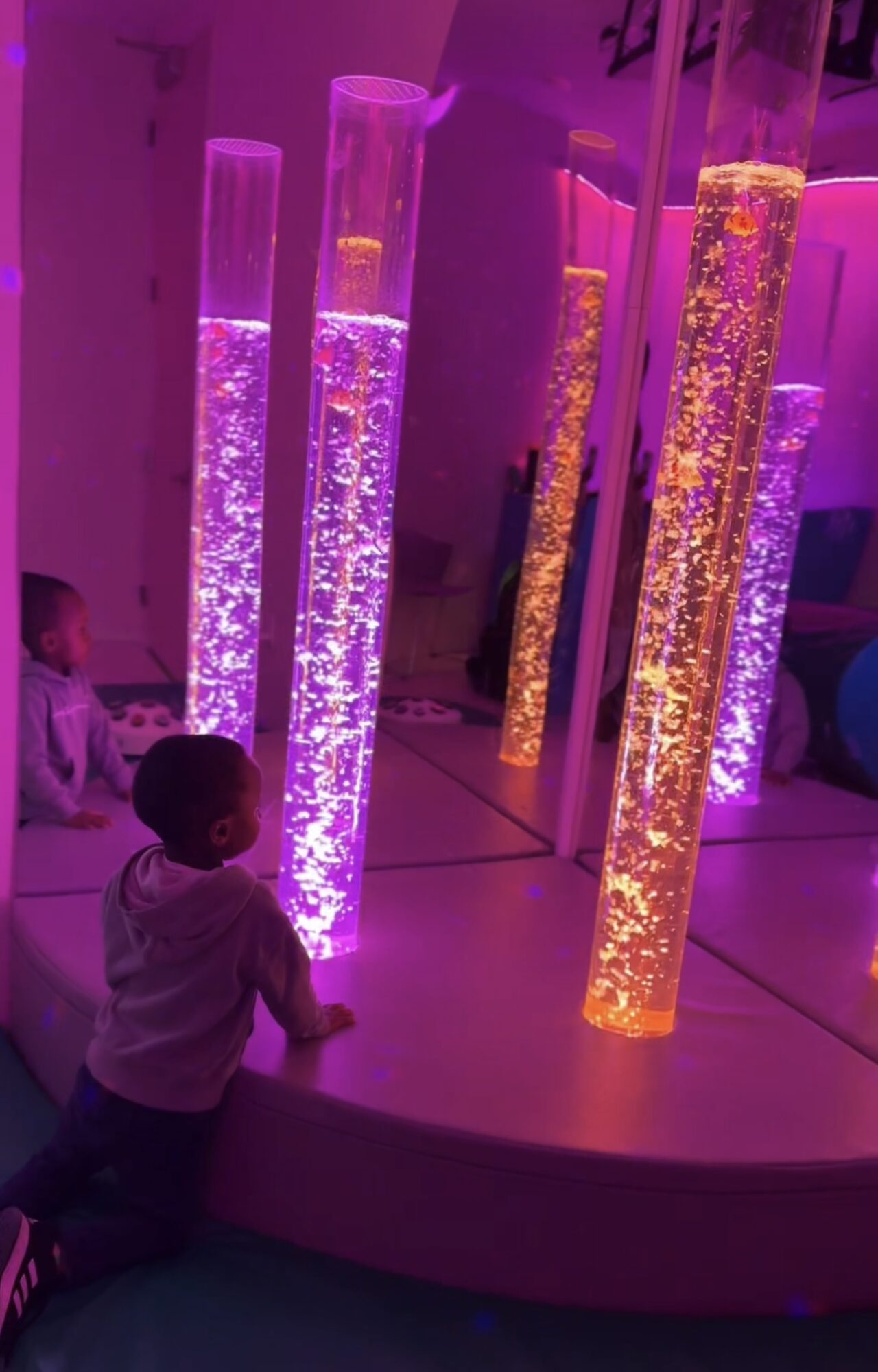
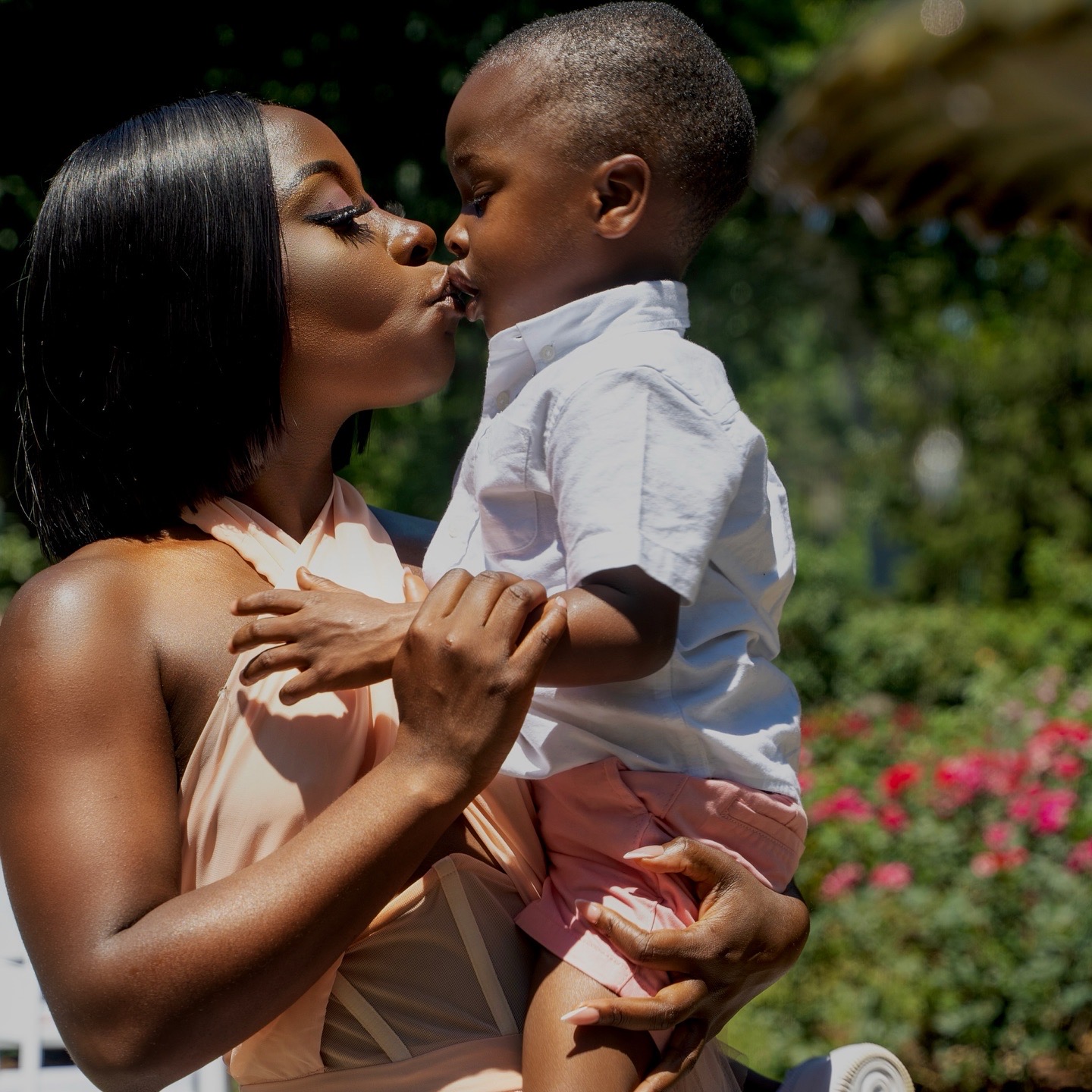

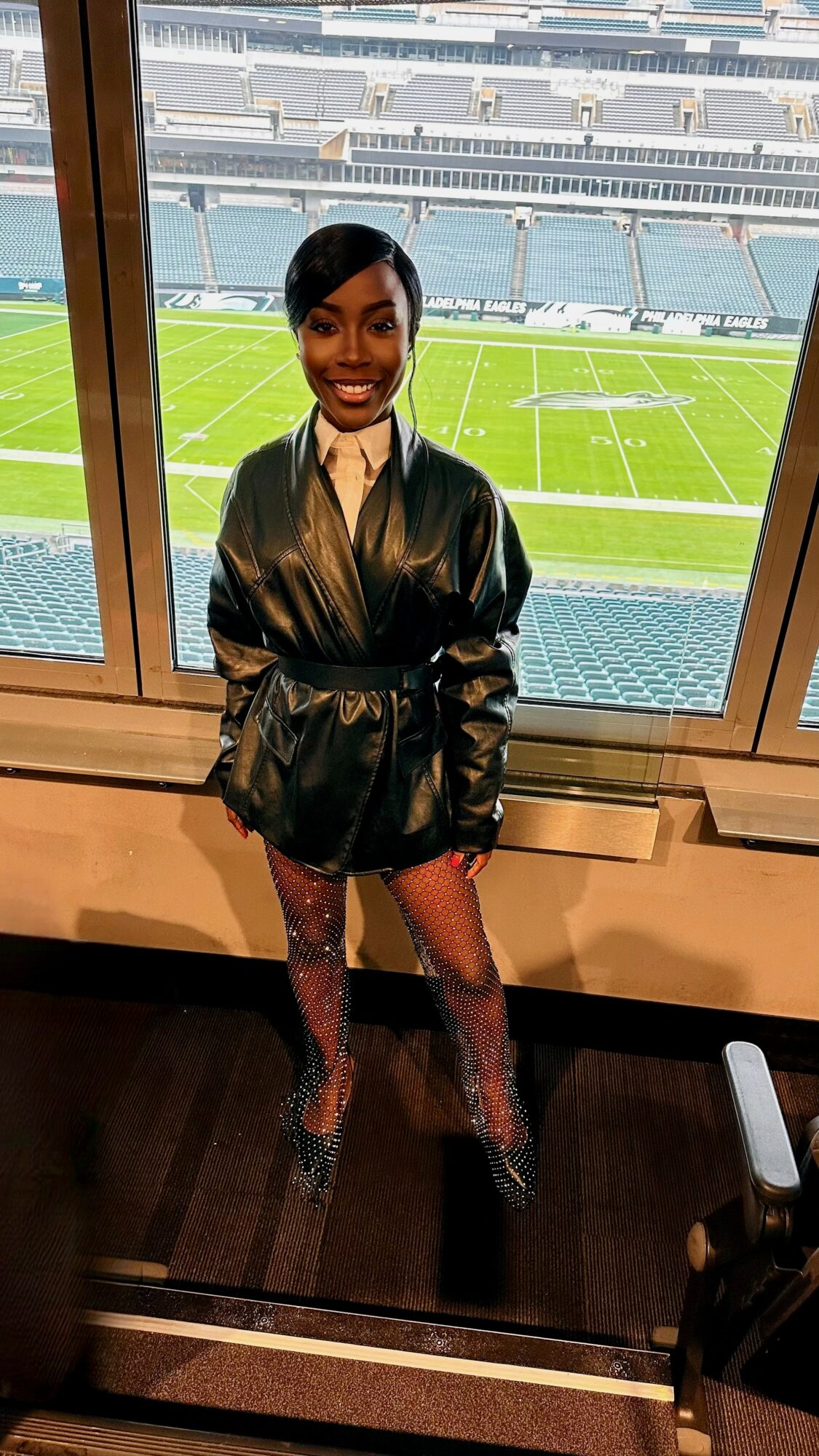
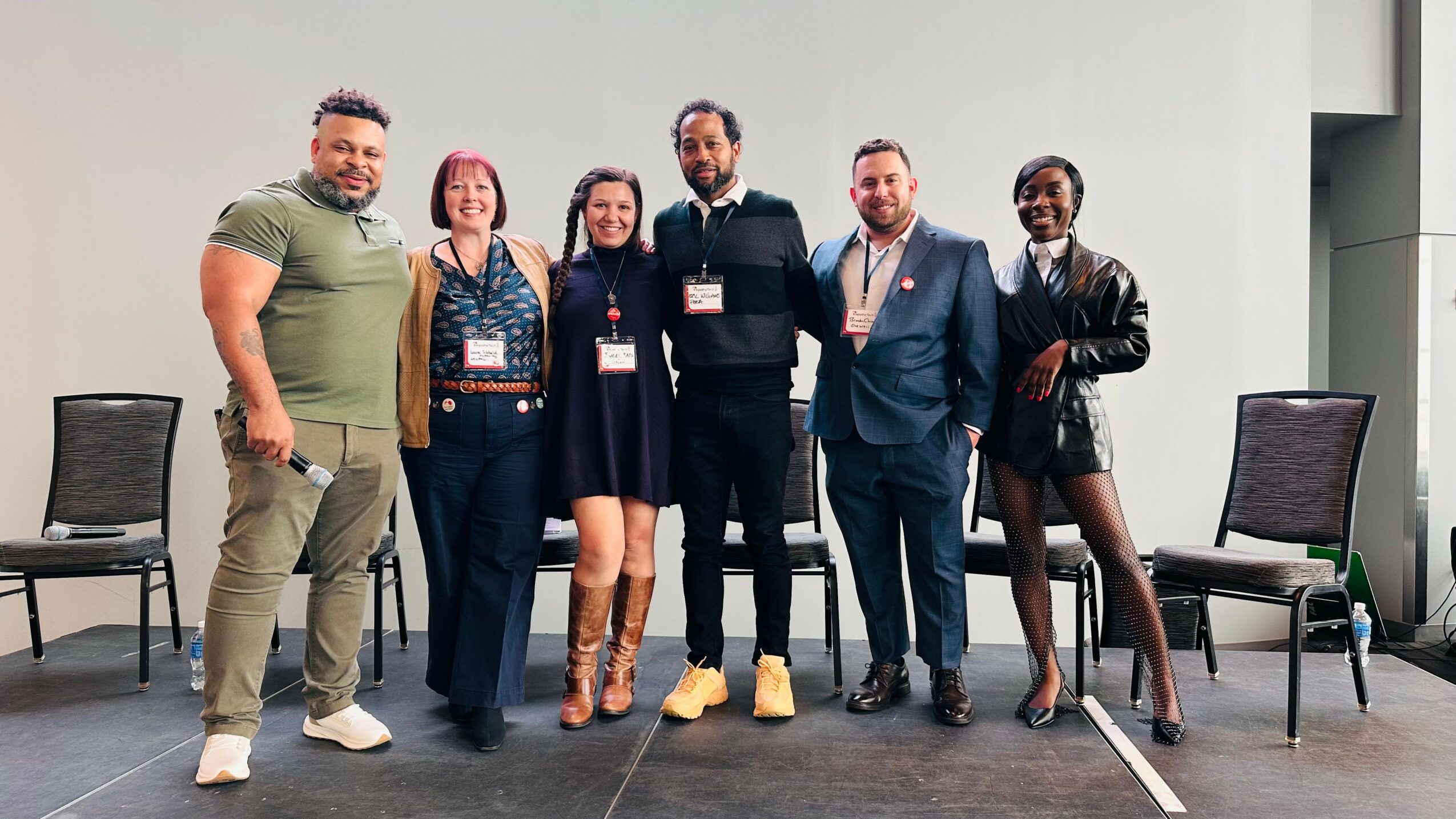

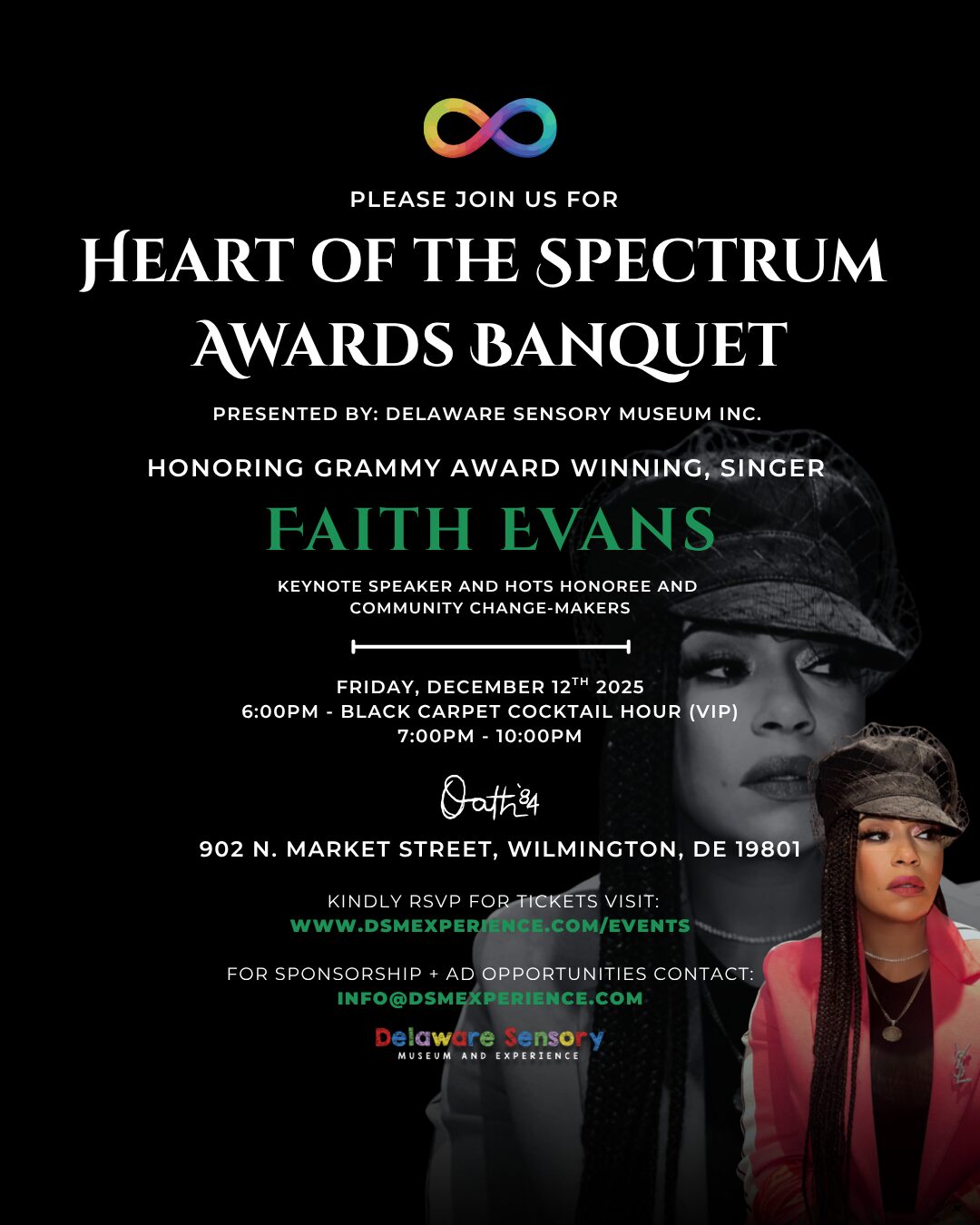
Image Credits
@AlexanderBolt_ photo of India in pink dress with lotus)
Popular
-

What is the story you hope people tell about you when you’re gone?
-

Who were you before the world told you who you had to be?
-

Was there ever a time you almost gave up?
-

What is something outside of work that is bringing you joy lately?
-

Who saw you clearly before you could see yourself?
-
What are the biggest lies your industry tells itself?


