




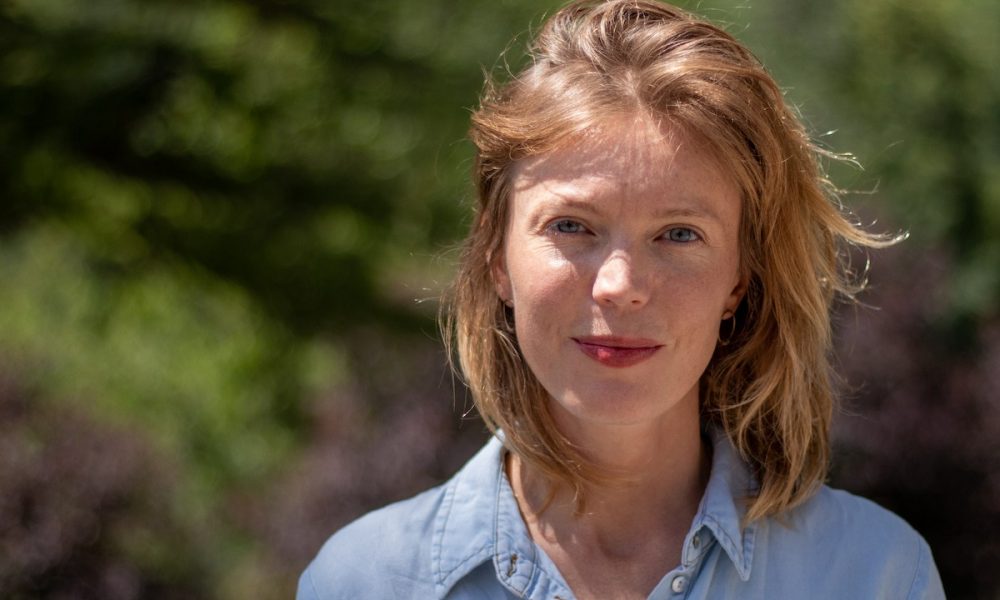
Today we’d like to introduce you to Danielle Stevenson.
Danielle Stevenson
As you know, we’re big fans of you and your work. For our readers who might not be as familiar what can you tell them about what you do?
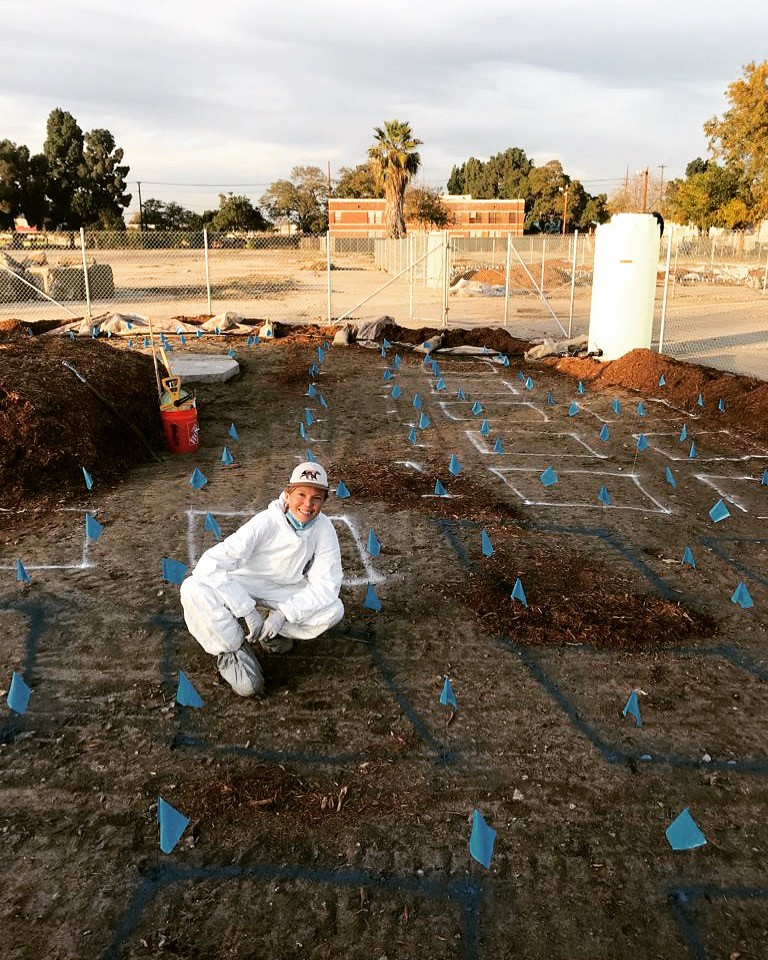
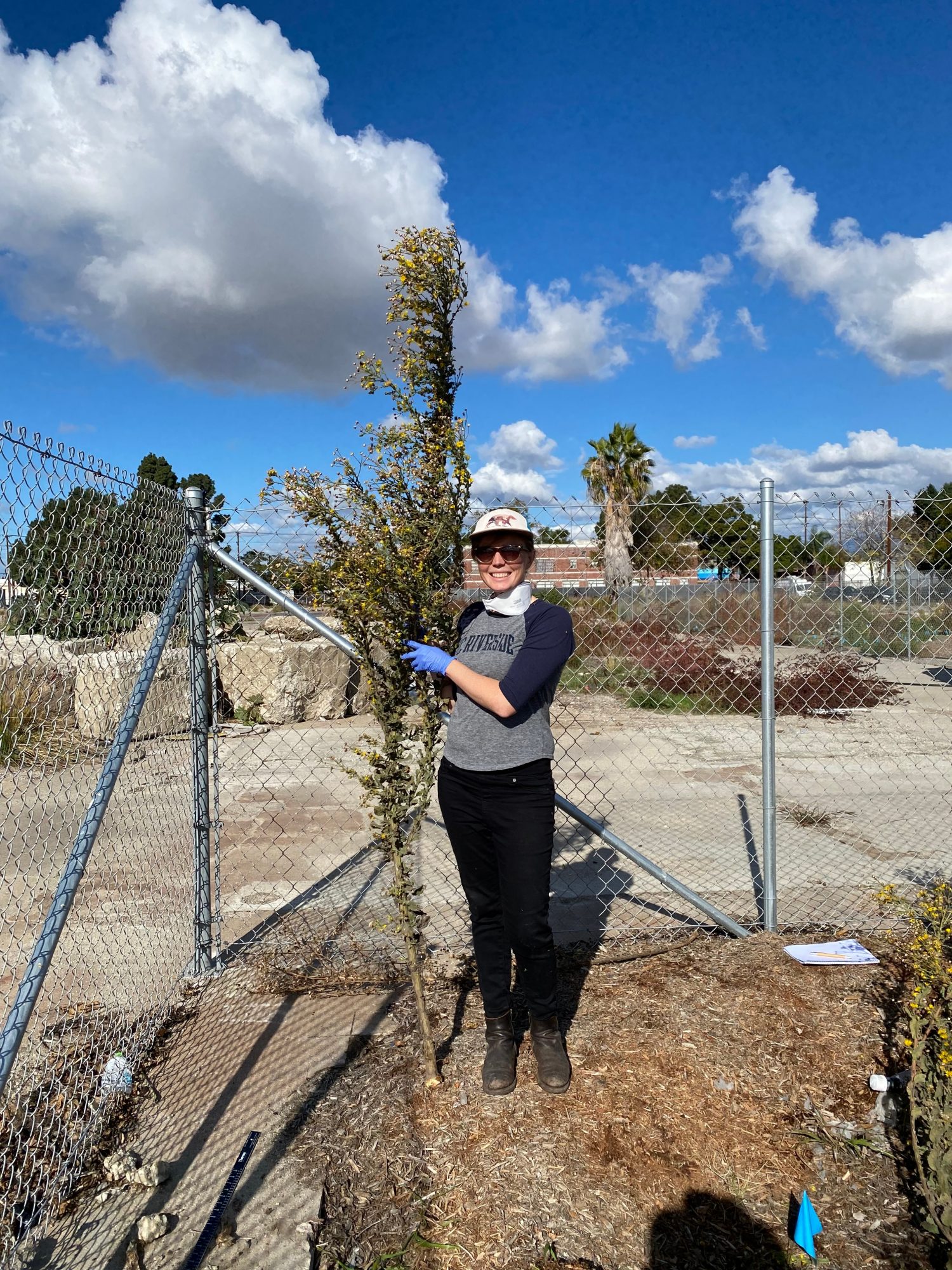
I work with fungi (and plants and microbes and people) to clean up pollution in the environment, whether waste or contaminated lands. Mycoremediation is my specialty and I’ve been focused on that for over a decade. I’m most proud of this recent mycoremediation study on three contaminated sites in Los Angeles because I think it might be one of the largest studies testing the potential of several types of fungi in remediation.
I work with fungi (and plants and microbes and people) to clean up pollution in the environment, whether waste or contaminated lands. Mycoremediation is my specialty and I’ve been focused on that for over a decade. I’m most proud of this recent mycoremediation study on three contaminated sites in Los Angeles because I think it might be one of the largest studies testing the potential of several types of fungi in remediation.
Hi Danielle, can you start by introducing yourself? We’d love to learn more about how you got to where you are today?
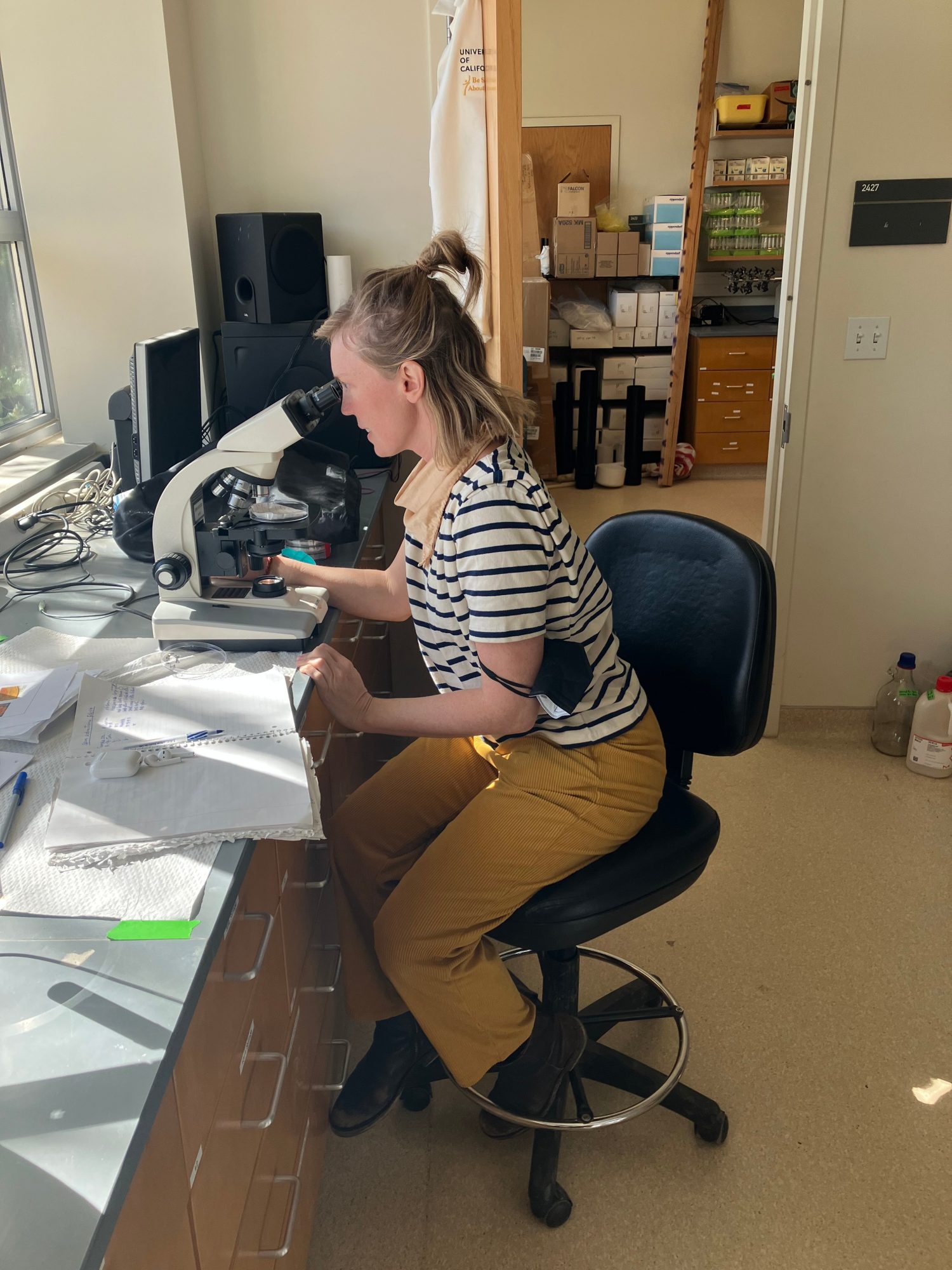
I grew up on the shores of Lake Erie and worked in agriculture as a youth. Growing up in a polluted place, I witnessed the environmental and health impacts of pollution as well as the way nature heals itself – poplar trees growing on abandoned factories, shaggy mane mushrooms growing through asphalt surrounding abandoned oil refineries. I went on to study environmental studies in my undergraduate degree and worked summers in agriculture. When I started coordinating urban agriculture projects in 2009, I became aware of soil metal contamination and began a curious and passionate exploration of how to clean and regenerate contaminated soils. I had already been working with plants and compost to help the soil, but I learned about the potential to work with fungi to clean up contaminated soils and started learning as much as I could, mostly through experimentation in a lab I built in my rented house. In 2012, I launched D.I.Y. Fungi to teach folks about fungi for food, medicine and remediation and I began partnering with universities, colleges and accredited labs for analysis of the experiments I’d been working on with mycoremediation, working on bioremediation projects with plants, fungi and compost on various contaminated sites around the city, and establishing programs such as Healing City Soils with the Compost Education Centre. This all led me to my current research – which I’m just wrapping up – as a PhD student in Environmental Toxicology at the University of California Riverside. I have identified California native plant metal remediators and fungi that address multiple common contaminants and tested these in a Phyto-Mycoremediation Study at three contaminated sites in Los Angeles.
Alright, so let’s dig a little deeper into the story – has it been an easy path overall and if not, what were the challenges you’ve had to overcome?
Lol! It has not been a smooth road. It’s a huge project and it hasn’t been done before, so we literally had to break ground for this to happen. It was a struggle to get permits and approval from regulatory agencies because these methods – this specific combination of native plants and especially the incorporation of multiple types of fungi – had not been proven in the field before, so there was skepticism and we had to create proposals, work plans, literature reviews and participate and present in extensive meetings including meetings with developers, neighborhood councils, communities, and other stakeholders, and do a huge amount of paperwork (agreements / MOU’s, legal documents and reporting). Then it was a struggle getting water to run the irrigation because some of the contaminated sites in LA are very large – the three sites in the study cover 108 acres. We had to coordinate to get concrete and asphalt removed to access the soil for remediation. And getting help – because of Covid and because of the potential for exposure to hazardous chemicals. I had to do a 40-hr HAZWOPER certification to be able to manage volunteers and research assistants in the bioremediation study efforts.
To do this as a rigorous scientific study that would be taken seriously, it’s meant a huge amount of sampling – literally, we take ~3,000 samples at every time point and analyze them for 15 different things. Then we have to have an outside lab verify our analysis/results, which is extremely expensive, which then entails fundraising/grant writing. Then there’s silly things, like people riding dirtbikes over the irrigation, rabbits eating all the plants, heat waves killing everything and having to re-plant or re-inoculate multiple times, the research van getting stolen with most of the final plant samples in it, and things like that. Also struggles with funding, with competition / sabotage and so much politics and bureaucracy that I didn’t expect to be part of a PhD. There have been so many struggles and I hope it is easier in the future after this precedent, I also hope to share the process so that others have an easier time and know what to expect.
What matters most to you? Why?
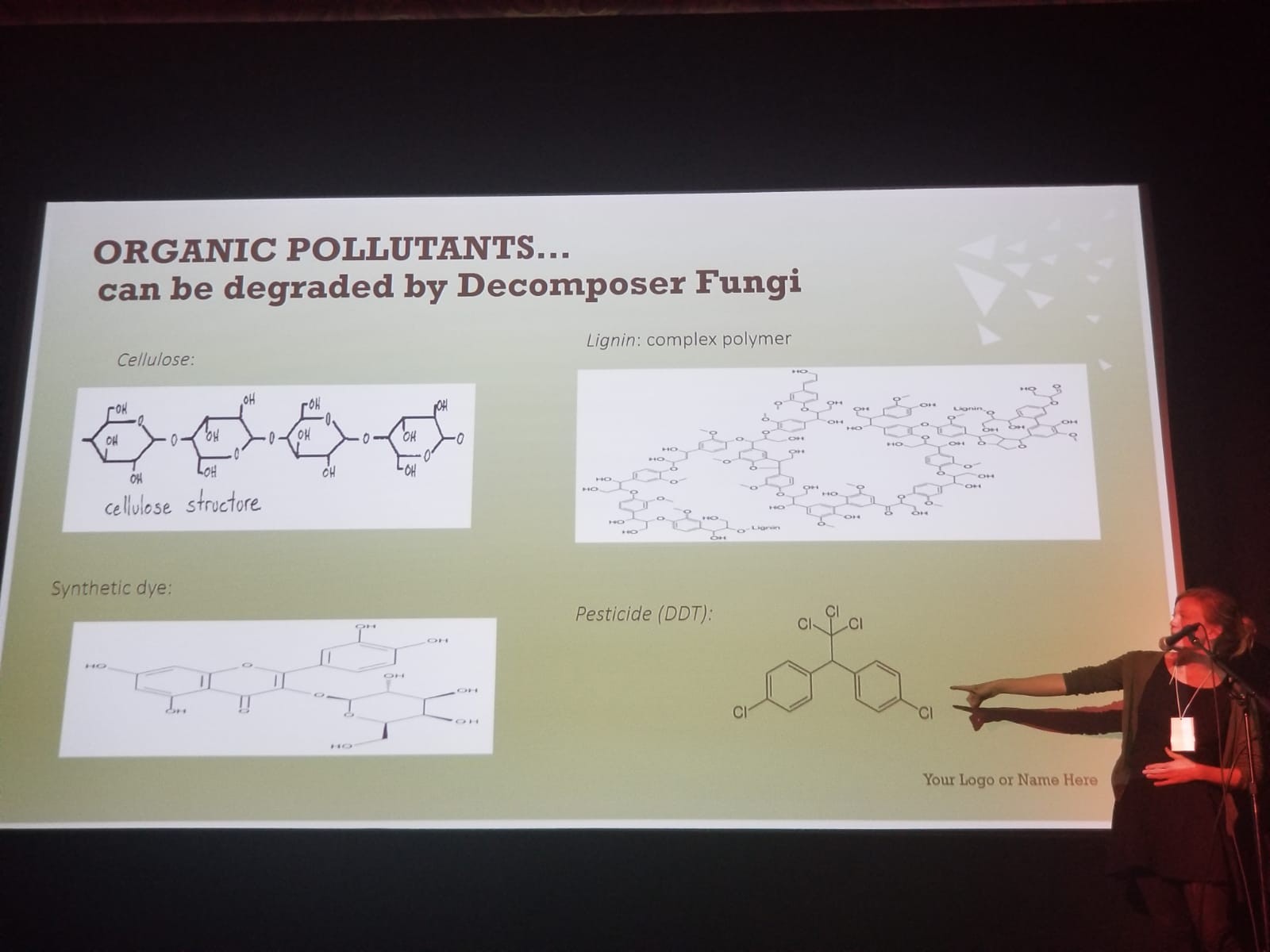
What matters most to me is to help deal with this massive problem of pollution. Did you know that more than 1/10th of California’s land mass is contaminated, and that’s just what we know about? Living near pollution is taking years of people’s lives, to just name one effect of this problem. A major reason this problem isn’t being addressed is because the current “dig and dump” remediation method is too expensive (not to mention it only moves the problem somewhere else). I truly believe in the potential to work with nature – and especially fungi, who have often been overlooked- to clean up polluted lands (aka bioremediation). Pollution is connected to a lot of other problems we face on a large scale. By working on pollution, we can work on other problems too. I care a lot about the land, and I care about ethics – the way we do this work – I care about (positive) impact and I care about people. With bioremediation, we have the potential to create a lot of new jobs doing good work, to regenerate lands that are contaminated for community use and development as housing, parks or other needs, to protect and improve public health and so much more – to help people and the environment.
What matters most to me is to help deal with this massive problem of pollution. Did you know that more than 1/10th of California’s land mass is contaminated, and that’s just what we know about? Living near pollution is taking years of people’s lives, to just name one effect of this problem. A major reason this problem isn’t being addressed is because the current “dig and dump” remediation method is too expensive (not to mention it only moves the problem somewhere else). I truly believe in the potential to work with nature – and especially fungi, who have often been overlooked- to clean up polluted lands (aka bioremediation). Pollution is connected to a lot of other problems we face on a large scale. By working on pollution, we can work on other problems too. I care a lot about the land, and I care about ethics – the way we do this work – I care about (positive) impact and I care about people. With bioremediation, we have the potential to create a lot of new jobs doing good work, to regenerate lands that are contaminated for community use and development as housing, parks or other needs, to protect and improve public health and so much more – to help people and the environment.
Contact Info:
- Website: https://www.danielle-stevenson.com/
- Instagram: danielle.stevenson7
- Facebook: www.facebook.com/diyfungivictoria
- Linkedin: https://www.linkedin.com/in/danielle-stevenson/
- Twitter: @danielle_n_s
- Other: https://diyfungi.blog
Suggest a Story: VoyageLA is built on recommendations from the community; it’s how we uncover hidden gems, so if you or someone you know deserves recognition please let us know here.
Popular
-

What is something outside of work that is bringing you joy lately?
-

Local Highlighter Series
-
What did suffering teach you that success never could?
-
What are you most proud of building — that nobody sees?
-

Who were you before the world told you who you had to be?
-

If you could say one kind thing to your younger self, what would it be?


