



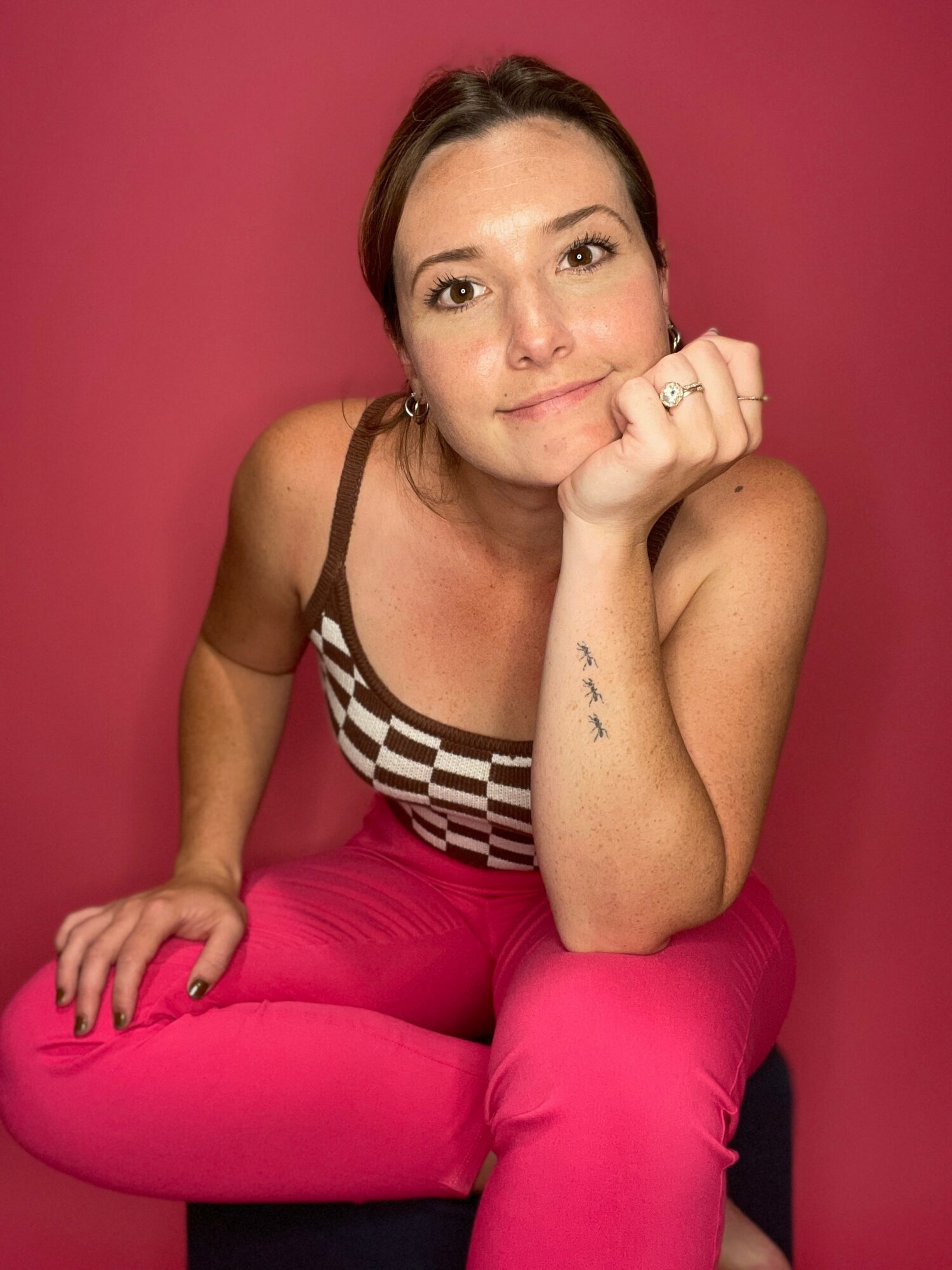
Today we’d like to introduce you to Dana Ayala.
Hi Dana, so excited to have you on the platform. So before we get into questions about your work-life, maybe you can bring our readers up to speed on your story and how you got to where you are today?
My path to interior architecture wasn’t linear—but it’s always been rooted in storytelling. I began in the world of theater, building sets that brought imagined worlds to life. Like many college students, I explored a variety of creative avenues before discovering that interior design wasn’t just about making spaces look good—it was about shaping how people live, feel, and connect within them.
Once I realized that design could be both a backdrop and a character in our everyday lives, I committed fully, earning both my Bachelor’s and Master’s degrees in Interior Architecture. While studying, I worked in high-end residential design with a focus that was close to my heart: creating environments tailored to individuals on the autism spectrum. This introduced me to the field of neurological architecture—how the built environment influences movement, behavior, and sensory processing.
My career then expanded into ground-up multifamily developments across the country. I loved the scale, the strategy, and the systems thinking it required. But after years in that world, I found myself missing the intimate, human connection that had first drawn me to design.
That’s when The LoCal Community was born.
More than a studio, The LoCal Community is a philosophy: that great design is not just what’s trending on Pinterest—it’s the layering of meaningful, personal details that reflect who you are. It’s art. It’s memory. It’s texture and sound and movement. From addressing sensory needs to honoring a client’s passion for collecting, my work now focuses on building spaces—and community—that feel alive, inclusive, and entirely you.
Alright, so let’s dig a little deeper into the story – has it been an easy path overall and if not, what were the challenges you’ve had to overcome?
Definitely. One of the biggest struggles for me was dealing with imposter syndrome. You can be smart, talented, and hardworking—but if you don’t feel like you are, it can really hold you back. I spent a lot of time battling my own inner critic, which was probably tougher than any external challenge.
As a creative, I always felt confident in my ability to design—but taking on the full responsibility of running a business? That was scary. I had plenty of failed attempts trying to blend creativity and business—blogs, online shops, content creation… you name it. None of them really stuck, but each one taught me something and helped me get clearer on what kind of work I actually wanted to do and how I wanted to show up in it.
Thanks for sharing that. So, maybe next you can tell us a bit more about your work?
I’m an interior designer with a background in both high-end residential and large-scale multifamily developments, but what really drives my work is the belief that design should be deeply personal, sensory-aware, and community-oriented. Through my studio, The LoCal Community, I focus on creating spaces that are more than just beautiful—they’re meaningful, responsive, and built around how people actually live.
I specialize in designing for neurodiversity, sensory processing, and storytelling through space. That might mean designing a home that feels calm and intuitive for someone on the autism spectrum, or helping a client showcase an art collection that tells their life story. I’m most proud of blending high design with emotional intelligence—bringing in both research-based strategies and personal touches that make spaces feel like you.
What sets me apart is that I see design as more than aesthetics. It’s movement, sound, texture, memory—it’s a character in your everyday life. I don’t follow trends for the sake of it. I build layered, human-centered environments that reflect identity, support well-being, and help people feel truly at home.
Any big plans?
Right now, I’m really looking forward to opening The LoCal Community’s first official office space—it’s a big step and feels like such a full-circle moment. It’ll be more than just a studio; we’re designing it to be a gathering place for creativity, conversation, and community. Somewhere clients, collaborators, and neighbors can connect and feel inspired.
Looking ahead, I’m planning to continue growing the studio in ways that stay true to our mission—focusing on sensory-aware, story-driven design. I’m also exploring more opportunities to bring education and advocacy into the mix, whether that’s through workshops, events, or design tools that make good design more accessible. The goal is always to keep building spaces—and a business—that uplifts people and the way they live.
Contact Info:
- Website: https://www.localdesignstudio.com
- Instagram: @thelocalcommunity
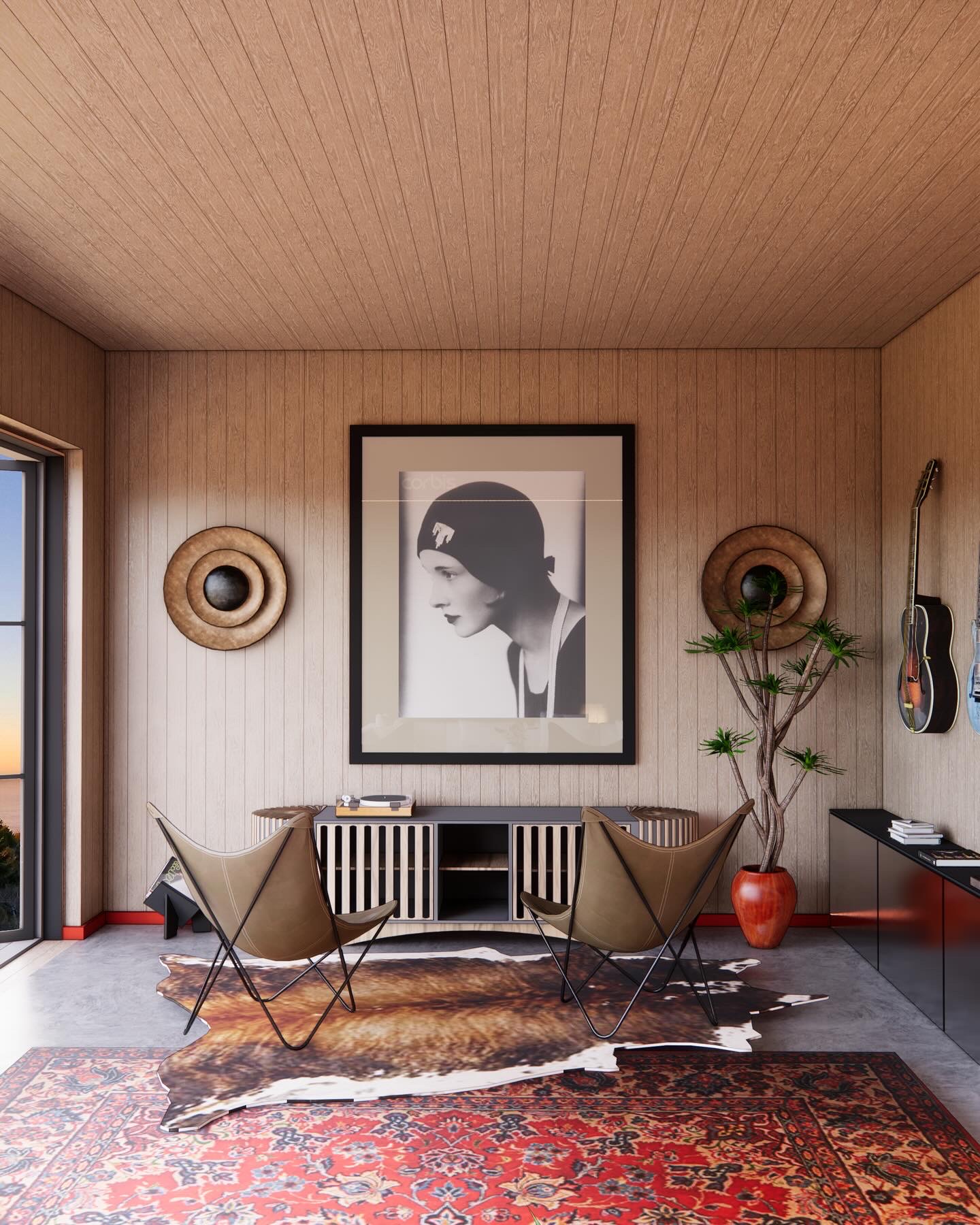
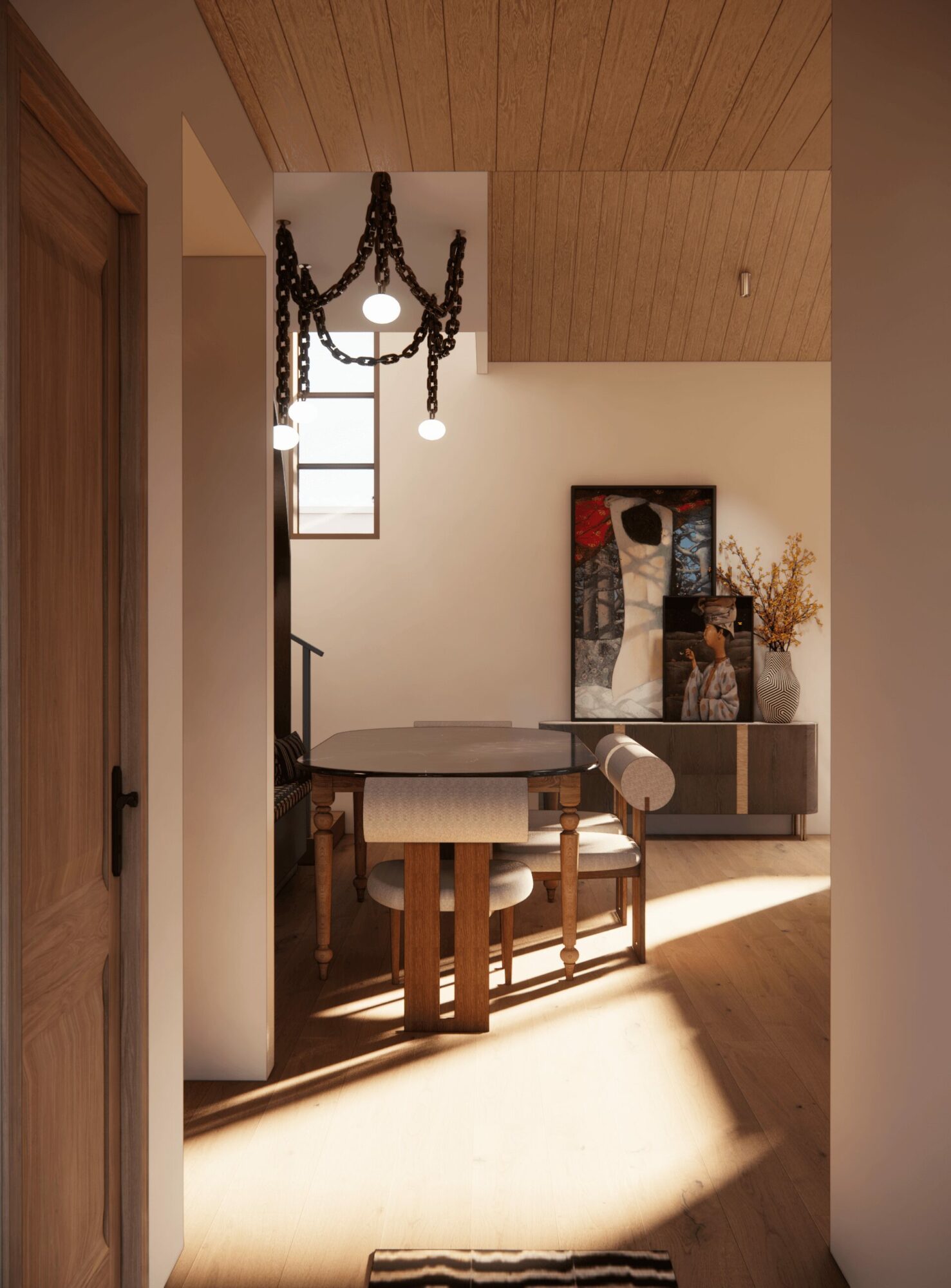
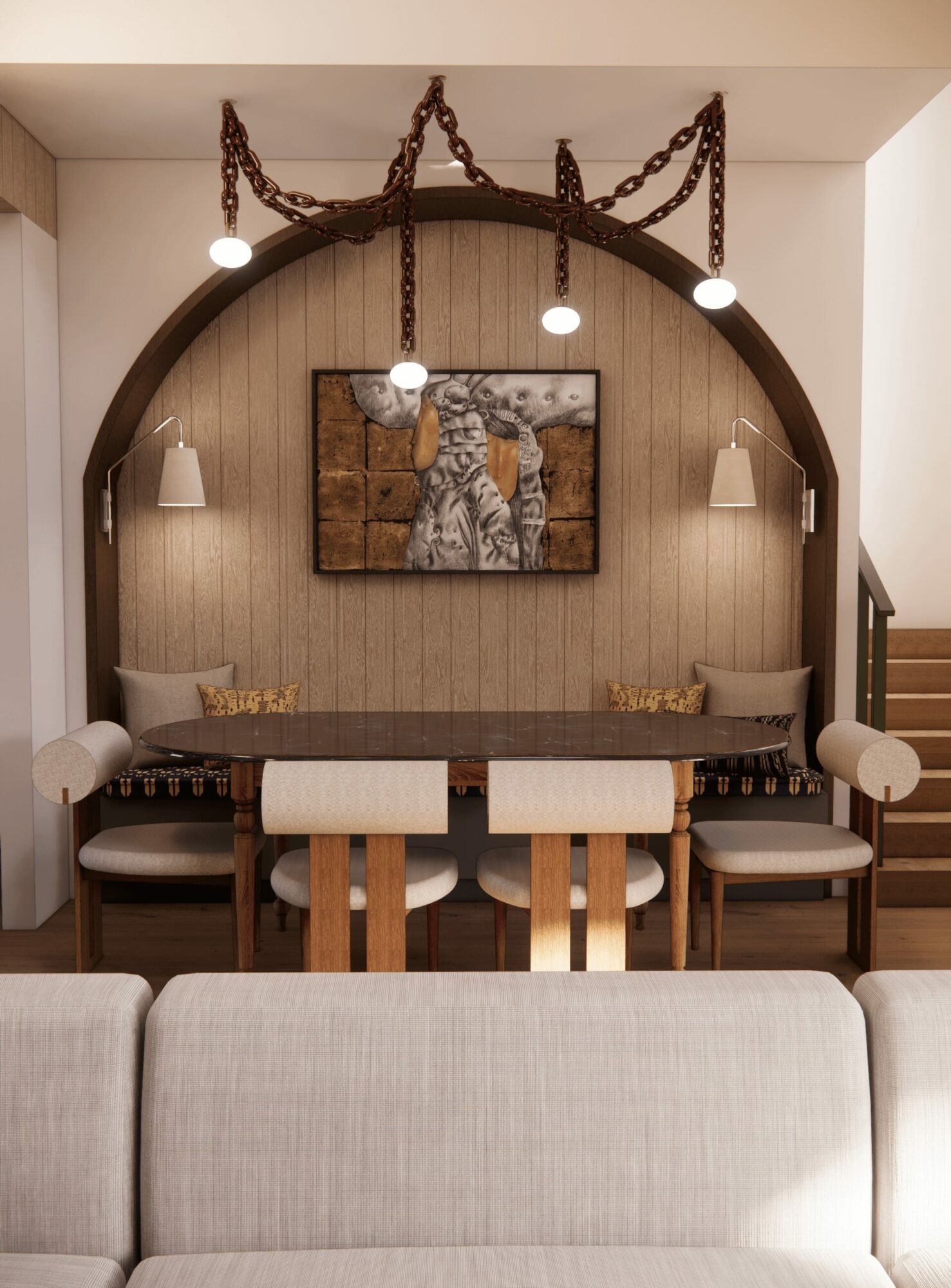
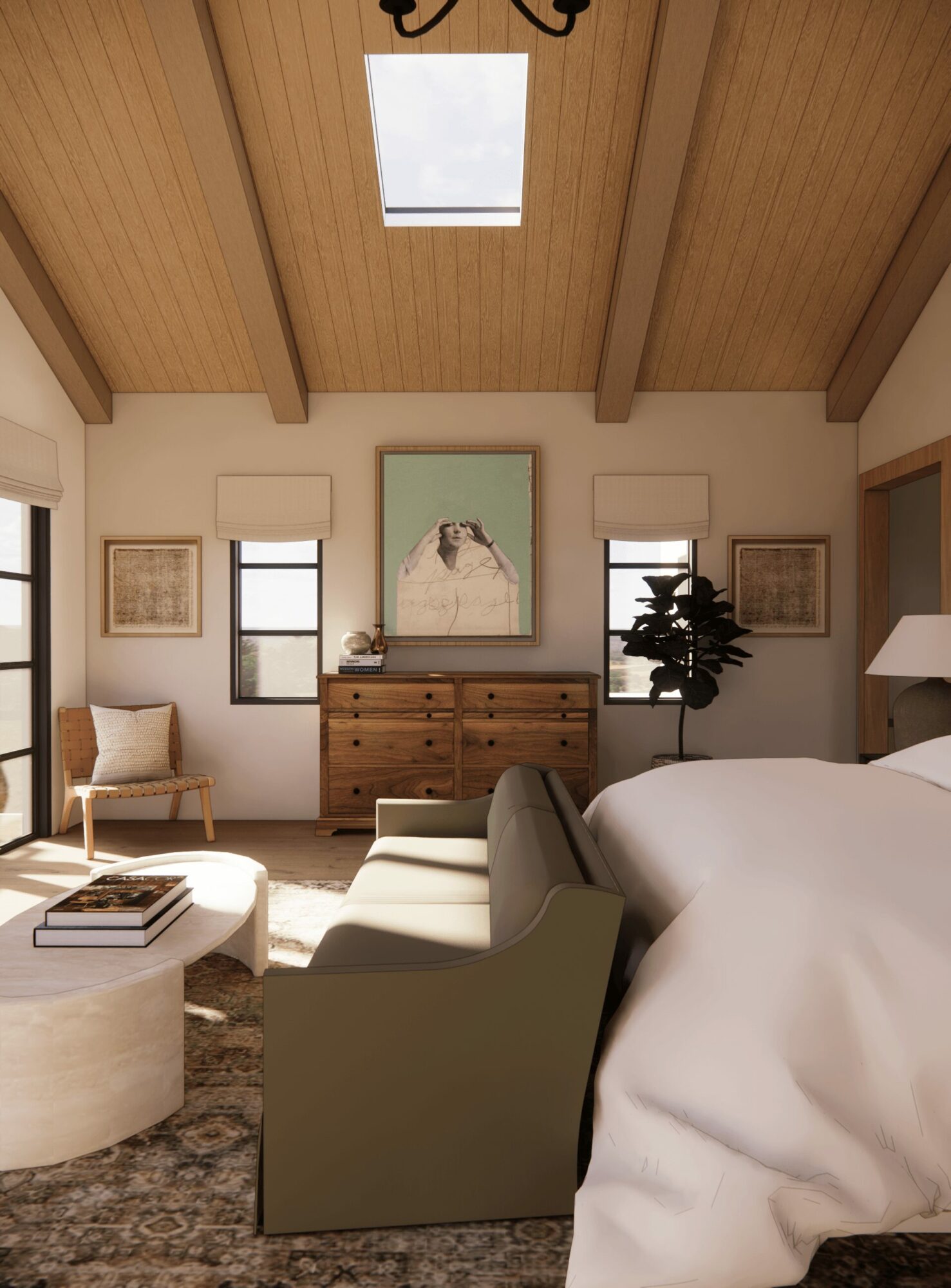
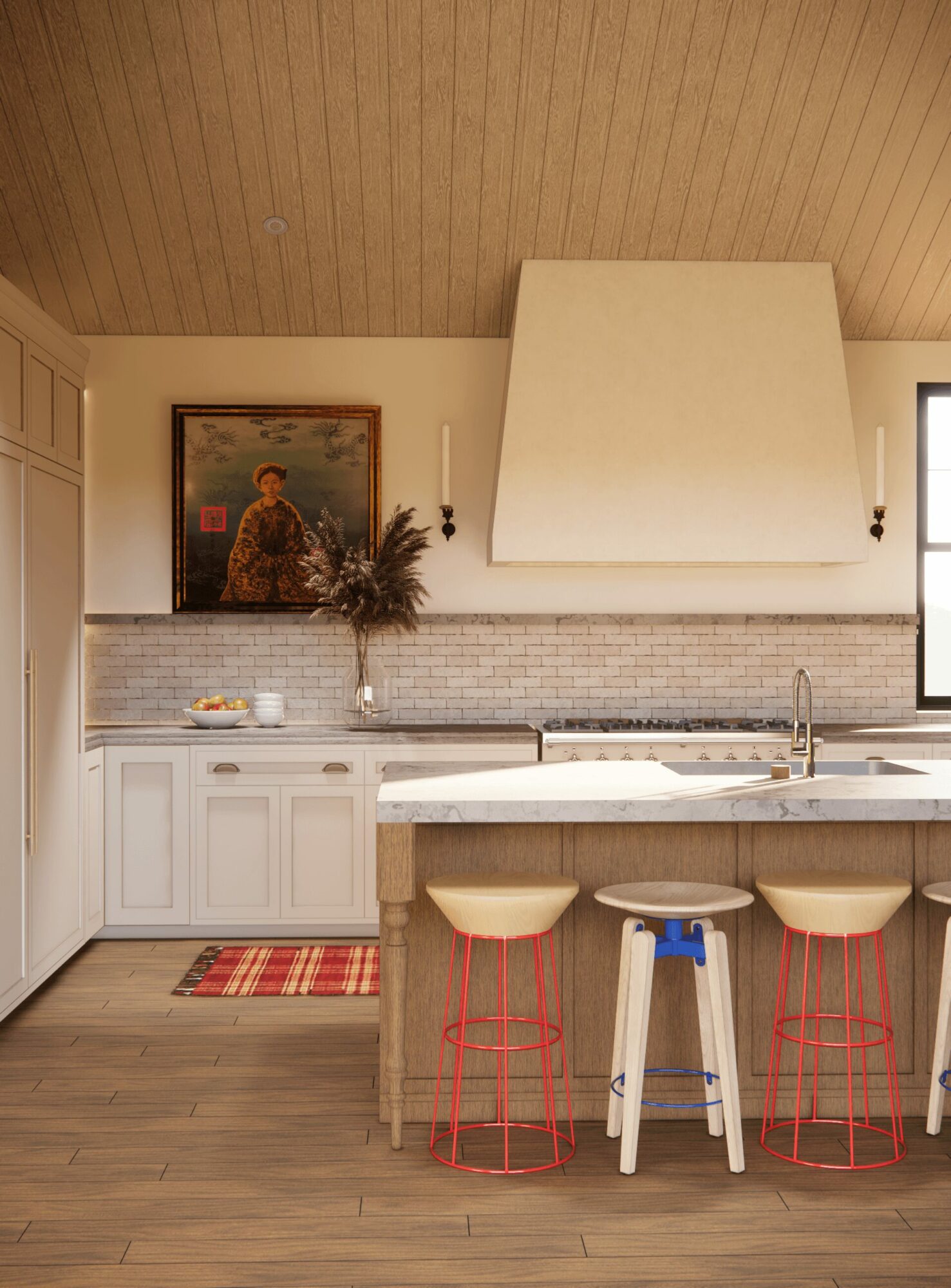
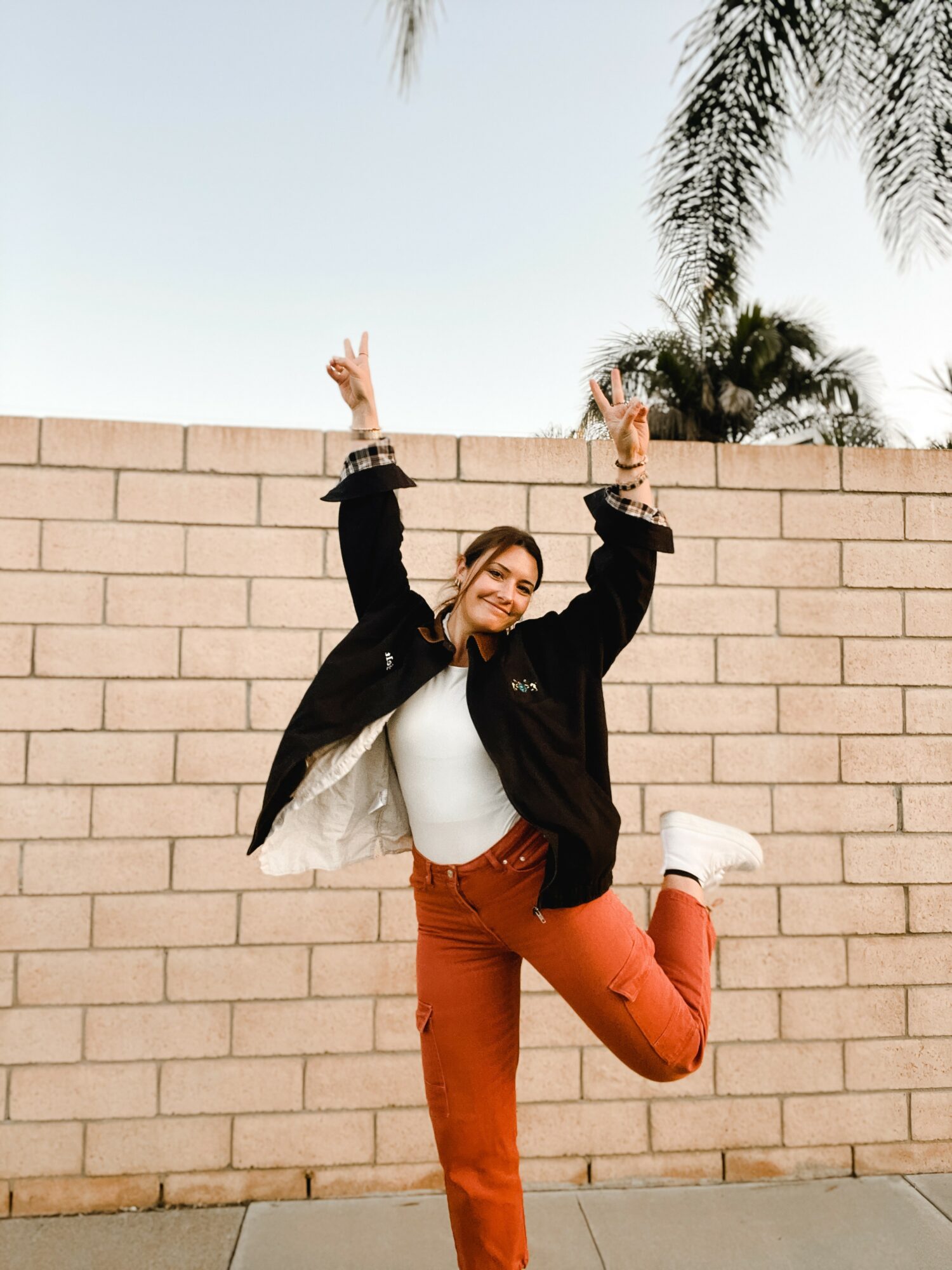
Image Credits
The LoCal Community
Popular
-

From Fitness to Self-Mastery: Batista Gremaud on Aligning the Body as the Foundation for a Purpose-Driven Life
-

Redefining Space Without Limits: Maria Joana Aguiar on MEDIA360VR’s Evolution Beyond Geography and Industry
-

Designing Confidence: Alaya Turns Self-Expression into a Purpose-Driven Brand
-

A New Chapter in Orange County: Paul Madahan Elevates the PaulDavid Salon Experience
-

Portraits of the Valley
-

LA’s Most Inspiring Stories


