




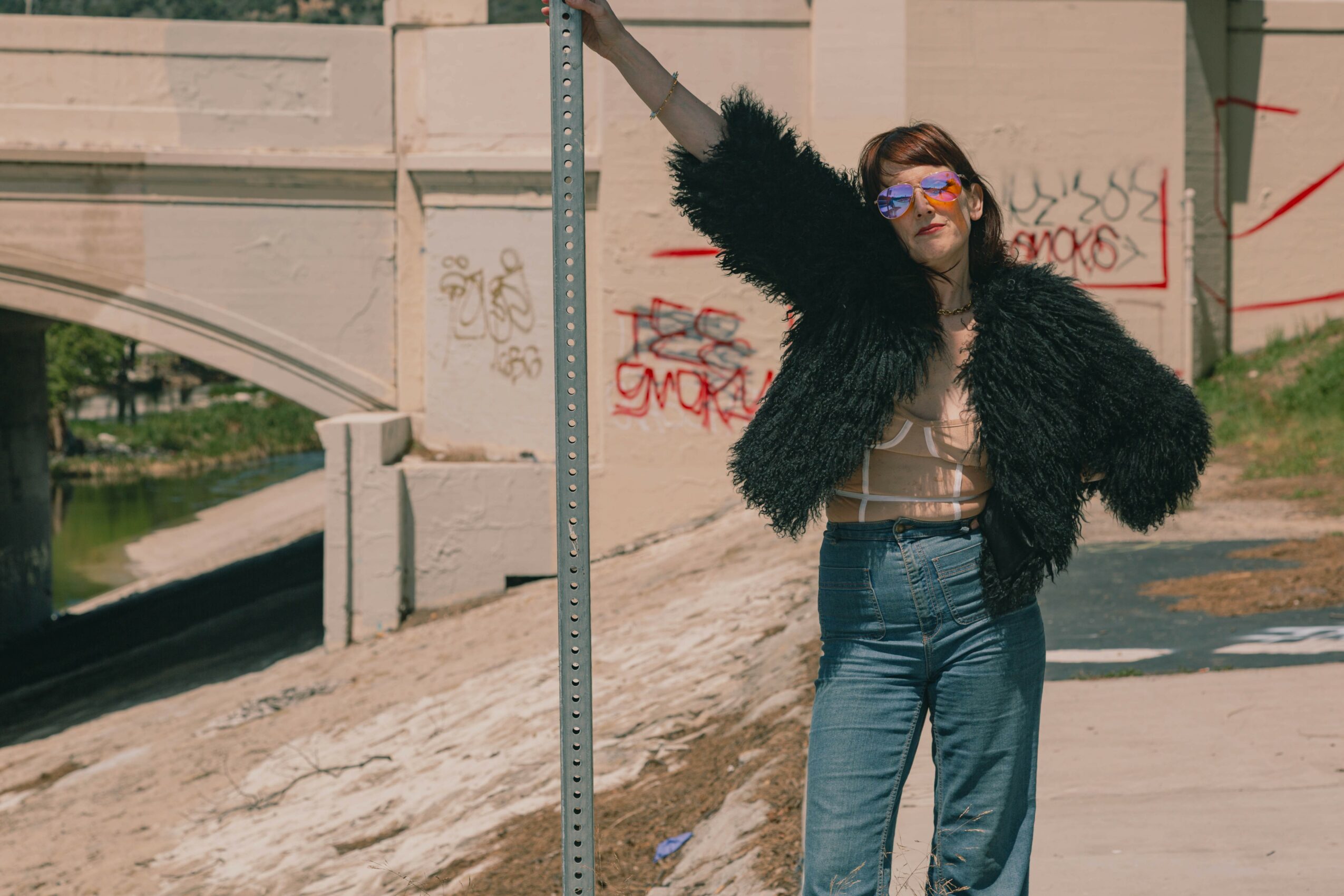
Today we’d like to introduce you to Christy Lamb.
Hi Christy, we’re thrilled to have a chance to learn your story today. So, before we get into specifics, maybe you can briefly walk us through how you got to where you are today?
I didn’t grow up making music—unless you count forced piano lessons and last chair flute. My upbringing was sheltered and spiritually compromised. Religion stifled my voice and I couldn’t express the emotions that now pour into my songwriting.
I loved dance but hated performing. I wrote poems, scripts, and stories. My brother and I made up songs on road trips, but music was never considered a serious path—especially not for a girl expected to marry well and make her parents proud.
I eventually studied film, working in indie film, TV, and commercial production in New York and LA. I wore many hats—producing, acting, art direction. A short doc I produced even won a Jury Award at SXSW two weeks after I gave birth. Later, I moved into arts advocacy while continuing to train and create on my own time.
The turning point came during the pandemic, when I bought a little Casio and started teaching myself songwriting alongside my child’s Zoom music classes. After some tentative first steps and a terrible first song, something clicked.
In 2021, my daughter’s music school, KR Studios, invited me to join their parent band. The past semester’s parent band was called Full Moon—the same image I’d just dreamed about. I said yes, picked up a bass, and joined Mint Condition, a group of moms and Berklee grads. It changed everything.
As we played gigs, I imagined my younger self watching in awe. My daughter eventually joined a band too, inspired by what she saw. I, meanwhile, felt pulled to write original songs. Being alive today requires more than surviving—it demands reflection, truth-telling, and art. We all need art.
I began taking online songwriting courses at School of Song, mining old journals and voice memos, and learning structure, hooks, and storytelling. In Fall 2024, I started working regularly with producer, Marc Orrell, in Silver Lake. Together, we recorded my first EP and more. Through this process, I finally gave myself permission to call myself an artist. I now write and record as jeanie.
Since then, I’ve written with other artists, taken part in the Magic Nothing cohort, and deepened my understanding of music release, sync, and creative collaboration. I write out of defiance, empathy, and a belief that introspection can shift culture—especially when women are free to step fully into their power.
Creating as a woman and mother is an act of resistance. ‘jeanie’ is a channel for all that was once suppressed in me: the preacher’s kid, the military brat, the observer of broken systems. My music is a love letter and a lament—a voice for those who know the world must change, starting with the personal. Once a child who believed grownups would fix things, I now sing as a grown woman who knows: we’re the ones we’ve been waiting for.
Can you talk to us a bit about the challenges and lessons you’ve learned along the way. Looking back would you say it’s been easy or smooth in retrospect?
Honestly, I’m grateful for the bumps—it’s where the songs come from. I’ve lived at least nine lives and collected enough material for a lifetime of writing. The choices I’ve made and the hurdles I’ve faced have shaped me, but they don’t define me. Songwriting helps me draw that line—for myself, and for anyone who thinks they know my story.
We’re all handed a grab bag of goods—like they used to say at my kiddo’s preschool, “you get what you get and you don’t get upset.” My particular bag came with a few standout items: breaking free from religious abuse, recovering from panic disorder, raising a small child during a pandemic, and navigating life under an increasingly fascist regime. Add to that the everyday stuff—health, finances, relationships, midlife, parenting—and you’ve got plenty to write about.
One of the most persistent challenges has been simply making time for music and discovery in a world that demands so much. It also took time to find the right creative partners—people who meet me with respect and care. That’s been transformative. I’ve learned to honor my boundaries, and I continue to seek out communities of songwriters and women in music who inspire growth and equity. Gender equity in music—really, in all industries—is still an uphill battle.
Another challenge? Stepping fully into my power. She’s big, y’all.
But I’ve started to see these circumstances not as things that happened to me, but as material given to me. And when that material is personal and specific, it resonates. My road to music has been paved with nearly every other art form I could get my hands on. Embracing that I’m an artist—that this is my vocation—might be the hardest lesson, but it’s also the most liberating.
Can you tell our readers more about what you do and what you think sets you apart from others?
I’m a songwriter and storyteller who came to music later in life, after living several other creative lives—film, theater, advocacy, motherhood. I release music under the name jeanie. She is both me and more than me—a vessel for all the parts of my story that had no outlet for too long. I started making music later than most, which I think actually sets me apart. I’ve spent years working in other art forms—film, theater, arts and human rights advocacy—and now I bring all that texture and experience into my songs. My work lives at the intersection of memory, cultural critique, motherhood, and emotional survival. It’s grounded in truth-telling, especially the kind that women, mothers, and late bloomers rarely get to do out loud.
I write songs that wrestle with love, generational trauma, spiritual recovery, and the pressure to stay small. My songs often carry both grief and hope in the same breath. I’m not trying to be polished or precious. I’m trying to be honest. I think what sets my work apart is its lived-in quality—I’m not writing from theory, I’m writing from the trenches. And yet, there’s often humor and tenderness woven in, because that’s life too.
I’m most proud that I kept going when it didn’t make sense on paper. That I turned toward music instead of away. That I show up, consistently, with a voice that quiet for too long. I think we need more voices that say, “You’re not crazy. You’re not alone. And it’s not too late.”
Do you have any advice for those just starting out?
If you write consistently—as a practice, a ritual—you will grow.
Your early songs might feel clumsy. Your voice memos might make you cringe. That’s okay. Keep going.
The best way to prevent writer’s block is simple: don’t stop writing. Even if it’s bad. Especially when it’s bad. Make space for the mess. Show up anyway.
And find your people—a community of like-minded musicians makes everything easier, braver, and more fun. More than anything: write music.
Just do it.
Contact Info:
- Website: https://jeanieband.my.canva.site/jeanie-website
- Instagram: https://www.instagram.com/jeanieband/
- Facebook: https://substack.com/@jeanieband?fbclid=PAZXh0bgNhZW0CMTEAAafeULGLCfttcWULzO_ivApIydWpJjiV3bnqqHfzziRhJyuAhXEkg3kmaK9_GQ_aem_XlEPB2hE7uN0hK7br9KkrA
- Other: https://open.spotify.com/artist/4TbZu3FJHcHhsUcNVbBvRr?si=IRRYs86TQLum98cUsi_QmQ
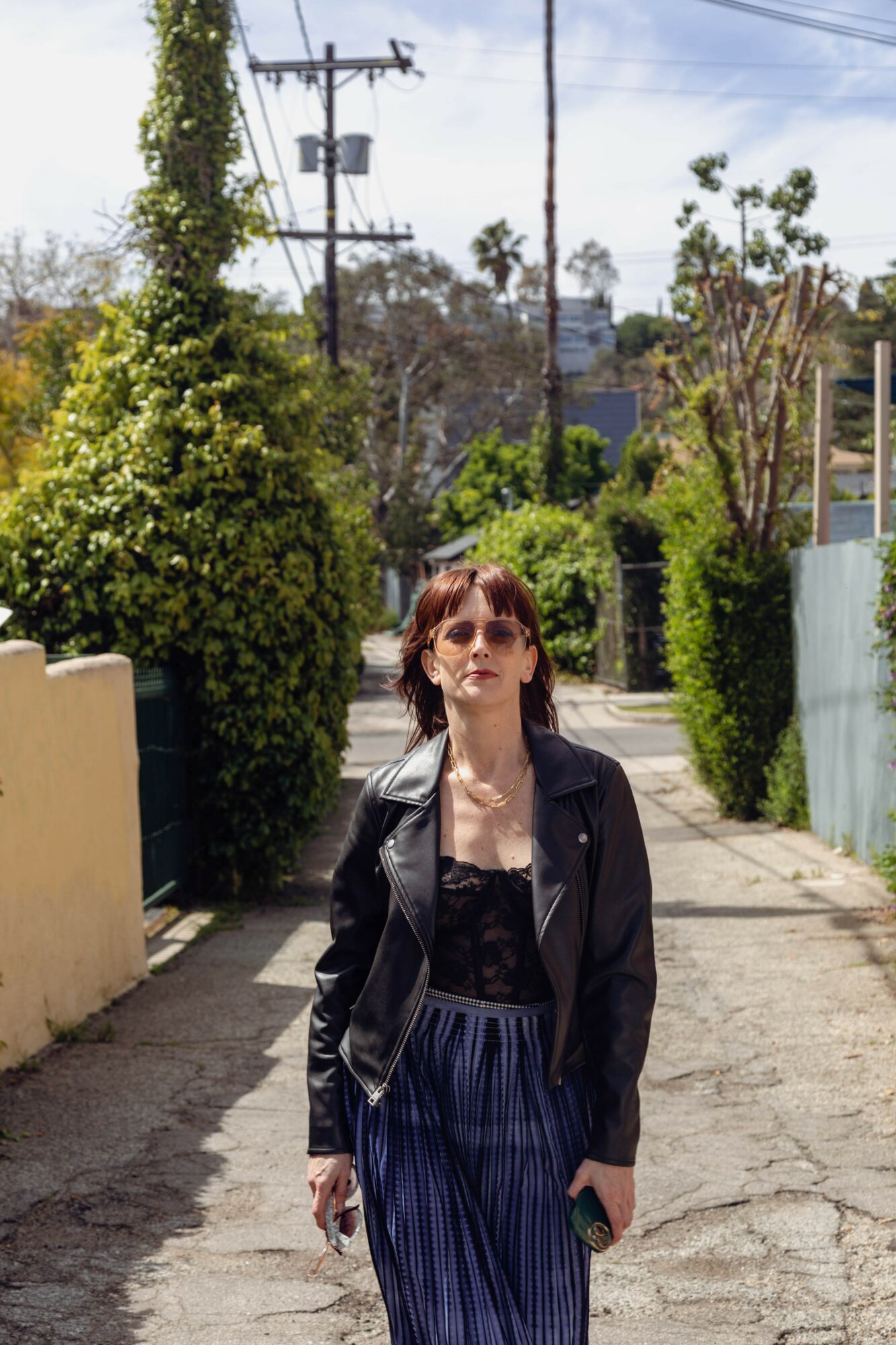
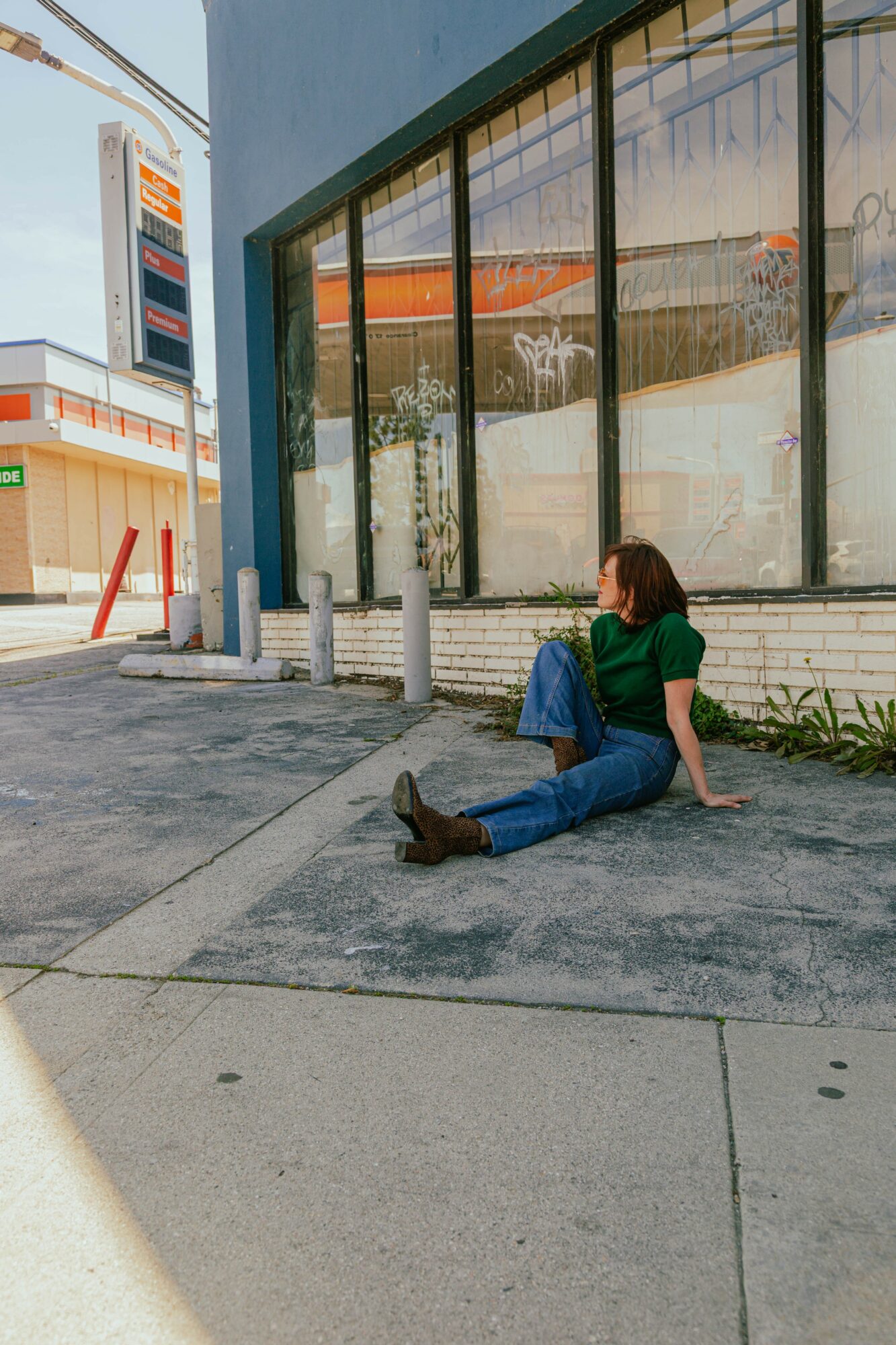
Image Credits
Faryl Amadeus
Popular
-

Linda Kneidinger on Building Lasting Change Through Small Steps and Self-Compassion
-

Jolana Nika on Redefining Modern Connection Through Intentional, Real-Life Experiences
-
What did suffering teach you that success never could?
-

Who saw you clearly before you could see yourself?
-

Who taught you the most about work?
-

Is the public version of you the real you?


