



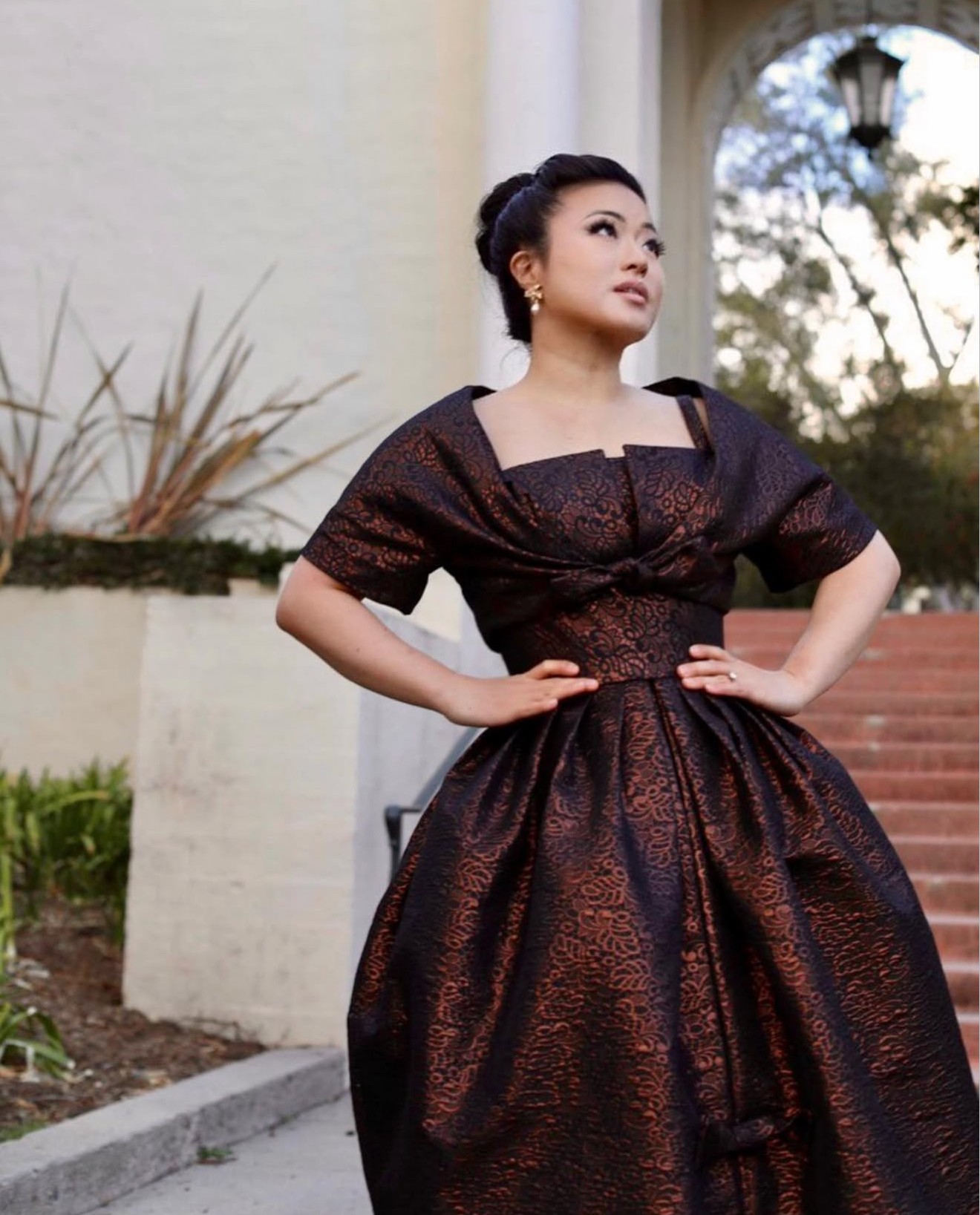
Today we’d like to introduce you to Cara Austine-Rademaker.
Hi Cara, we’d love for you to start by introducing yourself.
I was brought to America from Korea as a child and raised in a poor, rural Iowa farm town of about 100 people. There was no access to art or culture, so sewing became my way of exposing myself to beauty. Patterns were my education in fashion and taste. They offered access to Parisian fashion right there in the middle of cornfields and livestock.
After college, I moved to Los Angeles and worked in finance, but I remained obsessed with understanding haute couture construction. I collected vintage patterns from every source I could find – estate sales, antique stores, Craigslist, Facebook, eBay. What stunned me was that these couture patterns came straight from the Paris ateliers, featured in the pages of Vogue Magazine and L’Officiel, and sold to everyday women in the 1940s through the 1960s, yet there was no archive or historical record of their existence.
I curated the Couture Pattern Museum’s holdings over several decades, while working and building my career. When I finally launched in 2022, it was initially a one-woman show. I sewed the dresses myself for the first exhibition, “Paris Night Looks,” and, over several years, have digitized over 12,000 pattern pieces myself. No other institution had fully recognized the significance of this collection, because no one had yet sufficiently curated or framed their importance. But I dug in and did it anyway.
Today we host exhibitions and archival research that connect these patterns back to editors, designers, photographers, and the Paris ateliers. We have a growing membership of enthusiasts from around the world. We’re building something that didn’t exist before.
International fashion press and some European institutions have acknowledged the museum because of the uniqueness and breadth of the collection.
Can you talk to us a bit about the challenges and lessons you’ve learned along the way. Looking back would you say it’s been easy or smooth in retrospect?
Not at all. When you’re a first-generation immigrant, you don’t inherit the networks that cultural institutions normally grow from. Most museums are built through philanthropy, academia, or legacy circles. I didn’t come from any of that. I had to build access through hard work, not by introductions. That meant studying and practicing couture construction on my own, saving every dollar to collect patterns, digitizing the archive myself, and launching the museum without institutional support.
The hardest part wasn’t the labor or the research. It was being taken seriously. Patterns are often dismissed as “home sewing” or “women’s hobbies,” so people didn’t understand why I was preserving them at a museum level. I had to show the value of them through exhibitions, sewing the garments myself, presenting the archival research, and letting people experience the evidence up close with curated museum tours. The patterns represent true line-by-line information directly from the hands of the haute couture masters and their ateliers. These patterns are like textbooks for the designers, and I often refer to this archive as the library of Alexandria for haute couture. For some designers, it’s the last remaining vestige of their life’s work.
We’ve been impressed with Couture Pattern Museum, but for folks who might not be as familiar, what can you share with them about what you do and what sets you apart from others?
Our role is to preserve information. I discovered that a large number of these patterns were discarded and had not been preserved by the next generations. That is why they are so rare. These patterns contain the haute couture know-how behind some of the museum gowns displayed at the MET or the V&A. They were designed and draped in Paris ateliers during the golden age of couture, sometimes worn by aristocrats and socialites. Then the patterns were sold to everyday American women, so that they too could participate in culture at its highest level. Yet, no museum has gathered a comprehensive archive at this level. Our collection goes all the way back to 1921.
We treat these patterns as cultural heritage documents, similar to sheet music or works on paper. They are not just “women’s hobby materials.”
The museum overlooks the historic Arts District in Santa Barbara and operates by appointment year-round. When you visit, you’ll see patterns up close, learn how these masterpieces were constructed, and understand why this archive matters. We’ve hosted everyone from fashion students, fashion school instructors, industry professionals, and even the Consul General of Spain Los Angeles.
If you want to support the work, we offer memberships starting at $5/month for database access, or Founding Memberships that give you access to study any pattern in the archive. We had to democratize museum philanthropy because we couldn’t wait for a phantom benefactor. This is a living, working archive, and it can only survive through the support of people who believe this history and craft is worth preserving.
We’d love to hear about any fond memories you have from when you were growing up?
I watched my Grandmother on the farm sew and I loved understanding how something was made. She was so elegant, and taught me that money does not buy class or taste, and that true elegance is carried in one’s demeanor and in one’s soul. And that beauty is a universal language that transcends race and class. In a way, I built this museum in memory of her, but also, since I don’t know any of my ancestors from Korea, I “adopted” these couture designers as my lineage and wish to preserve part of their work, a part of their history, because we speak the same language of beauty. The haute couture know-how is handed down from generation to generation, and these patterns transmit that sacred knowledge, only in paper form.
Pricing:
- $5/mo: Upholder of Couture
- $499/yr: Founding Member
- $99: Sponsor the digitization of a pattern
- $125: Curator-led guided tour
Contact Info:
- Website: https://www.couturepatternmuseum.com/
- Instagram: https://www.instagram.com/couture.pattern.museum/
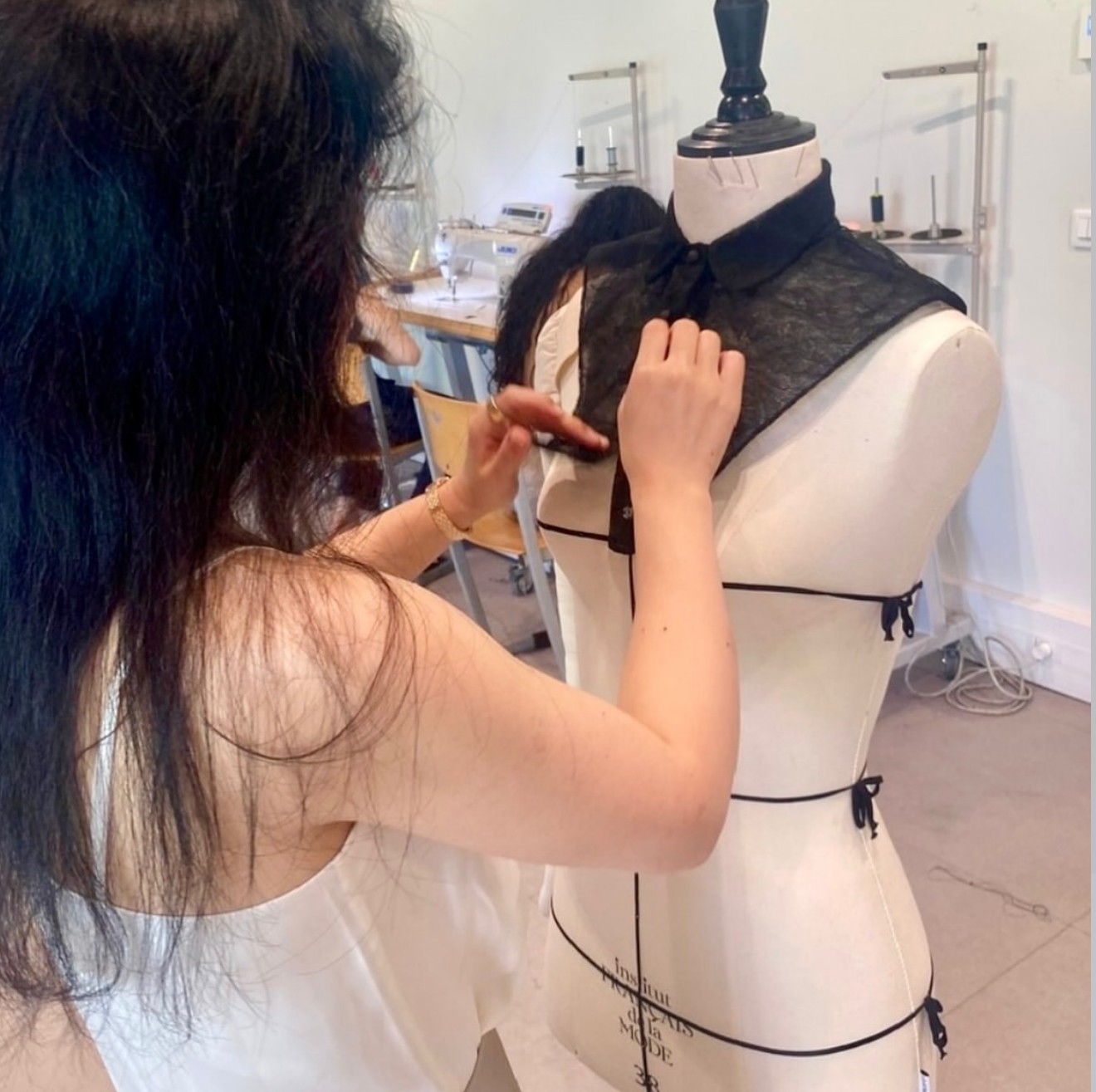
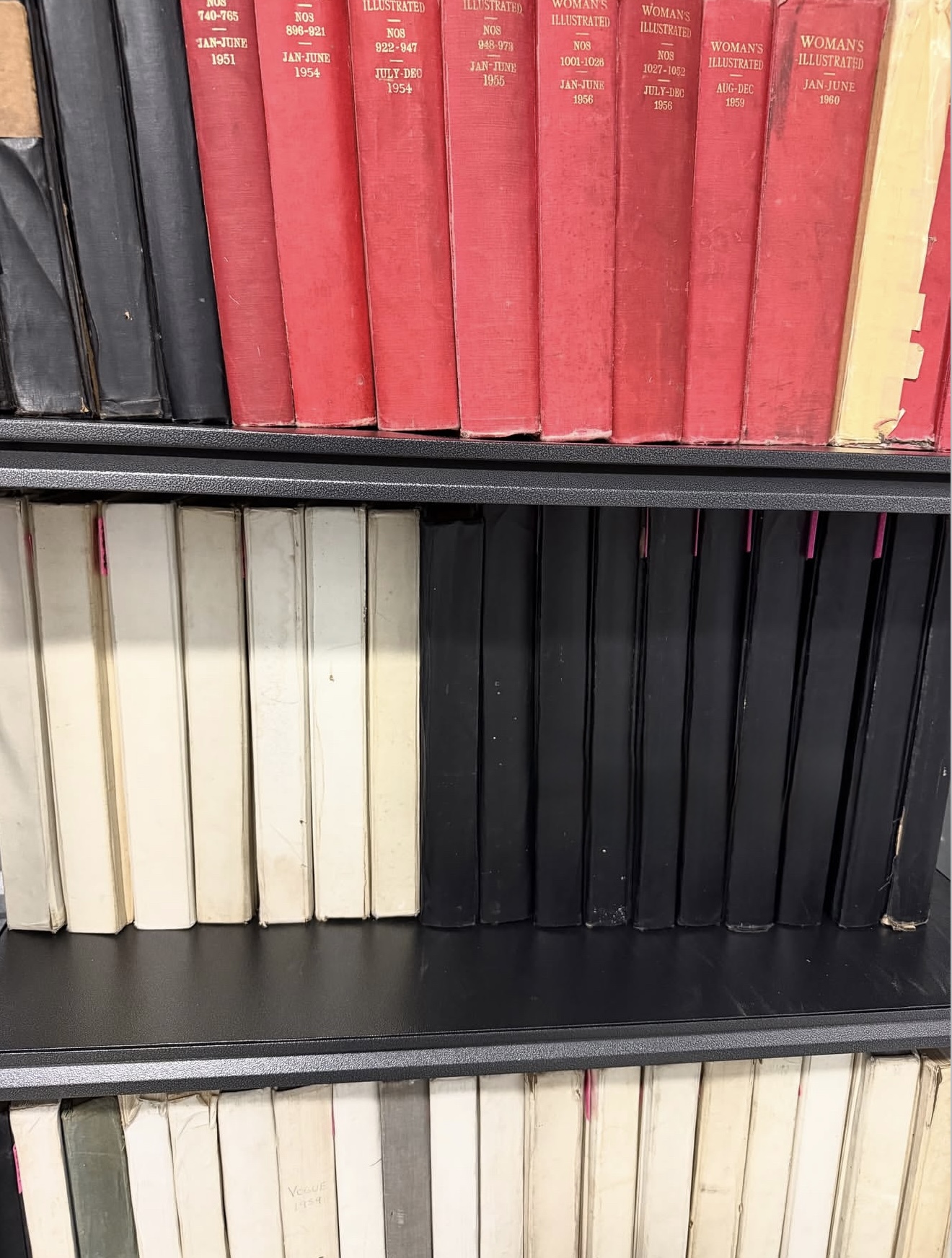
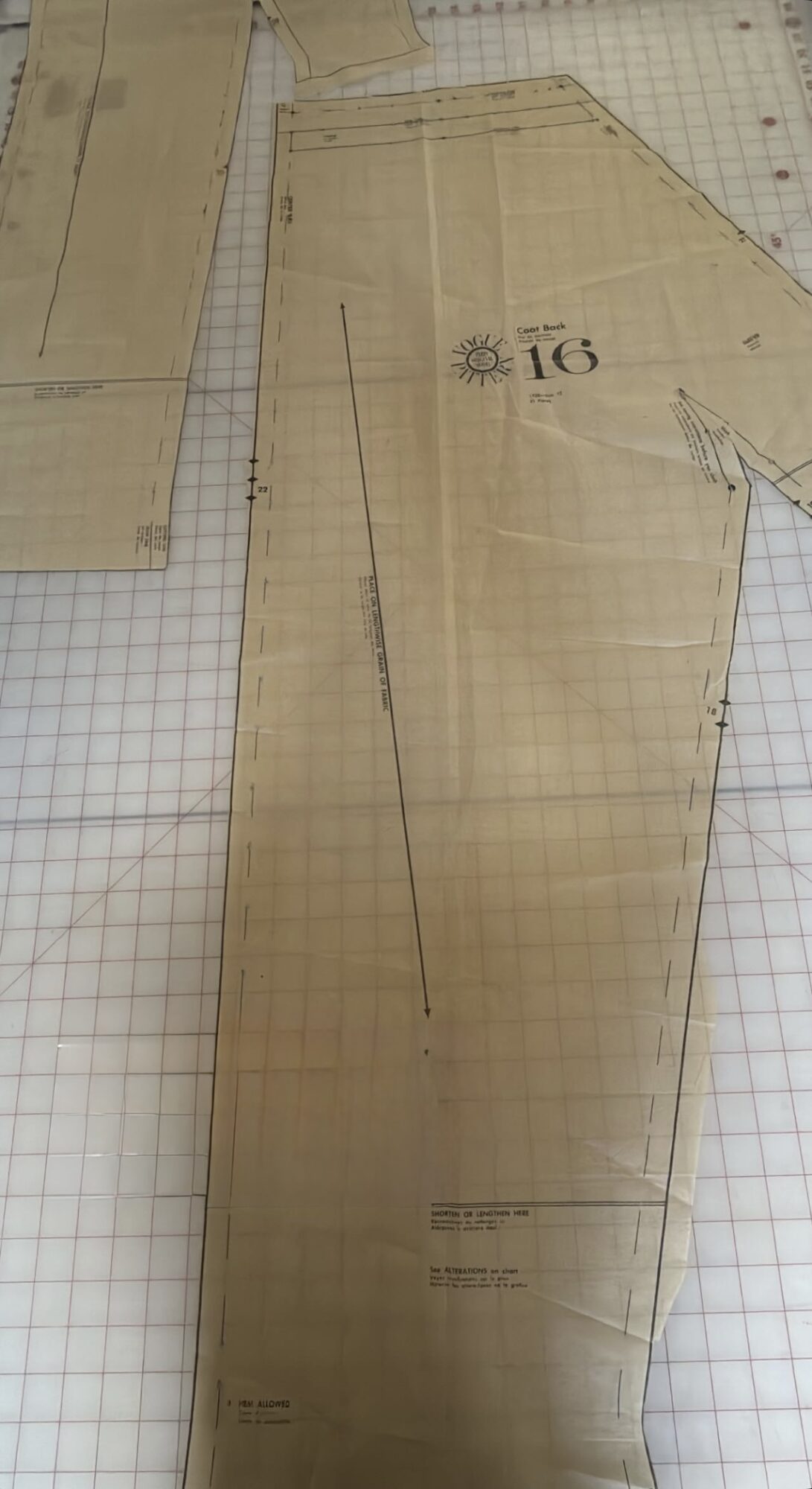
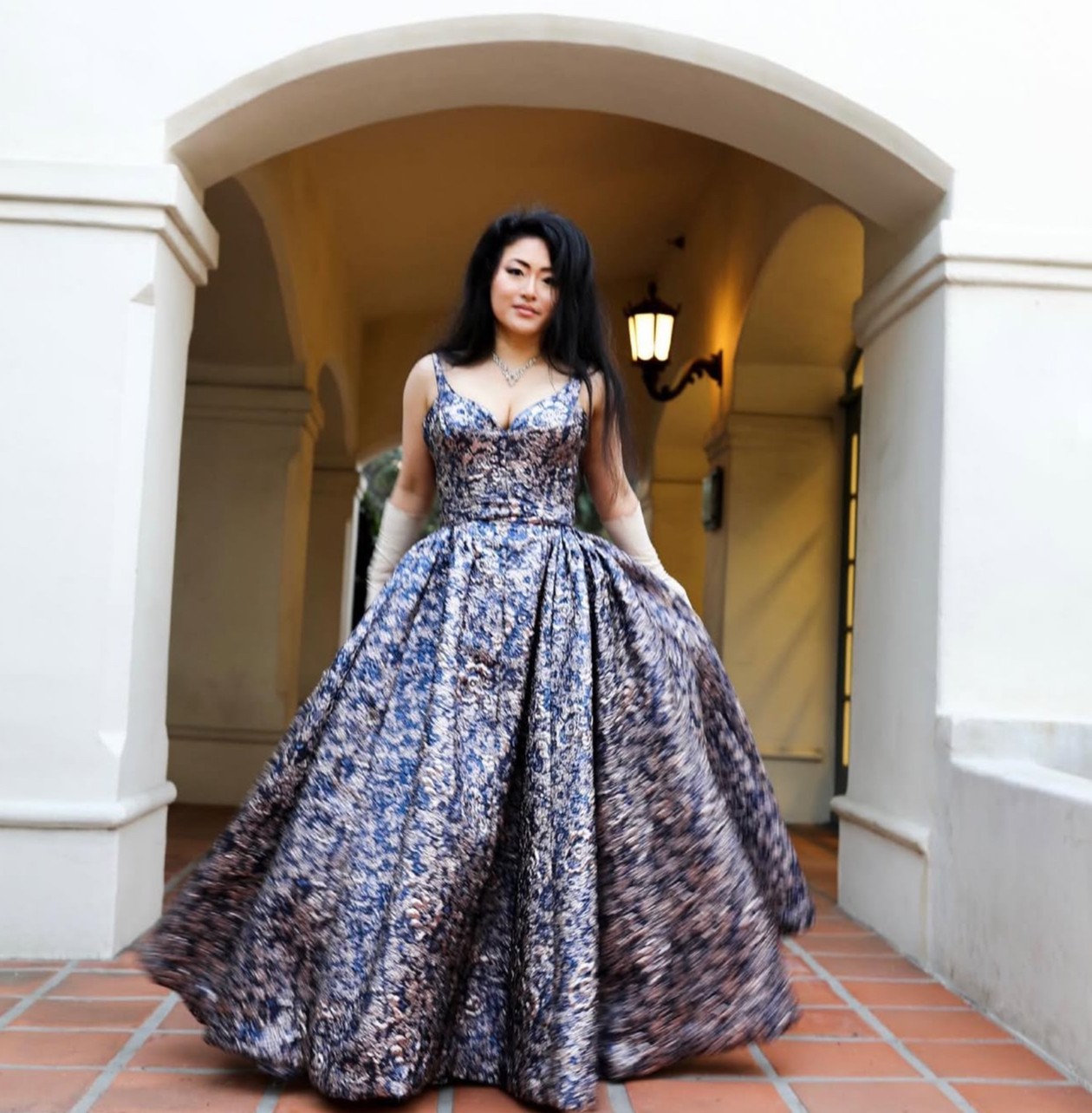
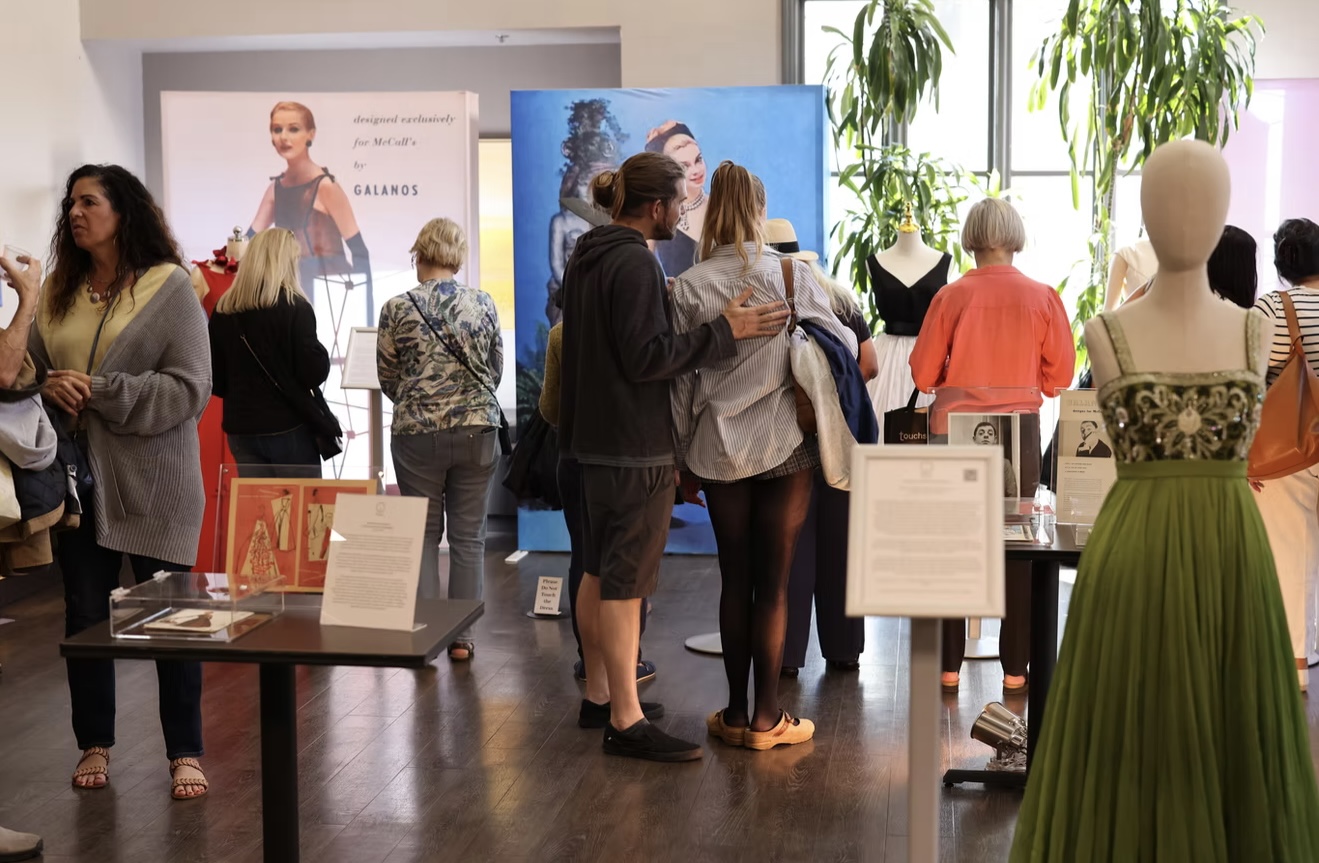
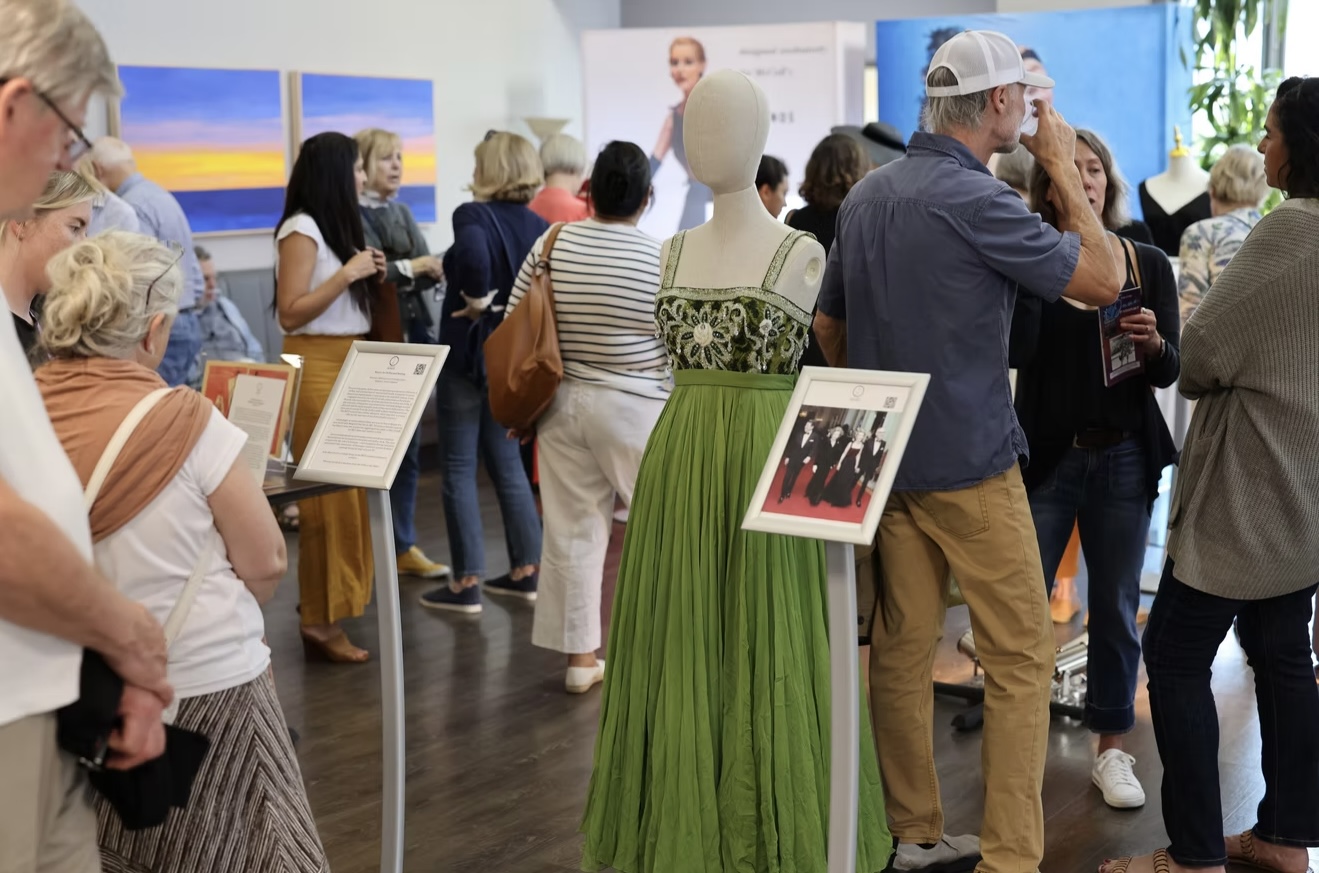
Image Credits
RJ Rademaker