




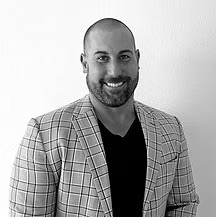
Today we’d like to introduce you to Brandon Joffe.
Hi Brandon, we’d love for you to start by introducing yourself.
My journey to becoming a therapist was shaped by both professional calling and personal conviction. I began my career in social work, working in schools, nonprofits, and addiction treatment. Early on, I worked directly with individuals and families impacted by substance use, trauma, and mental health crises. That led me to work in the drug court system, where I saw firsthand how lack of support, shame, and untreated emotional pain can shape people’s lives. I also worked at the Center for Individual and Family Therapy, where I deepened my clinical work and began to see the systemic gaps in care for families in crisis.
A pivotal moment came when I began receiving referrals through an organization called Without Foundation, which educates schools and communities about suicide and supports families who have experienced suicide loss. One day, I asked the founder if there was a support group specifically for parents of struggling teens. She smiled and said, ‘We do now – because you’re going to start it.’ Within two weeks, I launched a group called Hope for Parents of Struggling Teens, and within weeks it was full. I’ve been running that group for nearly two decades now, and it has become one of the most meaningful parts of my professional life.
That experience eventually led me to create Inspired Resolutions. From the beginning, I knew I didn’t just want to run a therapy practice — I wanted to build a center that served the community. We made a core commitment that every clinician who works with us gives back through at least one free service to the community, because I believe therapy should not be a luxury; it should be a lifeline.
Another major driving force behind my work has been protecting the integrity of the profession. Over time, I noticed an influx of therapists drifting away from research-based practice and toward advice-giving or coaching models. I believe deeply that therapy should be grounded in theory, clinical rigor, and real accountability. In response, we built an intensive associate training and supervision program that prioritizes research-based treatment, ethical clarity, and strong clinical thinking.
Today, we partner with local schools and community organizations to expand access to care, provide preventive mental health support, and serve families before they reach crisis. For me, this work is not just a career — it’s a calling. I’ve seen what happens when families feel alone in their darkest moments, and I’ve seen what happens when they are given real tools, real support, and real hope. That’s why I do what I do — and that’s what Inspired Resolutions was built to be.
Alright, so let’s dig a little deeper into the story – has it been an easy path overall and if not, what were the challenges you’ve had to overcome?
It was absolutely not a smooth road, and I think the struggle shaped the therapist and leader I am today. My very first job had me driving into Compton for just under $35,000 a year. I loved the work, but financially it was incredibly difficult. At that stage of my life, making ends meet was a real stressor. But professionally, it felt like a dream. I was working in two of the most challenged schools with some of the most lost, hurting kids and overwhelmed families. I had the rare opportunity to work with both the students and their parents, and that kind of exposure gave me a depth of clinical experience early on that you cannot get from textbooks. That work was with Shields for Families, and it gave me my foundation.
There were very few resources, very little support, and the needs were enormous. It was emotionally heavy and logistically hard. But it gave me my bones. It taught me how to sit in chaos, how to build trust in hard environments, and how to show up fully even when the system around you was under-resourced.
The next major challenge was building a company. I had this hopeful picture in my mind that I would hire clinicians who were hungry to learn, and I would get to pour into them, and everything would grow smoothly. The reality was much more complex. People come with different personalities, motivations, work ethics, and emotional maturity. It took years of hard lessons, missteps, and course corrections before I built the solid, cohesive team I have now.
One of the hardest parts of running a center has been holding the clinical line. Many associates naturally gravitate toward trends, quick techniques, popular mental health narratives, and easier, trendier methods of work. We have made a deliberate decision to stay grounded in research-based, disciplined therapy, even when that path is slower, harder, and less glamorous. That tension is real, and it requires constant leadership.
Right now, one of the biggest ongoing challenges is contending with misinformation, overdiagnosis, misdiagnosis, and the glamorization of mental health. There is a strong cultural pull to label, pathologize, and simplify very complex human experiences. We consistently push against that tide to keep our work honest, nuanced, and genuinely helpful.
I would not change the hard road. The struggle made me better clinically, stronger as a leader, and more clear about the kind of therapist and center I wanted to build.
As you know, we’re big fans of Inspired Resolutions . For our readers who might not be as familiar what can you tell them about the brand?
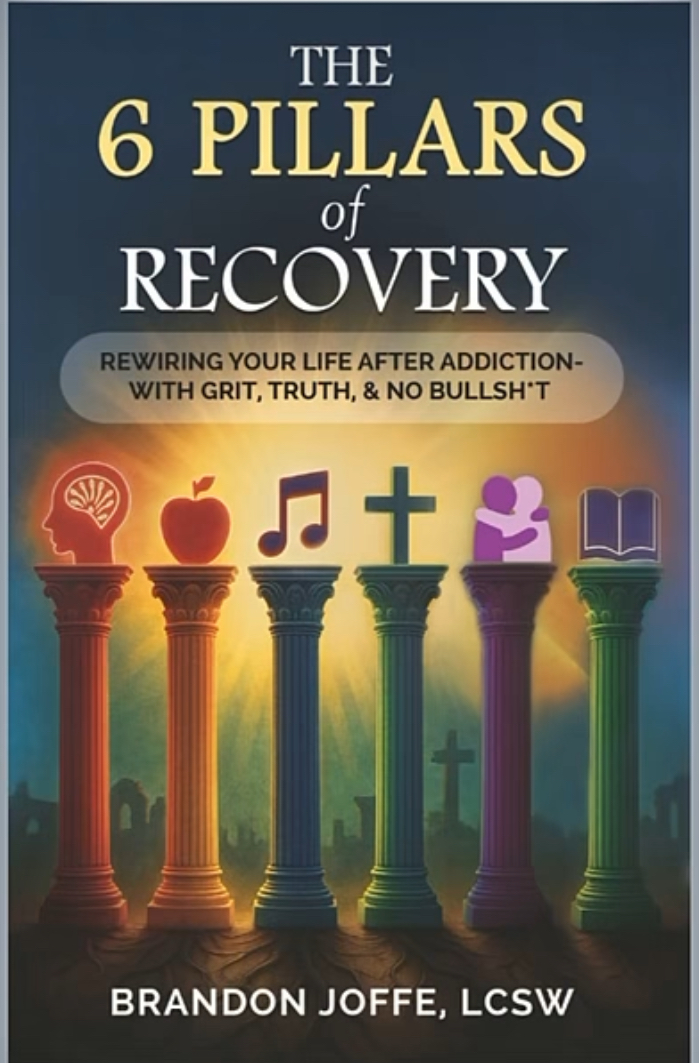
What people should know about me and my work is that everything we build is centered on depth, integrity, and real-world impact. I am not interested in surface-level therapy or quick fixes. I have written a book called The Six Pillars of Recovery, which reflects the clinical and personal framework I use when working with addiction, mental health, and long-term change. That same foundation informs everything we do at Inspired Resolutions.
We have developed a modern, research-informed ADHD program and an online course because I care deeply about giving families tools they can actually use in daily life, not just clinical language. We are especially known for our work with whole-family systems. We don’t just focus on an identified patient. We work extensively with parents, marriages, and family dynamics because healing rarely happens in isolation.
One of our proudest accomplishments is the online course Hope for Parents of Struggling Teens. It is a culmination of years of clinical work, group leadership, hard conversations, and real-world experience. That course was intentionally built so families can access high-level support even if they are not direct clients of our center.
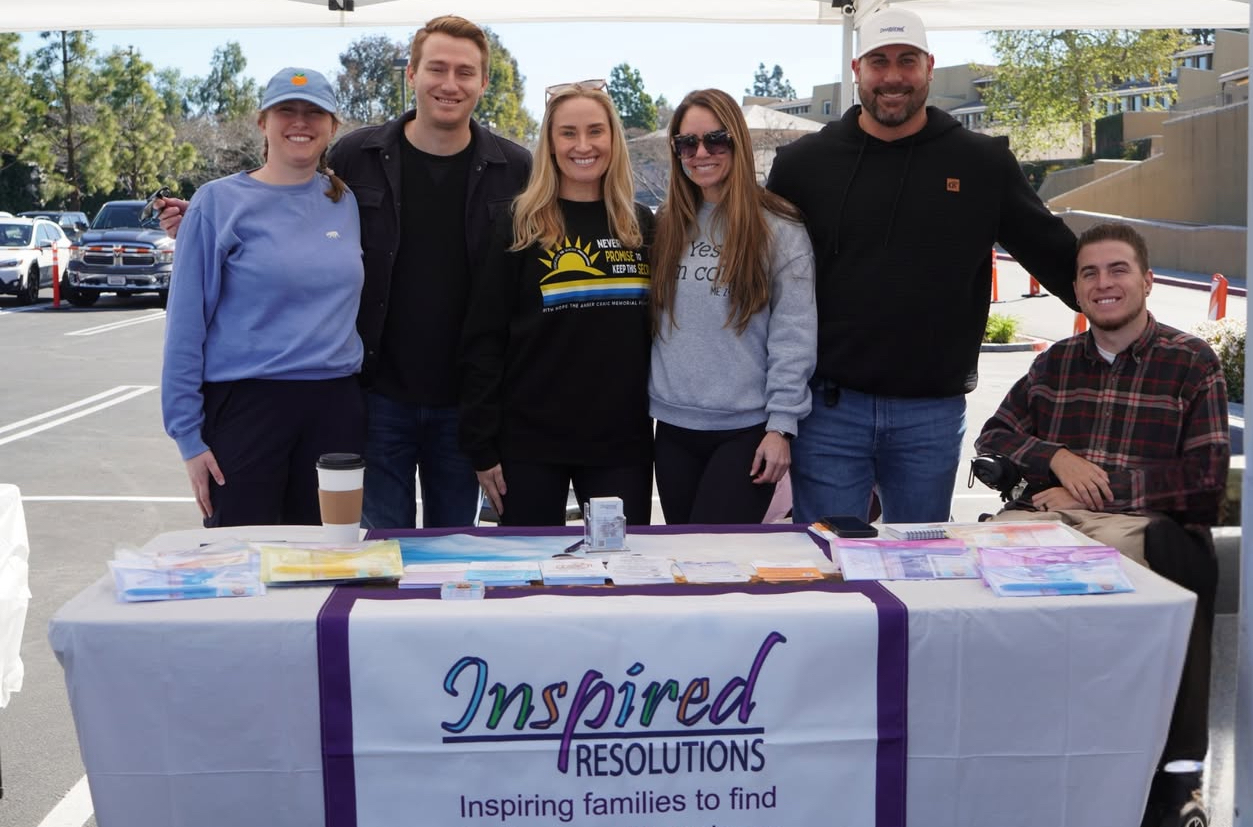
Community service is not an add-on for us, it is part of our identity. We offer multiple free community groups, including our long-running parenting group, a young women’s empowerment group, and a group for women who have experienced relational abuse. We also have a therapist on our team who is a quadriplegic and facilitates the only private therapeutic group for individuals with spinal cord injuries. Inclusion matters to us, not as a talking point, but as a lived value.
We are deeply connected to the community. I do a significant amount of advocacy and partnership work with schools, and we regularly coordinate with educators and administrators when students and families are struggling. We also provide specialized services for families navigating divorce, including those who are voluntarily seeking help and those ordered by the courts to engage in therapeutic services.
At the core of everything we do is this belief: therapy should be honest, family-centered, research-based, and accessible, and healing works best when individuals, families, and communities are brought together rather than treated in isolation.
Alright so before we go can you talk to us a bit about how people can work with you, collaborate with you or support you?
People who want to collaborate or work with us can reach us directly and easily. We welcome partnerships with schools, community organizations, medical providers, churches, and other mental health professionals.
You can contact us by phone at 714-243-5252 or visit our website at inspiredresolutionscounseling.com. For collaboration requests, referrals, or partnership inquiries, please email [email protected].
We are always open to community-based partnerships that expand access to quality, ethical, and research-based mental health care.
Contact Info:
- Website: https://www.inspiredresolutionscounseling.com/
- Instagram: inspiredresolutionscounseling
- Facebook: inspiredresolutionscounseling
- Youtube: inspiredresolutionscounseling
Popular
-

What is the story you hope people tell about you when you’re gone?
-

Who were you before the world told you who you had to be?
-

Was there ever a time you almost gave up?
-

What is something outside of work that is bringing you joy lately?
-

Who saw you clearly before you could see yourself?
-

What are the biggest lies your industry tells itself?


