




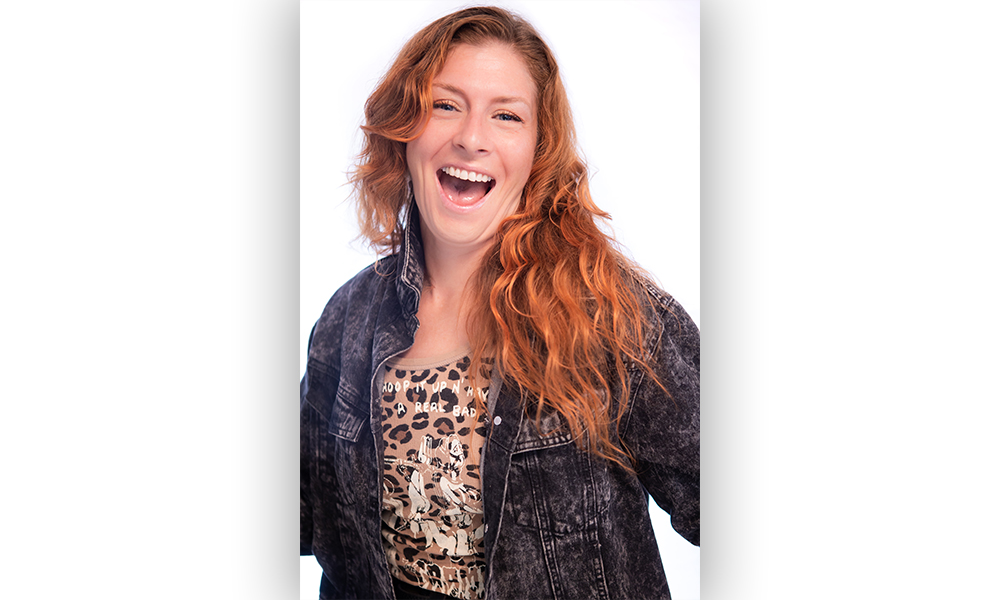
Today we’d like to introduce you to April Jones.
Hi April, we’re thrilled to have a chance to learn your story today. So, before we get into specifics, maybe you can briefly walk us through how you got to where you are today.
I’m a visual storyteller/documentary filmmaker. I help share stories from underground creative cultures, such as heavy metal and punk rock music genres and the DIY skateboarding communities.
I got my start through life experience. Making homemade music videos on VHS with my mom and siblings as a kid, then hitchhiking to the Bay Area as a teenager to see punk shows and go skateboarding— all this helped carve my path forward, which led me to Portland, Oregon at the beginning of my adulthood. The Pacific Northwest definitely helped mold and shape who I am today, my career, my lifestyle, skateboarding, art, heavy metal, and my self-expression. I ran a heavy metal public access TV series called Slayed in Oregon for several years. Slayed in Oregon Aired on Independent Television Network, and covered underground musicians in Portland and surrounding areas. There was no one promoting independent metal and punk at this time… and was much needed. The underground and the independent artists are the ones who create and shape the industry yet these are the first ones the industry forgets… This is generally where you find the most talent, the most passion, and the most community-driven individuals. We need to uplift and support the underground as much as possible.
After the docu-series, I went on to make my first feature-length documentary about the world’s most notorious shock rock band, The Mentors. Before hitting the road with the band, I was warned about getting involved with the project due to the supposed dangers. The Mentors have a long history of false rumors and outrageous myths associated with them. This, as a documentary subject, intrigued me.
During a time of musical evolution, three unconventional musicians from Seattle used their outrageous stage persona and explicit lyrics to shock, offend, and inspire masses worldwide. They are identified as one of the most offensive bands to emerge from the 1970s and played an identifiable role in pushing the boundaries of freedom of speech. Historically, exercising that right is the band’s theme. Television exposure, such as Jerry Springer, Comedy Central, Kurt and Courtney, and the PMRC courtroom hearings augmented their fame and notoriety.
This was a very controversial decision I had to make as a journalist, to really go inside to see what this band was all about, and I did just that. The Mentors Rockumentary: Kings of Sleaze is now streaming on Amazon Prime.
Now residing in Los Angeles, filmmaking, skateboarding, art, and music are still 100% of my life. Wrapping up my second feature film called Concrete Law: Saving Channel Street Skatepark. This film dives into the 7-year bureaucratic battle between a community-built DIY skatepark and the City of LA.
Channel Street Skatepark successfully existed for over a decade under Interstate 110, despite its illegal creation, until overpass construction led to an ongoing shutdown. Channel Street founders and advocates continue to push for a reopening, but the legal matter proves to be a much more complex task than anyone ever imagined. Concrete Law explores the battle between Channel Street Skatepark and bureaucratic control. This film uncovers the history of the park, from creation to current status, through interviews with park founders, local and pro skaters, business owners, and city officials. The film is being supported by The San Pedro Skatepark Association, Vans, and Iron Light Labs. Very grateful for their support.
I believe documenting the bureaucratic process to permit an unpermitted skatepark is critical to the DIY skate community because this has never been done before in the history of skateboarding, and there are several skateparks that are currently unpermitted that are already on the city’s radar. I’m hoping what we learn here today could show other municipalities that they can work with their skateboarders. Many times, a DIY skatepark will get demolished or shut down because the cities simply don’t know what to do. It’s unpermitted. End of story. Get rid of it. This film shows them that doesn’t have to happen. This type of skateboarding is generally underrepresented and unheard of, yet, they are the ones creating and shaping the industry as we see it. We are the underground. A little history on why and how DIY skateparks erupted. They were the rebirth of skateboarding in the 1990s after the commercial popularity had died, leaving 100s of skateparks to be demolished. Without the birth of DIY skateparks, skateboarding would not be where it is today… fast forward to the Olympics. If skateboarding is this popular and considered one of the #1 growing sports in the world, then why are we still tearing down skateparks?
It’s time we step up as a community to help support an underrepresented so we can help to cultivate a thriving era for the next generation.
I’m sure you wouldn’t say it’s been obstacle free, but so far would you say the journey has been a fairly smooth road?
There have been a monumental amount of struggles along the way, but without struggle, there is no growth. From financial hardship, grief, addiction, injury, and mental health, ya gotta keep pushing forward and understand that those things are temporary and they are not your end-all. Keep learning, keep growing, and keep trying. The answer is already no if you don’t try, so might as well give it a shot. What’s worse than rejection? Regret. The past struggles I had faced all led me to a good place in life. The ones who have helped me forward and believed in me all led me to believe and help others and guide them towards a good path as well.
Thanks for sharing that. So, maybe next you can tell us a bit more about your work?
Alongside making documentary films, I’ve had the pleasure to work in the film industry over the past 20 years as a production designer, art director, set dresser, story producer, and scenic artist for various productions, such as Redbull, Google, Roku, Kleenex, Intel, Little People Big World, TV series Portlandia, and many more.
I’ve had the pleasure to be invited as a guest speaker to the Women in Film conference, US Embassy of Finland, Film University of Wisconsin River Falls, Portland Community Media, Portland Community College, and Iron Light Lab’s Nashville Summit.
What do you like and dislike about the city?
I love Los Angeles the most for its diversity. I love the south bay the most! It really incredible meeting people from all over the world and exploring their stories, way of living, and perspectives. Diversity isn’t only race and gender but also diversity in opinion and thought. We are really meant to be around people that are different than us and who think differently from us. Without all sorts of diversity, there is no room for growth and development as a society. The thing I’ve learned to realize about LA, though is all the red tape in anything you do. Street vendors, artists, musicians, filmmakers… the ones who make an honest living are usually f*cked the hardest. That’s why it’s essential to support local and support the underground as much as possible.
Contact Info:
- Website: www.dreamevilpictures.com
- Instagram: @dream_evil_pictures
- Facebook: facebook.com/themindofapriljones
- Youtube: @dreamevilpictures

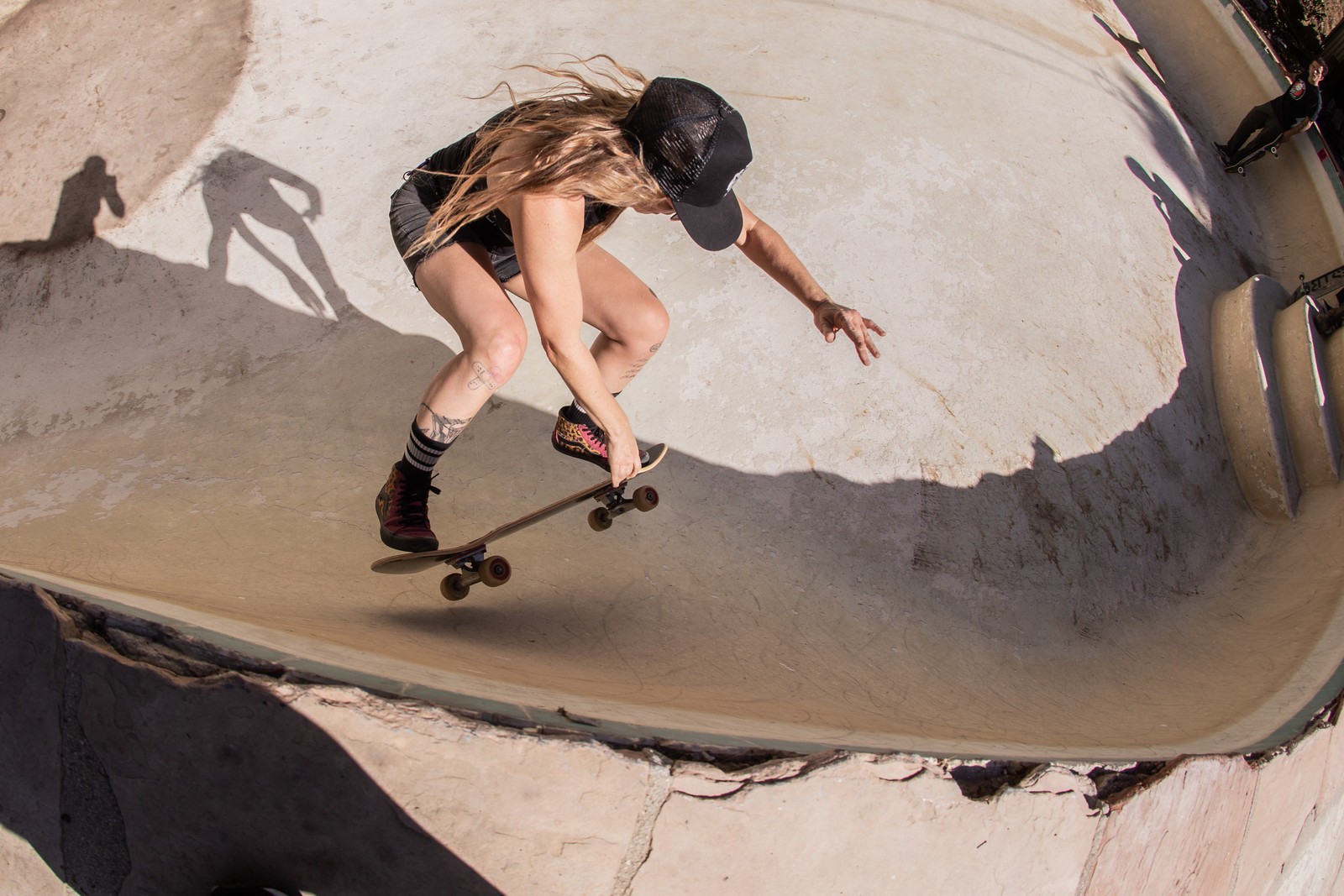
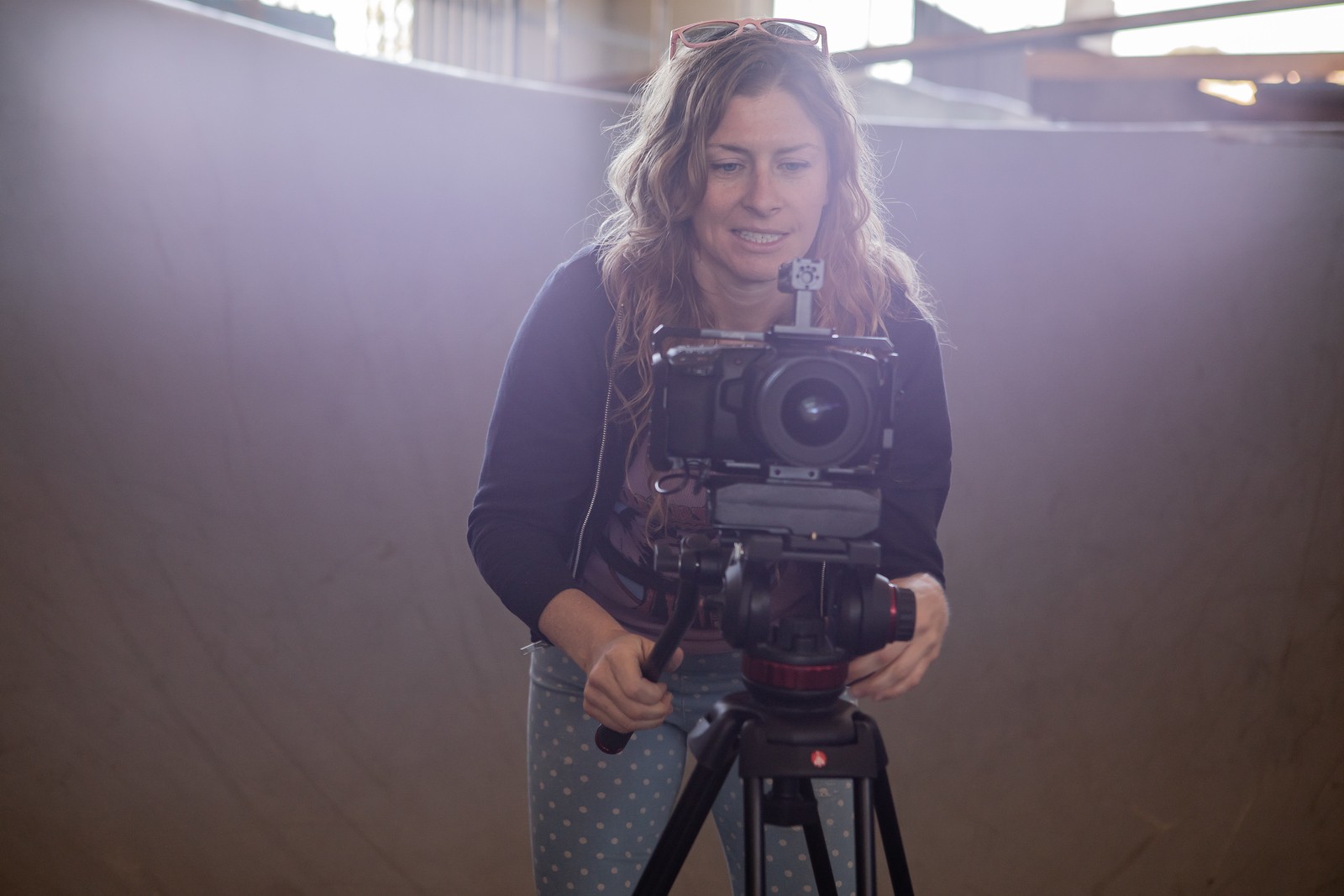
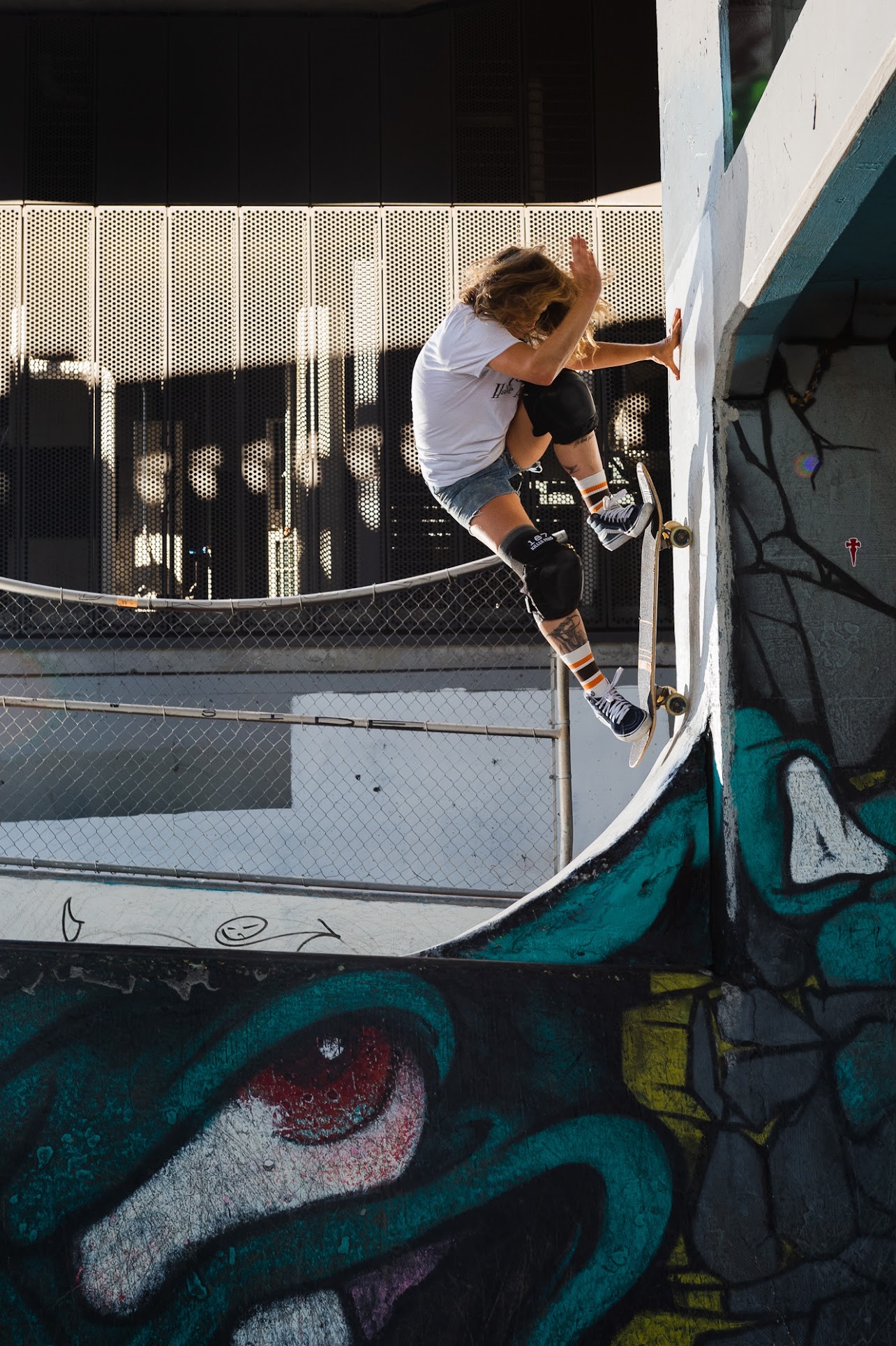
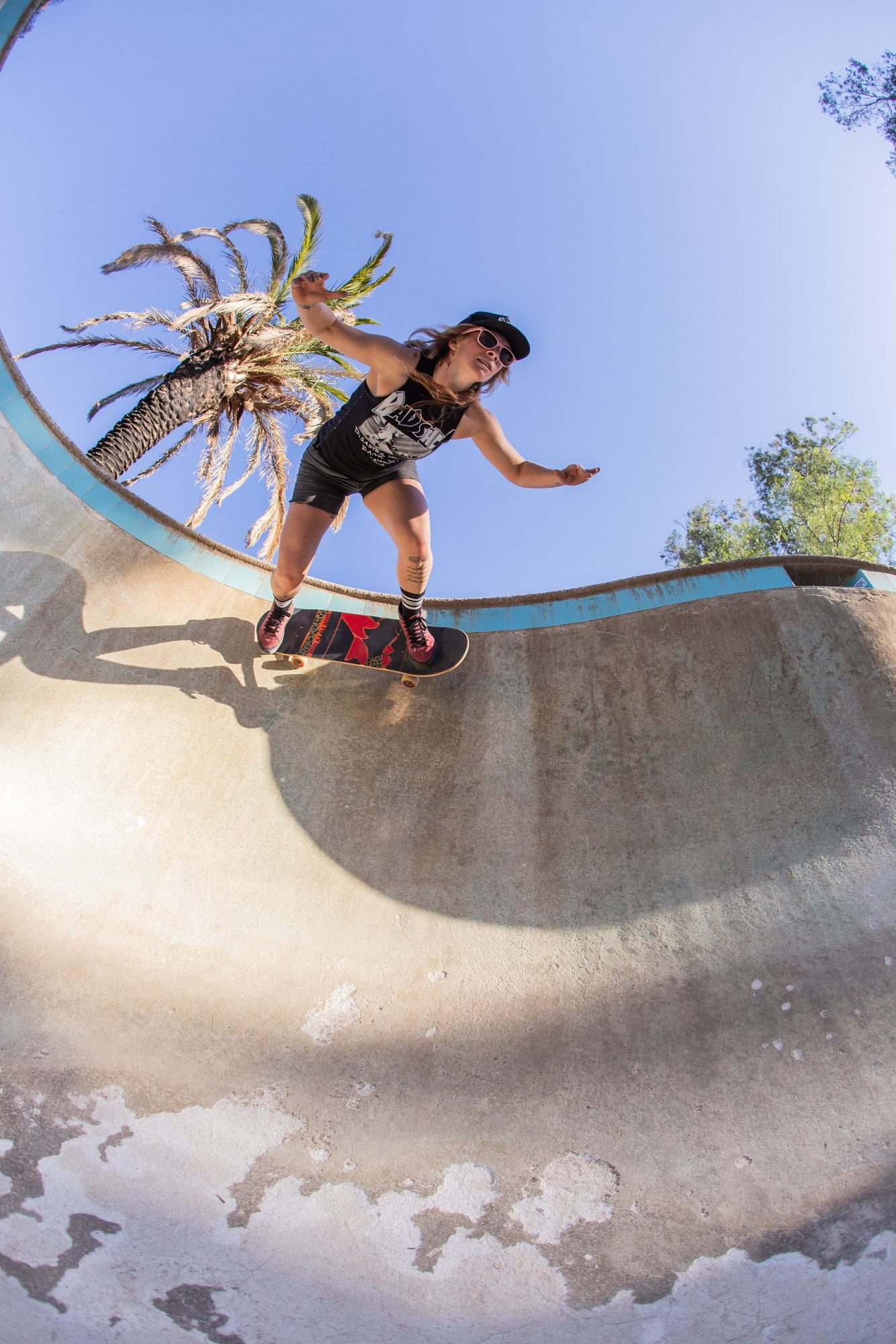

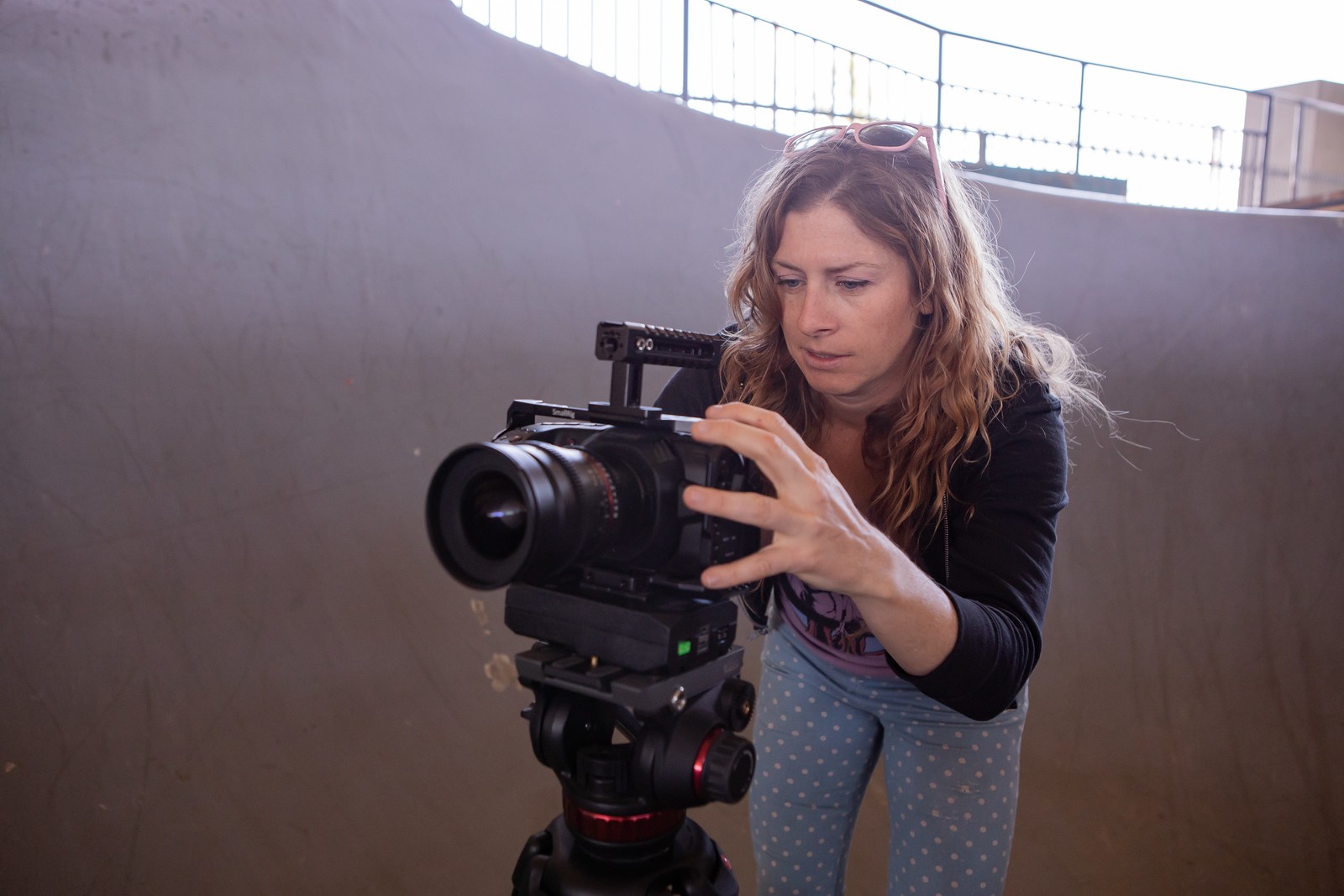

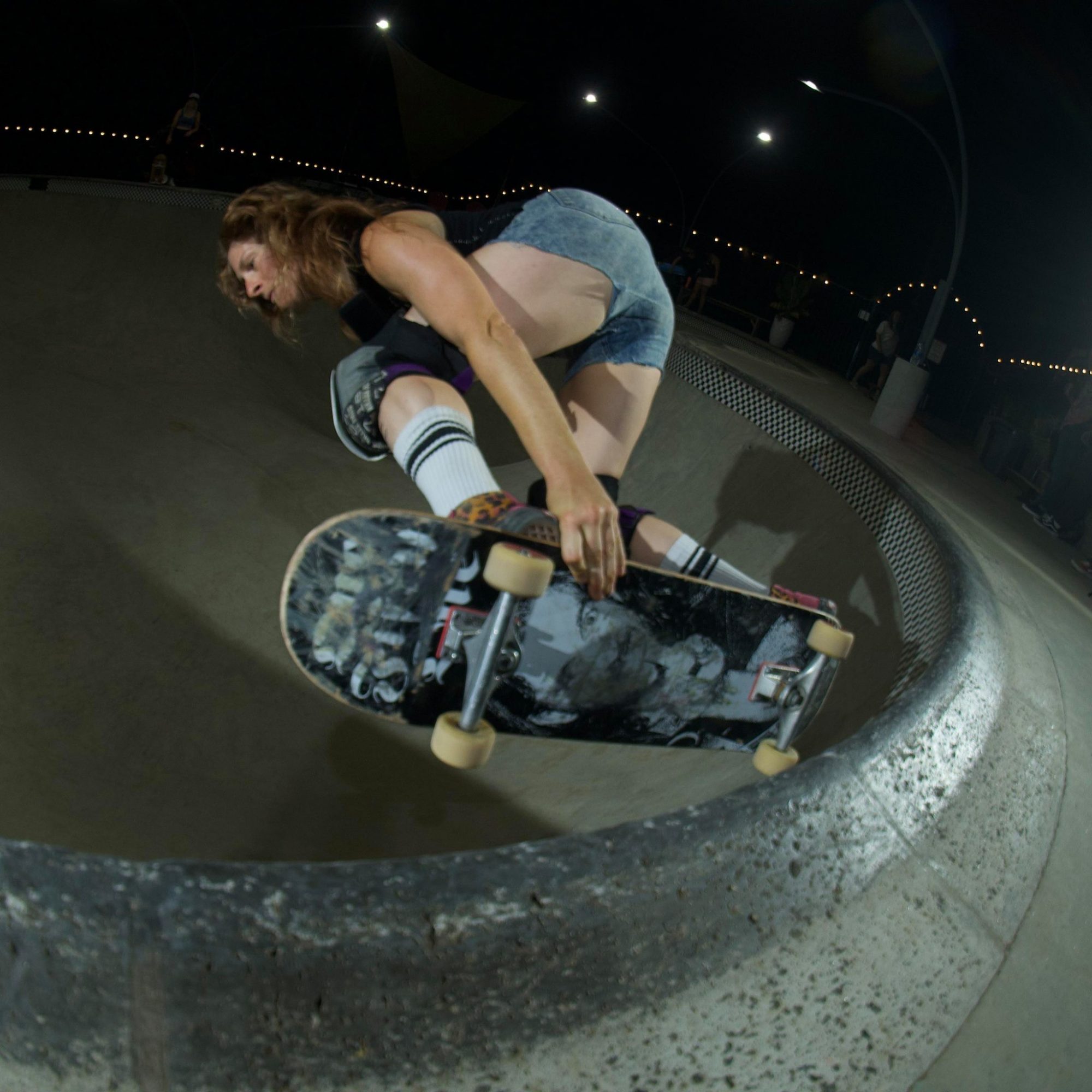
Image Credits
Veronika Reinert
Stee Gree Photography
Popular
-

Local Highlighter Series
-

If you could say one kind thing to your younger self, what would it be?
-

Who taught you the most about work?
-

What is something outside of work that is bringing you joy lately?
-

Have any recent moments made you laugh or feel proud?
-

What fear has held you back the most in your life?


