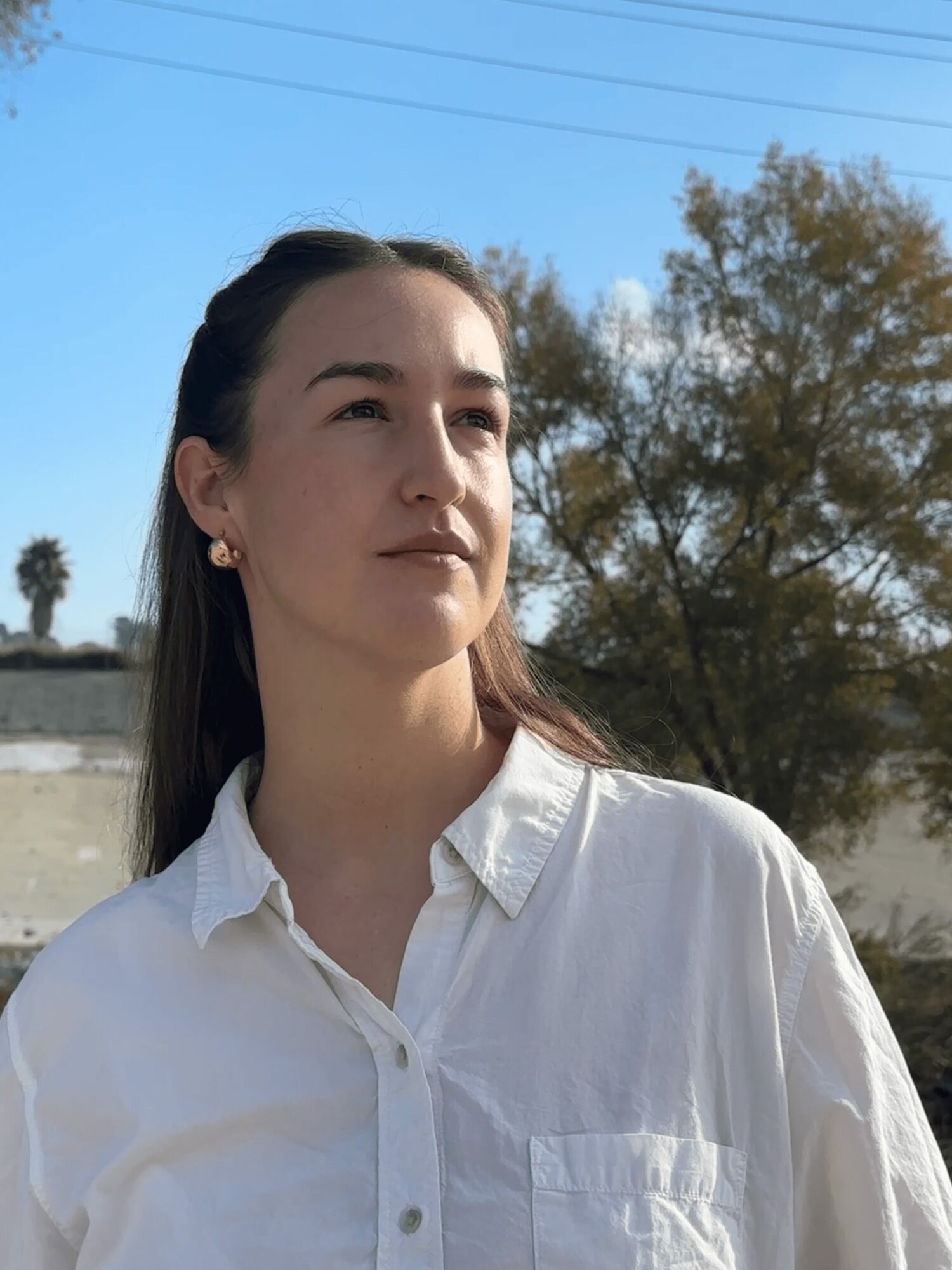



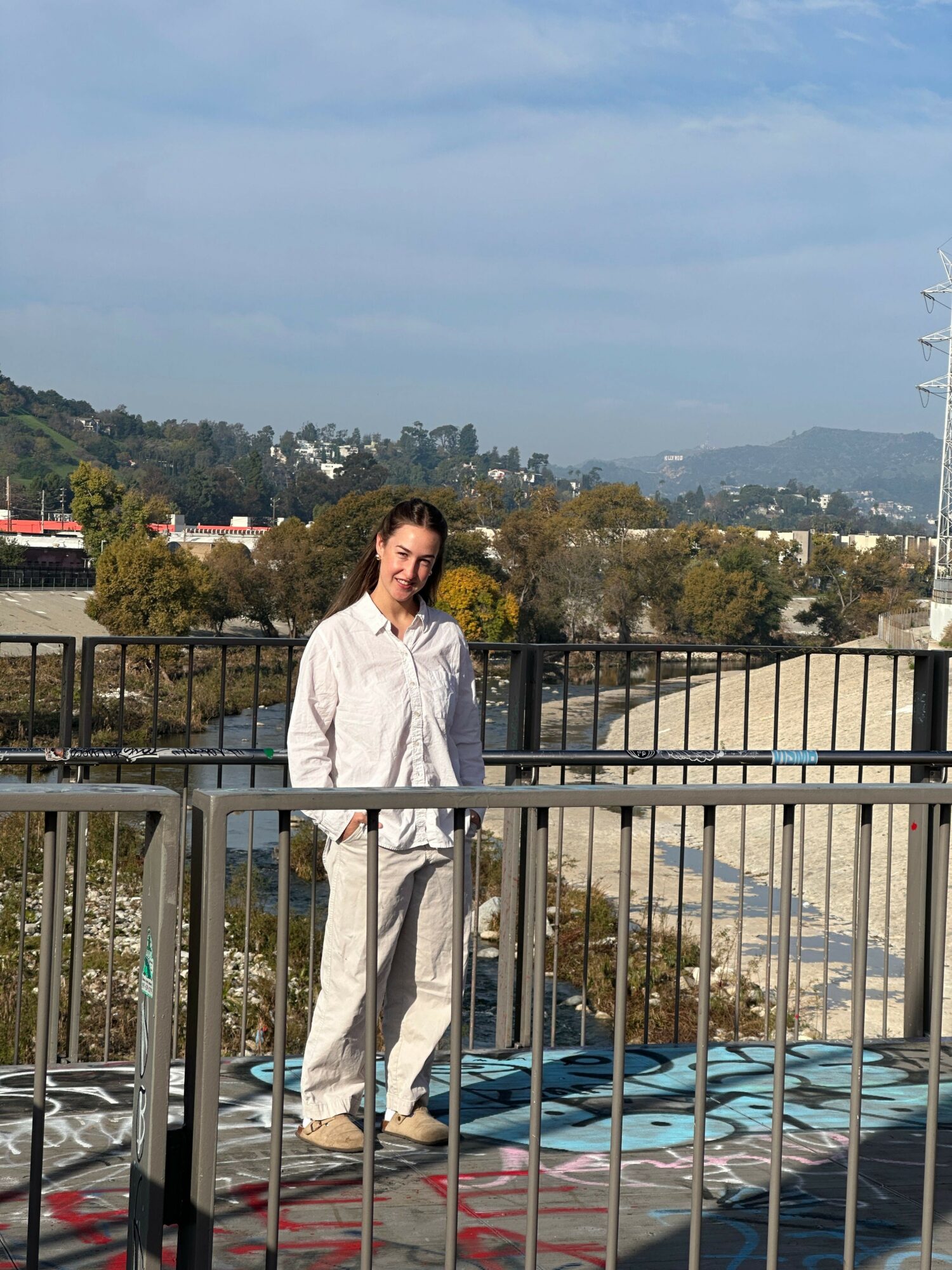
Today we’d like to introduce you to Ann Gutierrez.
Ann, we appreciate you taking the time to share your story with us today. Where does your story begin?
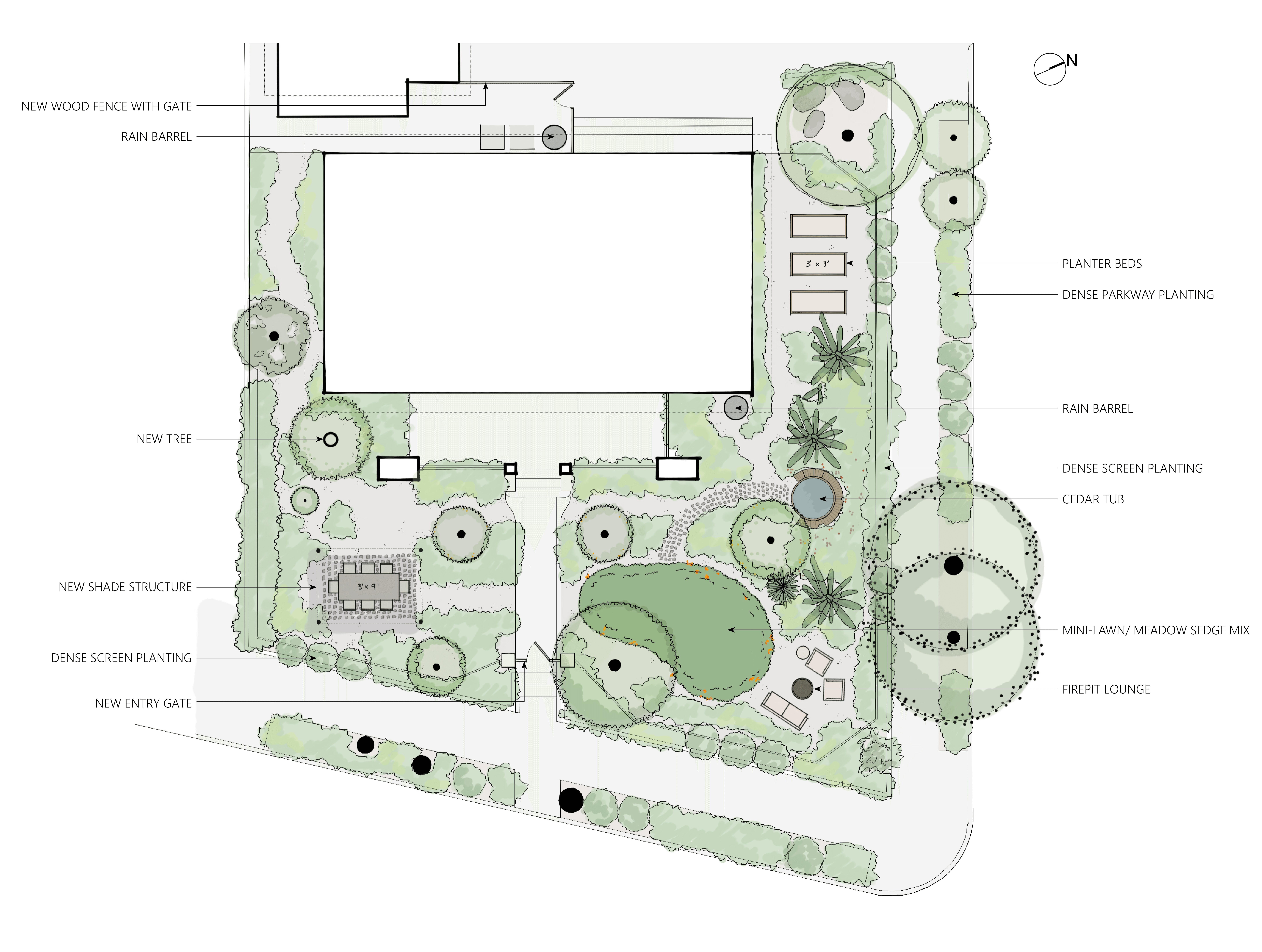
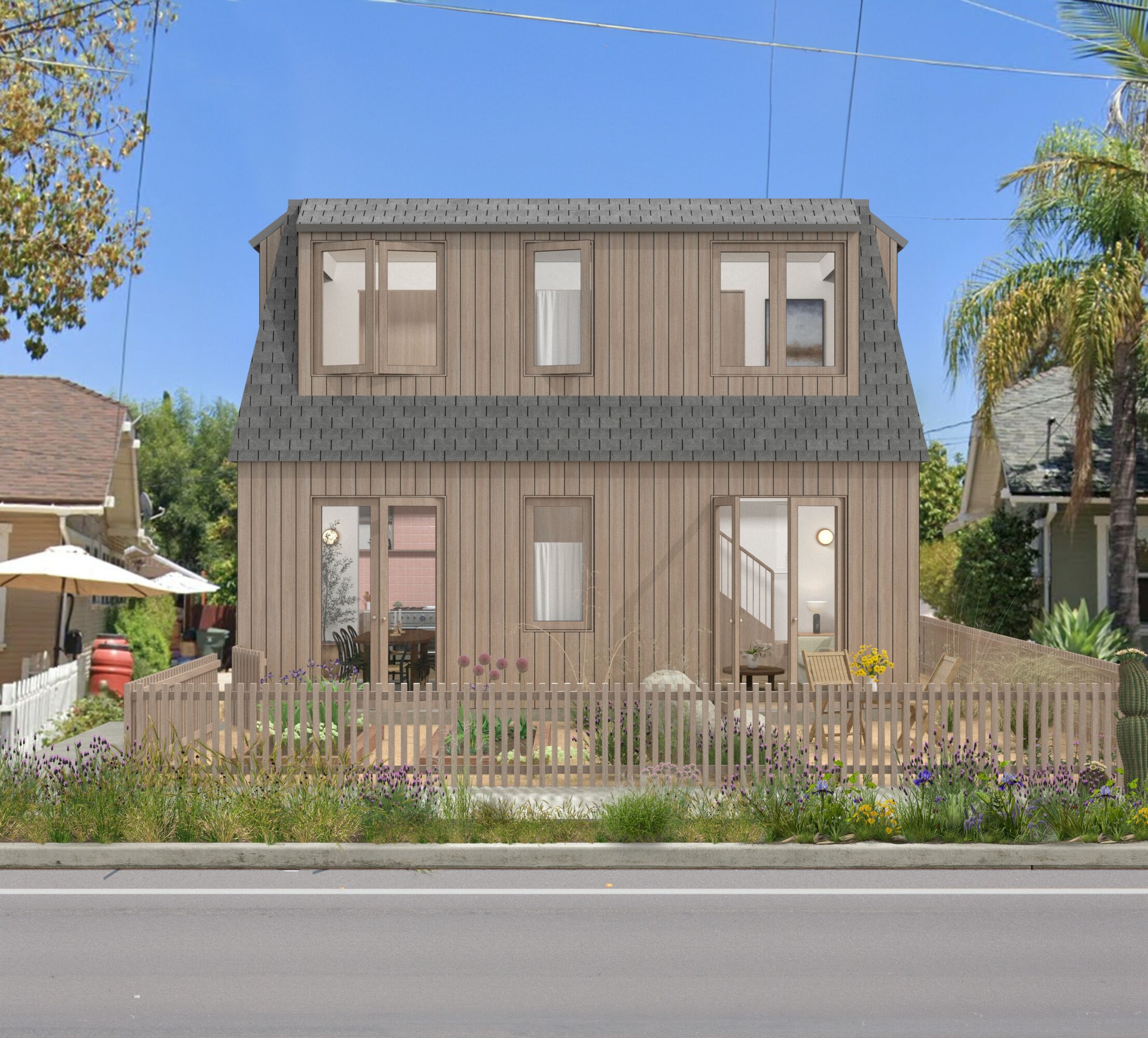
My name is Ann Gutierrez Velazquez and I’m a Los Angeles-based Architect, Landscape Designer, and Horticulturist. I founded Little Sister Workshop as a space for the work I want to be doing now and into the future. My practice is grounded in place, climate, and craft. I work within living systems, not just around them.
My start in the business is slightly criminal. Where, at five years old, I launched my plant career by aggressively harvesting my neighbor’s prized and home-grown flowers as a gift to my mother. As a flower thief with good intentions, my penitence was helping my neighbor with their garden work throughout the season. I learned early that craft and labor matter, and that sourcing locally has power.
I grew up on the pine-forested fringes of Mexico City in a neighborhood called Contadero. At school, the kindergarteners tended the carrot fields and we picked plums off the trees for a little snack. However, the madness of the city and its massive urban sprawl never felt far away. So much so that moving to LA to study architecture at SCI-Arc did not feel as drastic as I thought it would. I felt like I was meeting an old friend. Traded in the pine forest for the Sierras and chaparral. But I was delighted at how the city’s diverse neighborhoods were woven together with large swaths of preserved parks and hills with natural corridors. I worked in the architecture field for over 5 years where I learned rigor, creativity, and an obsession for details. Later in my career, I received a Horticulture Certificate at UCLA and a California Native Plant Landscaper Certification, which taught me humility, soil systems, and the fact that plants rarely care about your drawings.
Today, I work in residential architecture and landscape design. Additionally, I collaborate with small government agencies, such as the Santa Clarita Valley Water Agency, to teach workshops on everything from composting to native plant gardening. I also train their maintenance staff at the Bridgeport Demonstration Garden, where I roll up my sleeves, put my hands in the soil, and talk about why leaf litter is not the enemy.
In many ways, my path looks linear in retrospect, but internally it’s always felt a bit like weaving. Architecture on one hand, plants on the other, ecology somewhere in the center, and a belief that built and natural environments can work together.
Alright, so let’s dig a little deeper into the story – has it been an easy path overall and if not, what were the challenges you’ve had to overcome?
I’m sometimes asked how I went from architecture to horticulture, as if they exist on opposite ends of the design universe. But to me, the transition felt as easy as walking through a door and into a room with better light and much more oxygen.
But the truth is that my shift towards plants and ecology grew from a deeper unease within the architectural discipline. Architecture can be extraordinary, but it often requires massive amounts of resources, labor, and extraction. Learning about native landscapes and habitat restoration filled something within me. I realized that design could be an act of reciprocity: beautiful, useful, and ecologically sound.
Of course, landscape design is not without its barriers. It has its own labor inequities and hierarchies, many of which Terremoto Landscape articulates brilliantly in their piece Landscape Architecture Has a Labor Acknowledgement Problem. Reading that essay felt like someone said the quiet part out loud. Our field still has a long way to go, especially when it comes to recognizing those who actually build the spaces we inhabit.
So yes, there have been moments of doubt and moments of joy, and moments where being a solo practitioner in LA makes me wonder why I didn’t go into finance. But the communities, clients, plants, contractors, children, wildlife, and co-conspirators I’ve met along the way remind me that the path is worthwhile. Friction creates change, and change is the whole point.
Appreciate you sharing that. What should we know about Little Sister Workshop?
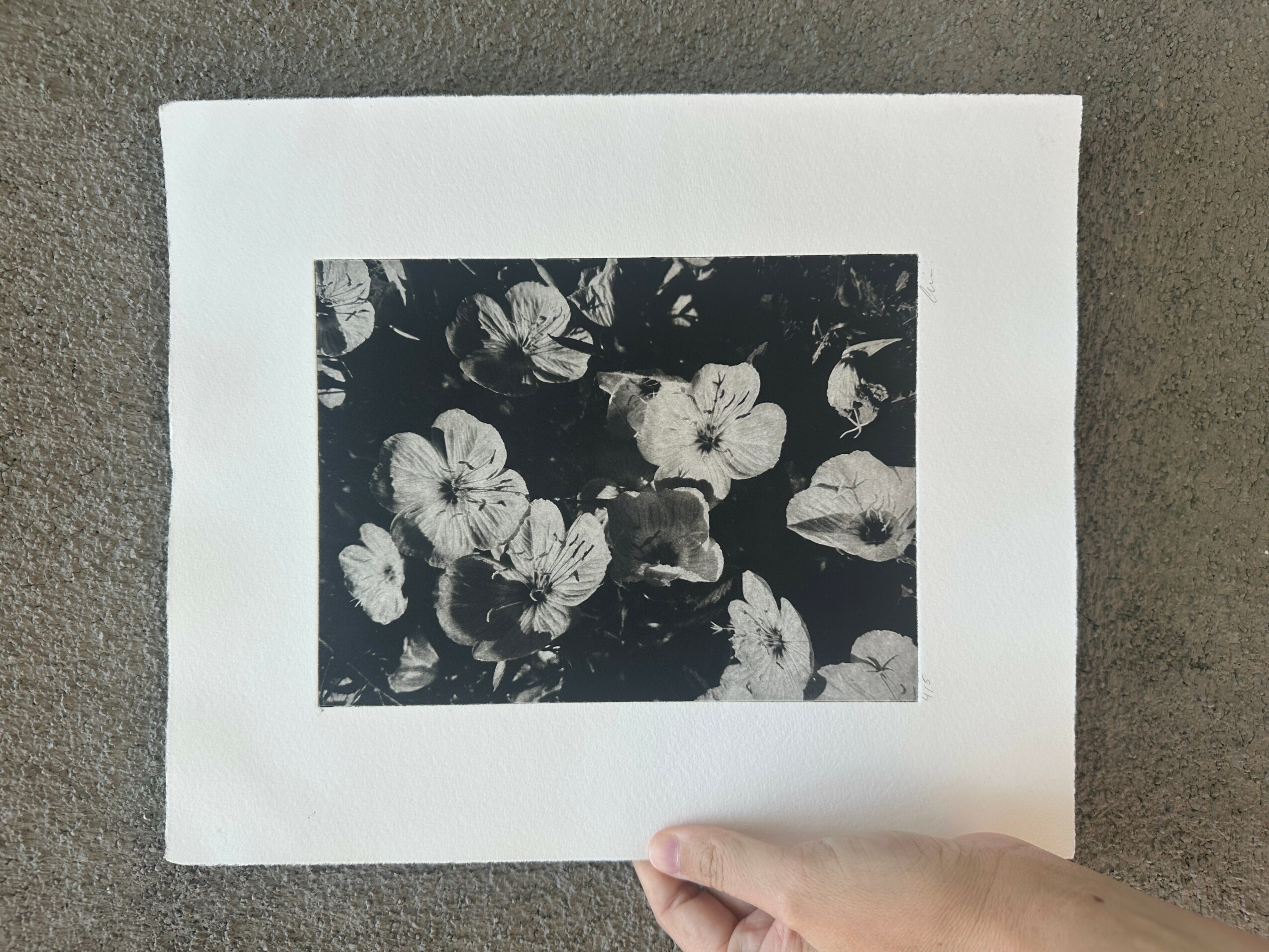
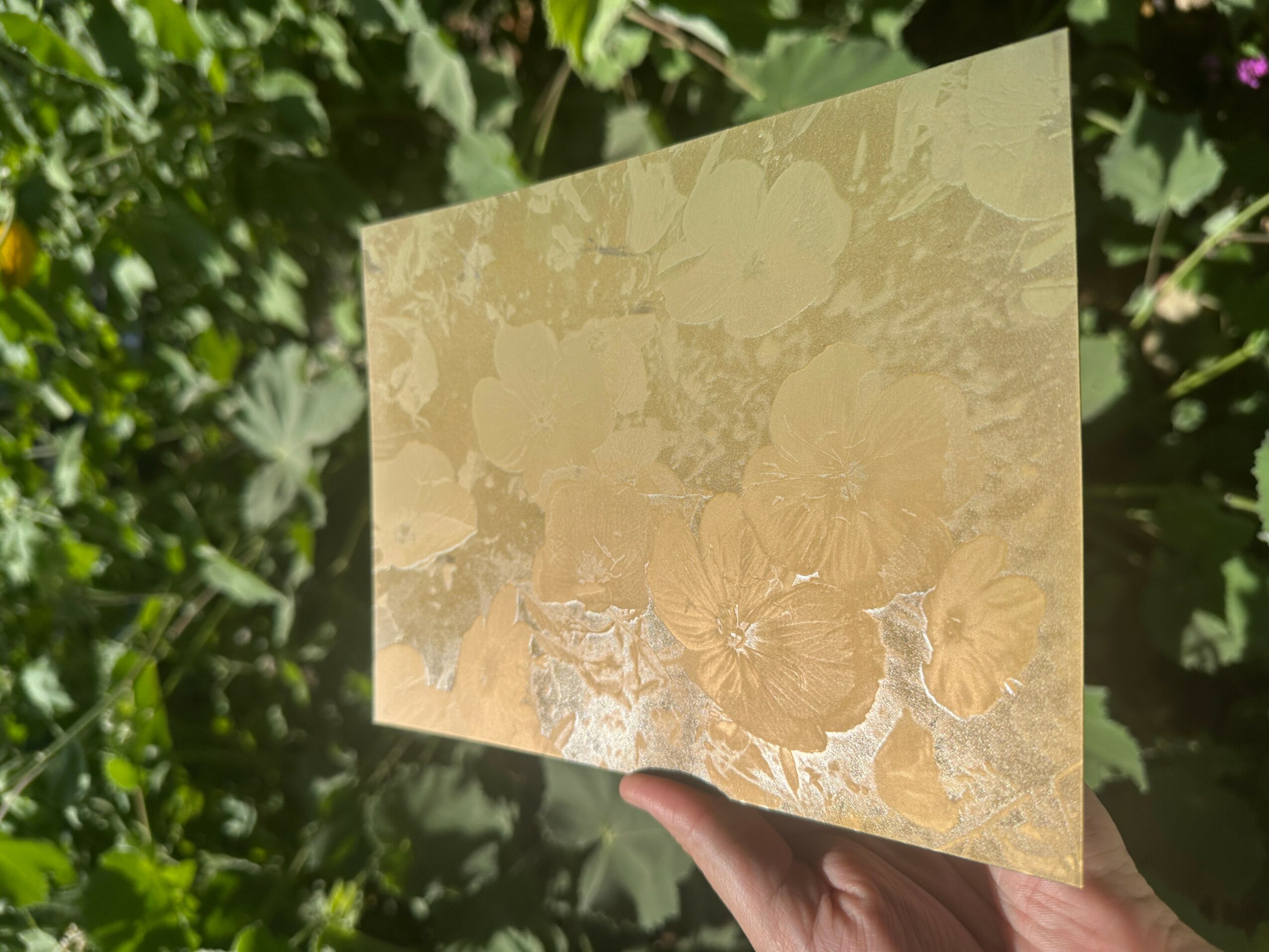
Little Sister Workshop began in a very unromantic way. I needed an S-Corp to file taxes and the State of California said I needed a name…fast. I tried to think about what I wanted to embody and I kept thinking of my older sister and all that I admire about her. Being a little sister comes with the privilege of feeling brave. That you can do bold things because someone’s looking out for you. So “Little Sister” stuck. I added “Workshop” because I wanted room to experiment. I am an architect, designer, artist, gardener, and flower bandit. A workshop can hold all of that.
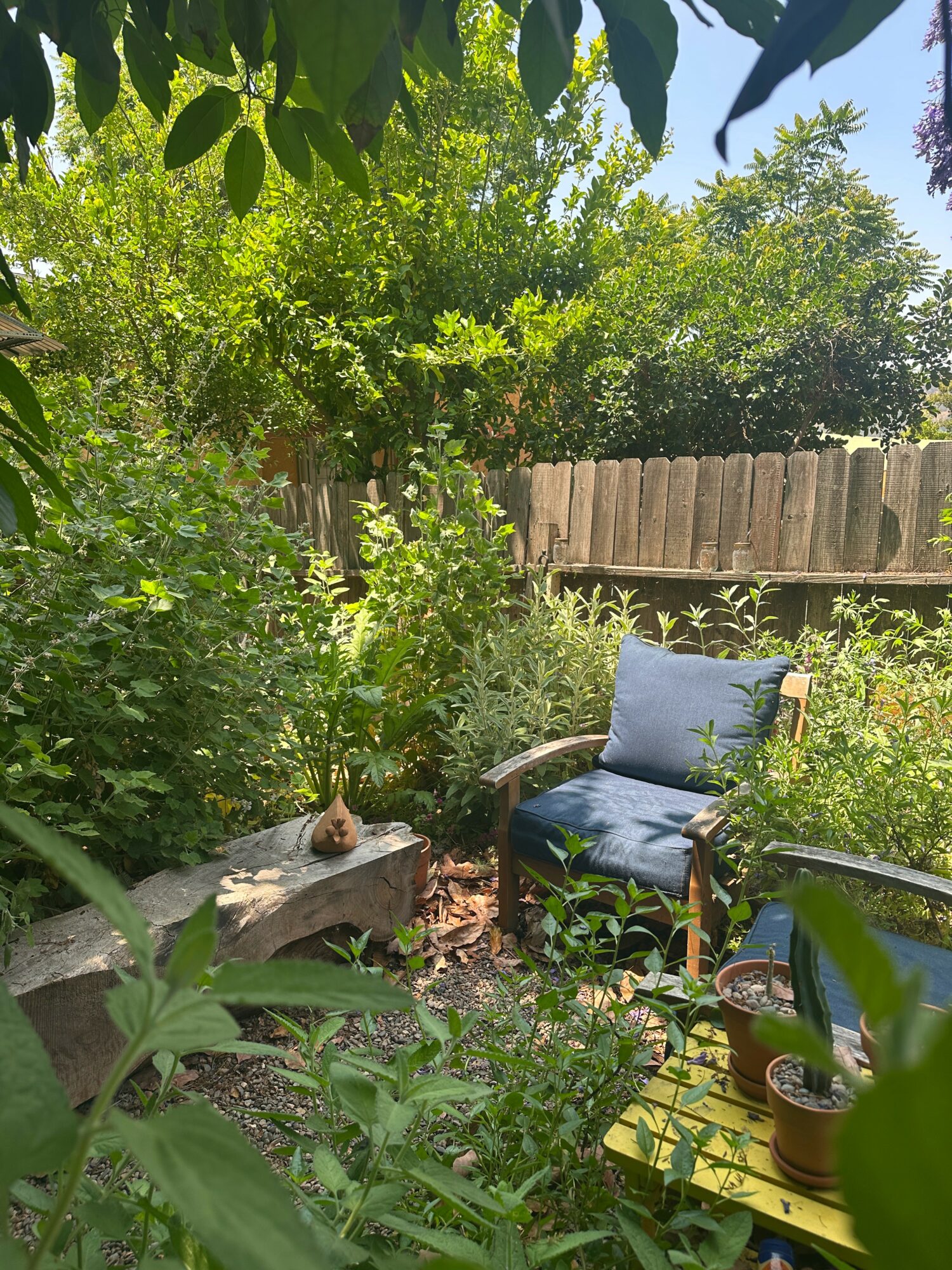
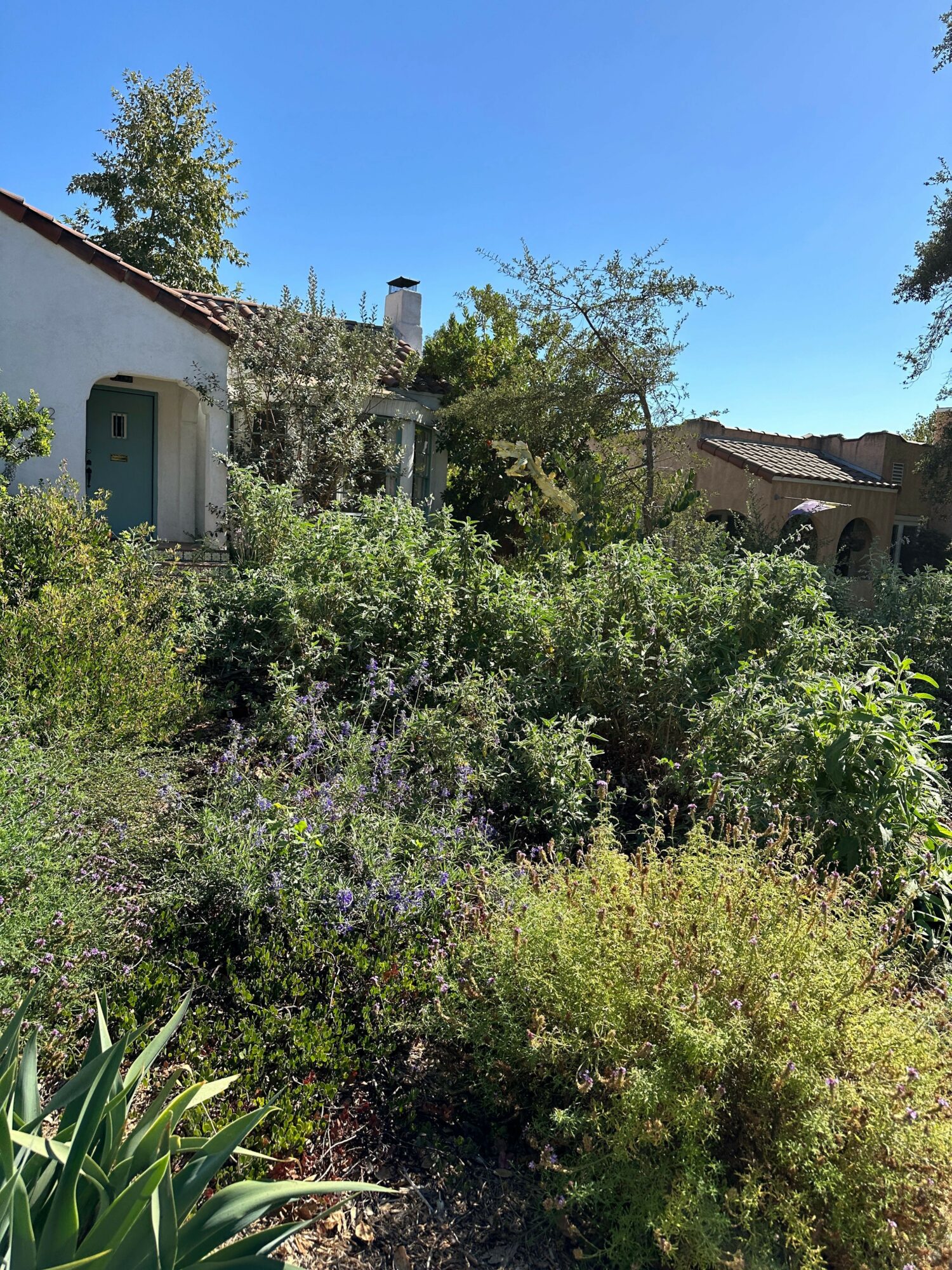
What sets my work apart is that I don’t design from a distance. I am deeply invested in the planning, implementing, and long-term of a project. Landscapes should outlive drawings and good design is something you grow into.
I spend a lot of time on site because hyper-contextualism matters in design. I collaborate with arborists, contractors, lighting designers, and anyone else who has a relationship with the space. I don’t shy away from editing the design as the land reveals itself.
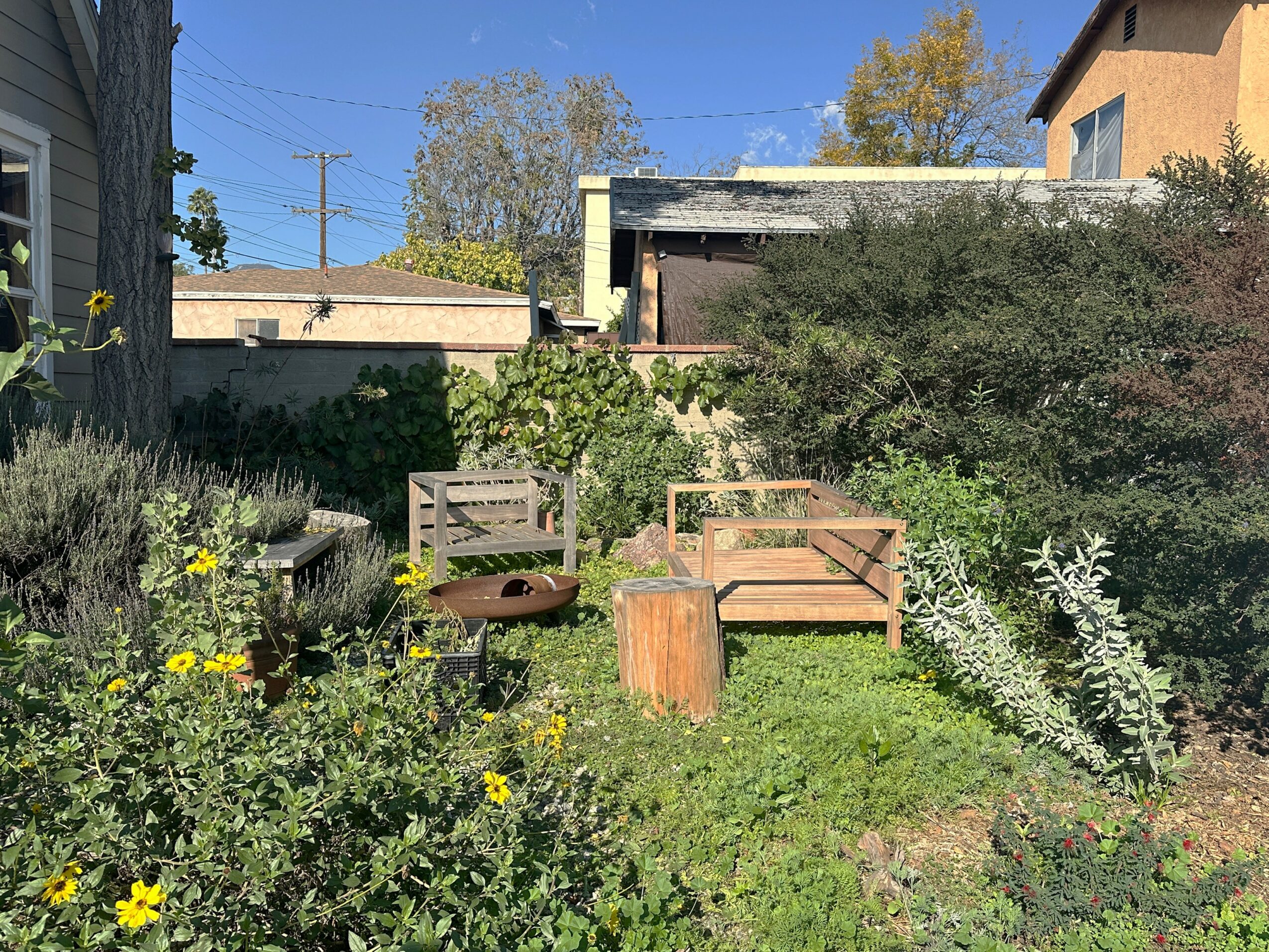
My favorite projects are the ones that develop through dialogue. When clients tell me their kids have been collecting caterpillars brought on by wildflowers, or when birds build a nest in a plant I selected, that’s when I know the work is doing what it needs to.
I love drawings, as my inner Type-A requires me to say, but I also embrace the wild improvisational nature of living systems. A garden does not care that my construction documents are immaculate. It will do its own thing, and I love that.
What matters most to you? Why?
What matters most to me is reciprocity, access, and the belief that we are all in a lifelong cycle of learning and unlearning. I don’t believe in extremes, not in design, not ecology, not in life. I’m more interested in the middle space where things meet and influence one another. The places where perspectives can shift, where humility becomes a design tool, and where listening is more important than knowing.
Every project teaches me something. Every client teaches me something. Every plant definitely teaches me something (usually patience). I try to approach my work with the understanding that I am not the author of a space, I am one collaborator among many.
Pricing:
- Because architecture and landscape design are so tied to context, to landform, to place, to cultural and ecological goals, my pricing is shaped by the uniqueness of each project.
- Here’s how I typically structure it:
- I start with an in-person meeting to understand the land, the vision, and the relationship we’re about to build together.
- For open-ended, exploratory projects, I work hourly. These are usually projects where we’re feeling our way towards the right answers.
- For clearly defined scopes, I offer fixed-fee pricing with a detailed outline of deliverables and phases. I choose the approach that gives the project the room it needs to become what it wants to be.
Contact Info:
- Website: https://www.littlesisterworkshop.com/
- Instagram: https://www.instagram.com/littlesisterworkshop/