



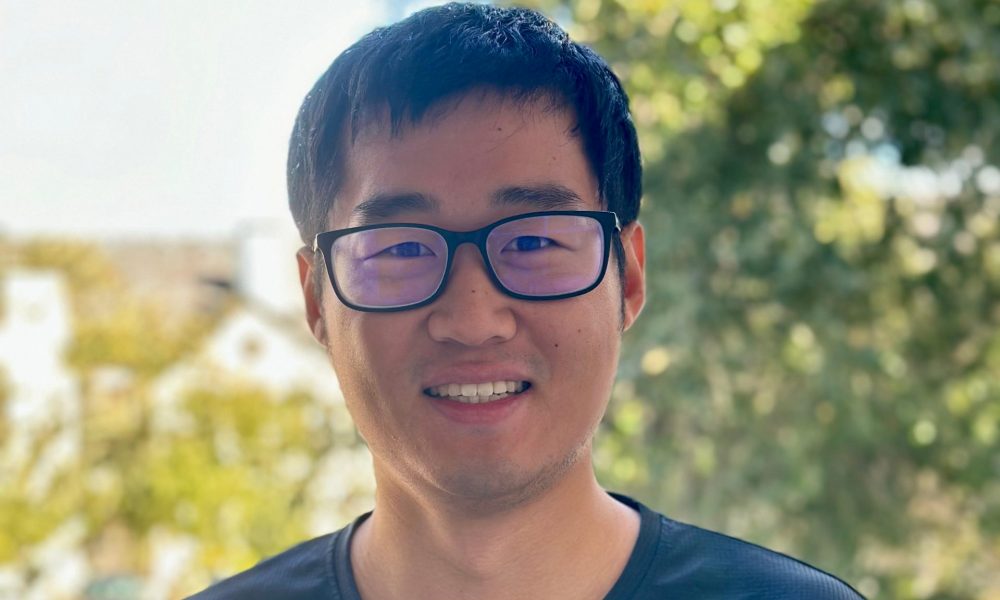
Today we’d like to introduce you to Zilin Zhou.
Hi Zilin, can you start by introducing yourself? We’d love to learn more about how you got to where you are today.
My journey into the design world began in the halls of academia, where I was originally charting a course towards a career in computer engineering as a Computer Science student. This track, however, experienced a pivotal shift when I chose to explore graphic design through a series of elective classes. These classes did more than just teach me about design; they lit a spark within me, unveiling a passion for the creative field that I hadn’t fully realized before. This revelation was profound, indicating that my aspirations extended beyond the realm of traditional engineering. Yet, I knew I didn’t want to pursue design in a conventional sense; my deep-rooted love for technology and a natural inclination towards collaborative work guided me towards a unique niche within the vast expanse of design.
Driven by this amalgamation of interests, I made the decision move to change my major to Information Technology, honing in on User Experience (UX) Design. This decision wasn’t just about altering my academic focus; it was about aligning my career path with my true passions—melding the technology with the creative, the functional with the aesthetically pleasing. This blend of disciplines allowed me to approach design from a holistic perspective, considering not only the visual aspects but also the usability and accessibility of digital products.
As I navigated through the complexities of UX design, my commitment to creating inclusive and accessible technology became increasingly central to my work. This commitment was grounded in a firm belief that technology should be designed to empower every user, regardless of their abilities or background. It was this belief that propelled me into the forefront of inclusive design, guiding my projects and ultimately contributing to my recognition as an award-winning product designer. Notable projects like the OurAbility Connect Dashboard system, lauded for its innovative approach to inclusive design, were also embodiments of my dedication to making technology accessible to all.
Today, as I reflect on my journey from a computer science student to an acclaimed product designer, I see a path marked by a relentless pursuit of innovation, empathy, and inclusivity. My initial pivot from computer engineering to design was not merely a change in academic major but a step towards realizing my vision of a world where technology enhances the lives of everyone without exception. My story is one of transformation, fueled by a passion for design and a deep-seated belief in the power of technology as a tool for universal empowerment.
Can you talk to us a bit about the challenges and lessons you’ve learned along the way? Looking back, would you say it’s been easy or smooth in retrospect?
My career path, much like the UX design process itself, has been far from smooth. After college, the challenge of landing a job was my first real test. Despite pouring my heart and soul into my portfolio and pitching my work with all the passion I could muster, the road was tough. Rejection became a familiar companion, and the dream of making a mark in the design world seemed increasingly out of reach. But as is often the case, perseverance in the face of adversity began to pay off. My efforts and talent didn’t go unnoticed for long, and I eventually landed my dream job at PayPal as a product designer. It was a turning point that affirmed my belief in the value of hard work and the importance of never giving up on one’s dreams.
The challenges didn’t end there, though. Designing for technology, especially at a company as innovative and fast-paced as PayPal, brought its own set of hurdles. Creating user-friendly solutions that could seamlessly integrate into the complex ecosystem of digital payments was a significant challenge. There were moments of struggle, trying to land on ideas that not only solved the problem at hand but did so in a way that was intuitive for the user. Communicating these ideas, my design thinking, and the rationale behind my decisions to my team and stakeholders was another layer of difficulty. It required not just clarity and conviction in my vision but also the ability to engage others in that vision to see the potential impact of these designs on users’ lives.
These experiences, both the struggles of breaking into the industry and the ongoing challenges of innovating within it, have been invaluable. They’ve taught me resilience, the importance of empathy in design, and the critical skill of effectively communicating complex ideas. Each obstacle has been a lesson in itself, reminding me that the path to success is rarely linear. Just like in UX design, where understanding and meeting user needs is an iterative process full of tests and revisions, so too is building a career in design. It’s a journey of constant learning, adapting, and striving for better, even when the road gets rough.
Can you tell our readers more about what you do and what you think sets you apart from others?
Currently, I hold the position of a product designer, where my expertise lies in shaping digital security experiences with a keen emphasis on accessibility and inclusiveness. My work is driven by the principle that technology should be a tool for empowerment, accessible to all users regardless of their abilities. This ethos is vividly reflected in my projects, especially in the creation of experiences designed to be universally usable.
One of my proudest achievements is the OurAbility Connect Dashboard design. This innovative career service and job searching tool is specially tailored for individuals with disabilities, enabling them to embark on and navigate their career journeys with the same opportunities as anyone else. This project not only earned a nomination for the UX Design Award in 2023 but also went on to receive the prestigious IF Design Award in 2024, a testament to its impact and the recognition of our commitment to creating inclusive digital environments.
Another highlight of my career is my work on the “PayPal Biometric ID Verification” system. This project was particularly rewarding, as it addressed the critical challenge of combating online fraud in digital payments. By leveraging biometric technologies, we created a system that enhances security for PayPal users worldwide, making secure transactions more accessible and intuitive. The system’s launch in 47 countries, verifying millions of users, underscores its global impact and effectiveness. The recognition of this project with both the IF Design Award and the Red Dot Award is a reflection of my dedication to excellence and innovation in design.
What sets me apart in the design world is my unwavering commitment to crafting digital products that are not just innovative but also inclusively designed. My focus goes beyond aesthetics and functionality; it encompasses a broader vision of designing technology that empowers every user, regardless of their physical abilities or circumstances. This dedication to inclusivity and accessibility, combined with my specialization in digital security experiences, defines my unique contribution to the field. It’s this blend of values, skills, and achievements that distinguishes my work, driving me to continue pushing the boundaries of what is possible in design to create a more accessible and empowering digital world for everyone.
Have you learned any interesting or important lessons due to the Covid-19 Crisis?
The Covid-19 Crisis has undeniably been a period of profound introspection and learning for me, presenting lessons that have reshaped my approach to both life and work. One pivotal insight has been the sheer power of persistence and the importance of forging meaningful connections, even in the most challenging times. The pandemic underscored for me that reaching out, maintaining relationships, and sharing the passion for my work are not just professional necessities but fundamental human ones. Despite the uncertainties and the upheaval, I remained steadfast in my pursuit of my dream role. This tenacity paid off and looking back; I feel an immense sense of pride in not having given up on my aspirations, even when the odds seemed stacked against me.
Moreover, the crisis highlighted the significance of offering support and being there for others, be it through online channels or in person, whenever possible. The experience of navigating this pandemic—both as an individual and as a part of the broader community—has been incredibly humbling and empowering. It taught me the value of empathy and understanding, showing me how acts of support can make a profound difference in people’s lives, including my own. Whether it was providing assistance to colleagues navigating the shift to remote work or simply being a listening ear to friends and family, these actions of support have been deeply fulfilling.
The Covid-19 crisis, with all its challenges, has been a catalyst for growth, teaching me never to take connections for granted, to pursue my dreams with unwavering determination, and to always extend a hand of support. These lessons, born out of a global crisis, have not only shaped my personal and professional philosophy but have also deepened my appreciation for the resilience and potential for kindness in all of us. Moving forward, I carry these insights with me, allowing them to inform my actions and interactions, both in the world of design and beyond.
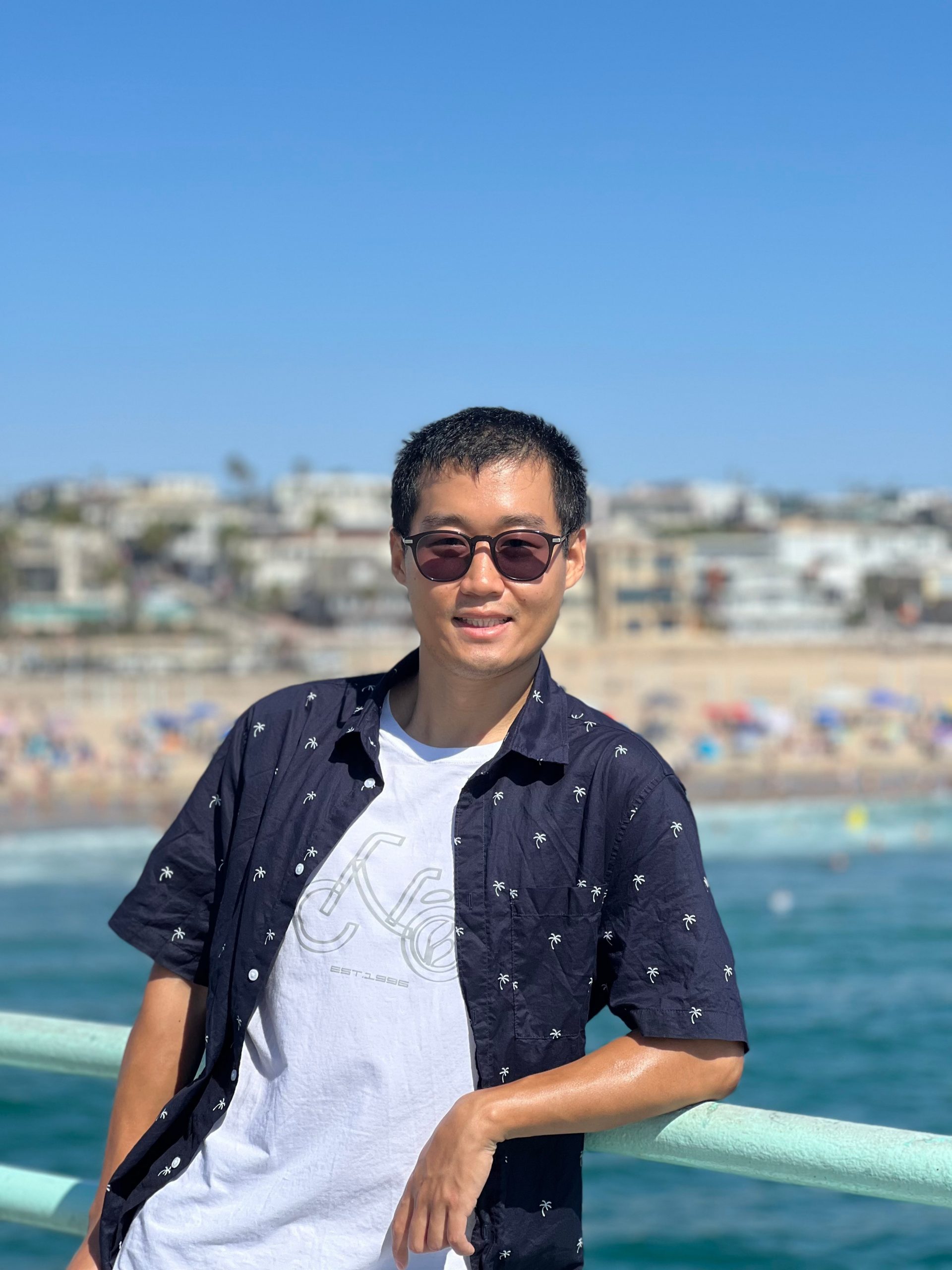
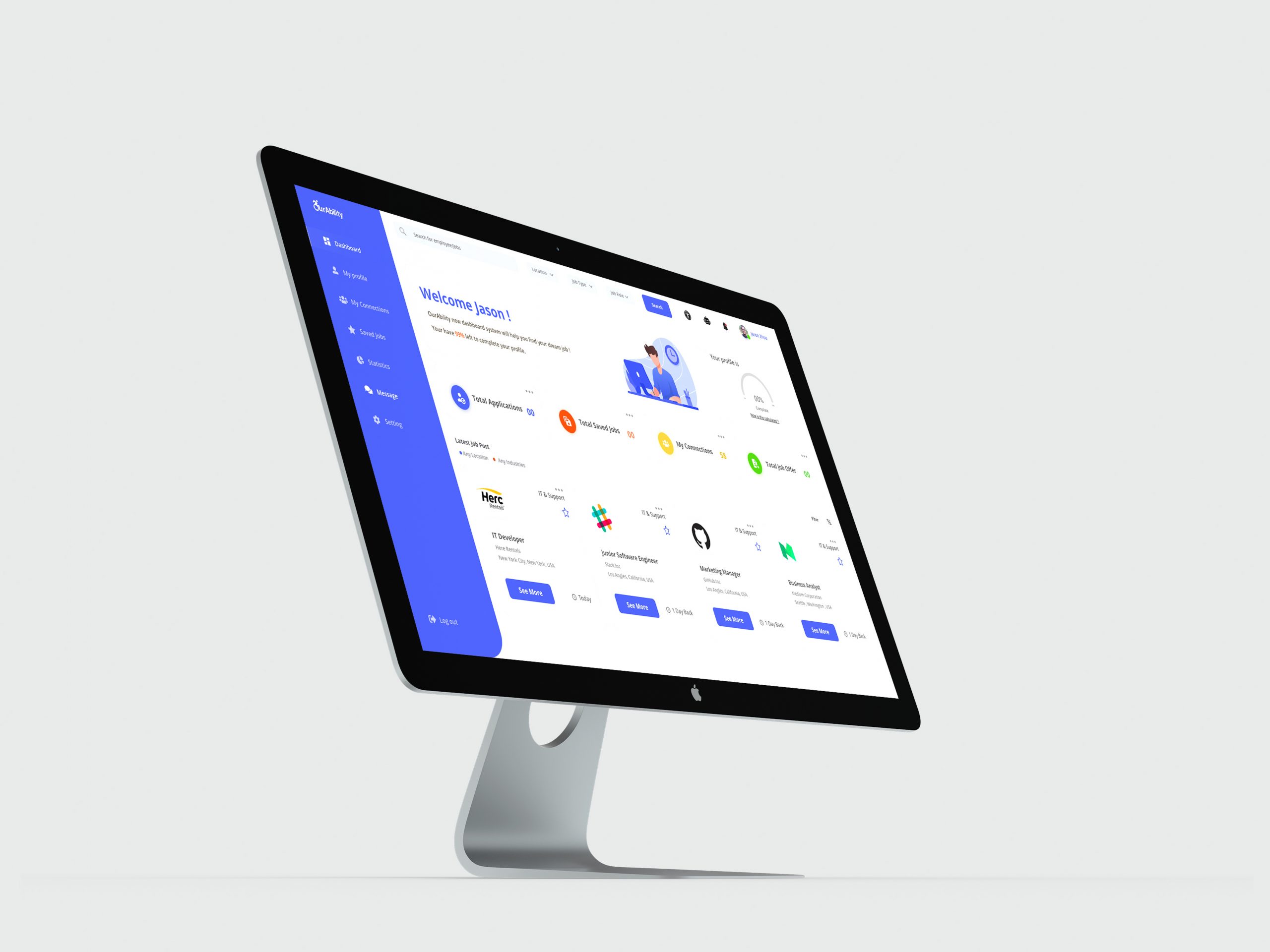
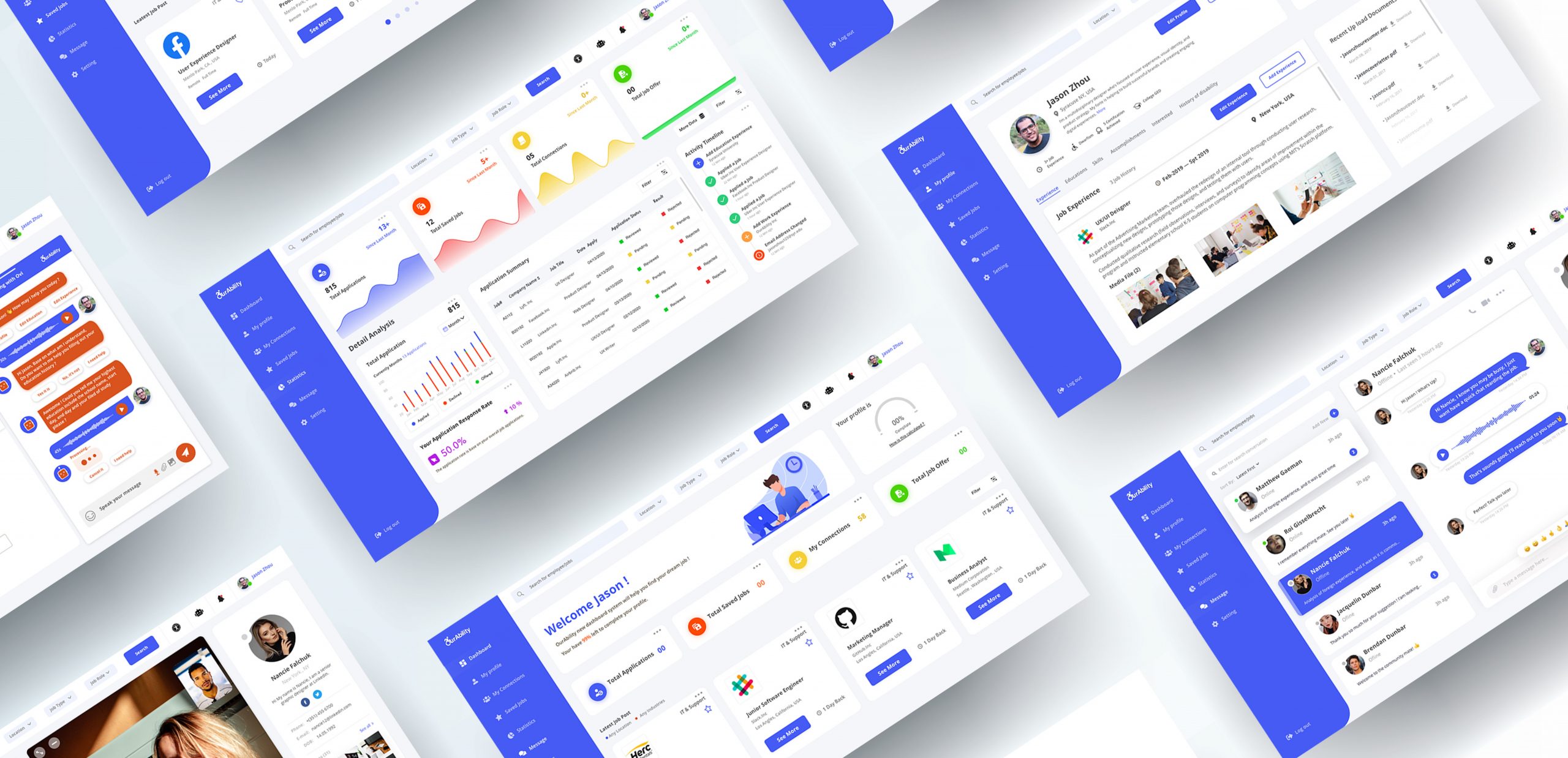
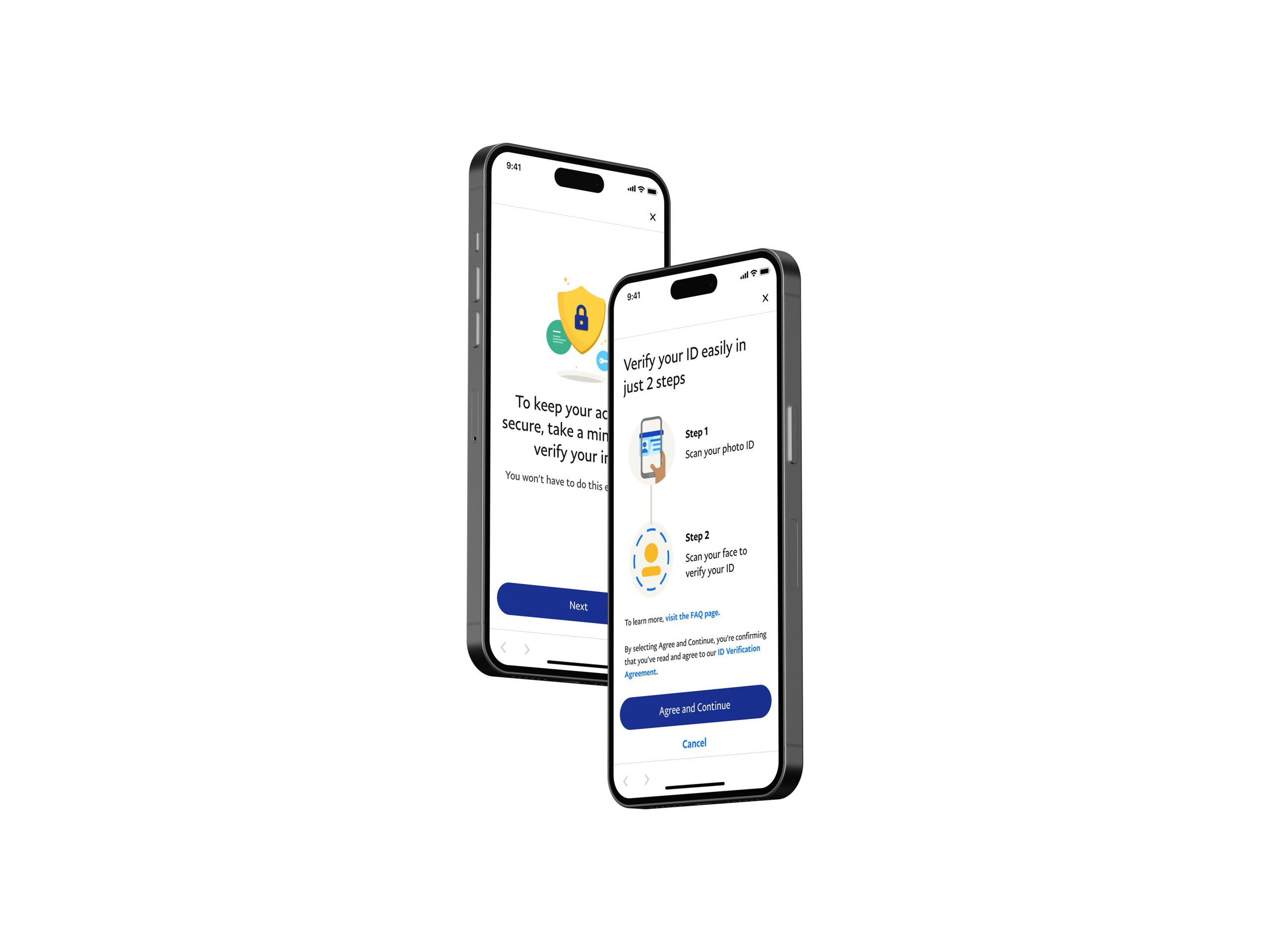
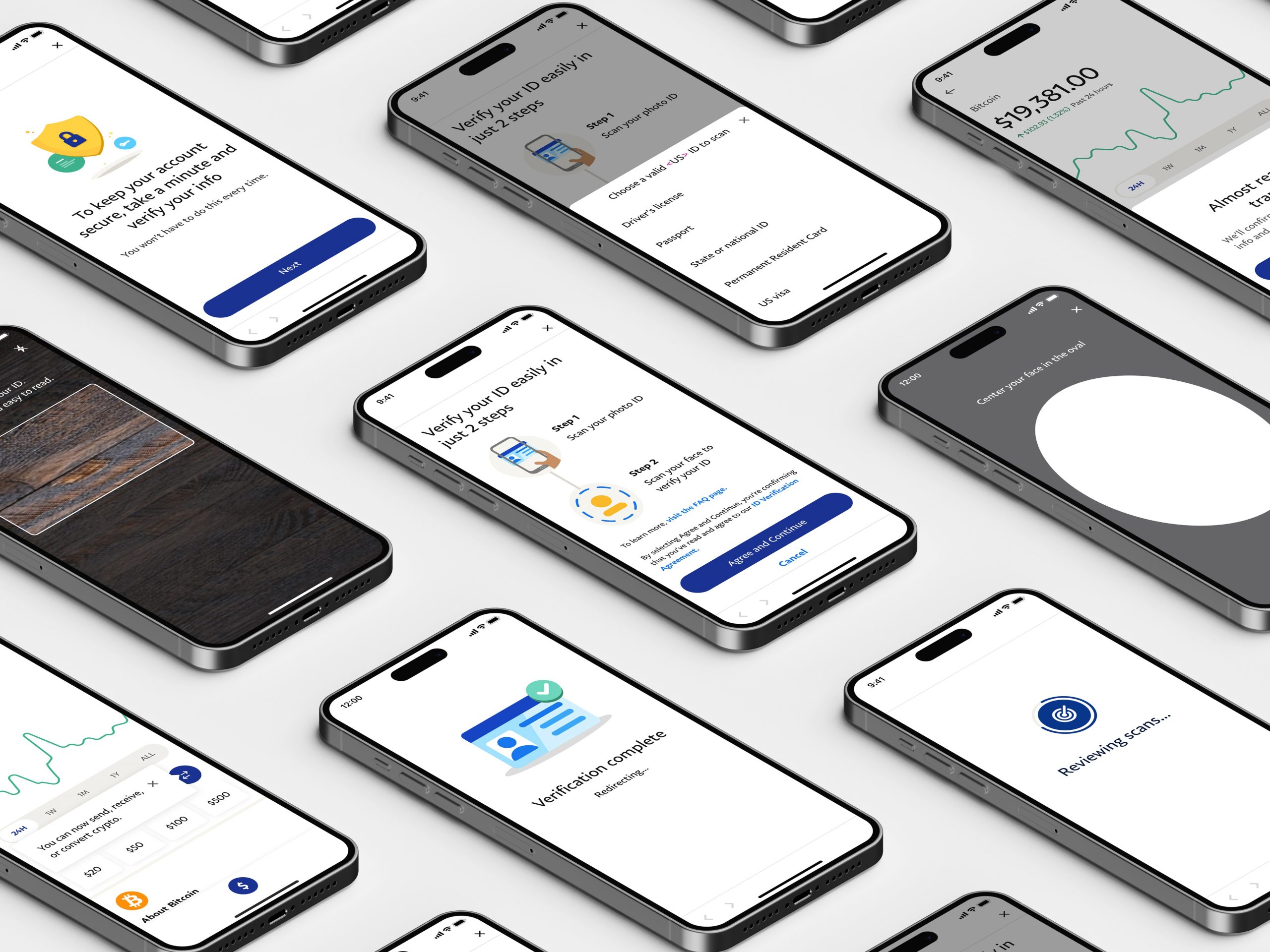
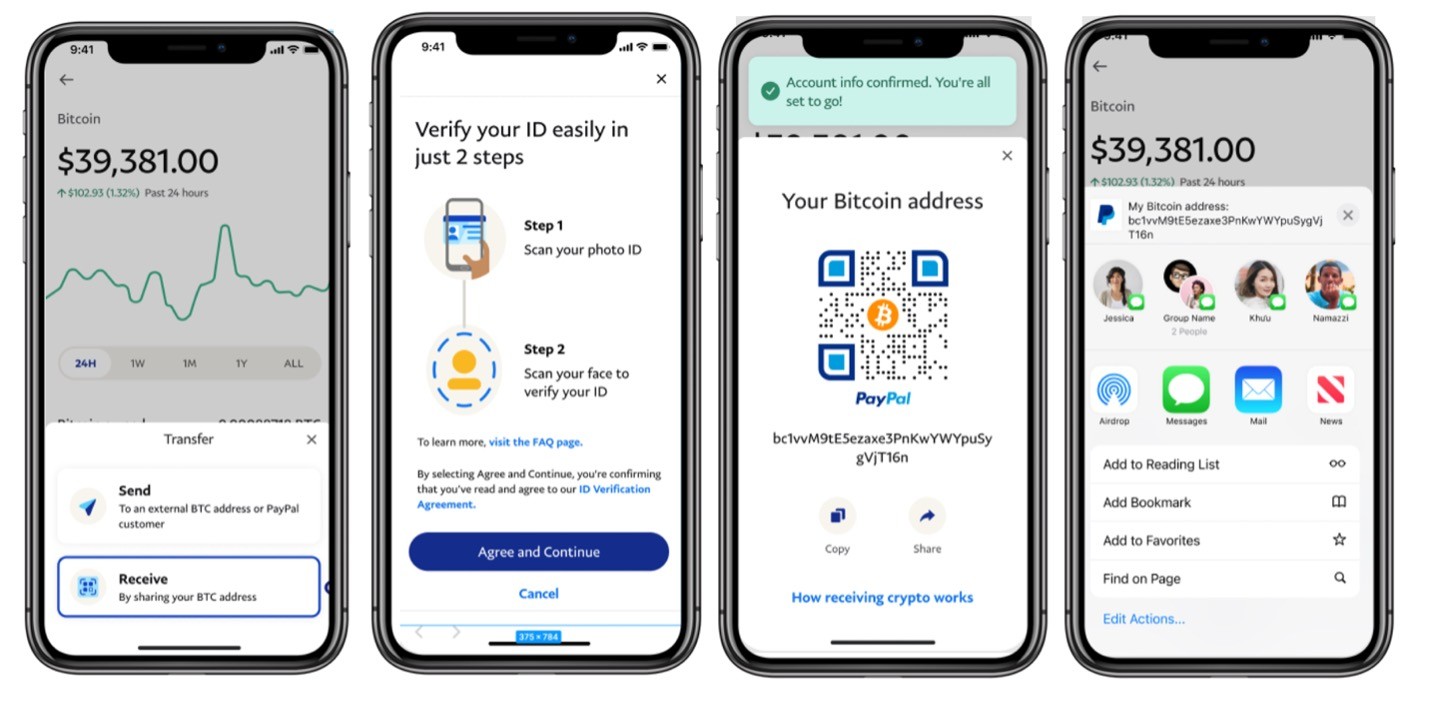
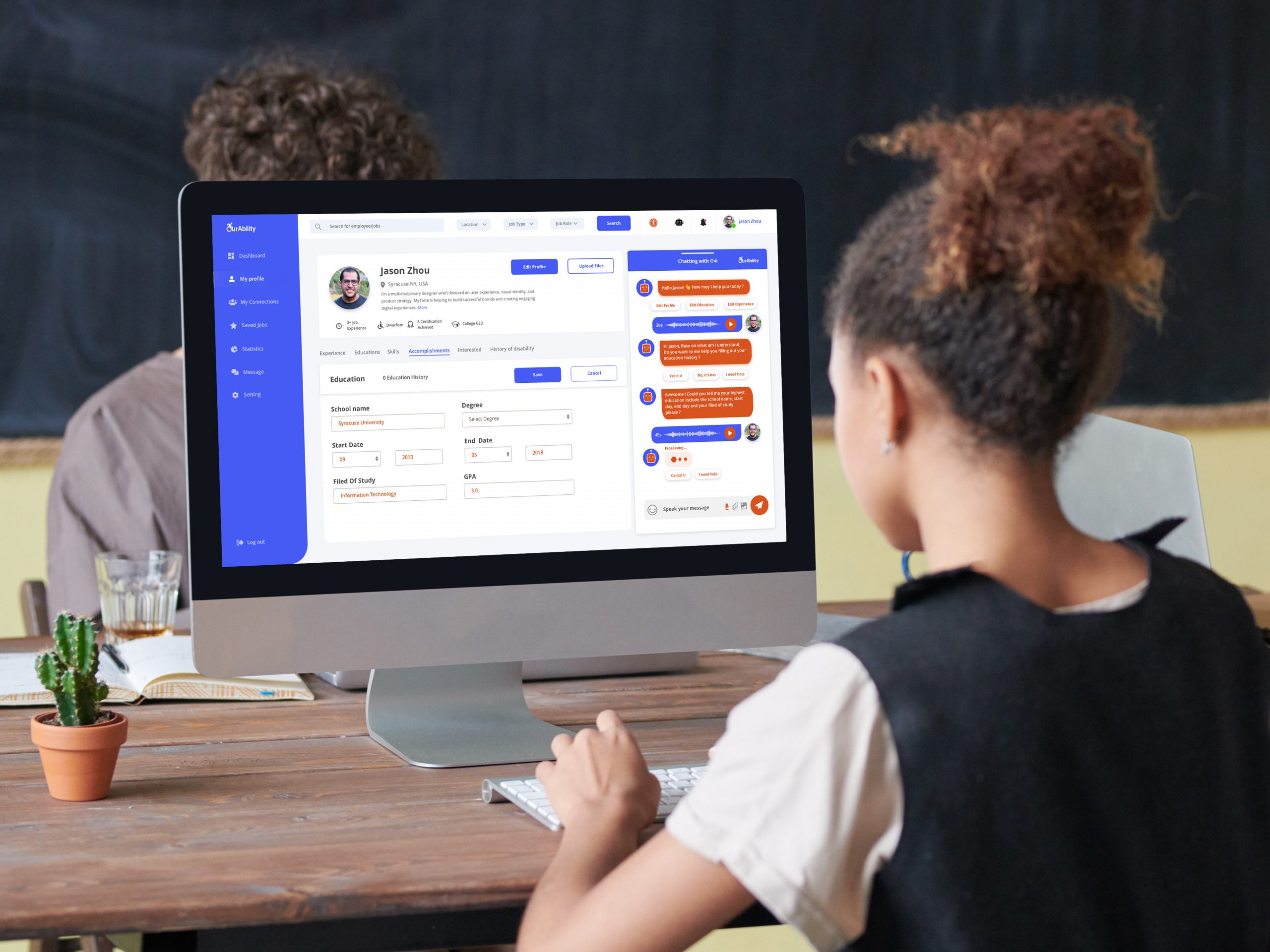
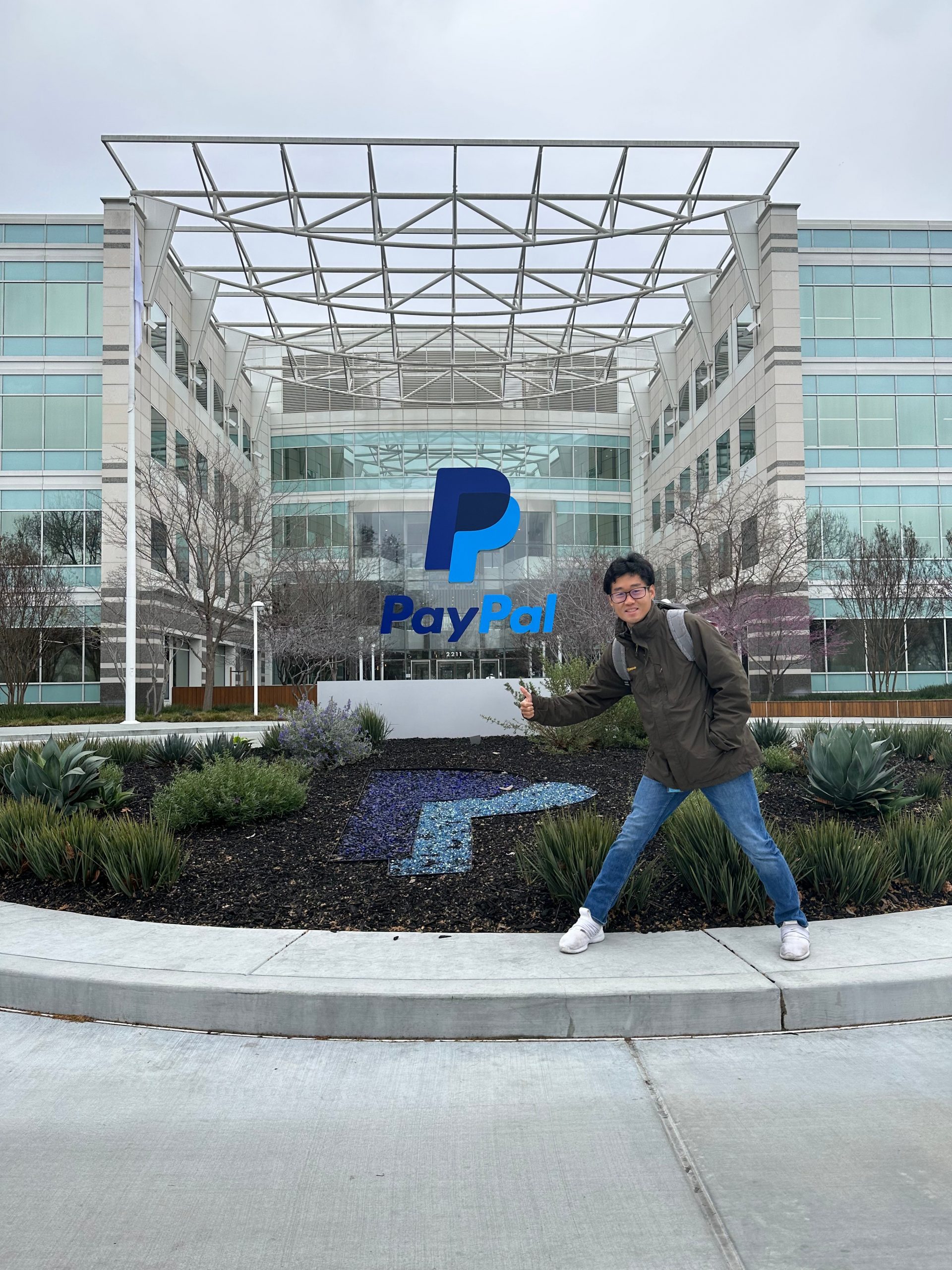
Image Credits
Zilin Zhou
Popular
-

What is something outside of work that is bringing you joy lately?
-

Local Highlighter Series
-

What did suffering teach you that success never could?
-

What are you most proud of building — that nobody sees?
-

Who were you before the world told you who you had to be?
-

If you could say one kind thing to your younger self, what would it be?


