



Today we’d like to introduce you to Zach Hendrickson.
Zach, we appreciate you taking the time to share your story with us today. Where does your story begin?
Creating and building things has always been a part of my life. From a very early age, building Legos, creating Origami – you name it, I loved to create. I love to take something in my head and make it a physical reality. I’ve also always been an incredibly visual person – the kind of mind where I look at something, and if I generally understand how it works, I can pretty much fully understand every step I’ll need to take in order to get to the finished result.
As I got older, building Legos transitioned into more practical skills – film editing, animation and design, and about 10 years ago, DIY – mainly focused on woodworking, metal working, 3D design and printing, laser cutting, and general house related projects like fences, sheds, greenhouses, small building structures, roofing projects, simple electrical work, and more.
10 years ago, my then girlfriend (now wife) and I were living in a great two bedroom rent-controlled apartment down on the west side. We had a roommate who had moved out, and fortunately for us, we had entered into a point in our careers where we were able to afford the place ourselves, no roommates, meaning we could begin to decorate it exactly how we wanted to decorate it.
Naturally, I think we were a little sticker shocked by how much certain things we liked cost – special shelves, coffee tables, TV stands, etc.
Being the visual person I was, and coming from a lifetime of building things, while also being heavily committed to finding the most efficient way to reach my goals and get the things I (we) wanted, I started doing the tiniest bit of research in the DIY space on materials, tools (general and specialized), building techniques etc. I realized that with a few tools, little practice, and some lessons in safety, I could build 99% of what we wanted, for cheaper, while slowly accumulating tools and new skills in the process.
This hobby culminated (with a little encouragement from my wife) with me diving cautiously into the world of DIY Content Creation on Youtube. In 9 years my channel has grown to nearly 52,000 followers, and I still to this day love working on it, even if more important things like my career and family mean my videos have become fewer and far between!
Would you say it’s been a smooth road, and if not what are some of the biggest challenges you’ve faced along the way?
The path to learning a new skill is never linear. As sort of a core pillar of how I function, I generally try to fix or build anything before buying it, and I’ll spend an irresponsible amount of time researching and learning a new skill to avoid calling a professional to do the job. That is all self-inflicted pressure, because I love the challenge of learning new things.
When it comes to DIY, content creation, etc. the challenge really comes down to how much pressure you want to put on yourself to grow your skills and put your work out in the world for others to see it.
The best thing about being a hobbyist DIYer and YouTuber is that you can go completely at your own pace, and nobody can tell you what to do or when to do it. If I want to build a project every week – build, film, edit, and release – I could, but it’s much more fun and rewarding to go at my own pace and enjoy the process. People can judge you for wanting to be in the content creation space, or they can criticize your work – the important thing is to love what you do, and the rest just becomes noise.
As you know, we’re big fans of you and your work. For our readers who might not be as familiar what can you tell them about what you do?
I’m a senior account director for a very large Advertising Agency in Los Angeles, called Anomaly LA. I’ve been in the industry for nearly 12 years now, starting as an intern in 2014 for $8/hour. My internship was a great lesson in hustle for people trying to get a job in any industry they lack experience in. I had been trying for about 5 months to get my foot in the door at ANY ad agency on the west coast that would have me. Turns out, no one wants to hire someone without some type of experience, even if they’re hungry, hard working, and have a solid educational foundation with applicable skills. After applying to over 50 agencies, writing dozens of letters to people, and scouring the alumni network from my college, I finally broke through, stepping back from a full time job in mortgage banking to take a gamble on a 2 month internship at 72andSunny in hopes that it would turn into a full time job. 2 months later, I was offered a full time entry level account role, and the rest is history.
I love my job. It’s hard at times, and it used to stress me out A LOT. Somehow a lot of that stress in the last four years has really taken a backseat to me having a family. I think children really put things in perspective for you.
There is a lot of pressure in the role, especially the more senior you get. We’re expected to think holistically, juggle hundreds of tasks at once at any given time, and serve the business needs of our clients while protecting both the people and the strategic/creative integrity of the work at the agency. We are the face of the agency, the first line of defense when it comes to facing the challenges our clients throw at us, while also serving as center point for strategy, creative, production, finance, business affairs, and more.
I like to tell people that the account role, if you want it to be, can really be the perfect job for people who love to flex creative and business skills all at once. For people unfamiliar with the position, account people really serve as the hub of the larger advertising wheel, acting as a creative, strategic, and business compass for all other people working on the project. You tend to be a jack of all trades, and a near master of all things. You’re expected to have a strong business foundation for what your clients need – reason through their briefs, business goals, brand goals, marketing goals, and more, and then think strategically in partnership with your strategy leads, build and shape the creative needs with your creative teams, and while keeping everything in perspective when it comes to production, budgets, business affairs, and more.
The best account people can do it all – they’re curious, ask all the right questions, are always hungry to learn, can adapt quickly and stay calm and collected under extreme pressure. I’m very fortunate to do what I do, as each day brings something familiar yet new. That translates so well to the DIY space too!
Before we let you go, we’ve got to ask if you have any advice for those who are just starting out?
For DIY – the best piece of advice I give to everyone who looks at what skills I have and says, “I don’t get how you know how to do this stuff”, is simply to starr small. Looking at something and saying, “I wish I could do that” will never get you there. You have to just try.
Everyone starts somewhere. I did.
When you look online, and you see YouTubers or builders with a decade of experiences and hundreds of videos, it can feel overwhelming. I always tell people the best thing to do is go back to the start of their page, because all of those people started small too.
Look at the projects they were creating at the beginning of their DIY journey. Look at the quality of their camera equipment. Look at how terrible their editorial choices were. Look how unsafely they used a tool, or how poor their craftsmanship was, or their bad camera angles, crappy tools, small spaces to work in, and their poor lighting.
EVERYONE has that. People don’t wake up and suddenly build tiny offices in their backyard!
They build a shelf, or glue two pieces of wood together for their first cutting board, or drill a hole with a big drill bit and call it a plant stand. They buy cheap sets of tools and work with what they have, and in the space they have. They might build 50 things before they even film something, or they might never film something. And that’s okay!
Every project is an opportunity to learn something new, to acquire a new tool, to work more safely, accurately, and with more craft. But you have to start – because one day the shelf project you built 10 years ago suddenly becomes a 40 square foot greenhouse project in your backyard.
Contact Info:
- Website: https://workshopedits.com
- Instagram: https://www.instagram.com/workshopedits/
- Youtube: https://www.youtube.com/channel/UCg88X__cwd6NJH82-3svvlA
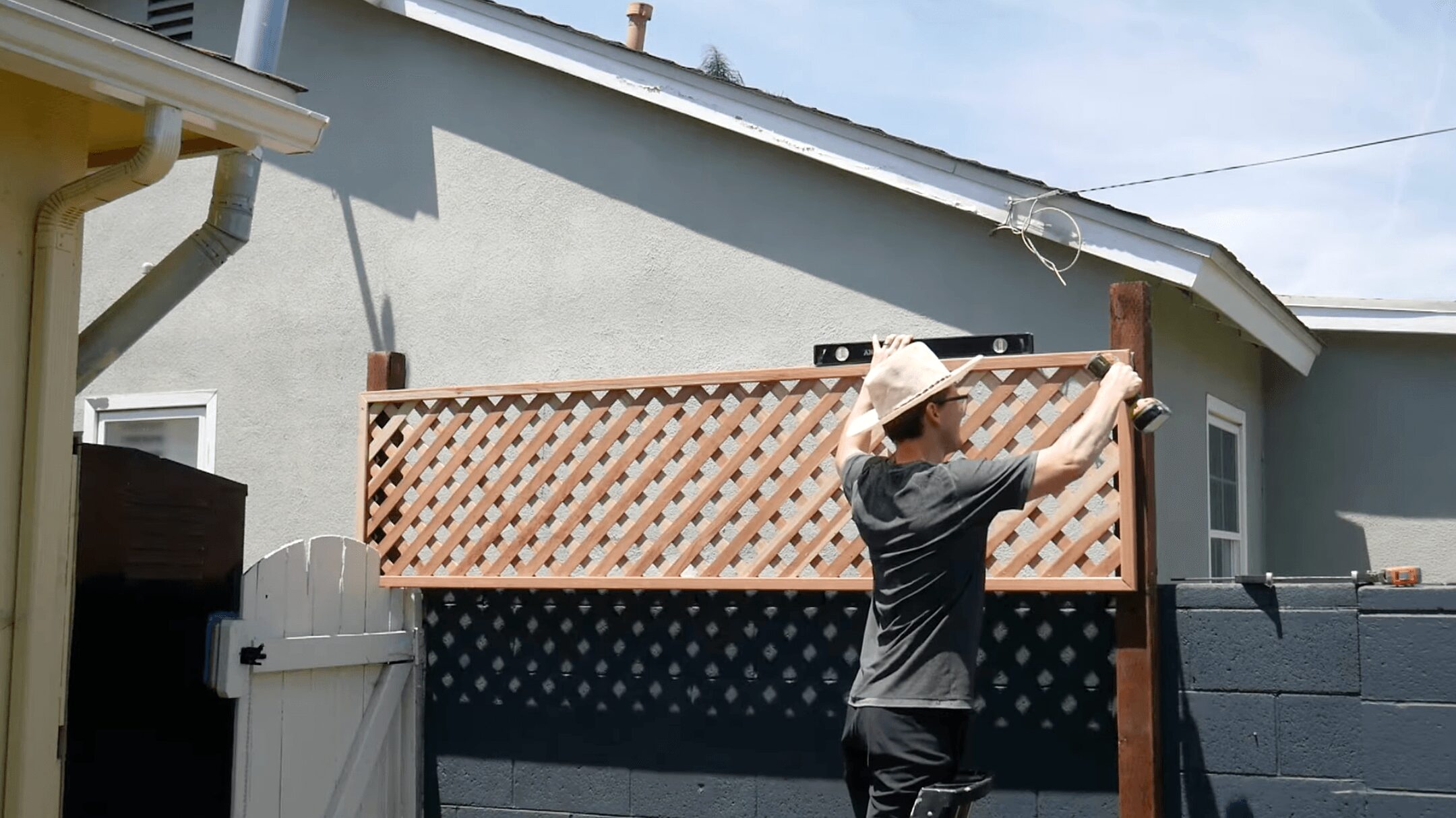
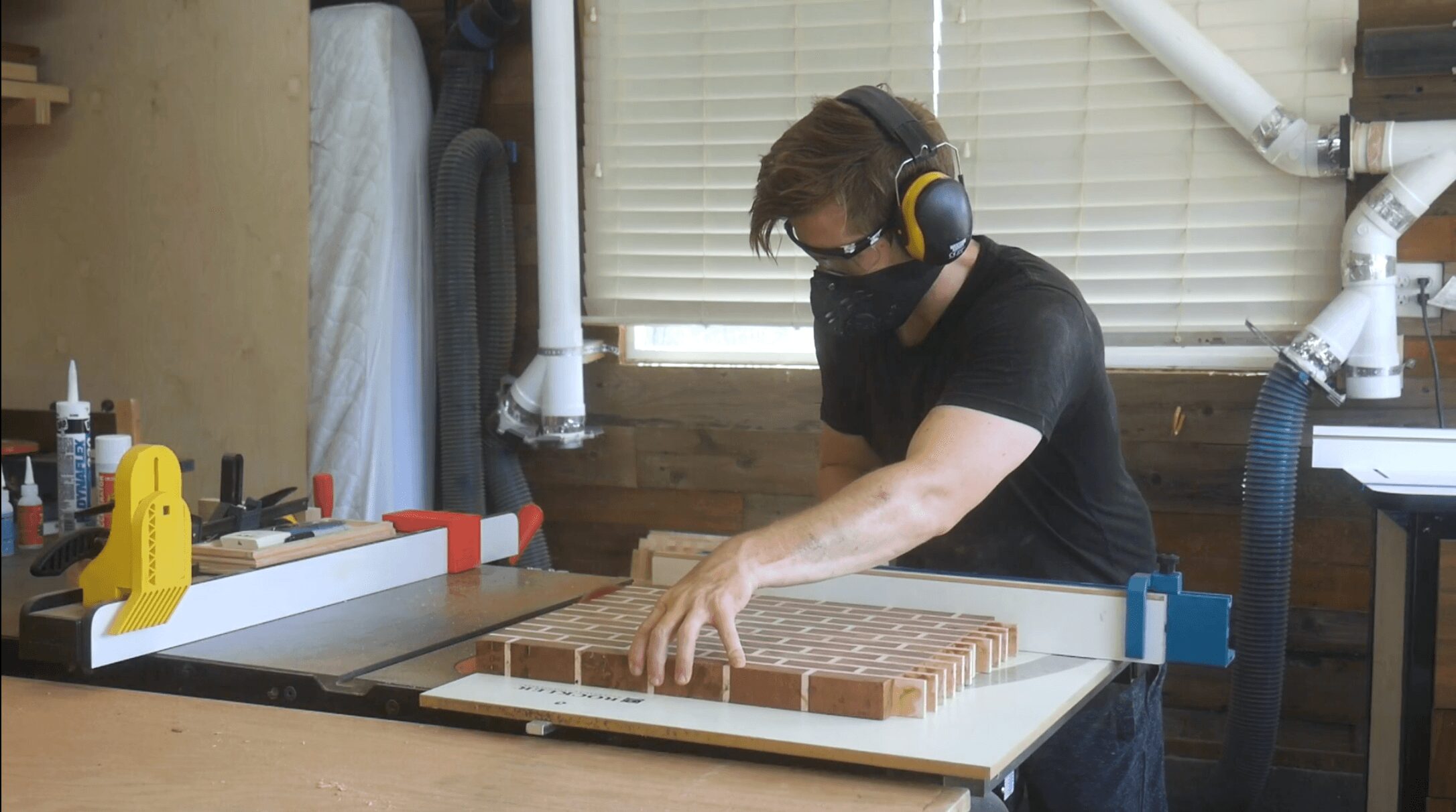
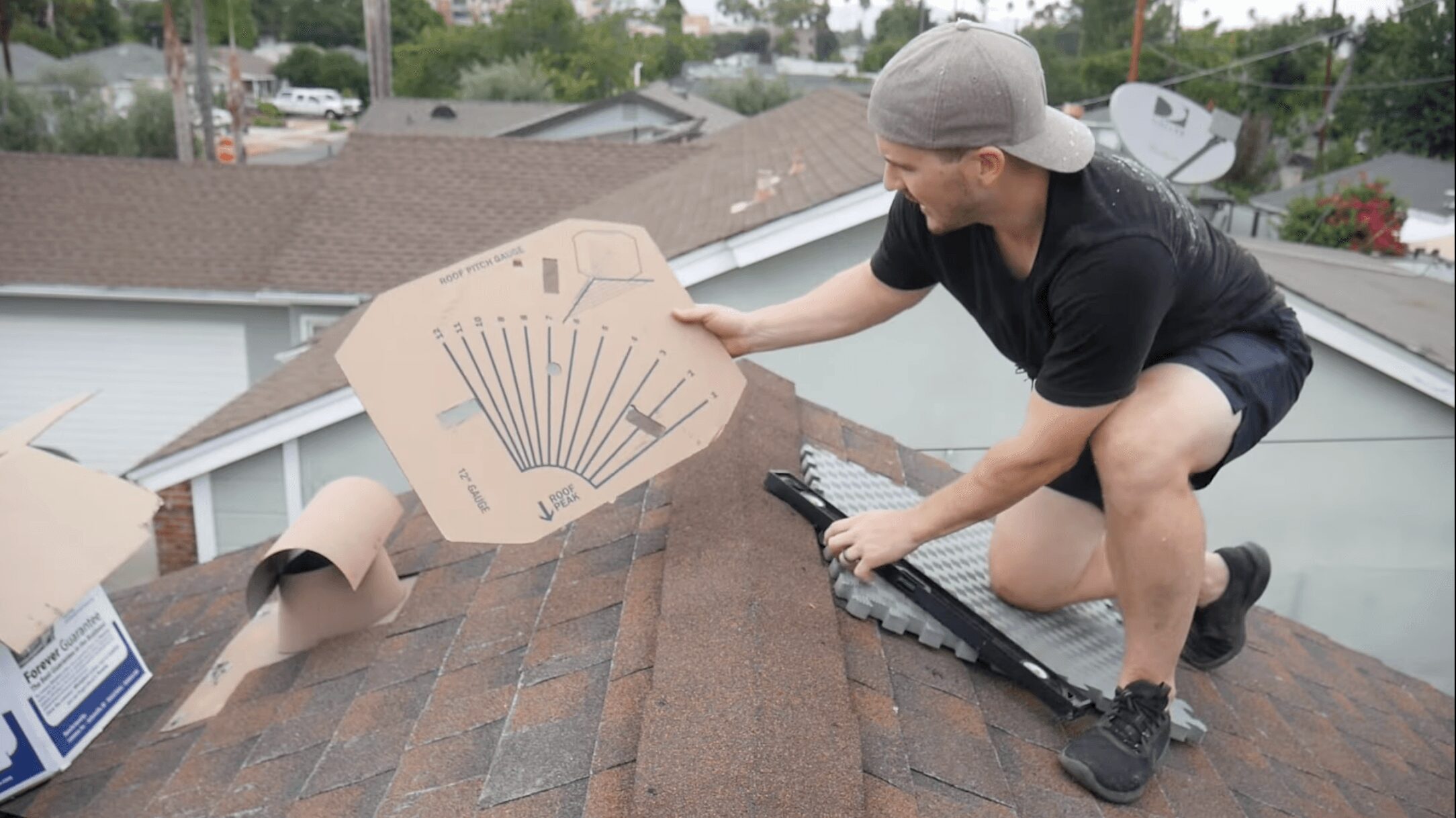
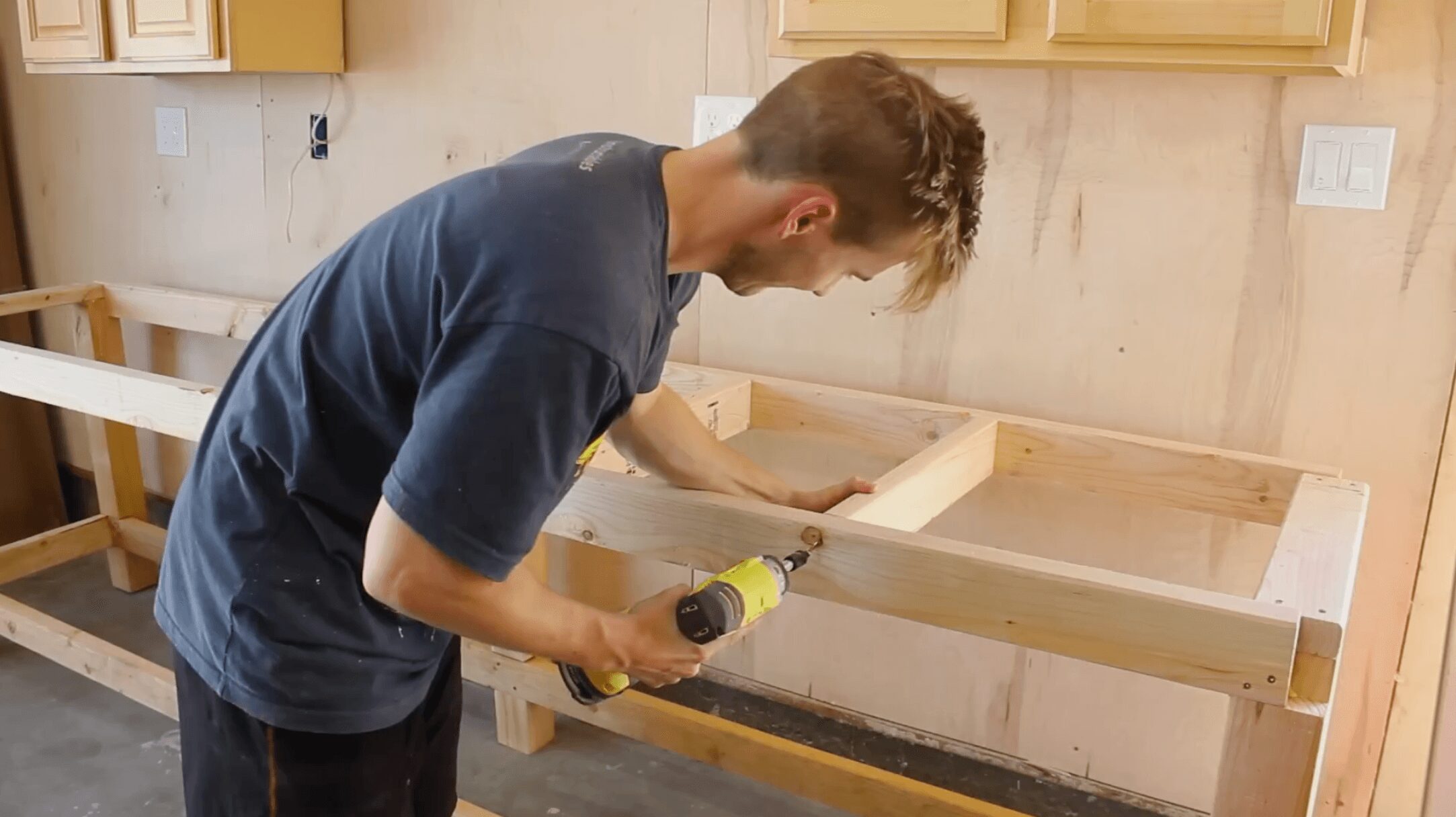
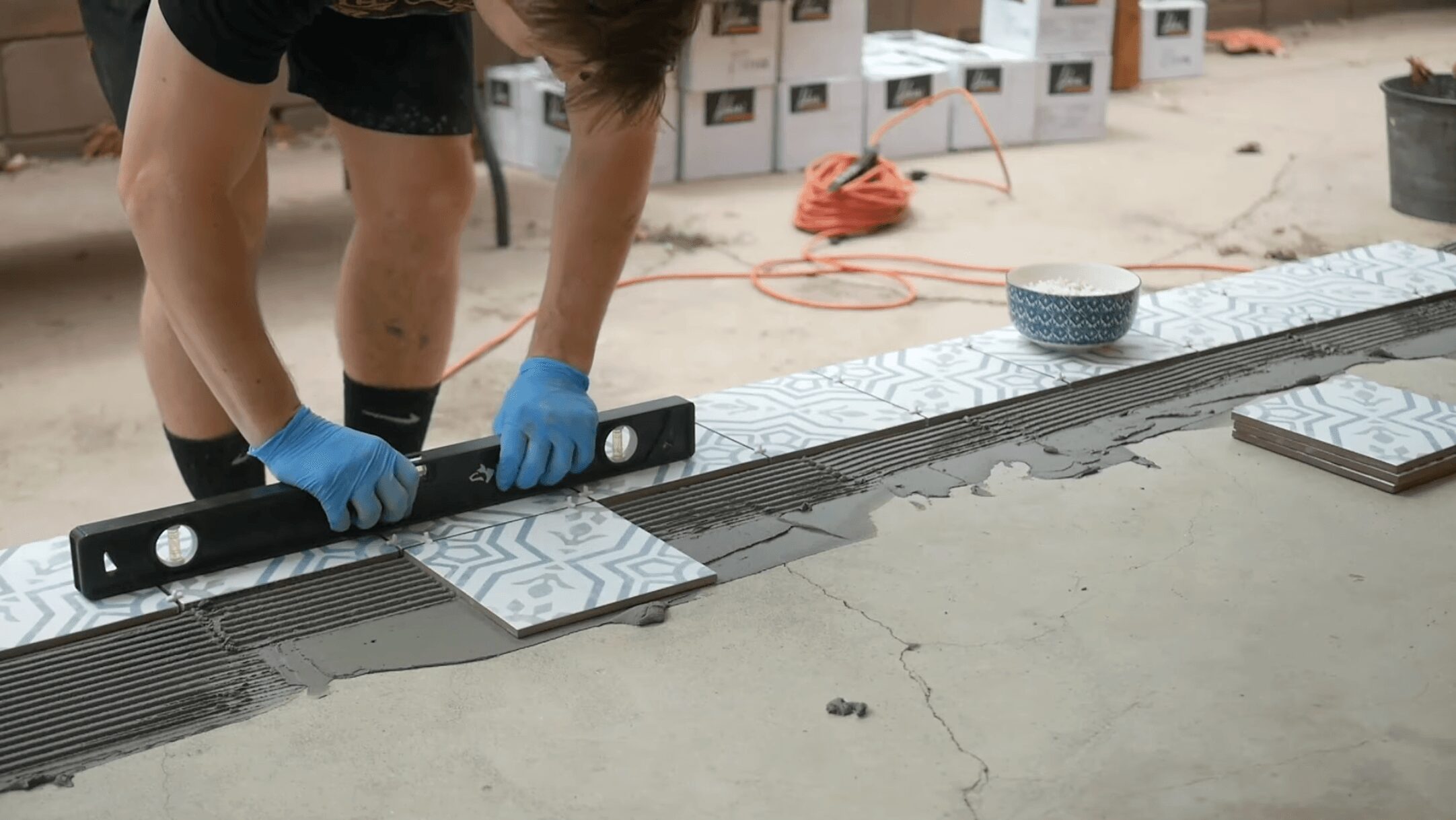
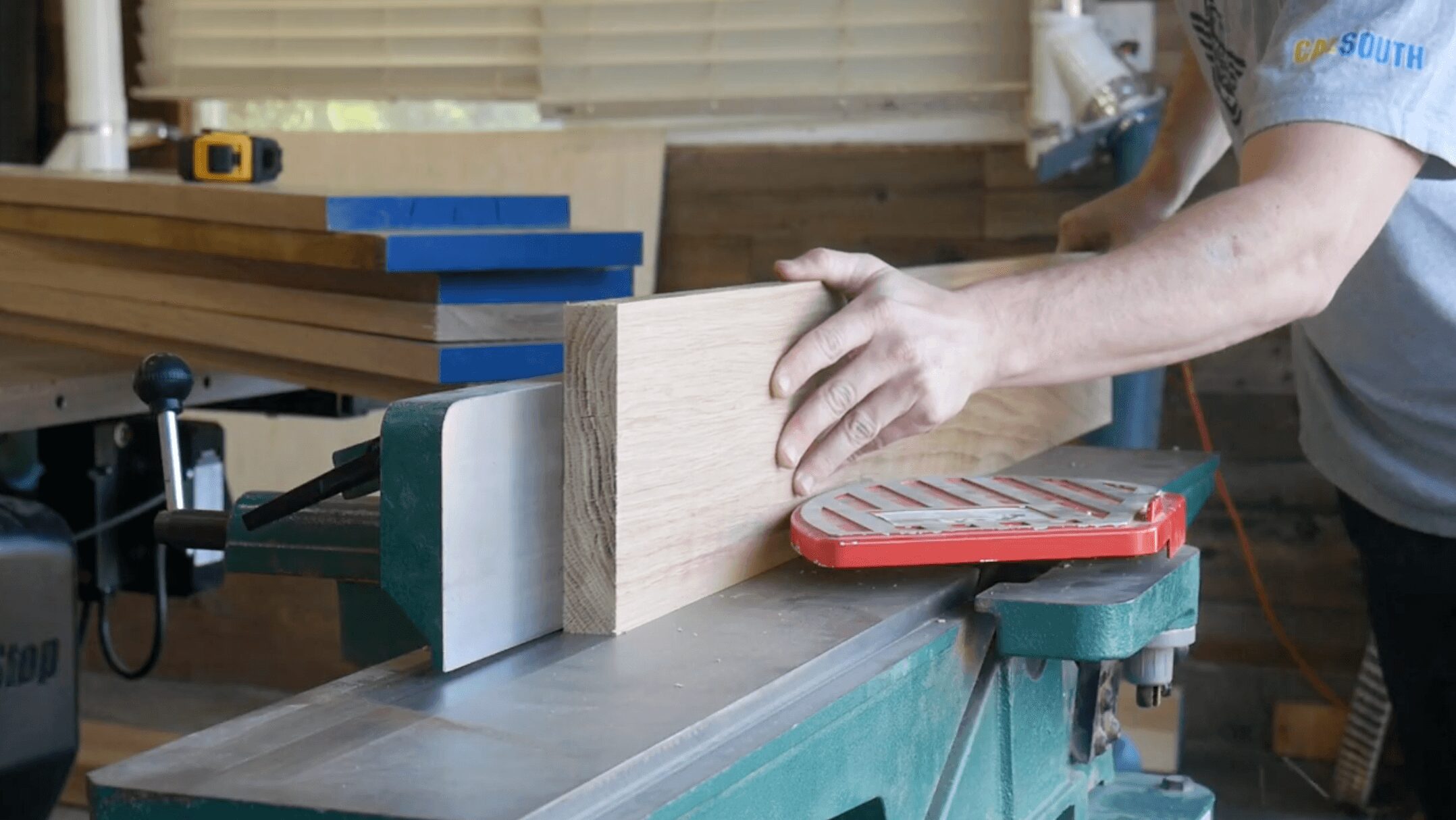
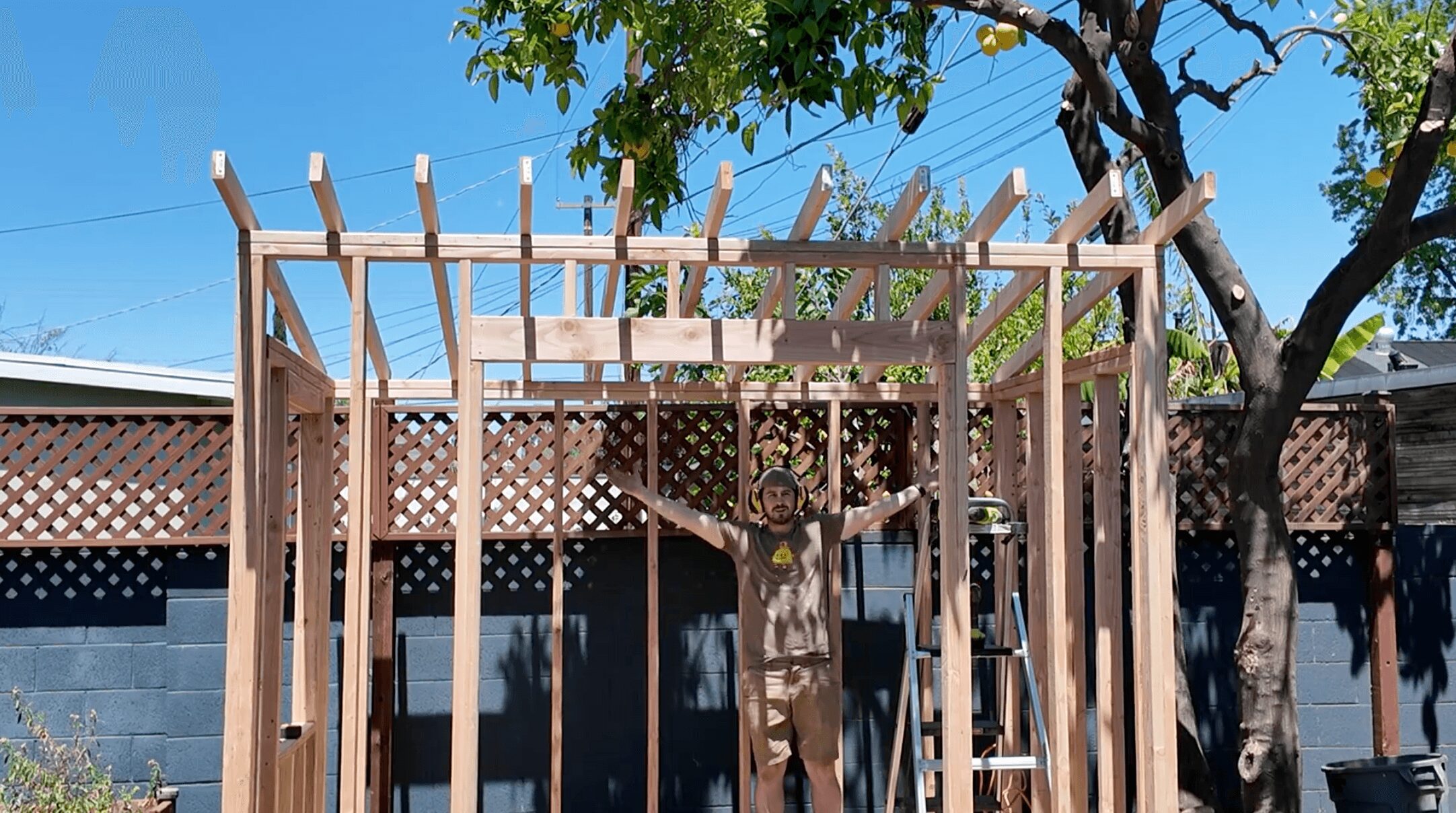
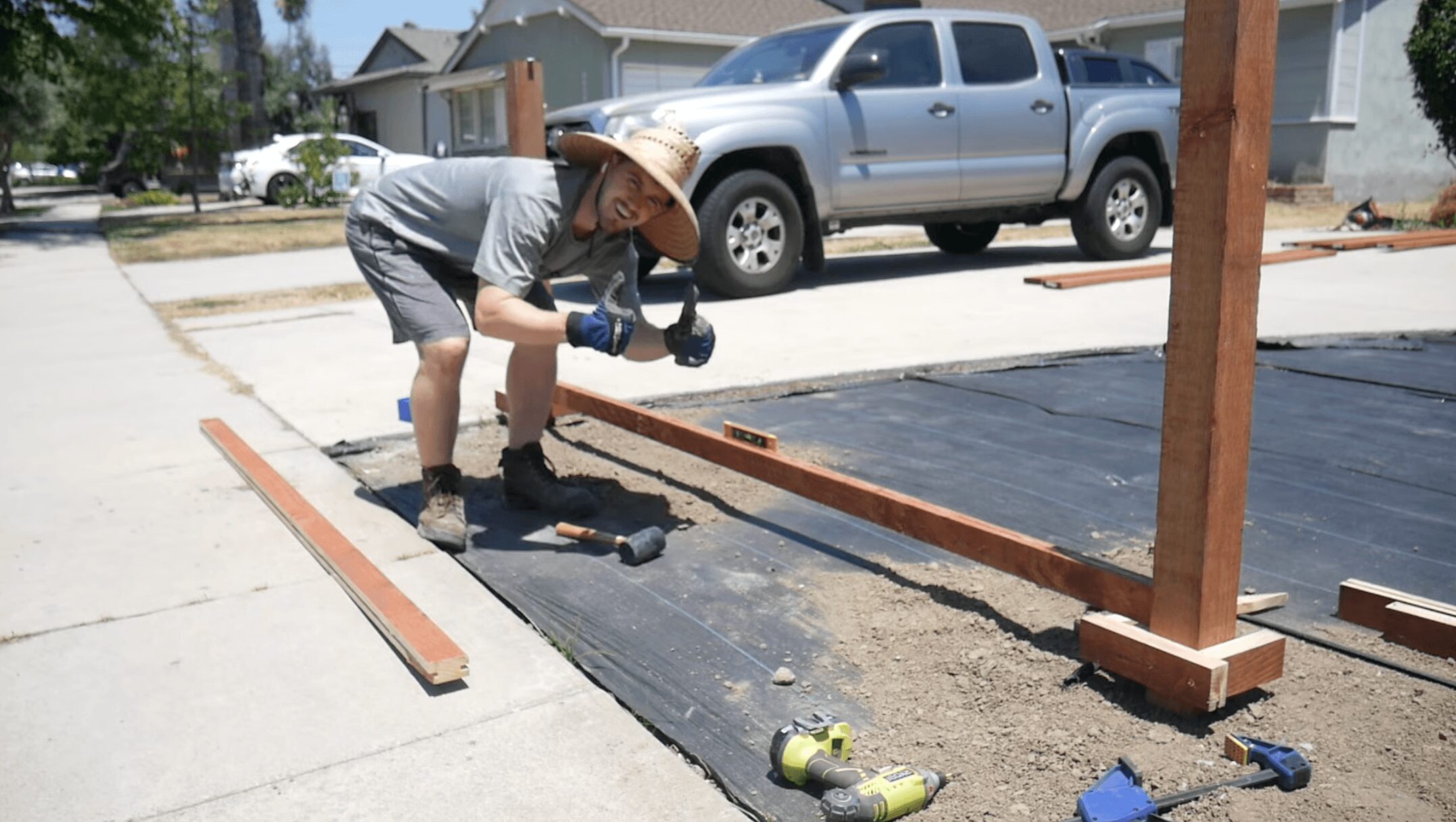
Image Credits
I own all of the images!