



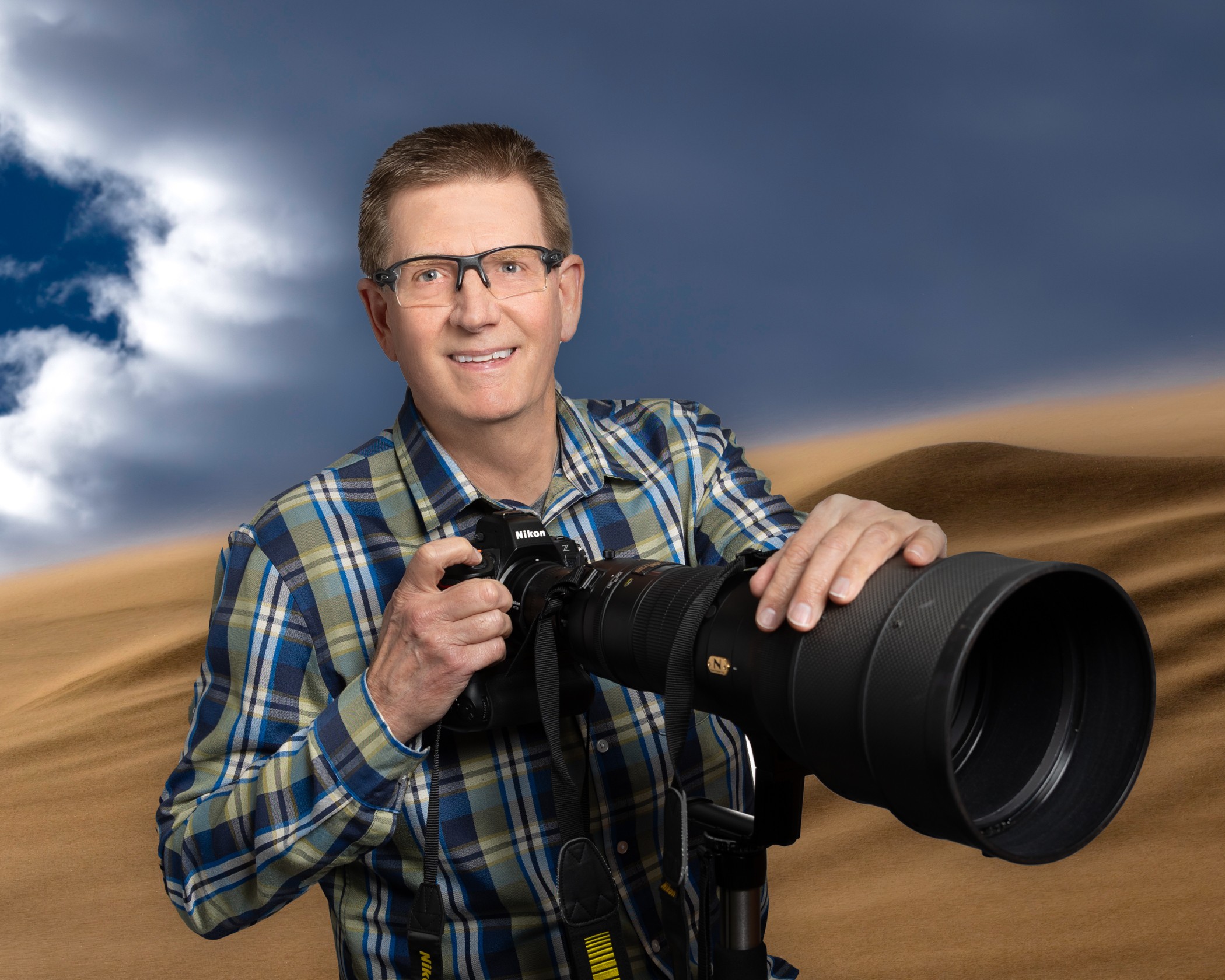
Today we’d like to introduce you to Ted Rigoni
Hi Ted, so excited to have you with us today. What can you tell us about your story?
I was born in the late 1950s, the third child and first-born son of an airplane mechanic and a stay-at-home mom. We lived at the end of a cul-de-sac in a small home in the Lake View Terrace area of Sun Valley, California. In one of my earliest memories, I remember jumping off a tall retaining wall and skinning my knees when I landed. Doing the nostalgia route in my adult years, I visited the house again and noticed that the retaining wall was less than two feet high—such is the world view of a toddler.
Being a son of devout Catholics, our family continued to expand, adding a total of five more children and rounding out at four girls and four boys. To help support such a large family, my mom went to work as a secretary for Lockheed and my dad continued in his chosen field, eventually owning a small airframe and maintenance company at Rancho Conejo Airport in Newbury Park. That airport hosted the famous Control Tower scene in the movie It’s a Mad, Mad, Mad, Mad World, the airport long since swallowed by the suburbs. We moved constantly as the aviation field changed and stagnated in southern California, venturing from North Hollywood to Sunland, Thousand Oaks, Fountain Valley, Van Nuys, Oxnard, Newhall, and Redding, all before my 15th birthday. That sense of never belonging to any one area for more than a few years at most has stayed with me my entire life and to arrest that trend, as an adult, I’ve now lived in the same house for the last 25 years.
Both my dad and grandfather were photographers of a sort so I might have genetically picked up my desire to photograph things. Even before my teenage years I became interested in photography, using my Kodak box camera and 110 black and white film to photograph our dogs cavorting around the backyard and our summer road trips to visit relatives in Texas and other places in the American west.
Growing up, I once tried to run through a closed sliding glass door that I erroneously thought was open. Bouncing back from the shattered glass, my face cut in several places, was quite the lesson. My first concussion was suffered after helmet-to-helmet contact on a Saturday afternoon in football. I guess you could say I won because the other guy had to be carried off while I stumbled off, later awoken by smelling salts. There were no concussion protocols then, so even though I had a splitting headache, I was back in a few plays later. My second concussion came as I was leaving my then girlfriend’s house in northern California. Still a relatively new motorcyclist, I lost control of my bike and ran through a barbed wire fence, hit a chicken coop, and came to atop my motorcycle, back wheel still spinning, happy to just be alive. She and I broke up soon thereafter.
Being a photographer sometimes means doing something not necessarily safe or advisable on the surface and while growing up, I certainly qualified on both accounts, though I am now somewhat more cautious and careful these days.
Graduating from Cal Poly San Luis Obispo with a bachelors in Soil Science, I moved to southern California and quickly learned there were few jobs in my chosen field. While interviewing, I picked up occasional part time work, washing windows, working swing shifts to box plastic disks in a local sweatshop, then a computer game manufacturing firm. I took an interim position with local government, working alongside a few engineers and quickly learned I was just about as smart as some of them, and decided to pursue a degree in Civil Engineering. Six years of night schooling later, I graduated from Long Beach State, and lo and behold, I was an engineer. And along the way, in no particular order, I secured a wife, a fixer-upper home, two dogs, two biological daughters, two adopted kids from Russia, a mean golf slice, and all the accompanying financial outlay.
Our kids played the usual growing-up sports, and I became a dad photographer—first of them, then their teams, then the prep sports played at their high school. The school hired me as an event photographer, where I covered over 130 games and events a year. I also quit my full-time engineering job and took on part-time consultant work, giving me the flexibility to delve into photography within our National Parks. My aha moment came around 2015 when photographing a cross-country meet, experimenting with the light and shutter speeds, creating artistic photos, rather than documentary sports images. I was captivated by this new approach and things were never going to be the same.
I met Bob Killen, MPA, Curriculum Director for National Park Photography Expeditions and Senior Instructor for the NPPE Art Photography Program, and over the next several years, under his tutelage, went from student to field photography assistant, helping lead photography Master Classes in National Parks throughout the American west. And along the way, I also supplemented and expanded my photography knowledge by further education via the Sports Shooter Academy, San Diego’s Medium Festival of Photography, Palm Springs Photo Festival, Kipaipai, multiple workshops and private mentoring sessions in contemporary fine art photography.
Alright, so let’s dig a little deeper into the story – has it been an easy path overall and if not, what were the challenges you’ve had to overcome?
In my engineering career, I devoted many—too many—hours to the job and neglected, to some extent, my home life. Having a strong and committed partner was great for me and after 29 years with the same local government, I left to become a part-time consultant while continuing with prep school sports photography. A typical day was to arrive at my consulting job by 7a.m., work until 1 p.m., then drive to the school and cover the sport of the day. Rinse and repeat with ever-increasing road trips for landscape imaging mixed in.
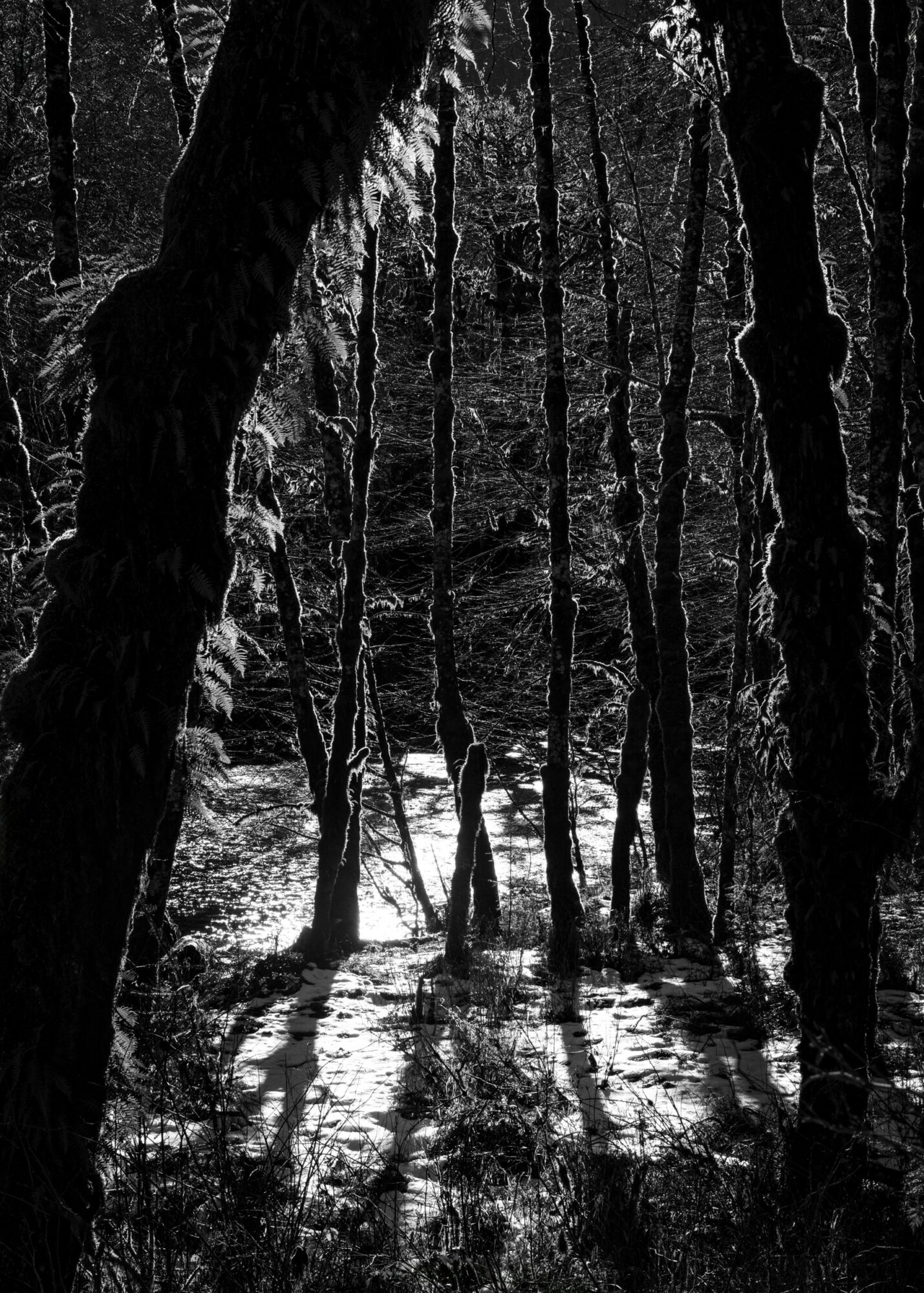
My art aesthetic is for narrative contemporary fine art imaging. I look for part of a landscape or view that represents the major component or story of a scene, and I focus upon that. I see my future as pursuing stories from complementary collections of art, sports and landscape combined, both black and white and color, and delving into alternate treatments of photographs to fully flesh out the inherent stories therein.
After completing two summers as an exhibiting artist at Laguna Beach’s Art A Fair, displaying and attempting to sell my landscape photos to tourists, I had to eat a few slices of humble pie. My images just did not sell well. After a bit of soul searching, I understood that my fine art photographic aesthetic was not well suited to commercial sales. More importantly, I learned that the full measure of the success of an artist is not limited to commercial sales. And I am at peace with that.
Can you tell our readers more about what you do and what you think sets you apart from others?
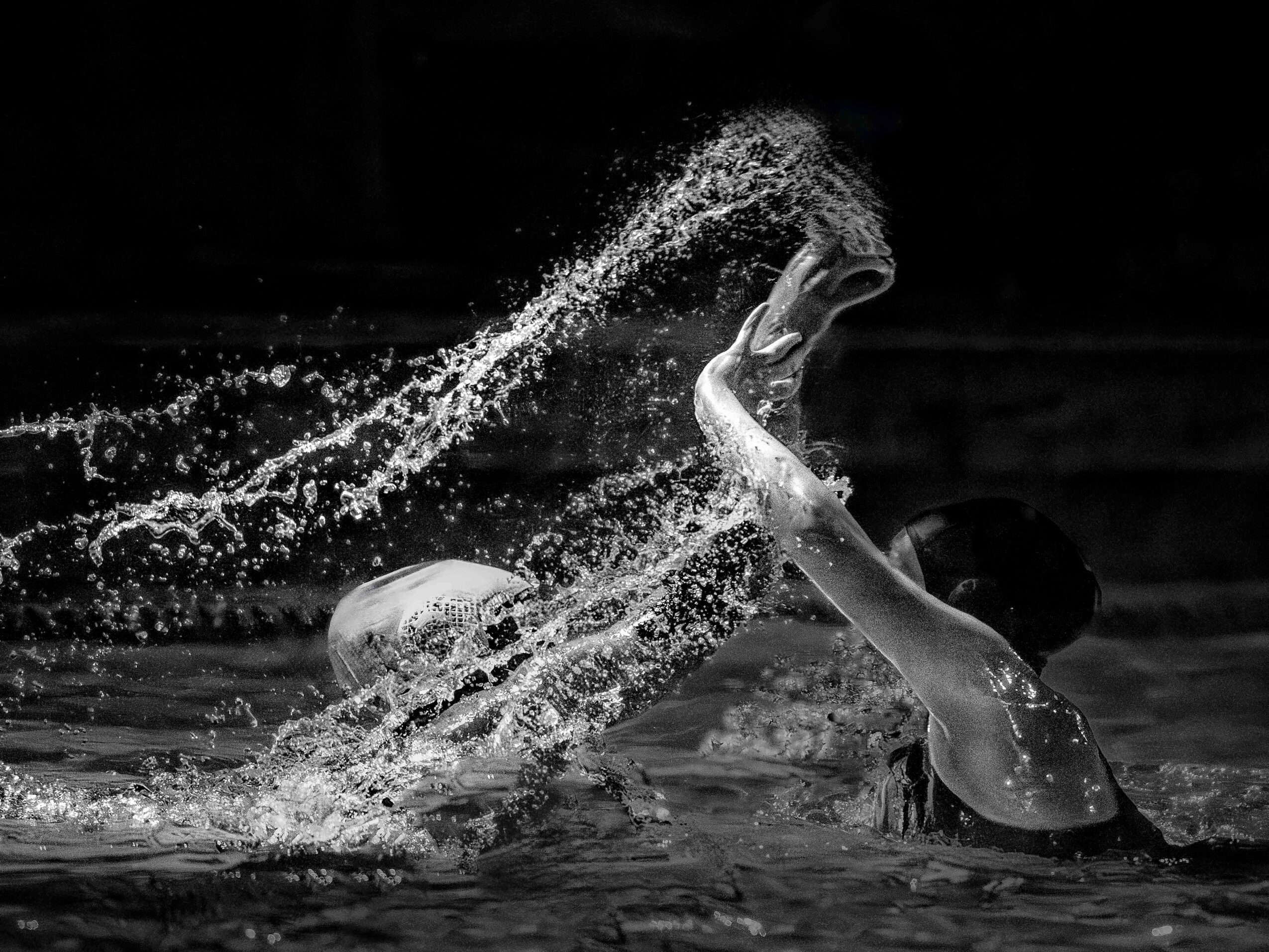
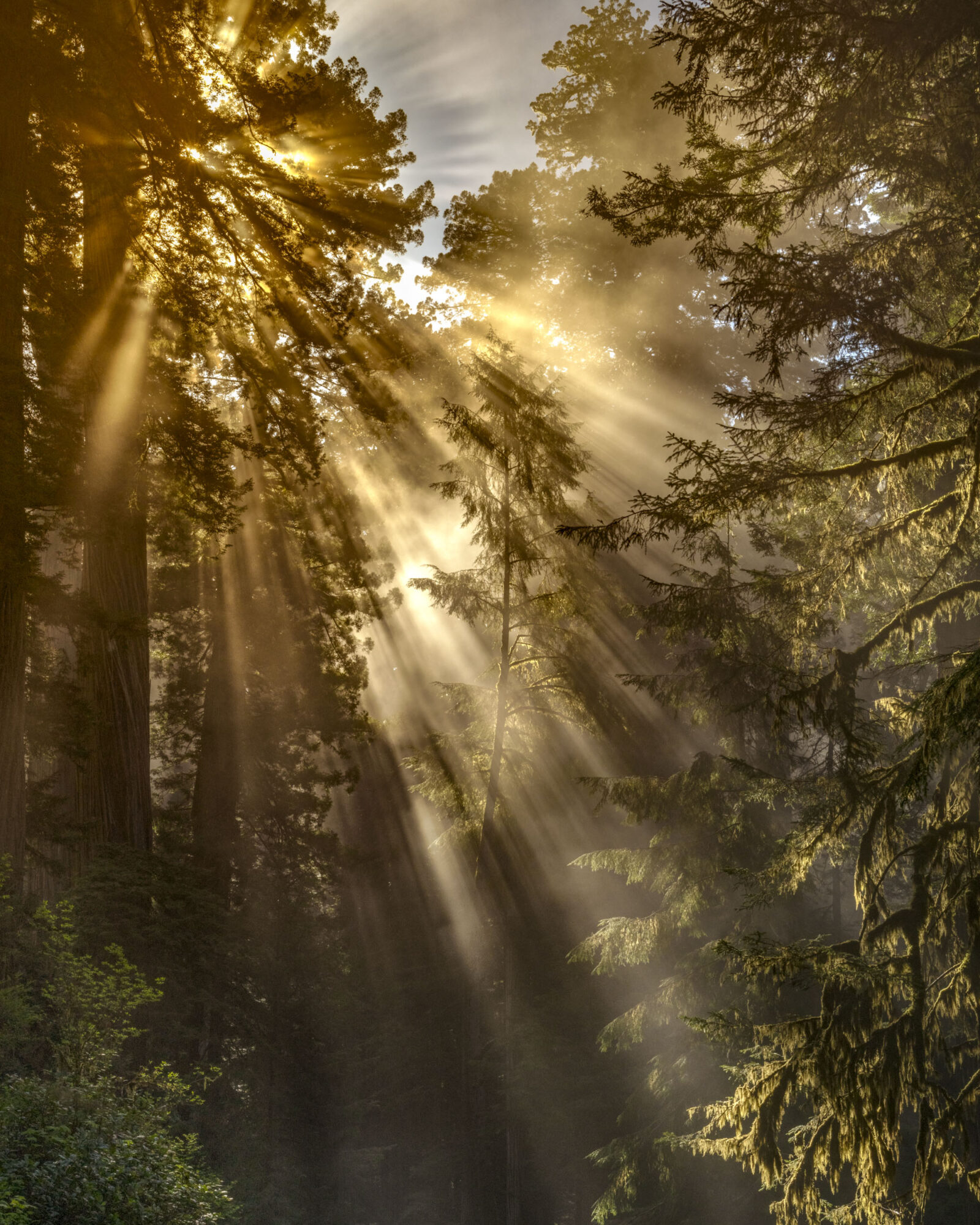
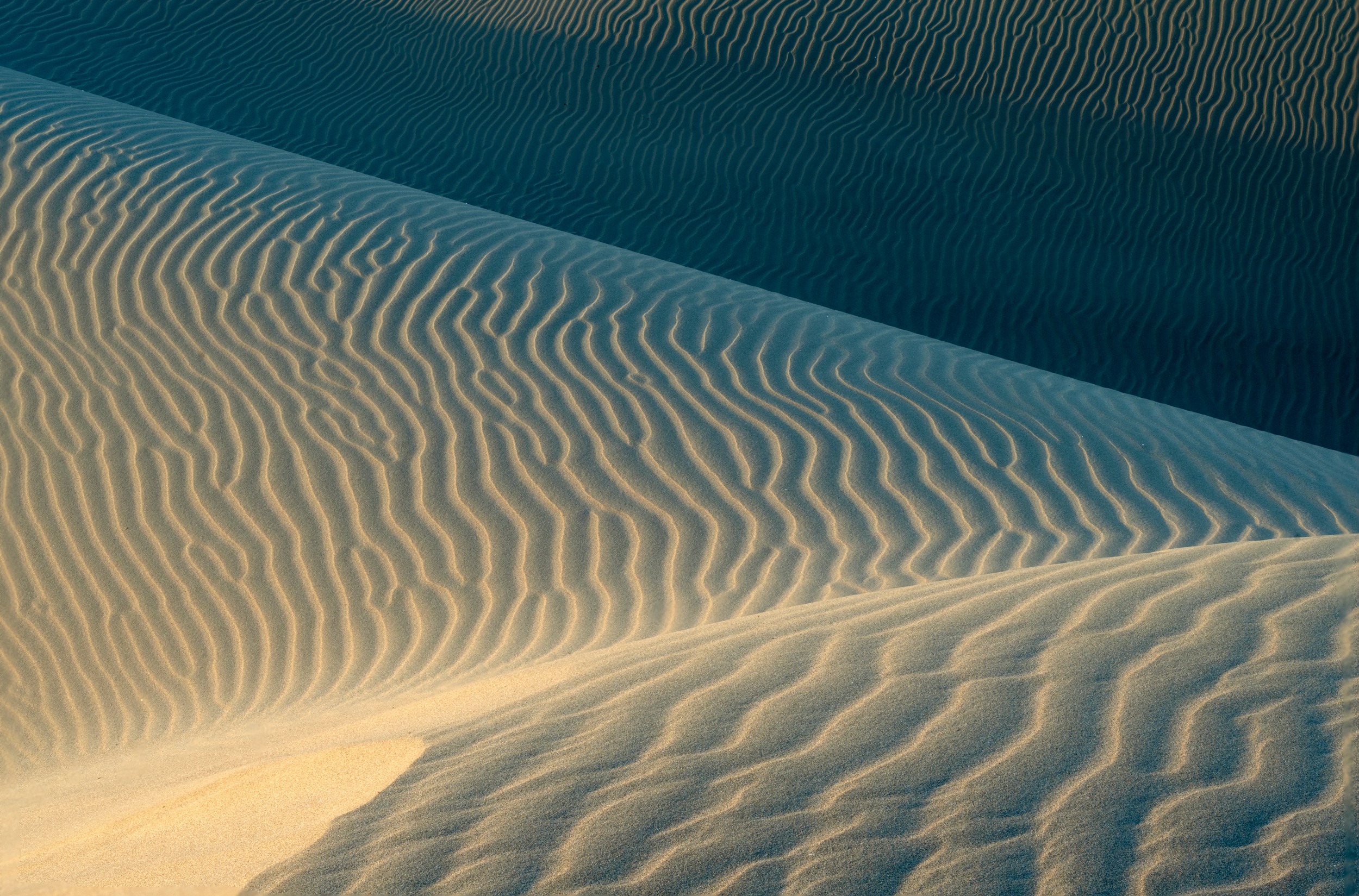
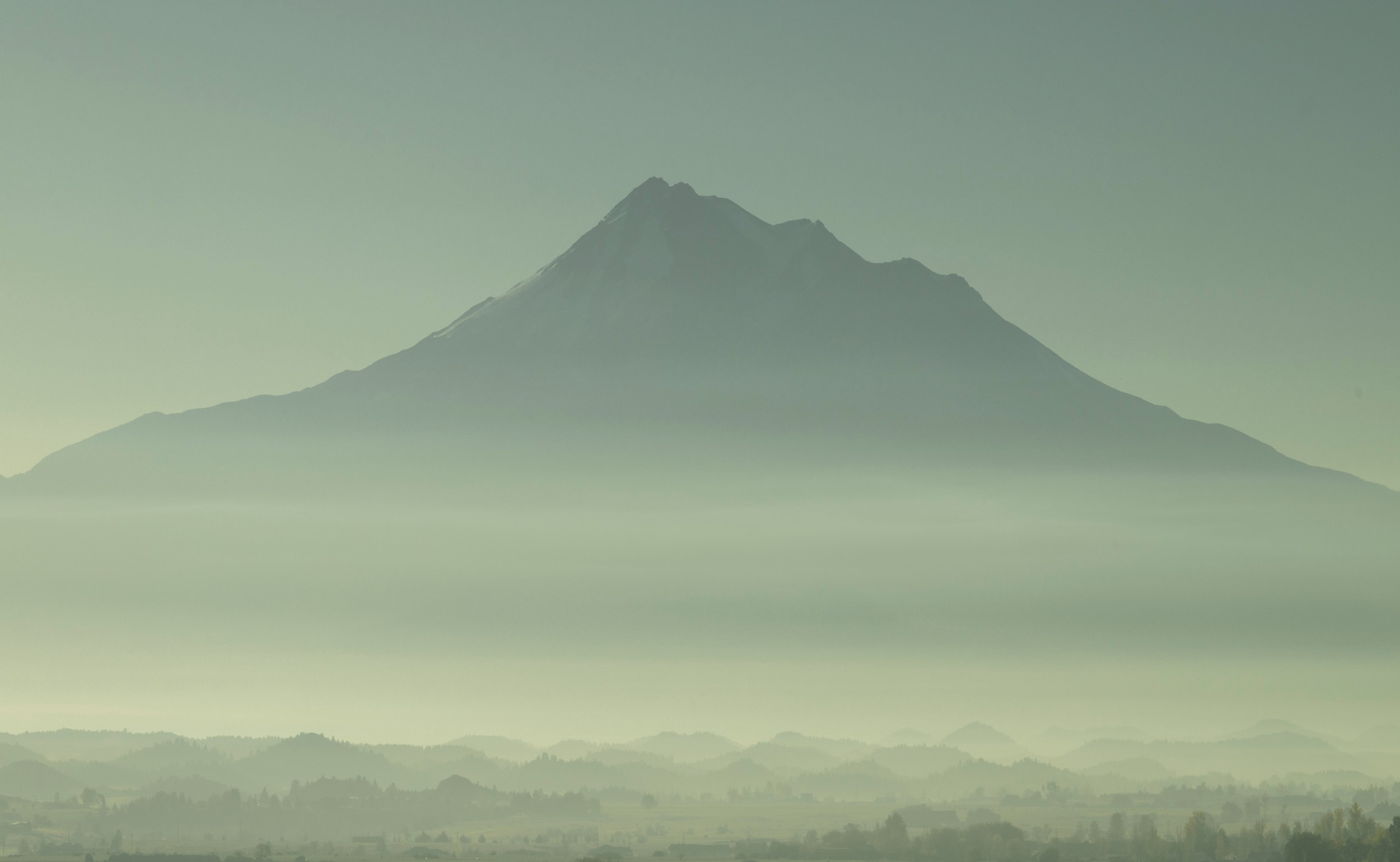
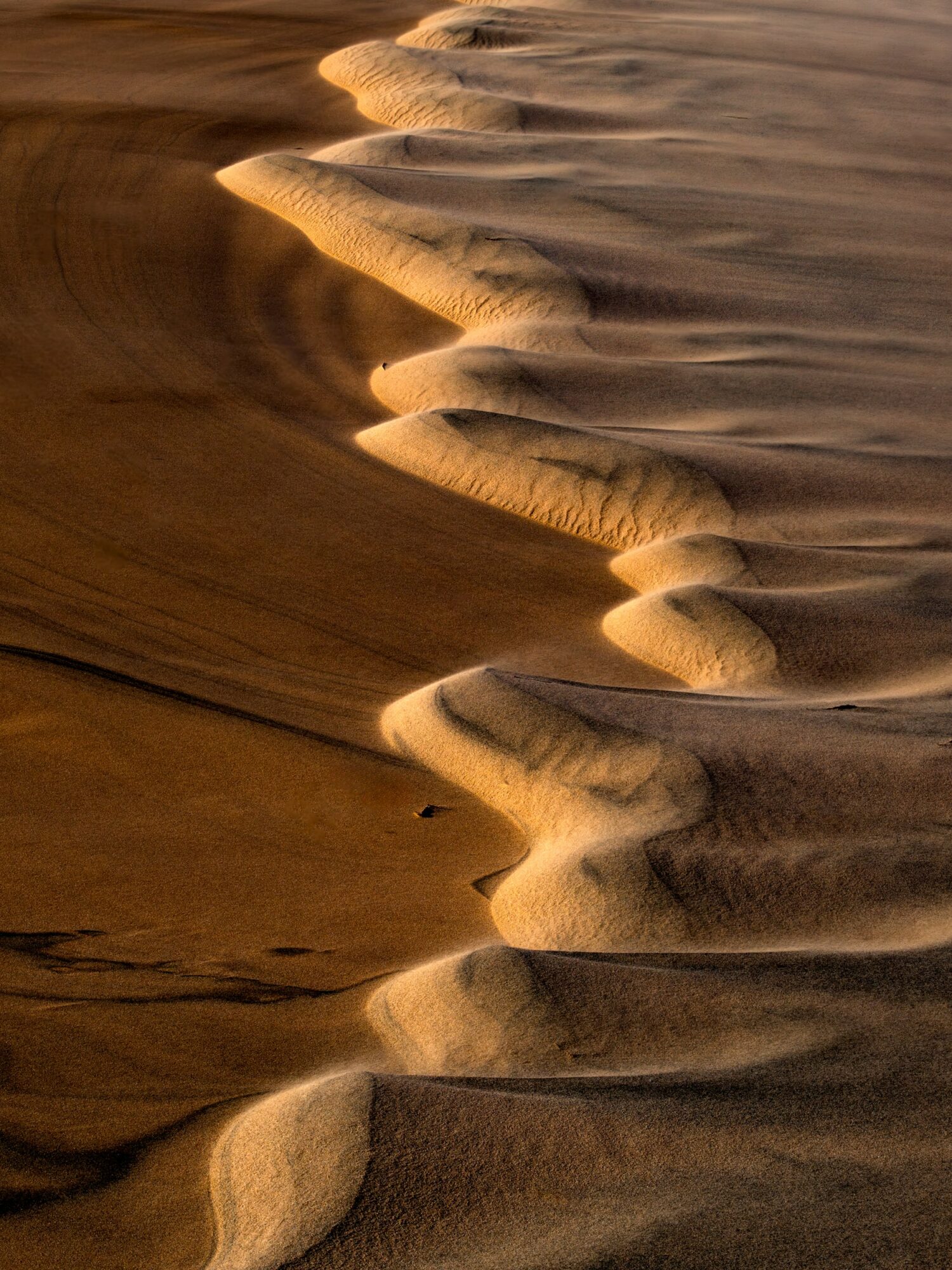
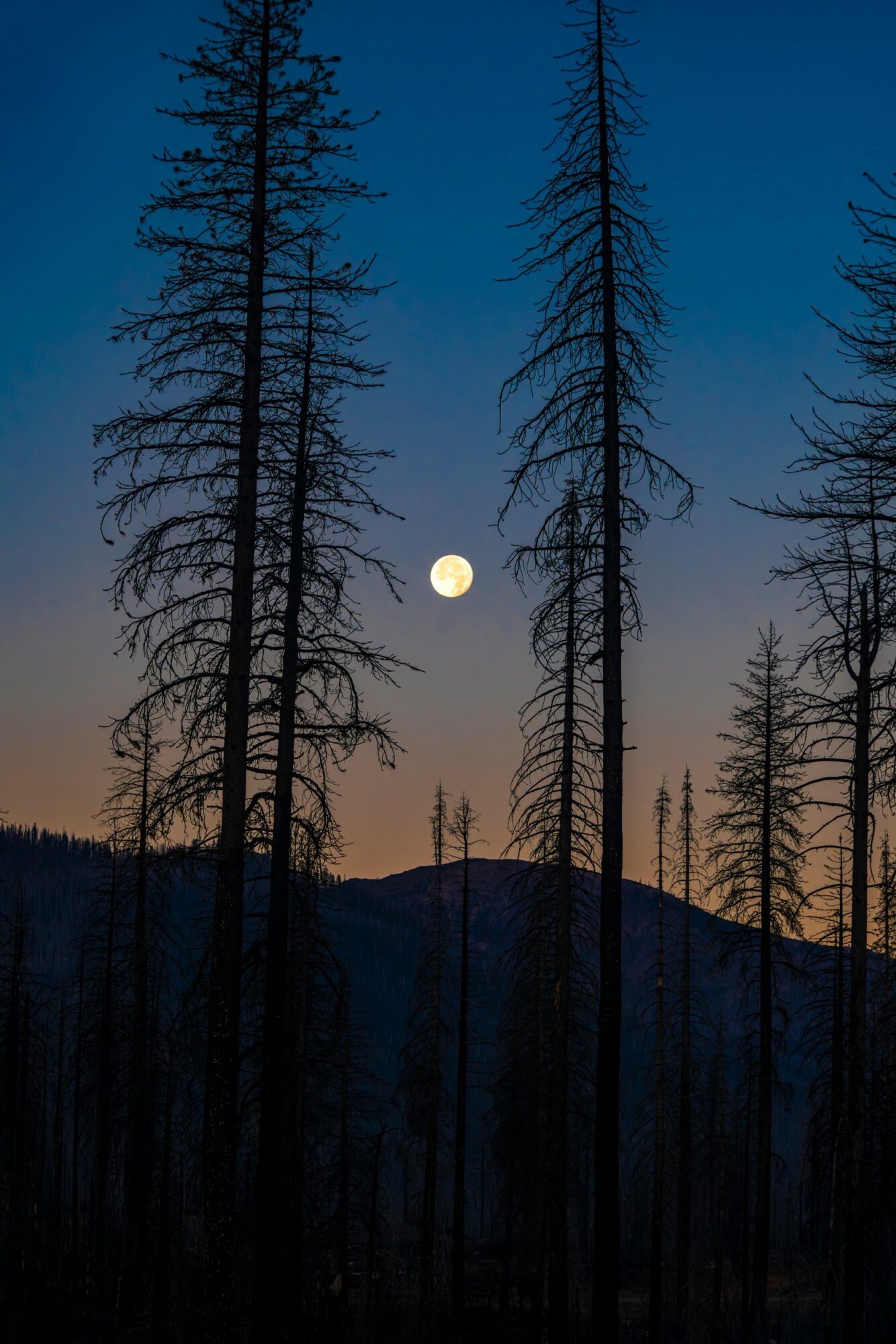
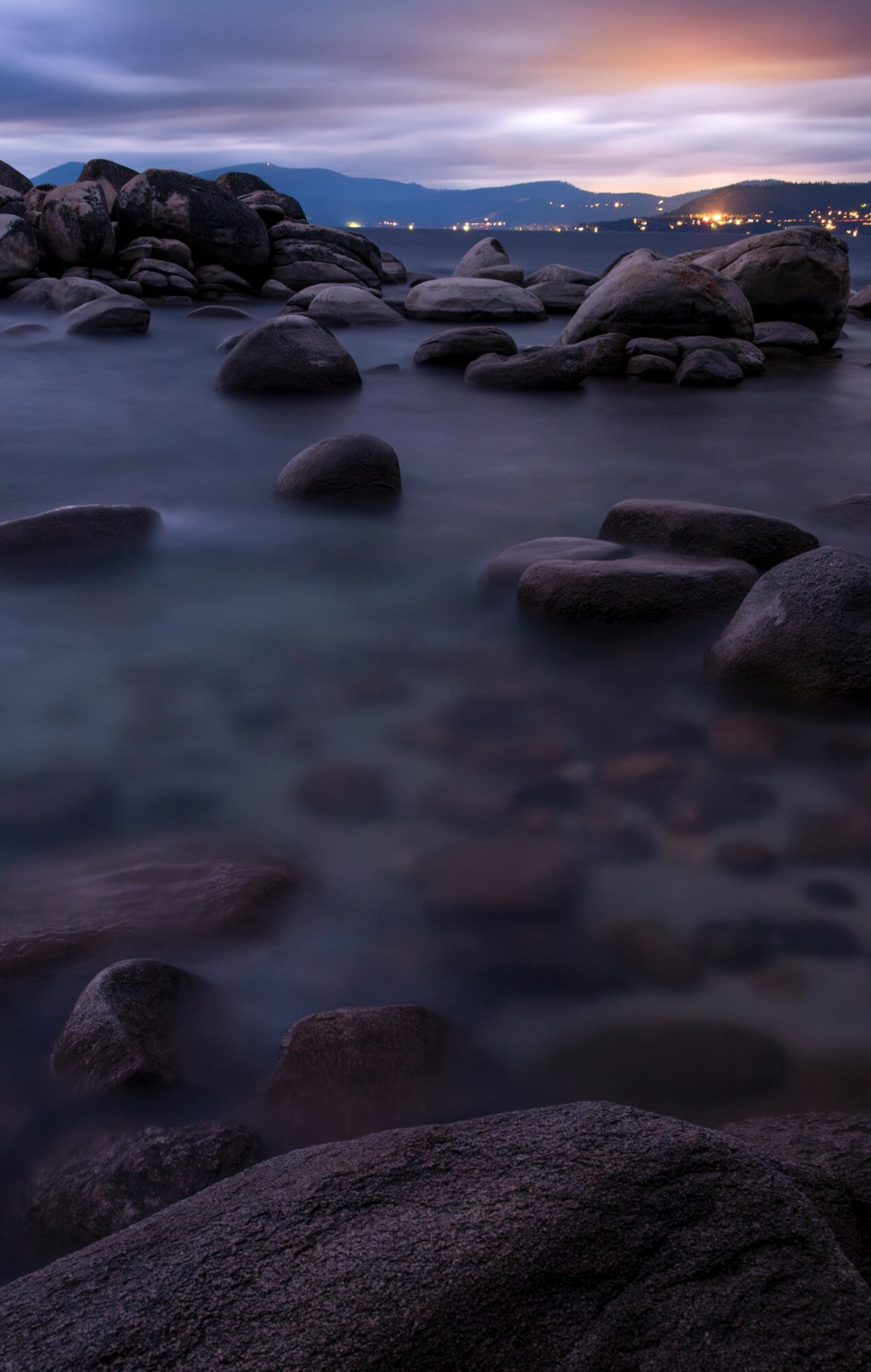
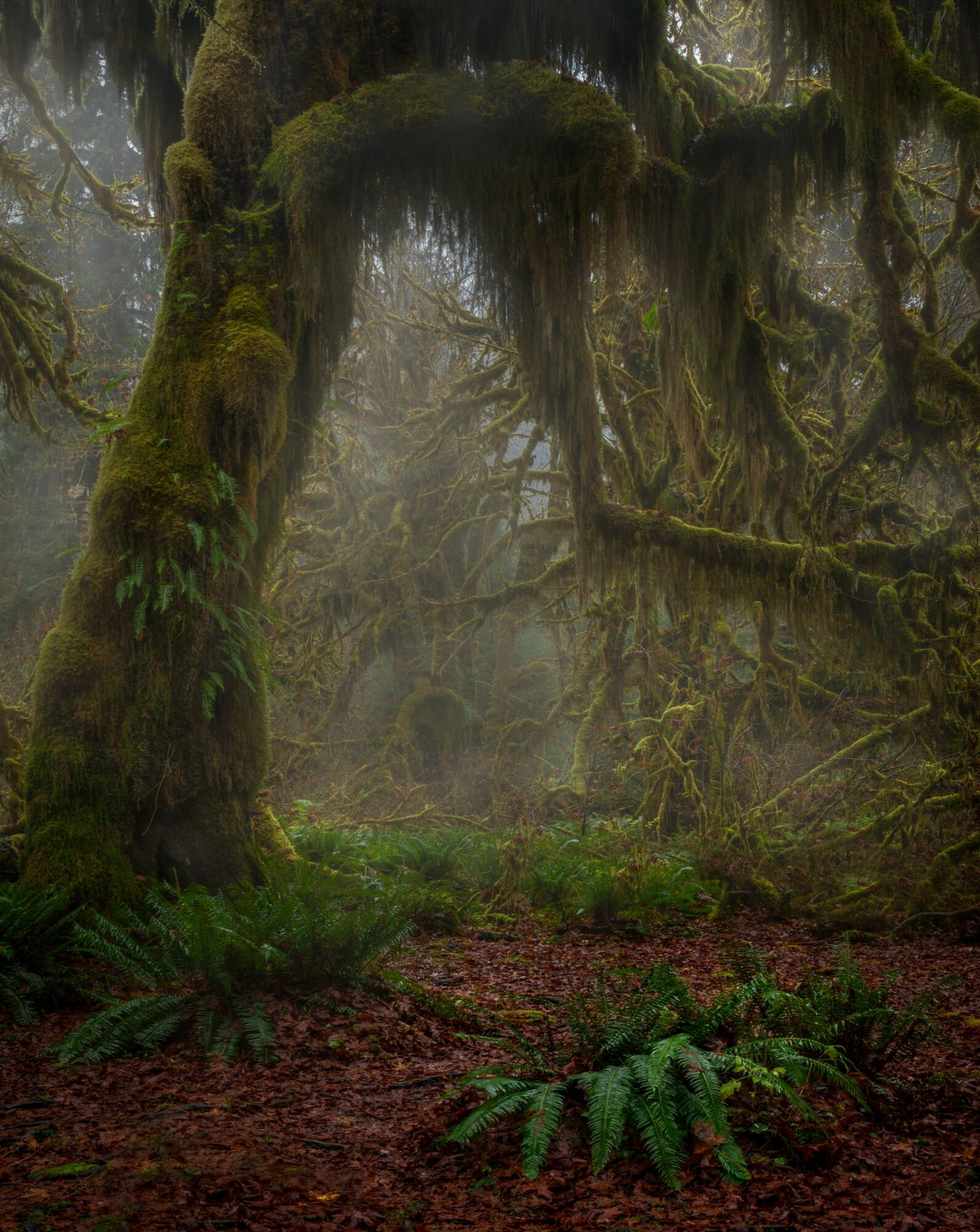
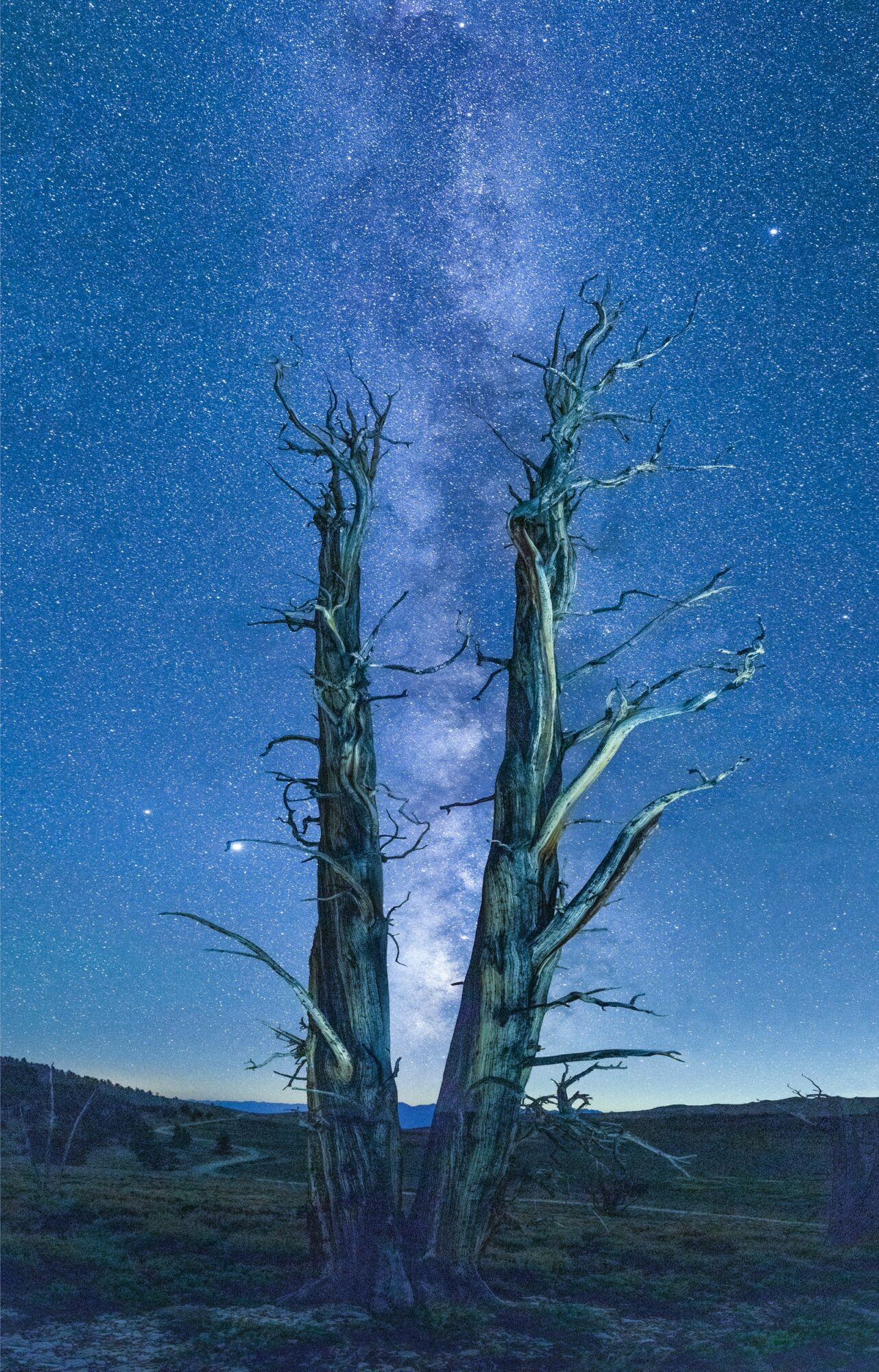
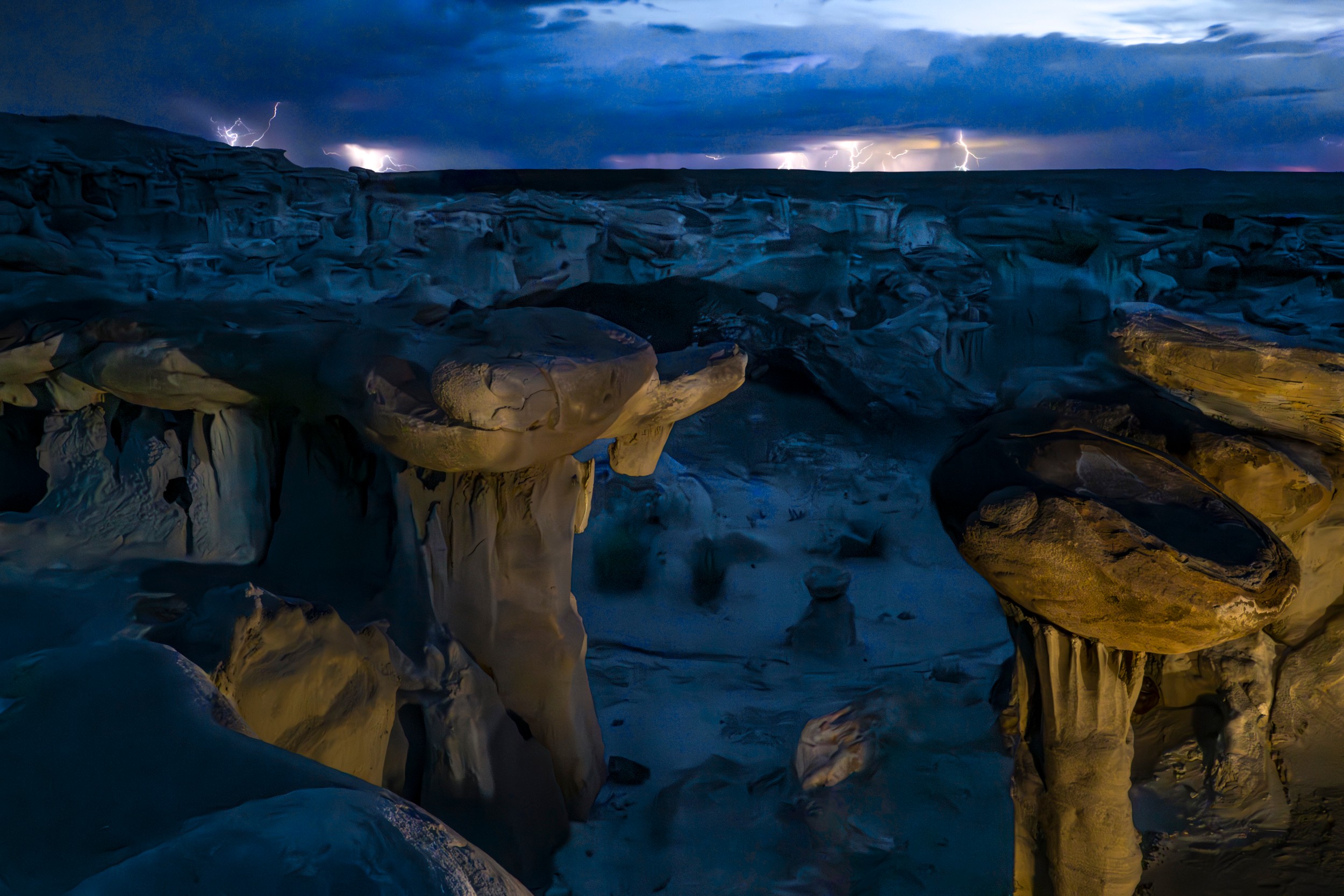
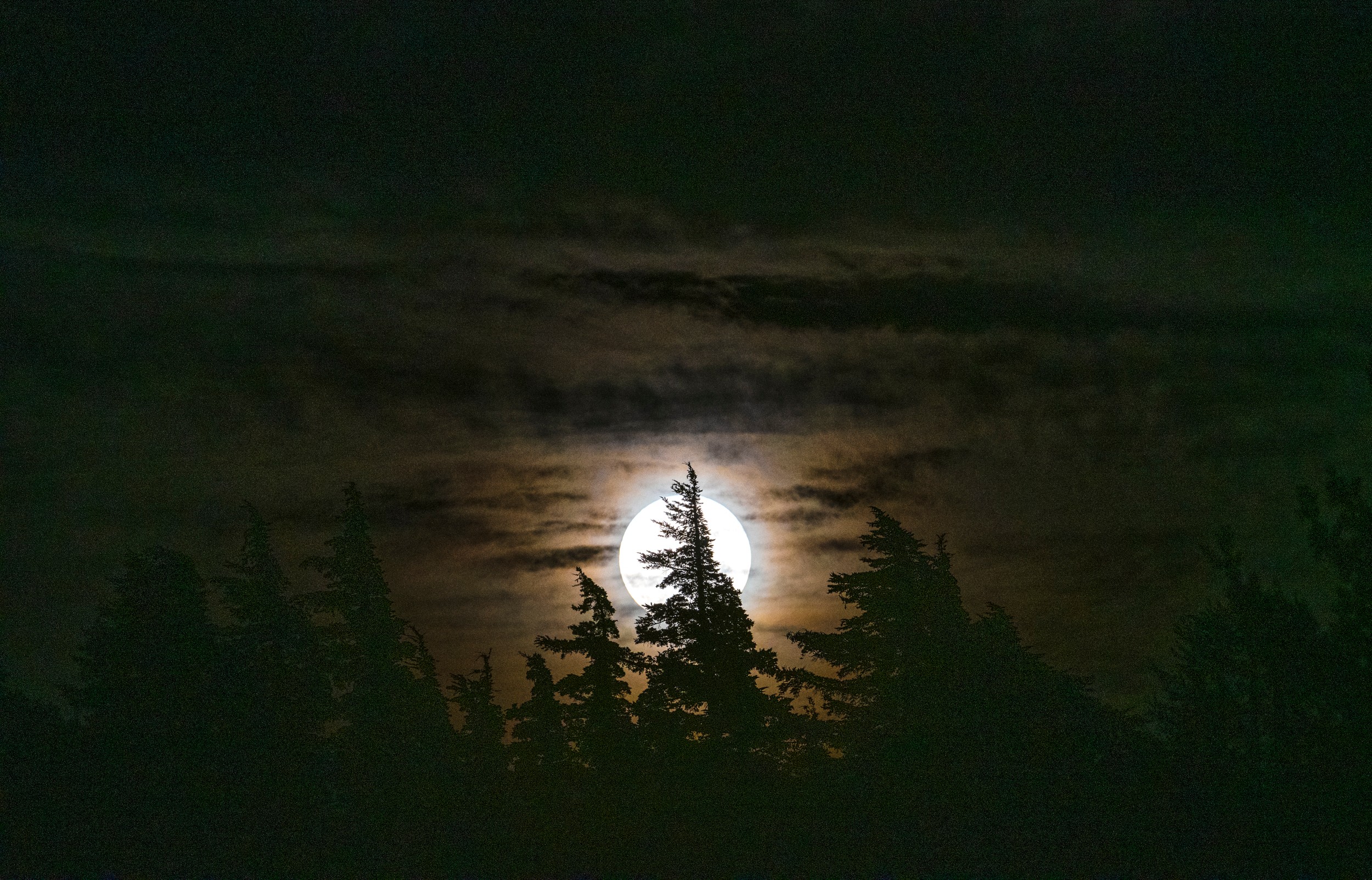
I am a contemporary fine art photographer, focusing on digital photography as my medium. My sports imaging follows a documentary view while my landscape images are more narrative in approach. The eyes, facial features and the interactions of competitors control the emotions of my sports imaging, generating a stop action digital record of the events as they took place. In landscape photography, I image in lonely, abandoned, and forgotten places, with the American west functioning as my studio. I strive for natural atmospherics and frequently employ a tripod, using time as an additional component to add emotion to my imaging.
As I grow and expand my craft, I tend to function more as a digital painter, using digital photographs as the underlying base for my finished art. My aesthetic is firmly controlled by the geometry of my engineering background, as applied to the natural and man-made world, and my ethos control my need to reflect on simply enhancing what is already there in my images, such as color and contrast, and simply removing unnecessary items for my images, using multiple layers to effect these enhancements, similar to what an actual painter might do.
We’re always looking for the lessons that can be learned in any situation, including tragic ones like the Covid-19 crisis. Are there any lessons you’ve learned that you can share?
In March 2020, my solo show, Oxidized, was scheduled to open in the Progress Gallery, Pomona, on Saturday, March 14th; unfortunately, the world shut down on March 12th and my opening was delayed to a one-day showing in August that year.
The pandemic was not necessarily a deterrent for development of my art, however. In February 2020, not through any crystal ball predictions of my own, I fully retired from engineering and devoted myself full-time to improving my art, committing to posting new images three times a week to my social media accounts, thereby forcing me to review and evaluate my large inventory of landscape images from the previous years of travels. And, when ‘lockdown’ restrictions eased, I began traveling about 90 days each year throughout the American west, fulfilling my need for open spaces and generating many more images for my growing collections.
In 2023, through the Kipaipai Workshop in San Luis Obispo, California, I met Linda Vallejo, who helped mentor my art practice, and who supported me in moving my Emotive Dominion collection to a level of completeness upon which it could be shown within a gallery.
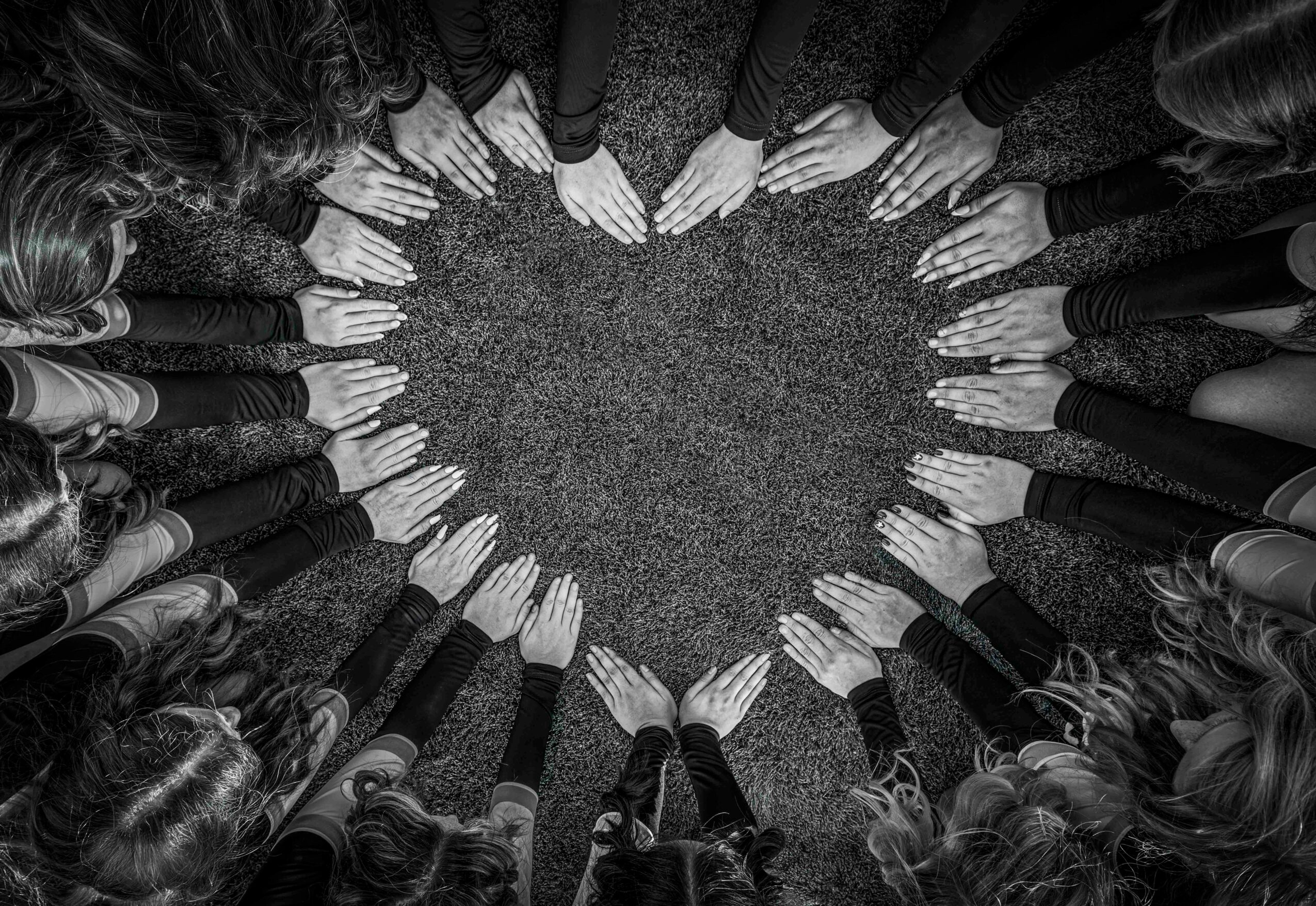
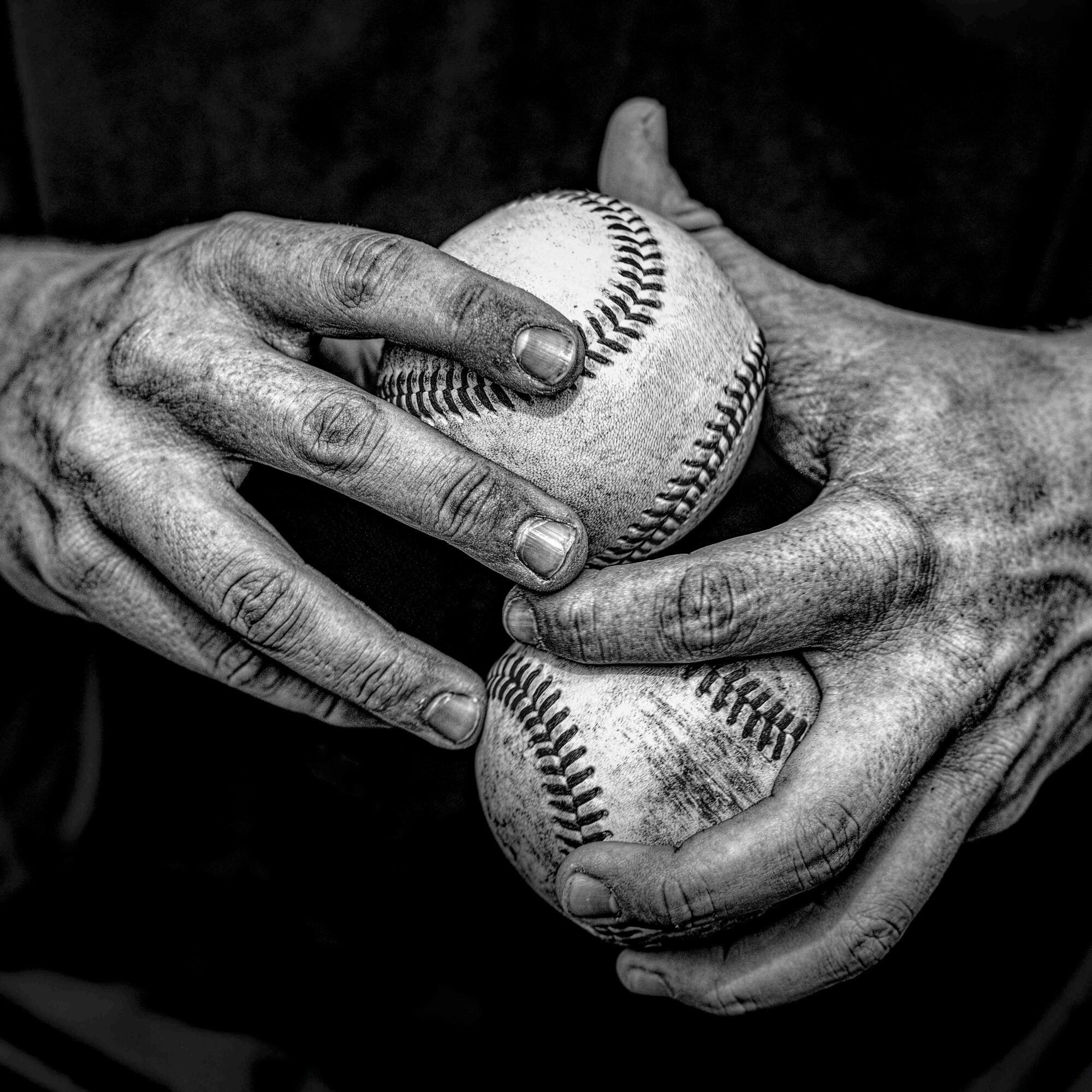
I approached Gene Sasse, owner and curator of the Sasse Museum of Art and inquired whether I could exhibit in his gallery; after several months of discussions, he agreed to allow me to exhibit there early in 2025. Emotive Dominion represents the culmination of several decades of sports photography, but with a twist. Rather than showcasing my ‘best of’ from all of those years, Emotive Dominion presents images of how the hands express what the mind sees and the heart feels. The collection examines the role that hands play in athletic competition, depicting the action of the hands as instruments of domination, nurturing, strength, grace, and love of competition. Emotive Dominion combines my many years of landscape photography to focus on the primary elements of a story as exhibited by hands in motion during competition.
Contact Info:
- Website: https://www.tedrigoniarts.com/
- Instagram: https://www.instagram.com/tedrigoni_photography/
- Facebook: https://www.facebook.com/profile.php?id=100009220588858
- LinkedIn: https://www.linkedin.com/in/ted-rigoni-202a1485/
- Youtube: https://www.youtube.com/watch?v=dP-X6NjG37w&t=21s
Popular
-
What is something outside of work that is bringing you joy lately?
-
Local Highlighter Series
-
What did suffering teach you that success never could?
-

What are you most proud of building — that nobody sees?
-
Who were you before the world told you who you had to be?
-

If you could say one kind thing to your younger self, what would it be?


