





Today we’d like to introduce you to Sam Schlenker.
Sam, we appreciate you taking the time to share your story with us today. Where does your story begin?
From a young age, I was always interested in making movies. I come from an artistic family – my mom is a photographer and graphic designer and my dad is an illustrator. When I was ten or eleven, my dad showed me how to use our family camcorder to make stop-motion animated videos with legos and clay, which became one of my favorite weekend activities. By the time I was a teenager, I became interested in writing and music, and when it was time to decide what I wanted to study in college, I remember thinking that the best way for me to combine my passions for writing, music, and art was to study film. I ultimately attended Chapman University and received a B.F.A. in film production, hoping to write and direct movies professionally.
After I graduated, I found my way into the industry as an editor at yU+co, a company that designed opening and ending title sequences for movies and TV shows. It was a great opportunity, allowing me to work on serious, high-profile projects, while also giving me opportunities to sit in the room with filmmakers and get a closer look at how movies really got made. I worked there for seven years, while still writing and directing my own projects too – short films, sketches, commercials, music videos – as much as I could do to keep at it.
After that, I started working more directly on movies, including as an “additional editor” on Silent Night and The Killer, both of which were directed by John Woo and edited by Zach Staenberg. I wrote and directed the short films Framed and Seance for the ‘Gram, the latter of which is currently playing in film festivals. I’m also developing two feature-length film scripts, hoping to direct one of them as my first feature film.
I’m sure it wasn’t obstacle-free, but would you say the journey has been fairly smooth so far?
In a lot of ways I’ve been very lucky, but I wouldn’t say it’s been a smooth road. Aside from the challenge of continuing to secure consistent work (which is a challenge I think much of Hollywood faces), there’s a lot of rejection – from scholarship programs, film grants, film festivals, jobs – it can be incredibly demoralizing. There are so many people who have the same dream of directing movies, and relatively so few opportunities. I’ve tried to use it as motivation to keep getting better at what I do, and also to look inward and identify what I personally can bring to projects – how I can stand out amongst a very big, very talented crowd.
Can you tell our readers more about what you do and what you think sets you apart from others?
I like making films that function like magic tricks. I had a “card trick” phase when I was young, and the thing I learned is that regardless of what you’re secretly doing behind the curtain, you’re always very aware of exactly what the audience knows or expects, and what you need to show them to either reinforce or change what they’re thinking or feeling. I also love an “earned” surprise – something people weren’t expecting but it was right under their noses all along. I’ve used this approach with comedies, but I’m applying it to other genres too – I’m very concerned with the audience’s experience of watching a film, what would be funny or exciting or scary, and being an entertainer in that regard. And it allows me to apply the classical visual craft I’ve learned – being intentional and precise with exactly how the story is told. I think this approach has paid off with my last two short films, which have played great to audiences – as of this interview, Seance for the ‘Gram just won the Audience Award at HorrorFest International.
What sort of changes are you expecting over the next 5-10 years?
Oh man, I wish I knew. I’ll say this: I don’t think it’s going away – people enjoy good storytelling now as much as ever. With the rise of streaming content and short-form videos on social media platforms, maybe there’s a bigger variety of what “filmed entertainment” can look like, beyond the traditional “movie” and “TV show” formats. But I don’t think those are going away either. And no matter the format, I think most people will always value good stories that are cleverly told.
Contact Info:
- Website: https://www.samschlenker.com/
- Instagram: https://www.instagram.com/sjschlenker/
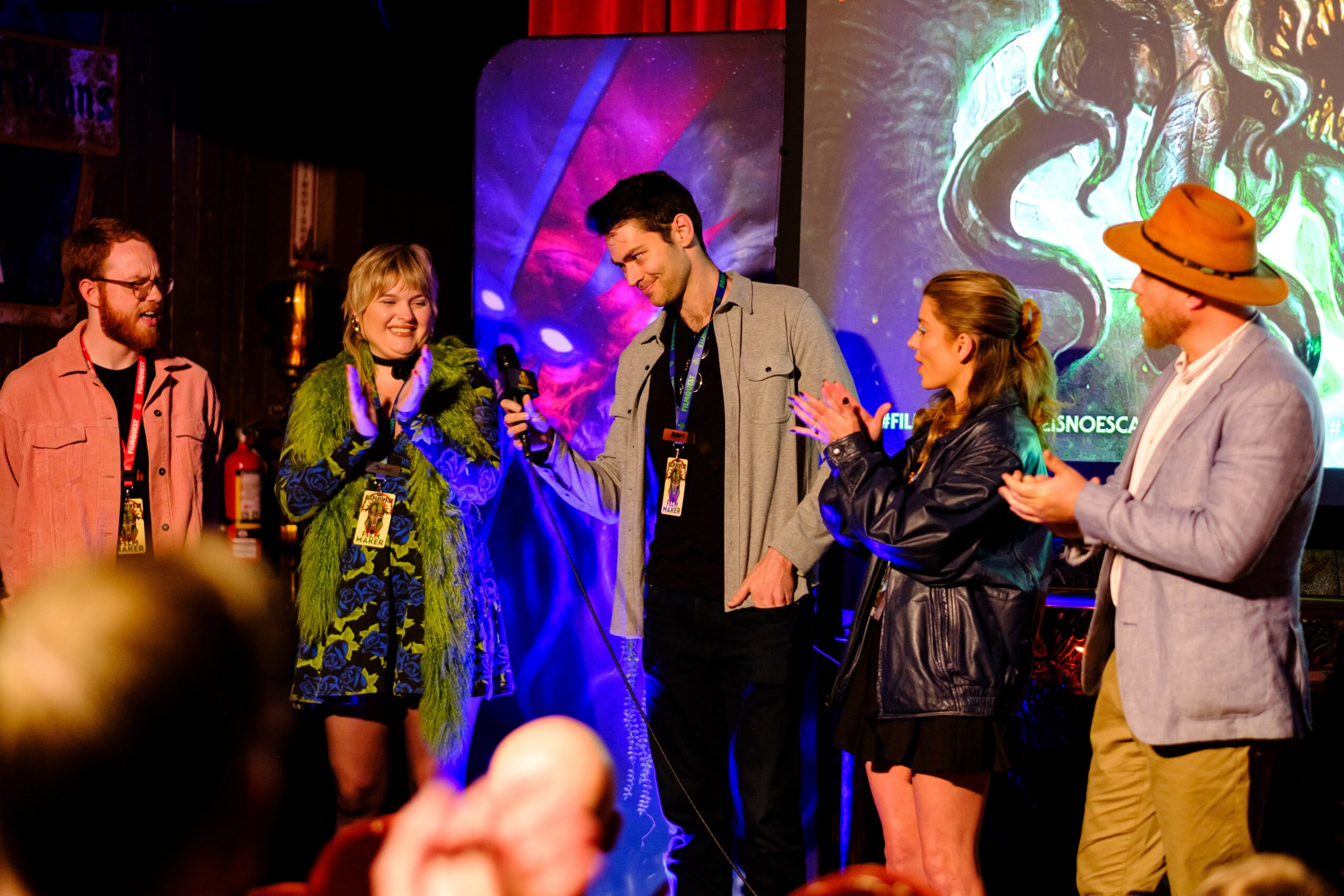
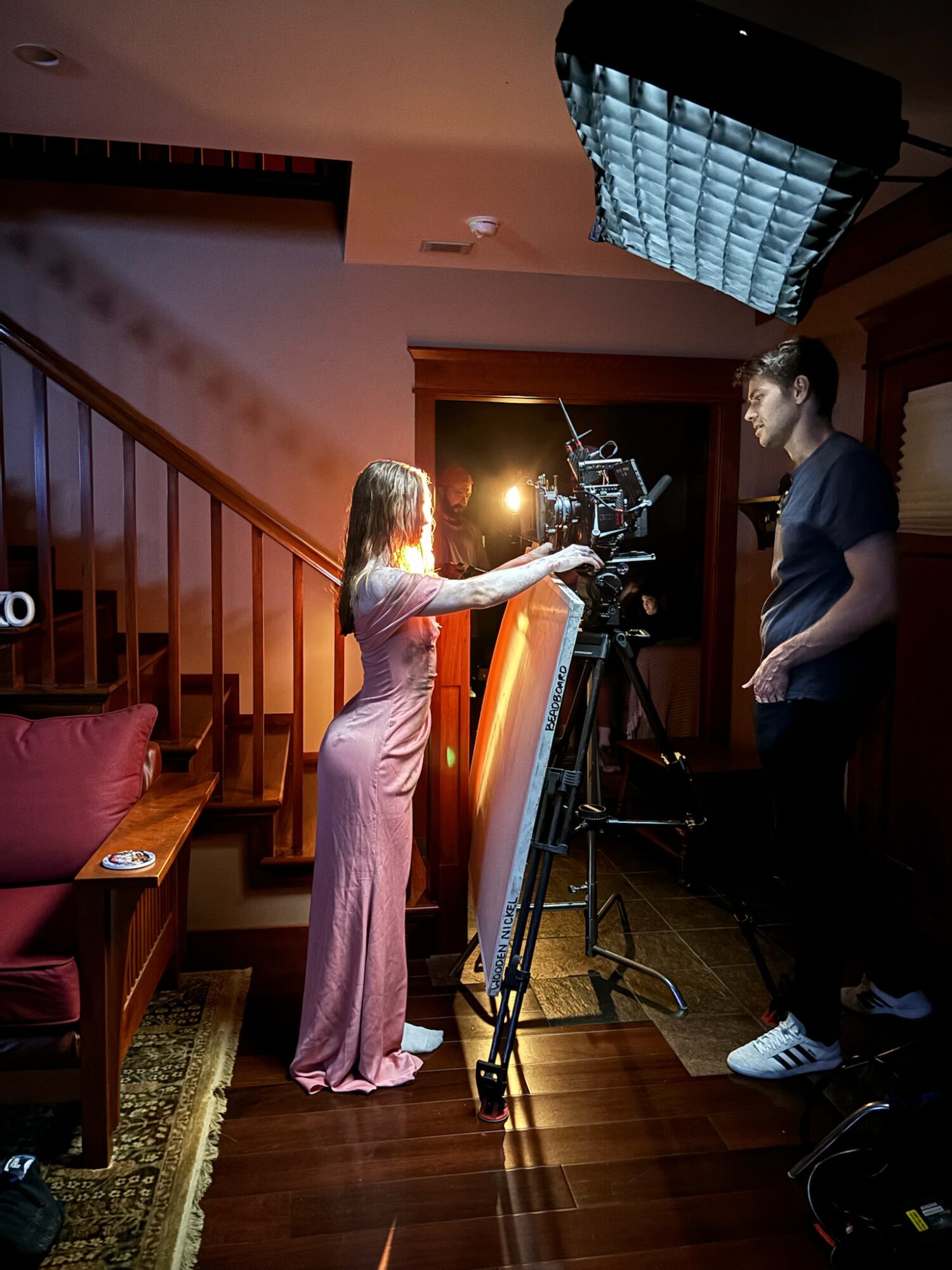
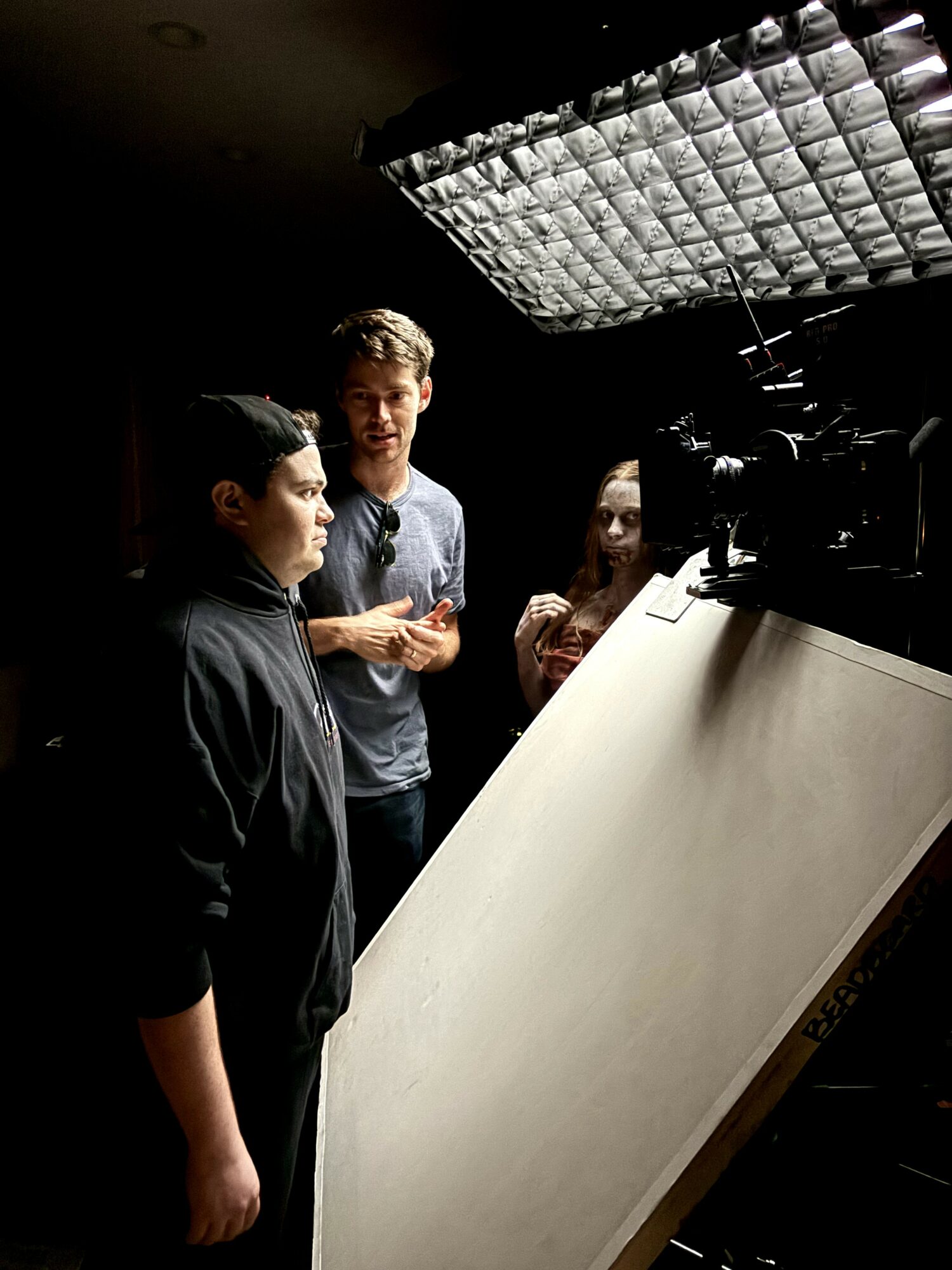
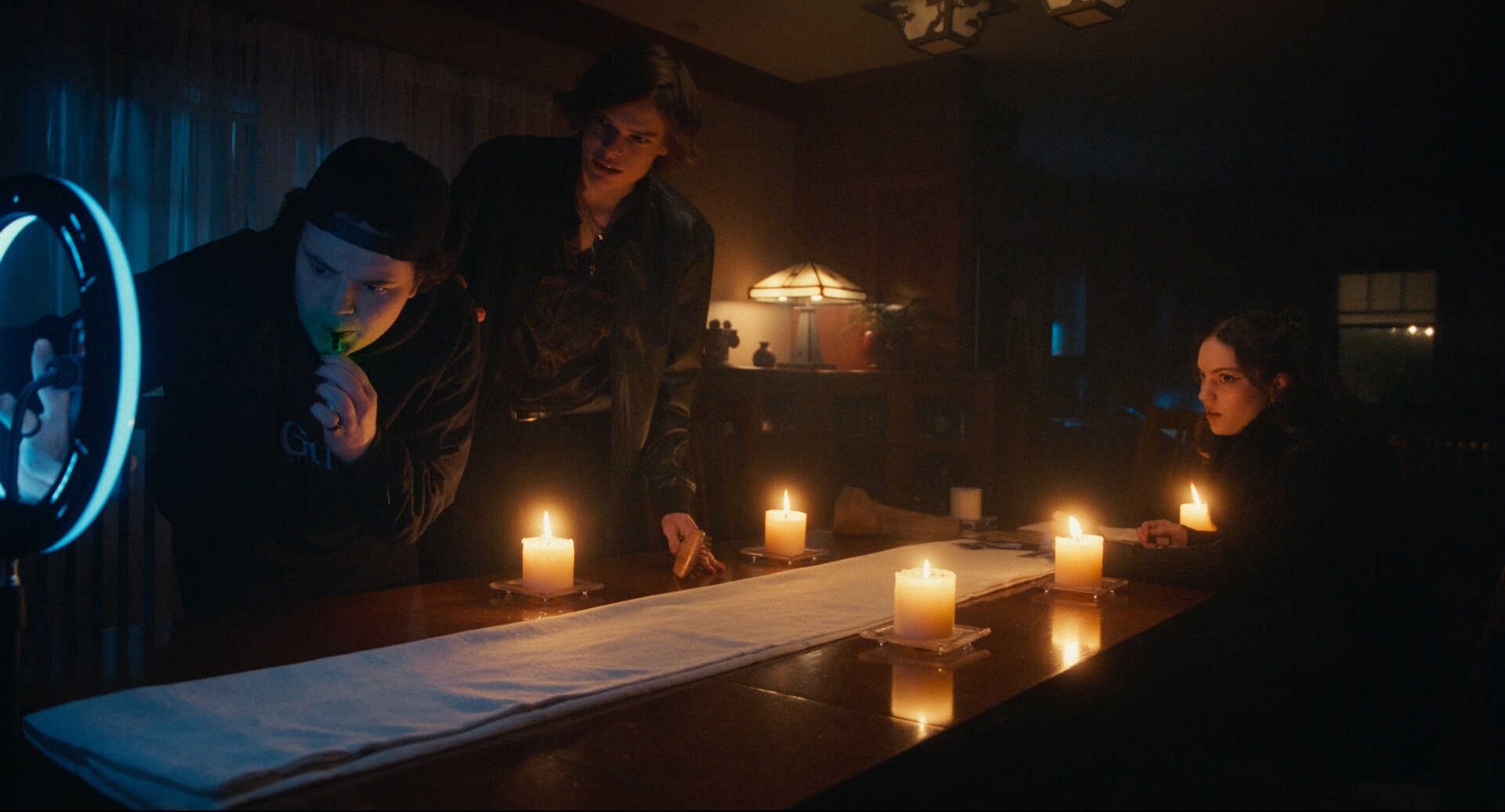
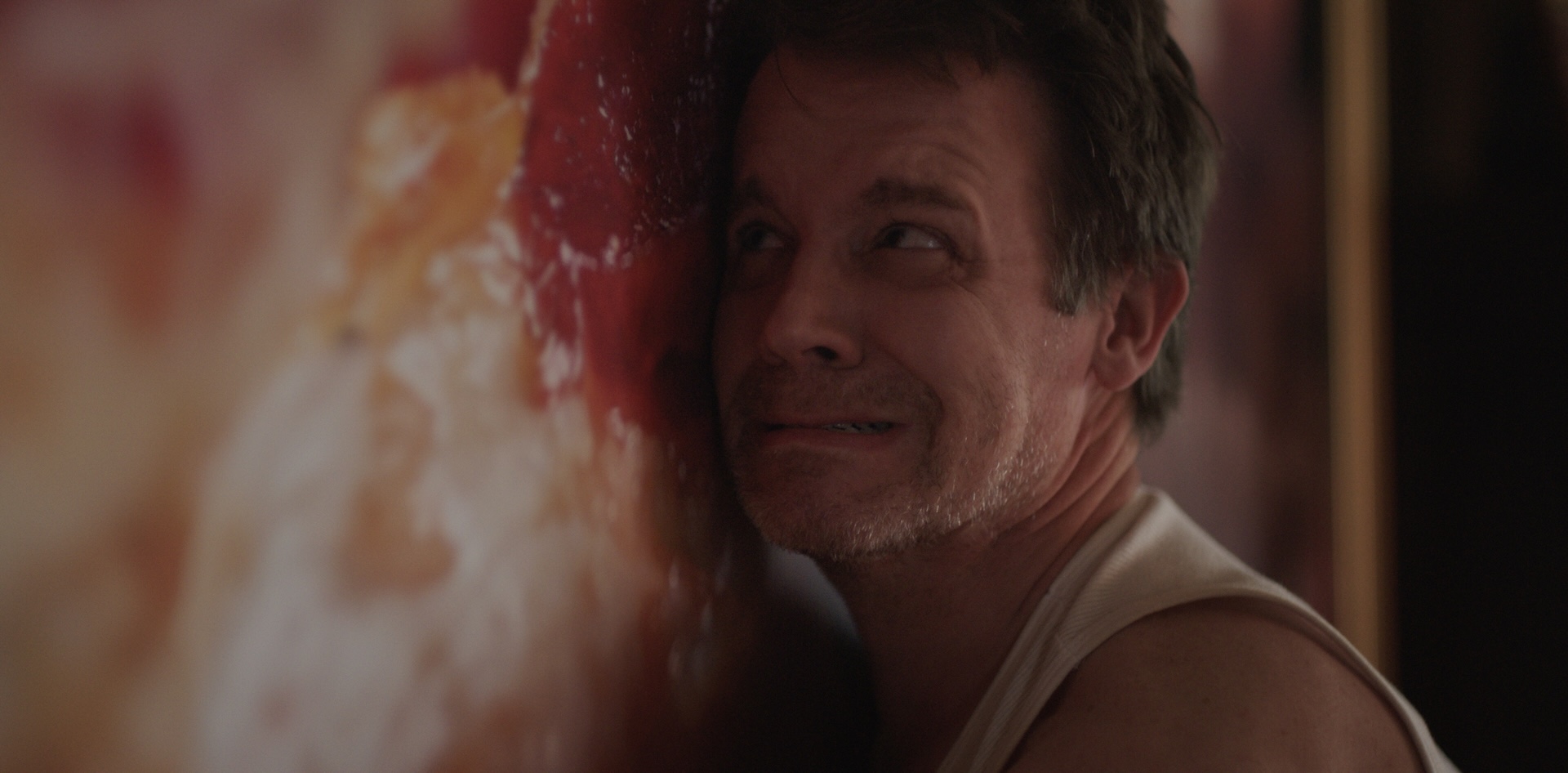
Image Credits
Photos by Joseph Vernon Reidhead (courtesy of FilmQuest), MacKenzie Marlowe
Popular
-

LA’s Most Inspiring Stories
-

Portraits of the Valley
-

Rick Norris Learned That Building a Successful Business Means Building a Life You Actually Want to Live
-

How Olivia Rush Turned Survival Into a Mission to Help Others Keep Going
-

How Bibi Goldstein Is Helping Entrepreneurs Reclaim Their Time by Embracing the Power of Delegation
-

Victoria Hasson is Redefining Voice Coaching Through Community and Collaboration


