




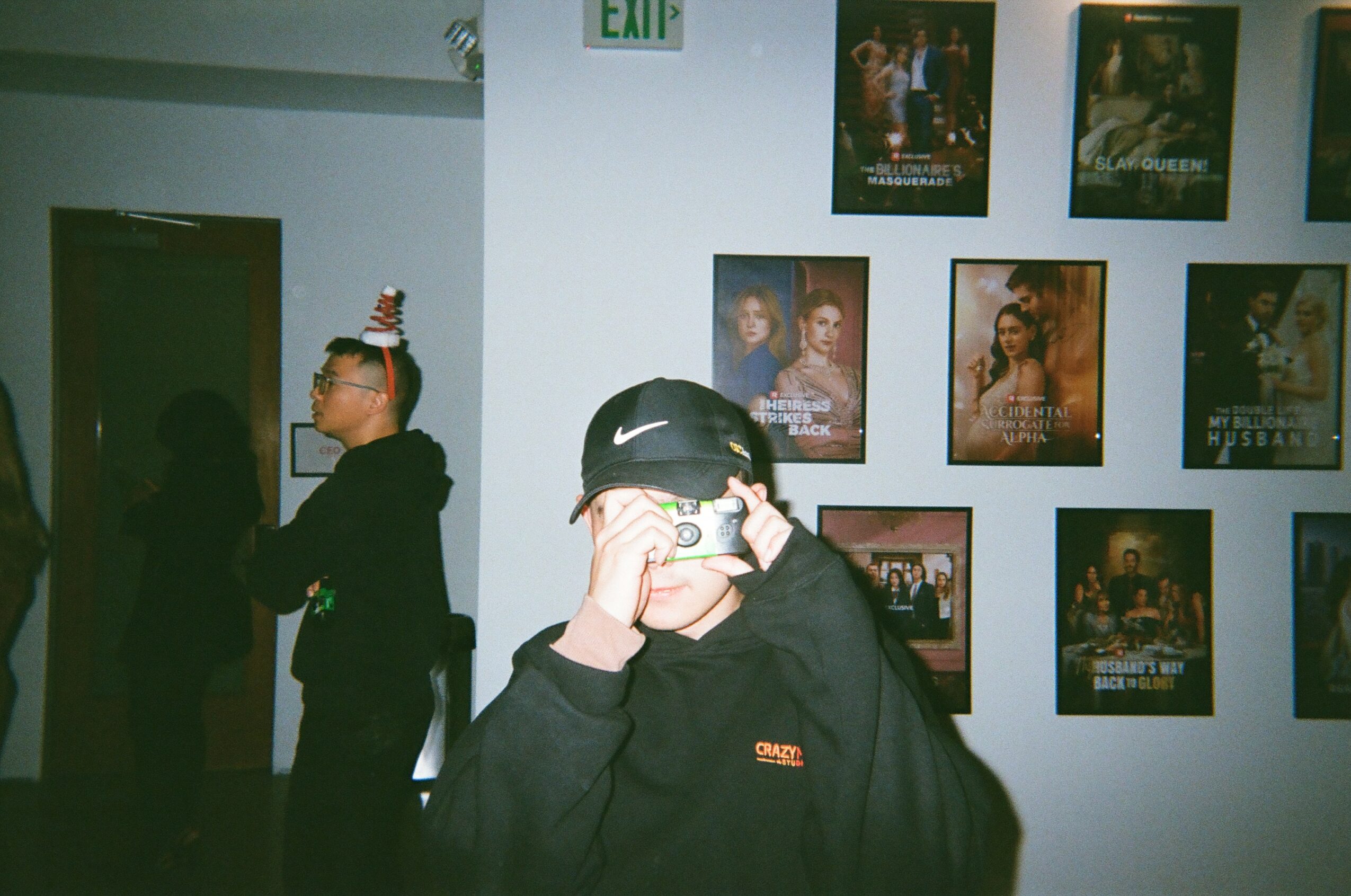
Today we’d like to introduce you to Runyu (Martin) Li.
Hi Runyu (Martin), so excited to have you on the platform. So before we get into questions about your work-life, maybe you can bring our readers up to speed on your story and how you got to where you are today?
I’ve always believed that careers don’t unfold in a straight line — they take shape through curiosity, timing, and the people you meet along the way. My path into post-production is exactly that kind of story.
I was born and raised in Kunming, China, and later came to the U.S. to study. During my time at Trinity University, I became the Executive Producer of TigerTV, which was my first real hands-on experience running a production team. I didn’t know it yet, but that experience planted the seeds for what would eventually become my career.
After graduation, I moved to Los Angeles and stepped into the industry as a Post Production Assistant. It was a classic entry-level role — lots of late nights, lots of hard drives — but I loved being part of the invisible machinery that turns creative ideas into finished work. That foundation helped me move into a Post Production Coordinator role, where I started managing workflows, schedules, and cross-team communication. Over time, as projects grew in scale and complexity, I stepped into my current role as a Post Producer at ReelShort.
I stumbled into short-form series at a moment when the genre was exploding globally. To understand the format better, I dove deep into popular tropes — especially the classic “霸道总裁爱上我” (“CEO Falls in Love With Me”) style of storytelling that dominates much of the market. Studying these shows from both a creative and structural perspective made me realize how fascinating, efficient, and culturally unique this format is. It’s fast, emotional, addictive — and from a post-production point of view, incredibly challenging in the best way.
Outside of work, I stay closely connected to the AAPI creative community in Los Angeles. In 2025, I served as the Stage Executive Producer for the Night Market Festival, which brought together local Asian artists, performers, and organizations. That experience allowed me to deepen my understanding of Asian American urban culture, build meaningful connections, and lead a live-event production team — a completely different but equally rewarding side of storytelling.
Today, I see my journey as a blend of craft, culture, and community. I’m still growing, still learning, and still excited about what’s ahead — especially as short-form storytelling continues to evolve and as new voices emerge in the AAPI creative space.
I’m sure it wasn’t obstacle-free, but would you say the journey has been fairly smooth so far?
Definitely not a smooth road — but I think the challenges have shaped me just as much as the successes.
I didn’t come from a traditional film-school background. My bachelor’s degree was in Communication, and my graduate studies were focused on Public Relations and Advertising. So when I entered the post-production world, especially in the fast-moving short-drama space, I was constantly playing catch-up. I had to teach myself the technical side of post, learn new workflows from the ground up, and prove that I could keep up in an industry where most people had formal film training.
At the same time, I made a conscious effort to bring my academic background into the work. My PR and advertising experience helped me understand the psychology behind audience attention, emotional hooks, and storytelling rhythms — all of which are incredibly valuable in short-form vertical drama. I had to learn the craft, but I also had to learn how to translate my existing skills into something meaningful for a post team.
Another challenge is simply that short dramas are still a very new space in North America. There was no blueprint and very few people to look to for guidance. As a team, we’re still experimenting, still studying what audiences respond to, and still exploring the boundaries and possibilities of the format. That means constant trial and error, constant adjustment, and a willingness to grow with the genre rather than chase a formula.
So no — the road hasn’t been smooth. But every obstacle pushed me to learn faster, think differently, and stay adaptable. And in a rapidly evolving format like short drama, those qualities have become some of my biggest strengths.
Can you tell our readers more about what you do and what you think sets you apart from others?
I work as a Post Producer at ReelShort, where I oversee the end-to-end post-production pipeline for vertical short dramas. My role sits right at the intersection of creative, technical, and operational work — coordinating editors, colorists, sound teams, VFX artists, producers, and multiple cross-department teams across both the U.S. and China.
I’m known for being extremely hands-on, detail-driven, and process-oriented. Because our industry is new and still evolving in North America, there’s no existing handbook for how things “should” be done — so I spend a lot of time creating workflows, troubleshooting new challenges, and building bridges between departments, cultures, and time zones. A big part of my work is also understanding what makes short dramas work emotionally: the pacing, the tension rhythms, the addictive storytelling loops. That blend of creative intuition and technical management is where I feel most at home.
Across everything I do, the project I’m most proud of is Runaway Princess Bride, the first show I led post-production from start to finish. It was the project that truly pushed me to grow. Through it, I interacted with every major department — production, editorial, sound, color, quality check, marketing — and learned how all the pieces come together under real pressure. It was also the project that made me feel a deep sense of ownership: not just executing tasks, but shaping the entire post journey. Seeing the final episodes go live, knowing how many challenges the team overcame along the way, remains one of the highlights of my career.
What sets me apart is that I bring both creative curiosity and operational discipline. I come from a communication and PR background, so I naturally think about audience behavior — what grabs attention, what sparks emotion, what keeps viewers watching. At the same time, I’m deeply invested in workflow design, efficiency, and cross-cultural collaboration. I’m constantly researching new post-production patterns, studying genre trends, and learning from both Eastern and Western storytelling traditions.
Ultimately, I see my role as helping shape a new frontier of entertainment. Vertical dramas are still an emerging format in North America, and I’m proud to be part of the team defining what this space can be — one project, one workflow, and one innovation at a time.
Any big plans?
I’m approaching the future with a lot of curiosity and humility. The vertical drama space is still so new, especially in North America, and I feel like there’s still so much to learn. My plan is to keep studying the industry, stay close to audience behavior, and understand the science behind why certain stories work so well in short-form formats.
I’m also really interested in exploring the possibilities of what vertical TV shows can be. The genre is evolving so quickly — new narrative styles, new editing rhythms, new production methods — and I want to keep experimenting, refining our workflow, and finding ways to elevate both quality and efficiency. I don’t have a “big change” set in stone, but I’m excited to keep growing as a post producer and keep contributing to shaping this emerging format.
For now, my focus is simple: keep learning, keep improving, and stay open to whatever new opportunities this format brings.
Contact Info:
- Website: https://malegeding.com/about-me/
- Instagram: https://www.instagram.com/malegeding/
- LinkedIn: https://www.linkedin.com/in/runyuli/
- Other: https://www.imdb.com/name/nm16773577/
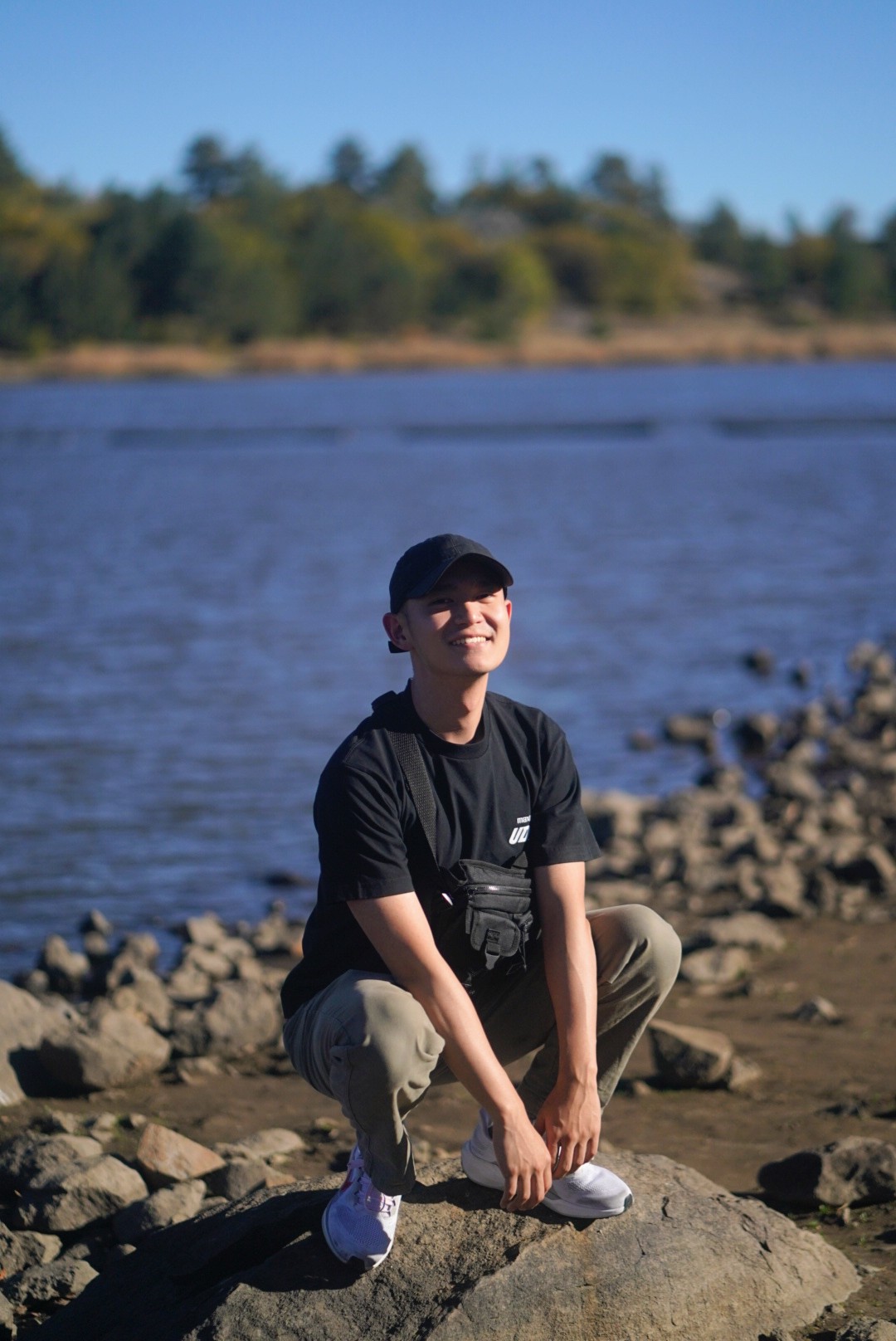
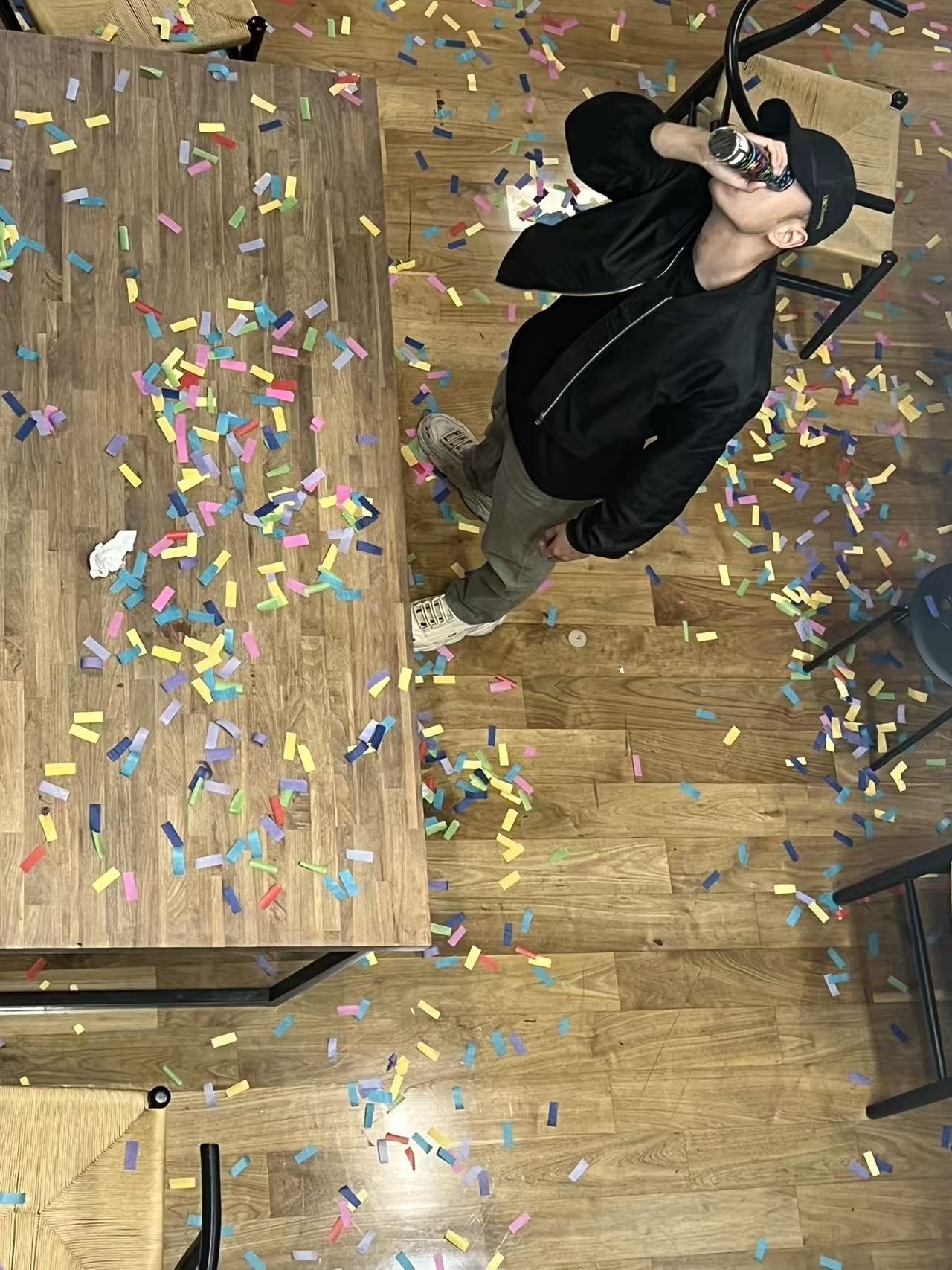
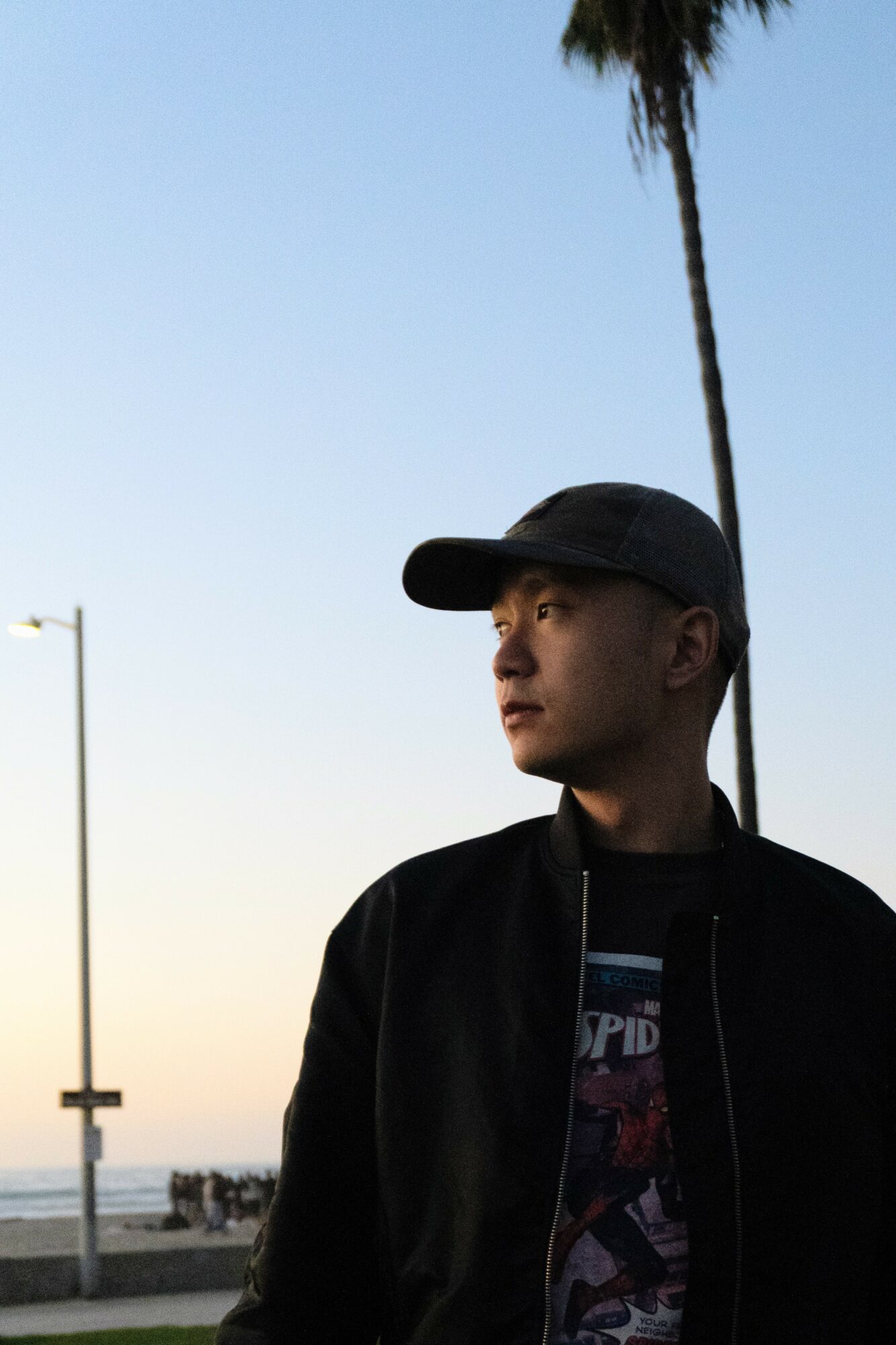
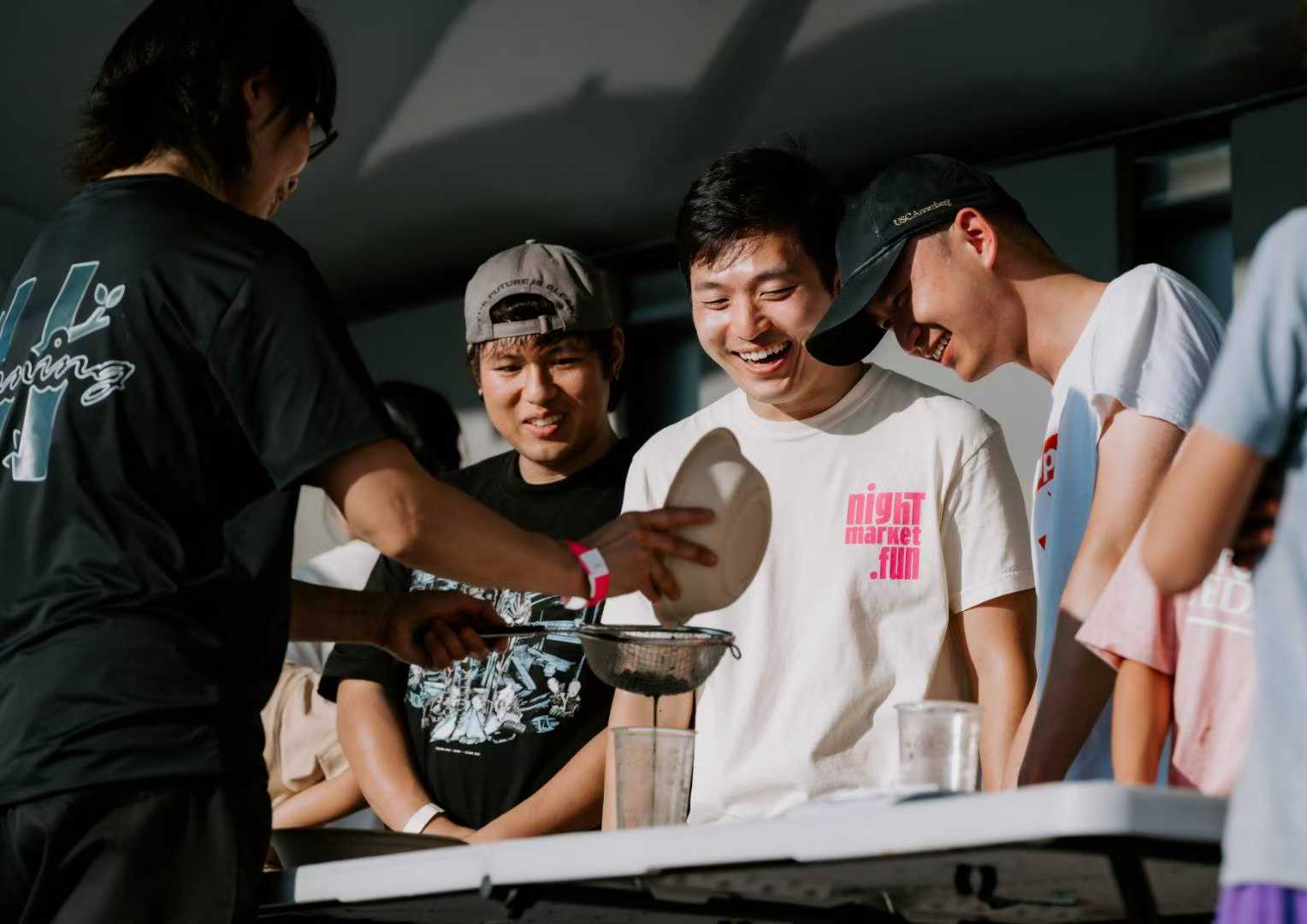
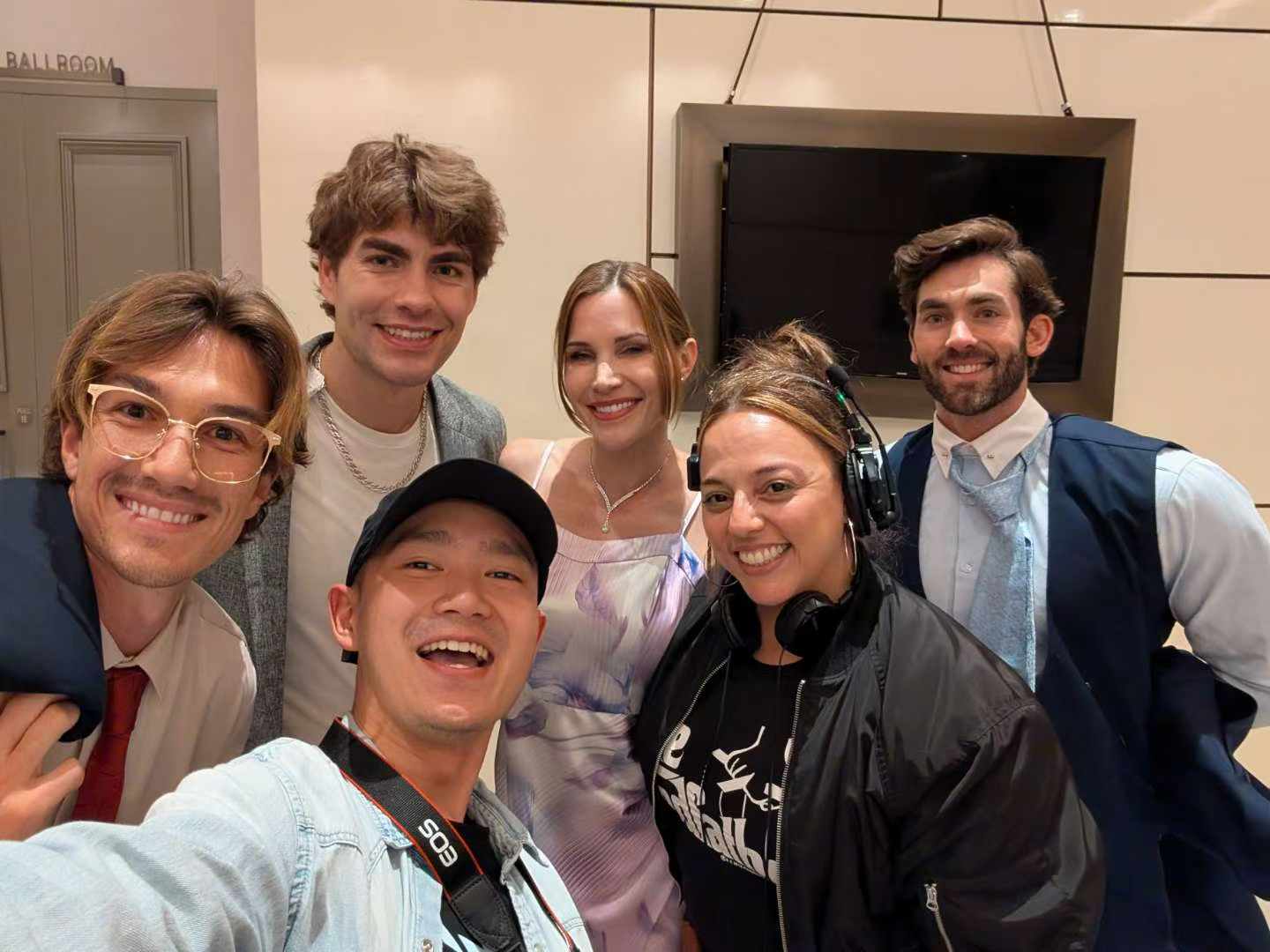
Image Credits
Runyu(Martin) Li_at night market.fun, credit: @lexy_elder
Popular
-

Jolana Nika on Redefining Modern Connection Through Intentional, Real-Life Experiences
-
What did suffering teach you that success never could?
-

Who saw you clearly before you could see yourself?
-

Who taught you the most about work?
-

Is the public version of you the real you?
-

What are the biggest lies your industry tells itself?


