



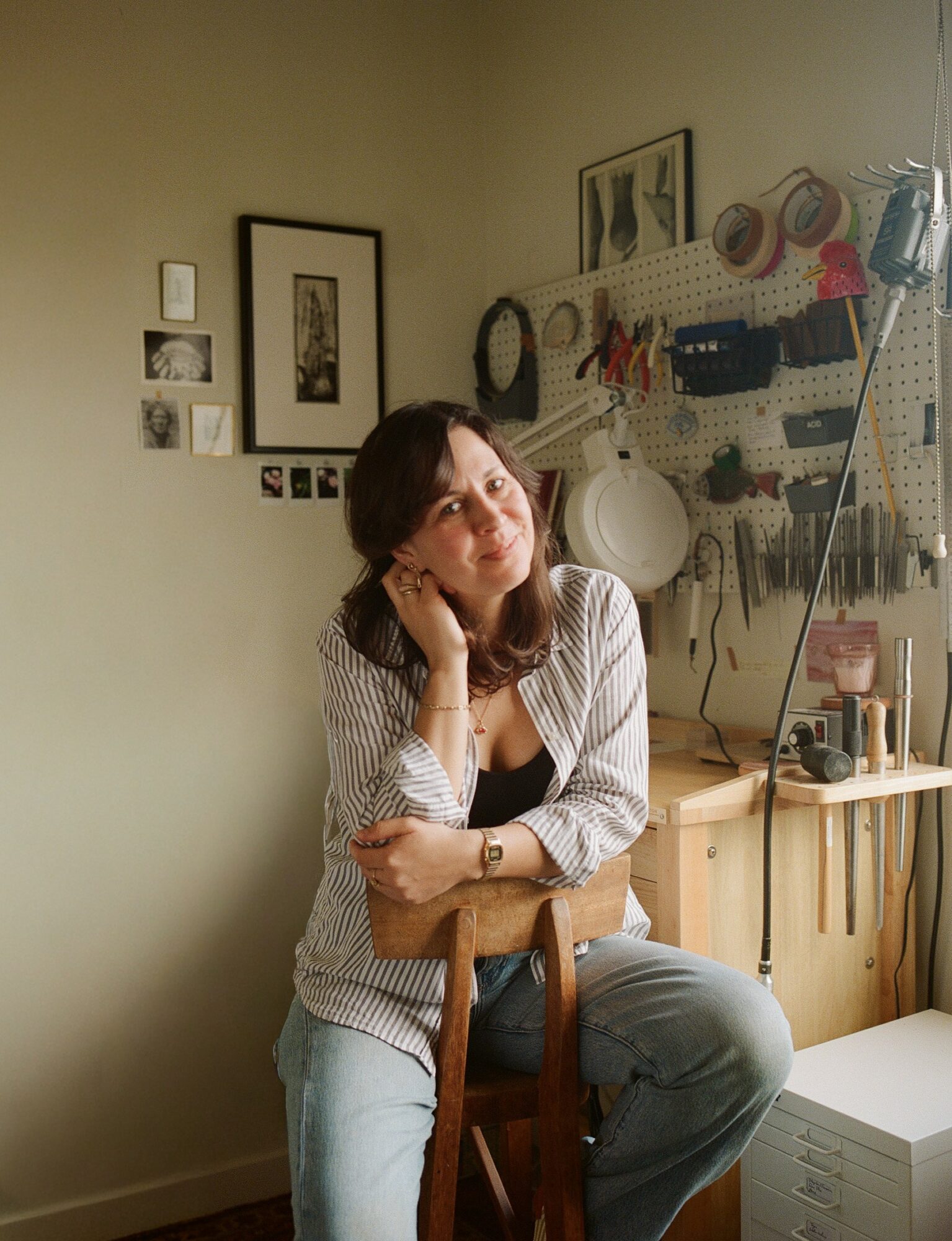
Today we’d like to introduce you to Mari Beltrán.
Hi Mari, so excited to have you with us today. What can you tell us about your story?
I grew up in LA’s Miracle Mile, around the corner from ‘Museum Row’, and regularly spent time at the Tar Pits, LACMA, Craft Contemporary and the Petersen Auto Museum. I was lucky that at such an early age I developed a deep appreciation for art, natural history, and craftsmanship. That exposure to craft has shaped how I view material: as something that carries memory.
My foundation is in photography and stone carving. From the beginning, I developed a strong awareness of light and composition and learned to think through the act of making; shaping material by carving, casting, building, and refining. My Masters in Architecture sharpened my understanding of how objects relate to the body. Jewelry was a natural extension of that training, but at a more intimate scale. I taught myself lost wax casting and stone setting, working first with silver then transitioning into high karat gold.
For years I worked in land and water conservation while keeping a studio practice. I spent a lot of time driving the length of California’s coastline, observing the ways the landscape shifts and records time. That sensibility informs my work today: I’m drawn to forms that feel carved and weathered by time, as well as colors and tones that echo the landscape.
In 2024 I transitioned to goldsmithing full-time. It’s a joy to create work for others that is deeply personal. I approach each piece as its own work of art.
We all face challenges, but looking back would you describe it as a relatively smooth road?
I took a very non-linear path to get to where I am. I pursued multiple art degrees in college and received my Masters in Architecture before turning my focus to water conservation. It has always been important to me to do work that I believe in. It’s easy now to look back on my training in the arts and architecture and my involvement in environmental conservation and see a throughline, but it certainly didn’t always feel clear to me.
Starting a business was never going to be easy, I knew that going into it. Working with materials like gold and precious gemstones means the costs and risks involved are that much higher. I grew my business while keeping a full time job as long as I could until it was no longer possible to give them both the attention they deserved.
As I grow, I’m guided by my values to incorporate more sustainable practices into my process. Goldsmithing is an incredible ancient art that relies on rare and finite resources. Like all industries, the jewelry industry carries ethical and environmental complexities, and I feel fortunate to work within a growing network of suppliers, craftspeople and clients who are committed to more responsible, transparent and sustainable sourcing. Working this way means there are sometimes fewer options for sourcing materials, and because each piece is one-of-a-kind rather than part of a scaled production model, the costs are higher. The payoff is work that is truly singular, with as much transparency as possible at each step of the process.
Thanks – so what else should our readers know about your work and what you’re currently focused on?
I create one-of-a-kind fine jewelry, working primarily in solid gold and with precious gemstones. My work follows an exploratory approach that results in distinctive pieces that are both poetic and playful – timeless yet unconventional. My practice is quite collaborative; I work closely with clients to create pieces that are deeply personal, intentional, and enduring. I also transform heirloom jewelry, reworking existing pieces into new forms that honor their history while giving them renewed life.
My work carries both physical weight and emotional depth. What sets it apart is its sculptural sensibility and material integrity. My background shapes how I think about proportion, weight, and negative space. To me, jewelry is sculpture at its most intimate – work that holds the weight of memory while it lives on the body. I’m committed to working in solid gold and using natural materials, creating pieces that are substantial and everlasting.
I’m especially proud of a workshop initiative I’ve developed that teaches jewelry-making to artists with special needs, a community with which I have close personal ties. It’s important to me to help make this field more accessible to differently-abled artists and designers who might not otherwise get the same visibility and consideration of their work.
We all have a different way of looking at and defining success. How do you define success?
Success is getting to make work that I love for clients that I care about.
Contact Info:
- Website: https://studiomari.co/
- Instagram: https://www.instagram.com/stvdiomari/
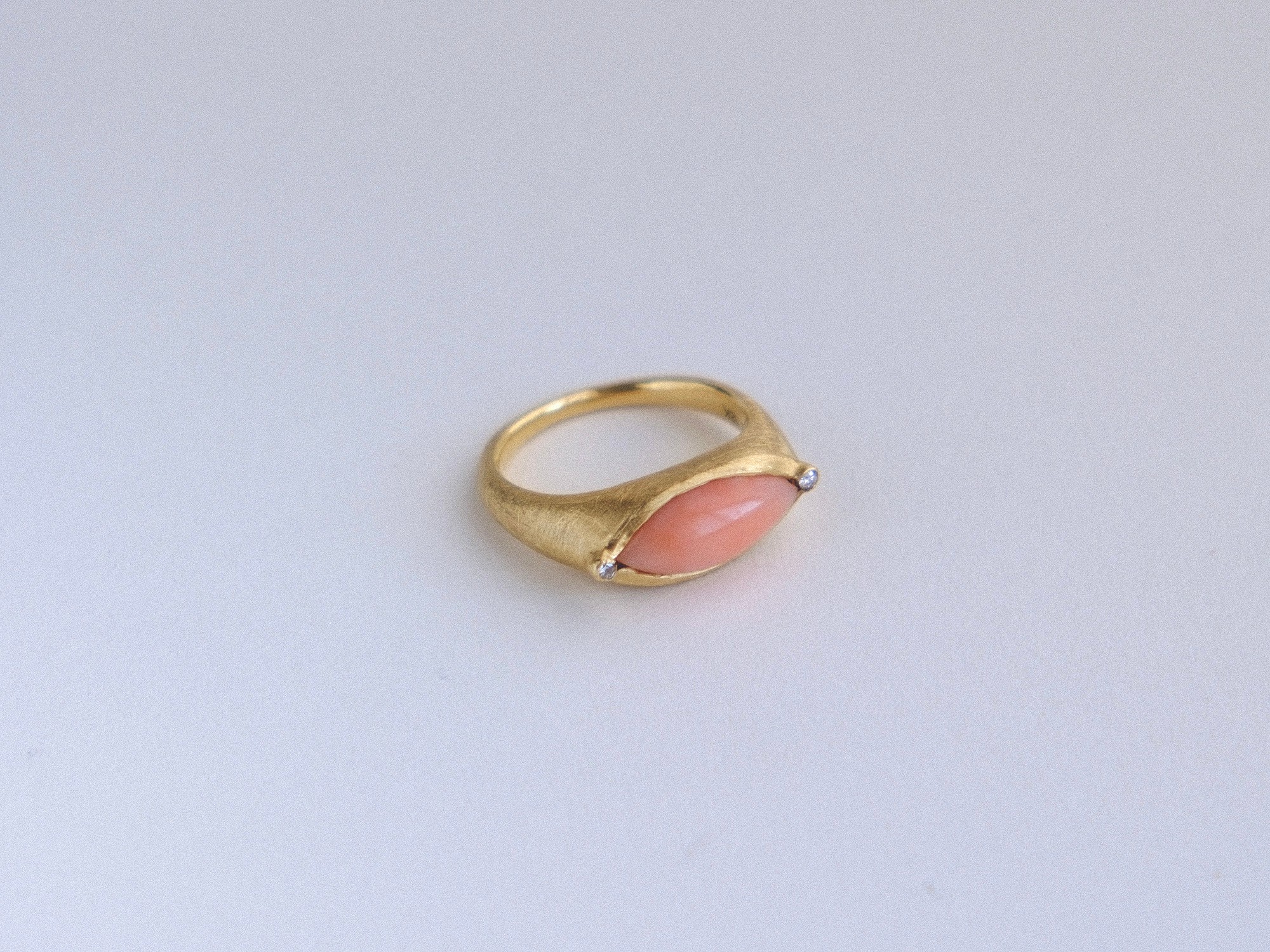
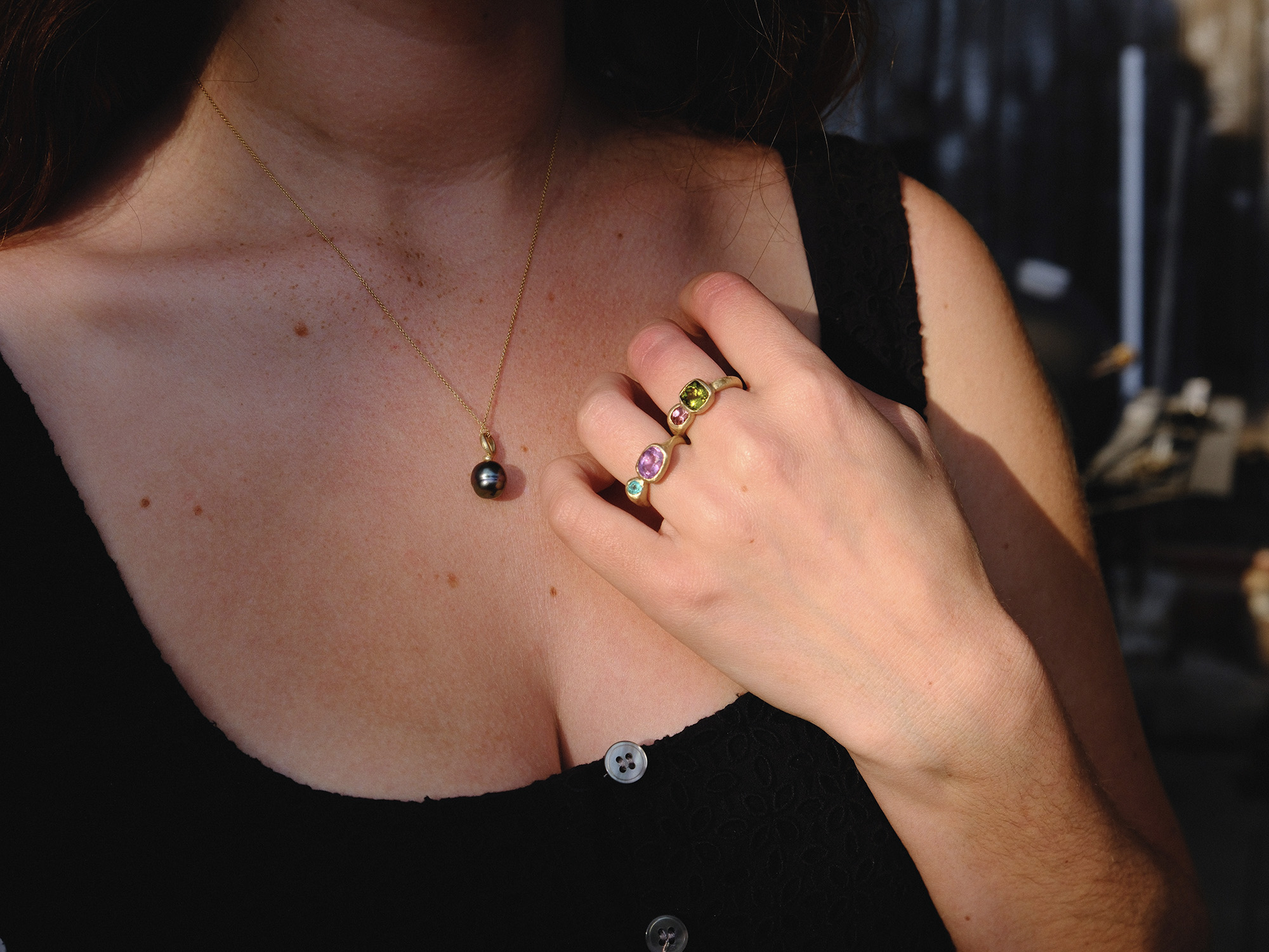
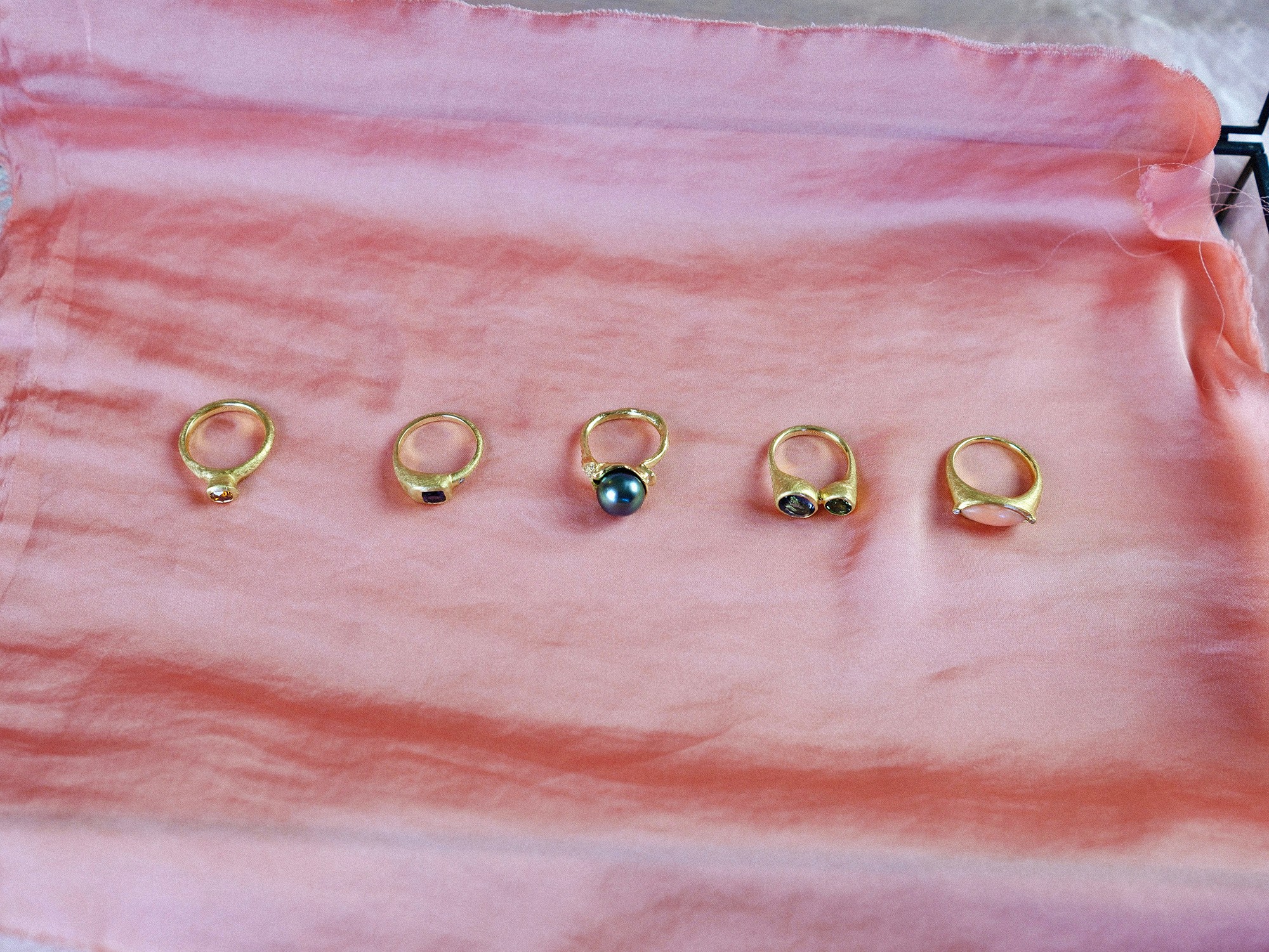
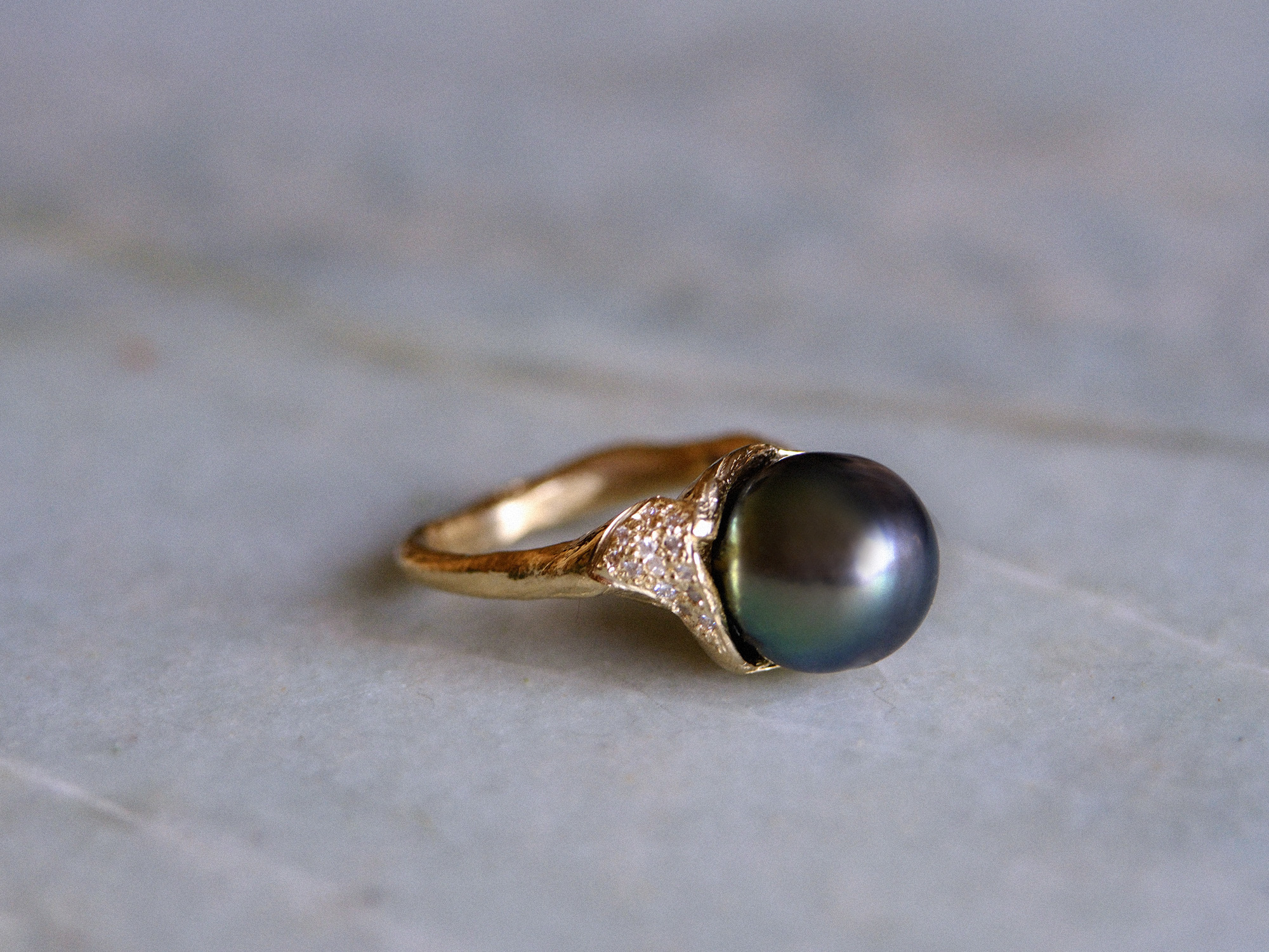
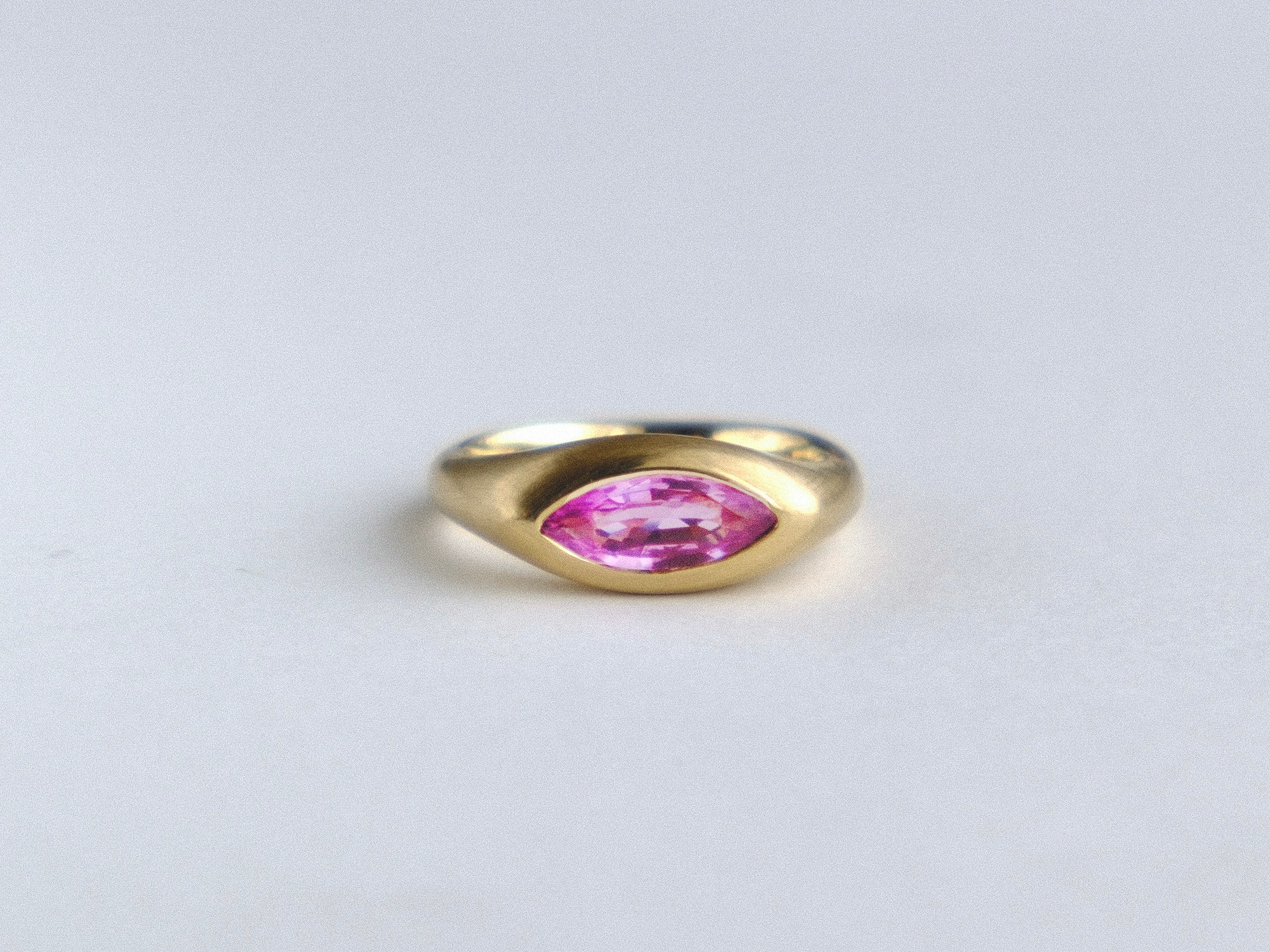
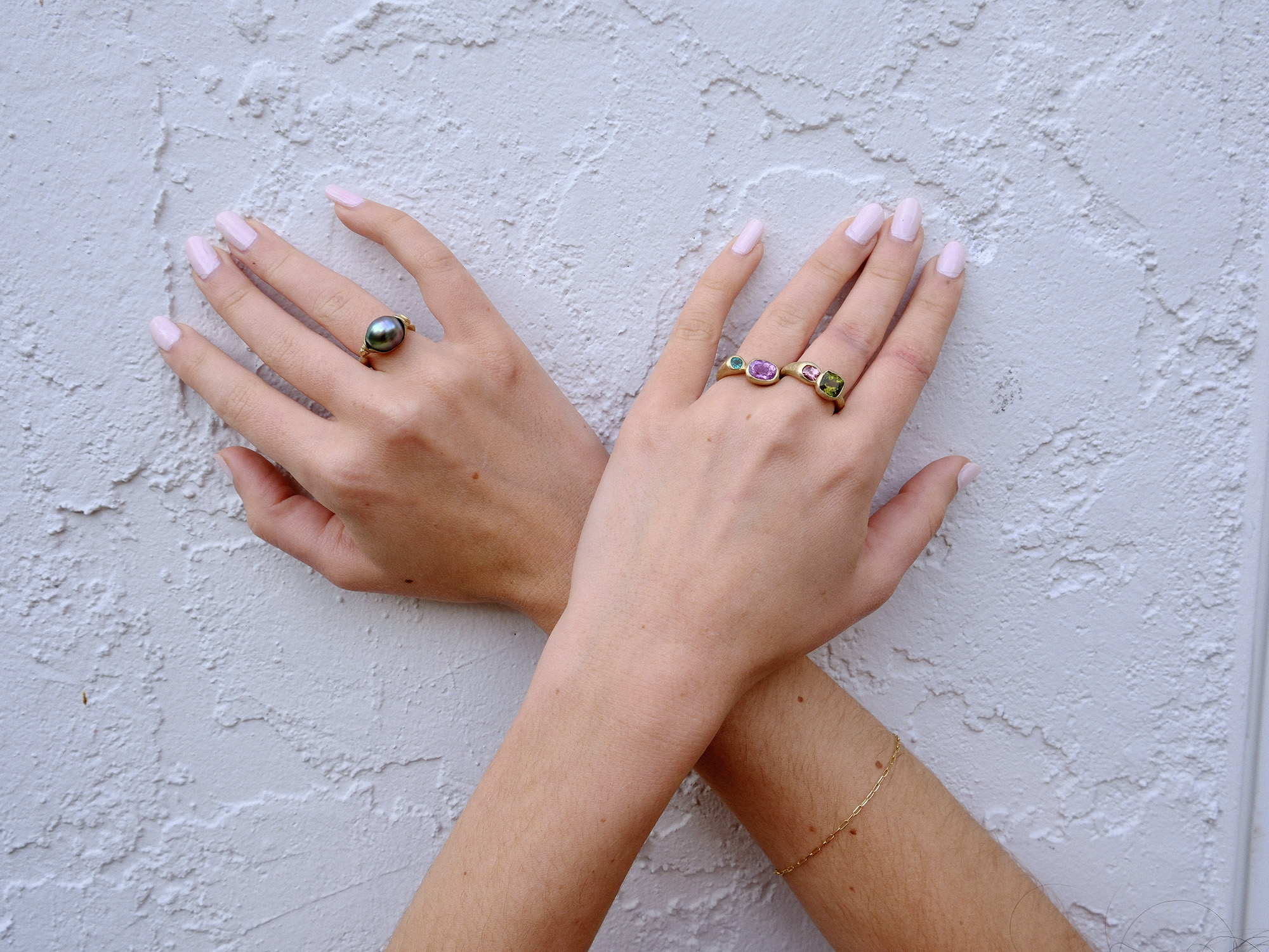
Image Credits
Artist Portrait by Summer Staeb. All other images by Mari Beltrán.
Popular
-
Building Creative Bridges: Torrey Tayenaka on Community, Collaboration, and the Future of Sparkhouse
-

Scaling the Vision: Jordan Meinster on the Momentum Behind PickUp USA
-

Designing Intelligence, Not Just Using It: Stanley Lin on AI‑Native Entrepreneurship
-

Sherman Perryman Makes the Case for Building Businesses That Last
-

Portraits of the Valley
-

LA’s Most Inspiring Stories


