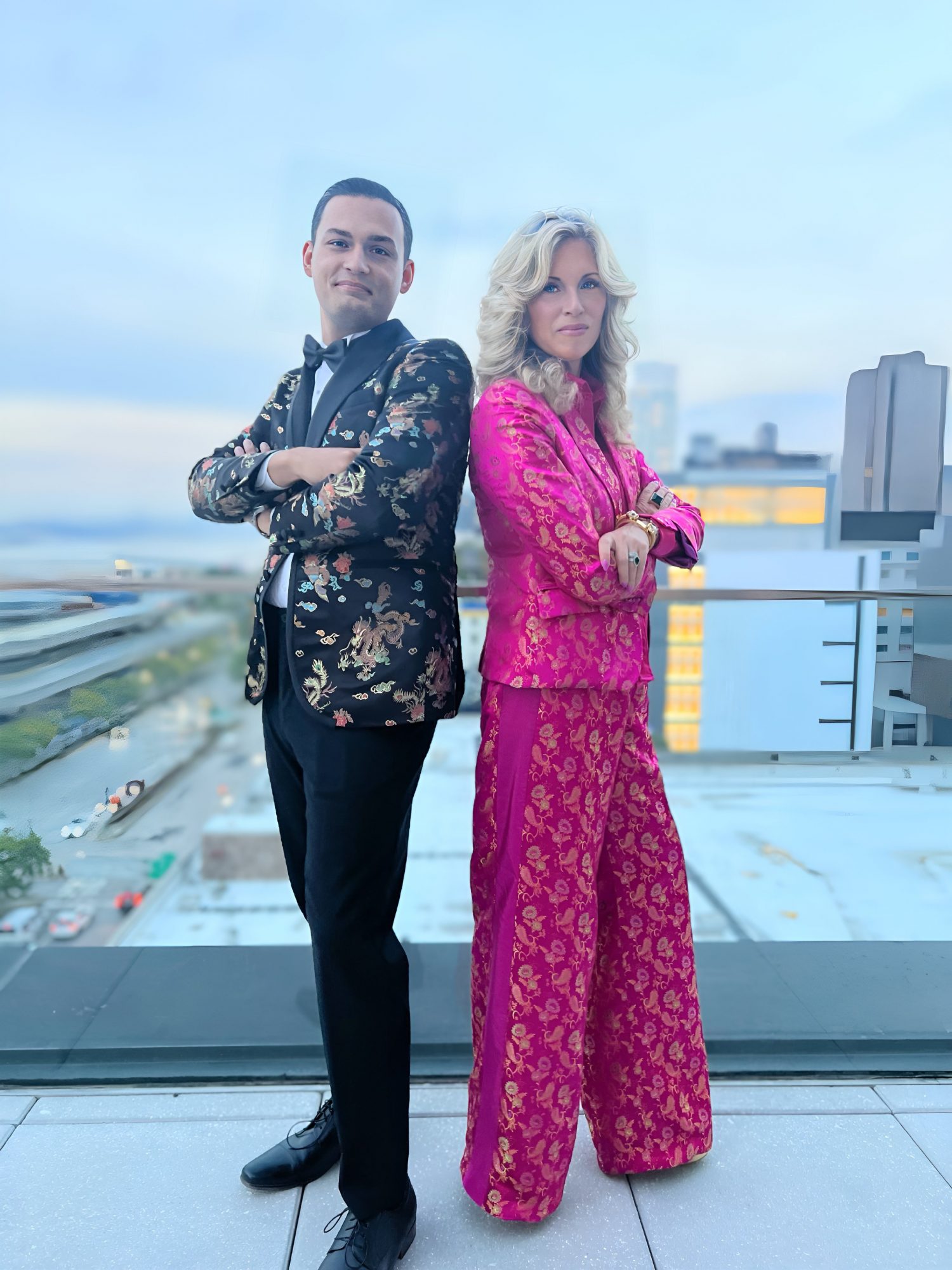



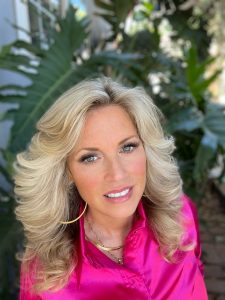
Today we’d like to introduce you to Lynn Brannelly.
Alright, so thank you so much for sharing your story and insight with our readers. To kick things off, can you tell us a bit about how you got started?
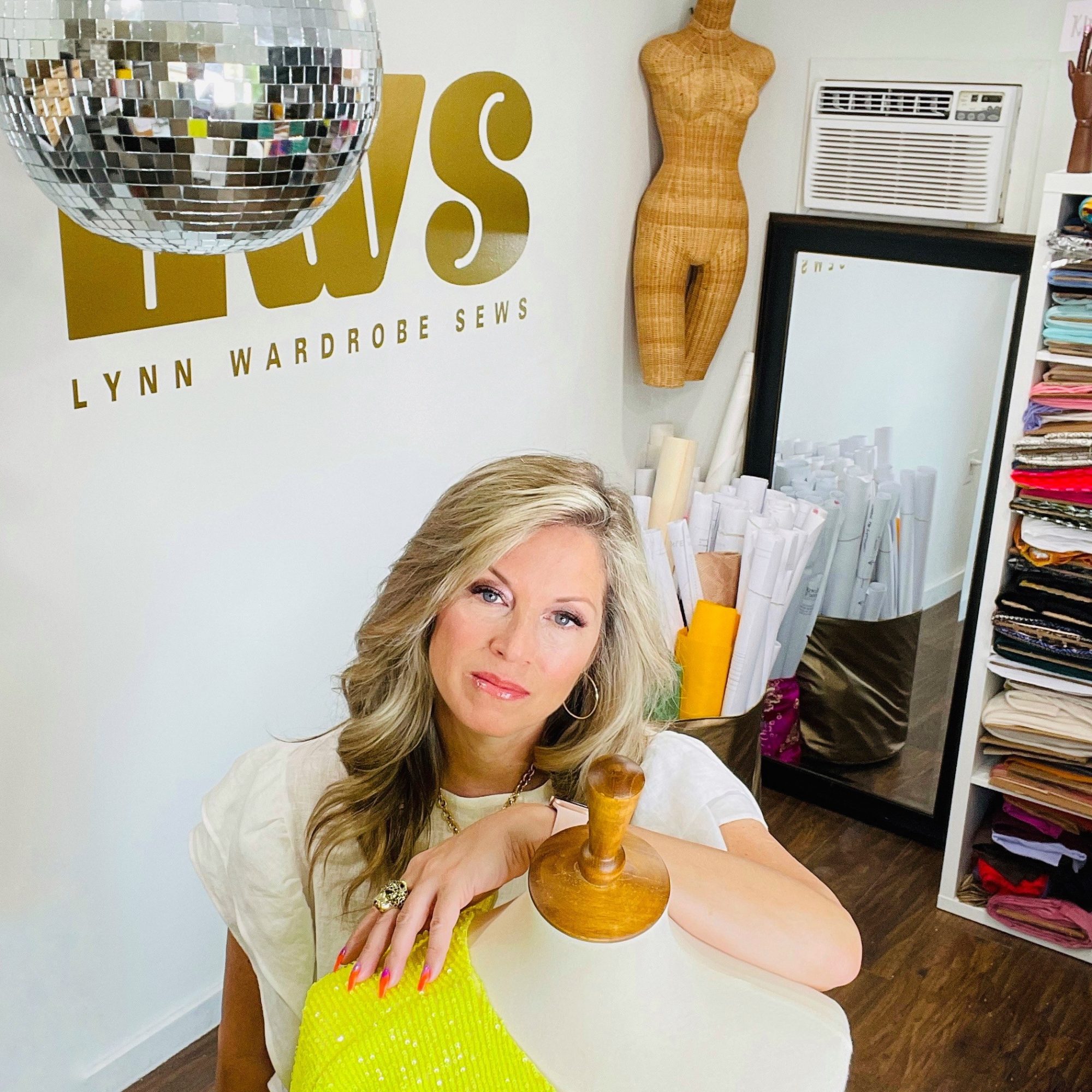
I have been a professional costume designer and wardrobe stylist for film and television for the last 26 years, living in Los Angeles, California. I have been sewing since I was seven years old and self-taught until I went back to college at 35 years old for fashion design. I am the mother of three grown children who live in Utah and four granddaughters. My husband, David, and I have been together for eight years, we had our wedding at home with all our children and grandchildren, and yes, I made my dress.
How did you get the opportunity to be a costume designer and wardrobe stylist for film and television?
Costume design started first with Halloween costumes. I made all my children’s costumes when they were little and sometimes still do to this day, lol. My children take pride in being able to say that they’ve never worn a store-bought costume. When my children were small, I also used to do custom apparel for a small clientele; at the time, I was living in Atlanta, Georgia. In the early 90s, a friend of mine who was an Advertising executive asked me to make him a costume for his company’s Halloween party. He was an avid fly fisherman and asked me to make him a 6-foot-tall rainbow trout indicative of the waters of Utah, where we were living at the time. I hand-painted a giant soft sculpture and made three-dimensional eyeball sockets and eyeballs. Lots of Trapanto sewing techniques on fins and gills. It was like nothing anyone had ever seen. He wore it to their costume party, and all of the ad executives were so impressed that they told him to invite me to pitch a costume design for their new client, Intel.
Intel was looking to create an icon for their brand, and they decided to have it be around clean room suits or “Bunnymen, “which is the nickname for the suits worn when the Intel Pentium chips were developed for computers. Several designers were invited to pitch their ideas, I pitched mine, and they chose me. I proceeded to do all of their television, print, and Super Bowl spots for two years of the ad campaign. In 1997 the Smithsonian institution celebrated its 125th anniversary of “Business in America” and invited Intel to be a part of the exhibit. The gold Bunnymen suit worn by the then CEO Andrew Grove for COMDEX was inducted into the Smithsonian as a permanent archive. It was a surreal day when I got a call from the museum of Natural history asking me what the fabric’s contents were to understand how to preserve it forever 😳. From here, I went on to do costume design for films and became a member of the costume designers Guild Local 892. In the early 2000s, I became Tom Bergeron’s personal stylist for America’s funniest home video, along with Dancing with the stars. I have been Tom’s personal wardrobe stylist for the last 15 years. I have continued since the early 2000s to the present to do costume design and Wardrobe styling for more commercials than I can count. My career has been quite unconventional; having a costume in the Smithsonian for your first gig is not typical. It takes a lot of hustle to get good production work. Still, it is a gratifying career path if you’re willing to work the hours.
You decided to attend college to study fashion in your thirties. How was your experience?
My decision to return to college was actually after being diagnosed as severely dyslexic. Before this time, the school was challenging for me, and I did poorly the entire time I attended school. Since my diagnosis made me legally disabled, I could go back to school and for the state to pay for my education, having my disability accommodated. I can’t even begin to explain what a difference it was going back to school with these accommodations. As a young person, I suffered from low self-esteem because of my undiagnosed disability; Sewing was the one thing I did by myself that I was really good at. When diagnosed, the therapist clarified that what I love to do for fun, Sewing was the perfect vocational choice for my learning disability. She was right. It was a positive experience; I did very well and didn’t mind being the old girl in the class.
I don’t know if I have a signature style in film and television because no two projects are identical. I have a favorite period to design in an even design for myself, which is anything from the 1970s. I’ve concluded that I love this so much because that’s when I discovered fashion, and I’ve been obsessive about it since then.
I am a Halloween fanatic and am definitely of the “go big or go home” school of thinking. I once put 700 hours into a Halloween costume that would be worn for three hours trying to win a prize, true story, lol.
Here are my Halloween rules.
If people ask you, “what are you? “You failed.
If your Halloween costume is one of the current hot trending Disney heroines, so everybody’s doing it, you must be the best version.
When making Halloween costumes, it is the only time traditional sewing rules go out the window. That’s what’s great about Halloween; there are no rules.
I love Sewing with Faux fur, so I would say as far as tips go, if you check out my Instagram in my highlights, I have numerous tips on how to sew faux fur that will take all the angst out of the equation and your sewing room won’t be a disaster either.
Can you talk about your journey of sewing bridal and pageant gowns? What were some of the challenges and rewards?
I enjoy Sewing bridal; it’s a big responsibility and, generally, time-consuming. The older I get, the more I want moments of doing couture techniques, handwork, and beading. The bridal sewing business can be stressful because the people you work for often are pretty stressed. Mothers of the bride, forget about it. Yikes
Sewing for beauty pageants was an interesting chapter, much like Halloween costumes, with lots of unconventional sewing choices. I’ve sewn for many swimsuit competitions and become very proficient in working with fishing lines and girdle lycra.
You started a project called Sewn Adaptive, which is geared towards people with disabilities. Tell us about it. Why did you decide to target the disabled market?
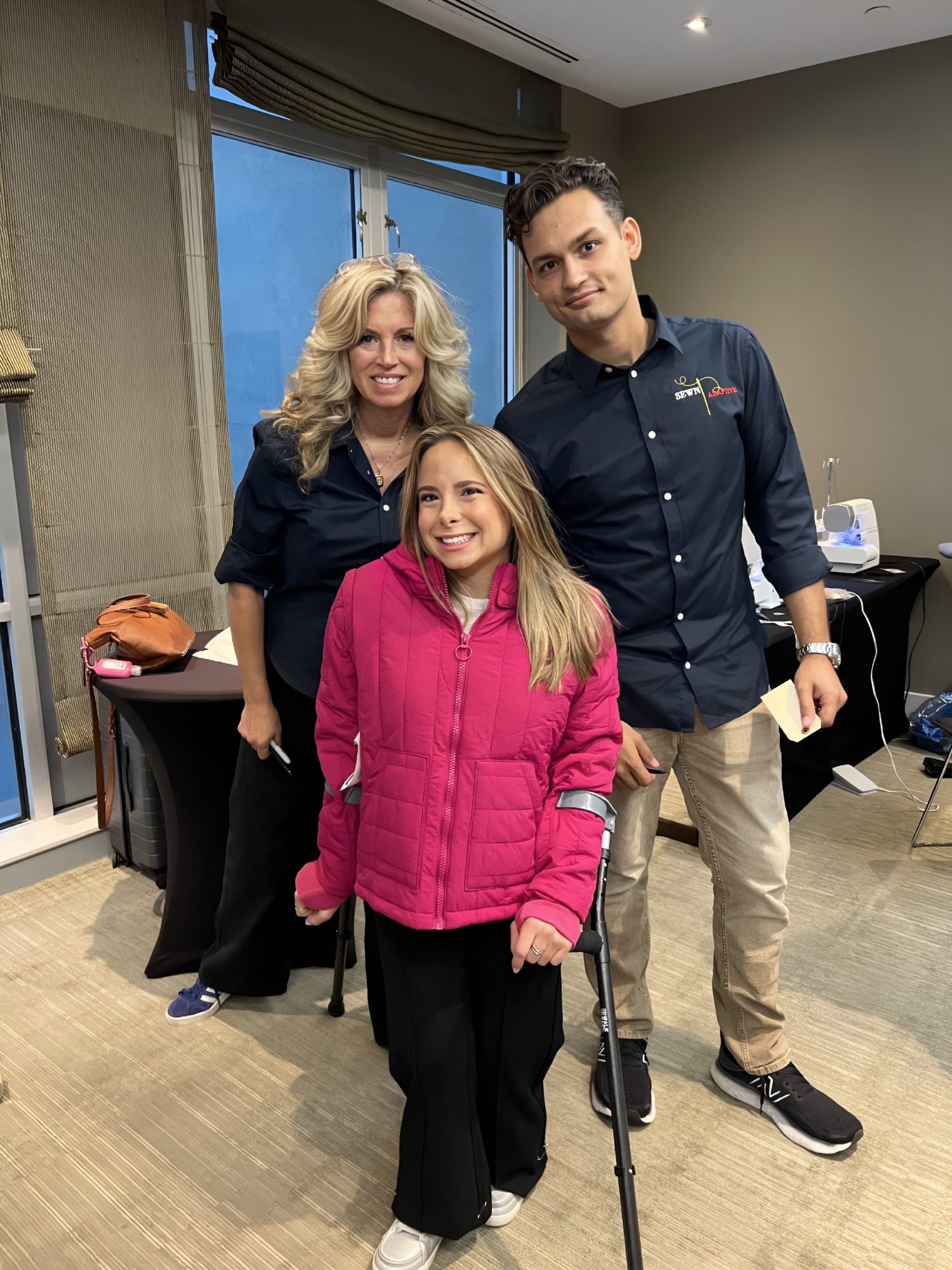
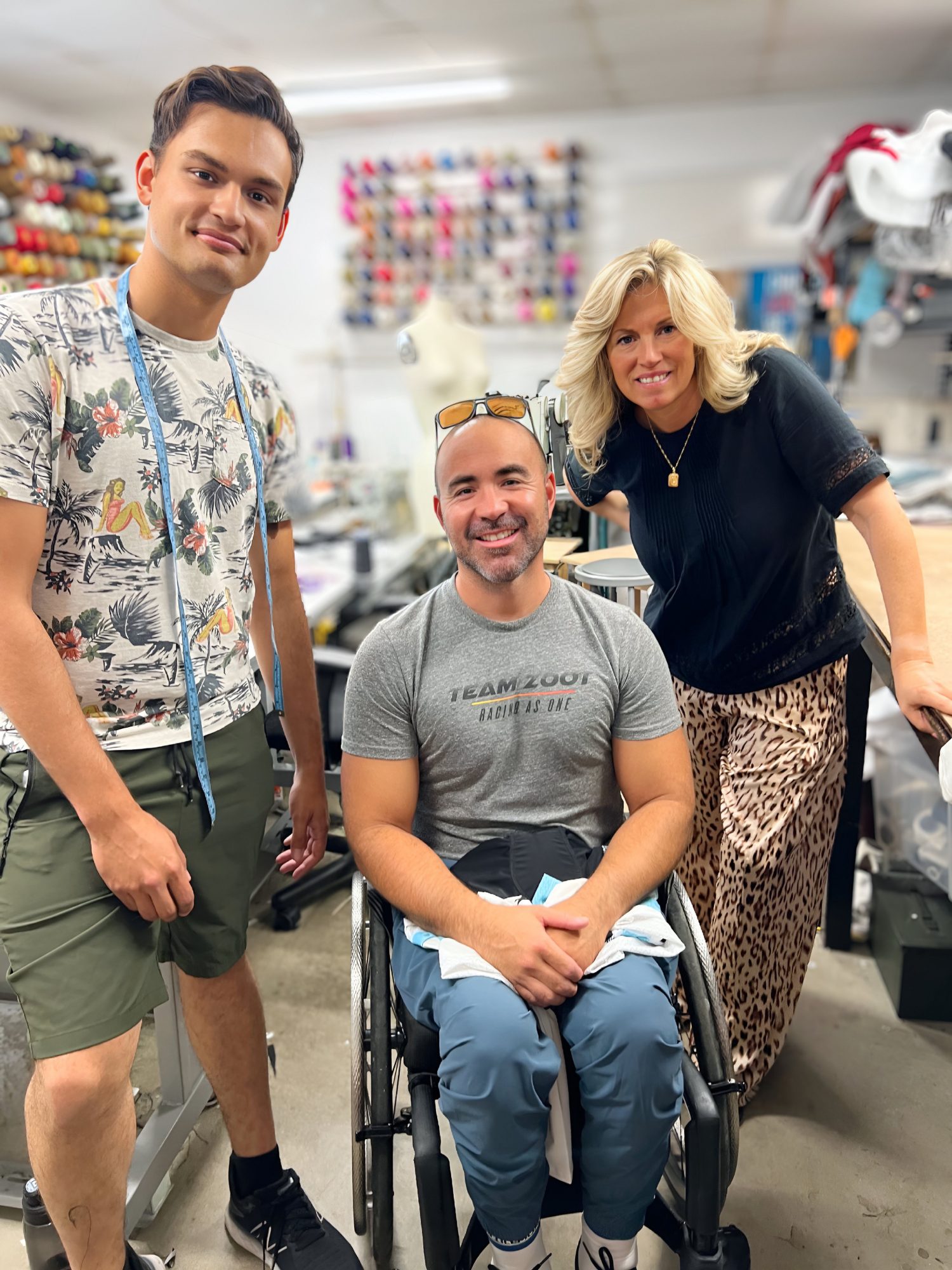
@Sewnadaptive is an educational platform we started on Instagram to teach designers, tailors, and beginning sewers how to do adaptive alterations for the disabled.
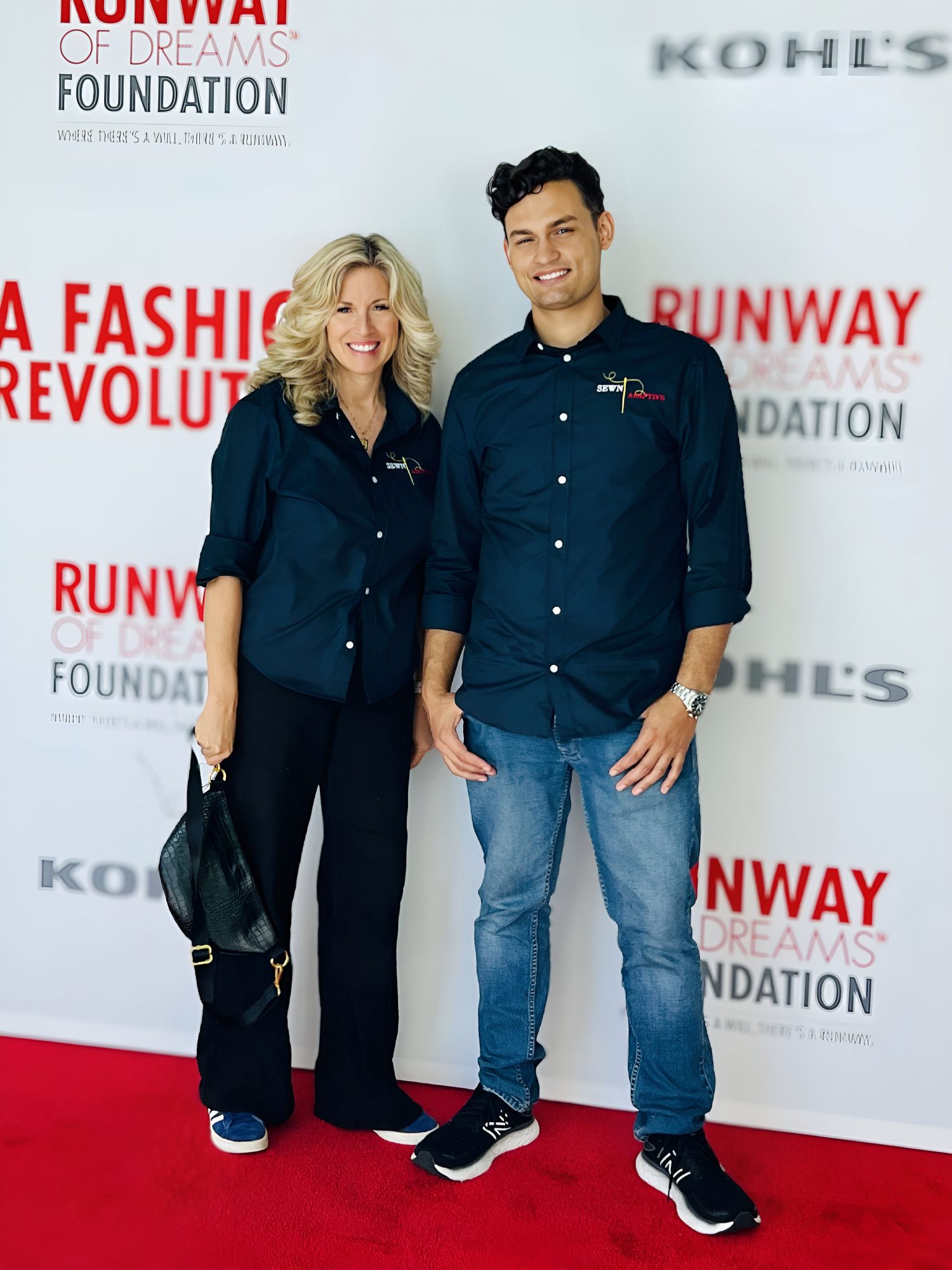
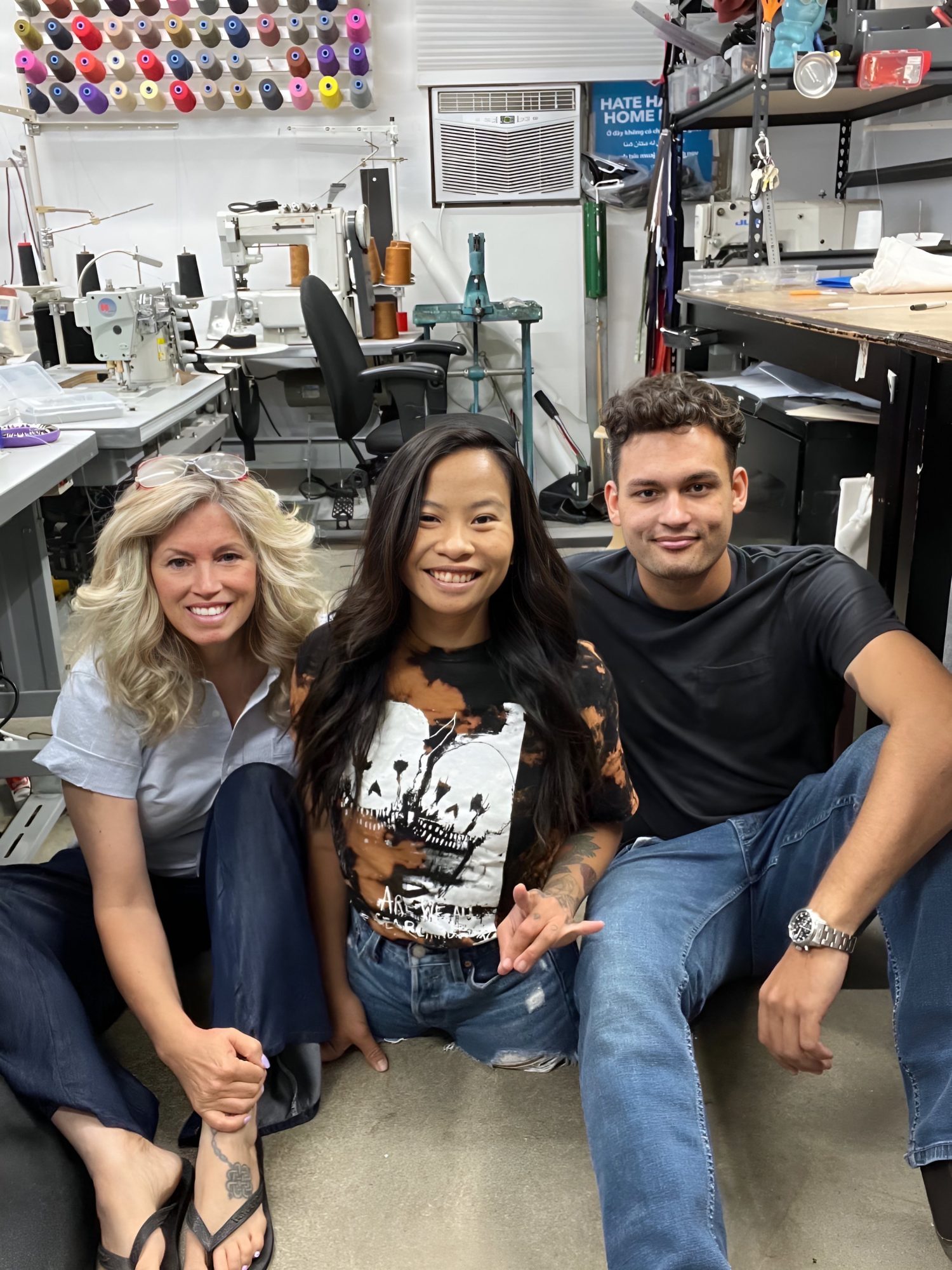
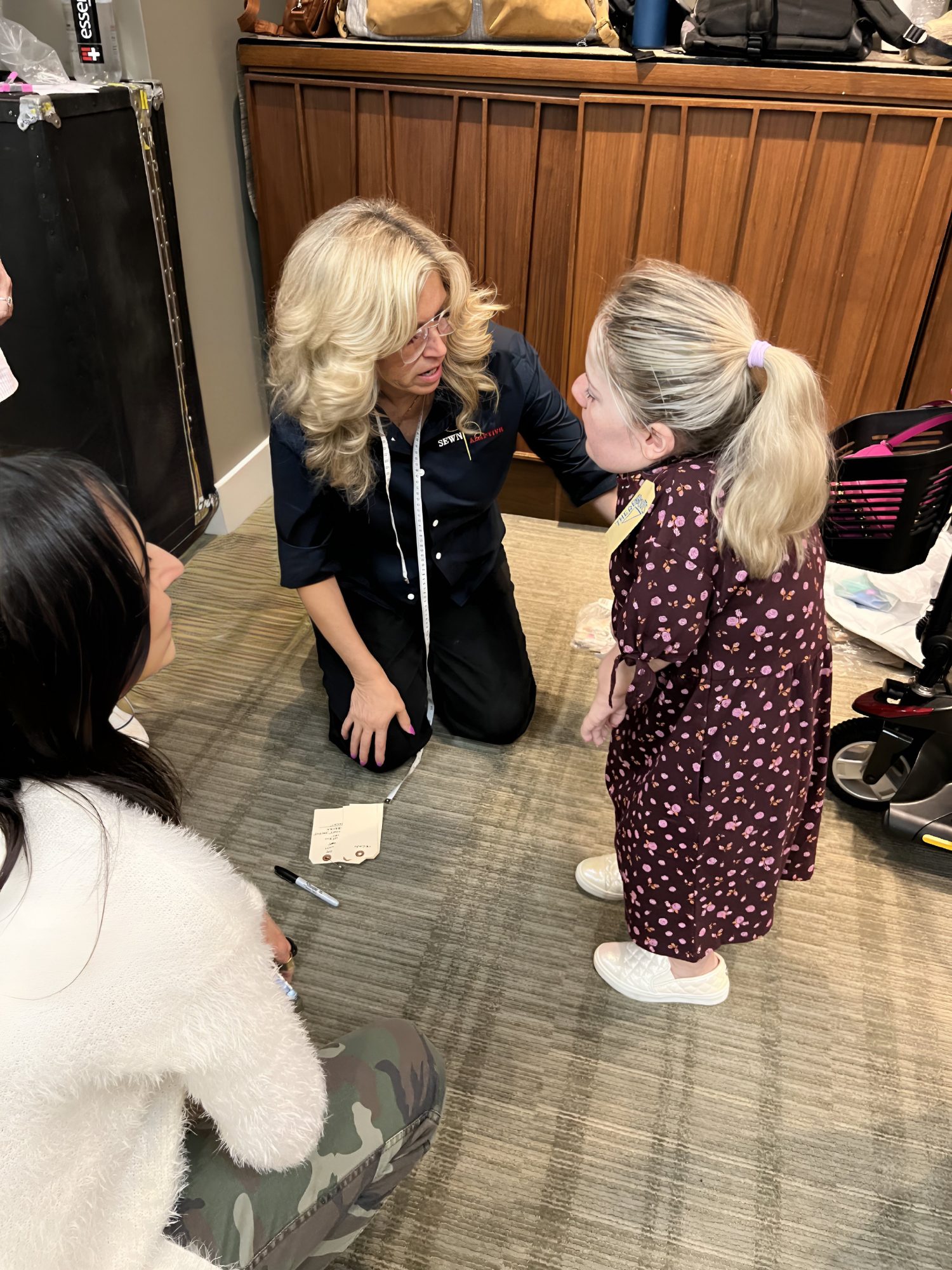
@Sewnadaptive was started by my friend Alex Androneusc and me earlier this year. Alex, a designer and tailor, and I have done production work together a few times. He was asked to do the tailoring and alterations for a runway show here in Los Angeles for an organization called Runway of dreams (on Instagram @Runwayofdreams). He asked if I would like to do the job with him, and I said sure. The experience was life-changing. He and I both worked in the fashion industry and production for many years, and neither of us was aware of how great a need there was for adaptive apparel in the fashion industry. And the reality is that no two of us are the same, so even if a clothing line were to create an adaptive garment, it would still need to be altered. Both of us have worked a long time in alteration and knew that we knew how to create adaptions. Like any other alteration client, we need to know what works and doesn’t. For us, getting to solve these design challenges has been so rewarding. And since one and four people have a disability, this demographic needs greater awareness and support. We get to use our knowledge and skills to be of service. And to help people feel great about what they’re wearing and have greater independence. We just worked on the Runway of Dreams runway show in New York as part of New York fashion week. We are currently opening the first Adaptive Tailoring & Alterations shop, “Sewn Adaptive,” in Pasadena, California. We are so excited to be open to the public next month.
What do you love about refashioning?
I love fabric and know good material when I see it, so any garment or garments made from fabulous fabric can become something new. I imagine mentally; it’s a lot like how Quilter can see how colorful prints can harmonize together.
My favorite Halloween costumes are those I make now for my granddaughters. My older two now get to design theirs, and those FaceTimes “art director” meetings are hilarious. My oldest granddaughter, Georgia, 7, always asks, “Nana can you sew anything?” My response is Yes, Georgia, anything!
From 7-35, Sewing was utterly isolated, and most people didn’t know I made my clothes. I only had a handful of friends I knew sewed as an adult.
When I took a tailoring class, a French heirloom sewing class, or a smocking class in my 20s & early 30s, everyone in the classes was my grandmother’s age, and no one was my age. I taught my sisters to sew and my oldest daughter to sew when she was five, buying her first Bernina. Boy, did I get a lot of flack for that. I swear it was to create my own sewing friends 😂 (by the way, my daughter is a highly successful accessories designer for a company she owns called @Fawndesign, who’s laughing now? 😉) Even in college, in a fashion program, no one really knew how to sew. It wasn’t until like five years ago that I discovered sewers and DIYers on Instagram that I realized Sewing was becoming “cool.”
When I was learning and failing and learning some more, there was no YouTube or even the internet, and I wasn’t reading anything. Everything I learned was trial and error for a long time. The isolation let me fail privately, which helped me not give up. As a creative professional, part of the process is the critique, and it takes a lot of courage to be that vulnerable and allow people to judge your work.
Can you tell our readers more about what you do and what you think sets you apart from others?
Started as a home sewer became a professional seamstress, then a professional costume designer and went back to school for Fashion design. I am a union costume designer local 892 for film and television.
Costume Design
Designed the Intel Bunnyman costumes in 1996, costume a permanent archive in the Smithsonian 1997.
Currently most proud of opening the first Adaptive tailoring and alterations shop “Sewn Adaptive”.
Is there a quality that you most attribute to your success?
As someone with an invisible disability, my drive to succeed comes from a real desire to help anyone who feels “othered” Especially in the fashion industry.
Contact Info:
- Website: lynnbrannelly.com, lynnwardrobesews.com
- Instagram: https://instagram.com/_lws_lynnwardrobesews_?igshid=YmMyMTA2M2Y=
- Facebook: https://www.facebook.com/profile.php?id=100063546515212