





Today we’d like to introduce you to Joel Marshall.
Hi Joel, can you start by introducing yourself? We’d love to learn more about how you got to where you are today?
I am from Edmonds Washington, which is a little north of Seattle. We were kind of goofy kids, and liked to do public improvisational events. We are credited for inventing an early form of planking, we called face dancing. I went on to The University of Washington, where my dad taught metalworking, and majored in Drama. Took off to Chicago where I worked at Steppenwolf Theater in Chicago. After that I went to Southern California to go to to CalArts. There I majored in Performance. While at CalArts I did a lot of Shakespeare, and was involved in a company called the Santa Clarita Rep, where we did Shakespeare in the park and in the local schools. After that I went to the East Coast, where I was at Shakespeare and Company in the Berkshires of Massachusetts. There I worked for the theater company that at the time was in the former mansion of the great writer Edith Warton. I did their famed month long workshop, and then played Romeo all summer in their theater season. After that I came back to Los Angeles, where I did tons of theater around the city, and I ended up starring in a show called “The New Adventures of Robinhood” that was filmed in Vilnius, Lithuania. When I got back from Lithuania, I lived across the street from the Hollywood Comedy Store on Sunset. I began doing open mics there. I had been a huge fan of Steve Martin when I was a kid so comedy was something I was very interested in, but I saw myself as more of a serious actor so I just originally did it as a kind of a lark. In 2000 I met my now wife, Kamala Lopez. We met making a short film together and continued on making short films. In 2005 I started doing podcasting, when podcasting was very new. It was really a way for me to learn about filmmaking, and over time I developed this show called FatFreeFilm, that was a podcast about independent filmmaking. Kamala co-hosted many of the episodes. We interviewed all kinds of people including Leonard Nimoy, Peter Bogdanovich, Patricia Arquette, Henry Jaglom, Jonathan Penner, the writer of Rebel Without a Cause, Stewart Stern, and about 70 other people. Somewhere in there I also began doing stand-up again. I think because it was a way to perform without, having do put on an entire play, get an entire crew etc. On the advice of one of my CalArts classmates I began taking a class with the great Cynthia Levin, stand-up regular a the Comedy Store. She really helped me find my voice as a comedian and really speak from a true place, but also make it funny. I did comedy at all the bigger venues in Hollywood and also the smaller ones too. During this time I also found myself producing film. Kamala and I got way into the making of a documentary film called Equal Means Equal. We had discovered that the Equal Rights Amendment to the Constitution was never ratified and went on about a ten year journey that not only lead us to create this award-winning documentary film but helped get the ERA ratified (it was subsequently blocked by two administrations, who apparently don’t want women to have equal opportunity) but we found that we were able to have a profound effect on society nonetheless. Back to comedy, Cynthia Levin, and my friend Harlan Gleeson and I started a show called Laugh Therapy at Harlan’s sandwich shop in Silverlake. About six shows in, the pandemic hit and everything shut down. The first day of the lockdown I decided I needed to go back online. I had allowed FatFreeFilm to fizzle out, for whatever reason, but it was gone before the podcast boom happened. I was always a little ahead of the curve technologically, so I decided when the pandemic hit to go back online in. I began doing standup comedy live every day directly to YouTube. On fridays I would interview my friends. Some of them were friends from high school and others were friends from the rest of my life, comedians, actors, directors. Eventually I began interviewing people whom I admired but never met, such as Marty Krofft, director James Foley, Stephen Toblowsky, Judd Nelson and more. This show evolved into a two day a week show called Joel Marshall’s Lunch Therapy which is now in its sixth season, approaching 700 episodes. It is a show that is constantly evolving, in an industry that is constantly discovering itself. There is the added benefit of audience interaction through the chat room, social networking and Zoom. Right now on Tuesdays we do a contest where the chat room and my co-host J Patterson are the contestants. On Fridays we do the interviews and it’s called Interview Friday. I continue to act and do comedy here in Los Angeles. Looking forward to the next phase.
Alright, so let’s dig a little deeper into the story – has it been an easy path overall and if not, what were the challenges you’ve had to overcome?
The life of a artist is rarely smooth, and I think that the struggles are a part of it. The struggles are the thing that help make the art. The art is sometimes only as good as the struggle. My struggles have mostly been internal. I always felt a little like an outsider. Although my dad is a prominent sculptor, we didn’t grow up in a show biz environment. The first real performance experience that I had was piano recital. My teacher was the now famed travel guru Rick Steves, and I did find myself sitting at the piano in front of people and having panic attacks. I do think that was my biggest obstacle that I faced as a young man. I would have these panic attacks where I would get all spinny, shaky and often sweaty. I didn’t really know what that was and I thought I was the only one having this. At the time it was the, “Never let them see you sweat.” philosophy, so I just thought that I was being a wuss and I would have to just practice harder and get more training. This actually served me pretty well to motivate me to learn everything I could about acting and get as much experience as I could on the stage. I got some of the best training and still am constantly training today. Looking back I am grateful for it, although I think it did prevent me from getting some work early on, because in the casting director’s office, as I couldn’t hold the script without shaking, and there was a tendency for me to have an out of body experience and not be present at all. You can imagine what this did to my self-esteem. I think as a result I learned to produce my own work, I learned to make films, podcasts, produce shows, and do stand-up. And my anxiety kind of found a welcome home on the stand-up stage. I actually found that the more me that I could be, the more I connected with the audience, and the anxiety actually fueled my creativity and motivated me to do just a little more.
Can you tell our readers more about what you do and what you think sets you apart from others?
I am first and foremost an actor. I’m still really working on fully realizing this as a profession, but acting is what I enjoy doing the most. It’s constantly challenging, wildly varied, and engaging. Stand-up comedy is a close companion to this. Although it is a different art form and often requires different skills, there is a lot of cross-over and one feeds the other. The big thing that stand-up does is gets my mind working as a writer. Stand-up requires you do be constantly writing and observing. The other skill that I’ve acquired is Livestreaming. I run my show Joel Marshall’s Lunch Therapy almost like a DJ. Although I’ve never DJ’d, I think they are very similar in that you are performing while also running a technical show, like you are producing a show and performing in it at the same time. Although I often upload pre-produced videos to YouTube, I prefer the live show because it motivates me to be creative, because there is a specific time that the show must go on. And what happens in the show can always surprise me. I think that ups the level of engagement for me and for the audience. I am also a huge fan of the audience interaction aspect. Often the funniest things are said by the audience. And, there is the give and take that happens, similar to crowd work in a comedy club.
How do you think about happiness?
My wife Kamala makes me happy. It’s not her job to make me happy 🙂 but she does anyway. I also enjoy cats. I have a tendency to wake up on the grumpy side, but when there are cats rolling around in excitement, it’s hard to be grumpy.
If I’m not performing somewhere, I can get unhappy. I find that whether it’s my show, a scene in my acting class, an open mic at The Fourth Wall, or performing at the Hollywood Improv, it all raises my spirits. Sometimes I look around and wonder why I’m depressed, and I realize I haven’t put myself out there in a few days. I’m sure there are some deep psychological needs for attention at work there, but I must say I also enjoy being by myself too, so it’s kind of a balance. That when it gets unbalanced is when I get in a funk.
The other happy place that a very rarely get to is the joy of skiing. I love being at the top of a mountain with skis on and skiing down the hill, it feels like true freedom. I hope to do more of this in the future.
Pricing:
- Please become a Patreon. https://patreon.com/joelmarshall
Contact Info:
- Website: https://joelmarshall.com
- Instagram: https://www.instagram.com/joelmarshallofficial
- Facebook: https://www.facebook.com/joelmarshallcomedian
- LinkedIn: https://www.linkedin.com/in/mythclub/
- Twitter: https://x.com/joelmarshall
- Youtube: https://youtube.com/@joelmarshall
- Other: https://www.instagram.com/lunchtherapy
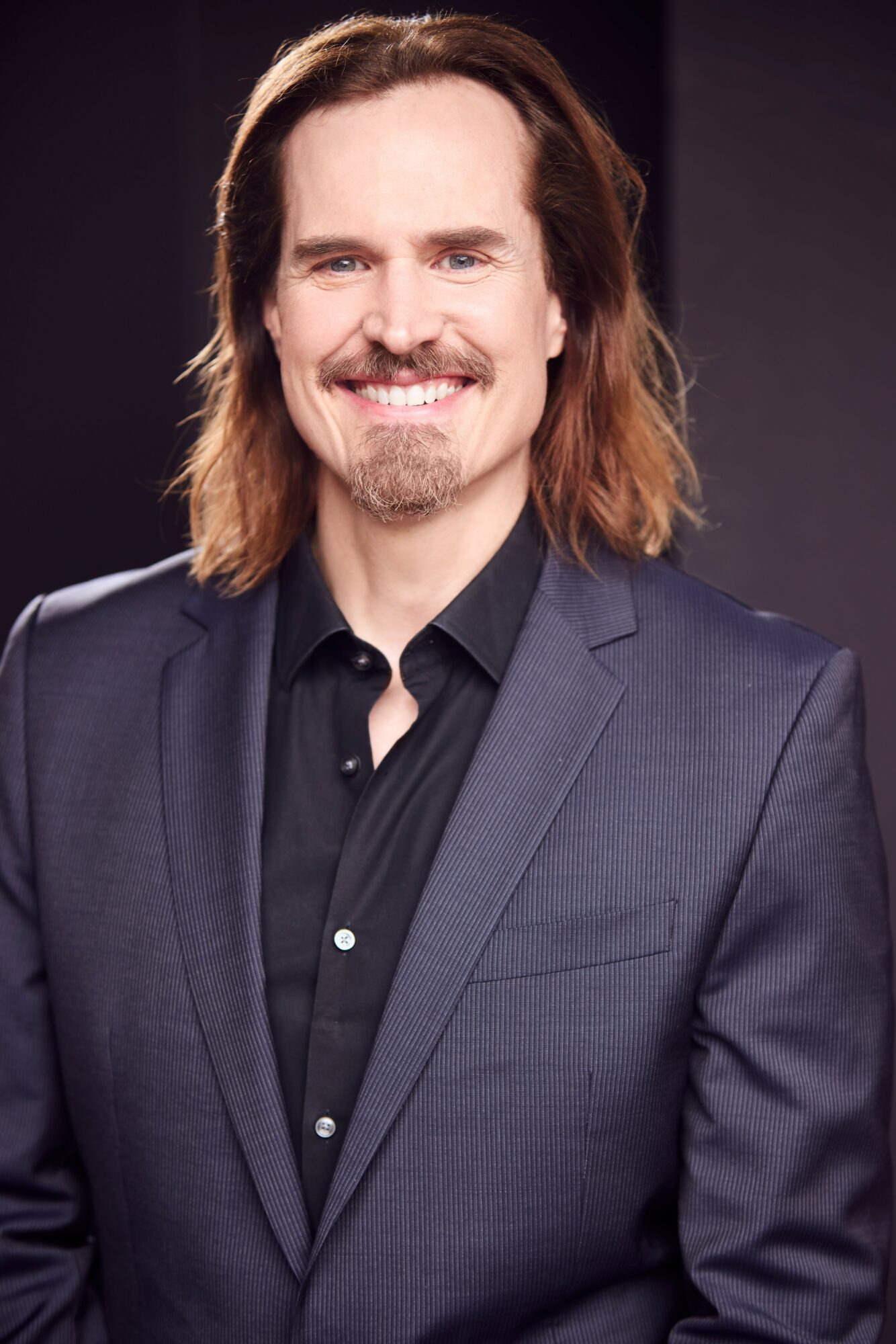
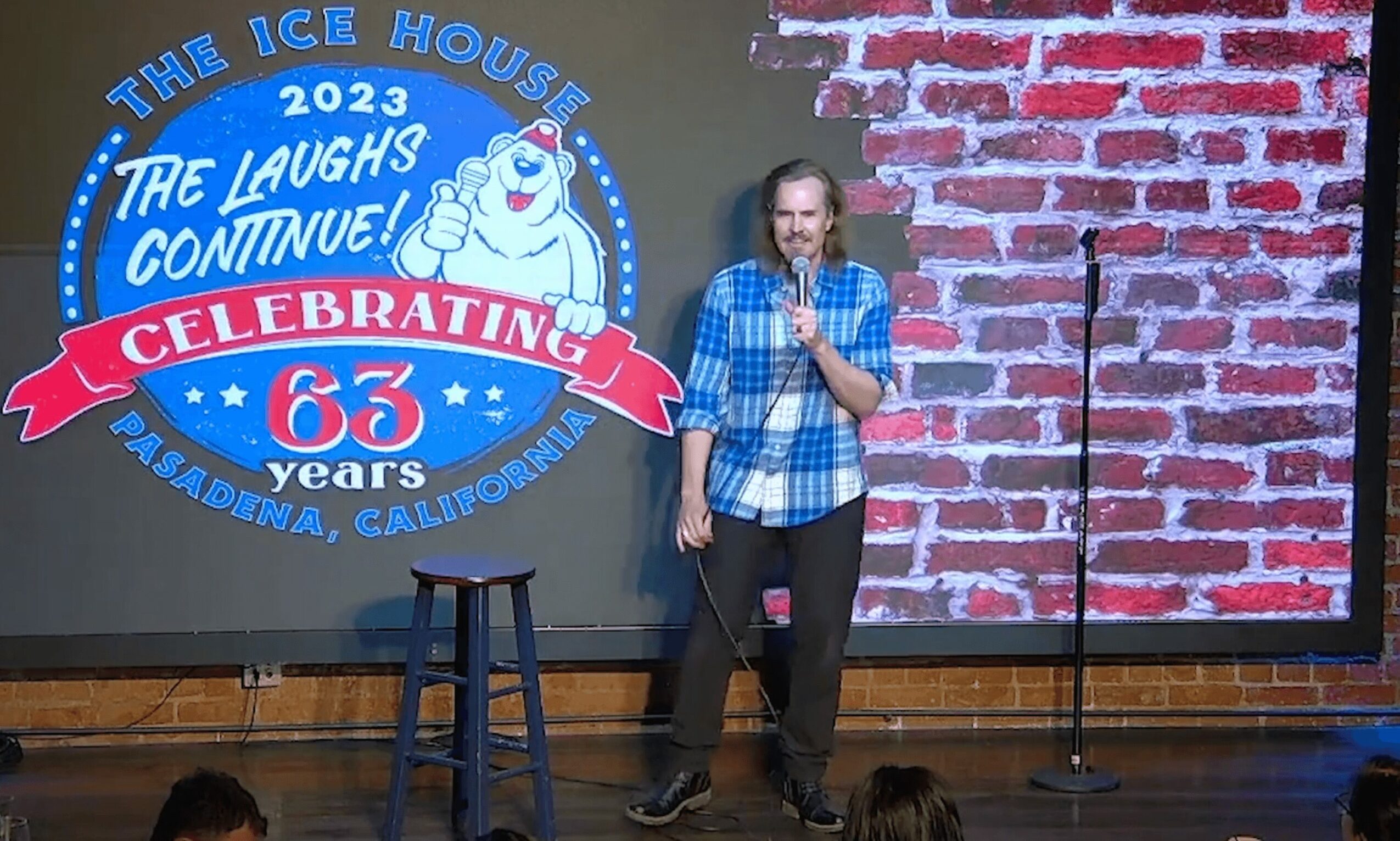
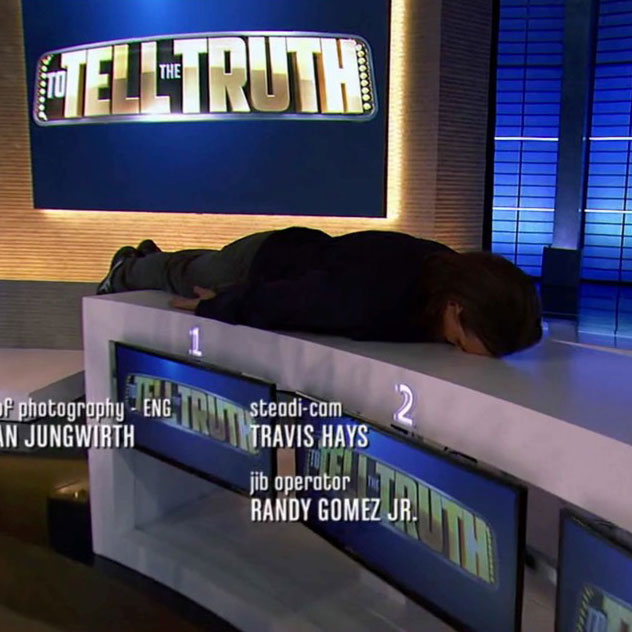
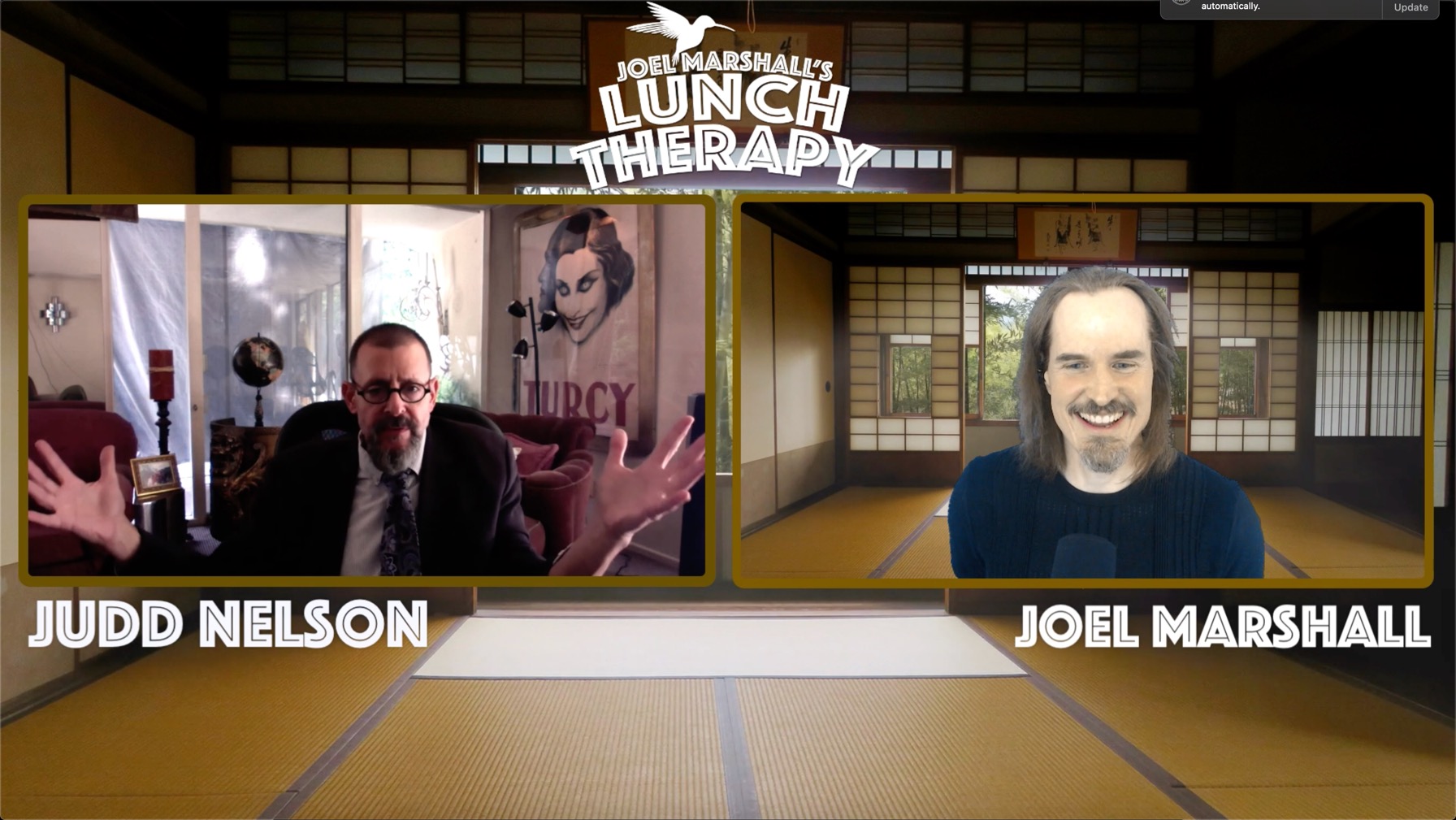
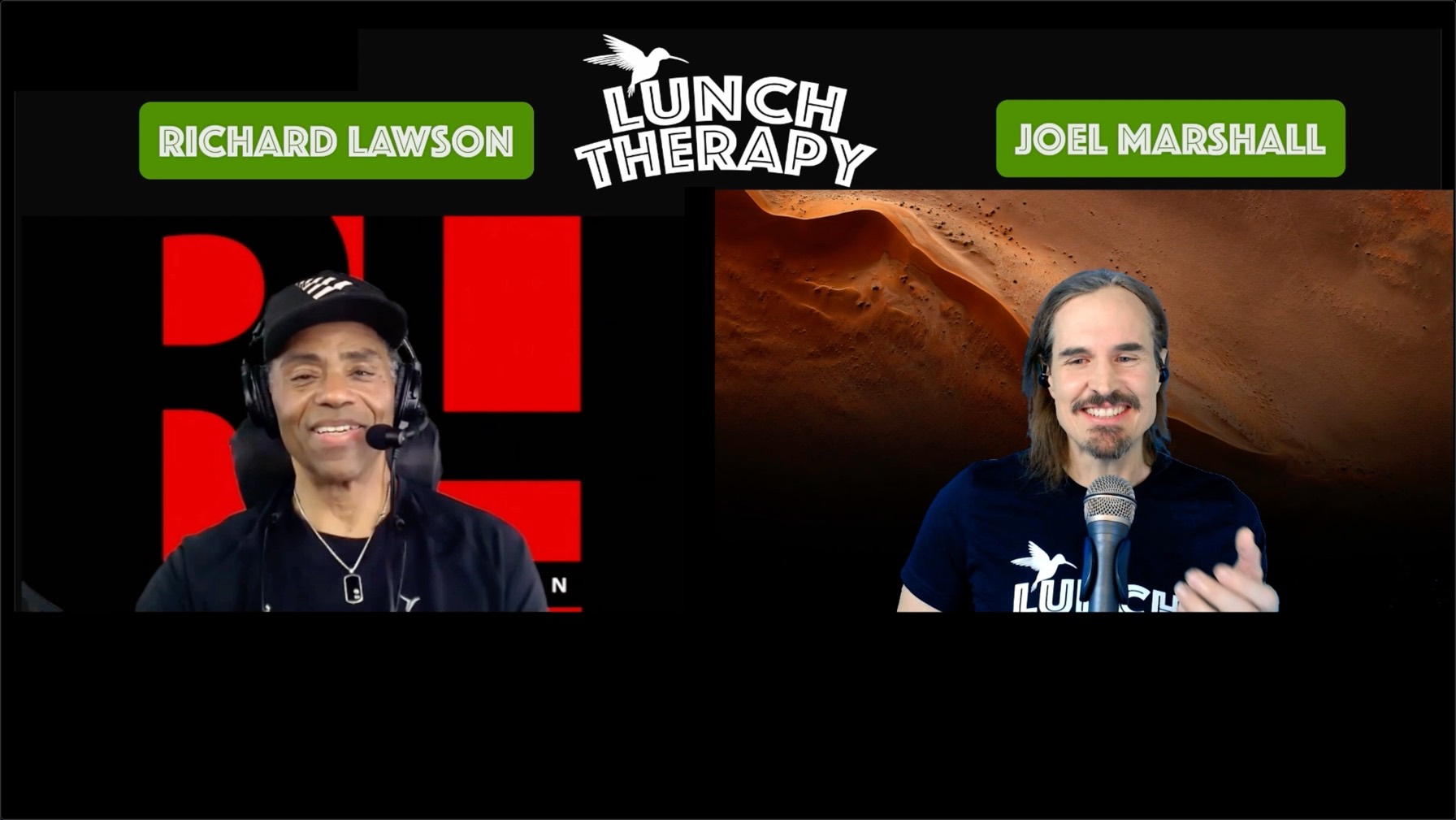
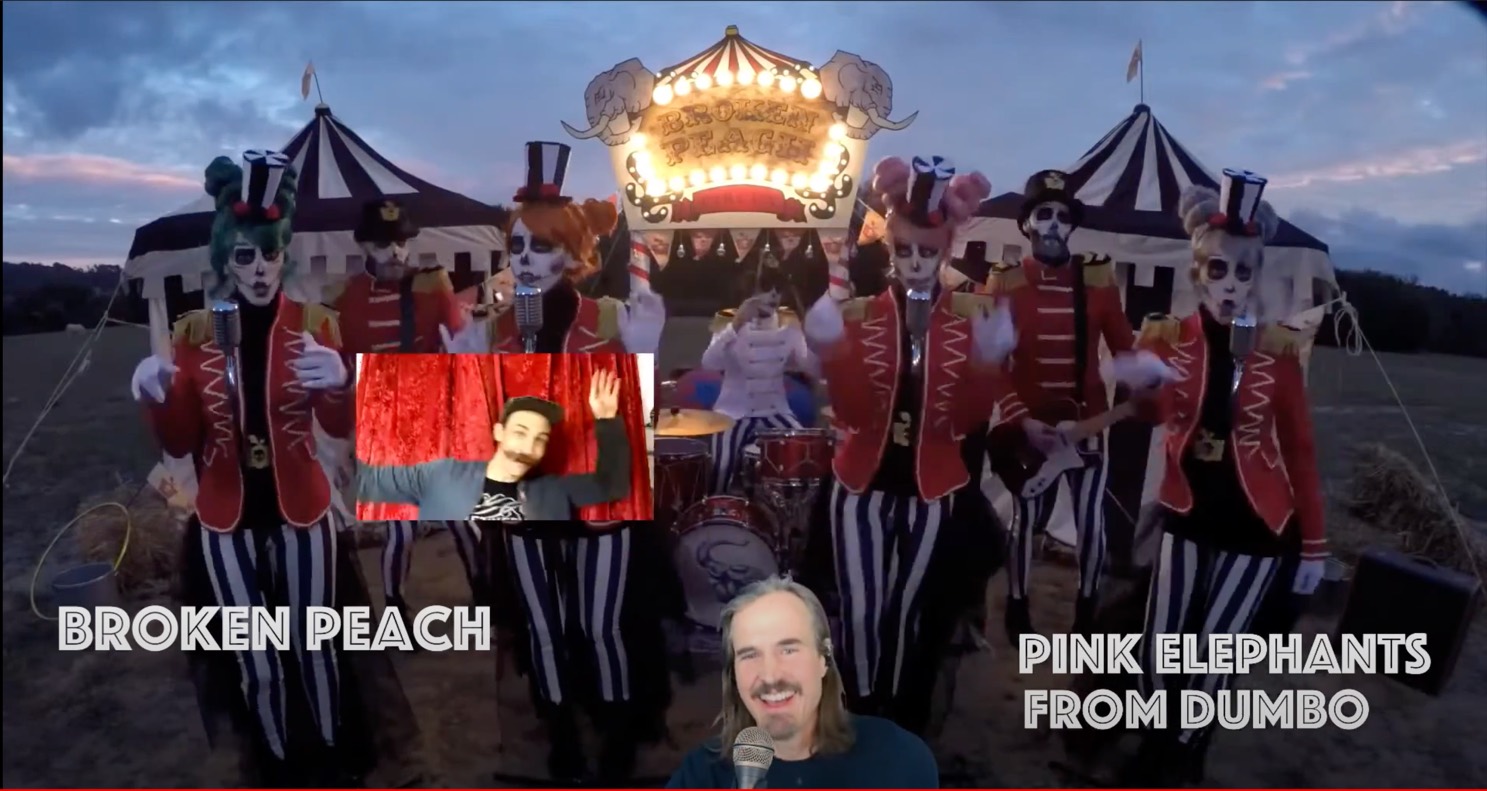
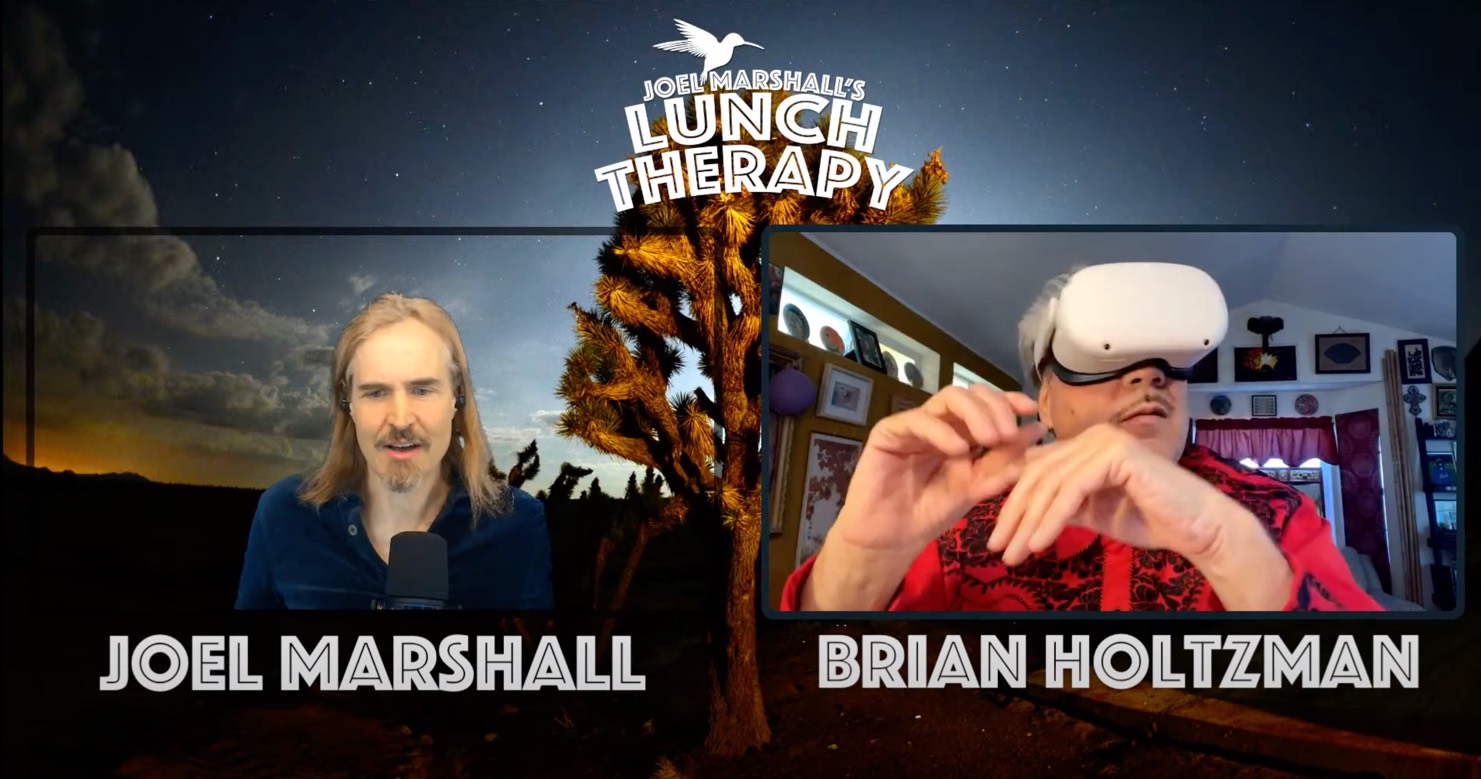
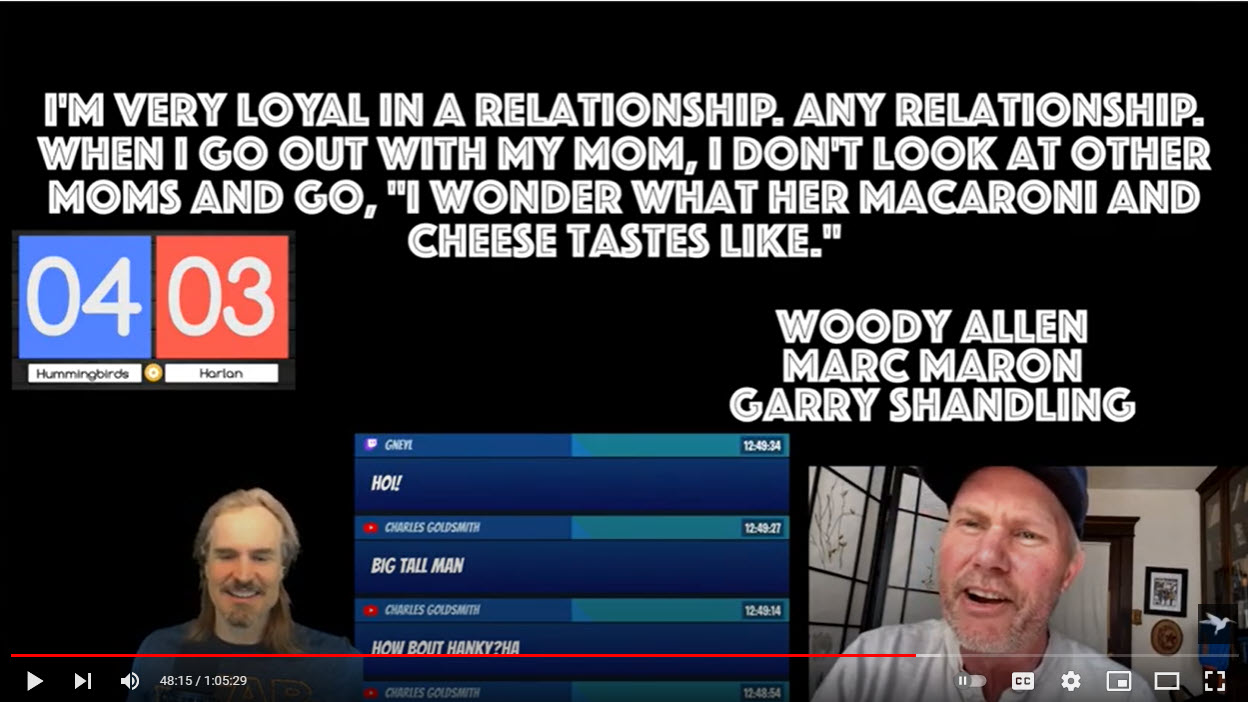
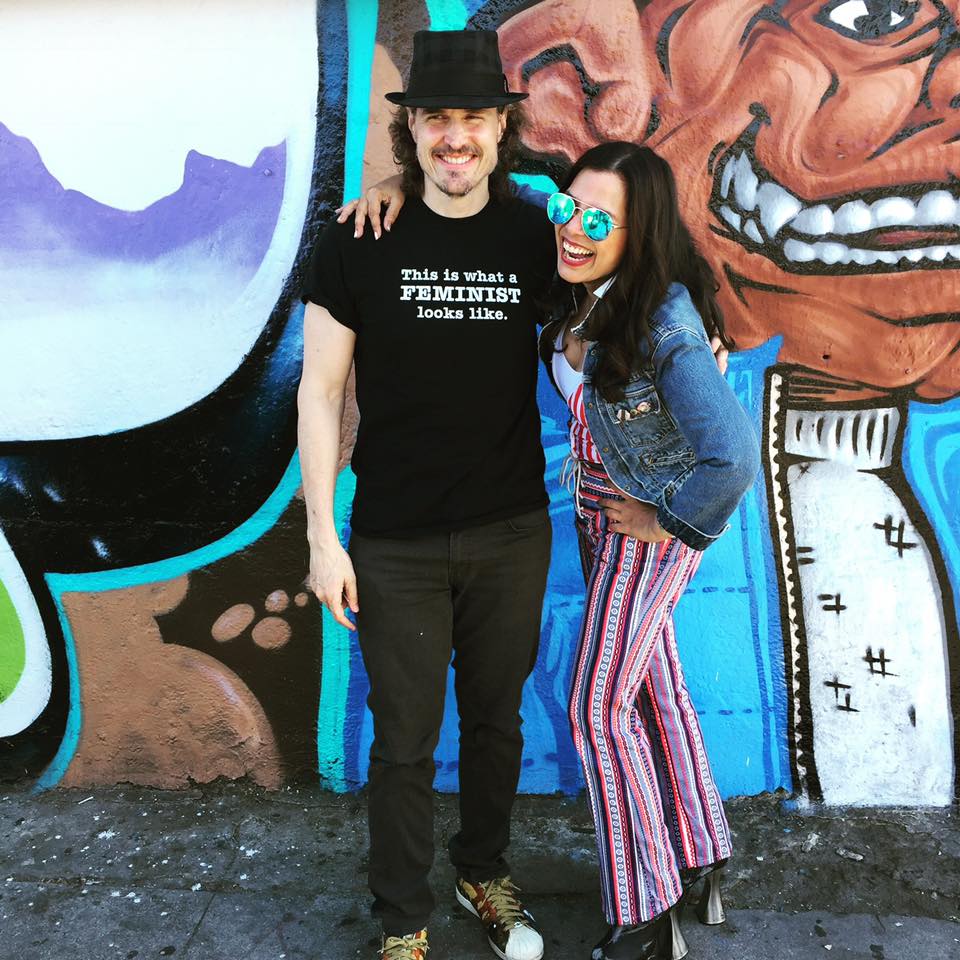
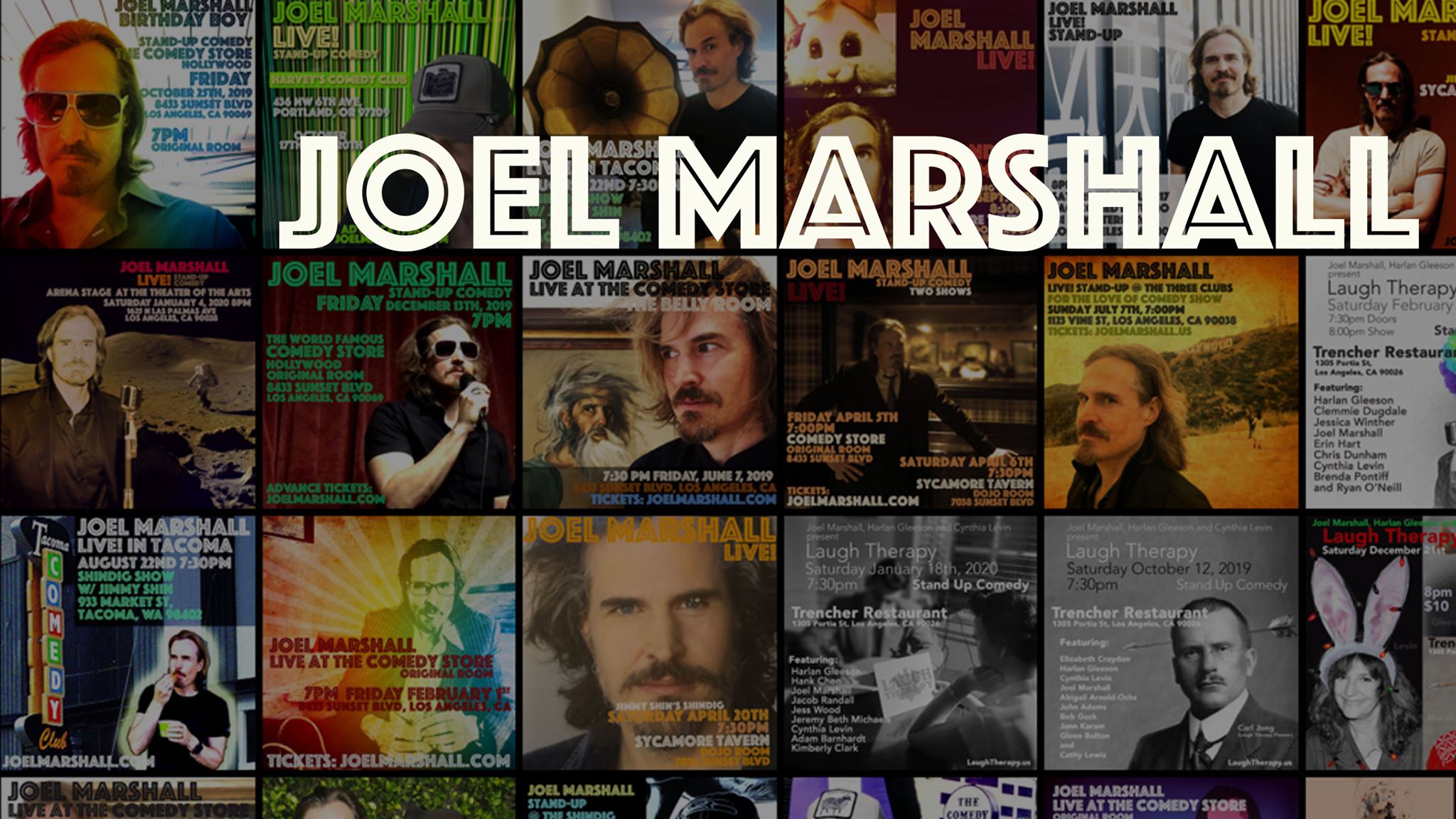
Image Credits
Marlow Photography for the one headshot
Popular
-

Was there ever a time you almost gave up?
-

When do you feel most at peace?
-

What is something outside of work that is bringing you joy lately?
-

Is the public version of you the real you?
-
What’s more important to you—intelligence, energy, or integrity?
-

What do the first 90 minutes of your day look like?


