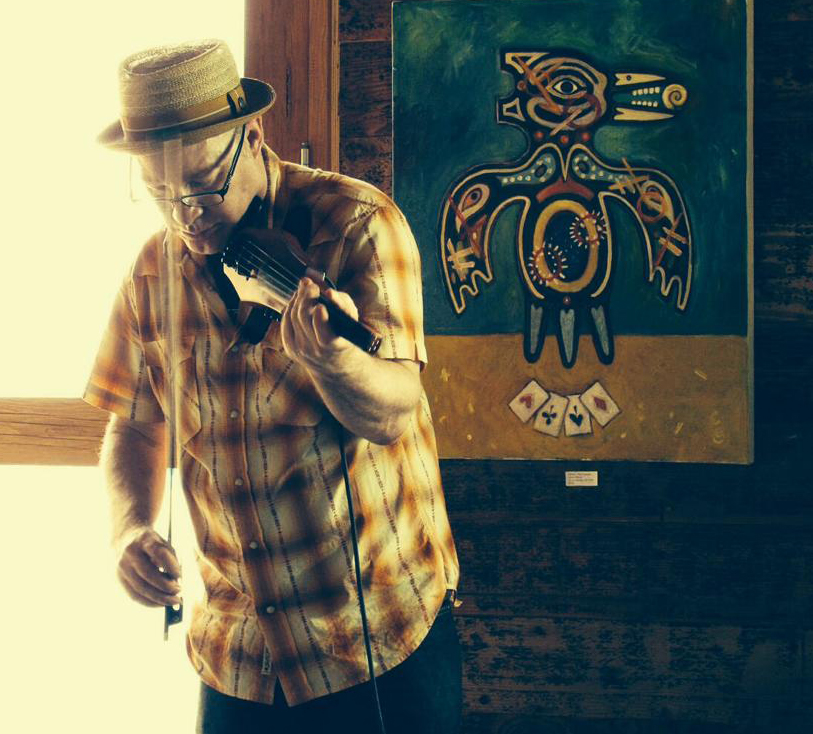



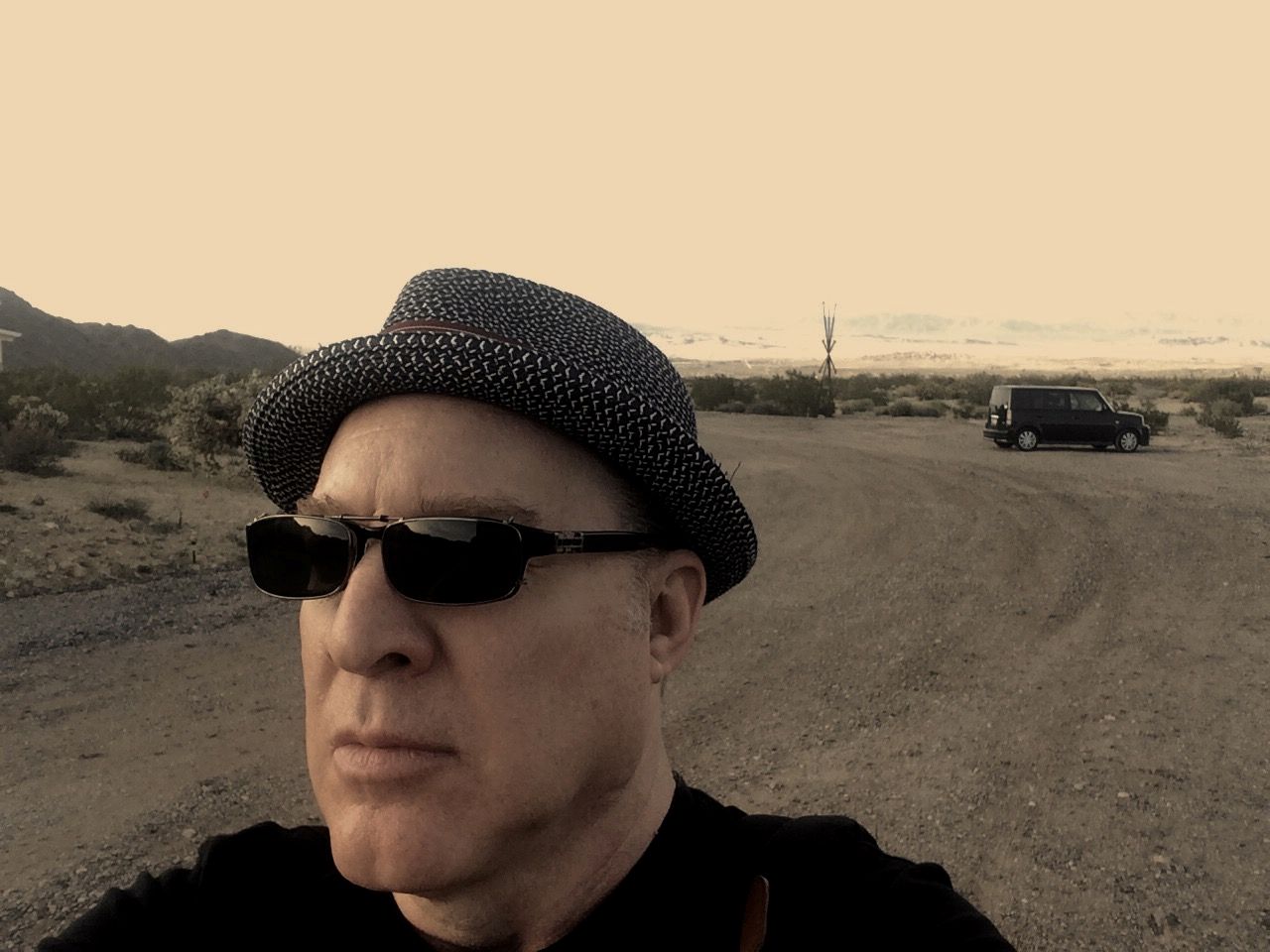
Today we’d like to introduce you to David Strother.
Alright, so thank you so much for sharing your story and insight with our readers. To kick things off, can you tell us a bit about how you got started?
Nothing about my musical story is very typical. My mother was an opera singer and my father was a bit of a musicologist so we had music in our house from the beginning, and my sisters and I all had music lessons. However, while I always loved music I didn’t love the discipline of it, though that would change later on. I actually gave up playing violin in high school but picked it up again a few years later in college, which was the first time I really became serious about the instrument.
During my time away from the violin I tried to play the guitar and wasn’t very good at it. My right brained approach to that instrument, as opposed to the mostly left brained classical approach of my violin training, actually did come in handy later, when, inspired by titans like Jerry Goodman, Jean Luc Ponty and L. Shankar, I first tried to improvise on the violin and found out that I could actually do it. I returned to college, this time pursuing music at LACC in their amazing music department. Then I transferred to Cal State University Los Angeles, earning a B.A. in music composition while studying with Dr. Hugh Mullins, whose Taoist-like approach to sound inspires to this day. While at CSULA I was also lucky enough to study violin with the legendary Noumi Fischer, who taught a technique-based method that improved my playing in a hurry. During those years my live performances were almost all in the classical realm, in symphonic concerts. That would change.
After graduation I joined the rock band Life in the Park for a few years which led to the jazz which remains my primary musical discipline. During this period Life in the Park collaborated with the pioneering video/performance artist Ulysses Jenkins. Some of this work was documented in his recent “Without Your Interpretation” retrospective which traveled to Berlin and Philadelphia in addition to the Hammer Museum in Los Angeles. Ulysses’ video work, including the one with our band, is also now in the permanent collection of the Whitney Museum in New York City. Through Ulysses I met the noted movement artist L. Martina Young, with whom I still collaborate.
I love the more experimental side of jazz including music from the ECM label and the epic jazz saxophone tradition which I studied in depth, tracing its path from Lester Young to Parker to Rollins to Coltrane to avant-garde music. As I followed this muse, though, playing opportunities were more available in swing-based music and I spent many wonderful years playing with groups like the Radio Ranch Straight Shooters and Lawrence Lebo’s band. During this period I also played some Latin jazz and recorded an album with CPD, an experimental group that paved the way for my current, stylistically open direction. My first solo album came out in 2006 and was produced by Michael Gayle. I’ve recorded many other solo albums since that time and I’m actively creating music with other musicians, often through international digital collaboration.
Can you talk to us a bit about the challenges and lessons you’ve learned along the way. Looking back would you say it’s been easy or smooth in retrospect?
The road has not been an easy one. Like many artists, I worked a non-musical job for over three decades to make it through. When I think of how difficult that was it’s hard to imagine how I survived it. My bar was high: I always expected to do my work at a world class level despite carrying that 40 hour a week handicap most of the way.
The hidden gift in this path was that, especially as I grew older and my own voice became more distinct, I was able to concentrate on that voice without worrying too much about commerce. Since 2006, when that first solo album was released, I have focused almost exclusively on my exploratory solo work, which despite its sometimes challenging nature, has brought me recognition I’d never experienced before. I received my first endorsement (from NS Design, headed by the electric instrument visionary Ned Steinberger); have appeared on programs and podcasts from all over the world; and have realized a long held dream by scoring two films—“Daughter,” directed by Corey Deshon and “Boundless Borders,” directed by Alessandro Gentile.
For this musician at least, traveling this particular artistic path has been worth it, even with the psychic potholes that are often deeper and more jolting than expected. To anyone taking on this kind of life, be prepared for incredibly long hours, sleep deprivation, crises of confidence. Also be prepared to sacrifice—you won’t be leading a “normal” life in most cases and those closest to you (and most people in general) probably won’t fathom your daily routine, your priorities. It’s a solitary existence but the deeply personal rewards can be immense. I wouldn’t trade the experience, the music, for anything.
And it can get better: Since I jettisoned the day job in 2018 I’ve played on 25 album and EP releases (plus a few more on deck) and scored those two films.
Thanks – so what else should our readers know about your work and what you’re currently focused on?
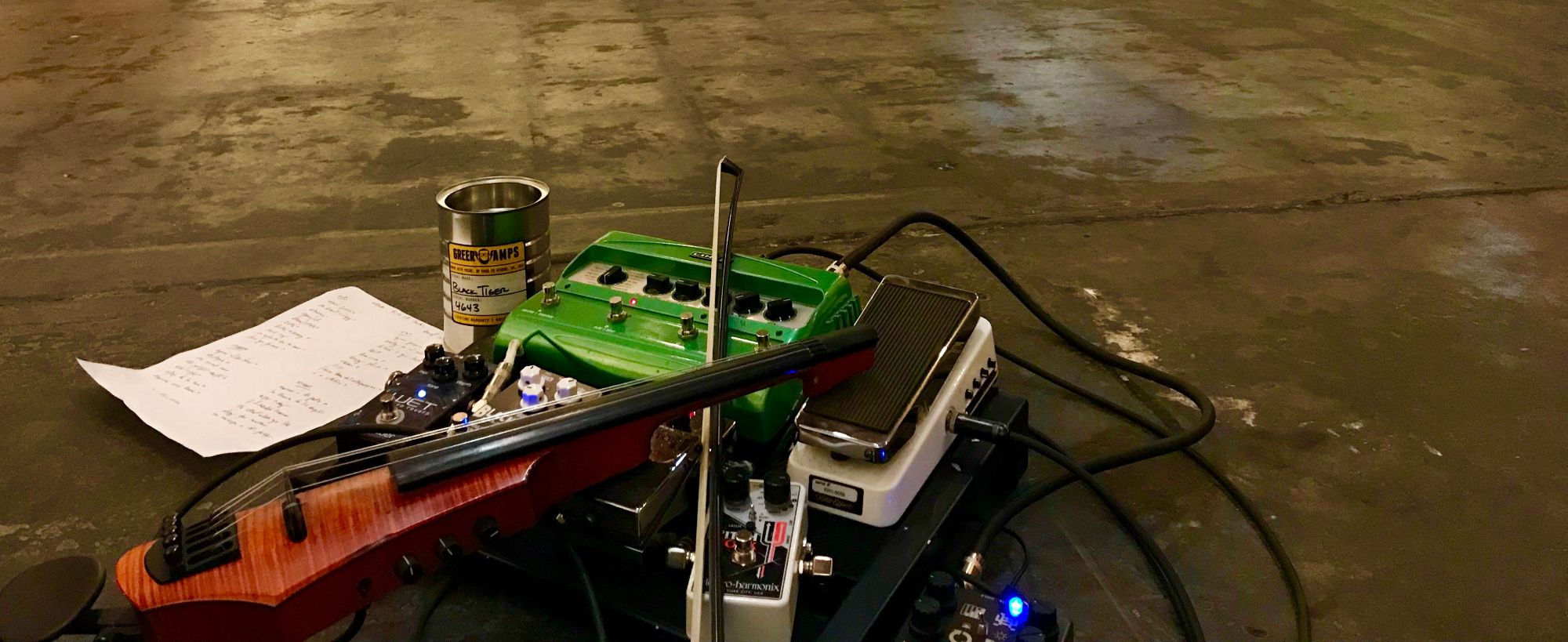
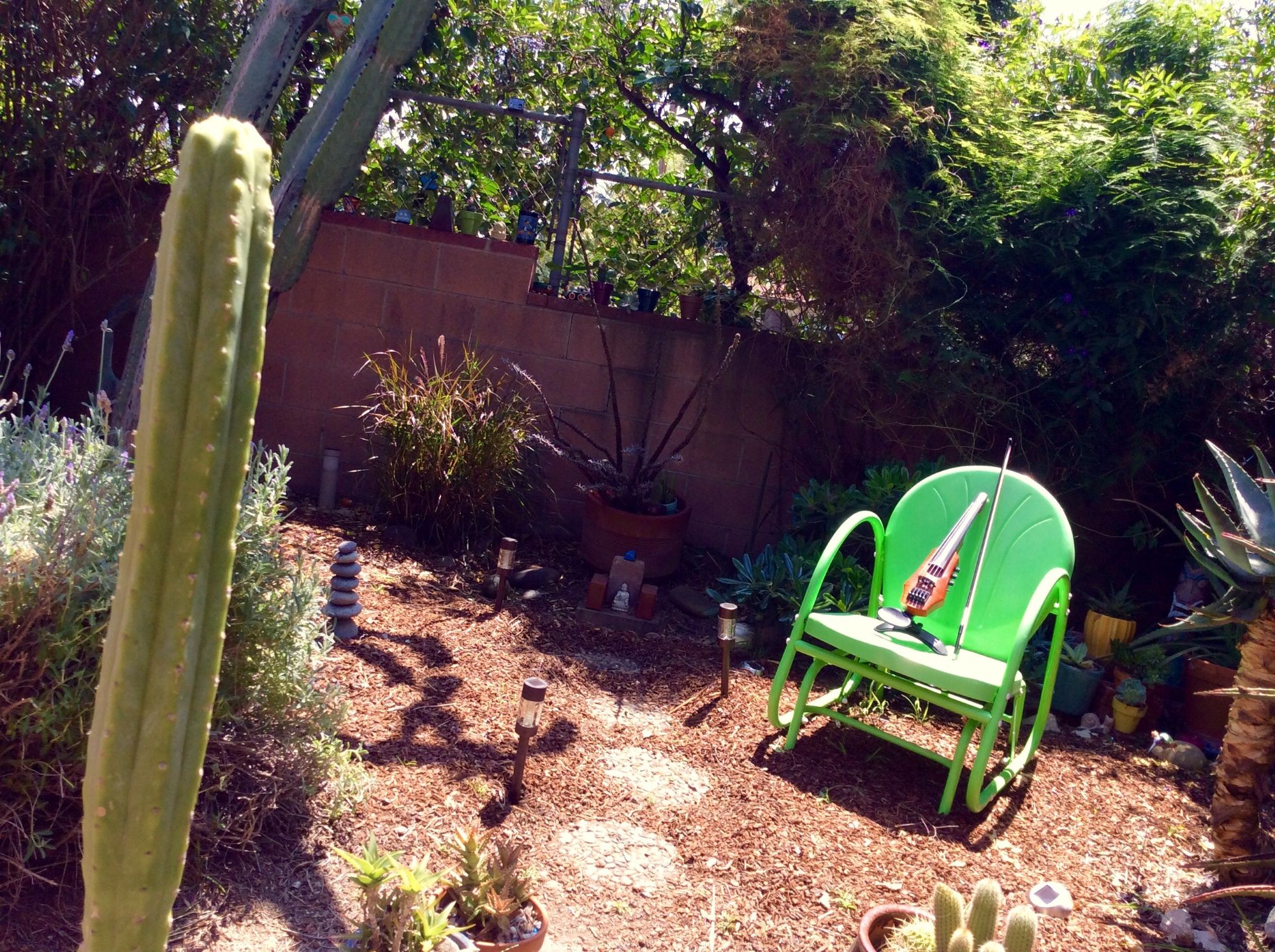
I often describe my process as the creation of sonic poetry, but my Bandcamp page description—“Electric violinist in Southern California, especially interested in that place where the technology and the natural world intersect”—is probably a good starting point too. I love being in nature and have made countless trips to the desert, where the silence, the spaciousness, the winds, inspire me to channel music that feels like home. The resultant solo looped soundscapes are often described as cinematic in the more character-driven sense, with a conversational, intimate yet otherworldly quality.
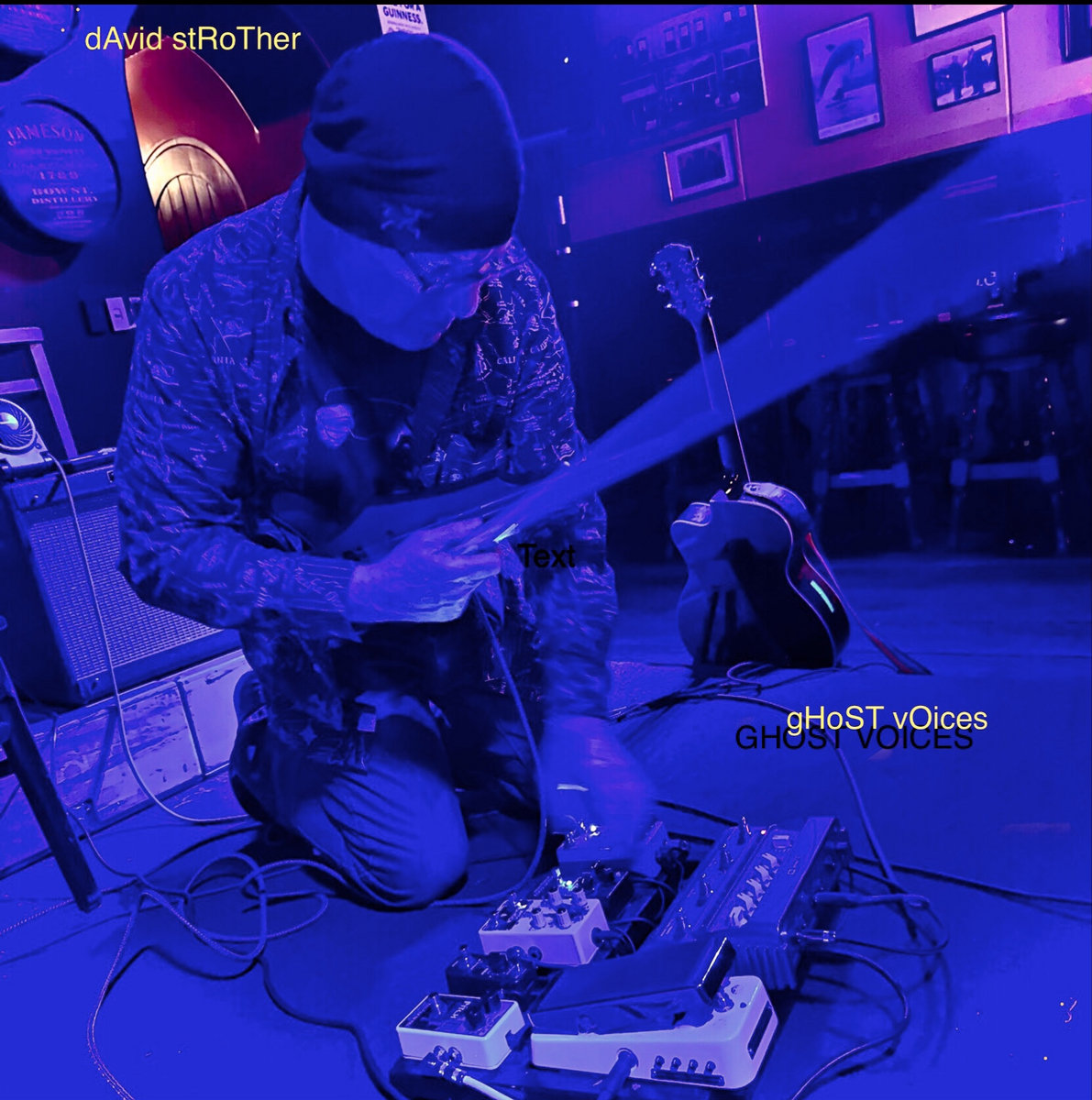
My three most recent solo releases—“Meteor,” “Ghost Voices,” and “El Tecolote Sings Songs to the Night”—essentially emanate from the pandemic era. They are deeply personal works that can be heard as an unplanned trilogy. These EPs were all recorded live with a single mic and no overdubbing, a throwback process in this era. Some of my favorite pieces are contained within this EP cycle, including “Other Desert Cities” and “2019” on “Tecolote” and “Living Forms Climbing Out of the Earth” on “Meteor.” The “Ghost Voices” track “P-22 (a Lion Recalls His Life)” is a sonic imagining of the last moments of the iconic L.A. mountain lion whose story touched so many.
I balance the solo work by playing in various configurations with open minded, creative musicians. For a few years I was even the “band” for a poetry salon hosted by L.A. writer Ricardo Acuña. Some of my favorite collaborators in recent years have been drummer Breeze Smith, bassist Tony Green, keyboard/saxophone player Jim Goetsch, and guitarist Andre Caporaso. “Encounter,” a bold quintet album recorded with those players, was released last year. DBC:Unit, the trio Breeze and I formed with bassist Carl Royce, became difficult to maintain after Carl moved to a different state, but that band did record two transcendent albums before his relocation. I’ve done duo recording with lap steel virtuoso Scot Ray, and also do a lot of long distance digital work with people around the world including electronic musicians Morgan Wurde and Mark Hjorthoy and trumpeter Tetsuroh Konishi.
The pandemic both forced and invited me to take a long desired artistic sabbatical which meant lots of introspection, recording and collaborating but very little live music playing. I may return to playing live music sometime but for now I am primarily a recording artist. In addition to the soundtracks mentioned earlier I have many other film appearances as a band member, most notably in David Lynch’s “The Straight Story” with the Radio Ranch Straight Shooters.
Swedish podcast host Trevor Lewis recently described “Ghost Voices” as “A spectral whisper from the circuitry of solitude—David Strother’s electric violin loops shimmer with glitchy grace, weaving mortality and memory into sonic apparitions. It’s lo-fi séance music for quiet rooms and haunted hearts. Favorite track: Ghost Voices.”
Sometimes others describe our work better than we ever could. Much gratitude, Trevor.
We’d be interested to hear your thoughts on luck and what role, if any, you feel it’s played for you?
I haven’t had the luckiest existence. My luck is probably, average, akin to that of most people. I certainly haven’t had that major break (especially financially), though I’ve had many memorable ones. I’m especially grateful, though, for the experiences that have kept me going, the ones that have kept me moving ahead while opening up new vistas and pathways:
In college a guitarist friend was playing with a band that was playing music by John McLaughlin, Miles Davis, Chick Corea and others. Oddly enough my friend wasn’t into this music, he was just passing through; but I lived for it. I already knew most of the pieces the band was playing and talked my way into dropping by a rehearsal. Fairly impoverished at the time, living in my mom’s house and carless, I called a taxi, dragging my substandard violin with a bad pickup and pedestrian amp along with me. I knocked on the door and the bassist who would later become my godchild’s dad opened it, barely recognizing my presence. But by the end of the night, I was in their band, I had met people who’d be lifelong friends, and my life would change forever. The ripples of this decision would go on for years, decades—this little lucky encounter would lead to not only my first band but lovers, friends, other bands, career recognition. It all happened because I just wanted to play music I loved, to seize, even create, an opportunity.
Many years later, while doing a solo set at Cactus Gallery for an artist friend’s opening, a man on his way out of the show stopped by and asked me if I had a business card. I gave him one and went back to work, recognizing it as a nice gesture while also realizing that maybe 1 in 25 people actually contact me after I give out my info. But this person, who turned out to be Corey Deshon, a brilliantly talented young film director, did. He would tell me later that when he first heard my music from another gallery room, he immediately thought, “soundtrack.” The movie we did together, “Daughter,” hit the film festival circuit, was even shown at Cannes, and was released here two years ago.
And finally, sometimes luck is just that little thing that picks you up and propels you forward with a bit of cosmic validation:
In the late ‘90s I was playing at a coffee house in San Pedro with the Radio Ranch Straight Shooters. It was an all day festival and I recall us getting on later in the day. During our set I caught an older man wearing a floppy fisherman’s hat who just seemed like he was digging the music more deeply than most in the audience. He came up to me after our set ended and told me my playing reminded him of Stephane Grappelli and Stuff Smith. I was happy to be compared to those two icons and told him I was really surprised to hear him mention the name Stuff Smith, whom I consider to be the greatest jazz violinist ever, but who is relatively unknown.
“Of course I know Stuff Smith,” my new fan told me, “He was my uncle.”
Contact Info:
- Website: https://dstroviolin.com/
- Instagram: https://www.instagram.com/dstroviolin/
- Other: https://davidstrother.bandcamp.com/