



Today we’d like to introduce you to Daisy Rosas Vargas.
Hi Daisy, thanks for sharing your story with us. To start, maybe you can tell our readers some of your backstory.
I was always interested in science. I would ask the question: how does this happen and why? Why did the leaves change colors, why do some of the stars twinkle. I was lucky to go to a STEM camp in the summer of 7th grade, Tech Trek. This fueled my curiosity for science, specifically chemistry.
When deciding to go to college, I decided to major in chemistry at UC San Diego. I thought I would use my chemistry degree to do forensic science or marine chemistry, but once class changes it all. Organic Chemistry, every pre-med’s worst nightmare. I loved it. It was like a puzzle. You learn patterns and apply them to new situations. Throughout my college career, I knew that was going to be my specialty but I did not know what I wanted to do with it, until the last quarter.
In that last quarter, I was giving a presentation with a classmate on a chemical reaction to the class. After the presentation, the professor came up to me and said he enjoyed the presentation and thought I had a good voice for explaining material. He asked, “have you thought of being a professor?” It was at that point that I began one of the first pivots in my career. It was too late to apply to graduate school and I had to gain research experience. So, I decided to take a year off after graduating to work as a medicinal chemistry intern at the Genomics Institute of the Novartis Research Foundation (GNF) in La Jolla and apply to graduate school.
After the internship, I went to graduate school at Indiana University. I worked on various projects in the lab, but I also wanted to share science to people outside of the lab. I was lucky to have a PhD advisor that let me spend a couple hours outside of the lab with the local science museum as an early childhood education intern. It is here that I started doing science communication and science storytelling- how can I make science more accessible to underrepresented communities and how can I get young children excited about STEM? This was important to me because I did not meet a Latina chemistry professor that looked like me until I was 27. I knew I wanted to continue this work when I became a professor.
After receiving my PhD, I went to teach at a small liberal arts college in the Northeast. As I taught various chemistry courses to undergraduates, I continued working with local science museums and organizations. I have had the privilege of working on science communication and storytelling projects with Arizona State University and Carnegie Mellon University with REAL CHEM and LabX at the National Academy of Sciences with Chemists in the Kitchen. After 4 years of teaching, I made a hard decision to make a pivot and leave academia and move back to California.
After being back in Pasadena for a year and a half, the Eaton Fire happened. The mountains that I grew up with were unrecognizable. A couple of months later I met Lynn from SoilWise at an event. She spoke of the contaminants being found in the affected Altadena area. The contaminants were chemicals that I had worked with during my PhD. I knew I needed to help my community and I pivoted my career again to apply my chemistry background to soil bioremediation. Since then, I’ve been working with SoilWise to apply the latest research on metal sequestration and organic material breakdown to Eaton Fire-impacted homes and properties. We are helping families feel safe to return and rebuild their homes using chemical and biological processes, including minerals, microbiology and fungi to sequester and break down some of the contaminants on their soil.
While I’m still actively conducting science in the field, I also continue my work as a freelance science communicator and storyteller. I create short videos to explain various chemistry and science topics, aiming to be the representation that I lacked growing up and as a college student. Additionally, I’m still involved with LabX and the Chemists in the Kitchen project and I hope to work on more projects like these in the future.
I’m sure it wasn’t obstacle-free, but would you say the journey has been fairly smooth so far?
It has been a road with several turns. Some of the turns involved hard choices guided by growth and opportunity, while others were made easier by acknowledging that I deserved more. I have enjoyed my road. If I had stayed on a certain path, and avoided new paths, I would have faced greater struggles and likely lost sight of myself and my purpose. Instead, I’ve channeled my scientific background and skills into supporting a community and making an impact in the science world, showing that representation truly matters in science storytelling.
Thanks for sharing that. So, maybe next you can tell us a bit more about your work?
I’m a chemist and science communicator whose work now sits at the intersection of environmental chemistry, soil science, and culturally-rooted science storytelling. In my current role at SoilWise, I focus on soil testing and bioremediation, helping the Altadena community understand what’s in their environment and what steps they can take to protect their families and neighbors.
Beyond science, I’m known for making science accessible. Through workshops, panels, and social media, I translate complex scientific concepts and topics into clear, relevant stories, underrepresented audiences who often don’t see themselves represented or welcomed in STEM spaces.
What I’m most proud of is using chemistry as a bridge between science and community. Whether it’s helping families understand potential contaminants in their soil, understanding the chemistry that goes on while cooking a dish, or inspiring young Latinas to pursue STEM, I get to make science feel empowering rather than intimidating. I am really proud of the latest “Chemist in the Kitchen” episode, hopefully available before the end of the year. I get a chance to elevate a cultural dish from the small region of México where my parents are from. I get to talk about the chemistry of what makes my dish delicious and I can’t wait for other to see it!
What sort of changes are you expecting over the next 5-10 years?
With respect to soil bioremediation, I hope to see more government and private resources go into the communities remediating their soil instead of just excavating dirt and moving it elsewhere. I hope also see a shift in more accessible environmental testing for communities , regardless if they have been through a natural disaster. Everyone deserves to know the health of their soil to feel safe living there.
Contact Info:
- Website: https://daisyrosasv.wixsite.com/drv1
- Instagram: @dr.daisyrosasv
- LinkedIn: https://linkedin.com/in/daisy-rosas-vargas
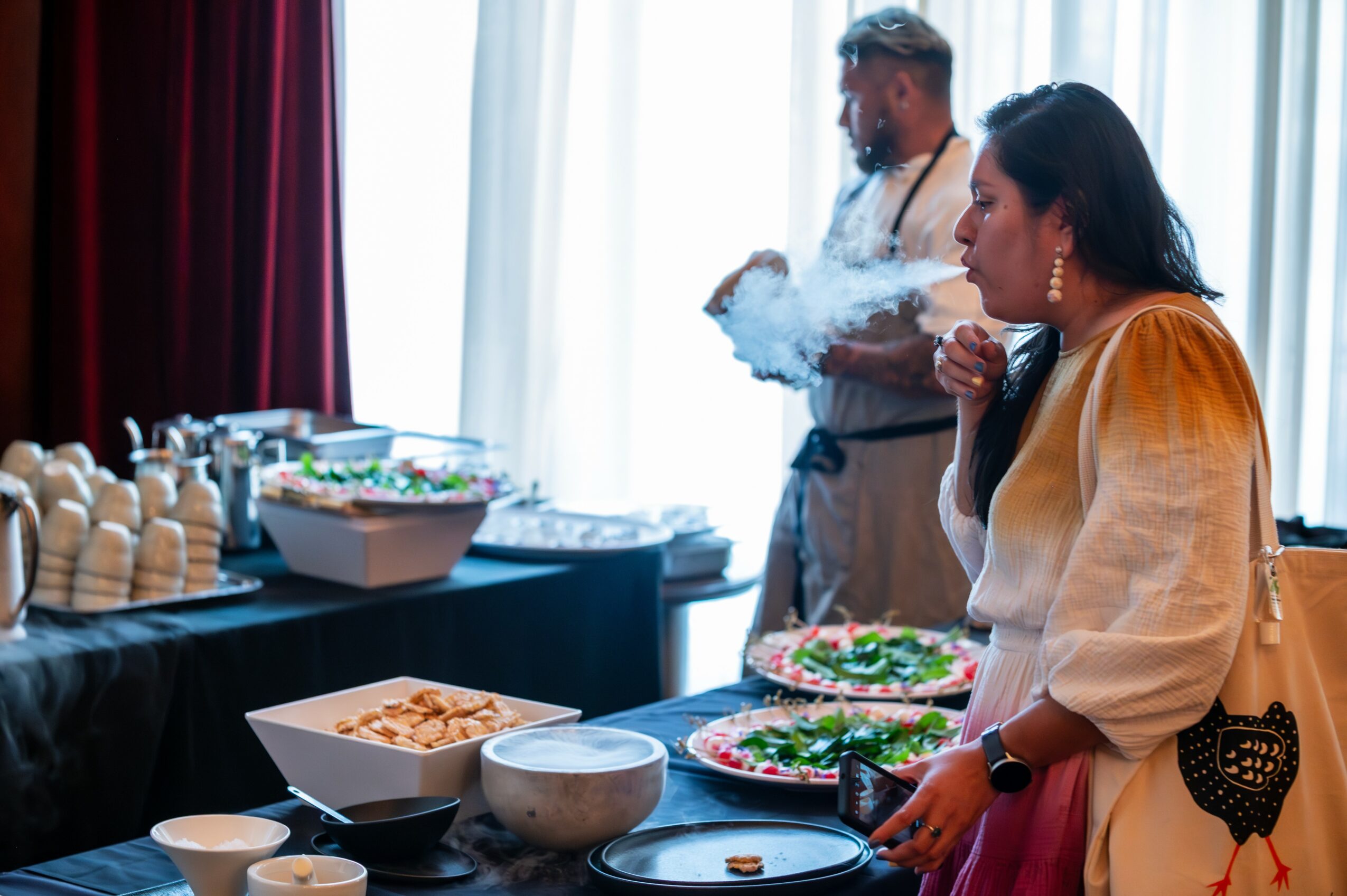
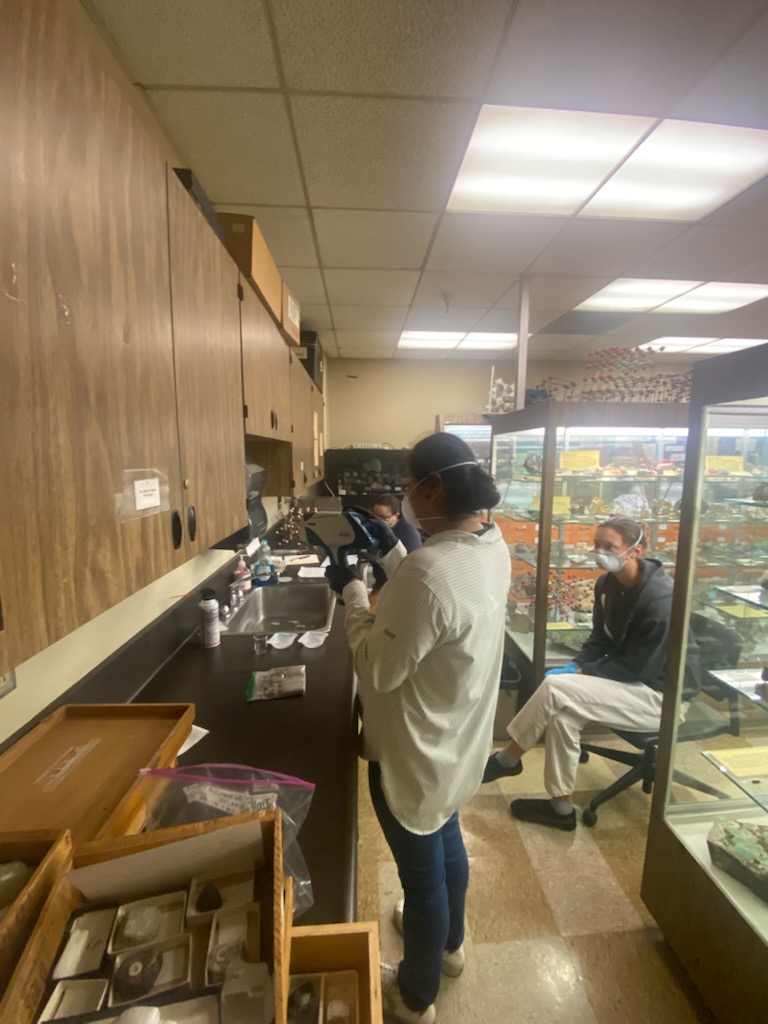
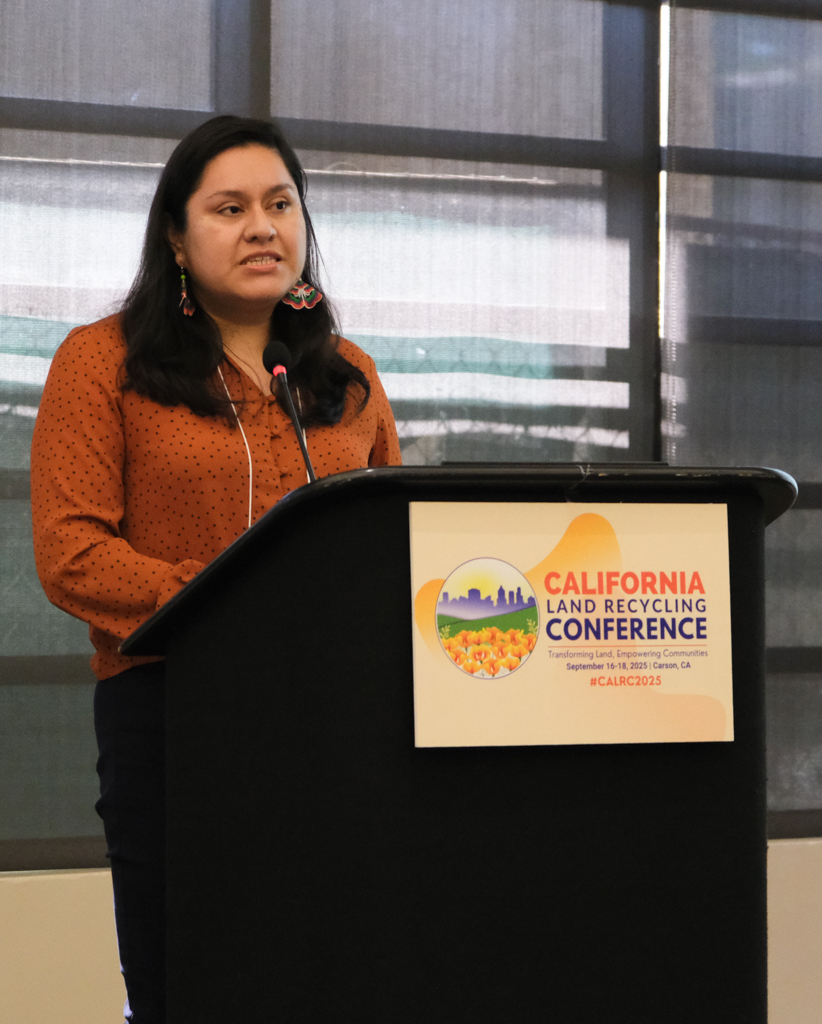
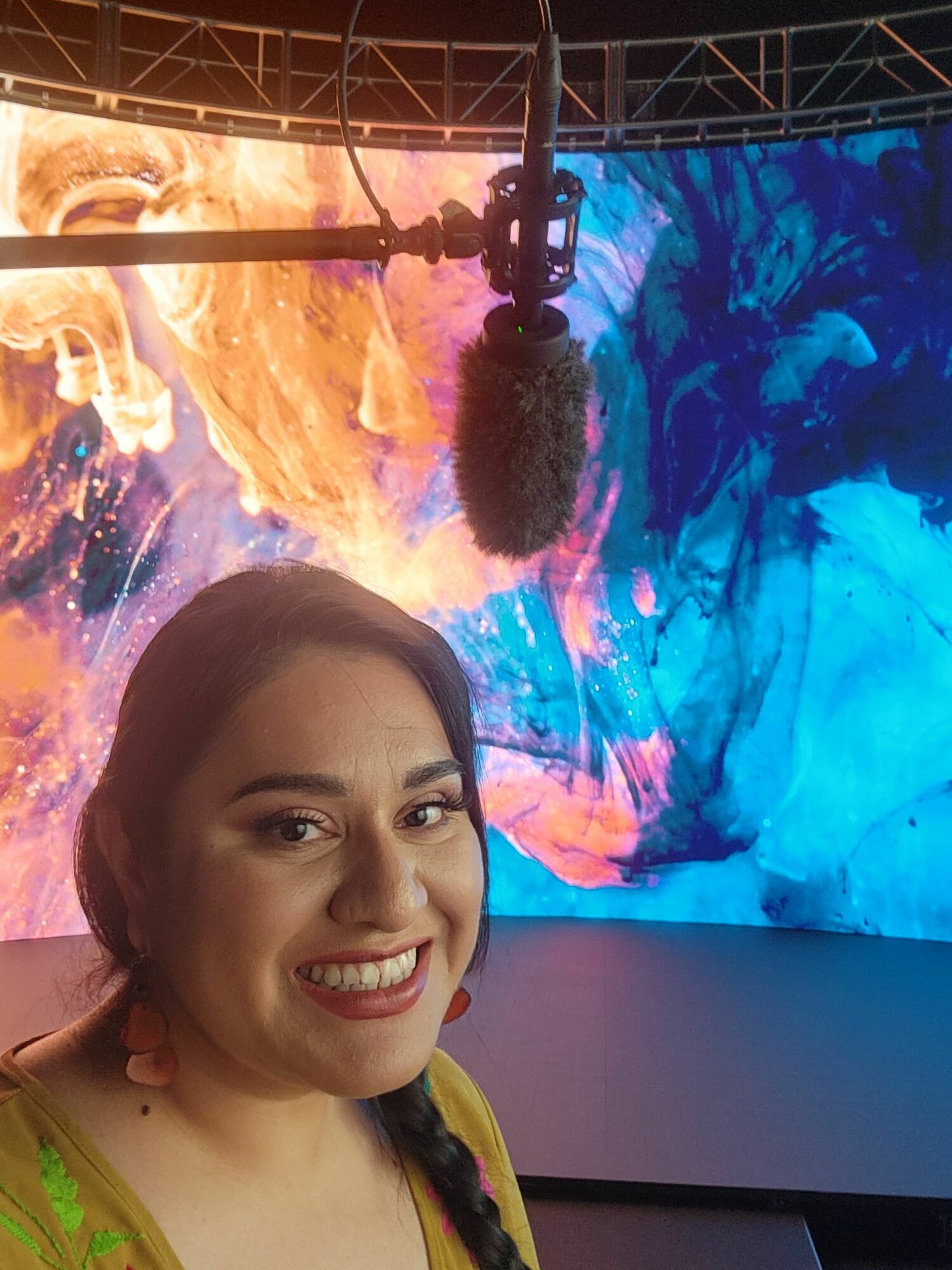
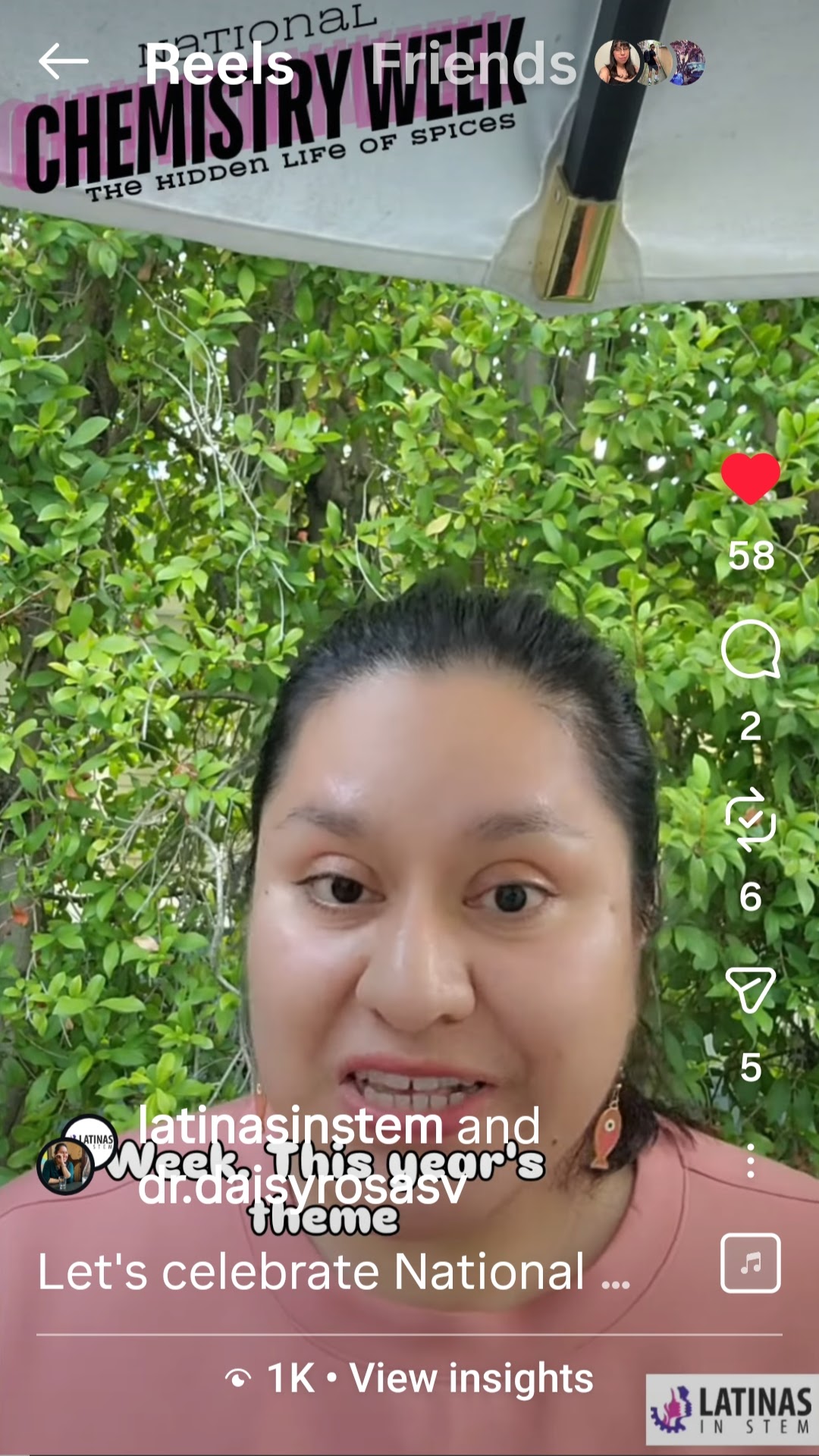
Image Credits
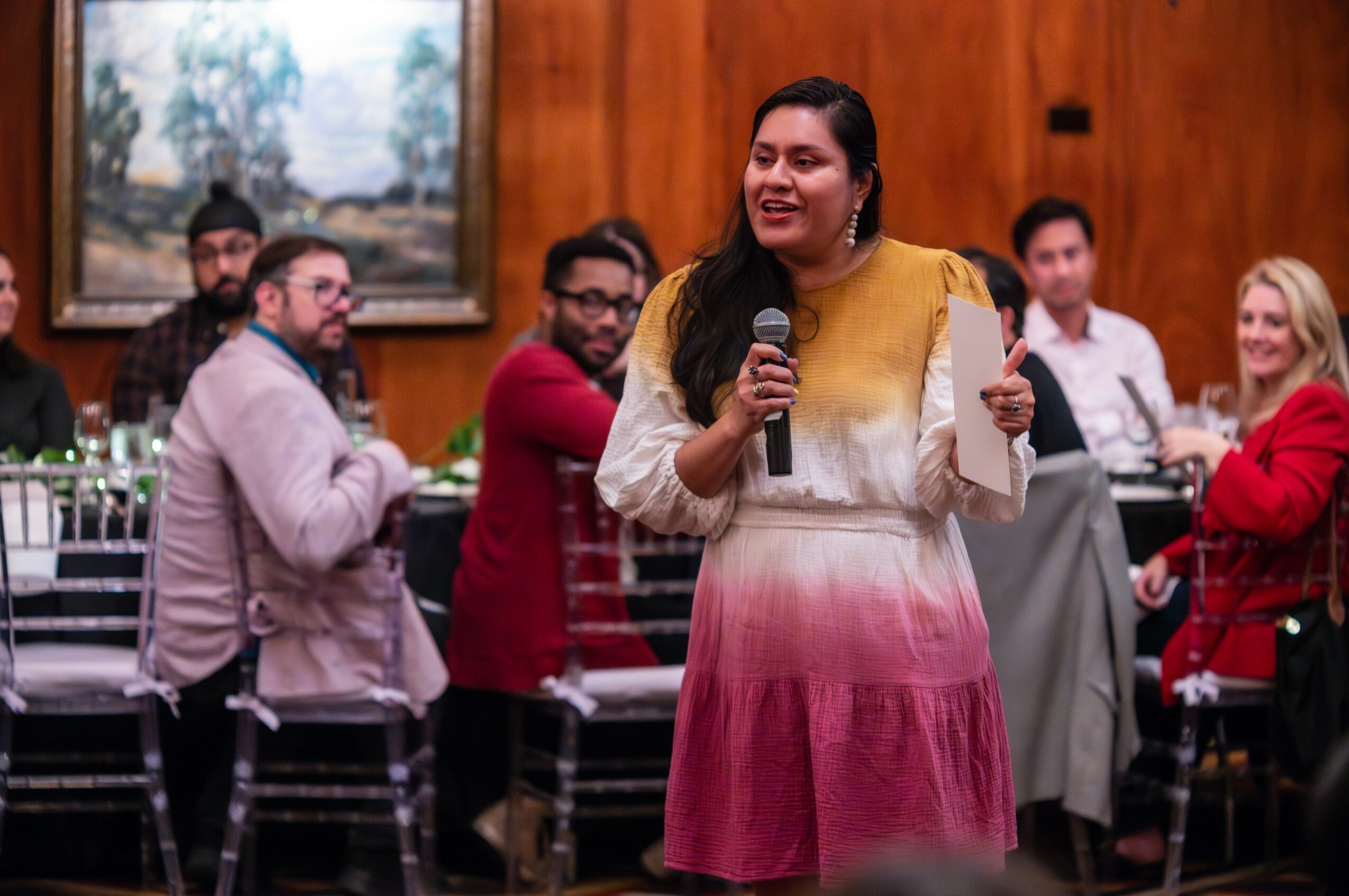
Photo credit for the 2 pictures (with the yellow/pink dress): Mitchell & Start Inc
Popular
-
What is the story you hope people tell about you when you’re gone?
-
Who were you before the world told you who you had to be?
-

Was there ever a time you almost gave up?
-
What is something outside of work that is bringing you joy lately?
-
Who saw you clearly before you could see yourself?
-
What are the biggest lies your industry tells itself?


