




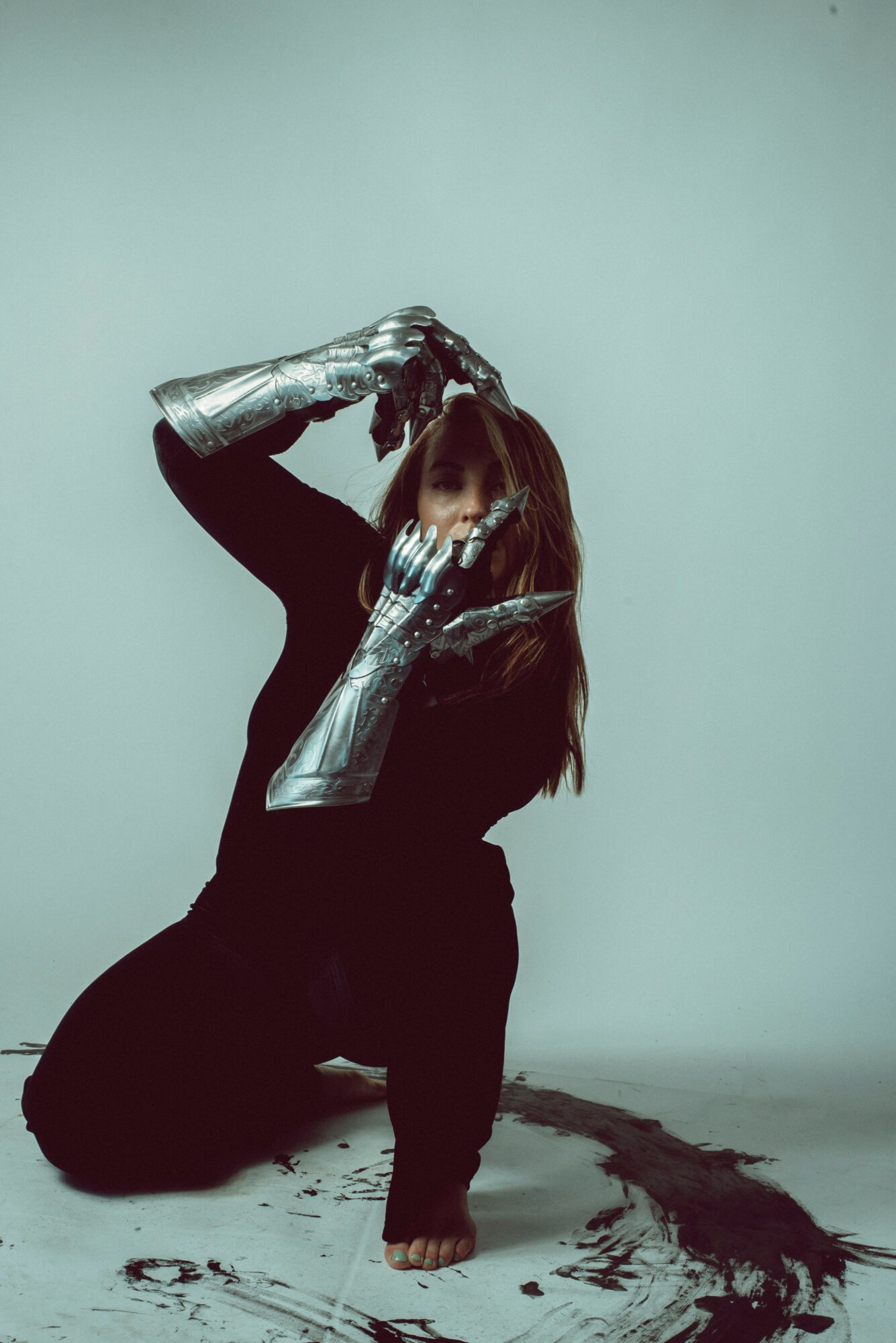
We’re looking forward to introducing you to Sydney Sorenson. Check out our conversation below.
Good morning Sydney, we’re so happy to have you here with us and we’d love to explore your story and how you think about life and legacy and so much more. So let’s start with a question we often ask: What makes you lose track of time—and find yourself again?
Painting helps me lose track of time. After I fractured my tibia a couple of years ago, I needed another creative outlet, so I started with paint-by-number kits — following the lines, matching the colors, letting my mind settle. One afternoon I painted for five hours straight without realizing it. I didn’t have an easel, so I hunched over the whole time and ended up with a neck spasm that left me unable to move for about five days. My body was basically telling me to slow down.
What keeps me coming back is that painting has become a form of movement for me — a different way of tracking sensation, impulse, and flow. Even when I’m seated, my breath, attention, and energy are active. It’s a space where I connect with myself without performance or expectation. I get lost in the process in a way that feels grounding. It simplifies things for me; sometimes it’s enough just to push paint around.
Can you briefly introduce yourself and share what makes you or your brand unique?
My name is Sydney T Sorenson. I’m a dance educator, choreographer, and interdisciplinary artist whose work sits at the intersection of movement, mental health, and collaboration. I’m interested in how the body holds experience — and how creative practice can help us make sense of it.
This year, I started a new project with two colleagues that explores grief and healing. I’m performing and choreographing the piece alongside my friend and collaborator Nichole Dechaine, an exceptional vocalist. We also partnered with composer Connor Long, who created the score and supported the lighting design. The work began as a single commission, but it opened something I didn’t expect: a reminder that I need a consistent creative practice — and space to make work that feels honest.
Stepping back onstage was vulnerable after recovering from an injury. The choreography lived differently in my body, and performing it brought a level of calm I hadn’t felt in a long time — enough that I ended up in tears onstage. That moment clarified my next steps. This initial piece is growing into a larger body of work centered on birds, migration, and how we navigate connection in the middle of a fracture. It’s still early, but the themes feel grounded and real, and we’re following them where they lead.
Great, so let’s dive into your journey a bit more. Who were you before the world told you who you had to be?
I was wildly creative as a child. I drew, danced, made things, and followed whatever idea came into my head. At some point, that shifted into trying to do everything the way I thought I was supposed to. I became a straight-A student and the dancer who followed every rule. Perfectionism felt like the safest way to succeed, so I leaned into it.
As I got older, I started to see how much of my creativity I had boxed in. I was so focused on doing things the “right” way that I stopped asking what I actually wanted to express. Dance — and movement in general — changed for me once I realized there’s no single correct path. There’s technique, of course, but technique isn’t the whole story.
Now I’m more interested in the part of creativity that questions things, breaks its own patterns, and pays attention to what’s happening internally. That’s where the work feels most honest to me. The shift has been learning to trust that — letting go of perfection long enough to make something real.
What did suffering teach you that success never could?
Suffering taught me to listen. Four months after I fractured my anterior tibial plateau, I started to spiral. Movement had always been the way I connected with myself, and suddenly I was immobile. I remember trying to teach a ballet class that spring and realizing I couldn’t demonstrate or feel what I was asking my students to execute. I tried to verbalize everything, but without movement I felt like I had lost my voice. When I went home, my body would literally shake from the panic of not being able to move.
Slowing down forced me to face everything I had avoided. It felt like Pandora’s box: every old challenge, every unresolved thing, all coming up at once because I was finally still long enough to hear it. I couldn’t outrun anything — not physically or emotionally.
What I learned is that movement isn’t just how I speak; it’s how I cope, make decisions, and understand the world. Losing that practice pushed me toward a different kind of internal listening — the kind that shows up only when you have no choice but to sit with yourself. Success never taught me that. Only the difficult moments have.
So a lot of these questions go deep, but if you are open to it, we’ve got a few more questions that we’d love to get your take on. Is the public version of you the real you?
I laughed when I read this question. The public version of me is the real me now, but that hasn’t always been the case. For a long time, I chased attention and perfection in ways that didn’t feel authentic. Grad school at NYU Tisch Dance shifted that. It gave me space to deepen my approach to choreography, and for the first time, I felt at home in my own creative process. That’s when I realized I only feel like myself when I’m honest about what I’m making.
Before that, I kept putting myself in roles that didn’t fit — like working for the NBA or staying inside the narrow expectations of traditional ballet teachings. I grew up in an environment that handed you a blueprint for success, and when I followed it, I didn’t feel fulfilled. Even my social media reflected that split. I had two Instagram accounts for a while: one that projected who I thought I was supposed to be, and one that felt like me on the inside. The page I kept is the one that’s real.
Before we go, we’d love to hear your thoughts on some longer-run, legacy type questions. Are you tap dancing to work? Have you been that level of excited at any point in your career? If so, please tell us about those days.
I’m an Associate Professor of Dance, so the answer is both yes and no (hah). I’m not tap dancing to work — I don’t teach tap — but I’ve definitely had days that felt like that. While touring, I remember lying on a stage in Germany, staring up at the lights and realizing I was in one of those fleeting moments you don’t get twice. It was a mix of gratitude, surprise, and a kind of quiet awe.
More recently, I felt that same spark while working with the artist LEW as the movement choreographer for her music video “Too Sexy to Be Sad.” It was the most fun I’ve had on a job in years, and I got to work alongside my brilliant friend Whitney Otte. The whole team was wildly creative, generous, and genuinely kind — the kind of environment where you feel understood almost immediately. I’d like more of that, please. And yes, give the video a watch when you have a moment.
On that note, I feel fortunate to have a career built around something I’m endlessly curious about. I still get excited to move with my students, explore new pathways in the body, and make work that reflects community and my own internal landscape. Dance shapes how I think, teach, and connect with people. I thought I’d step away from it at some point, but my body keeps reminding me it’s intrinsically part of who I am.
Contact Info:
- Website: https://www.sydneysorenson.com/
- Instagram: @sydneymoves
- Linkedin: https://www.linkedin.com/in/sydney-sorenson-041a0a39
- Youtube: https://www.youtube.com/@sydneysorenson9305
- Other: Movement Choreography for LEW “Too Sexy to Be Sad” music video: https://youtu.be/SeM2GW-12HQ?si=BrgJ0q78JXYOXAl6
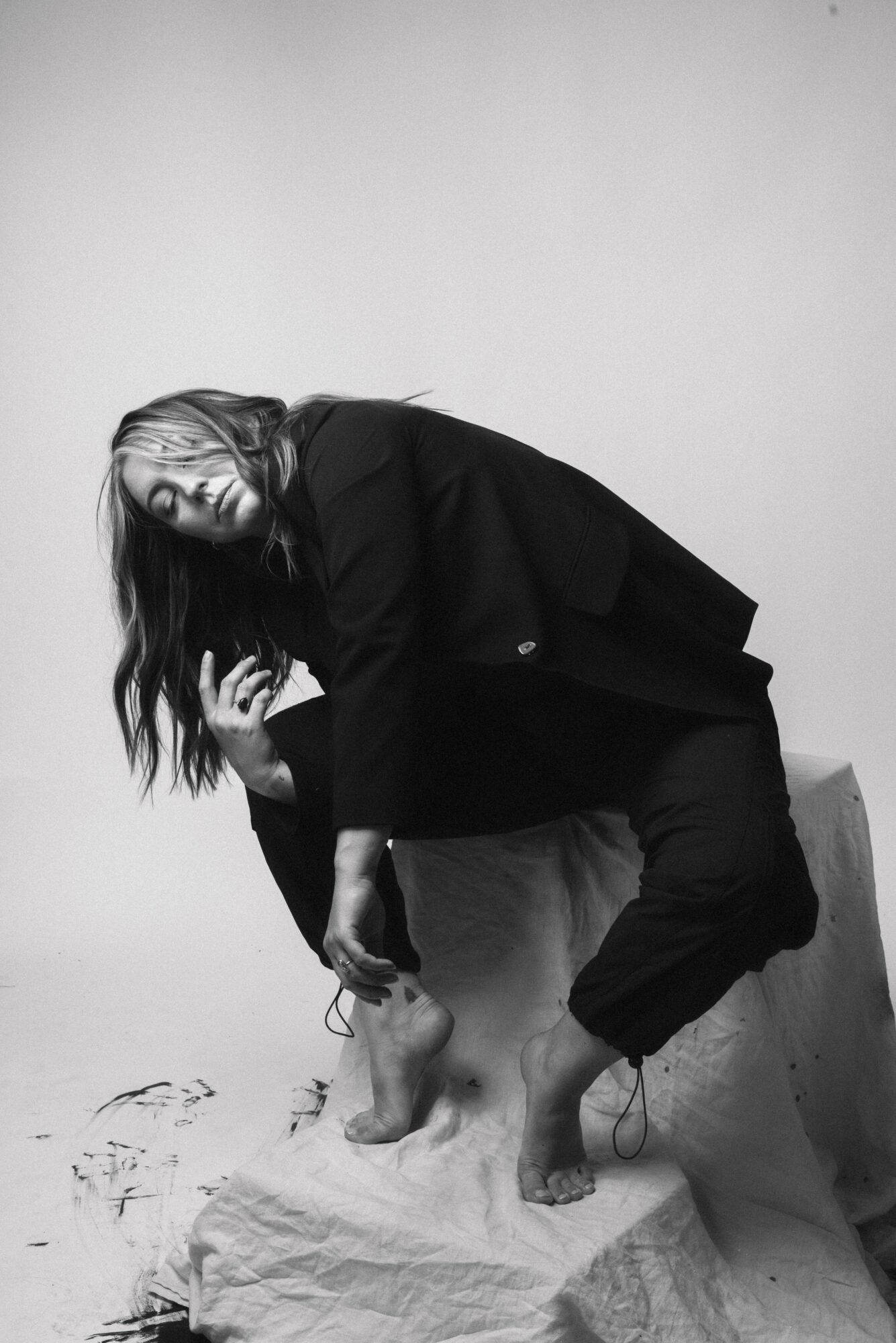
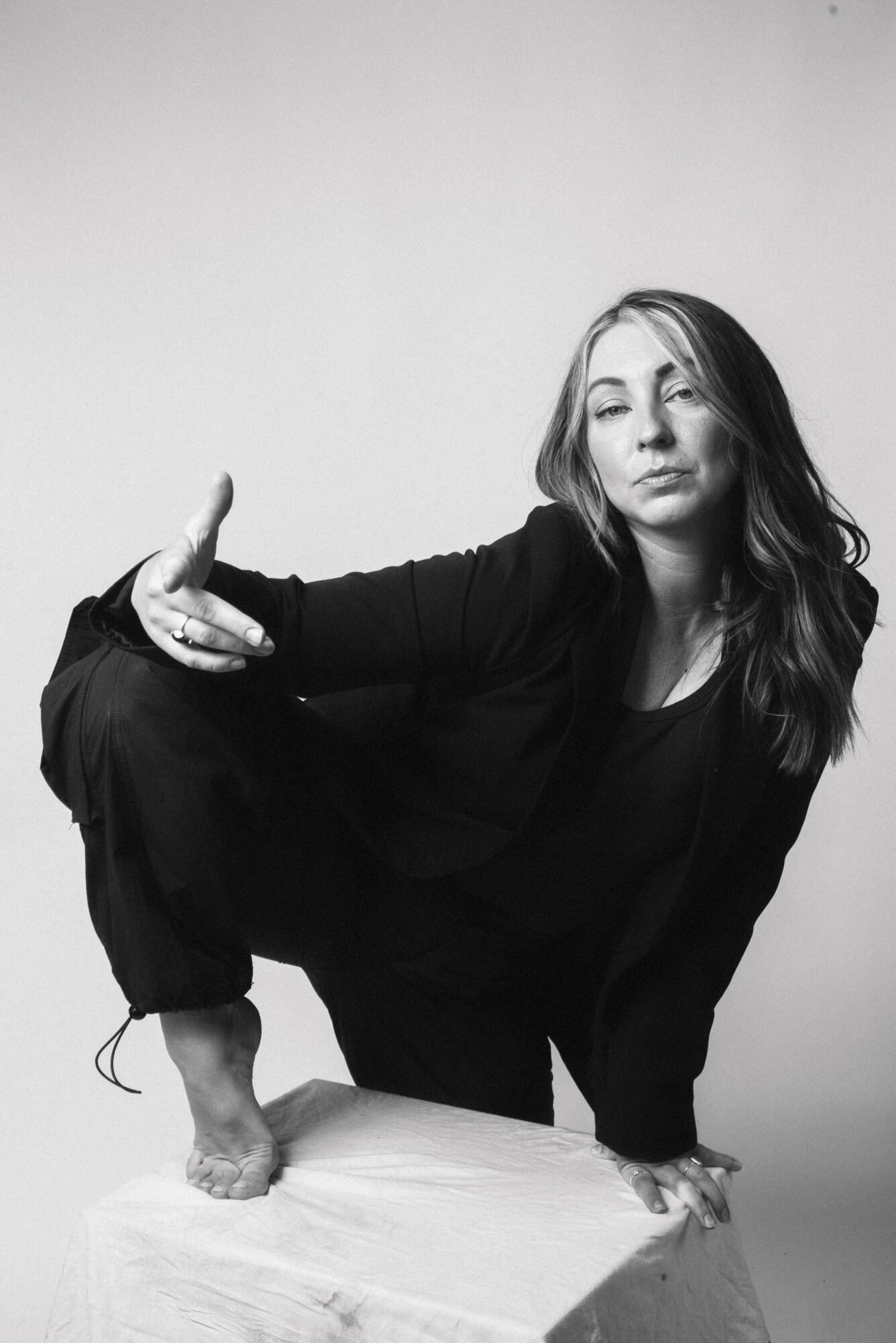
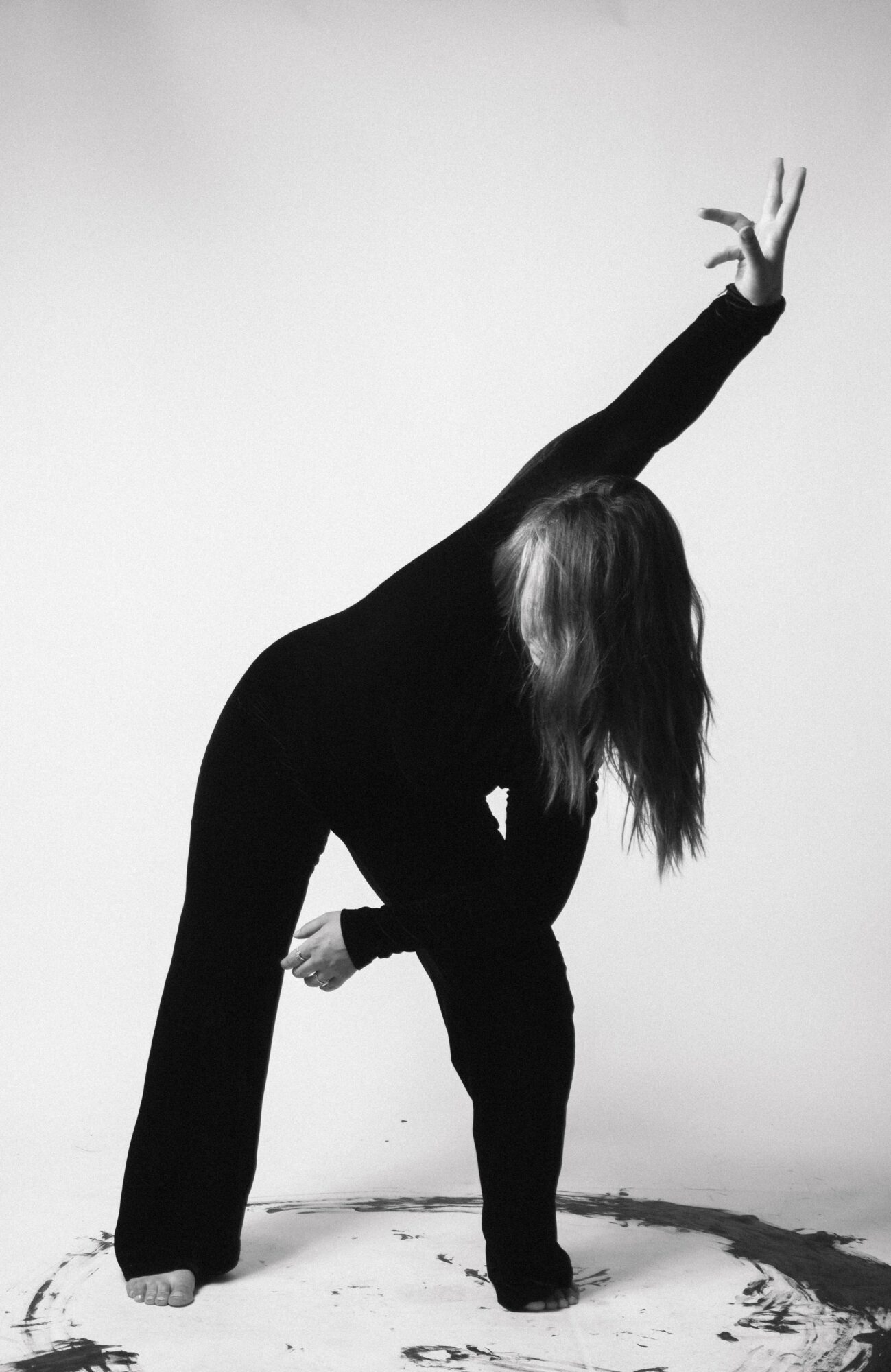
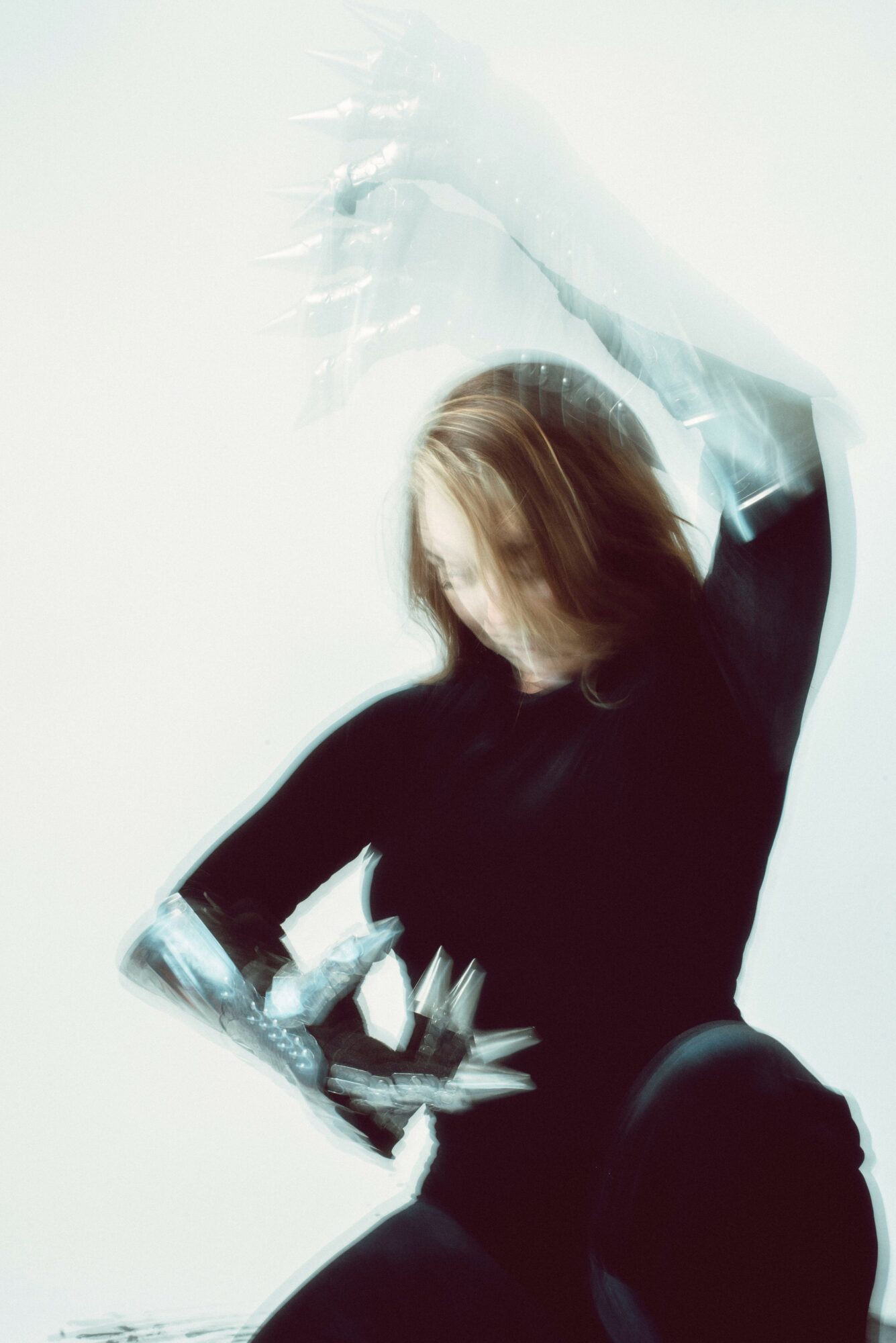
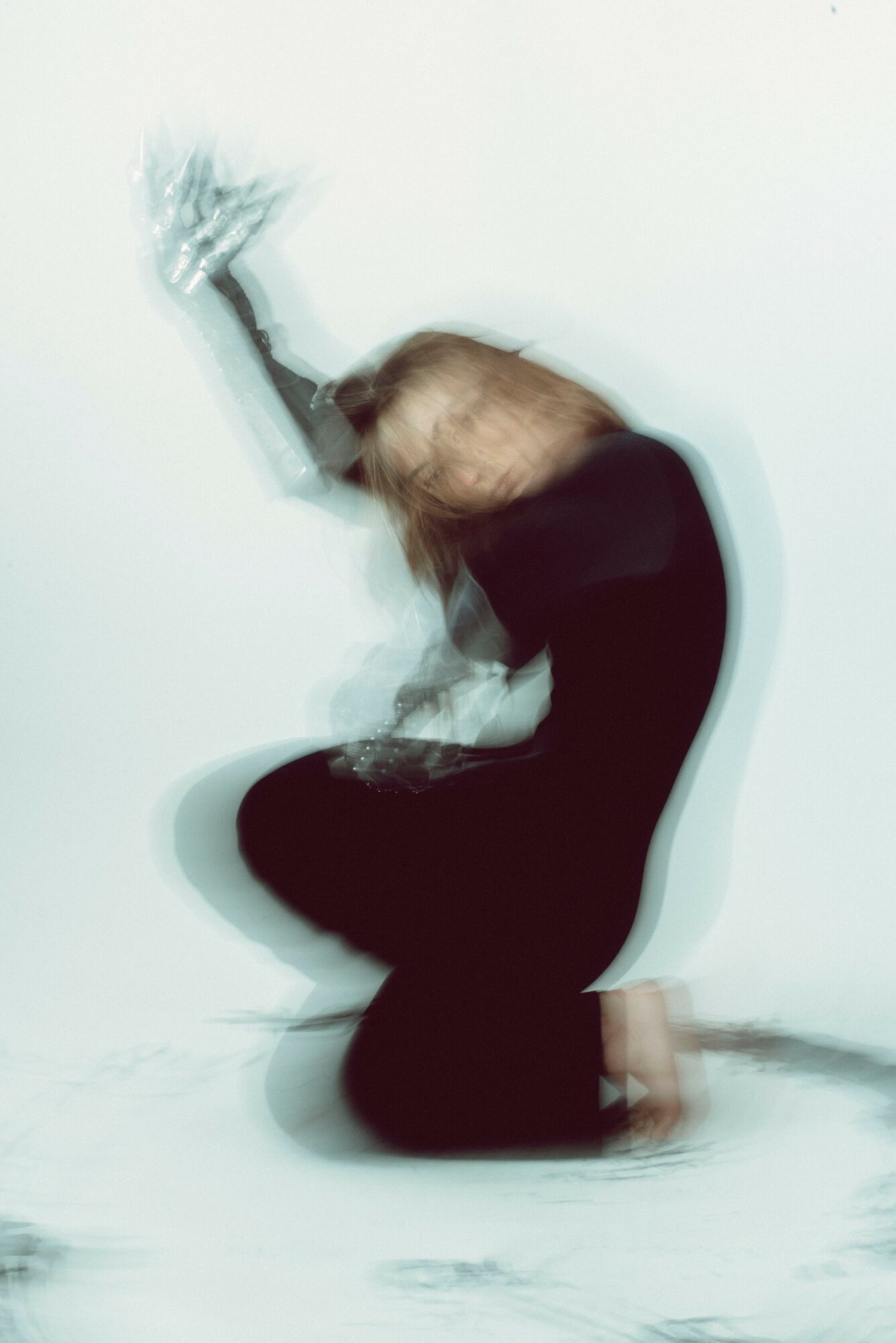
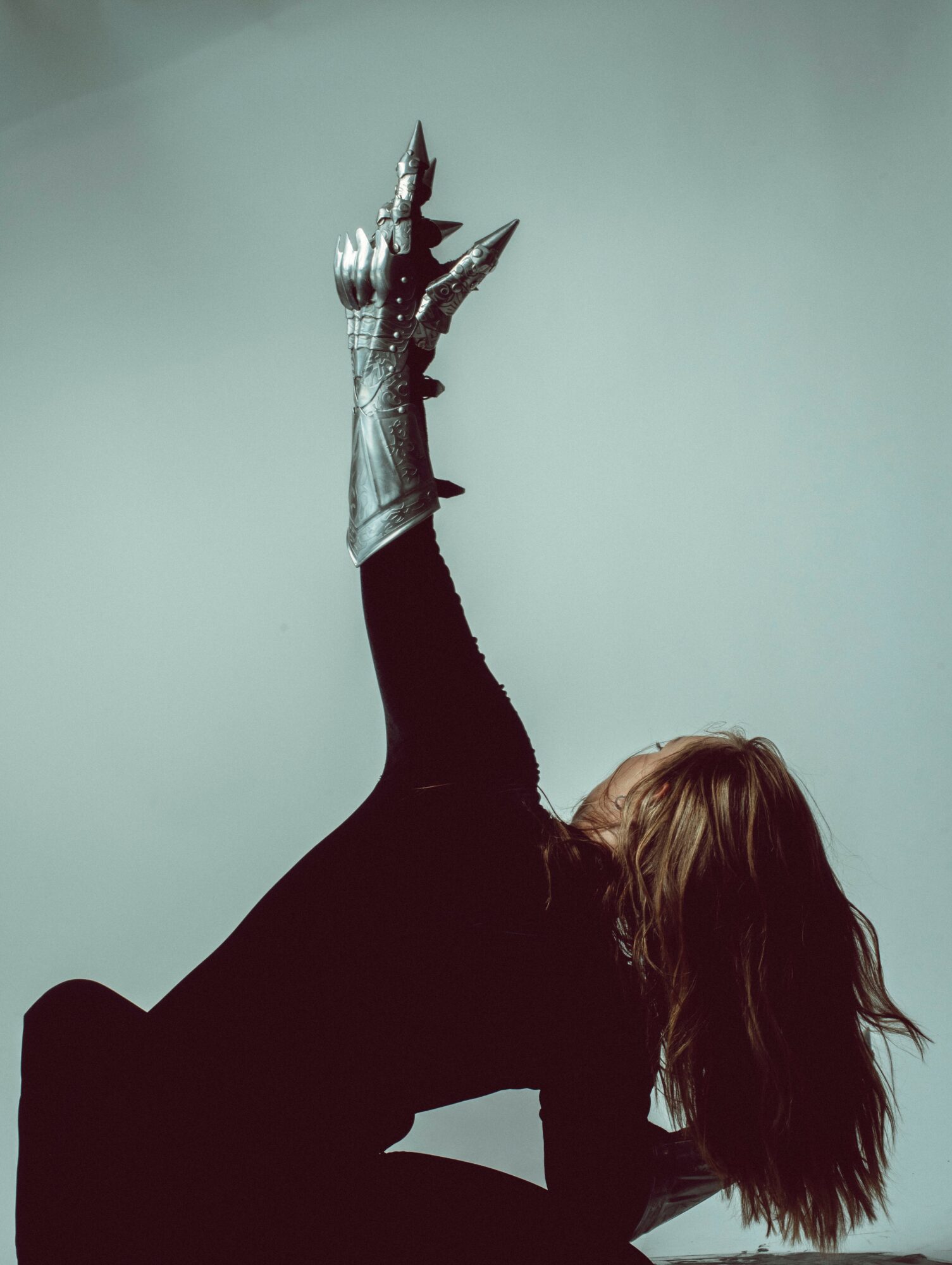
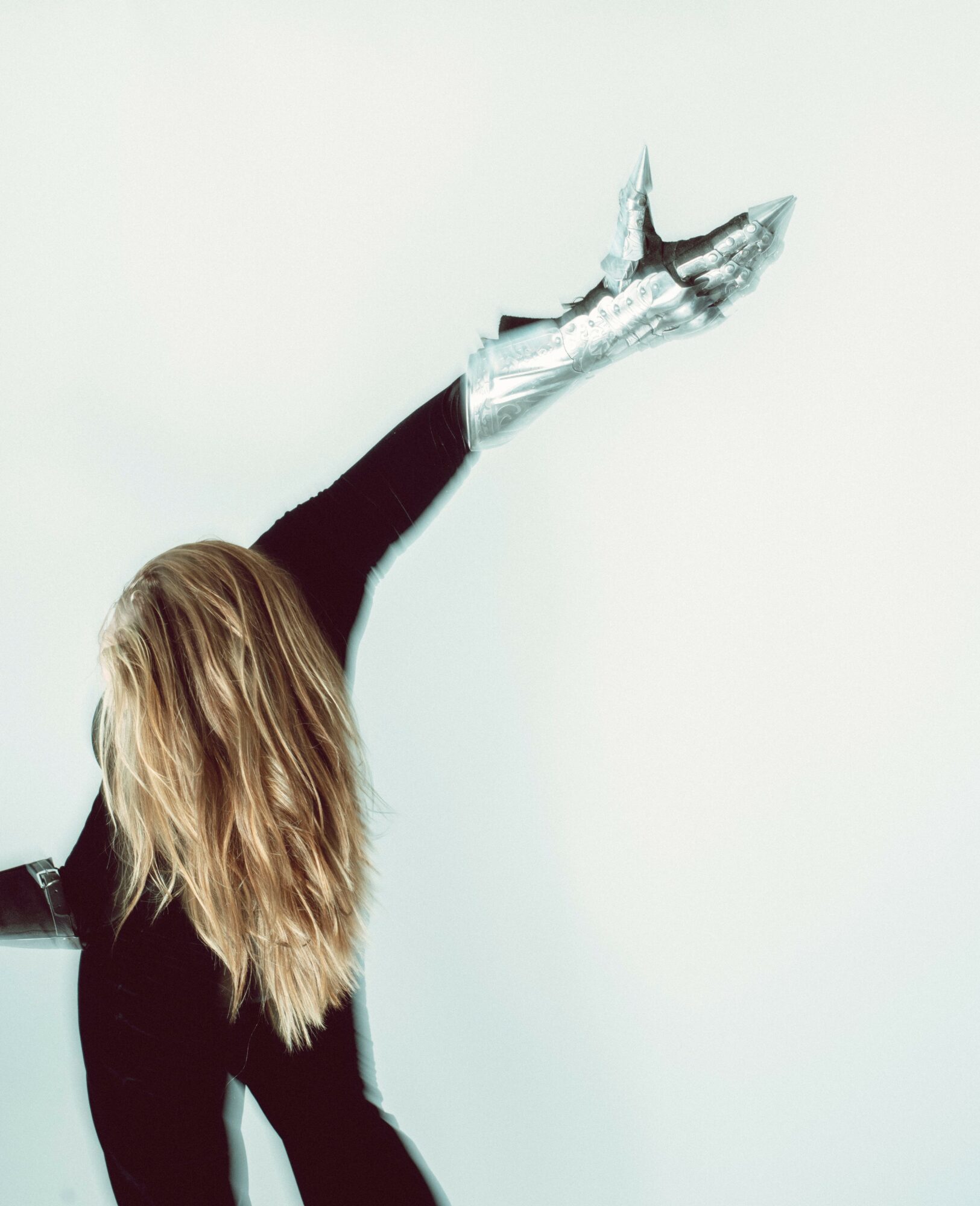
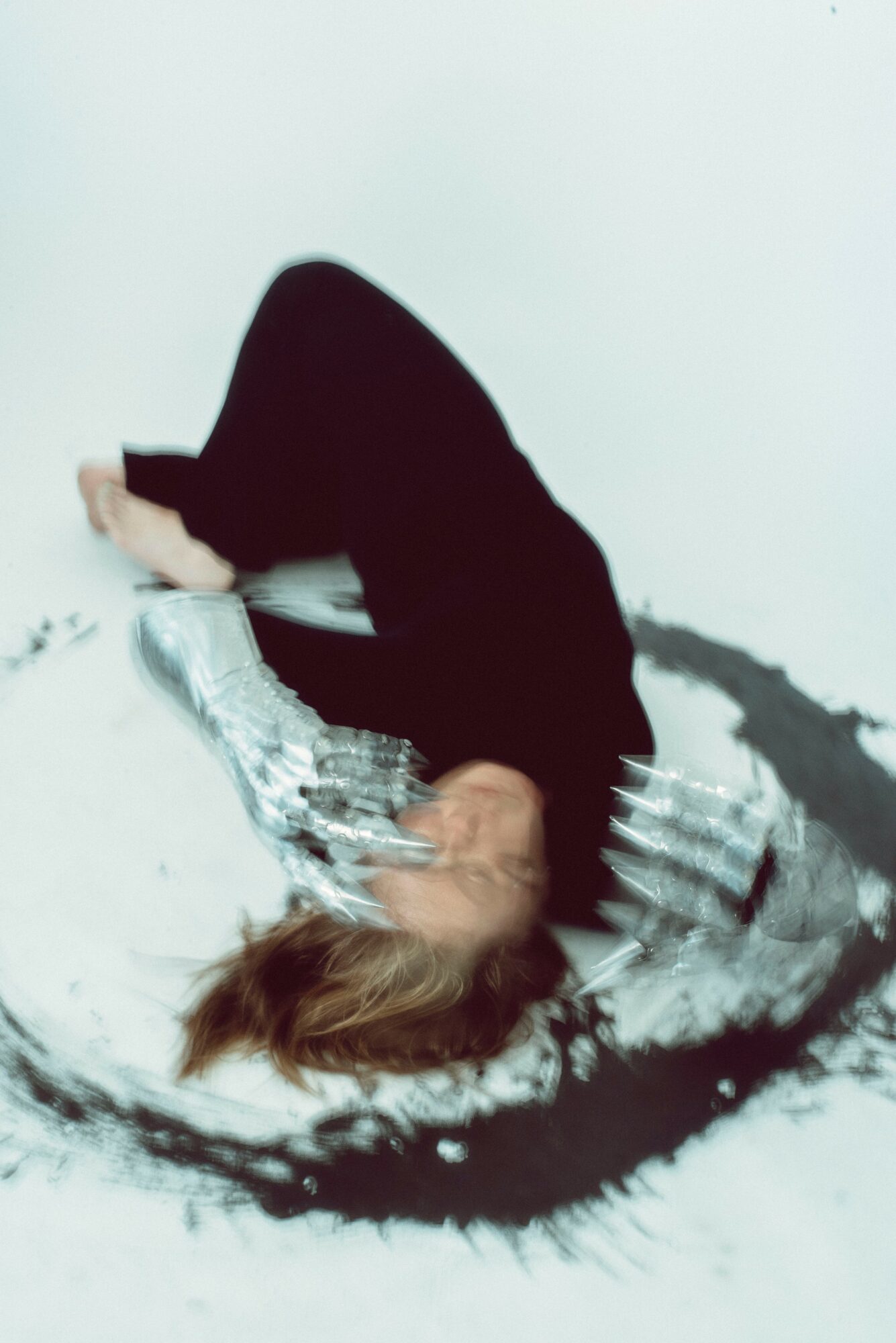
Image Credits
Whitney Otte
Popular
-

Portraits of the Valley
-

LA’s Most Inspiring Stories
-

Rick Norris Learned That Building a Successful Business Means Building a Life You Actually Want to Live
-
How Olivia Rush Turned Survival Into a Mission to Help Others Keep Going
-

How Bibi Goldstein Is Helping Entrepreneurs Reclaim Their Time by Embracing the Power of Delegation
-

Victoria Hasson is Redefining Voice Coaching Through Community and Collaboration


