




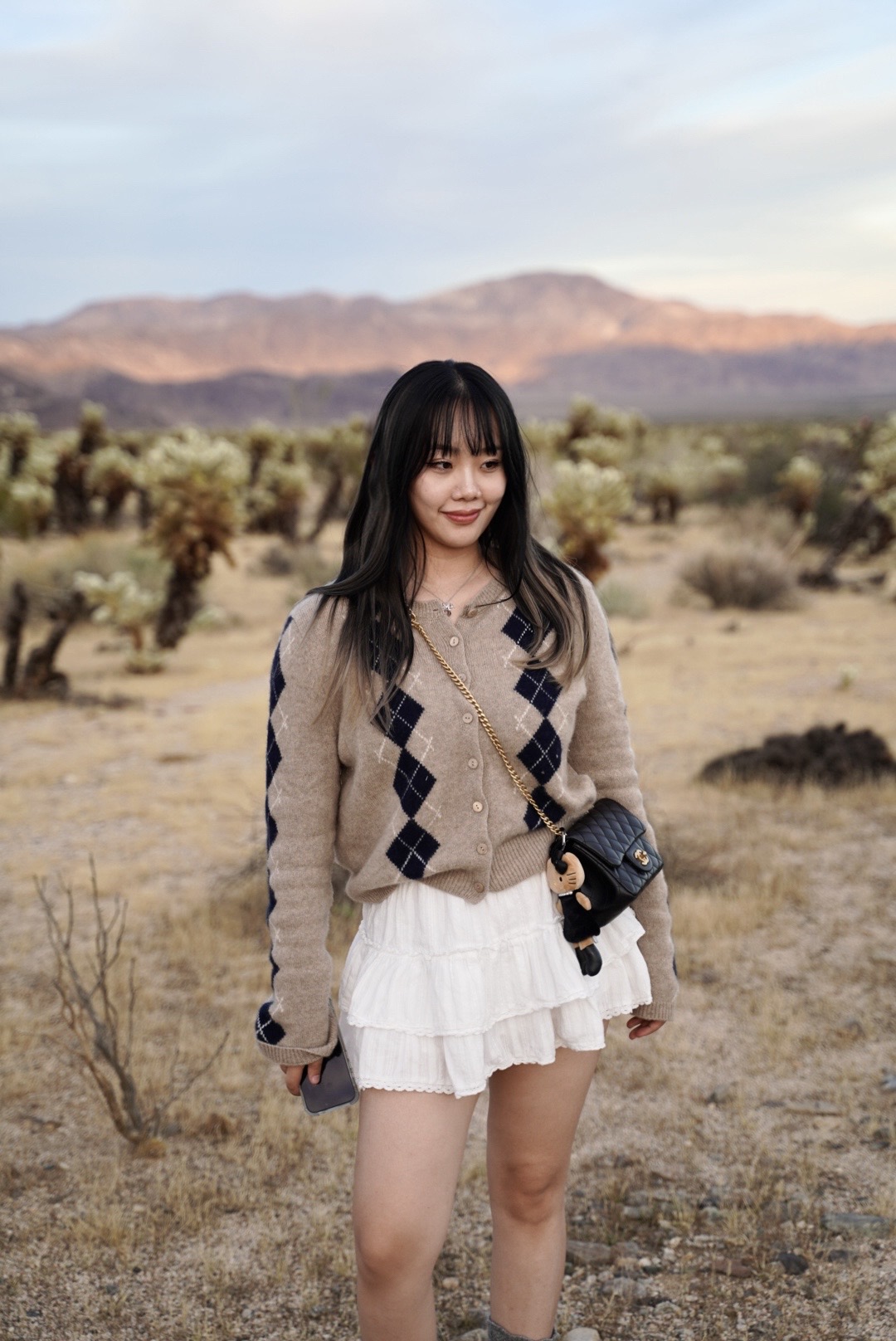
Shuqi Yan shared their story and experiences with us recently and you can find our conversation below.
Shuqi, really appreciate you sharing your stories and insights with us. The world would have so much more understanding and empathy if we all were a bit more open about our stories and how they have helped shaped our journey and worldview. Let’s jump in with a fun one: What do you think is misunderstood about your business?
One major misconception about the vertical drama industry is that it produces “low-quality” or “cookie-cutter” content. People often assume the storytelling is shallow, the production is careless, and the scripts are overly similar. But once you actually work deeply in this field, you realize how different the reality is.
The biggest distinction, of course, is the vertical format, which fundamentally changes how we design shots, block scenes, and build visual language. As more filmmakers join the space, people are starting to understand the craft behind it.
I believe the vertical-drama industry has strong and sustainable potential. Mobile phones are now the primary content platform for most people, especially in our fast-paced society. Since audiences already consume short-form video every day, vertical dramas naturally emerged as an extension of that viewing habit. Each episode is typically around one to one and a half minutes, allowing viewers to binge quickly and experience emotional payoff, tension, or satisfaction almost instantly.
At the same time, the industry is maturing. Productions are becoming more refined—we’re shooting more creative shots, paying careful attention to blocking, lighting, costume design, props, and casting. Every department is moving toward a more professional standard.
This wave of vertical content has also created opportunities and income for many filmmakers. That’s why I believe we should approach this industry with both gratitude and respect. As the market expands and evolves, I’m confident that the creativity and quality of vertical storytelling will continue to grow.
Can you briefly introduce yourself and share what makes you or your brand unique?
My name is Shuqi Yan, and I’m a producer at Tap Story / Goodshort, where I focus on developing and producing vertical dramas. What makes my work exciting is that this industry is still evolving, and we’re constantly redefining what storytelling looks like on mobile screens.
Many people still misunderstand vertical dramas, assuming they’re low-budget or formulaic. But once you work inside the industry, you realize the craft is far more complex. The vertical format fundamentally changes how we approach filmmaking, from shot design and blocking to the way we build emotional beats within a one-minute episode. It challenges us to be creative, efficient, and expressive in a completely new visual language.
At Tap Story/Goodshort, we’re committed to elevating the standard of vertical content. We experiment with creative shots, invest in strong lighting, wardrobe, and production design, and collaborate with talented filmmakers who treat this format with the same seriousness as traditional filmmaking. It’s been incredible to watch the industry grow more professional and more ambitious in such a short time.
What inspires me most is how accessible this format is for audiences. In our fast-paced digital world, people turn to their phones for entertainment, and vertical dramas fit naturally into that rhythm. They’re short, addictive, emotionally engaging, and they’ve opened up new opportunities for filmmakers and creatives who might have been overlooked in more traditional spaces.
I feel grateful to be part of an industry that’s expanding so quickly and giving so many creators a platform. And as the market grows, I’m excited to keep pushing for innovation and more refined storytelling in vertical drama.
Great, so let’s dive into your journey a bit more. What relationship most shaped how you see yourself?
The relationship that has shaped how I see myself the most is definitely the one with my partner. Through our daily interactions and all the moments of learning, adjusting, and understanding each other, I’ve gained a much clearer sense of my own strengths and weaknesses, things I honestly never paid much attention to before. Being in such a close, intimate relationship allows us to see each other more fully, to be honest, and to show up as our most authentic selves.
My parents are of course also incredibly important in my life, but as their daughter, I think they naturally view me through a bit of a loving filter. With my partner, the dynamic is different, we grow together day by day, and that has had a huge impact on how I understand myself.
What fear has held you back the most in your life?
The fear that has held me back the most is my own inner self-doubt—that persistent worry that I’m not good enough, and the habit of caring too much about how others perceive me. For a long time, I allowed external judgments, or even the possibility of them, to influence my decisions. It made me hesitant to take risks, speak up, or trust my own instincts.
Over time, I’ve learned that this fear often says more about the limits I place on myself than the reality around me. I’m still working on it, but now I try to choose courage over comparison, and authenticity over approval. It’s an ongoing process, but one that has pushed me to grow creatively and personally.
Next, maybe we can discuss some of your foundational philosophies and views? What are the biggest lies your industry tells itself?
One of the biggest lies our industry tells itself is that the work is always glamorous and endlessly exciting. Before I actually studied film or started working on set, I imagined the industry as something magical and far-away, full of creativity, passion, and constant inspiration.
But the reality is that much of it is repetitive, exhausting, and sometimes monotonous. Day after day of shooting, long hours, waiting, reshooting, troubleshooting, there’s a lot of routine behind the scenes that people rarely talk about.
Still, beneath that surface, I’ve found that the true magic comes from consistency, discipline, and the small sparks of creativity that appear even in the most ordinary moments. The industry isn’t glamorous all the time, but the dedication it requires is what makes it meaningful.
Okay, so let’s keep going with one more question that means a lot to us: What is the story you hope people tell about you when you’re gone?
I hope that when I’m gone, people will say that I was someone who showed up fully, someone who cared, who tried, and who treated others with sincerity. I hope they remember me as a person who worked hard for the things I believed in, who wasn’t afraid to grow, and who always tried to make the people around me feel seen and supported.
If the story they tell is that I lived with honesty, kindness, and a bit of courage, then that would be more than enough for me.
Contact Info:
- Website: https://pro.imdb.com/name/nm15126153/credits
- Instagram: https://www.instagram.com/shuqiyan__/?hl=en
- Linkedin: https://www.linkedin.com/in/shuqi-yan-24a479347/
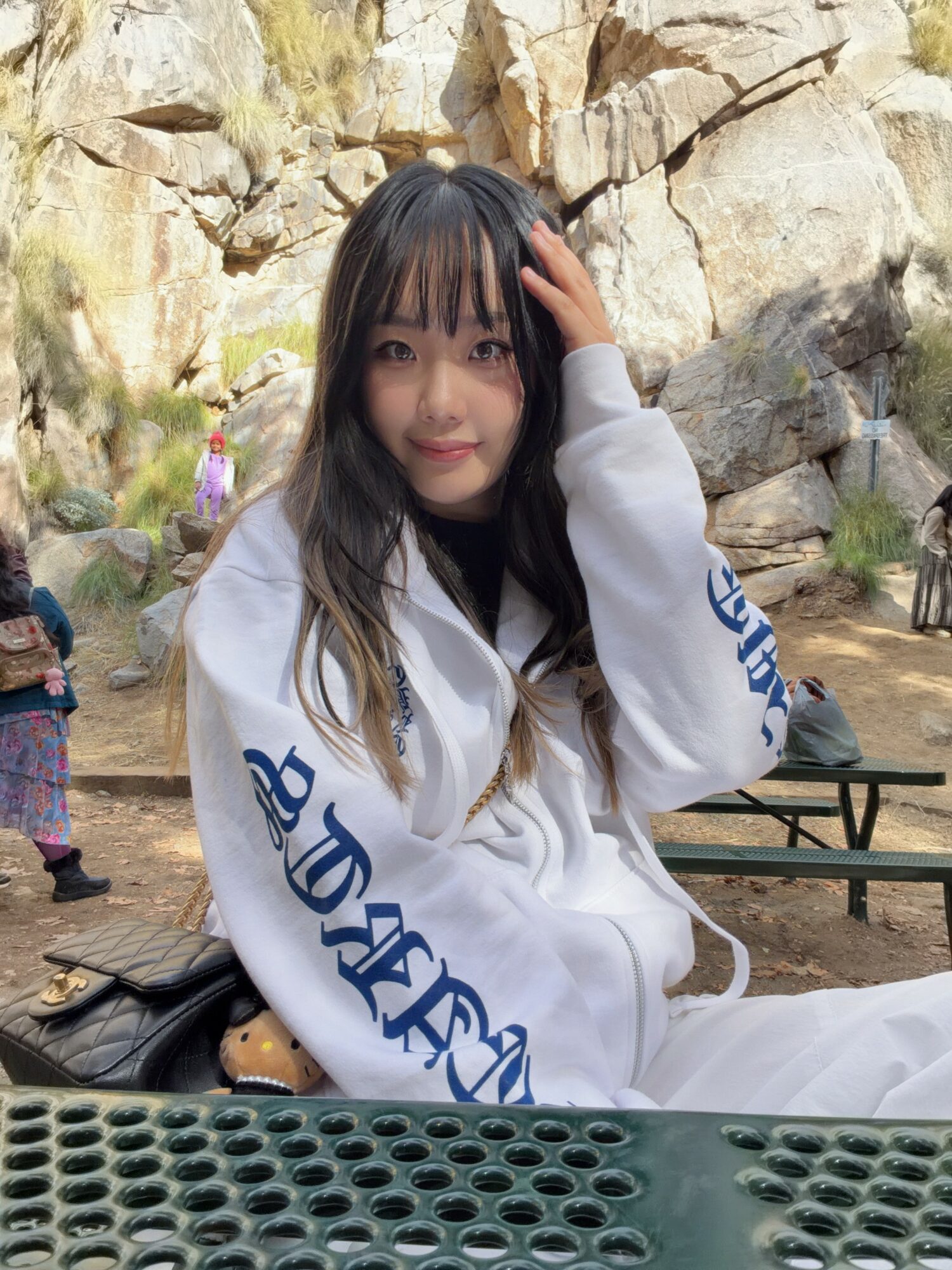

Image Credits
Rui Dong
Popular
-

Portraits of the Valley
-

LA’s Most Inspiring Stories
-

Rick Norris Learned That Building a Successful Business Means Building a Life You Actually Want to Live
-

How Olivia Rush Turned Survival Into a Mission to Help Others Keep Going
-

How Bibi Goldstein Is Helping Entrepreneurs Reclaim Their Time by Embracing the Power of Delegation
-

Victoria Hasson is Redefining Voice Coaching Through Community and Collaboration


