




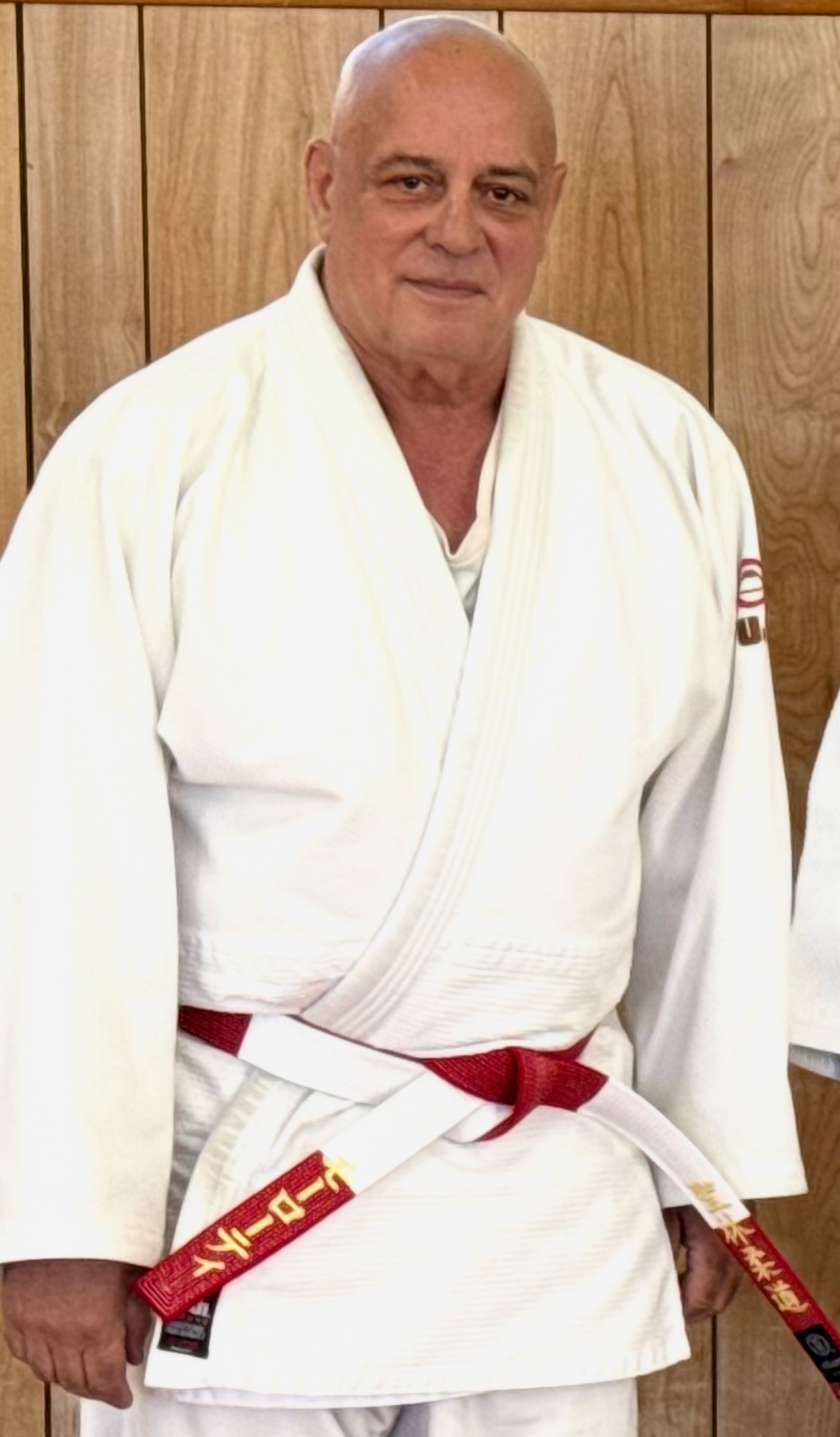
Philippe Morotti shared their story and experiences with us recently and you can find our conversation below.
Good morning Philippe , we’re so happy to have you here with us and we’d love to explore your story and how you think about life and legacy and so much more. So let’s start with a question we often ask: What do you think others are secretly struggling with—but never say?
LONELINESS . I think that loneliness is our most hidden illness. In a time of AI and a life lived by many people in cyber space, we lack human inter action. We are seduced by the internet and we become misinformed and manipulated.. This leads to a false sense of belonging to society while turning into a shallow and programmed human being, without any deep or real connection to others.
Can you briefly introduce yourself and share what makes you or your brand unique?
PHILIPPE MOROTTI, Head Instructor at Hollywood Judo Dojo at the Japanese Cultural Institute in Hollywood.
Hollywood Judo was founded in 1932 by the Japanese American community. Today, we are one of the leading judo clubs in the USA with 175 members. We have 7 certified instructors, we teach classes 7 days per week, and we cater to the community.
We have a kids program, beginners, intermediate and advanced for all ages. We compete with great success nationally and internationally. Our judo club represents 22 different nationalities, and we create a home for all walks of life. The values and the teachings of judo brings us all together, and after a hard week of practice, we often get together for a barbecue.
Amazing, so let’s take a moment to go back in time. What breaks the bonds between people—and what restores them?
I think that politics and religion can unite people but also often separates them. Often, people overlook how much they actually have in common, because often only seing their differences. The more extreme views, the less the understanding of others. This is why a sport like judo works really well in uniting people of all races, all religions and of different opinions.
When you wear a judo gi, nobody can tell if you are rich or poor, nor what your views or believes are. Whiting the walls of the Dojo, we all obey to the ethics and to the rules of Judo, while learning the art of Judo, inter acting with others.
What did suffering teach you that success never could?
Suffering teaches you not to take anything for granted. Life has its ups and downs. And life is not always fair. When we were born, there was nobody there promising us that life would be fair. Yet, we seem to expect it.
I teach my judo students that winning is not everything. When you loose, you take a step back and analyze what went wrong. Then you recharge your battery and try again. Life is a learning process filled with challenges and with obstacles. The process of learning a skill and improving is as fascinating as the end result. When you will a Gold medal, you celebrate and you should be happy with the achievement. Then, you must reset the clock and start over again, focusing on the next challenge. This will make you feel grateful for what you got, and keep moving forward.
We must also put things in perspective. We have the luxury to eat every day, we are hopefully in good health and we have time to dedicate to an art or sport or a hobby that fills our life with meaning. Not everyone can have this.
Next, maybe we can discuss some of your foundational philosophies and views? What’s a cultural value you protect at all costs?
There are many. I think that the United States of America was built on great ideas and values. When I came here in 1990, I was impressed with the opportunities given to people that were willing to work hard, to integrate and to contribute to their community. You can do this with passion and with solidarity in the US, while also maintaining the traditions that you grew up with. One does not exclude the other. My mother was French, my Father Italian and I was born in Sweden. This is already from birth a multi cultural situation. I’m fluent in 4 languages and yes, I am an American citizen. I still like to travel abroad and visit other cultures. I’m curious about the human existence and I’m open to people with different upbringing and with different experiences than mine. Further more, here in Los Angeles we have within any neighborhood a variety of restaurants representing food from all corners of the world. These are the cultural values that I was raised with and still believe in. Our cultural differences make us interesting.
Okay, so before we go, let’s tackle one more area. Are you doing what you were born to do—or what you were told to do?
My parents came out of World War 2, had to rebuild their lives from scratch while healing emotionally from the war..Their view on life was to do well in school, get a respectable and high paying job, and to aim for a life in the upper middle class, This was their idea of a dream life a after growing up in war and in poverty.
I had a different take on life. An only child, somewhat different and eccentric from the start, I just wanted to do what I wanted to do. At an early age I discovered the sport of Judo, and from that day on, this is all that I wanted to do. I skipped out of school, I took random jobs being a bouncer, a body guard or washing dishes. Anything that allowed me to do judo and go to the gym 6 hours a day. I did attend University of Cinematography for 3 years, because I liked the movies. But I never worked a day in that field. Instead, I became a personal fitness trainer. Again, so that I could stay fit for judo.
Contact Info:
- Website: https://hollywoodjudo.com
- Instagram: Hollywood Judo Dojo
- Facebook: Hollywood Judo
- Yelp: Hollywood Judo
- Youtube: Hollywood Judo
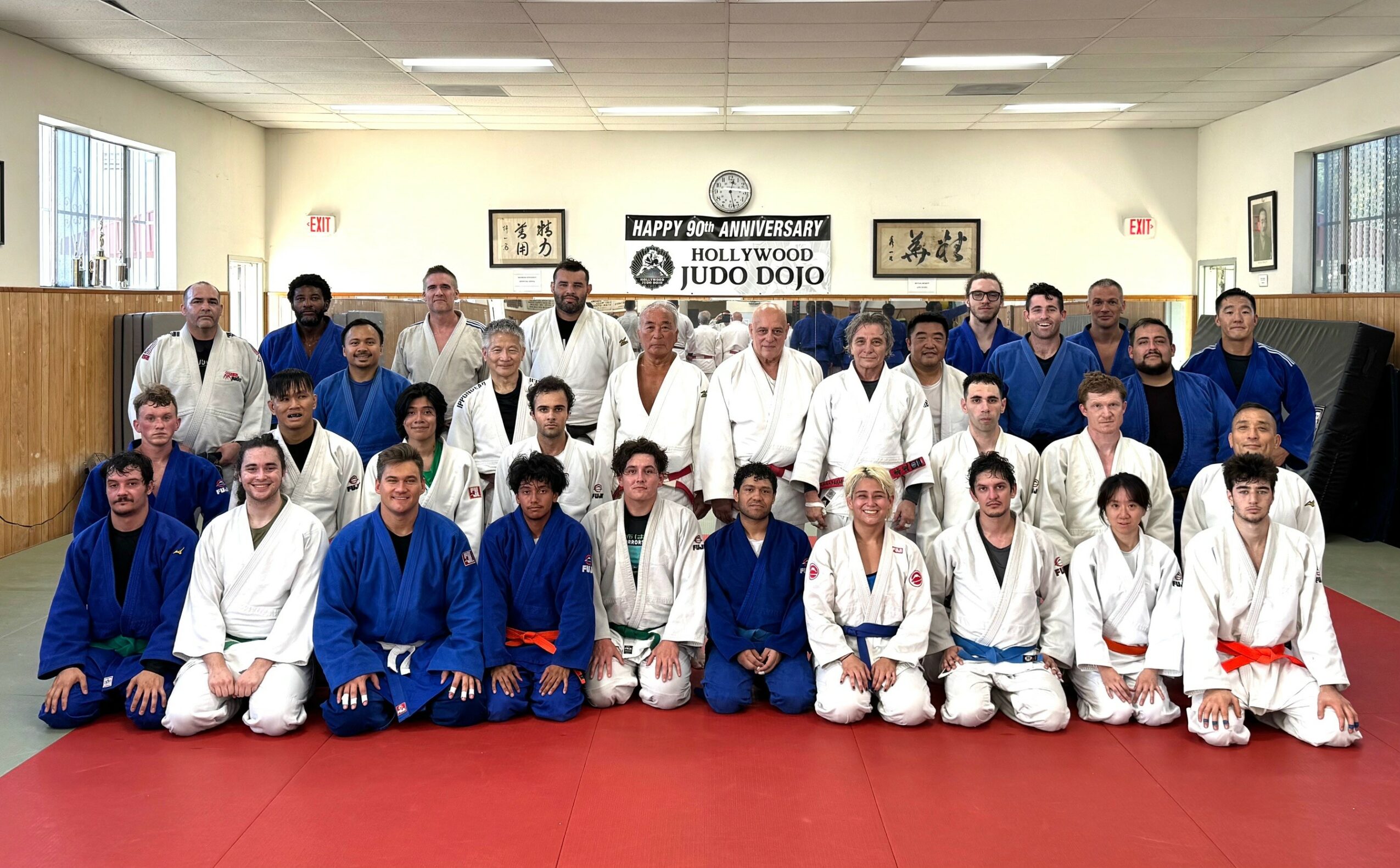
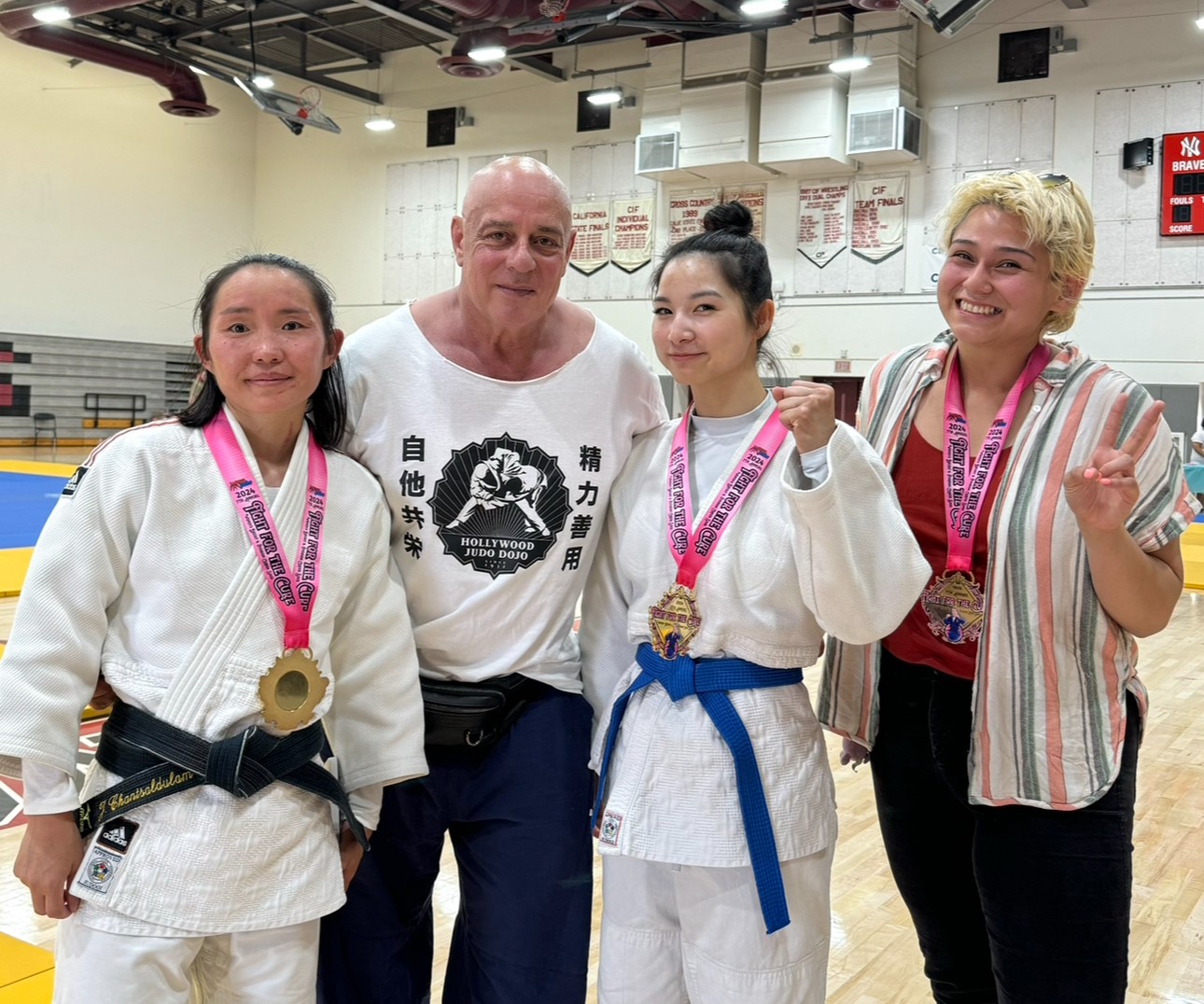
Image Credits
Philippe Morotti
Popular
-

Portraits of the Valley
-

LA’s Most Inspiring Stories
-

Rick Norris Learned That Building a Successful Business Means Building a Life You Actually Want to Live
-

How Olivia Rush Turned Survival Into a Mission to Help Others Keep Going
-

How Bibi Goldstein Is Helping Entrepreneurs Reclaim Their Time by Embracing the Power of Delegation
-

Victoria Hasson is Redefining Voice Coaching Through Community and Collaboration


