





Philipp Schaedler shared their story and experiences with us recently and you can find our conversation below.
Philipp, really appreciate you sharing your stories and insights with us. The world would have so much more understanding and empathy if we all were a bit more open about our stories and how they have helped shaped our journey and worldview. Let’s jump in with a fun one: What do the first 90 minutes of your day look like?
The first 90 minutes of my day are just for me—I start with a workout and then take time to meditate. That quiet space really helps me clear my head, stay grounded, and begin the day feeling calm, focused, and centered.
Can you briefly introduce yourself and share what makes you or your brand unique?
I’m a Los Angeles–based real estate agent who primarily focuses on helping sellers successfully market and sell their luxury homes. I genuinely enjoy the marketing side of real estate—crafting the right presentation, reaching the right audience, and positioning a home to shine in its best light. I believe great photos should create an emotional connection with potential buyers, sparking that “this may be the one” feeling. There’s real satisfaction in helping my clients achieve top dollar and maximizing the value of their asset.
That said, I’ve also had the pleasure of representing buyers—whether they’re purchasing their first home or moving into their next one. There’s nothing quite like handing someone the keys to a place they’ll call home.
While working with buyers is incredibly rewarding, the listing side brings its own unique fulfillment—executing a thoughtful strategy, guiding clients through every step with confidence, and ultimately helping sellers get the most money possible for one of their most important investments.
Great, so let’s dive into your journey a bit more. What breaks the bonds between people—and what restores them?
In short, relationships break when connection is replaced with distance or damage. But they can be restored when people choose humility, courage, and compassion.
There are many reasons bonds can weaken—lack of communication, betrayal of trust, broken promises, and the failure to follow through on commitments. Especially in the world of real estate, trust is everything. Often, you have only one chance to earn a total stranger’s confidence. Just imagine: you walk into a listing appointment and have about 20 minutes to convince a total stranger to trust you with the sale of one of their most valuable and emotionally significant assets.
In both real estate and life, trust can sometimes be rebuilt—if you’re willing to take accountability, communicate honestly, show genuine care, and simply show up—on time and consistently. Rebuilding trust takes time, but when both sides lean in with honesty, vulnerability, and patience, what was broken can become stronger than ever.
I’ve often found that a mishap or break in a relationship can either destroy it—or strengthen it. A true friendship, or any meaningful relationship, isn’t truly solid until it’s been tested by difficulty. It’s only under pressure that a person’s true character and intentions are revealed.
What did suffering teach you that success never could?
First off, there are really only two reasons a human being will make a change: pain or pleasure. It’s as simple as that. Mistakes can be painful—but they’re also powerful teachers. Every failure carries a hidden benefit, even if it’s not obvious at first. You can, and should, always learn from your mistakes.
If you settle in life and remain stagnant, don’t expect much progress. That’s why I love the saying: “What you tolerate becomes your standard.” I believe one of the biggest risks to achieving your goals is the temptation to give up after a failure. When something goes wrong, it’s easy to lose momentum and stop trying. But settling after a setback can be far more damaging than the failure itself.
Take Thomas Edison, for example—it took him over 1,000 attempts to invent the electric lightbulb. When asked about those failures, he famously said, “I have not failed. I’ve just found 1,000 ways that won’t work.” That mindset is the difference between giving up and pushing forward.
Growth rarely happens in comfort zones. It’s often pain that wakes us up and pushes us forward—just like when we’re children and touch something hot. We don’t avoid it the next time because someone told us not to—we avoid it because we felt it.
Of course, pleasure and desire can also drive change. Maybe you dream of a larger apartment or home—something that brings you joy and reflects the life you want to live. That vision fuels your motivation. You work harder, push further, and grow. And when you finally reach that goal, it’s not just the new space that brings happiness—it’s the pride and fulfillment of knowing you earned it through hard work and dedication.
So a lot of these questions go deep, but if you are open to it, we’ve got a few more questions that we’d love to get your take on. Is the public version of you the real you?
That’s an interesting question.
First off, the professional world is a very different environment. I may be more playful and lighthearted with close friends and family because my guard is down—but in the professional world, especially in real estate, there isn’t much room for joking around. These are serious business decisions with real financial consequences, and I take that responsibility very seriously.
I also carry myself differently—how I speak, how I present myself, even how I dress. There’s a clear separation between my personal and professional presence.
That said, the most important thing is this: my values and character remain the same in both environments. Whether I’m with friends or clients, I strive to be honest, reliable, respectful, and hardworking. I always aim to go the extra mile for my clients. When I’m in a pinch, that’s when my resourcefulness really shines. And the more you tap into your creativity and resourcefulness, the more it expands. That kind of consistency and resilience is what truly defines who I am.
On a related note, I often hear the phrase, “money is the root of all evil.” But is it really?
Personally, I believe money doesn’t change your character—it reveals it. If someone already lacks integrity, money may magnify that. But if you’re grounded, honest, and generous at your core, money won’t corrupt you—it will simply give you more opportunities to live out your values, possibly reach your goals sooner, and help others realize their success—which ultimately will come back to benefit the helper as well, however that should not be the primary motivation to help someone.
Okay, so let’s keep going with one more question that means a lot to us: What do you understand deeply that most people don’t?
Overpricing a home is a huge issue in the real estate industry. Sellers say: “Lets start high and we can always come down with the price”
In fact, about 70% of homeowners price their homes too high—and often end up leaving a significant amount of money on the table.
Here’s why:
The first 3 to 4 weeks after listing a home are what I call the “honeymoon period.” During this time, excitement is high, marketing efforts are at their strongest, and the listing attracts the most attention. Buyers are actively looking, and the property typically receives its highest exposure.
However, if the home is priced too high, savvy buyers often won’t even consider it. Today’s buyers are well-informed and understand the local market. They quickly recognize when a listing is overpriced and move on.
After about 60 days on the market, sellers often face mental stress and confusion, wondering, “Why isn’t my house selling?” Then, when lower offers start coming in, buyers are signaling their perception: “This home has been on the market for 90+ days—what’s wrong with it?”
Overpricing can lead to extended time on the market, reduced buyer interest, and ultimately, lower sale prices than if the home had been priced correctly from the start.
The right approach—which does take courage—is to price the home slightly below market value. This strategy encourages buyers to think, “This is a good deal,” which attracts more interest and can lead to multiple offers. In many cases, this competition drives the price higher than the original asking price.
Contact Info:
- Website: https://www.schaedlerrealtor.com/
- Instagram: https://www.instagram.com/schaedlerrealtor
- Linkedin: https://www.linkedin.com/in/philipp-schaedler/
- Twitter: https://twitter.com/schaedlerrealty
- Facebook: https://www.facebook.com/schaedlerrealtor
- Yelp: https://www.yelp.com/biz/philipp-a-schaedler-realtor-los-angeles?osq=Philipp+A+Schaedler+Realtor
- Youtube: https://www.youtube.com/@philippa.schaedler5187
- Other: https://www.tiktok.com/@schaedlerrealestate?_t=ZP-8yNxoPIPqbW&_r=1
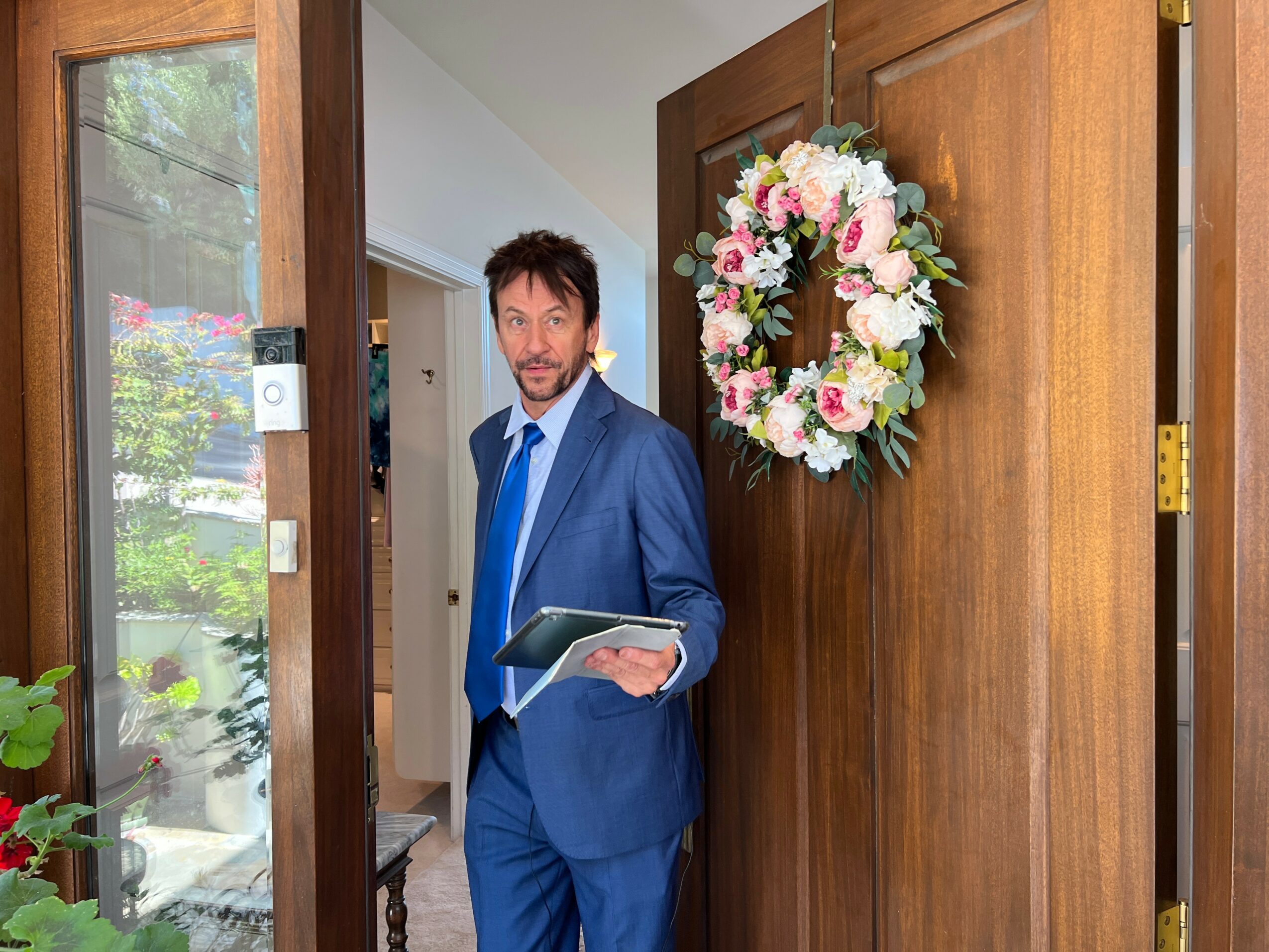
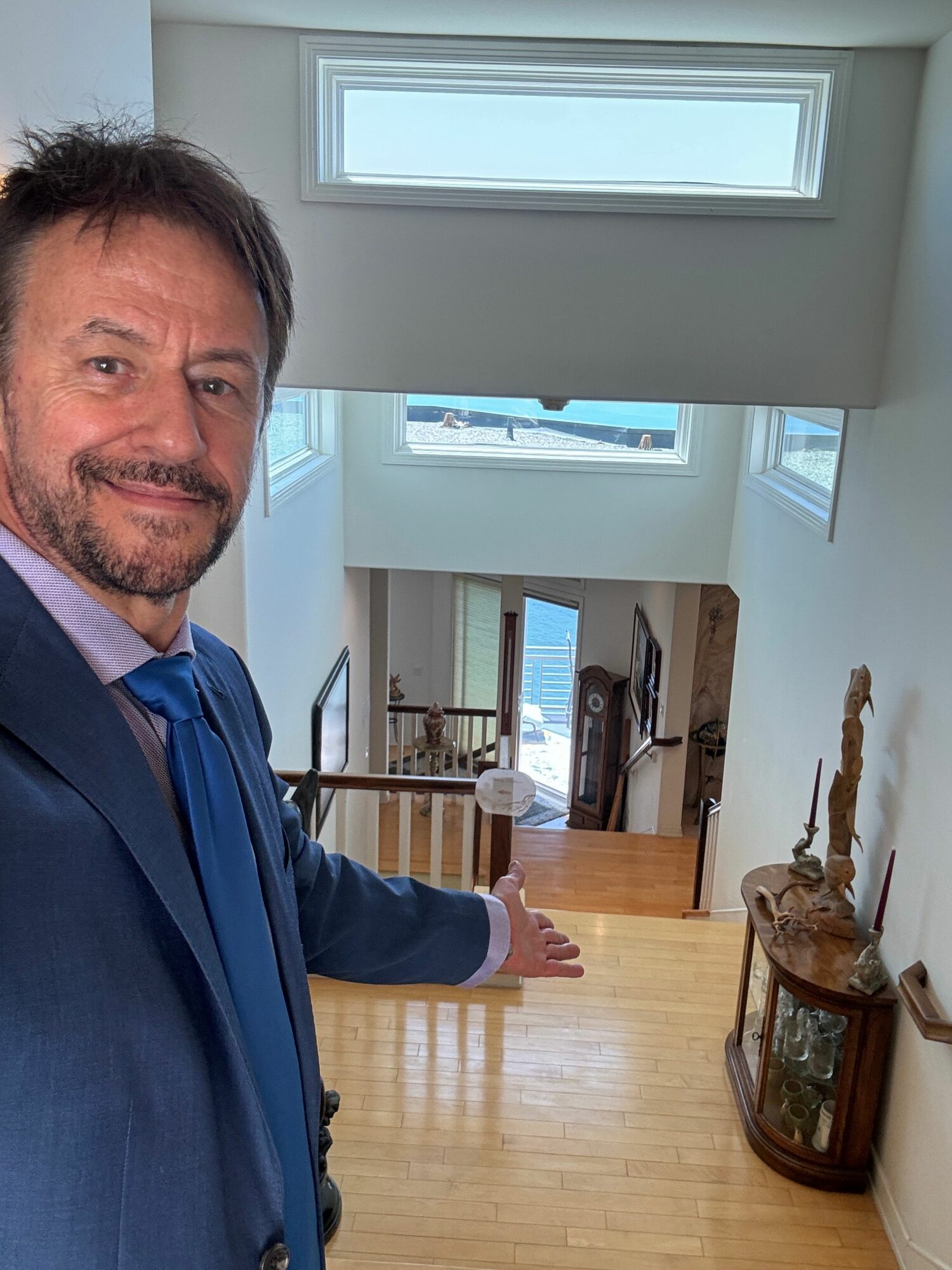




Image Credits
Photos are taken by Philipp a. Schaedler
Popular
-

Portraits of the Valley
-

LA’s Most Inspiring Stories
-

Maagic Collins on Building a Fearless Publishing Platform for Truth, Advocacy, and Underrepresented Voices
-

Los Angeles Barea on Turning Green Superheroes into a Global Movement for Youth-Led Change
-

Trisha DuVivier on Bridging the Franchisor–Franchisee Divide with Workhero and “Franulate”
-

Cedar Boschan on Elevating Black Music Rights and Driving Urgent Conversations Around Credit, Equity, and Artist Protection


