





We recently had the chance to connect with Lisa Gillette and have shared our conversation below.
Hi Lisa , thank you for taking the time to reflect back on your journey with us. I think our readers are in for a real treat. There is so much we can all learn from each other and so thank you again for opening up with us. Let’s get into it: What do you think is misunderstood about your business?
Misunderstanding? Let me call it out. The BIG LIE is that the pay gap doesn’t exist.
Recent data from the Economic Policy Institute shows that in 2025, the pay gap actually widened. After years of incremental, read SLOW, progress, women are now earning even less than their male counterparts! We’re not stalled, we’re moving backward.
Another major misunderstanding is the belief that negotiation is gender neutral. It isn’t. Most salary negotiation tactics were designed by men, for men. When women use the same strategies, they’re penalized for behavior that’s rewarded in men. A woman advocating for herself is labeled ambitious, and that’s not a compliment! A man doing the same thing is seen as leadership material.
This isn’t about confidence or communication style. It’s a double standard baked into the system. It shows up clearly where power and money meet.
Can you briefly introduce yourself and share what makes you or your brand unique?
I’m a former sports television executive with more than 25 years in entertainment media. The last ten years of my corporate career was spent in a male-dominated industry where competence and expertise were often assumed in men and routinely questioned in women. I learned early that talent can’t always overcome gender bias, and that hard work alone doesn’t guarantee fair pay. Focus, perseverance and a strategy you can execute can.
Today, I’m an equal pay activist, an ICF-certified leadership coach, and the founder of BIGSKY Coaching & Consulting. I work with women in male-dominated fields who are done with being undervalued, underpaid, or passed over for promotion. I help my clients navigate gender bias, negotiate compensation, and position themselves as leaders who decision-makers recognize and reward.
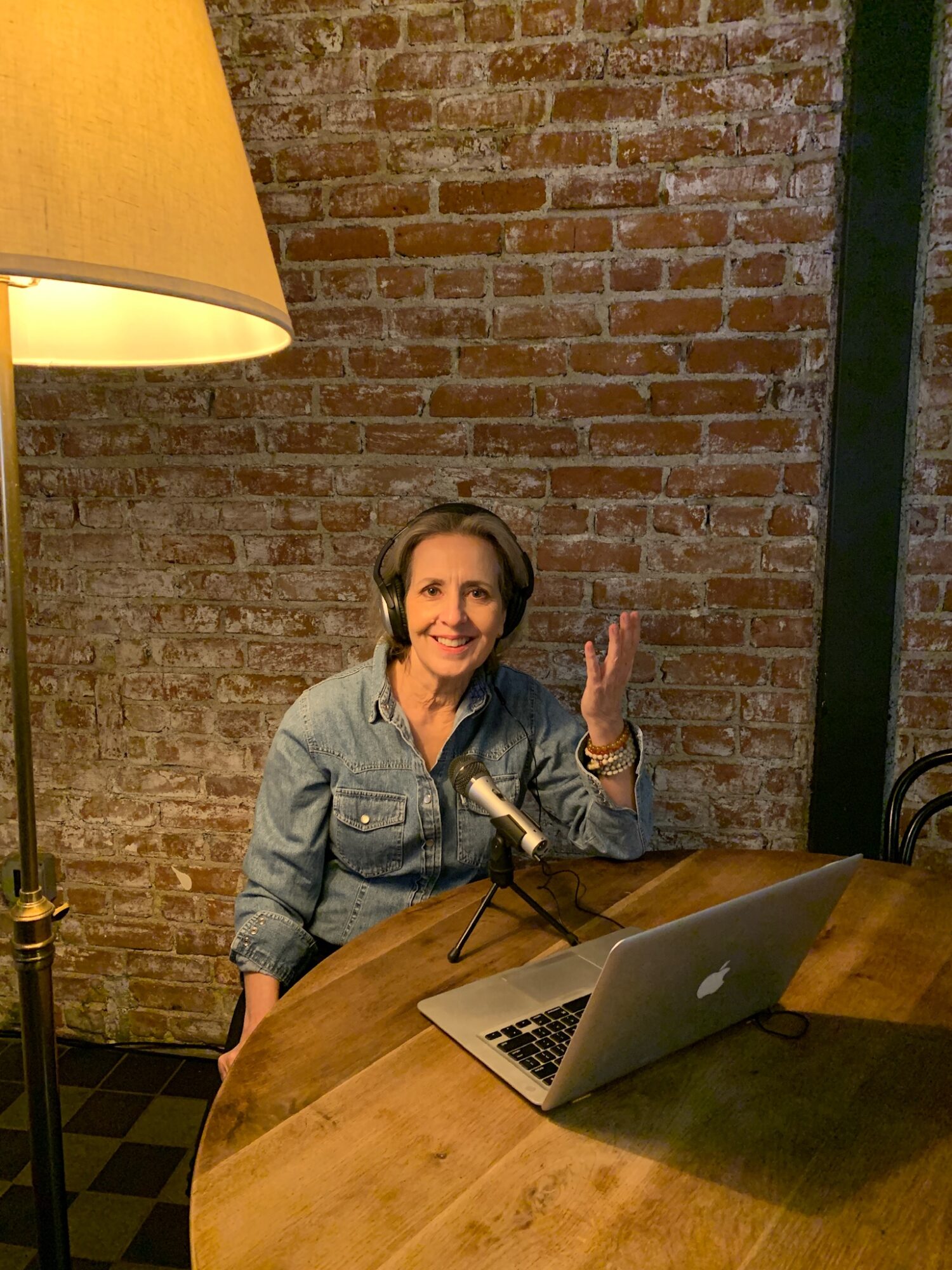
I also host the podcast GRACE, GRIT, GETTING IT DONE!, now in its fourth season. It’s a thought-leadership platform for women who want practical strategies, not platitudes. I interview authors, speakers, and experts in women’s leadership. I speak candidly about power dynamics inherent in the corporate arena from the perspective of someone who’s lived it, who not only survived but thrived.
My mission is singular; in my coaching, masterclasses, online courses, and digital workbooks; I want to increase diversity in senior leadership. I believe every woman deserves equal access to professional opportunities, career advancement, and, of course, equal pay.
Thanks for sharing that. Would love to go back in time and hear about how your past might have impacted who you are today. What’s a moment that really shaped how you see the world?
I was working in cable television, leading a small team of writers, producers, and editors. We produced fifty to sixty on-air promos every month. A handful were for big blockbuster movies, most were for low-budget B-movies. The work was demanding, even if the credits didn’t shine on my demo reel.
I landed an interview at a production company contracted with one of the major networks. At my interview over lunch at a trendy Hollywood hotspot, the owner asked a question that’s now illegal for good reason: “What are you currently making?” I knew I was underpaid, but I had no idea what the salary range was for the role. It wasn’t listed on the job posting. This was pre-internet salary data, and I was flying blind. I didn’t want to anchor myself to the wrong number so I didn’t answer his question.
Instead, I said I didn’t want to give him sticker shock and described the scope of my current role: managing a team of five, overseeing a $1.5 million budget, and contributing to annual planning, responsibilities this job didn’t require. He asked again. I repeated myself once. Then I smiled and stopped talking. He was forced to name a number; $20,000 more than I was making. I accepted.
That moment taught me two foundational lessons. One: negotiation is a conversation, not a confrontation. And two: silence creates discomfort, and discomfort makes people talk, often revealing critical information.
Most importantly, I learned the one thing I would never do again: accept the first number. The most effective response to every offer that I share with my clients is simple. “I’m excited about this opportunity. Is there any upward movement in that number?”
What did suffering teach you that success never could?
I had just made my Director’s title when I was asked to lead a roundtable discussion at an industry breakfast. The first question was simple: “What’s one thing about your job you wish you could change?”
The woman sitting across from me started to cry. Through tears she said, “My boss shouts at me.” As I stood up to hug her, I felt she was describing my boss. I wasn’t alone. This wasn’t normal. And it wasn’t my fault, but it was definitely my problem.
That moment reshaped how I understood power dynamics at work. Bad behavior is never good leadership. Screaming, intimidation, and bullying aren’t signs of strength; they’re shortcuts used by insecure, incompetent leaders. Fear doesn’t build loyalty or trust, and it never produces great work.
I began studying organizational psychology. I learned how to manage difficult people, how to manage Senior Management, and how to manage my own career. I paid attention to who got promoted and why, which ideas were praised but ignored, and what was truly valued versus what leadership claimed to value.
Most importantly, I learned how to communicate how my ideas aligned with senior management’s priorities. I started to hear YES to my requests.
One month later I walked into the office of the president of the company. I told him I could no longer do my job if I had to report to my boss. Two weeks later, I had a new boss: the president of the company.
What did I learn? Always be professional. Pay attention, be risk-aware, not risk-averse. Understand what you bring to the table and be able to clearly communicate it. Never normalize bad behavior. Do not respond in kind but do call it out. Play the long game and always have an exit strategy.
Sure, so let’s go deeper into your values and how you think. What’s a belief or project you’re committed to, no matter how long it takes?
I’m committed to closing the pay gap, and it’s my mission, not a talking point.
I’m also committed to increasing diversity in senior leadership. Too many organizations still rely on outdated command-and-control models that reward dominance over judgment and income revenue over insight. That style of leadership isn’t just ineffective, it’s toxic.
My work sits at the intersection of strategy, preparation, and disruption. I help women understand how power dynamics work, how to build the skills and experience required for senior roles, and how to navigate systems that were designed by men for men.
I challenge the idea that leadership has to be loud, aggressive, or performative to be taken seriously. It doesn’t. Some of the strongest leaders I’ve known were calm, clear, collaborative and impossible to ignore.
Systems don’t change overnight. But I’ve seen what happens when women are prepared, paid fairly, and positioned to lead. That changes not just who’s in charge, but how leadership operates. Progress isn’t always fast, but it is inevitable. I have no intention of sitting down or shutting up.
Okay, we’ve made it essentially to the end. One last question before you go. What is the story you hope people tell about you when you’re gone?
After I’m gone, I hope people say I got things done. I made things happen. I made things better. I kept my word.
I hope people remember that I was strategic without being cold, compassionate without being naïve, and clear about what mattered and what didn’t. That I raised standards, told the truth, and made it easier for capable people, especially women, to do serious work and be paid accordingly.
I hope they say that I understood how power works and used it responsibly. That I didn’t confuse leadership with ego or urgency with importance. And that I had little tolerance for BS disguised as standard operating procedure.
Most of all, I hope people felt that progress happened because I was there. That I moved the needle without needing applause, and that when corporate nonsense showed up (i.e. “we’ve never done it that way before.”) it was shown the door.
Contact Info:
- Website: https://bigsky.coach/
- Instagram: https://www.instagram.com/bigskycoach_lisa_gillette/
- Linkedin: https://www.linkedin.com/in/lisa-gillette/
- Facebook: https://www.facebook.com/bigskycoachlisa/
- Youtube: https://www.youtube.com/@bigskycoachingconsulting2613/
- Other: https://www.tiktok.com/@bigsky.coach_lisa?_r=1&_t=ZP-92mKfJOJyUY/




Popular
-

Portraits of the Valley
-

LA’s Most Inspiring Stories
-

Rick Norris Learned That Building a Successful Business Means Building a Life You Actually Want to Live
-

How Olivia Rush Turned Survival Into a Mission to Help Others Keep Going
-

How Bibi Goldstein Is Helping Entrepreneurs Reclaim Their Time by Embracing the Power of Delegation
-

Victoria Hasson is Redefining Voice Coaching Through Community and Collaboration


