




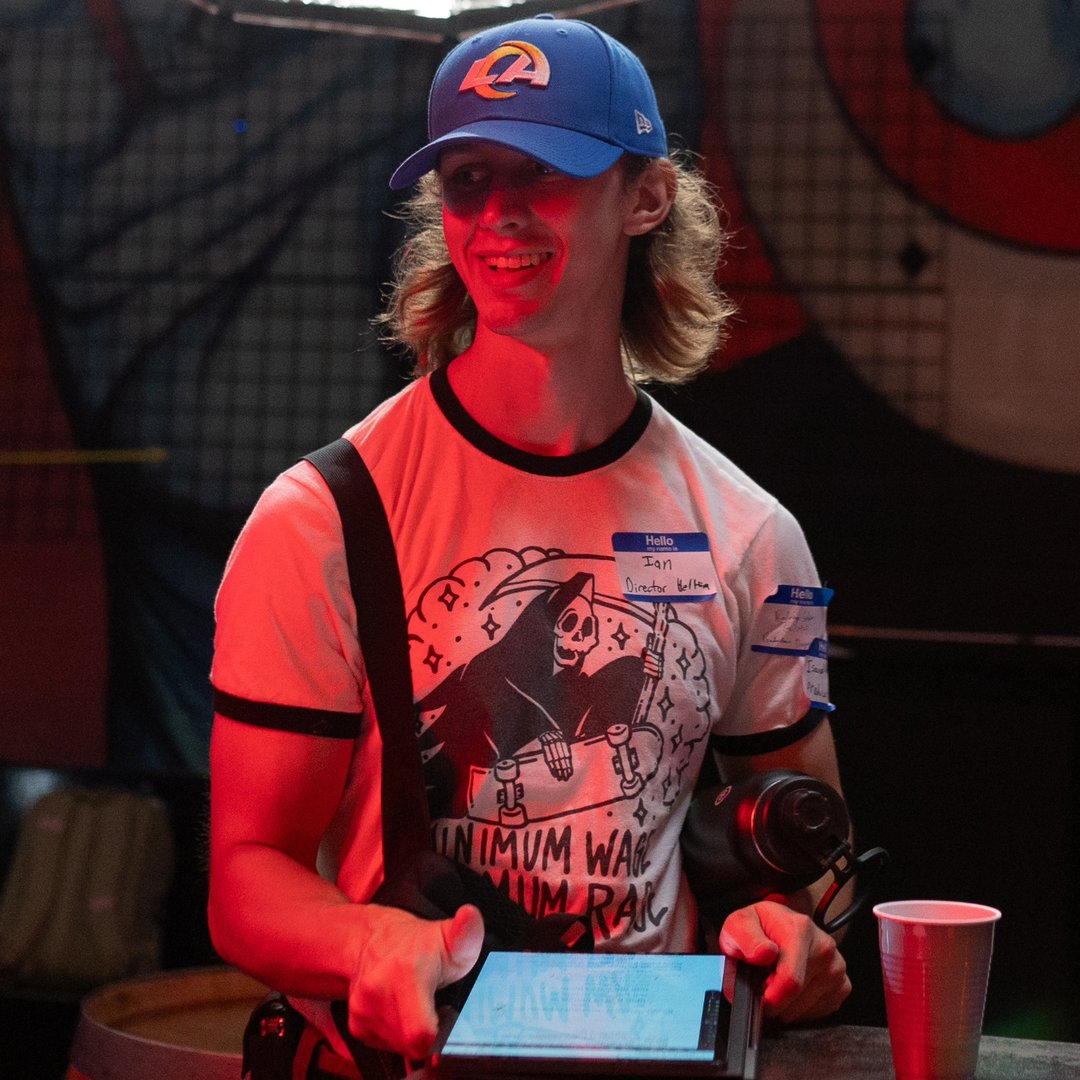
We’re looking forward to introducing you to Ian Jonassen. Check out our conversation below.
Hi Ian, thank you so much for joining us today. We’re thrilled to learn more about your journey, values and what you are currently working on. Let’s start with an ice breaker: Have you ever been glad you didn’t act fast?
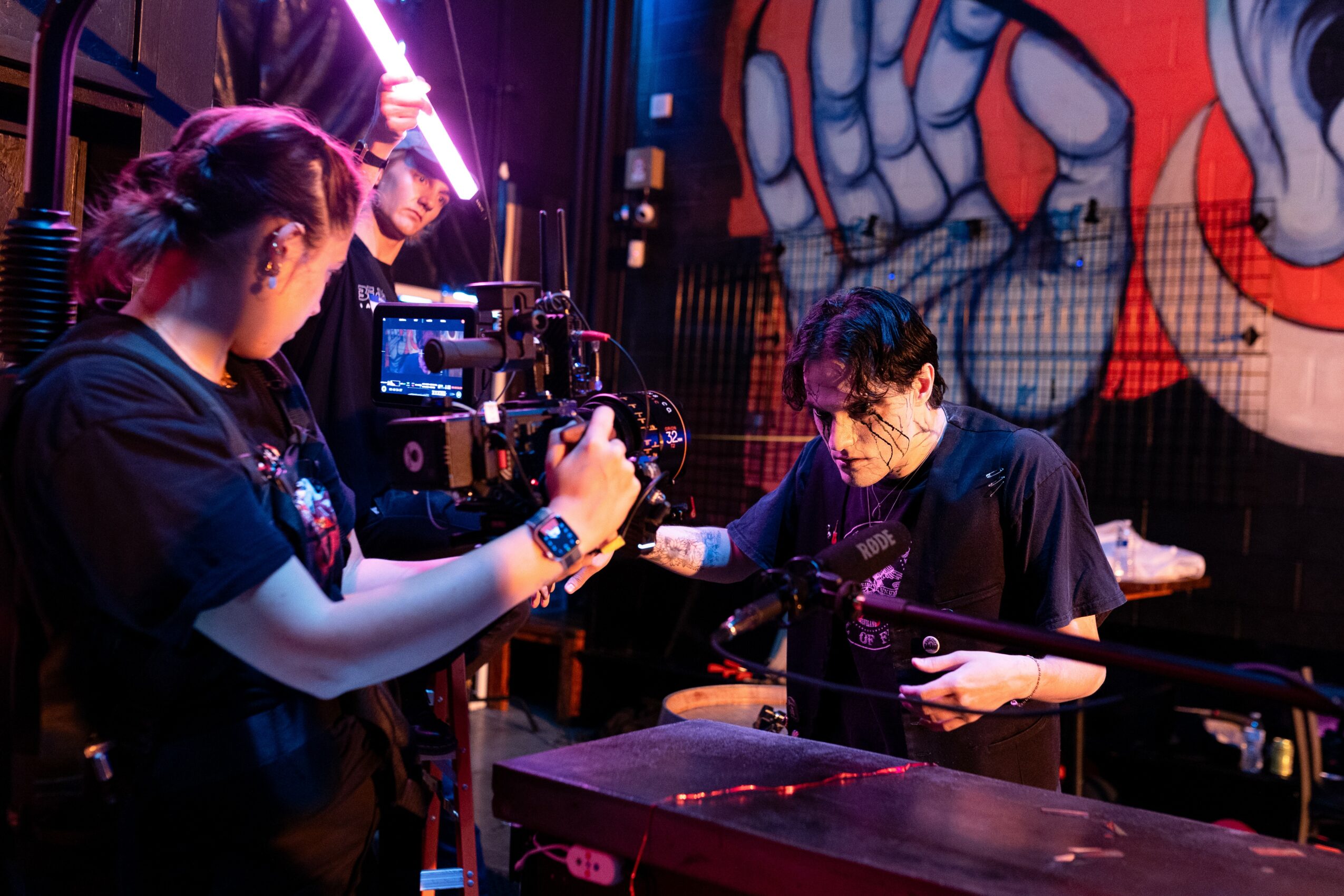
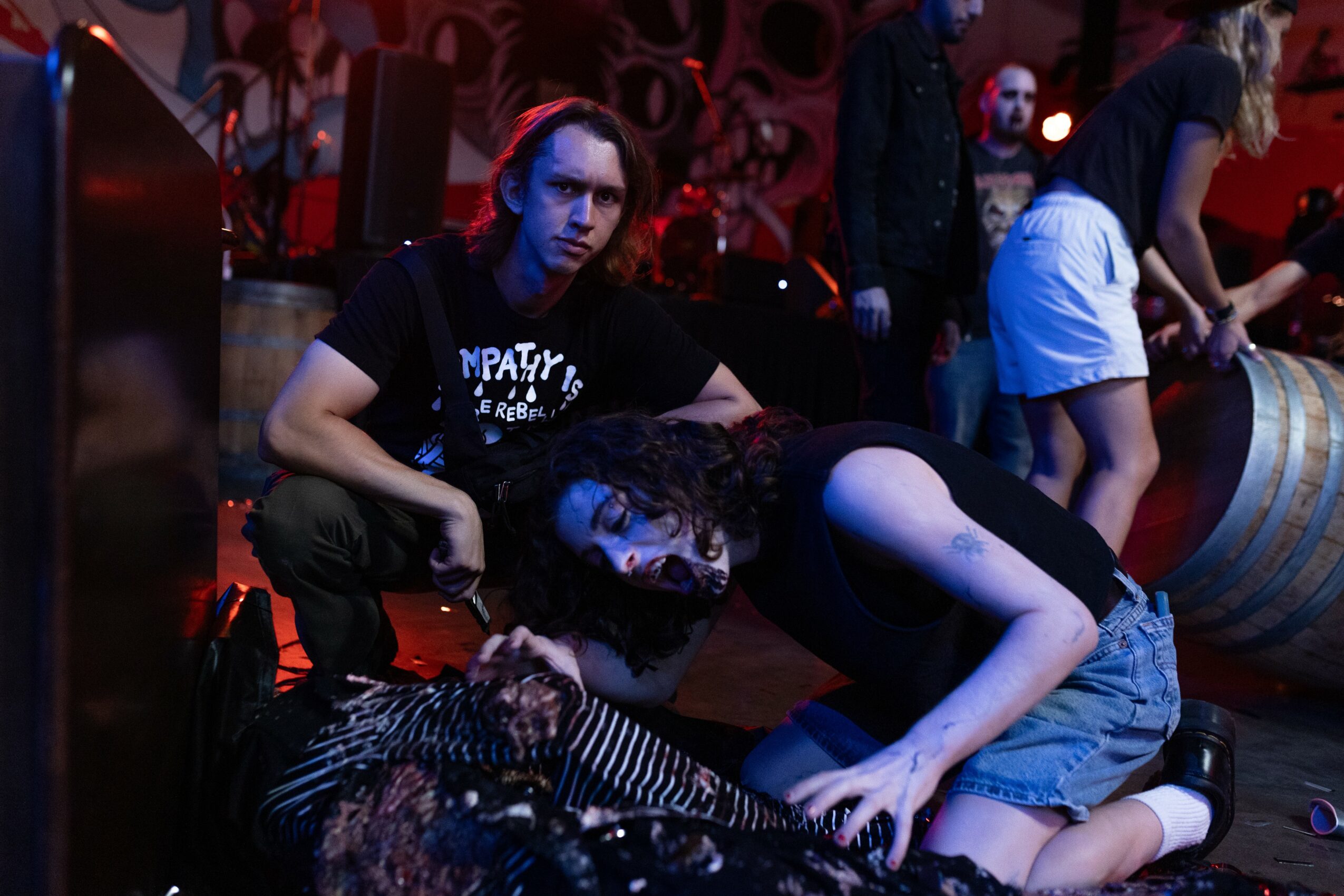
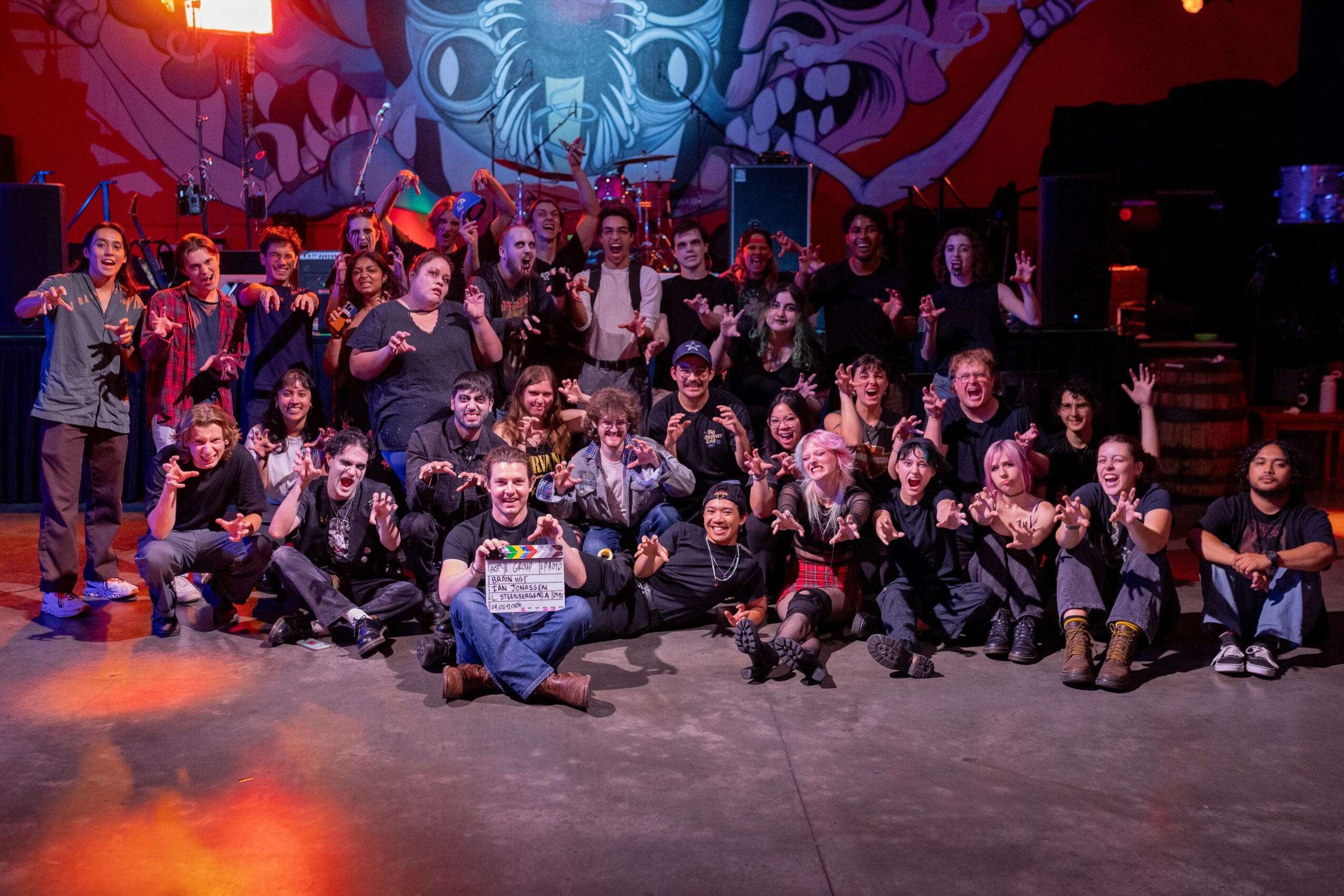
Definitely, when I first got out of college, I wanted to make a zombie movie that I had written right off the bat. You can make a movie whenever you want, as long as you have a camera, but I’m glad that I’ve spent a ton of time since then really getting all my ducks in a row before making it. The project has evolved a ton along with my view of what I want it to be. If I had shot it right out the gate, it wouldn’t be at the quality that I want it to be at, at the quality that it will be now that I’ve taken my time and done a million things I wouldn’t have if I threw it together just to get it done. I think the thing that would’ve killed me most is knowing all the work I put into writing the script and then not doing the due diligence on getting it actually made, because then the story would just be used up, and the next project would be on its way without me delivering on what I could have done if I just slowed down.
Can you briefly introduce yourself and share what makes you or your brand unique?
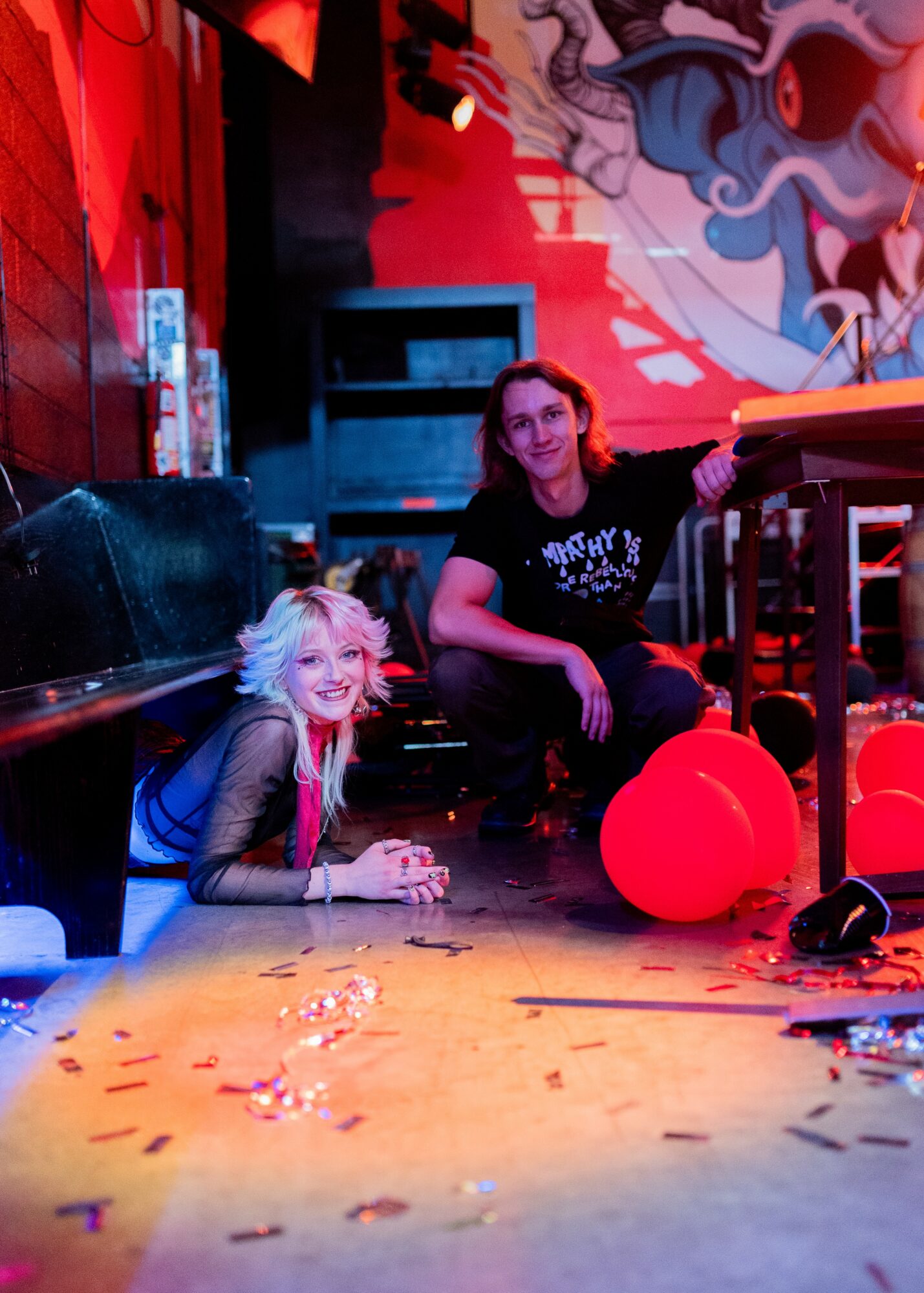
I’m an independent filmmaker out of Lancaster, California. I’m working in development on a horror movie, and my day jobs are working at a recording studio, an art museum, and as a substitute teacher. I’m having a lot of my projects based in Lancaster so that the community I grew up in can be put on display a bit. I think putting unknown locations in your projects already gives them a unique flavor, plus it feels good to give opportunities to artists in the area while using my familiarity with the city to make my projects as fleshed out and vibrant as I want. Exploring and having fun with a unique setting for a story is a lot easier when you’ve lived there, and if it’s a place that people don’t know about already, it bleeds more individuality into your project.
Great, so let’s dive into your journey a bit more. What was your earliest memory of feeling powerful?
The first time I can remember feeling powerful was in first grade. I fit the school system really well and got super competitive with grades, so whenever I got sat in the advanced reading circle or something like that, I was like “Ooo look at me, I have a big brain.” I had to go to speech therapy because I was not able to say my R’s, so that balanced out my kid ego a bit, sounding like Elmer Fudd all the time.
When did you last change your mind about something important?
The last time I changed my mind about something important was choosing to pursue teaching as a job while still pursuing film. I’ve had it on my mind for a while. I’ve talked to a ton of independent filmmakers about how they support themselves while still creating, and a fair number of them point to teaching. I’ve been substitute teaching for a bit just for extra money, and then I looked at my options to get a teaching credential and thought, “Okay, yeah, this can work well.” For a while, I was plugging away at trying to get a more film industry job, like in representation or on set work, but I don’t think I’d be happier there than in a classroom, and it actually affords me more time to put into my projects thanks to the recurring time off each year. Ultimately, it gives me the best base where I can be happy and have time to devote to my projects while paying enough to support my base needs, which is why a lot of creatives do it, but it took me a while to get comfortable with the idea when I wasn’t given a golden filmmaking ticket right out of college.
Sure, so let’s go deeper into your values and how you think. How do you differentiate between fads and real foundational shifts?
I think the main indicator that something is a fad or a foundational shift is how long it lasts. If it lasts past 10 or 20 years, that’s a foundational shift. I’m thinking of this in mostly a film sense, like the removal of the vertical integration studio system, the inclusion of sound, and the inclusion of color. 3D was huge when I was growing up, but it died out as a fad. Sometimes, the thing that is the decider for if a change is a fad or a foundational shift is whether or not people use it to actually augment the art form. Sound and color immediately changed how artists approached filmmaking; every sound and color choice is thought of considerably. 3D had the opportunity to do that, and some artists really leveraged it to provide a new and well-thought-out experience, but on the whole, 3D was usually just slapped onto a finished product and went away as a fad. Anything that changes the approach to the art form can be a foundational shift, but whether or not it’s adopted as a long-term tool is what makes or breaks that.
Before we go, we’d love to hear your thoughts on some longer-run, legacy type questions. Are you doing what you were born to do—or what you were told to do?
A bit of both, honestly. I think you can assign yourself the meaning of what you were born to do, perception is reality, and you can always change your perception. Being told to do certain things also plays a role in your perception, though, and you can’t always control how what other people tell you affects you. If you’re told you were born to be a doctor from the time you’re a baby to the time you’re grown up, that can do anything from not affecting you at all to you knowing and believing that you were born to be a doctor. I’m just trying to do what makes me happy, and whether or not I was born to do that or if I’m doing it because I was told, I don’t really pay it any mind.
Contact Info:
- Instagram: https://www.instagram.com/iej2000/
- Linkedin: https://www.linkedin.com/in/ian-jonassen-2287b1197/
Popular
-

Portraits of the Valley
-

LA’s Most Inspiring Stories
-

Rick Norris Learned That Building a Successful Business Means Building a Life You Actually Want to Live
-
How Olivia Rush Turned Survival Into a Mission to Help Others Keep Going
-

How Bibi Goldstein Is Helping Entrepreneurs Reclaim Their Time by Embracing the Power of Delegation
-

Victoria Hasson is Redefining Voice Coaching Through Community and Collaboration


