




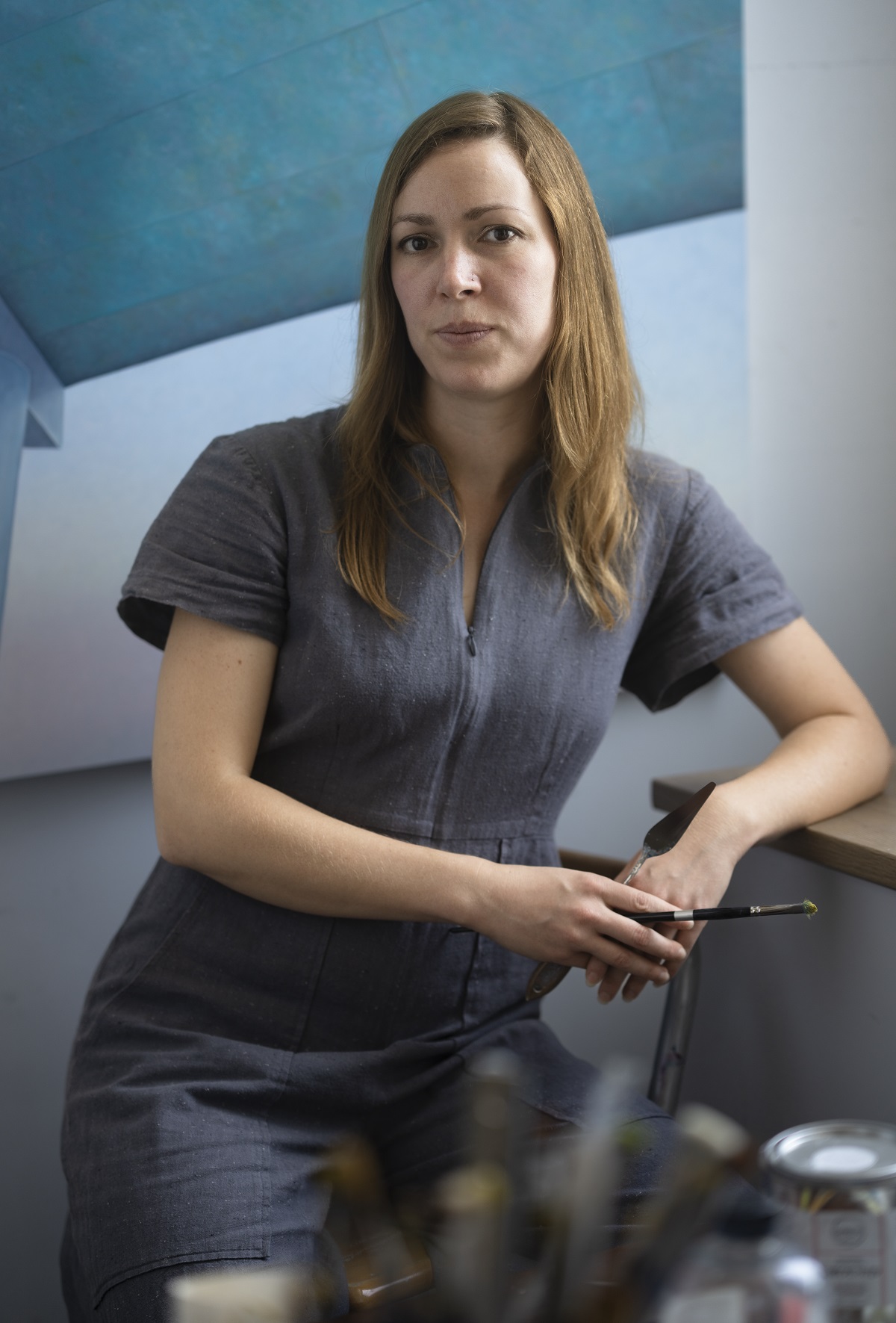
We recently had the chance to connect with Christine Rasmussen and have shared our conversation below.
Christine, really appreciate you sharing your stories and insights with us. The world would have so much more understanding and empathy if we all were a bit more open about our stories and how they have helped shaped our journey and worldview. Let’s jump in with a fun one: What is something outside of work that is bringing you joy lately?
Dancing! At home alone or out in group settings; as long as there’s a beat, no matter my mood – sad, angry, joyful – it feels good to be embodied.
Can you briefly introduce yourself and share what makes you or your brand unique?
I’m a professional artist represented by Billis Williams Gallery in the Culver City Arts District, and my next solo show is coming up in May 2026.
As a painter, I investigate the in-between, seeking transcendence in the everyday. My subtly textured, luminous oil paintings offer antidotes to overwhelm, a reprieve from the overstimulation of our fast-paced digital age. In my slow, meditative layering of paints, I explore notions of stillness, presence, connection and spaciousness.
Lately, my work has been focused on capturing “glimmers” – little moments of joy, beauty or wonder in everyday surroundings that “can positively impact mental health by regulating the nervous system”, as coined by psychologist Deb Dana. Contemplating color and form, I paint transition spaces intentionally devoid of landmarks and human figures. My simplified compositions are concerned less with real places than with mood and our rich inner lives. Finding wonder in mundane moments – like looking up to see the light glowing off a freeway overpass while stuck in traffic below – can reset one’s nervous system. Elevating the beauty of liminal spaces shifts one’s attention to the possibilities in the quiet periphery. Revealing more the longer one looks, my tiny brushstrokes invite viewers to slow down, be present and linger in the details.
Great, so let’s dive into your journey a bit more. What’s a moment that really shaped how you see the world?
I was born and raised in Pakistan until I was 14, a country with a lot of history visibly layered in its architecture. In junior high, I attended school in a de-sanctified church leftover from British colonial rule. On a school holiday, I visited the Badshahi Mosque built in the 1670s by the Mughal emperor Aurangzeb. This is my earliest memory of thinking deeply about architecture – fascinated by the history and how the utility of each shaped the aesthetics. These two buildings gave me a visual representation of the juxtapositions within my own life as a confused American expatriate teen trying to find my own identity while living between cultures, languages and religions.
The proximity of two architectural styles, two religions, various stories, histories, cultures embedded in these materials and techniques designed to withstand hundreds of years intrigued me. Differences, yes, but also similarities that sparked a deep seeded appreciation for finding familiarity wherever I went, as I spent most of my teenage years globe-trotting. In some ways it’s surprising that I never considered studying architecture; instead, I found solace in painting. I continue to be inspired by the beauty, grounding and metaphor I find in portraying architecture and the urban landscape, where I find more evidence of shared humanity than difference.
What did suffering teach you that success never could?
Humility, tenacity and gratitude. As someone who struggles with depression and anxiety – not to mention imposter syndrome – some of my darkest days have been entirely internal. For many years I hid this and tried to “push through”, feeling ashamed of my mental health. At some point, this became untenable and I had to ask for help. I began to talk more candidly about this struggle and in so doing I have deepened relationships and my support systems – personal and professional. Admitting I have limitations has been a humbling experience, but it turns out vulnerability builds human connection, and I think that has fed directly into my art practice. A lot of my work is about combatting the overwhelm of the external world by creating spaces that ground one in the present moment, while evoking calm and spaciousness. In fact, the more chaotic the world gets, the more spare my paintings become. Looking back, I can see overcoming these struggles – again and again, the work is never finished – has made me a tenacious person. Which is a plus – being an artist is not easy so being persistent is a good skill to have. I hold steadfast to my support systems and my belief that this world does, in fact, hold kindness, joy and beauty – which is why art continues to be important, a way to remind each other of this. Tied to tenacity is my gratitude practice – I actively express my thanks even for the littlest things, to become more attuned to, and embody, all the small moments that make life sparkle.
Sure, so let’s go deeper into your values and how you think. Whose ideas do you rely on most that aren’t your own?
Two quotes that help me stay on track and regulate are:
“Success is liking yourself,
Liking what you do,
And liking how you do it.”
–Maya Angelou
Measuring myself to these standards helps me to feel my own success, even when I can’t always show it in the narrow capitalistic definition of money or accolades. Also, this as a guiding principle helps me prioritize and make better decisions; if one of the sentiments is off, I can pivot to change it.
“People overestimate what can be done in one year,
and underestimate what can be done in ten.”
–JCR Licklider
Keeping this quote in mind helps me be less reactive in the present moment, and more strategic and future-oriented. This perspective is a reminder that life is a marathon not a sprint, regardless of how technology keeps speeding things up. I’m in it for the long haul, and I want to build something lasting, with intention.
Okay, so let’s keep going with one more question that means a lot to us: Could you give everything your best, even if no one ever praised you for it?
Yes. As an artist, I think this is a question of integrity – making things to meet my own high expectations and to bring beauty and joy into the world, rather than vying for 15 minutes of fame. I believe in sharing art, absolutely, and prefer not to work in obscurity. But I am also clear that my driving force is from within, not seeking external validation. It is easy to fall into pursuing “likes”, but what gets me out of bed in the morning and keeps me going is my aspiration to make paintings that have staying power.
Contact Info:
- Website: https://www.christinerasmussenart.com/
- Instagram: https://www.instagram.com/christinerasmussenart/
- Linkedin: http://www.linkedin.com/in/christinerasmussenart
- Youtube: https://www.youtube.com/@christinerasmussenart
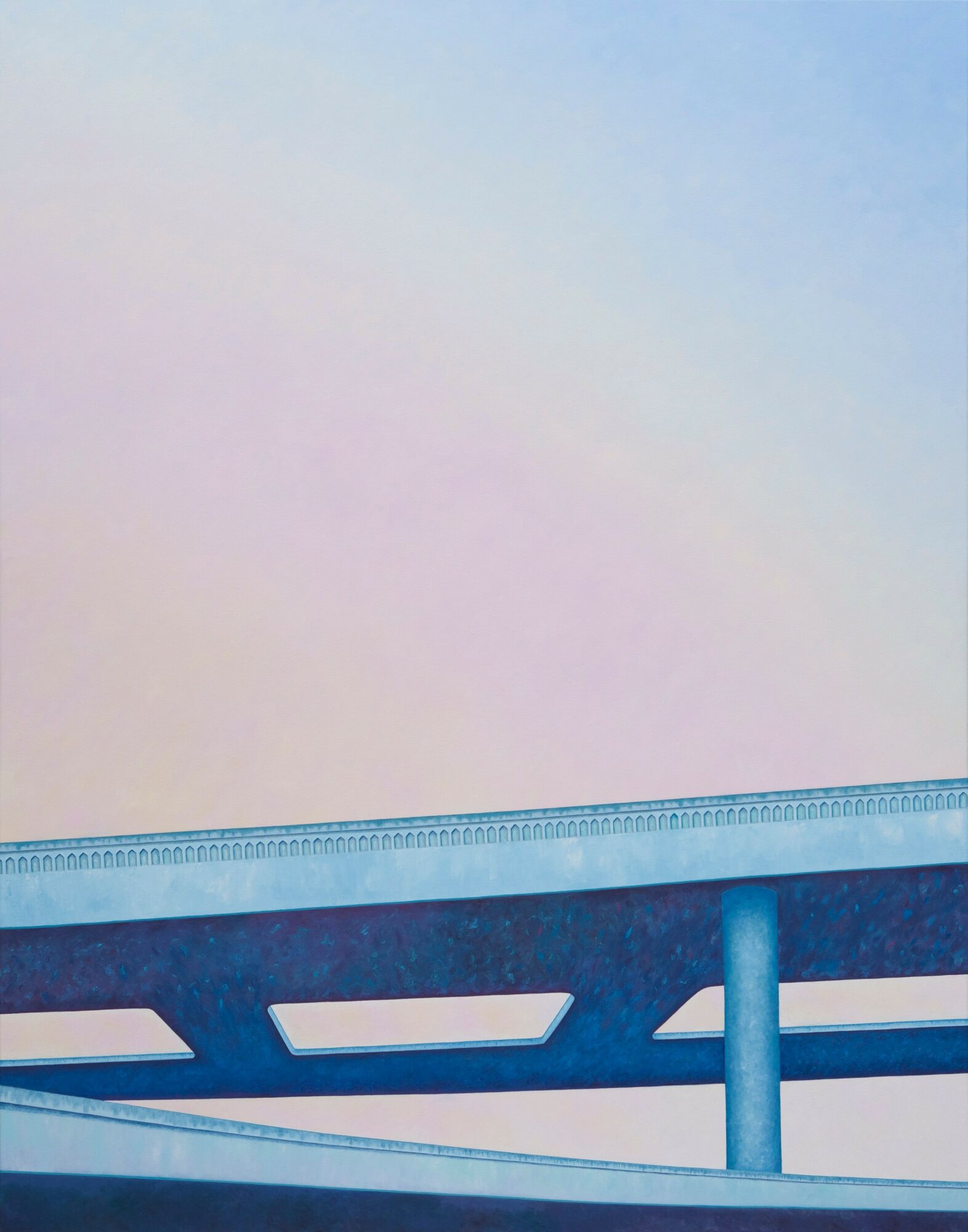
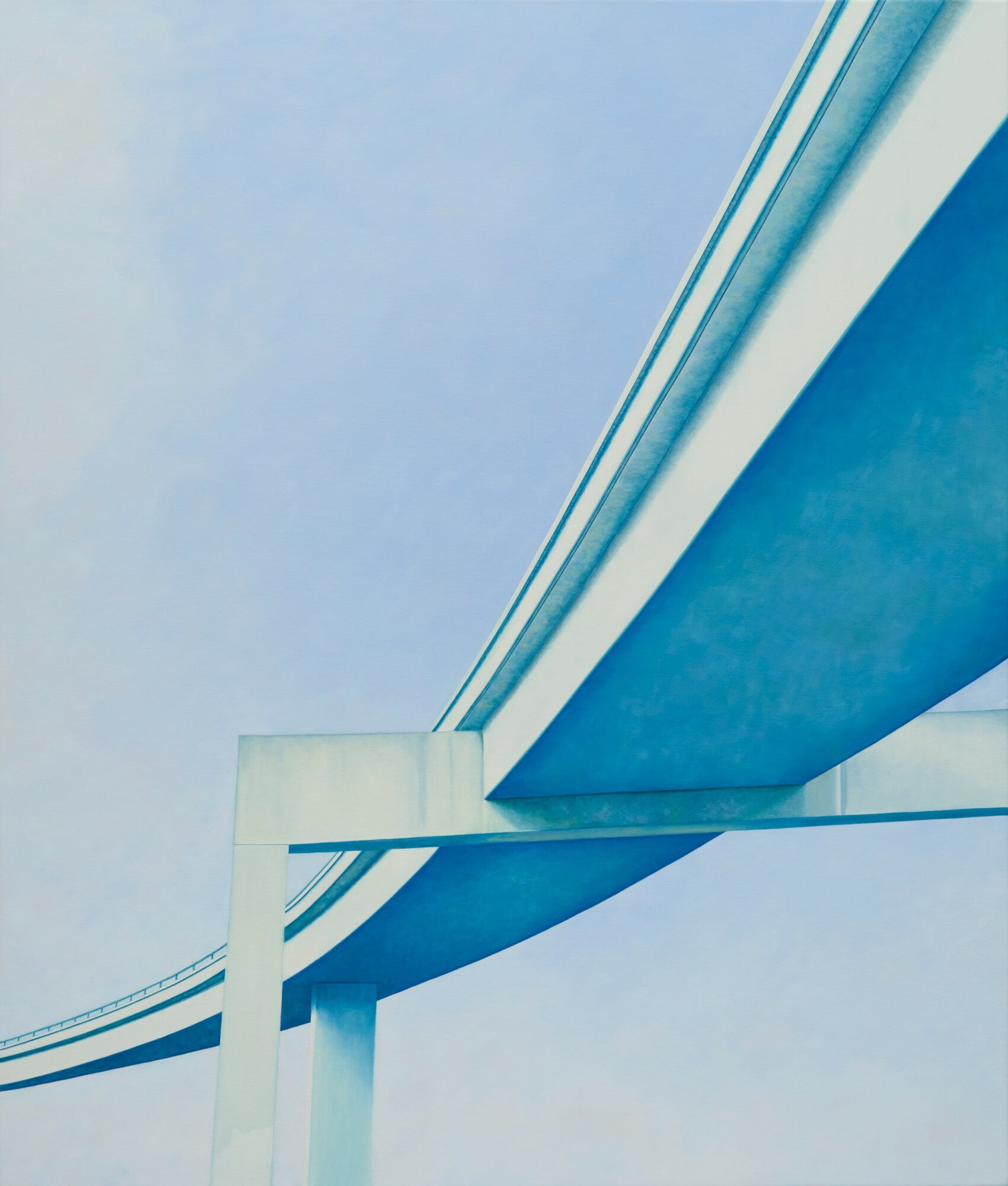

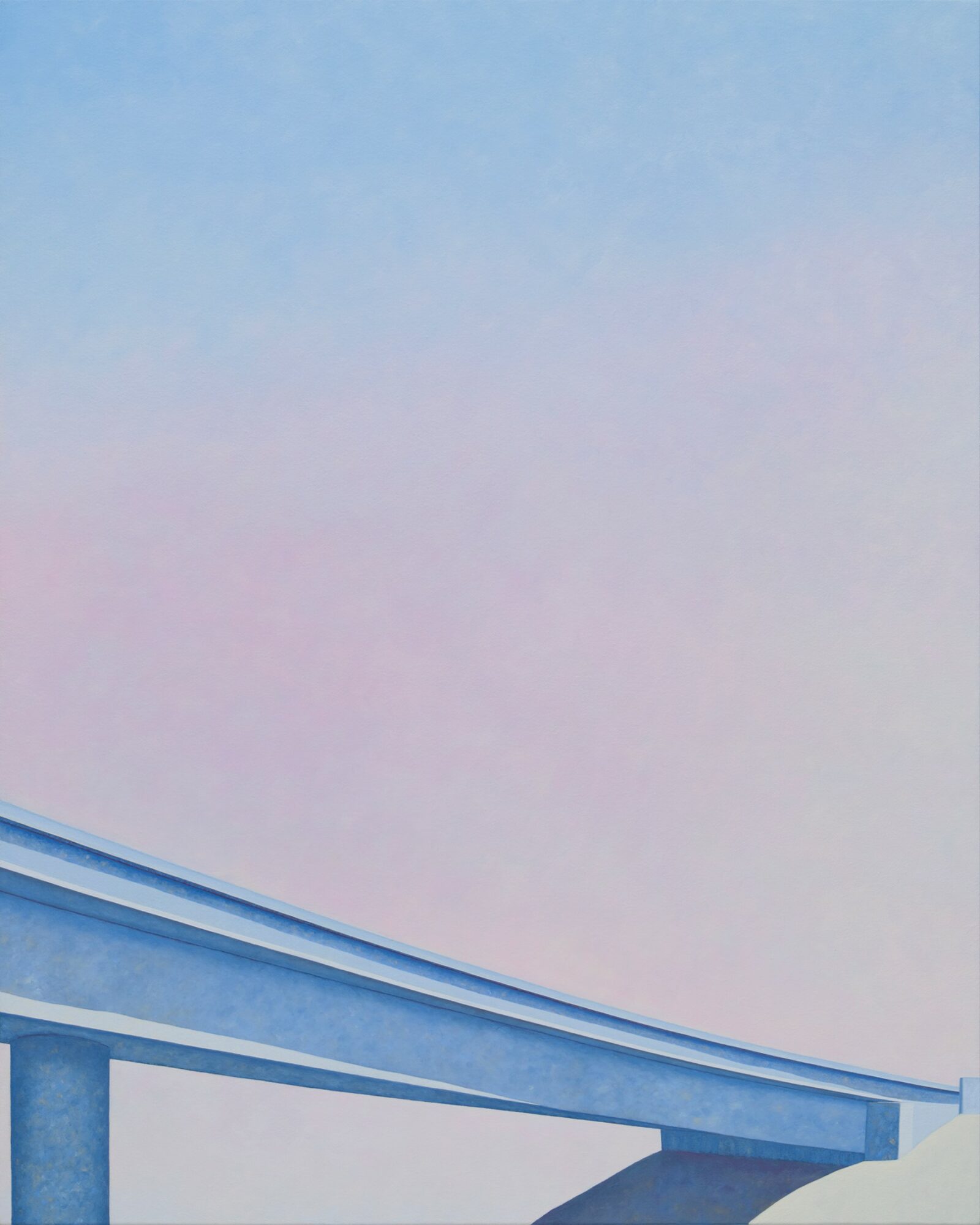
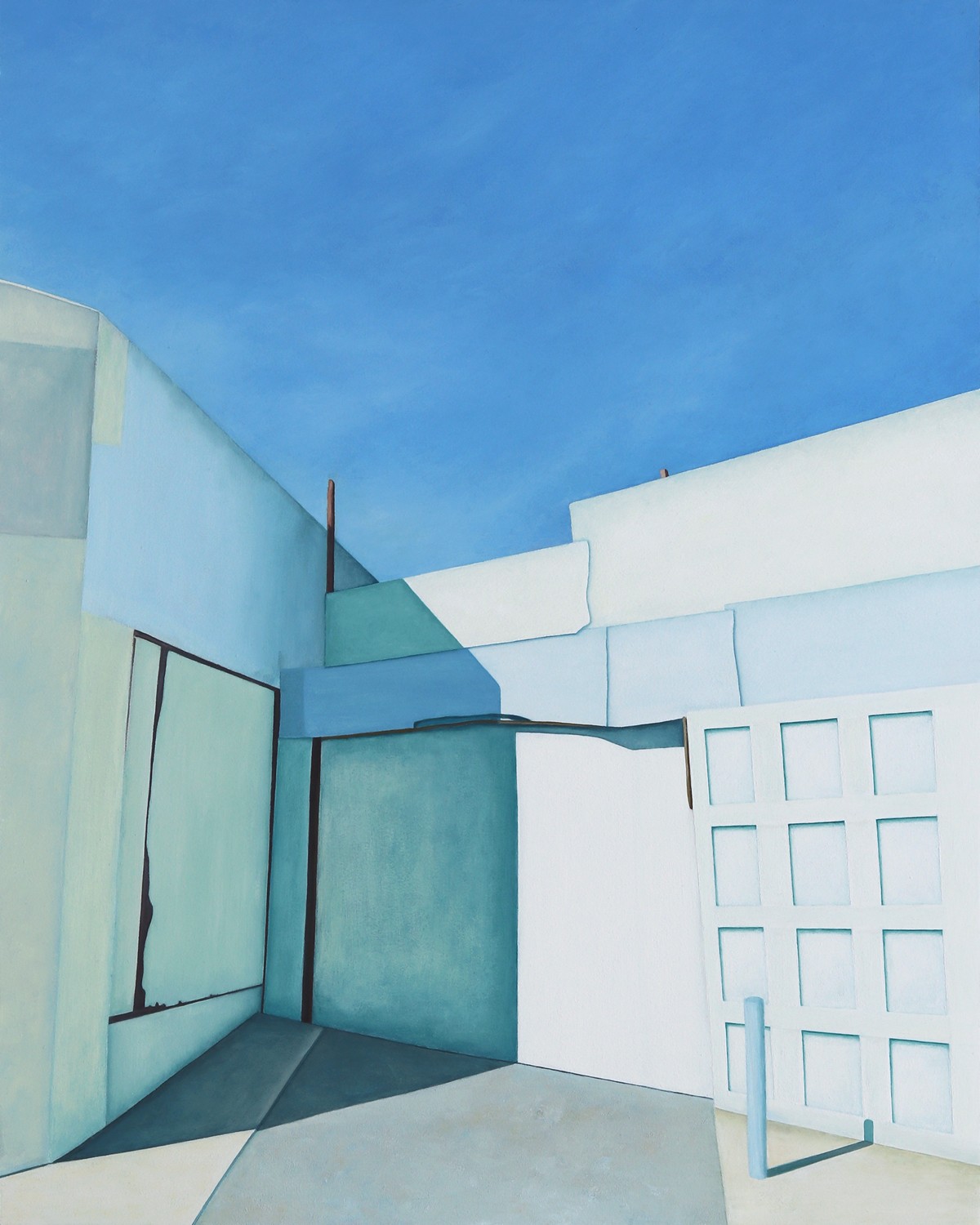
Image Credits
Elon Schoenholz, Christine Rasmussen
Popular
-

Portraits of the Valley
-

LA’s Most Inspiring Stories
-

Rick Norris Learned That Building a Successful Business Means Building a Life You Actually Want to Live
-

How Olivia Rush Turned Survival Into a Mission to Help Others Keep Going
-

How Bibi Goldstein Is Helping Entrepreneurs Reclaim Their Time by Embracing the Power of Delegation
-

Victoria Hasson is Redefining Voice Coaching Through Community and Collaboration


