




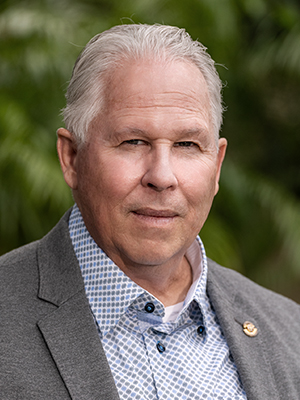
Brad Klimovitch shared their story and experiences with us recently and you can find our conversation below.
Brad, so good to connect and we’re excited to share your story and insights with our audience. There’s a ton to learn from your story, but let’s start with a warm up before we get into the heart of the interview. What do you think is misunderstood about your business?
What I find most misunderstood about my business is that people often assume anger management is just about helping someone “calm down” or manage outbursts. But what we actually do goes much deeper. At North Valley Anger Management Consultants, we’re addressing the underlying dynamics of conflict, manipulation, abuse, and emotional regulation. This isn’t about quick fixes—it’s about long-term behavioral change and healing, often in very high-stakes situations like domestic violence, family disputes, or high-conflict co-parenting.
Another common misconception is that we only work with offenders or court-mandated clients. In reality, we also work with victims, families, veterans, and entire communities. My background in victim advocacy and batterer intervention gives me a 360-degree understanding of how conflict and trauma affect people. We’re not just checking boxes for compliance—we’re helping people rebuild healthier relationships and communities.
Also, we’re not a clinical therapy practice, and we’re not a legal mediation firm. We operate in a unique space that blends conflict resolution, life skills coaching, behavioral education, and community advocacy. People come to us not just after something has gone wrong—they come to us to prevent issues, improve communication, and shift lifelong patterns.
So, in short, what’s misunderstood is that people think of us as a reactionary service. But in truth, we’re proactive change agents—guiding people toward self-awareness, accountability, and ultimately, peace.
Can you briefly introduce yourself and share what makes you or your brand unique?
My name is Brad Klimovitch, and I’m the Managing Director and Co-Founder of North Valley Anger Management Consultants, as well as a Co-Founder and Board Member of the California Association of Anger Management Providers (CAAMP). My background is in psychology, conflict resolution, and behavioral intervention—with a special focus on working with individuals and families navigating high-conflict, often emotionally volatile situations.
What makes our work unique is that we go far beyond traditional anger management. We’re not just teaching people to count to ten or manage their temper—we’re helping them understand the psychological patterns and power dynamics that fuel destructive behavior. That includes things like coercive control, manipulation, narcissistic abuse, high-conflict parenting, and domestic violence. I’m also certified in batterer’s intervention and victim advocacy, which allows me to see and support both sides of these issues in a way that promotes real change.
We work with individuals, families, veterans, businesses, and even schools—offering not only intervention but also preventive education, coaching, and community-based mediation. I’m especially passionate about raising awareness around post-traumatic stress, abuse by proxy, and how communication breakdowns contribute to long-term interpersonal damage.
Our mission is to create healthier, safer relationships by addressing conflict at its root—through tools, education, and mutual accountability. It’s not about blame—it’s about transformation.
Right now, we’re working on expanding our community outreach programs and growing CAAMP to set higher professional standards in the anger management and behavioral intervention field across California. I’m also continuing to advocate for veterans, survivors, and families who need more specialized resources when navigating tough interpersonal dynamics.
This work is deeply personal to me. As a U.S. Army Veteran, I’ve seen firsthand how trauma shows up in different ways—and how vital it is to have practical, compassionate support systems for people trying to break generational cycles and build something better.
Okay, so here’s a deep one: Who saw you clearly before you could see yourself?
Two people really stand out for me—Dr. Kathie Mathis and Karen Fincher, LMFT.
Dr. Mathis, who is my mentor and the Co-Founder of the California Association of Anger Management Providers (CAAMP), saw something in me that I hadn’t fully recognized in myself. She believed in my ability to help people heal through behavioral intervention and conflict resolution, long before I had the formal education or credentials. Her encouragement was instrumental in shifting my path.
Karen Fincher, my business partner and Licensed Marriage and Family Therapist, was the one who truly planted the seed. About 15 years ago, she encouraged me to take a leap of faith and start our business. At the time, I had been working in the automotive industry for over 30 years—as a Service Advisor and Fleet Director—and I never imagined I’d leave that world. But her belief in my potential inspired me to go back to school, earn my undergraduate degree in Psychology, and then my Master’s in Negotiation, Conflict Resolution, and Peacebuilding.
Both of these women saw a skill set in me—empathy, communication, leadership—that I had used for decades in business and community work, but they helped me redirect it toward something with greater impact. They challenged me to see myself as a change-maker, and that changed everything.
Was there ever a time you almost gave up?
Absolutely—there was a point early on where I seriously questioned if I could keep going.
When we first launched the business, I was still working full-time at a car dealership, putting in 12-hour days as a Service Advisor. Then I’d come home and spend my nights and weekends building our practice from the ground up—handling marketing, client outreach, program development… all of it. It was exhausting. There were days I was running on fumes, wondering if all the sacrifice was worth it.
The stress of trying to get traction, grow a client base, and make a name for ourselves in such a sensitive and misunderstood field was overwhelming at times. I was pouring my heart into this new direction, but there were moments when the burnout made me think about walking away.
But then, something shifted. After the first year, things started to blossom. Word of mouth grew, clients began to find us, and the mission started to feel real—like we were actually making a difference. That’s what kept me going. Knowing that the work mattered. That we were helping people rebuild their lives, and that all the effort wasn’t just for me—it was for them.
Looking back now, I’m grateful I didn’t give up. That difficult season was part of the foundation for everything we’ve built since.
I think our readers would appreciate hearing more about your values and what you think matters in life and career, etc. So our next question is along those lines. What’s a belief or project you’re committed to, no matter how long it takes?
One project I’m deeply committed to—no matter how long it takes—is seeing our CAAMP Legislative Proposal adopted and signed into law.
This proposal is something I’ve worked on alongside my mentor, Dr. Kathie Mathis, and it reflects a major gap we’ve seen in the legal system for years: the failure to distinguish between anger management and batterers intervention programs in both court orders and sentencing. Right now, people are often assigned to the wrong type of intervention, which not only delays healing—it can actually worsen outcomes for everyone involved.
Our proposal would amend sections of the California Penal Code, Family Code, and relevant statutes like AB 1396, to clearly recognize anger management as a standalone, legitimate intervention—separate from abuse-specific programming. It would allow judges to order appropriate services, reduce recidivism, and ultimately support restorative justice through accountability, education, and victim-informed resolution.
We’ve designed this legislation to have minimal fiscal impact, and we’ve built it with the support of stakeholders like the California Probation Department and those directly involved in domestic violence and abuse prevention.
This isn’t just paperwork to me—it’s about protecting victims, educating courts, and ensuring people receive the right help at the right time. I’m committed to this vision until the day it’s written into law—and even after, to ensure it’s implemented the right way.
Thank you so much for all of your openness so far. Maybe we can close with a future oriented question. What do you think people will most misunderstand about your legacy?
I think what may be most misunderstood about my legacy is the depth of my commitment to philanthropic and community-centered work. Because a lot of my public identity is tied to anger management, batterer intervention, and high-conflict resolution, people often focus on the professional side of what I do—but my deeper mission has always been about service.
Beyond running a behavioral consulting business, I’ve spent years volunteering as a court mediator in civil and small claims court, helping people resolve disputes without escalation or litigation. It’s quiet, behind-the-scenes work, but it matters deeply to me—because it reflects my belief in constructive dialogue and peaceful solutions.
I’ve also dedicated myself to community-building efforts through the Granada Hills Chamber of Commerce, where I was honored as Citizen of the Year in 2018, and through the Veterans of Foreign Wars, where I currently serve as Post Commander of All American VFW Post 2323. Whether it’s leading civic initiatives, mentoring, or supporting veteran families, I’ve always believed in bringing people together around causes that foster resilience and belonging.
People might see my work as only focused on correcting behavior, but the truth is—everything I do is rooted in connection, service, and healing. Whether it’s through a court program, a local fundraiser, or legislative advocacy, I’m committed to building a legacy that empowers individuals and strengthens communities. And I’m okay if it takes time for others to fully understand that.
Contact Info:
- Website: https://www.nvamc.com
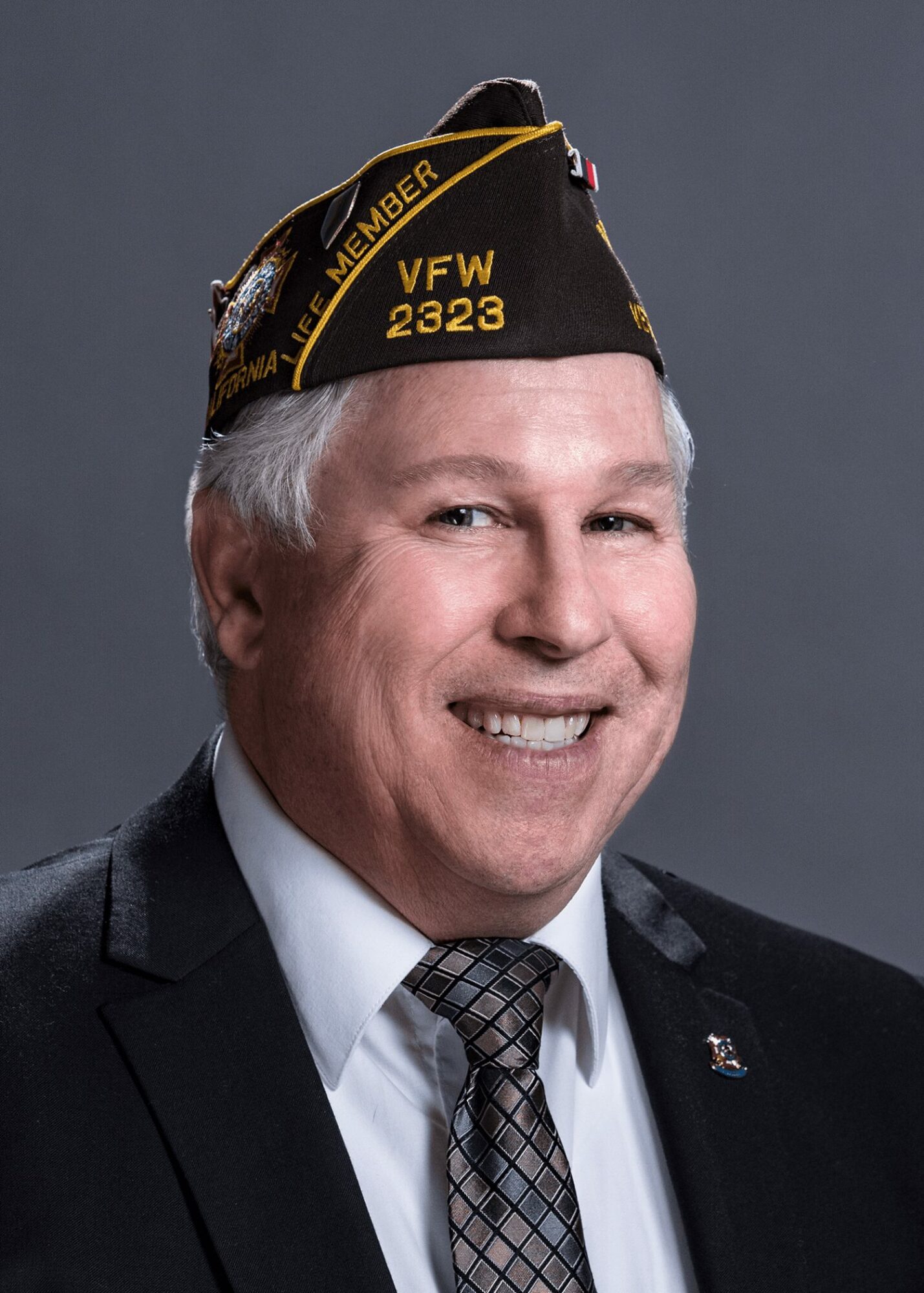
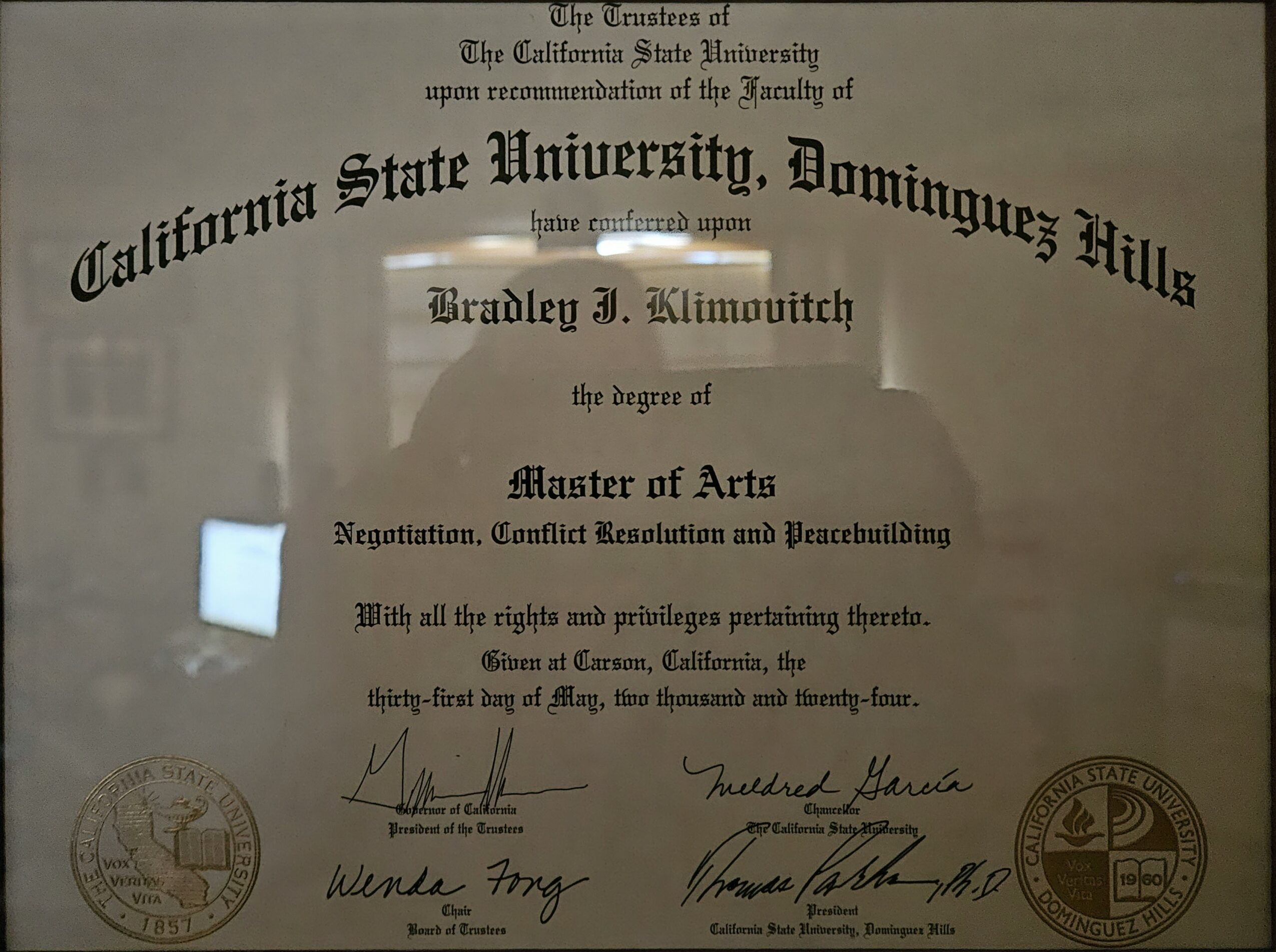
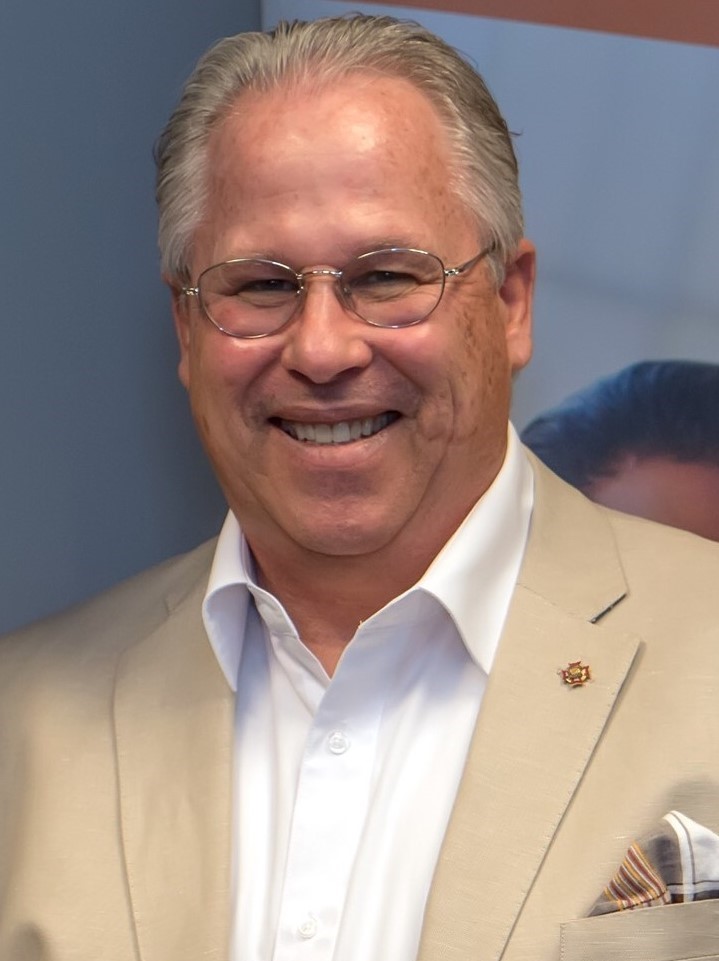
Image Credits
Mark Horvater Photography
Popular
-

Portraits of the Valley
-

LA’s Most Inspiring Stories
-

Rick Norris Learned That Building a Successful Business Means Building a Life You Actually Want to Live
-

How Olivia Rush Turned Survival Into a Mission to Help Others Keep Going
-

How Bibi Goldstein Is Helping Entrepreneurs Reclaim Their Time by Embracing the Power of Delegation
-

Victoria Hasson is Redefining Voice Coaching Through Community and Collaboration


