





Ashley Southworth shared their story and experiences with us recently and you can find our conversation below.
Ashley, it’s always a pleasure to learn from you and your journey. Let’s start with a bit of a warmup: What do you think is misunderstood about your business?
One of the biggest misconceptions about interior design is that it’s purely about aesthetics — that designers simply “shop and decorate.” In reality, this line of work is an intricate blend of strategy, project management, and creative problem-solving. Every space we design requires an incredible level of organization, attention to detail, and foresight.
Many people are surprised when they learn what truly goes into exceptional interior design — and why it’s considered a luxury service. A single kitchen remodel, for instance, can involve hundreds — sometimes thousands — of decisions: from space planning and accurate measurements to selecting quality materials that will stand the test of time. Beyond design itself, we handle the logistics — ordering, tracking shipments, managing storage, coordinating installation, and addressing inevitable bumps in the road like damaged products or unexpected delays.
By the time a project is complete, the physical and mental investment is immense. Even install days, which may look glamorous from the outside, often involve long hours of hands-on, detailed work. While DIY projects can absolutely create beautiful spaces, professional design goes far beyond surface beauty — it’s about function, longevity, and creating an environment that enhances the way people live.
Can you briefly introduce yourself and share what makes you or your brand unique?
My name is Ashley Southworth, and I’m the founder and creative director of Southworth Interior Design, a boutique design studio based in Bakersfield, California. I launched my firm in August 2023 during what was meant to be a sabbatical to write a book — but, as it turns out, one creative path led me to another.
Before stepping into design full-time, I spent over a decade in education, first as a teacher and later as a Program Specialist in New Teacher Development. I led professional development sessions for veteran educators, supported new teachers in earning their credentials, and taught as an adjunct professor. My favorite course — focused on creating organized, well-managed classroom environments — was a precursor, in many ways, to what I do now: shaping spaces that foster comfort, creativity, and connection.
My love for design began long before my professional pivot. As a little girl, I was constantly rearranging my bedroom, stenciling my walls, and experimenting with new layouts. I was raised by my grandparents, and my grandmother — who has an incredible eye for design and a home that transformed beautifully with every season — inspired much of my passion. My grandparents also owned an antique store, and I spent countless afternoons behind their 1940s National Cash Register, soaking in the charm and stories of every piece that came through the door.
While I hold a bachelor’s degree in sociology, two teaching credentials, and a master’s in education, my transition into interior design came through a non-traditional route. I earned certification from the Academy of Home Staging & Interior Design and have continued to build my expertise through hands-on experience, curiosity, and an unshakable work ethic.
Today, Southworth Interior Design remains an intimate, one-woman studio by choice. I also collaborate part-time with another design firm, which keeps me grounded in teamwork and innovation. My approach is approachable, flexible, and deeply client-centered — I pride myself on being a design chameleon, able to adapt to each client’s lifestyle and aesthetic. Personally, I’m drawn to modern Spanish, country western, and southwestern influences, but I genuinely love finding beauty across all styles.
As my brand grows, I’m passionate about sustainability and longevity in design. I believe in curating spaces that tell stories and stand the test of time, favoring quality craftsmanship and vintage finds over fast furniture. My long-term goal is to maintain an 80/20 sourcing model — with at least 20% of each project incorporating antique or vintage pieces — as a nod to both sustainability and the nostalgia that first sparked my love for design.
Appreciate your sharing that. Let’s talk about your life, growing up and some of topics and learnings around that. What was your earliest memory of feeling powerful?
I was a bit of a late bloomer when it came to confidence. For much of my life, I wrestled with imposter syndrome — second-guessing decisions, seeking reassurance, and often placing more trust in others’ opinions than my own. A lot of that stems from childhood experiences that shaped me to seek safety in validation. It took time — and a lot of inner work — to tap into a sense of self-worth and personal power.
The first moment I vividly remember feeling powerful was the day I defended my thesis to a panel of professors. I had poured months into my research and spent days rehearsing my presentation. When the time came, I remember standing in front of the room, completely in my element — engaging the audience, commanding their attention, and passionately sharing my findings. For the first time, I wasn’t doubting myself; I was owning what I knew.
When the panel returned to tell me I had passed — and then encouraged me to apply for an adjunct position in a few years — it felt like a defining moment. I left that room with a deep sense of both power and humility. I remember mentally marking my calendar that day, and sure enough, a few years later, I applied on the very day I had promised myself I would.
That experience taught me that power doesn’t come from being fearless — it comes from preparation, authenticity, and allowing yourself to finally believe you belong in the room.
What did suffering teach you that success never could?
I’m still learning and unlearning in this area, but I can say that suffering shaped me long before I ever understood what resilience even meant. From a very early age, I was dealt circumstances no child should have to face. That pain taught me a range of coping skills—some that still serve me well, and others I’ve had to intentionally let go of as I’ve grown.
What suffering gave me, more than anything, was grit. When your world gets shaken, you’re forced to look closely at who you are, what you value, and what you believe you deserve. It demands that you choose whether you will stay stuck in anger and resentment, or whether you will fight your way toward hope, humility, and kindness. That’s a lesson success could never teach me.
Suffering also created connection. It gave me the ability to see others with more compassion, more nuance, and more respect. Instead of closing me off, it lit a fire within me to use my gifts and resources to help others feel seen, supported, and safe. In many ways, it’s the foundation for the work I do now—transforming spaces, yes, but also creating environments where people feel held.
So a lot of these questions go deep, but if you are open to it, we’ve got a few more questions that we’d love to get your take on. How do you differentiate between fads and real foundational shifts?
Growing up in my grandparents’ antique store shaped my entire lens on design. I learned early on that the past always has something to teach us—just like a family recipe passed down through generations. There’s richness, intention, and endurance in the objects, craftsmanship, and stories that survive time, and that became my baseline for understanding what truly lasts.
Later, studying abroad in Florence deepened that perspective. Living inside Renaissance architecture—literally walking past centuries of artistry on my way to class—taught me that foundational design isn’t created for the moment; it’s created with a sense of permanence. My travels across Europe and South America—from France and Germany to Scotland, Ireland, Guatemala, and beyond—expanded this awareness. Each place revealed its own design language rooted in culture, history, and identity, not trends.
For me, real foundational shifts begin with resisting the pull of American consumerism and “fast design.” Fads are loud and fleeting. Foundational shifts are quiet, intentional, and grounded in principles that have endured across continents and centuries. They honor craftsmanship, quality materials, thoughtful proportion, and cultural resonance.
Since starting my business, I’ve been intentionally building a roster of tradespeople and artisans whose work reflects that same philosophy. The more trust clients place in me, the more I can bring forward designs that are not just of-the-moment, but rooted in longevity, artistry, and soul.
Okay, so before we go, let’s tackle one more area. When do you feel most at peace?
Peace for me comes from balance. It looks like a healthy rhythm of family time and intentional “me time”—practicing contemplative prayer and meditation, reading, moving my body, and nourishing myself well. I don’t always get that balance right, and I’m definitely thrown off during stressful seasons of life. When that happens, I’ve learned how important it is to offer myself grace. There’s a quiet strength in choosing self-love, practicing forgiveness, and allowing ourselves to begin again. Peace isn’t a permanent state for me—it’s something I continually return to, one grounded moment at a time.
Contact Info:
- Website: https://southworth-design.com/welcome
- Instagram: https://www.instagram.com/southworthdesign/
- Linkedin: https://www.linkedin.com/in/southworthdesign
- Facebook: https://www.facebook.com/ajsouthworthdesign/#
- Yelp: https://www.yelp.com/biz/southworth-interior-design-bakersfield-2
- Other: https://www.tiktok.com/@southworthdesign
https://www.pinterest.com/southworthdesign/
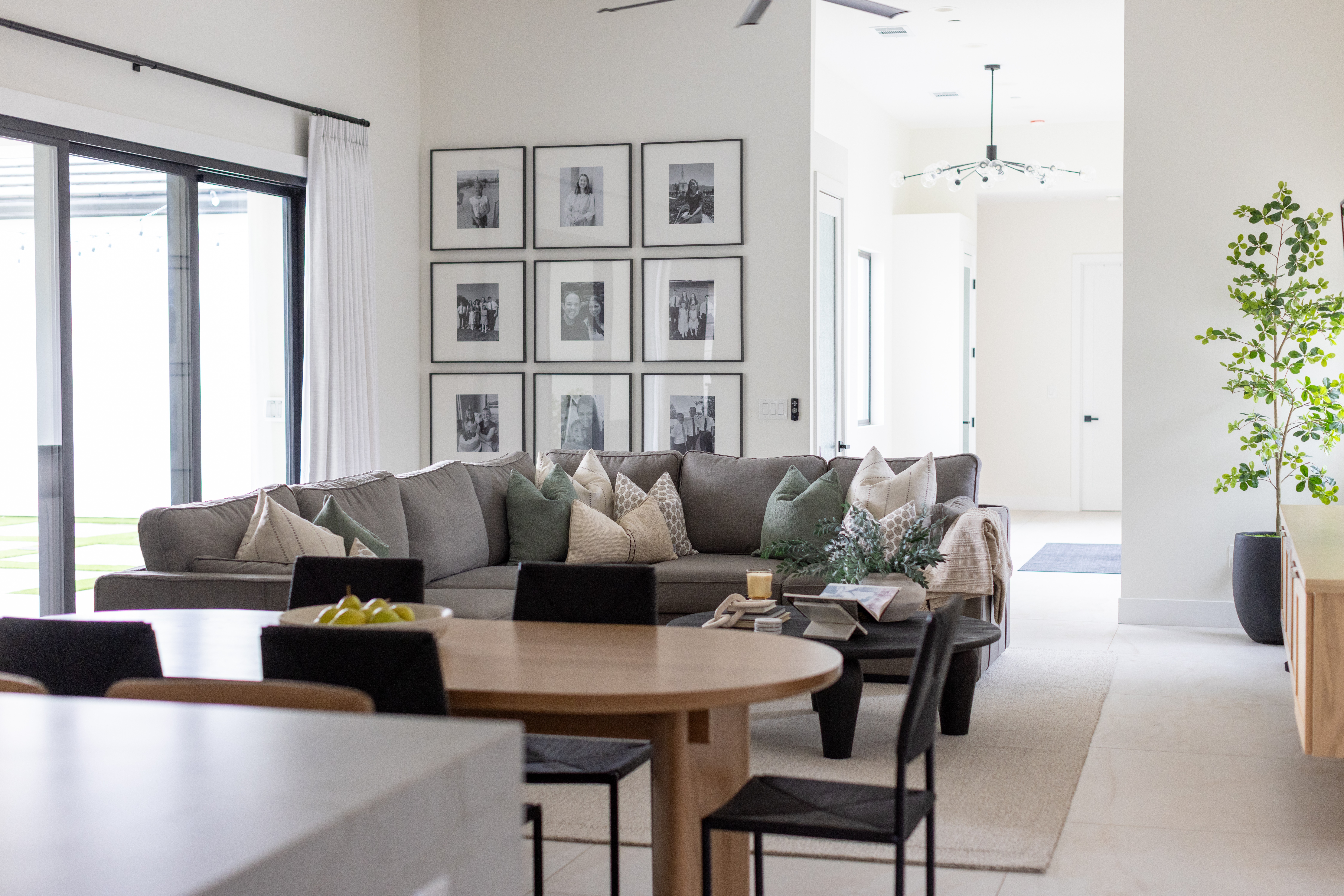
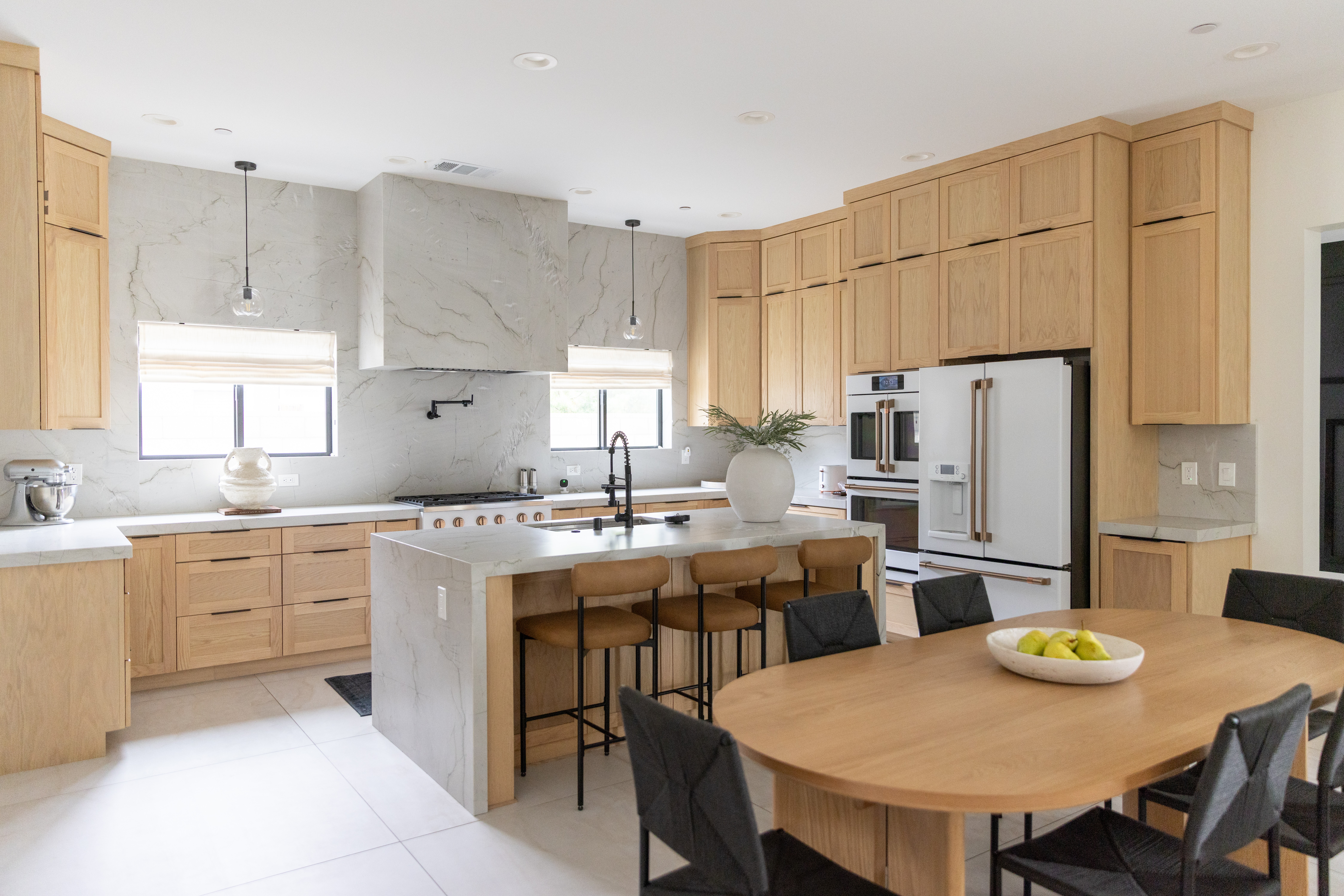
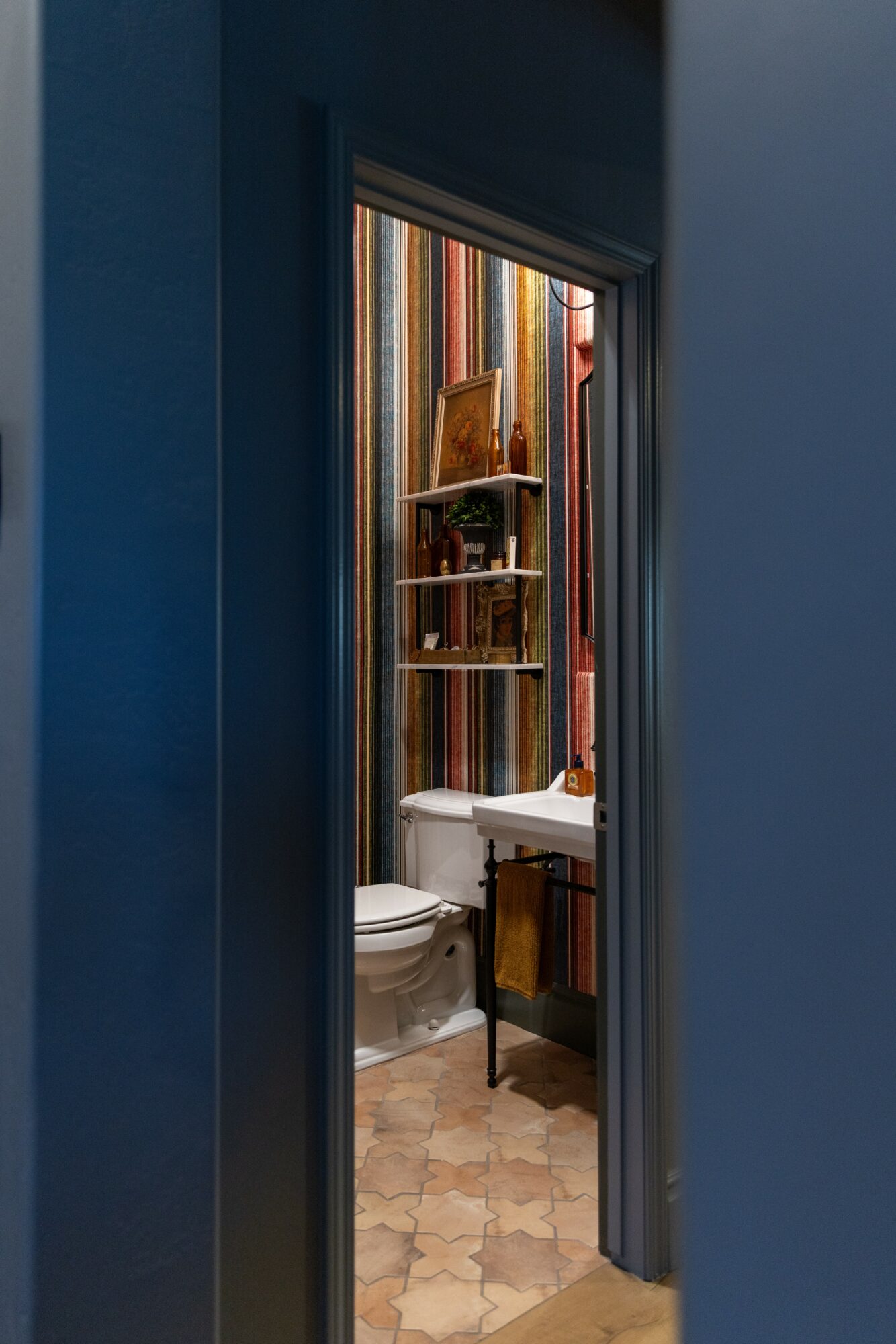
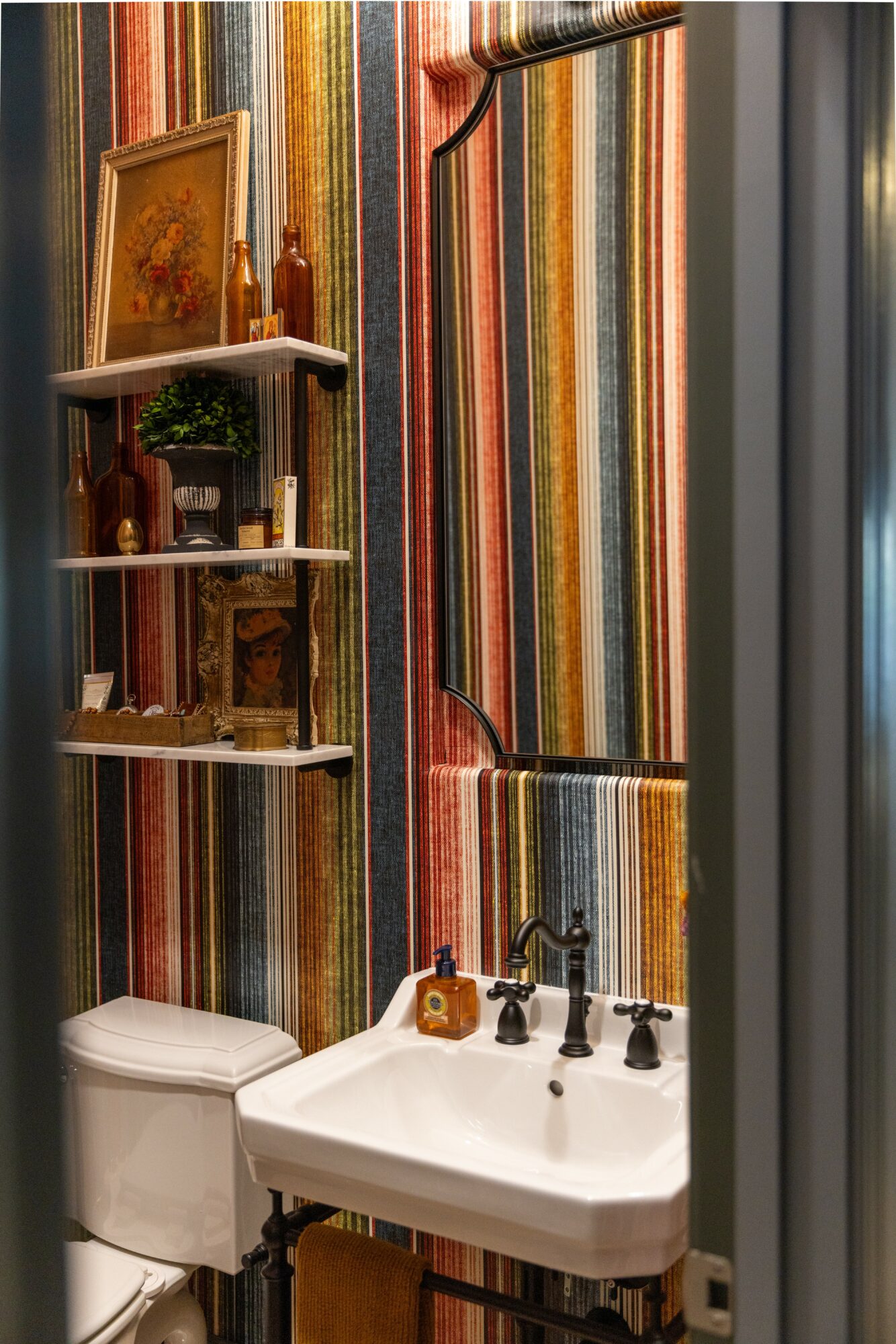
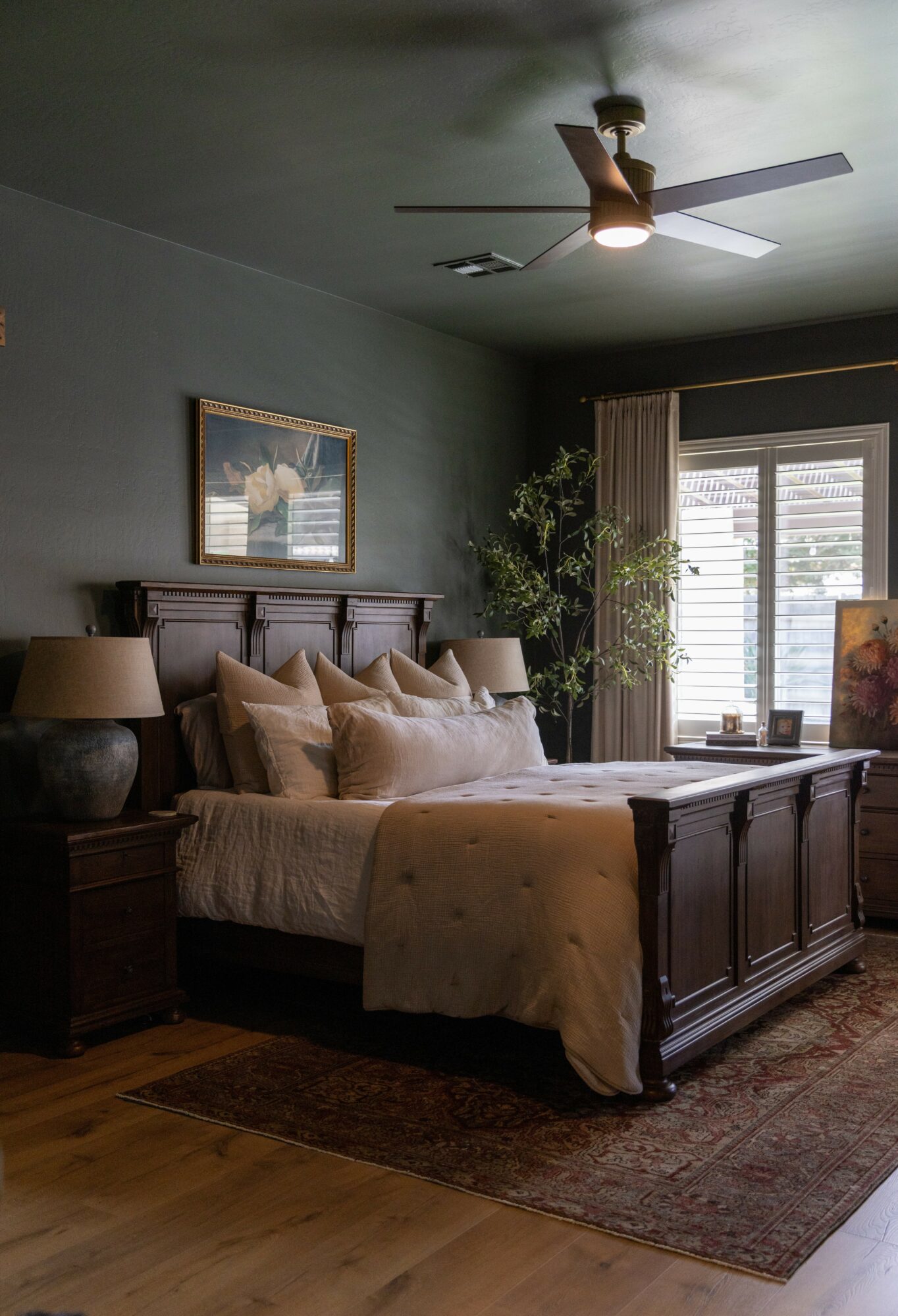
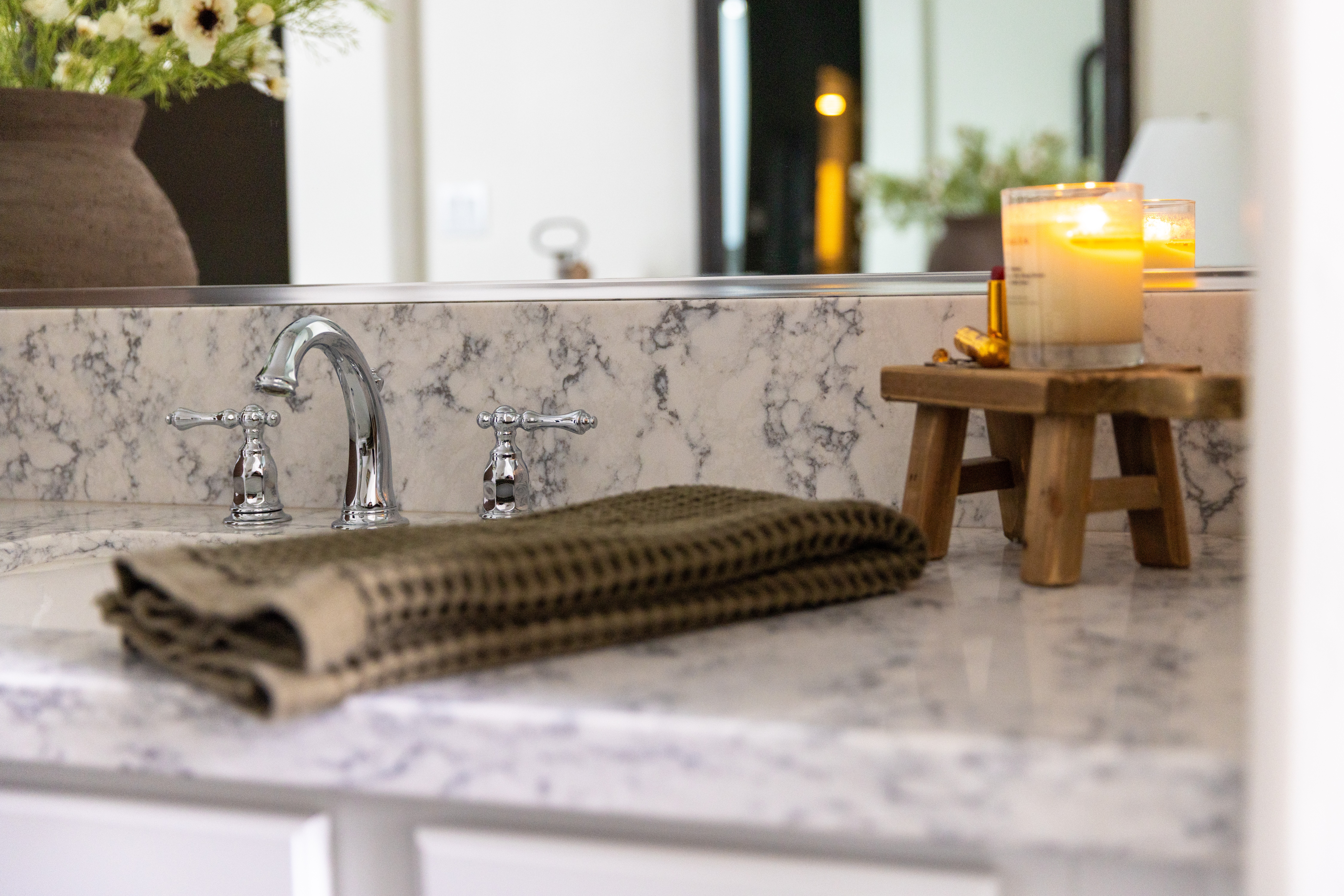
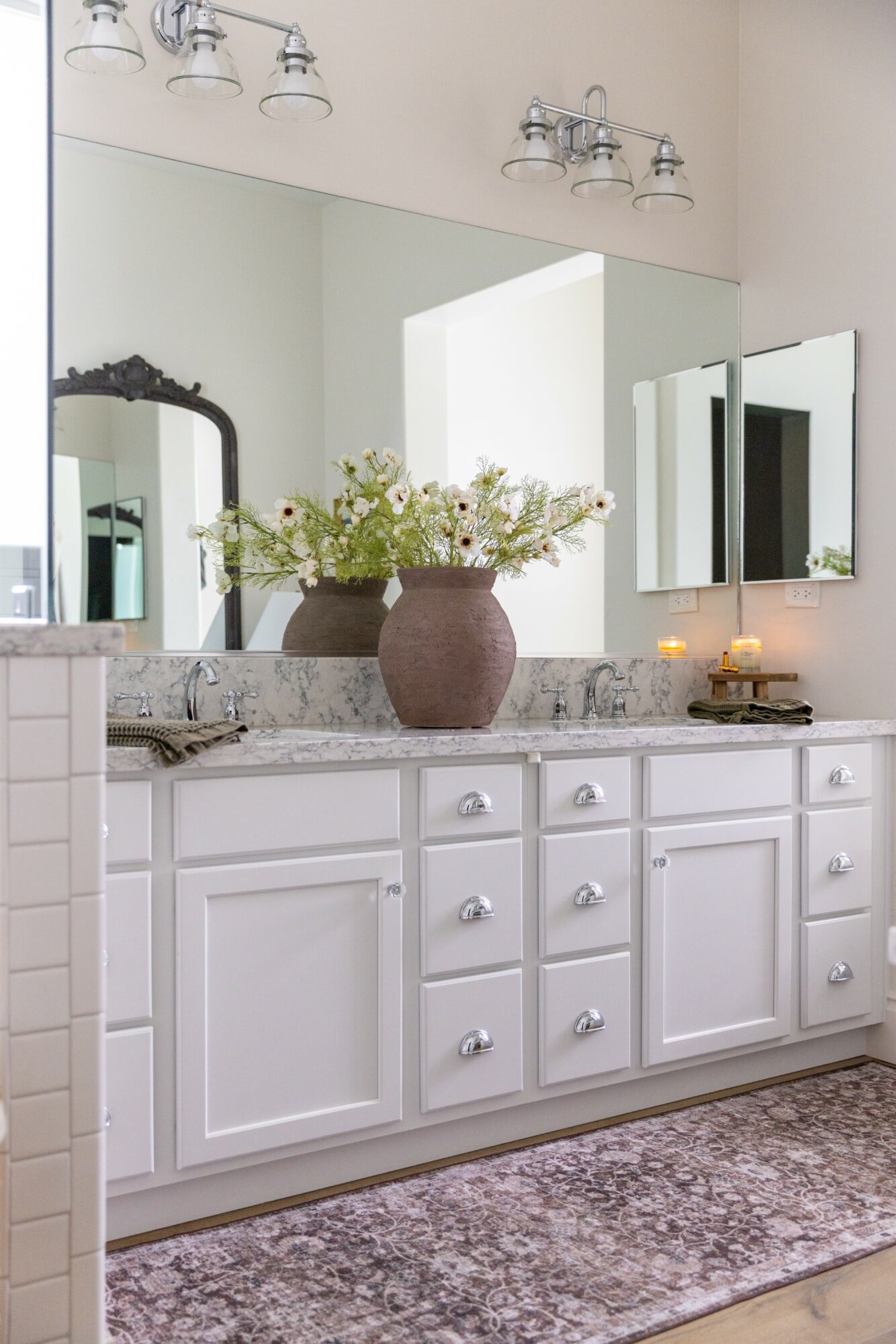
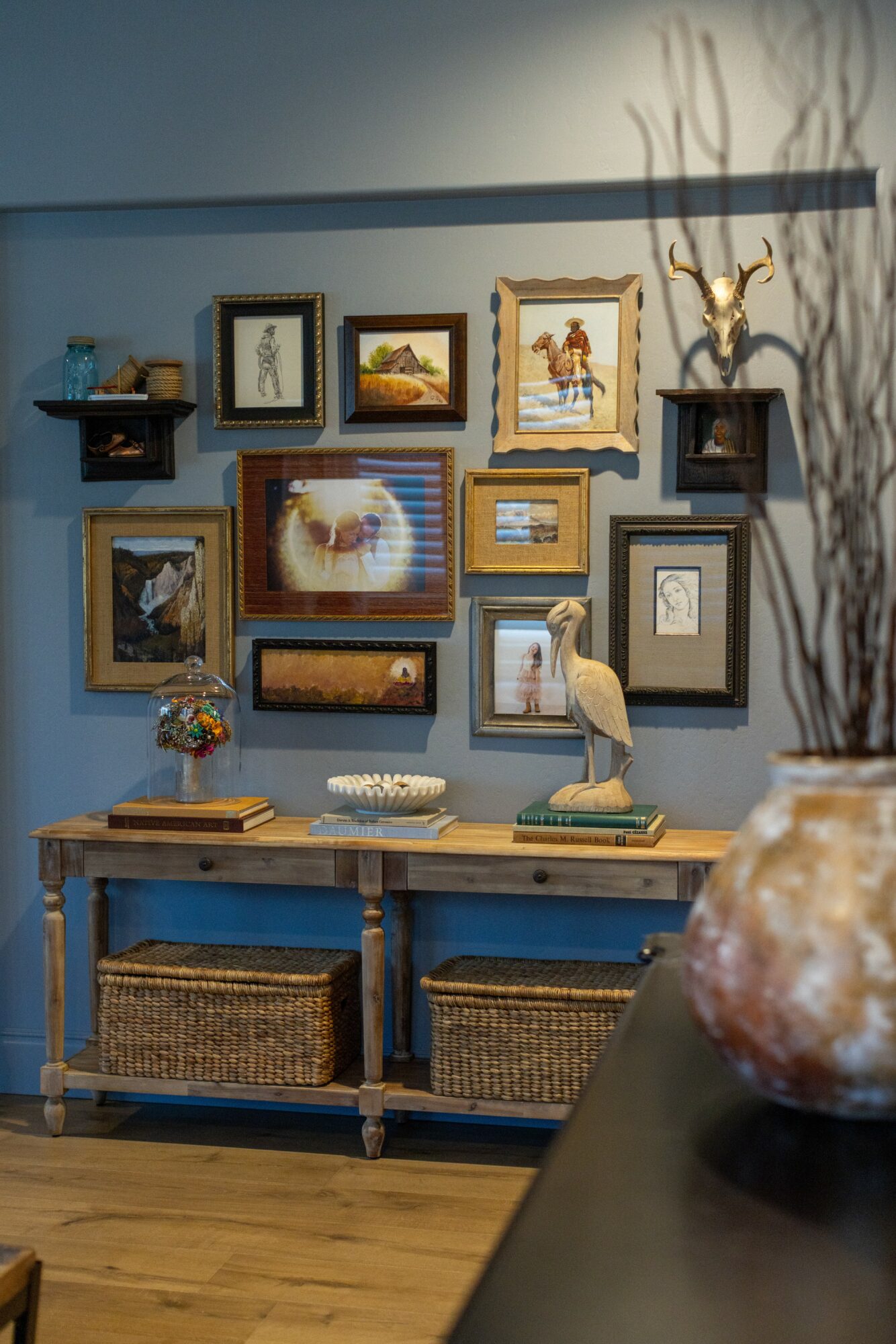
Image Credits
Lori Ovanessian of Simplee Focused ( https://www.instagram.com/white.star.ranch/?hl=en ) for all of the interior images. Lori Wright Photography ( https://www.instagram.com/loriwrightphoto/?hl=en ) for the head shot.
Popular
-

Portraits of the Valley
-

LA’s Most Inspiring Stories
-

Rick Norris Learned That Building a Successful Business Means Building a Life You Actually Want to Live
-

How Olivia Rush Turned Survival Into a Mission to Help Others Keep Going
-

How Bibi Goldstein Is Helping Entrepreneurs Reclaim Their Time by Embracing the Power of Delegation
-

Victoria Hasson is Redefining Voice Coaching Through Community and Collaboration


