





Amy Nadimi shared their story and experiences with us recently and you can find our conversation below.
Hi Amy, thank you for taking the time to reflect back on your journey with us. I think our readers are in for a real treat. There is so much we can all learn from each other and so thank you again for opening up with us. Let’s get into it: What are you being called to do now, that you may have been afraid of before?
I’m being called to lead with the part of me I used to downplay—my capacity to genuinely care and hold space for others. I’ve spent most of my adult life as a mom, and that instinct to nurture is simply who I am. Working in a science-based field like microcurrent neurofeedback, I once felt pressure to fit a narrow mold: lean on data, protocols, outcomes—and keep the “human” part quiet.
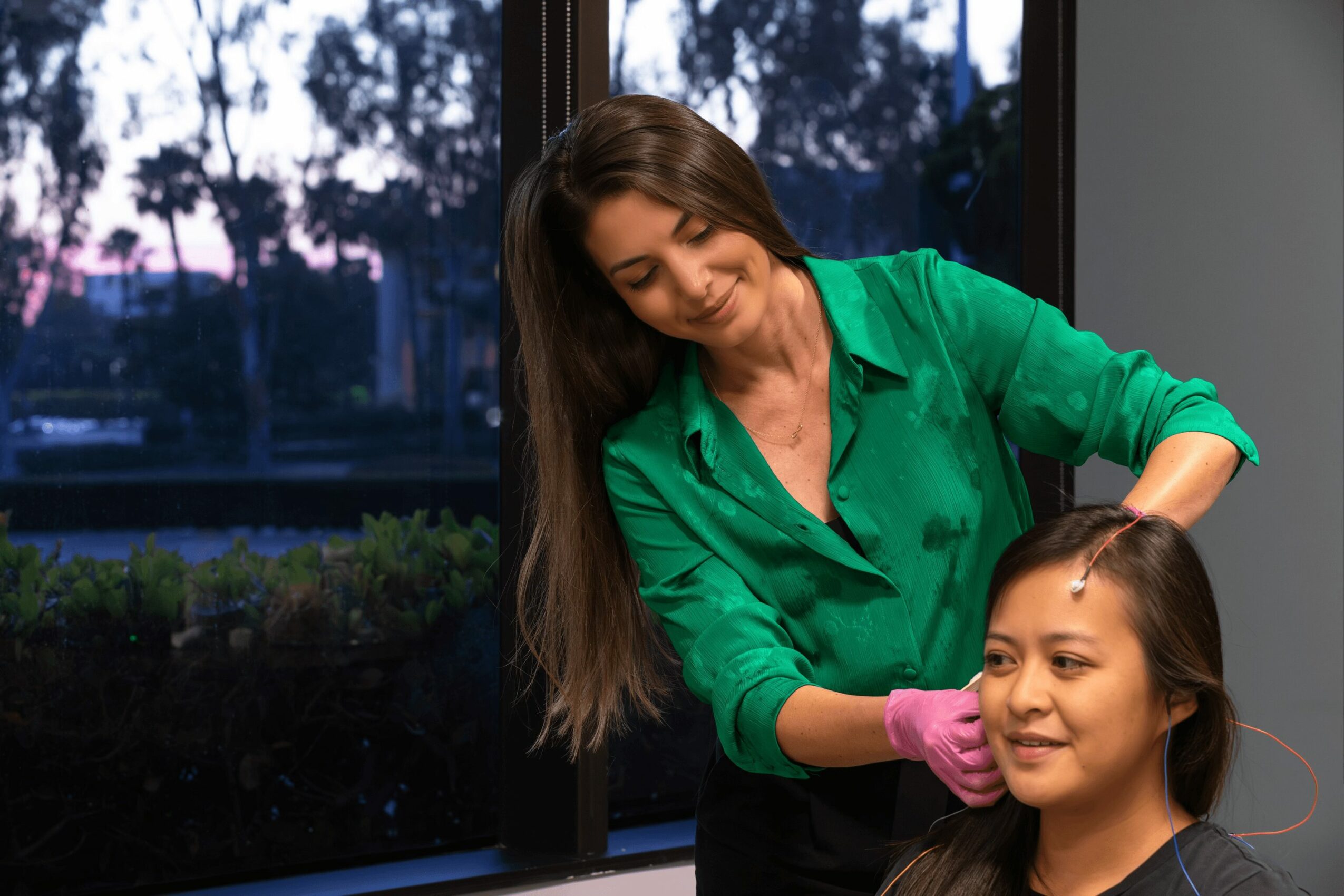
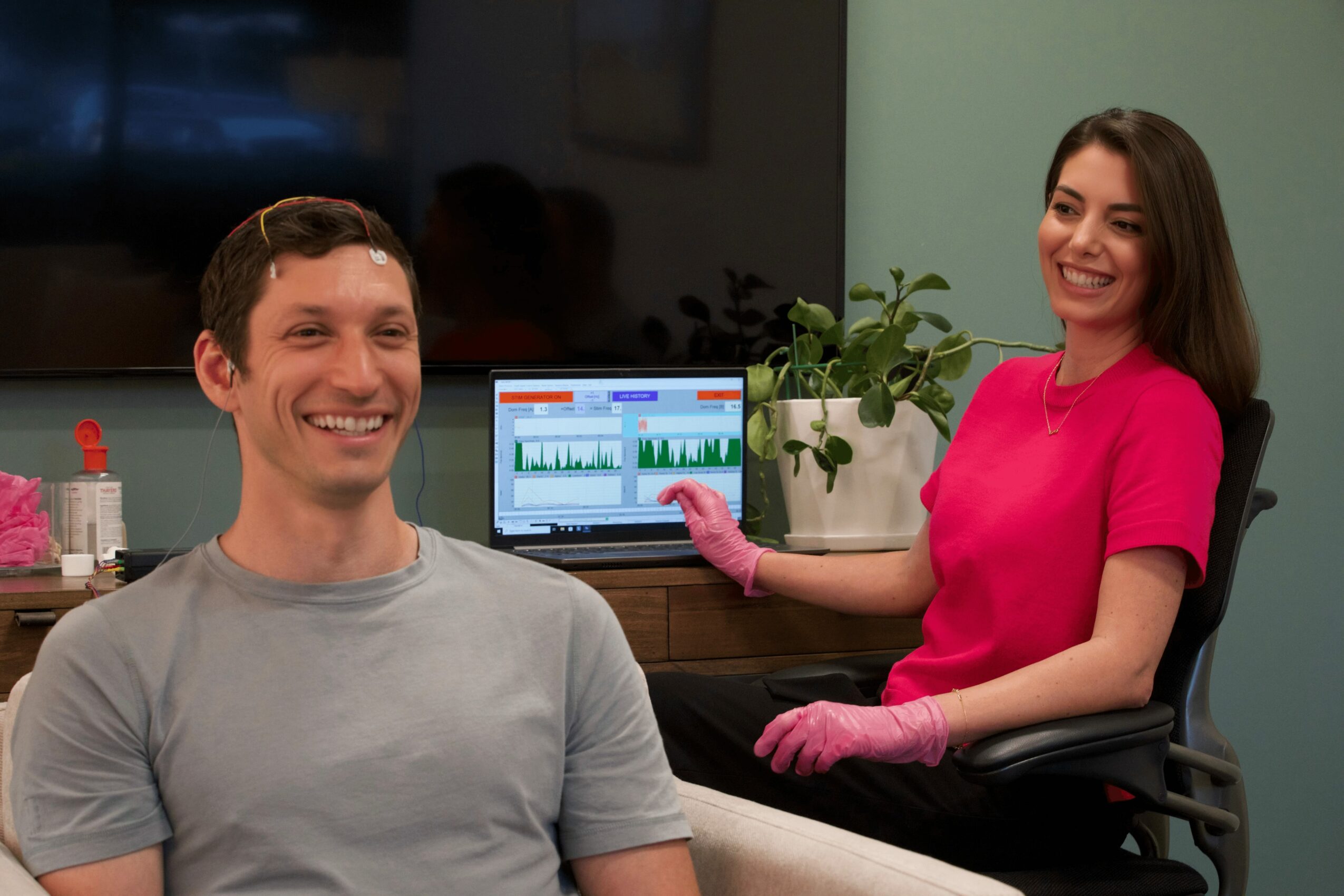
But I’ve learned that my humanity is not a distraction from the science; it’s a multiplier. Yes, I understand how to use microcurrent neurofeedback to help reprogram maladaptive brain patterns. And I also bring presence, warmth, and a calming energy that people feel the moment they walk into my office. That’s what sets my work apart and what clients consistently value most.
What I was once afraid to show—love, care, presence—is exactly what I’m embracing. It’s not unprofessional; it’s essential. Most clients sense it, trust it, and benefit from it. Today, I’m letting that part lead alongside the science, because healing is both neurophysiology and raw human connection.
Can you briefly introduce yourself and share what makes you or your brand unique?
I’m Amy Nadimi, founder of Revive Neurofeedback—a boutique practice helping kids, teens, and high-performing adults regulate their brains and lives. We specialize in passive microcurrent neurofeedback, a gentle, non-invasive modality that nudges the brain out of maladaptive patterns linked to stress, anxiety, attention challenges, and migraines, while supporting performance optimization. Sessions are brief and results are trackable, and the experience is intentionally warm: I pair evidence-based protocols with a calm, genuine presence so clients feel seen, safe, and supported. I work with all ages, and I’ve found a natural connection with high-performing teens, mothers, athletes, and professionals who value efficient, science-backed care delivered with humanity.
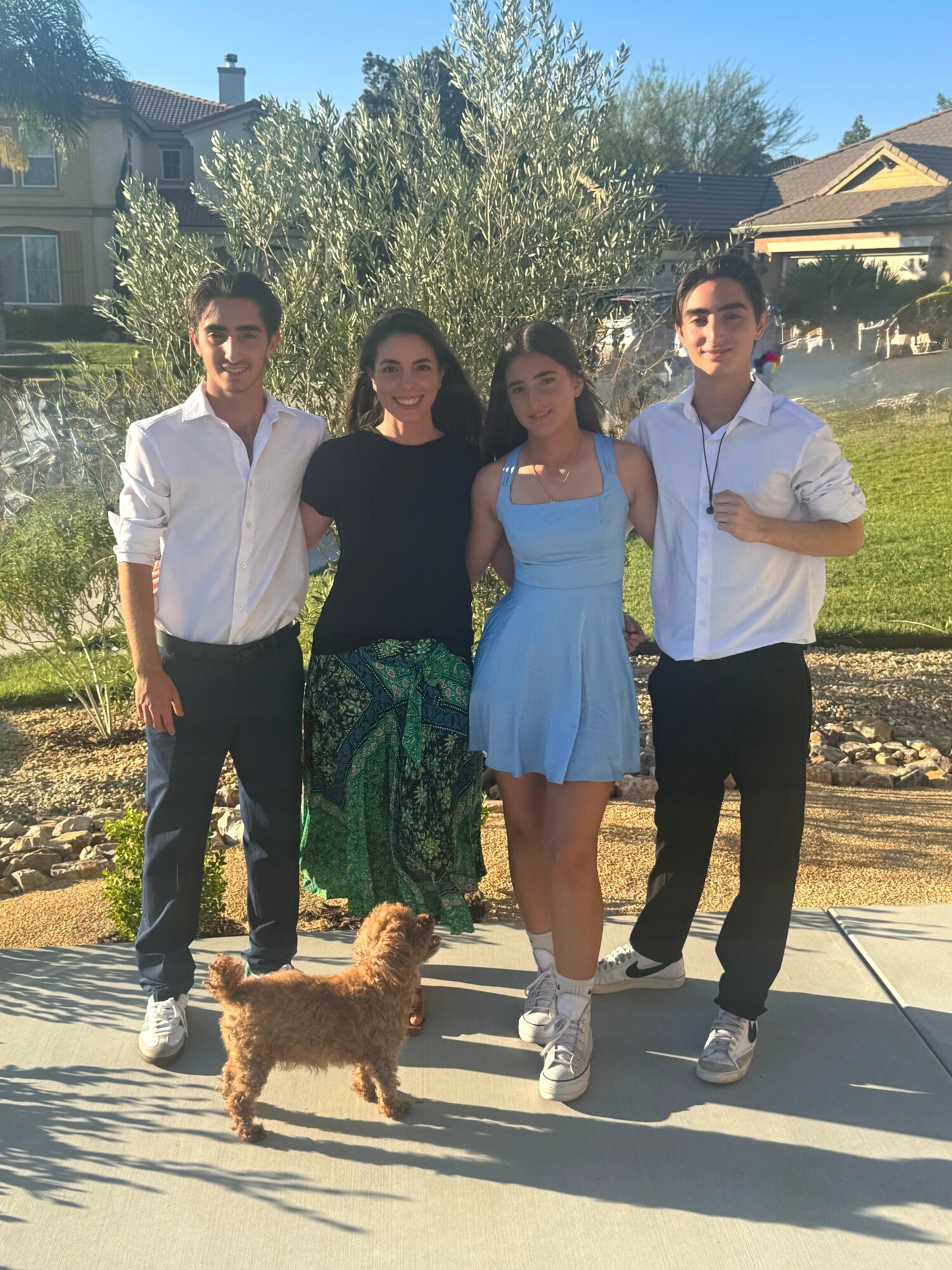
My path began as a mom seeking help for my own child. The outcomes were life-changing, and I later used neurofeedback to overcome chronic migraines myself—fueling my commitment to make this work accessible to others. What sets Revive apart is our blend of science and human connection.
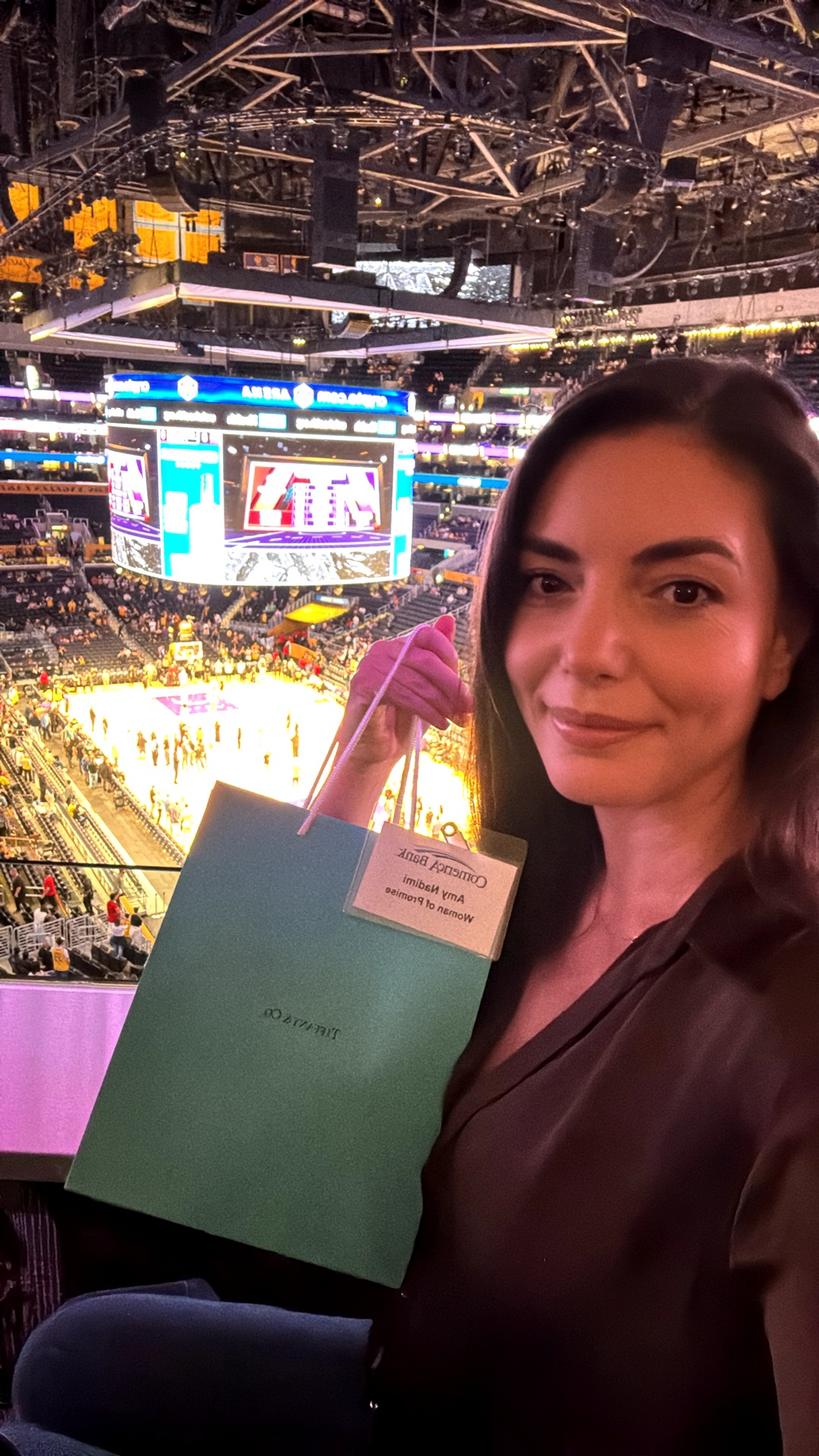
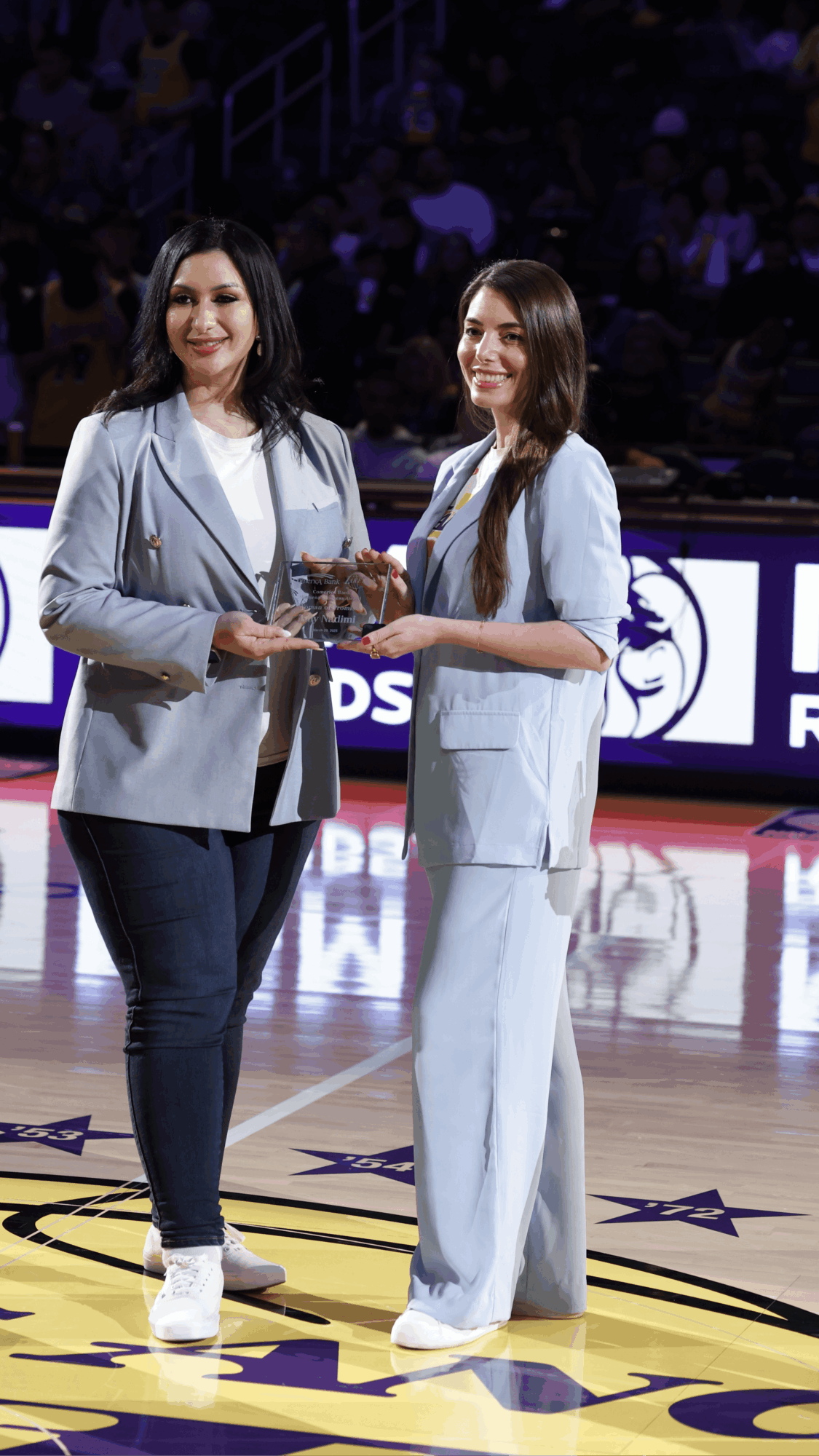
My work was recognized on-court by the Los Angeles Lakers for leadership in mental wellness, and I’m honored to partner with professional athletes, teams, students, and companies to bring effective care to busy people. Right now, I’m expanding our Murrieta and Irvine footprint, rolling out focused 12-week programs, and making care simple to access with HSA/FSA options. My philosophy is straightforward: when the brain is balanced, we can show up better—for ourselves, our families, and the things we love.
Thanks for sharing that. Would love to go back in time and hear about how your past might have impacted who you are today. What breaks the bonds between people—and what restores them?
In my experience with a subset of clients—not everyone—disconnection from the self is what quietly erodes bonds with others. Some people have suppressed parts of who they are for so long that they forget they exist. By midlife, they may present with headaches, anxiety, or low mood and assume that is the problem—when, in truth, those symptoms can be the overflow, not the cup. The cup is often unprocessed stress, grief, and emotion the body has held for years.
Restoration begins when we reconnect with ourselves. Neurofeedback can support that process by helping the brain soften rigid, protective patterns so feeling and integration become possible again. I’m honest that this can be tender at first; many of us have become professional suppressors. What we push down doesn’t vanish—it asks to be metabolized. For those ready to do the work, neurofeedback—alongside mindfulness practices such as breathwork, art, meditation, and time in nature—can be a powerful path back to regulation. It’s not a forever road; meaningful change can happen sooner than expected. But it does ask for willingness: to show up, to feel, and to practice. From that reconnection, relationships naturally follow.
What did suffering teach you that success never could?
Suffering taught me what success never could: to listen before fixing, slow down for regulation, and hold space for those in need. Pain revealed limits and asked for humility, clear boundaries, and patience with the body’s timing—lessons that shape how I practice every day.
Clients often call neurofeedback “the Ozempic of mental health.” It isn’t magic, but it is a catalyst for lasting change: brief, non-invasive sessions that help the brain exit fight-or-flight and other maladaptive states, then settle into more efficient patterns so you can actually meet your goals. In real terms, that looks like building resilience to stress, less anxiety, steadier mood, sharper focus, and—for many—fewer migraines. We keep it practical and measurable: ~30 minutes per session, typically once a week until goals are met, with progress tracked and protocols adjusted. My role isn’t to take credit for healing; it’s to provide the protocol, structure, and calm environment. Your nervous system does the adapting—regulate first, then optimize.
So a lot of these questions go deep, but if you are open to it, we’ve got a few more questions that we’d love to get your take on. What truths are so foundational in your life that you rarely articulate them?
Empathy is insight for me: when I can tap in and genuinely feel what someone is feeling, they feel seen and validated. Because energy is contagious and our nervous systems co-regulate, I take responsibility for my own state first. Validation isn’t about agreement; it’s naming reality so defenses lower and change becomes possible. In practice, emotional intelligence—curiosity, attunement, boundaries, repair—often moves the needle more than intellect. Holding space is an active skill: presence without fixing, structure without control, and compassionate accountability so growth has somewhere to land. Small, steady shifts compound, and love and limits belong together. These quiet truths guide how I parent, practice, and partner with clients, even when I don’t say them out loud.
Thank you so much for all of your openness so far. Maybe we can close with a future oriented question. If you laid down your name, role, and possessions—what would remain?
What would remain is presence. The part of me that listens before fixing, that can sit with discomfort and hold space for others. Beneath the titles and tools is an orientation toward love and service: a calm nervous system, a warm gaze, curiosity that invites truth forward, and the capacity to witness without judgment. What stays is integrity— real human connection, doing the right thing when no one is watching—along with a mothering energy that nurtures growth without controlling it.
Also left is playfulness and grit: the willingness to try again, to create, to breathe, to soften, and to begin again. If the name, role, and possessions fall away, I’m still the same calm energy—human connection, attentive presence, and a belief that healing is possible.
Contact Info:
- Website: https://www.reviveneurofeedback.com/
- Instagram: https://www.instagram.com/revive_neurofeedback
- Yelp: https://www.yelp.com/biz/revive-neurofeedback-irvine


Popular
-

Robin Olive on Building an Inclusive Performing Arts Movement and Expanding Opportunities for Every Student
-

Portraits of the Valley
-

LA’s Most Inspiring Stories
-

Que Johnson on Building Brands That Last: From Visibility to True Market Authority
-

Christina Wren Steps Into the Director’s Chair to Tell Stories That Feel Like Home
-

JordanL on ‘Breathe,’ Belief, and Building a Movement Beyond the Music


