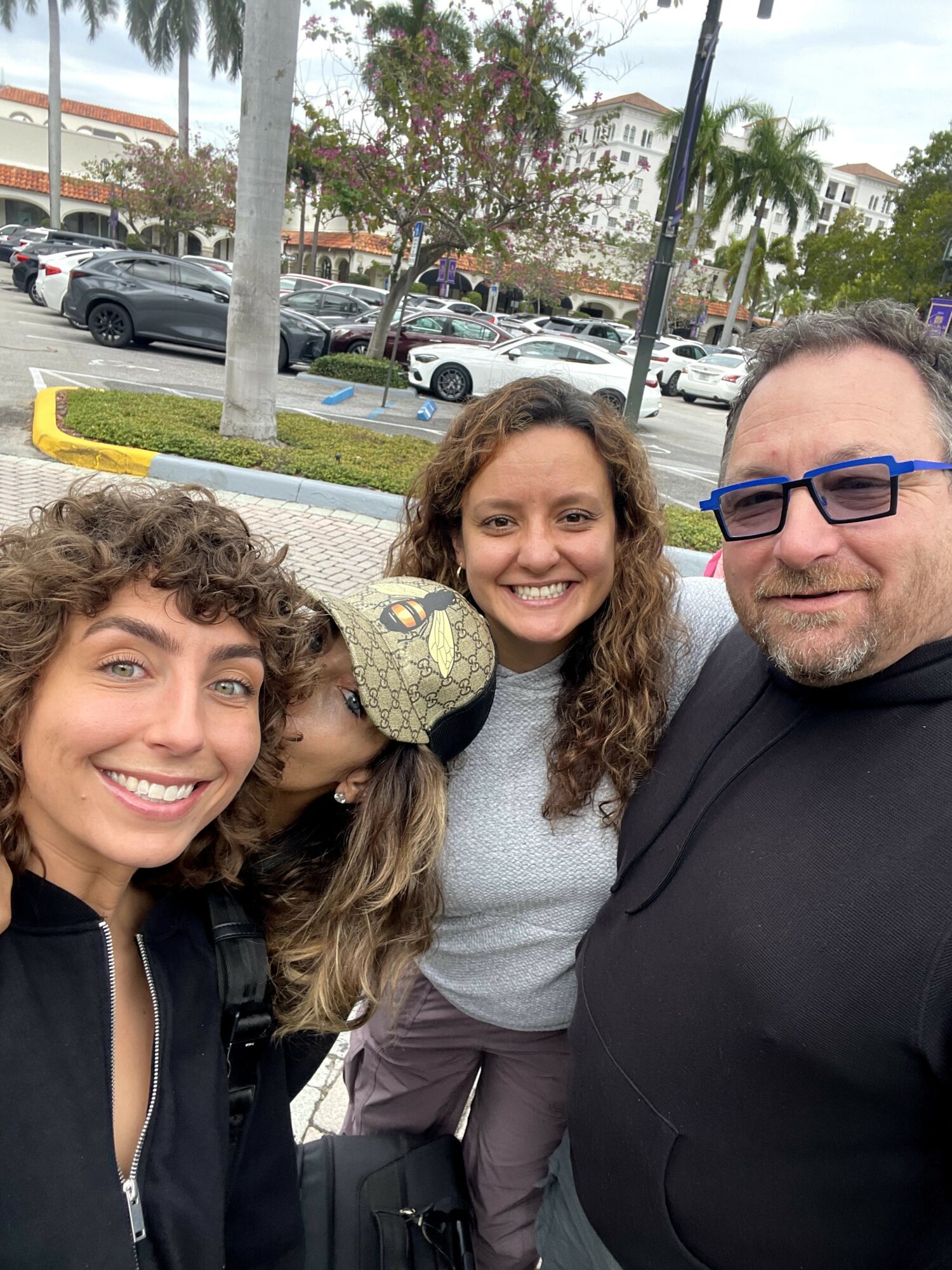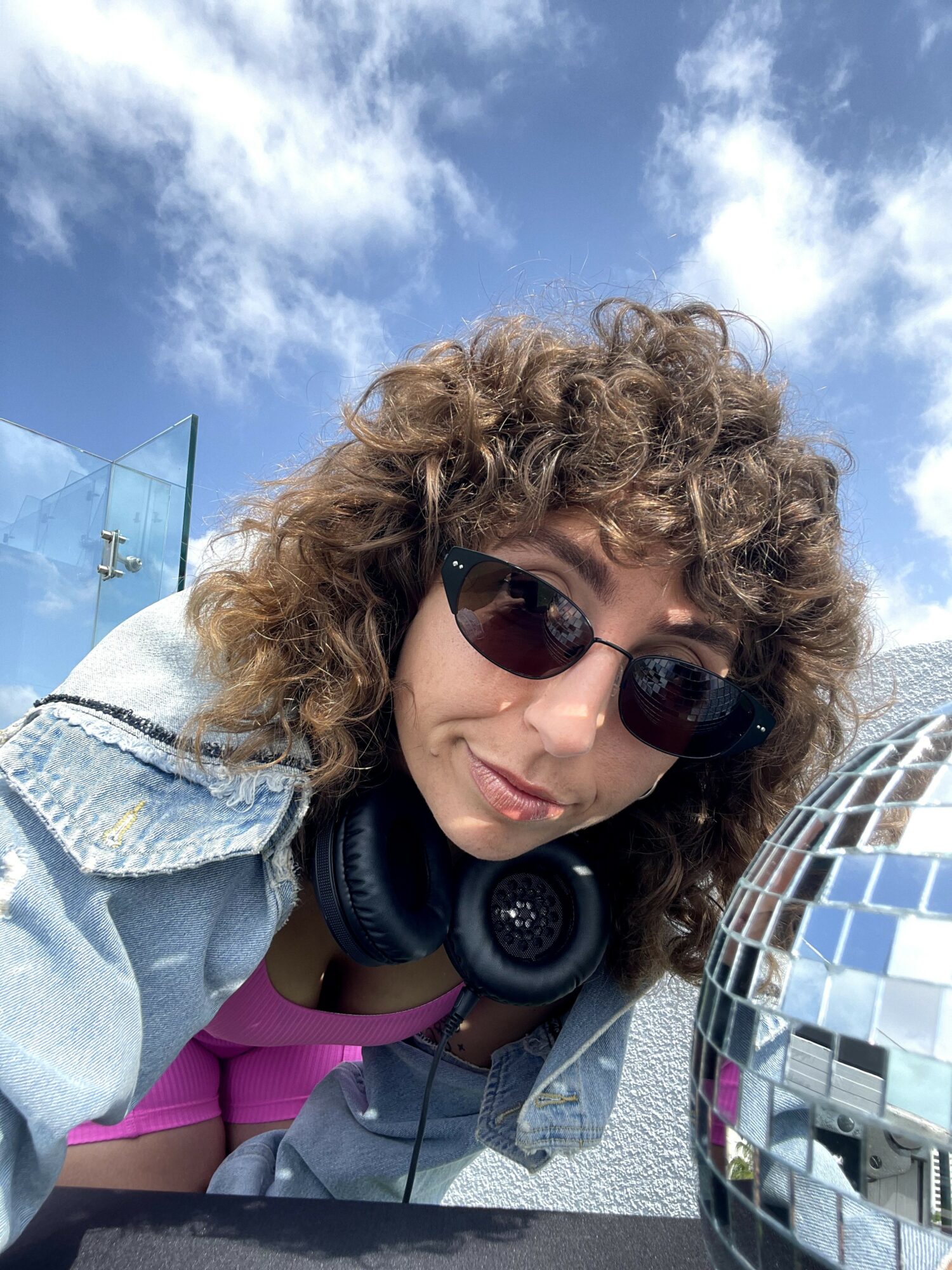



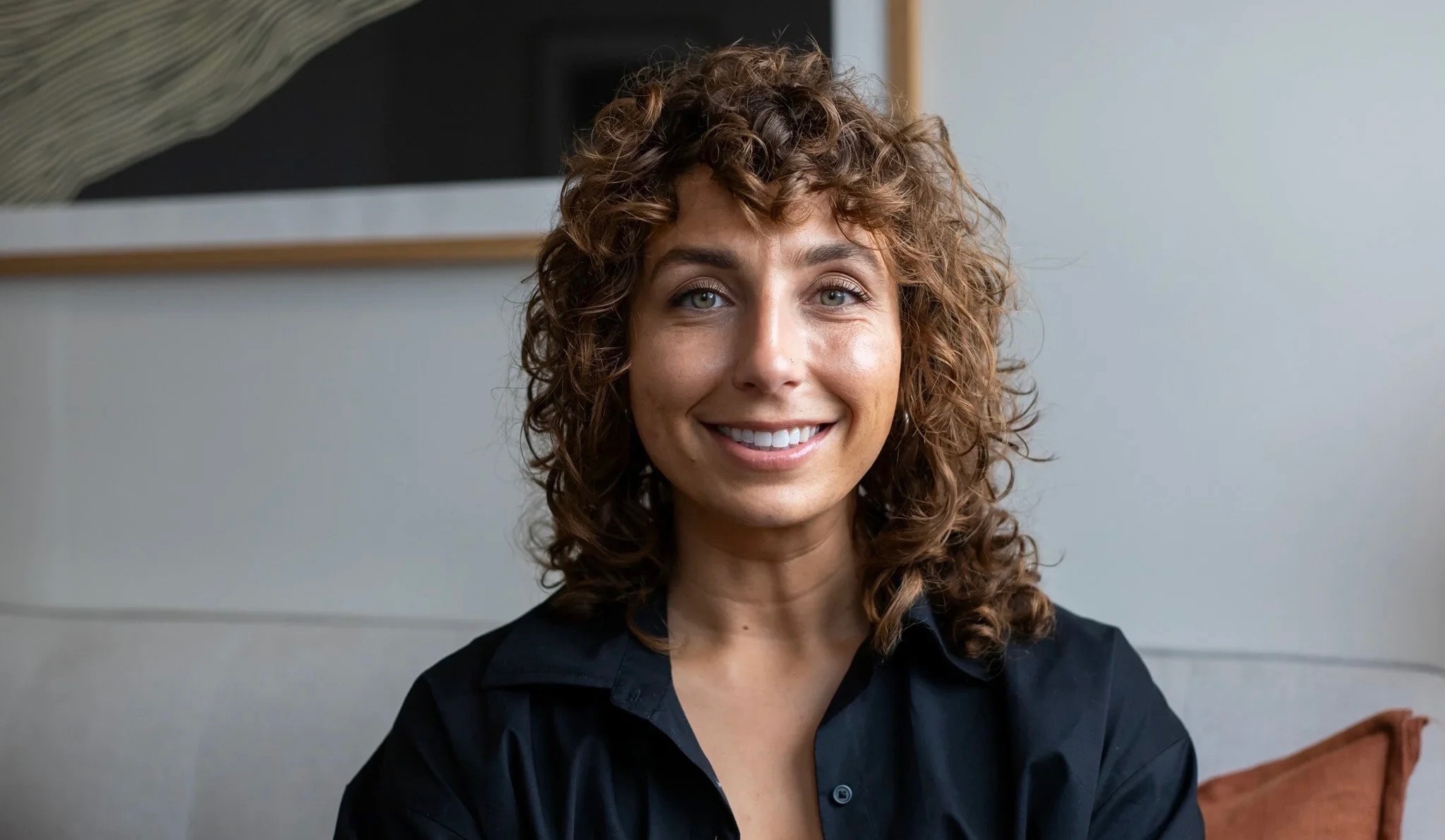
Today we’d like to introduce you to Taylor Harris.
Hi Taylor, so excited to have you with us today. What can you tell us about your story?
Thank you, I’m so excited to be here! I grew up in Chicago, the birthplace of house music, which feels fitting because movement and rhythm were some of the first things that made me feel alive. I was always dancing, making playlists, and trying to make sense of myself through sound long before I had the language for it. My home life was more complex. I’m a child of divorce, and both of my parents remarried a few times, so I learned early how to adapt, read people, and keep things stable. I didn’t realize it then, but those patterns shaped the way I understand emotion, relationship, and the psyche today.
After high school I felt a strong pull toward something bigger than the world I knew, so I spent my first year and a half of college abroad. That experience widened everything for me. I was exposed to new cultures, art, challenges, and ways of living I had never seen before, and it shifted how I understood people and what it means to be human. I eventually transferred to a university in California, and that move deepened my curiosity about psychology, philosophy, spirituality, Chinese medicine, and consciousness. I still didn’t picture myself becoming a therapist, but everything I was drawn to was quietly pointing me in that direction and shaping how I saw the world.
A few years later I completed my graduate program and began working in residential treatment. Around that same time, research on psychedelic assisted therapy was resurfacing, and stepping into that world changed everything for me. I realized I couldn’t think my way through my own pain. I had to feel it and reconnect with parts of myself I had pushed aside. It also opened a doorway into something much larger than my personal story, a connection to nature and a sense of belonging to something greater than myself. That shifted how I understood healing on every level. It brought me back to the things that shaped me from the beginning: music, movement, dance, ritual, and relationship with myself, others, and the world. Today my work blends all of that. It’s relational and embodied. It’s psyche and soul and soma. It’s about helping people remember who they are beneath conditioning and the roles they learned to play.
My path hasn’t been linear, but every twist has shaped how I hold space now. It has been a wild and beautiful unfolding, and it’s still evolving.
Can you talk to us a bit about the challenges and lessons you’ve learned along the way. Looking back would you say it’s been easy or smooth in retrospect?
It definitely hasn’t been a smooth road, and honestly, I don’t think it was supposed to be. If everything had unfolded neatly, I probably wouldn’t be doing the work I’m doing now. The challenges and the unraveling shaped me in really important ways.
One of my earliest struggles was staying connected to myself. I learned young that the way to keep the peace was to become whatever others needed me to be. It helped me survive, but it also pulled me further away from who I actually was. By early adulthood, I felt deeply disconnected, and that pain became a major part of my own healing work.
A lot of us go through this. So many forces shape us growing up. Families, culture, and the environments we’re in quietly teach us who to be, how to show up, what we should value, how to survive. It takes real courage to turn inward and ask what we truly want and to inquire and attune to what our bodies are actually saying. That journey back to myself shaped my professional path too. It made me question whether I fit into the traditional mold of therapist. I felt torn between the part of me that learned to adapt and appease and the part of me that wanted to create something more authentic and alive. Eventually I realized that the part of me that didn’t fit was the part I needed to trust.
There have been other challenges as well. Offering this kind of work in a capitalist system is complicated. People want support and connection, but many are just trying to get by. I feel that tension in my own life and in the lives of my clients. And on top of that, we’re living through a time of collective intensity. There’s grief, anger, confusion, and a lot of change in the air. Being a therapist in this moment asks a lot of my heart, but it also feels like the exact moment when this work matters.
So no, it hasn’t been smooth. But it’s been meaningful. Every challenge has brought me closer to myself and closer to the work I’m meant to be doing.
Thanks for sharing that. So, maybe next you can tell us a bit more about your business?
Ahhh, I’m so excited to talk about this! I recently launched my private practice, TRH Psychotherapy, and it feels like the most aligned thing I’ve created so far. I work with clients all across California, offering virtual therapy grounded in somatics, depth and transpersonal psychology, ketamine-assisted psychotherapy with a prescribing provider, and psychedelic preparation and integration. My work is rooted in the idea that healing comes from being, not constantly doing. It’s about slowing down enough to hear yourself again and learning how to turn the volume up on your soul.
What sets my practice apart is the lens I bring. TRH Psychotherapy is where psyche, soma, and soul meet. I don’t separate those things. Healing asks us to look at the whole person, not just the symptoms. When I talk about the soul, I mean the part of us that remembers who we truly are beneath conditioning, roles, and survival strategies. Much of my work is helping people reconnect with that deeper place and learn to live from it.
I support individuals, couples, and relationships of many kinds, and I’m especially drawn to people who find themselves in transition or in-between seasons. Many of my clients are navigating anxiety, depression, complex/developmental trauma, relationship challenges, identity shifts, creative blocks, spiritual awakenings, or integration of non-ordinary states. Often they come in with the sense that something in them is changing, even if they can’t quite name it yet. Together we explore that space with the body and nervous system as anchors, making room for the parts of themselves that are emerging.
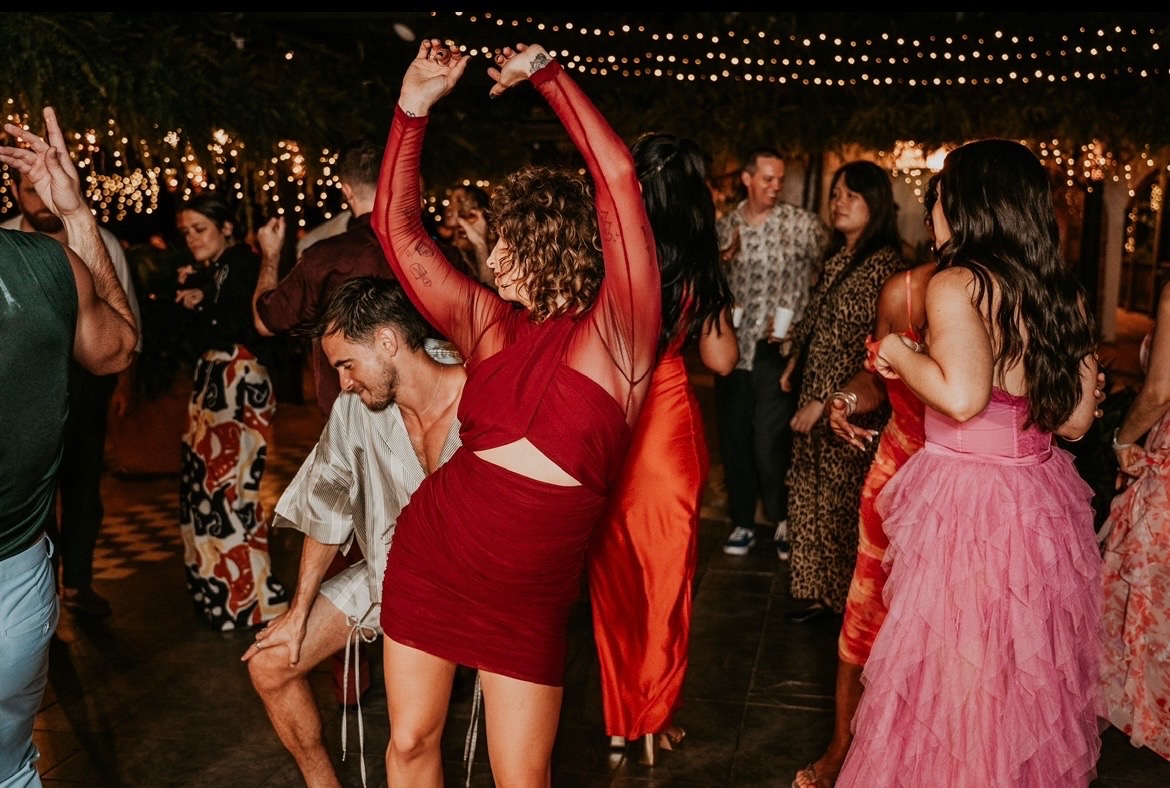
One part of my approach I love is weaving movement, ritual, and music into the process. Sometimes that means creating and sending playlists, incorporating somatic practices (including but not limited to dance parties), or co-creating rituals that help someone move through a transition or emotional experience. These tools help reach places that talk therapy alone can’t get to.
What I’m most proud of is that TRH Psychotherapy feels like an honest expression of who I am. It brings together everything that has shaped me: psychology, somatics, spirituality, music, intuition, and a deep respect for the mystery of being human. My hope is that people who encounter my work feel seen, supported, and reminded that their inner world isn’t something to fix. It’s a landscape to explore.
What matters most to you?
What matters most to me right now is being of service in a way that feels soulful, embodied, and deeply human, especially at a time when the world feels heavy for so many of us. My work feels like a spiritual practice. It’s a commitment to presence and to helping people reconnect with their intuition, their bodies, and the wisdom they’ve carried all along. It matters to me that people have spaces where they can safely explore the full range of their experience. Their pain, their longing, their creativity, their joy, and the parts of themselves they’re still getting to know. Pain can be an incredible teacher when it’s held well. So can beauty and so can connection. Offering a place where someone can lean into these experiences without feeling alone feels meaningful right now.
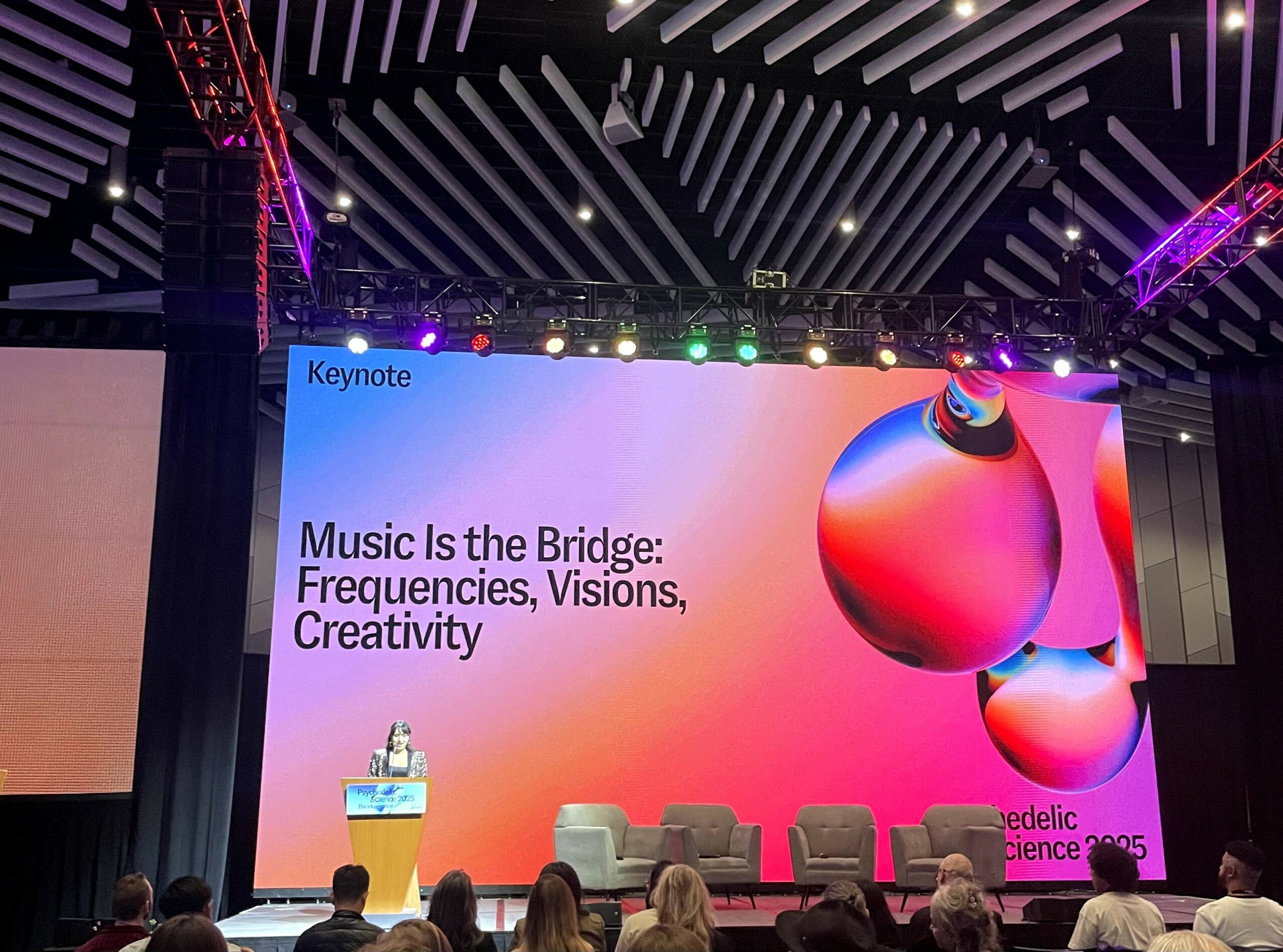
Music also matters deeply to me. It reaches places that words cannot. On a dance floor or in a concert crowd, people remember something ancient, a sense of belonging and release. Music helps dissolve the illusion that we’re separate. It brings us back to ourselves and to one another. In both my therapeutic work and my creative life, music serves as a bridge back into the body, emotion, and the depths of the human experience.
On a broader level, what matters most is remembering that we’re not separate, not from each other, not from our communities, and not from the world around us. We live in a culture that often encourages isolation and division, but I believe healing moves us toward connection, belonging, and relationship.
If my work helps even a few people feel more connected to themselves, to others, to the natural world, to their creativity, or to their intuition, then that feels like a meaningful contribution. That’s what matters most to me.
Contact Info: