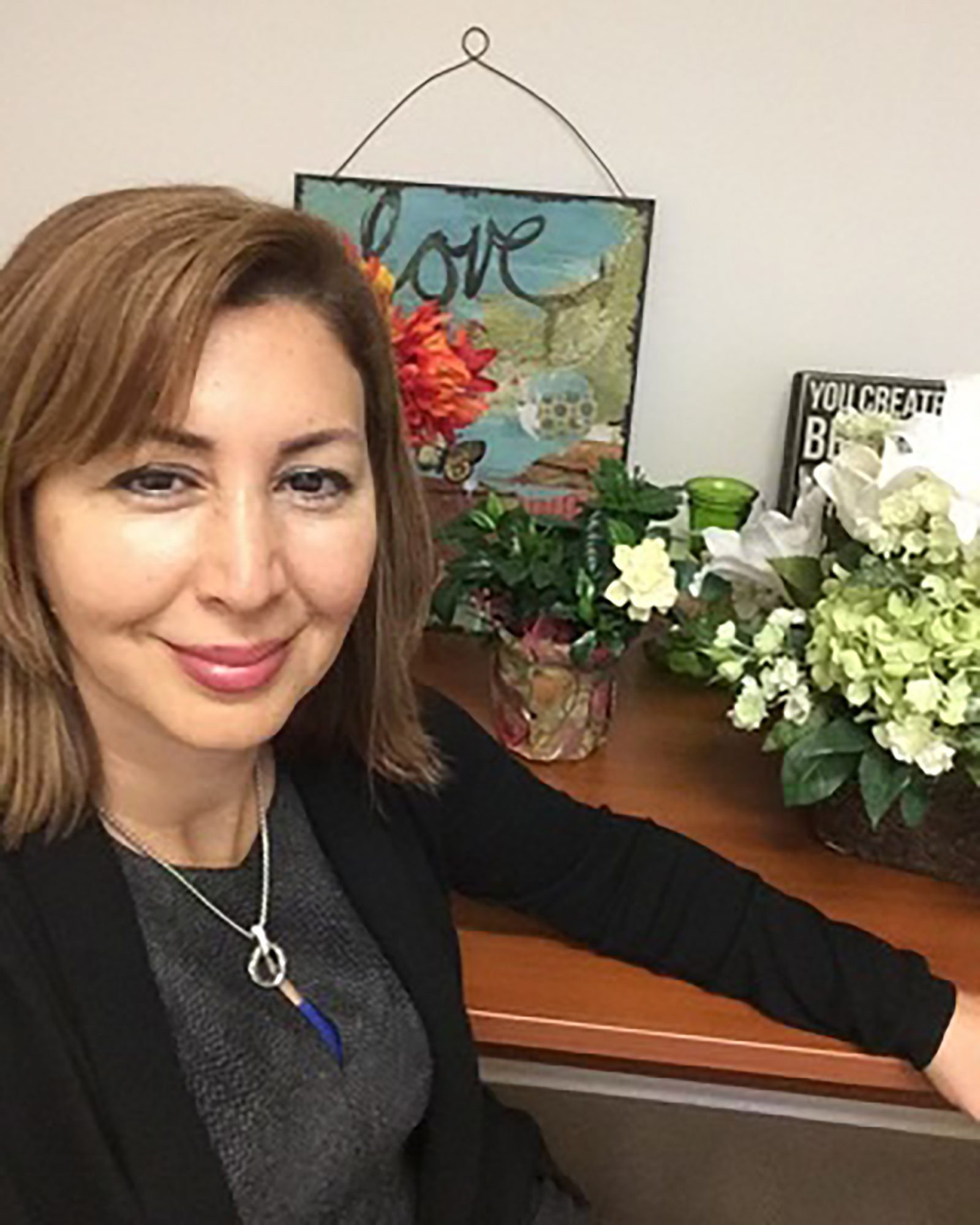




Today we’d like to introduce you to Roya Haghighat.
Alright, so thank you so much for sharing your story and insight with our readers. To kick things off, can you tell us a bit about how you got started?
I came from a fairly well-off Iranian family. Both of my parents were educated, but there was also domestic violence going on in our house. It didn’t have anything to do with our socioeconomic status. Even though I was never physically abused, watching my mom go through that really hurt me. I was a very artistic, creative, and sensitive child, so witnessing my dad abuse my mom left me with a lot of trauma.
Eventually, my mother moved us to Europe to be away from my father. We were worried that if we didn’t leave, my dad would kill her. So, even though we got away from him, we then had to deal with other challenges. We faced culture shock, a new language, and being refugees. Next, we ended up in Canada, which presented similar challenges, like language and cultural differences. Plus, the weather was a huge adjustment for us. There was so much snow that you couldn’t see the ground for six months of the year. I never liked that. There was a lot of pressure to succeed in this new place, despite all these obstacles.
Still, I had some resilience inside of me. When my mother was being abused all those years ago, I made a covenant with God that I was going to grow older and overcome this. I was going to become strong enough to save my mom—and to help other women.
In Canada, we moved in with my brother, who had immigrated a few years earlier and was more established. I got my first job at a store that sold cashmere items. That’s where I met my husband’s family. They were very aggressive, but I always justified it in my head. I would tell myself, Oh, they just really want their son to get married. That was the old way of arranged marriages, and I didn’t know better because I’d never dated anyone.
For the first year, I kept expecting it to be a fairy tale, like in the storybooks. But I couldn’t reconcile that fantasy with my new husband’s actual behavior. He would comment that he wanted to kill all of the homeless people. In addition, being part of his family was like living in a tribe; we were together all the time. There were no boundaries. After about a year, he started to physically and emotionally abuse me.
I realized quickly that I didn’t want to have this man’s baby, but he tricked me into getting pregnant. When we were on a family trip, he had sex with me in the closet without protection. I had nowhere to go because his family was right outside the door. He continued to abuse me, and after the baby arrived, I became extremely depressed. I adored my daughter, but I couldn’t eat or sleep for months because the postpartum depression was so heavy. No one caught it. I fell through the cracks of the medical establishment, never getting the help that I needed. My husband and his family ignored my suffering; they wanted to cover it up. My love for my daughter kept me going for a while, but the depression was only deepening. By the end, I was on autopilot. I tried to commit suicide multiple times. The last time, I jumped from a 10-story building. It did not end the abuse. But it left me heartbroken.
I didn’t find out until I woke up in the hospital that my beautiful daughter had followed me out the window. I survived, but she didn’t. Even after all that, my husband continued to emotionally abuse me.
Thankfully, though, this time I did get the help that I needed for my depression. My family and my medical team supported me through this devastating period, and I was eventually able to stabilize my mood. Once the fog had lifted and our divorce was final, I realized that I needed to overcome this so that I could help other women with similar struggles. I found my way through.
Alright, so let’s dig a little deeper into the story – has it been an easy path overall and if not, what were the challenges you’ve had to overcome?
It certainly wasn’t smooth. Even after I survived the abuse in my marriage and the 10-story fall, it still took months for my body to heal. My body was so shattered from the fall that I required 60 surgeries for the doctors to slowly and painstakingly piece me back together. I had to re-learn how to walk and how to use the bathroom. I was in a wheelchair at first, then using a walker, and then two canes.
On top of all that, I mourned the loss of my daughter for the next six years. My ex-husband also tried to sue me for the death of our daughter, so I was wading through legal troubles while trying to heal my body and heart.
I also had to work through a lot of my self-blame over what happened to my daughter. I kept berating myself for not getting her to a safe place before I jumped. I went to a lot of therapy to make peace with what happened. I had to realize that I was so depressed that there was no way I could think clearly at that moment. Depression rewires your brain. A normal brain wants to survive because it thinks life is good. A depressed brain, on the other hand, thinks that dying is good. Processing what happened in therapy made me understand that I needed to have a purpose to heal. I found that purpose in becoming a therapist so I could keep my childhood promise to God and help other women.
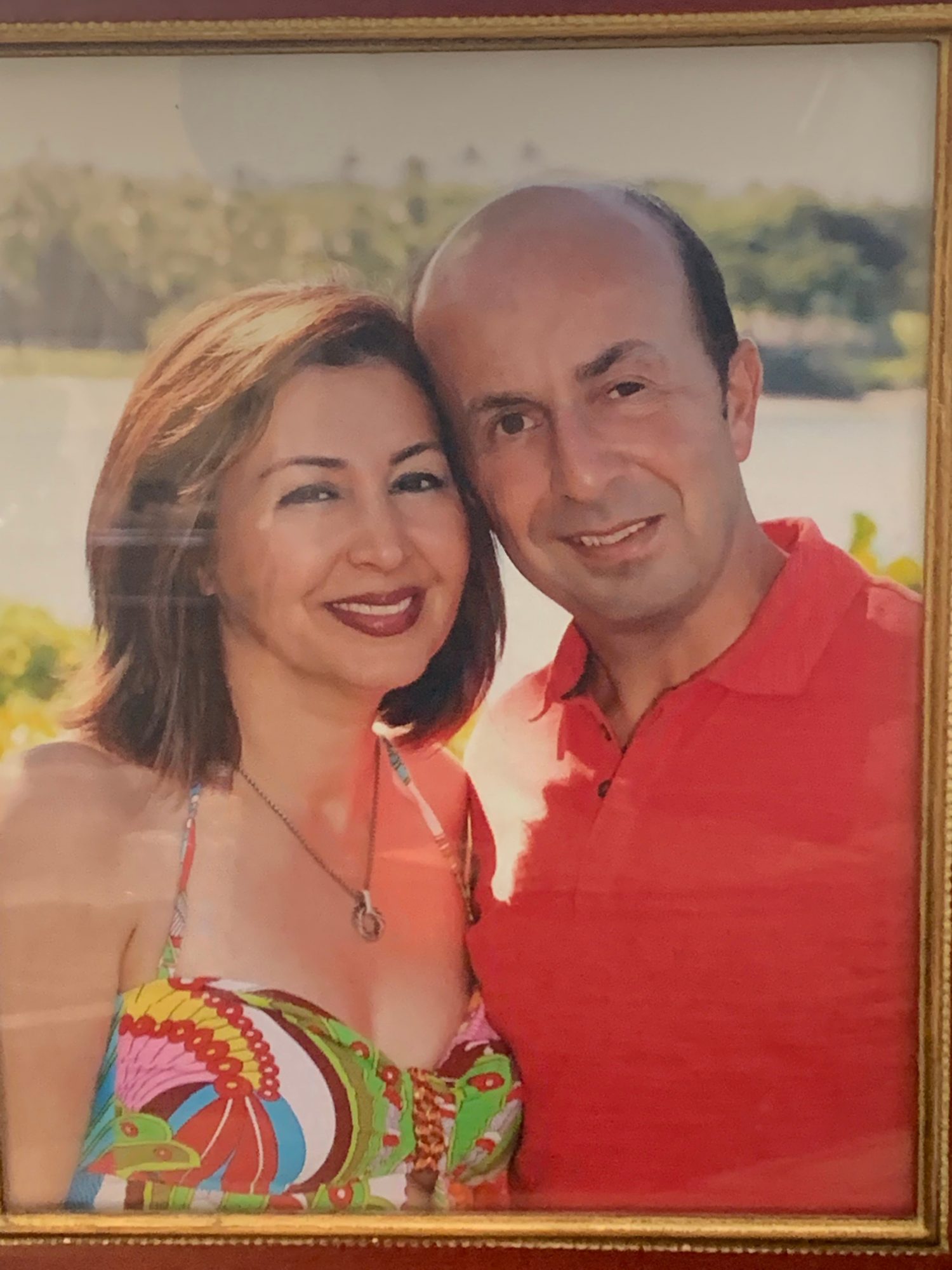
Even though the road has not been smooth, there have still been so many gifts along the way. I got remarried to a wonderful man named Michael, who was more loving and kind than I could have imagined. I knew he was my soulmate when I met him. The second miracle was that we were so fortunate to have a daughter together. She is the love of my life. My first daughter was my caretaker when I was so deeply depressed. She would try to feed me when I was too sad to eat. My second daughter is just amazing. So loving. They’re all miracles, you know?
Alright, so let’s switch gears a bit and talk business. What should we know?
I’ve tried so many different branches of education, from mathematics to literature. However, I became a therapist because that was my purpose. People will ask me how I’m able to read people and form a genuine connection with them so easily. I joke that I have a crystal ball, but the truth is, I just get people. You don’t have to be gay, for example, to understand what a gay client is going through emotionally.
Once I understand a client’s struggle, I can help them reframe their narrative and see their experiences in a different light with Cognitive Behavioral Therapy (CBT). I try to help them undo their automatic negative thoughts. These negative thoughts—including depression and anxiety—they’re like inner critics. They repeat whatever we absorbed as a child. My goal for my clients is to help them externalize these thoughts and distinguish them from what’s real. When we can catch those thoughts, we can say, No, stop this. We can challenge the inner critic.
I challenge them to ask themselves: “Is this actually my reality now? That I’m not good enough?” And they’ll often say, “No. Actually, I’m a successful person now.” We all have our own filters, and often they’re distorted.
As far as what sets me apart from others, I would say that my experience of surviving the absolute depths of despair gives me a unique perspective on trauma. It helped me develop empathy from a young age. Not everyone who goes through trauma is able to transform it into empathy, but I was able to because of my emotional intelligence. My history of being in an abusive relationship also makes me sensitive to that in my clients. I help them notice if a person is trying to take advantage of them or be possessive. Beyond that, I always assess for suicide. Many therapists don’t, but that is the first thing I do. Because most people won’t volunteer that information, but it’s extremely important.
Because of what I’ve gone through, I can model resilience for my clients, not just talk about it. I also help them foster their own spirituality or consciousness with the capital C. I really do believe there is an Observer in us, and it can point us in the right direction. If I can help people access that, it can point them in the right direction.
I think about the Holocaust and how they were all skeletons, but some people survived while others didn’t. They asked one man what kept him going, and he said, “If evil didn’t exist, how would I know goodness?” He held onto that hope.
I did the same thing when I was in a wheelchair. I said to myself, “Okay, where do I go now?” The Observer in me didn’t let me finish law school. That was my first plan after my accident. But I slowly realized that a piece of paper doesn’t help people with domestic violence. There must be other things I can do. That’s how I became a therapist.
Can you talk to us a bit about happiness and what makes you happy?
I’ve found my purpose. I’m finally on the right path. That makes me happy. Unfortunately, I lost Michael, but I think that part of my purpose was to help him through his cancer. He helped me through my losses and gave me my daughter, Maddy. I love watching her grow and reach her potential. Of course, I think she’s a very special individual because I’m her mom, but I really believe she could be a great author or communicator, or even a painter. I love getting to watch her growth and creativity happen before my eyes.
Contact Info:
- Website: https://www.royamft.com/
- Instagram: https://www.instagram.com/royamft/