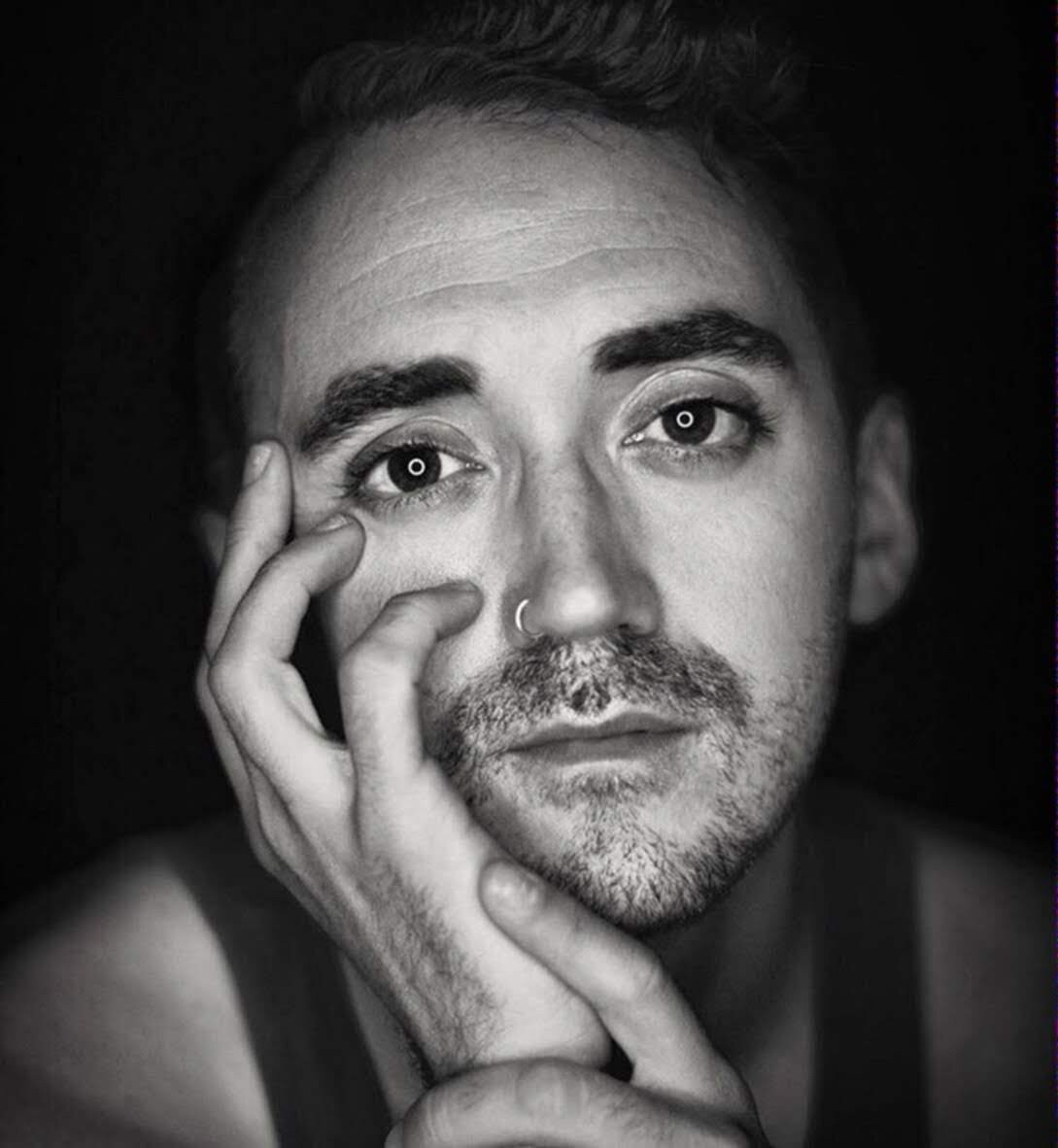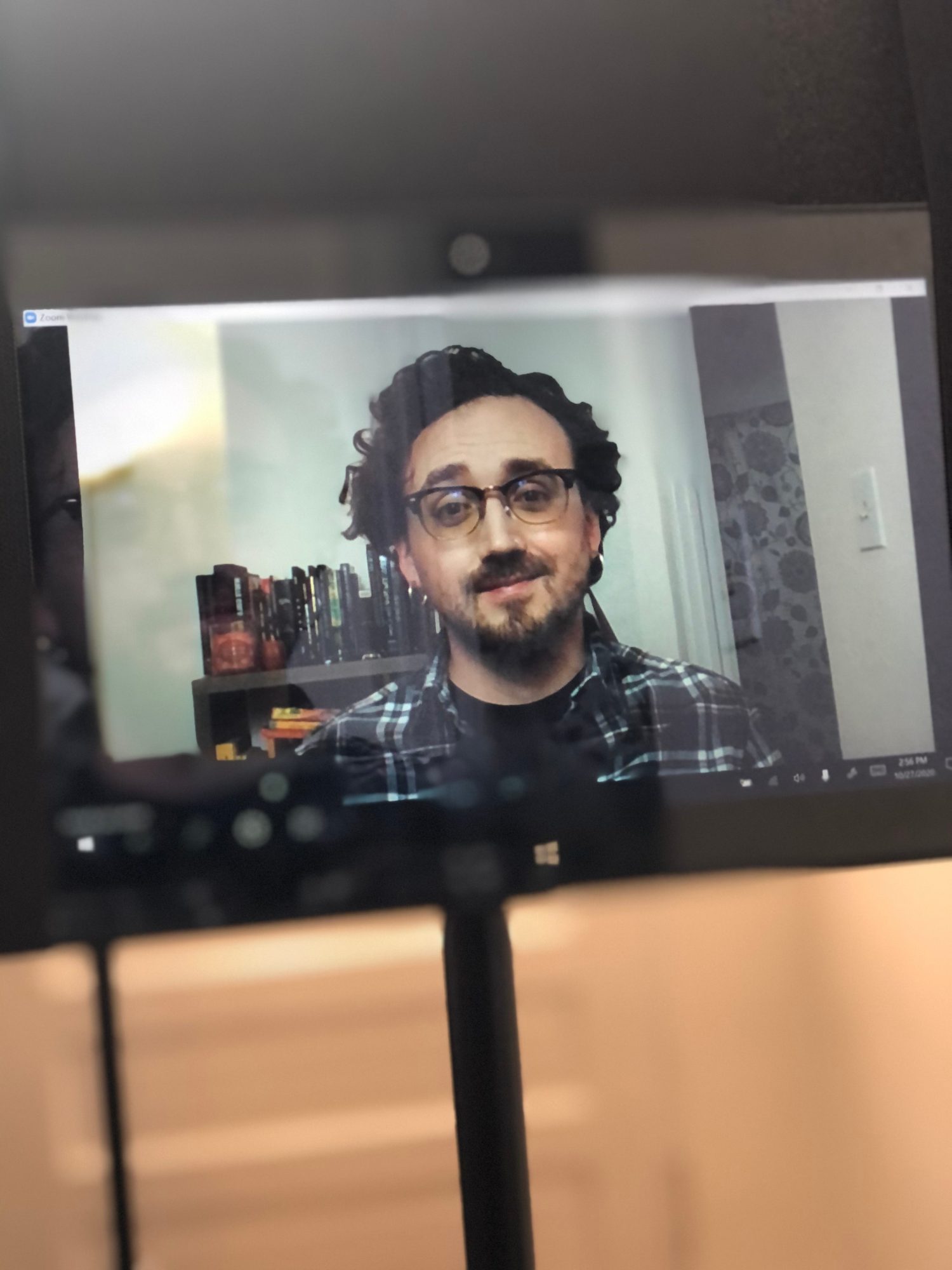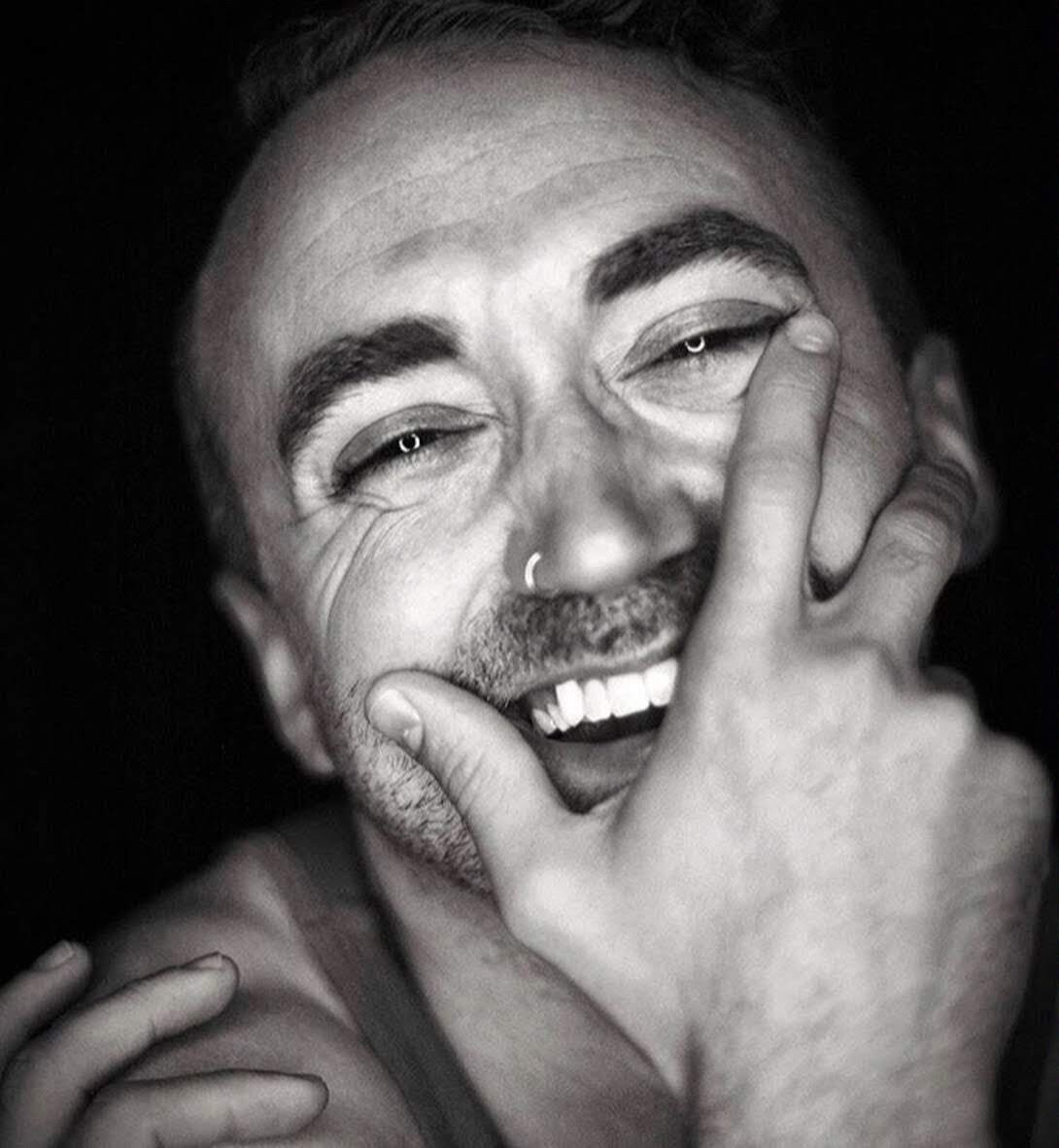



Today we’d like to introduce you to PatrickLyra Wilder.
Hi PatrickLyra, can you start by introducing yourself? We’d love to learn more about how you got to where you are today?
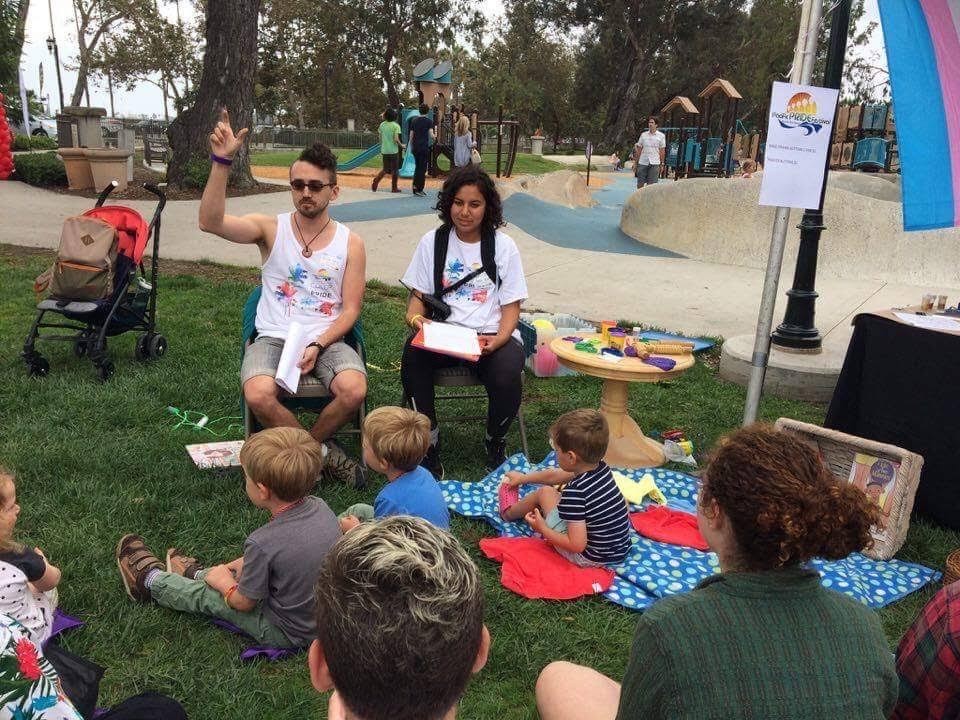
My professional story begins at Vassar College under the writing mentorship of Kiese Laymon (whose memoir Heavy was named one of the 50 Best Memoirs of the Past 50 Years by The New York Times), extends through a decade of early childhood education starting at Yale School of Medicine’s Child Study Center, is influenced by public speaking instruction from the moving Reverend Erika Hewitt, and proudly includes serving as founding LGBTQIA+ Programs Director at the Pacific Pride Foundation – one of the largest LGBTQIA+ Center between Los Angeles and San Francisco (2015 – 2021).
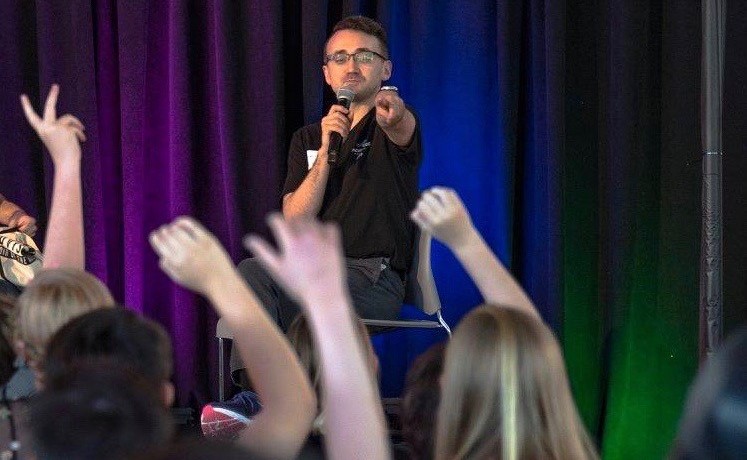
At present, I’m a licensed Marriage & Family Therapist in full-time private practice – volunteering every other week as an Education Interpreter and Volunteer at the Aquarium of the Pacific. Whether supervising my thoughtful team of Associate Marriage & Family Therapists, educating about body-based psychology, or sharing my personal story – years of experience reveal I’m happiest while making complex new concepts approachable so we can better welcome one another (and our own selves) with best clinical, best workplace, and best healing human practices.
A few extra fun facts? I identify as transgender (non-binary), queer, Autistic and use they/them pronouns; I love humpback whales and octopuses (yes that’s the correct plural form); I’m a former modern dancer and music theater kid.
Would you say it’s been a smooth road, and if not what are some of the biggest challenges you’ve faced along the way?
My path through life and career has been alternately bumpy, adventurous and smooth!
Whether trying to socialize as a 90’s kiddo who was considered gifted but not-yet-diagnosed-as-Autistic (only just diagnosed this year); whether living with an expansive experience of gender (including but also beyond boy and girl) at a time when few spoke of non-binary transgender identities let alone queerness; whether striving to survive in the face of anti-LGBTQIA+ abuse in my family of origin as I came out in late adolescence – some bumps were bumpier than others!
A quote I turn to often is Natalie Goldberg’s “Life is not orderly. No matter how we try to make life so, right in the middle of it we die, lose a leg, fall in love, drop a jar of applesauce.” I know that – whatever happens – the potential for trauma/PTSD to transmutate into post-traumatic growth is powerfully great. While I work every day to prevent others from enduring certain systemic and relational challenges I faced, I still learned critical life skills from my obstacles overcome.
I’ve developed strong, consistent, vocal boundaries that keep me safe and help me take up the healthy space I deserve in a world too committed to erasing transgender and queer Autistic folks. I’ve stood strong as a public advocate of minors’ and childrens’ rights, and stand shoulder-to-shoulder with my Black, Indigenous, Asian & Pacific Islander, Latinx/é, and multi-racial loved ones and clients striving to heal generations after centuries of white supremacist colonization.
I always tell my clients that bravery isn’t easily doing the hard-but-important thing. It’s doing the hard-but-important thing when you’re most scared. My obstacles have shaped me, but in the end, I’m left with a story of bravery held up by a web of chosen loved ones who had me when I most doubted myself. And for this, I’m thankful!
Appreciate you sharing that. What should we know about PatrickLyra Wilder LMFT?
In life, each of us faces a journey through diverse emotional terrain. Too often, from early childhood on, we are not equipped for the mountains and valleys. Often we carry trauma not just in our minds, but in our bodies — and — the trauma we experience is frequently relational, complicating our ability to nurture an individual self while also attaching to other humans in a healthy way.
Through my education and training, I’ve clarified what I already knew as a client of therapy myself: healing trauma, living with mental illness, and repairing relationships (1) must be person-centered and culturally competent, (2) must include the body, and (3) must push beyond the repetition of painful stories into the cultivation of post-traumatic growth. As a therapist, I welcome my clients’ feedback on our process and enjoy using mindfulness-based practices, inner family systems work, a solutions focus, and somatic interventions–among others–to help my clients resolve trauma and move into greater resilience.
I’ve thoroughly studied and continue to study the needs of LGBTQIA+ clients and their families, as well as the needs of many other targeted minoritized clients whose identities are different than my own. Allyship for me is a lived relationship where I invest in my own learning — so my targeted minoritized clients do not carry the burden of educating me, and can simply show up and be supported.
I’m most proud of building a therapy business that is staunchly client-centered, leading with an open acknowledgment of the unique experiences of LGBTQIA+ and BIPOC clients. Many other private practices strive to be more generalist in their written copy, relying on stock photos that only glance at culturally humble and inclusive approaches. Many practices are afraid to acknowledge specific minoritized populations for fear that doing so will drive business away.
Every day my Associate Marriage & Family Therapists and I strive to nurture a therapeutic brand that comprehends the many factors that feed intergenerational trauma while also supporting individual locuses of control and agency. We know if therapy isn’t directly naming and working against systems of oppression as they show up in the wider world AND in the internalized experiences of our clients – but firstly in ourselves as therapists – then said therapy is missing the mark.
It’s a joy to see so many of the clients I admire accessing healing through our securely attached, well-paced (read: not brief model) healing relationship. I’m honored when they tell me my work to see their whole experience in a wider American context rife with histories of pain and prejudice is effective, and matters. I imagine myself committed to this therapeutic relational work well past retirement age, or until there’s no need for a job like mine – because we’ve finally addressed the social causes at the root of many mental illnesses – which ever comes first!
If you had to, what characteristic of yours would you give the most credit to?
To be entirely honest, I think being Autistic and transgender and queer in our current socio-cultural moment have been vital to my success. These aspects of self necessarily ask me to operate outside of social norms and to eschew lazy group-think or the need for homogenous belonging that seems to plague neurotypcal and/or mainstream binary groups.
My human need to be seen as my fluid gender (which we now know arises out of social AND biological factors in concert) requires expanded languages, public squares, and access points — in a culture and country that fights tooth and nail against providing these most basic, equitable asks. The skills to survive this, and to creatively thrive in and around such restrictions, has led to a successful caregiving career serving others similar to, and vastly different from, myself.
Because my Autistic brain asks for routine, certain kinds of soothing, and expanded access points (like silence and distance from others while in public, or a lack of bright garish lighting, or the freedom to make noises or to move in a way that feels regulating)… because my Autistic brain thinks at light-speed about human development and is highly adept at utilizing language to weave a supportive focus on particular nuanced intersections — I feel I’m an adept caregiver and therapist, as well as friend and family member and partner, to say nothing of my commitment to being a merely decent human animal on a planet that preexists the creation of nation-states.
So cheers to my essential Autistic, transgender and queer qualities! My success is also, equally if not more so, advantaged by my whiteness, my men’s privilege as someone assigned male at birth, my family’s generational protections from the worst of the worst traumas, and more. And saying this does not undo or undermine or diminish the above-described successes I’ve worked toward and earned.
Contact Info:
- Website: www.PatrickLyra.com
- Instagram: @WilderWithin