




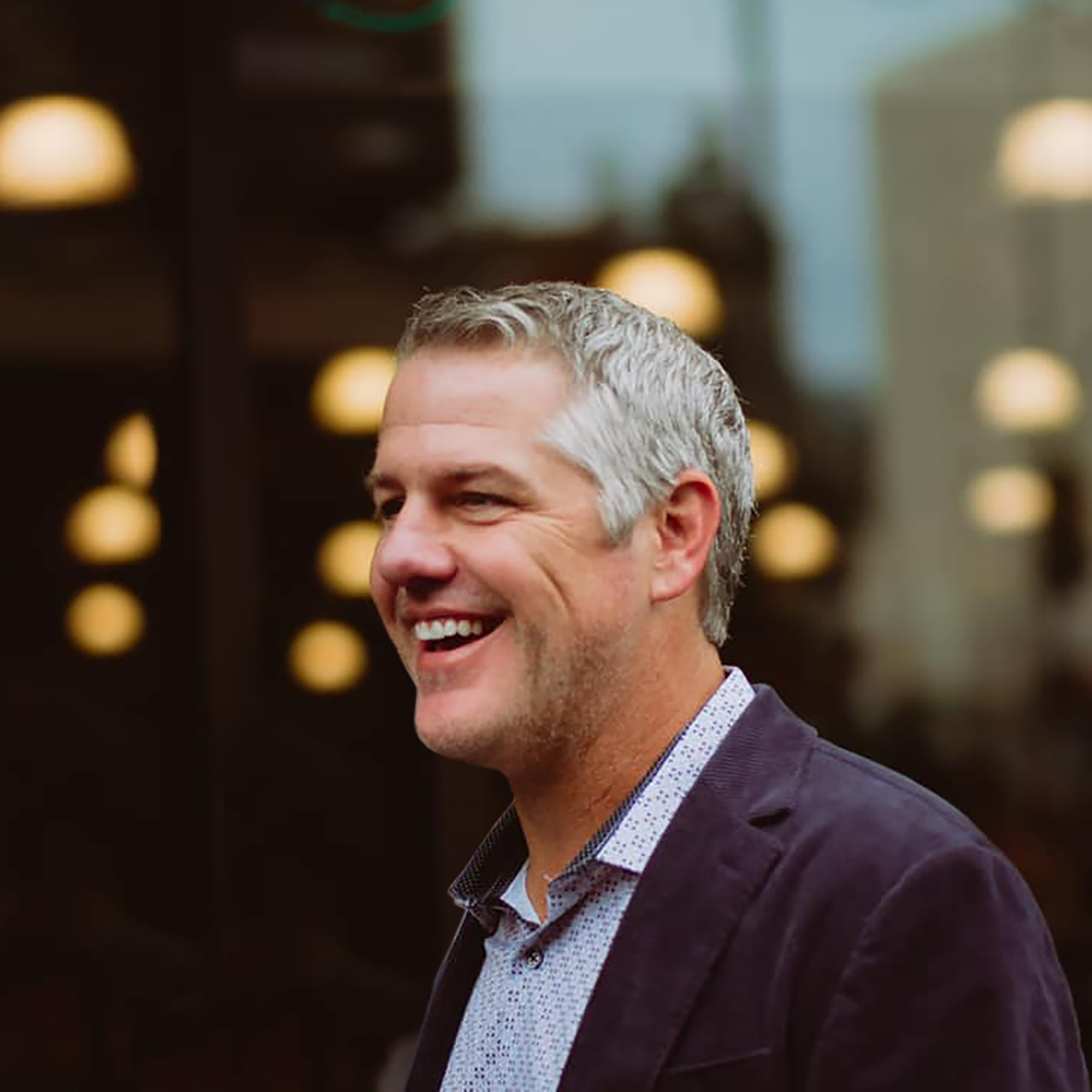
Today we’d like to introduce you to Martin Fenlon.
Hi Martin, so excited to have you with us today. What can you tell us about your story?
I was born and raised in Columbus, Ohio. Both of my parents were commercial artists — my mother a fashion artist, and my father an ad artist, which is how they met. They were resourceful DIYers who were always building and crafting things. When I was eight, I watched my father spend a summer building a gazebo in our back yard, entirely on his own, starting by drawing the plan directly on the ground. I took to drawing and building early on, and I’ve known I wanted to be an architect for as long as I can remember — probably since that time.
Even so, when I was finishing high school, I had the opportunity to play college football and was encouraged to pursue it by my father. I went to Ohio Wesleyan University to play but quickly felt lost academically because there was no architecture program. I decided to leave after my freshman year, which was a painful but necessary decision. My father was really upset about the decision, and we didn’t get along for a while afterward. Later, though, he ended up being one of the biggest champions of my work.
I transferred to Ohio State University to study
architecture and found my footing there. During this time, I became fascinated by the rich history of Los Angeles architecture as well as the experimental work constantly emerging from the city. While in graduate school at OSU, I landed a summer internship with Morphosis Architects in Santa Monica, which gave me my first real exposure to Los Angeles. That experience left a lasting impression on me; I knew I wanted to build a life and career here.
After school, I spent three formative years in Detroit working for architect Andrew Zago. Toward the end of that period, he was invited to build an installation at SCI-Arc, and I spent another summer in LA helping construct it alongside SCI-Arc students. That project solidified my decision to permanently relocate and try to establish my own practice.
Would you say it’s been a smooth road, and if not what are some of the biggest challenges you’ve faced along the way?
Far from it — it’s been a tough road. Starting a practice from scratch in Los Angeles was a huge challenge. I didn’t have a client base, a backlog of projects, or savings to fall back on. But I was determined. I took on carpentry jobs to make ends meet while slowly building a portfolio of small projects. Over time, those projects led to larger commissions and a consistent flow of work.
Early on, I worked long hours struggling to stay afloat — seven days a week wasn’t uncommon. Now that I’m married with children, the challenge has shifted to maintaining a healthy work-life balance while managing a steady workload. The struggle never fully disappears — it just changes form.
Great, so let’s talk business. Can you tell our readers more about what you do and what you think sets you apart from others?
I run a sole proprietorship focused primarily on designing custom homes. I approach the work as an artist in a studio — each project is very personal, and I’m involved with every aspect from start to finish. I see houses as my medium with each one being part of an ongoing exploration of space, much in the spirit of architects Rudolph Schindler and John Lautner.
That exploration centers on creating architecture that is efficient, sustainable, and oriented toward wellness. Each project poses a core question: how can I achieve the most beautiful and innovative result in the most simple and economical way? The answers vary depending on the client and the site, which is why no two projects are alike.
What I’m most proud of is that these homes reflect the different people and places they’re made for. When things go well, my clients and I are equally proud of what we’ve created together.
We’d be interested to hear your thoughts on luck and what role, if any, you feel it’s played for you?
Luck played a role in the early days of my business. A couple of chance encounters led to new projects at moments when I desperately needed them.
In life, the most meaningful stroke of luck came the night I met my wife; we happened to be at the same bar when neither of us normally would have been there. Without her, my most important project — our live-work complex in Hermon where we’re raising our children, which we’ve been shaping together for over a decade now — wouldn’t exist.
Contact Info:
- Website: https://martinfenlon.com/
- Instagram: https://www.instagram.com/martin.fenlon/
- Facebook: https://www.facebook.com/MartinFenlonArchitecture
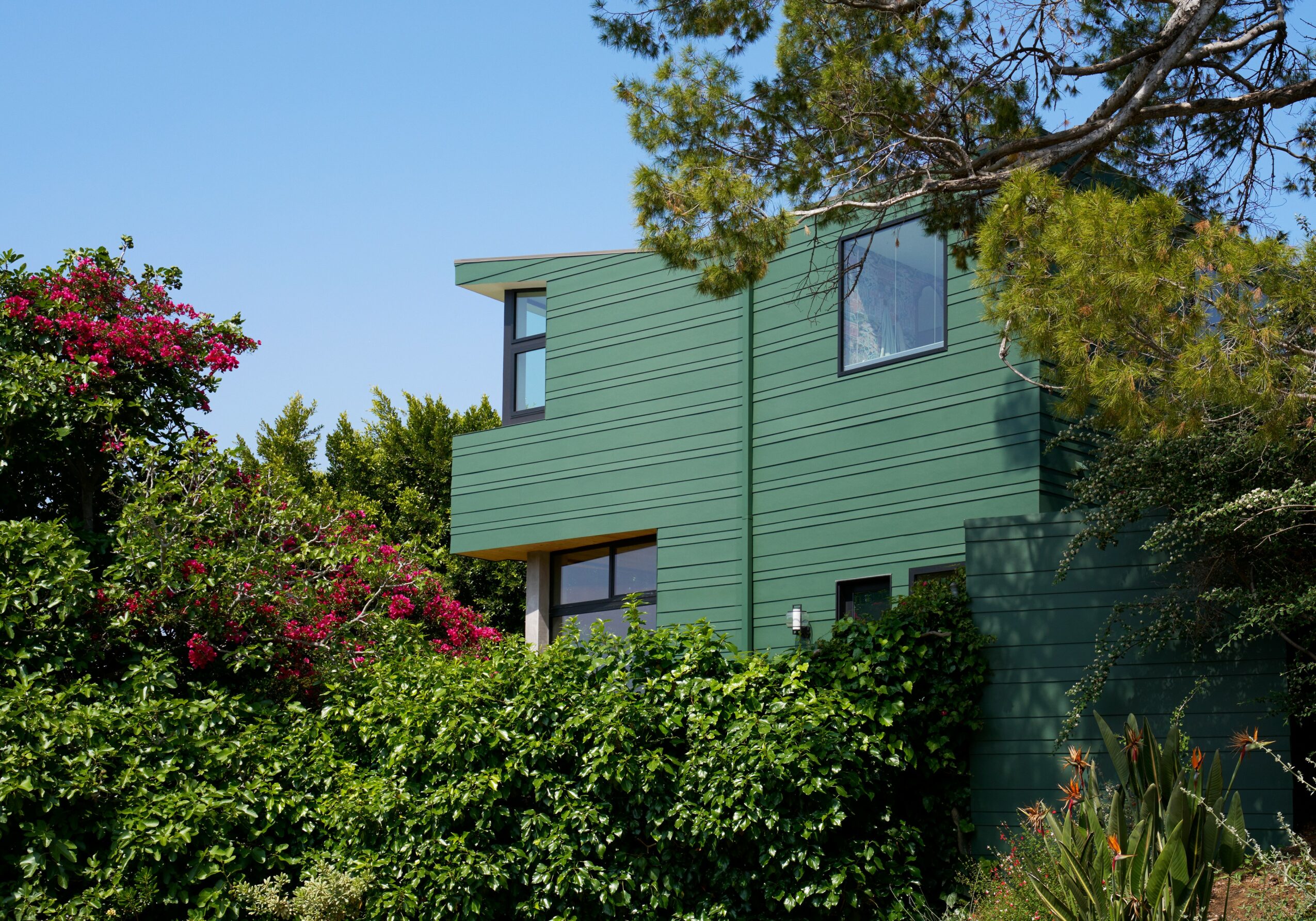
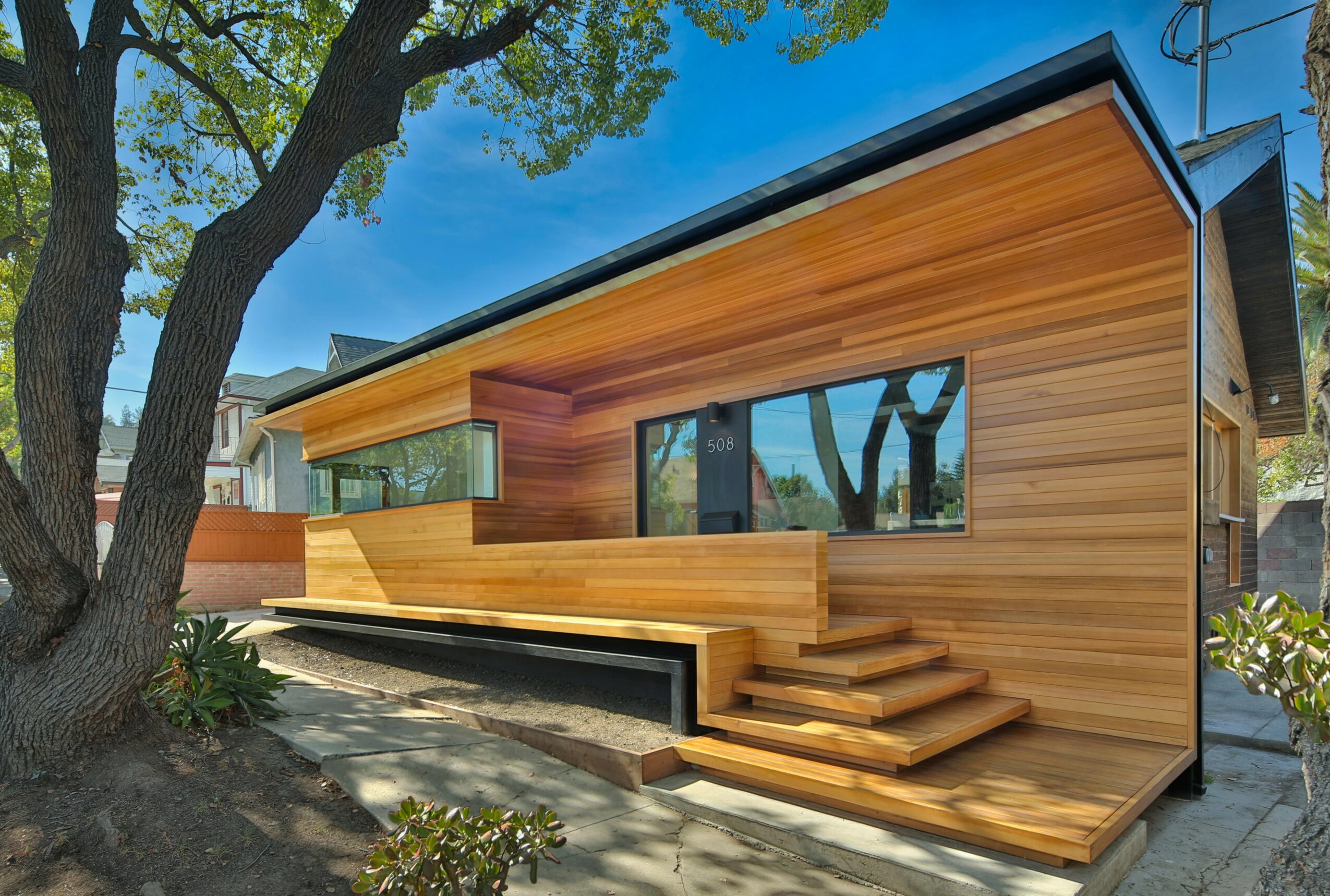
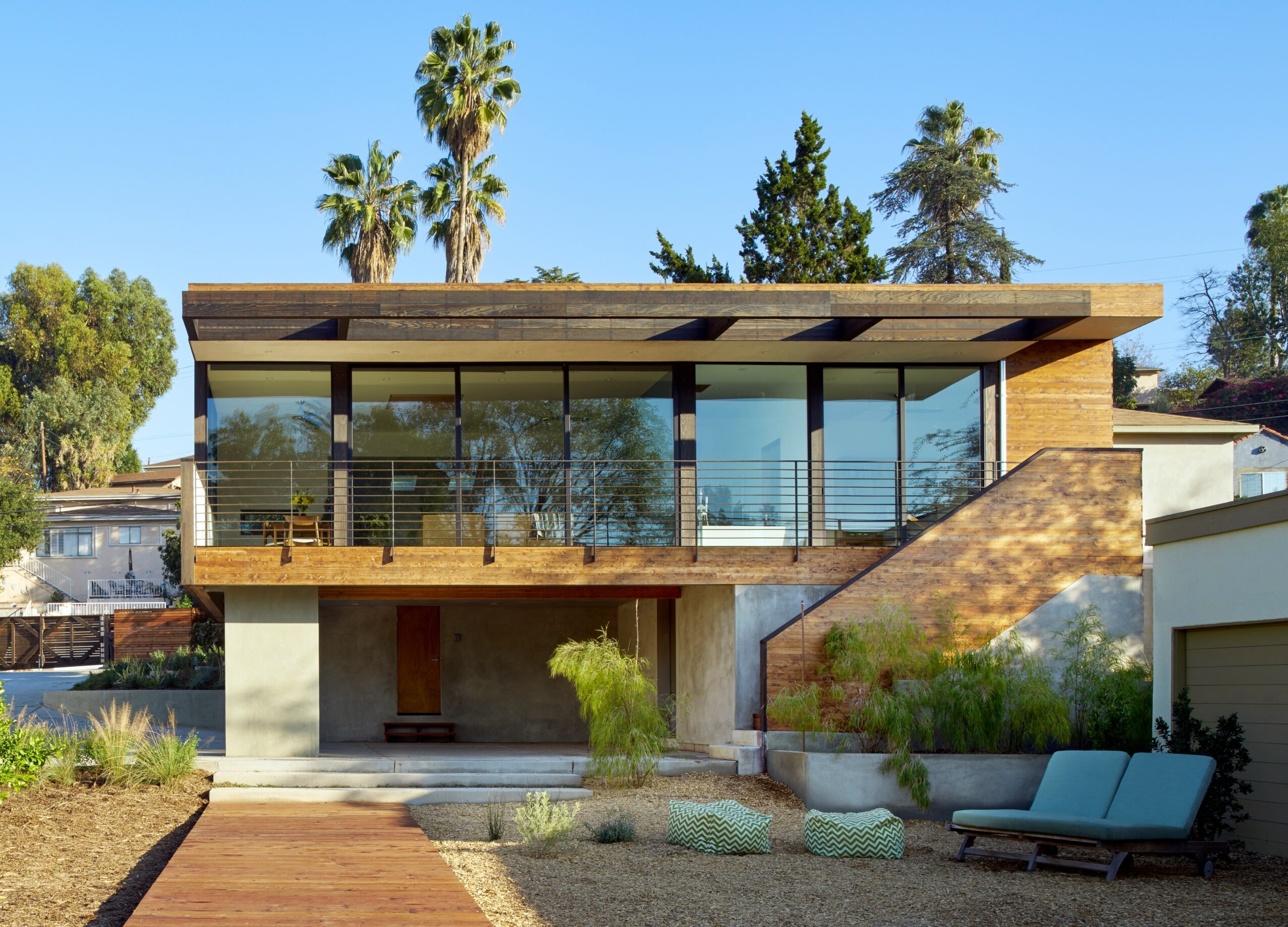
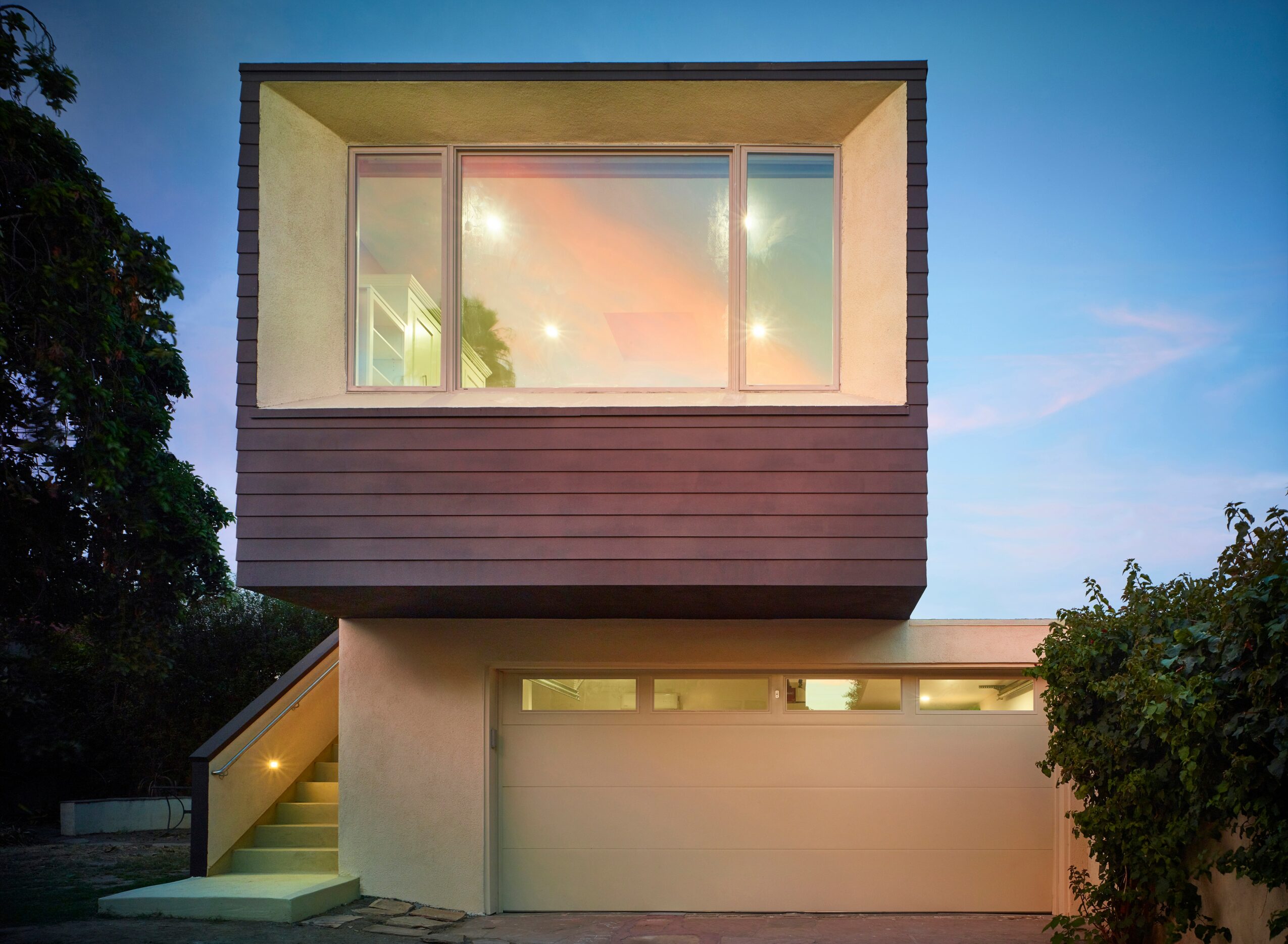
Image Credits
Martin Fenlon: Oscar Del Aguila
Den_03: Eric Staudenmaier
Fen_01: Zach Lipp
Mor_01: Eric Staudenmaier
Rod_09: John Linden
Popular
-

What is the story you hope people tell about you when you’re gone?
-

Who were you before the world told you who you had to be?
-

Was there ever a time you almost gave up?
-

What is something outside of work that is bringing you joy lately?
-

Who saw you clearly before you could see yourself?
-

What are the biggest lies your industry tells itself?


