




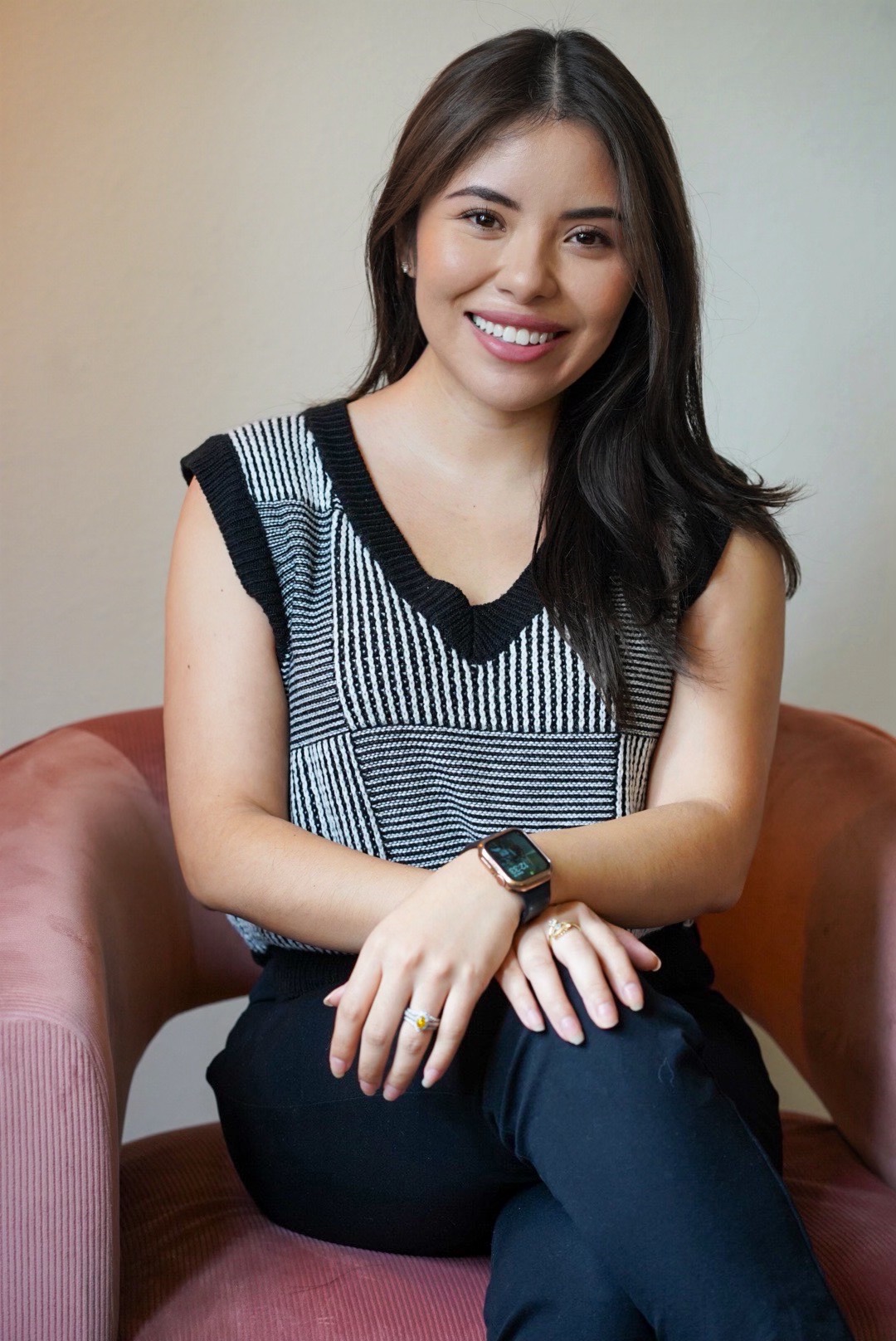
Today we’d like to introduce you to Arasha Alcaraz
Hi Arasha, thanks for sharing your story with us. To start, maybe you can tell our readers some of your backstory.
I’ve always believed that life has a way of guiding us, even when we’re unsure of the path ahead. My journey began at Middle College High School in Santa Ana, California, a unique environment where I earned both my high school diploma and an associate’s degree. At the time, I was uncertain about what to pursue in college. A school counselor suggested I take an introductory psychology course, and it was as though a lightbulb switched on for me. I fell in love with the subject—specifically, the intricate dance between the conscious and unconscious mind and how it shapes behavior.
Fueled by this newfound passion, I attended the University of California, Riverside, from 2010 to 2013, where I earned my Bachelor’s in Psychology with a minor in Biological Anthropology. My fascination with understanding human behavior through both psychological and biological lenses deepened at this point.
Right after graduation, I dove straight into my master’s studies, enrolling in a Clinical Psychology program with an emphasis in Marriage and Family Therapy from 2013 to 2016. During my third year, I had the privilege of interning at the Orange County Department of Education, a role that shaped much of my career. Over the following years, I worked as an Associate Marriage and Family Therapist, accumulating clinical hours while serving at-risk youth. I also worked with incarcerated youth, which gave me invaluable insights into resilience and the systemic factors impacting mental health.
During this time, I was fortunate to have incredible supervisors like Carlos Alcantara, LCSW, Devon Robertson, LMFT, and Jeannette Farris DeGrave, LMFT, who mentored me through those early years. Their guidance solidified my commitment to making a difference.
In 2018, I transitioned to the Orange County Health Care Agency, where I joined the Orange County Center for Resiliency, Education, and Wellness (OC CREW), providing early intervention services for individuals experiencing their first episode of psychosis. While this role honed my clinical expertise, it also illuminated my growing interest in integrating the body into mental health treatment.
By 2019, I moved into private group practice, which allowed me to expand my focus and explore somatic therapies. It was then that I decided to pursue a Certificate in Dance Movement Therapy through Antioch University – New England, combining my passion for psychology and dance. Graduating in August 2023 was a milestone, as it represented the culmination of years of hard work and a dream coming to life.
In July of 2023, I took a leap of faith and opened my private practice, with the unwavering support of my colleagues, Kaelen Goldstein, LMFT, and Jennifer Uhlman, LMFT. In my practice, I emphasize the profound connection between mind and body, using various modalities, including dance movement therapy, to help individuals reach their therapeutic goals.
Looking back, what started as a nudge from a counselor to take a psychology course has blossomed into a career I’m deeply passionate about. Each step—from working with at-risk youth to pursuing somatic therapies—has reinforced my belief in the transformative power of mental health work. Today, I’m grateful to blend science, movement, and creativity to help others heal and thrive.
Alright, so let’s dig a little deeper into the story – has it been an easy path overall and if not, what were the challenges you’ve had to overcome?
It definitely hasn’t been a smooth road. Early in my internship and associate years, I struggled with imposter syndrome. I often questioned whether I was good enough or capable enough to make a real difference in my clients’ lives. On top of that, managing a high number of cases across multiple sites pushed me to the brink of burnout. Balancing the emotional demands of the work with my own personal capacity felt overwhelming at times.
One of the most difficult but crucial lessons I had to learn was how to mentally and emotionally compartmentalize my clients’ struggles. I cared deeply about the people I worked with, but I realized I couldn’t carry their pain home with me. My mentors and supervisors were instrumental during this time. They not only validated my experiences but also emphasized the importance of self-care, which I hadn’t prioritized as much as I should have. Their guidance helped me create healthier boundaries and find ways to recharge outside of work.
On a personal level, I also faced relational challenges and adjustments during this period. Juggling my professional responsibilities and personal relationships wasn’t always easy, but it taught me resilience and self-awareness. With the support of my own therapist, I was able to navigate those personal struggles and come out stronger, both personally and professionally.
Thanks – so what else should our readers know about Arasha Alcaraz Therapy / Mindful Moves Therapy?
My private practice is built on the belief that healing begins in a warm, non-judgmental environment where clients feel seen, heard, and valued. I strive to create a safe space where individuals can explore their unique experiences, emotions, and challenges without fear of judgment.
What truly sets my practice apart is my holistic and somatic approach to therapy. While traditional talk therapy is an essential part of the process, I’ve found that for many individuals—especially those processing trauma or navigating interpersonal challenges—talking alone isn’t always enough. By integrating somatic therapies, I help clients connect more deeply with their bodies, fostering self-awareness and comfort within themselves. This deeper connection becomes the foundation for bridging relationships with others, building autonomy, and cultivating confidence.
I draw from a variety of therapeutic modalities, tailoring my approach to meet each client’s unique needs. My work is trauma-informed and rooted in social-justice-oriented practices, blending elements of existential, humanistic, and psychodynamic therapies, as well as CBT and dance movement therapy. The incorporation of movement allows clients to process emotions and experiences in ways that go beyond words, offering new avenues for healing and growth.
So maybe we end on discussing what matters most to you and why?
What’s most important to me is living a life that aligns with my values and allows me to support others while also nurturing my own well-being. Building my private practice has been a pivotal step in that direction. It’s given me the flexibility to spend more time with my family, pursue my passion for dance, and prioritize self-care practices that keep me grounded.
At the heart of it all, though, is my deep commitment to helping people in any way I can. I’ve always resonated with Maya Angelou’s words: ‘People may not remember what you said, but they will remember how you made them feel.’ It’s not just about providing tools or strategies in therapy—it’s about creating a space where people feel understood, supported, and valued.
Contact Info:

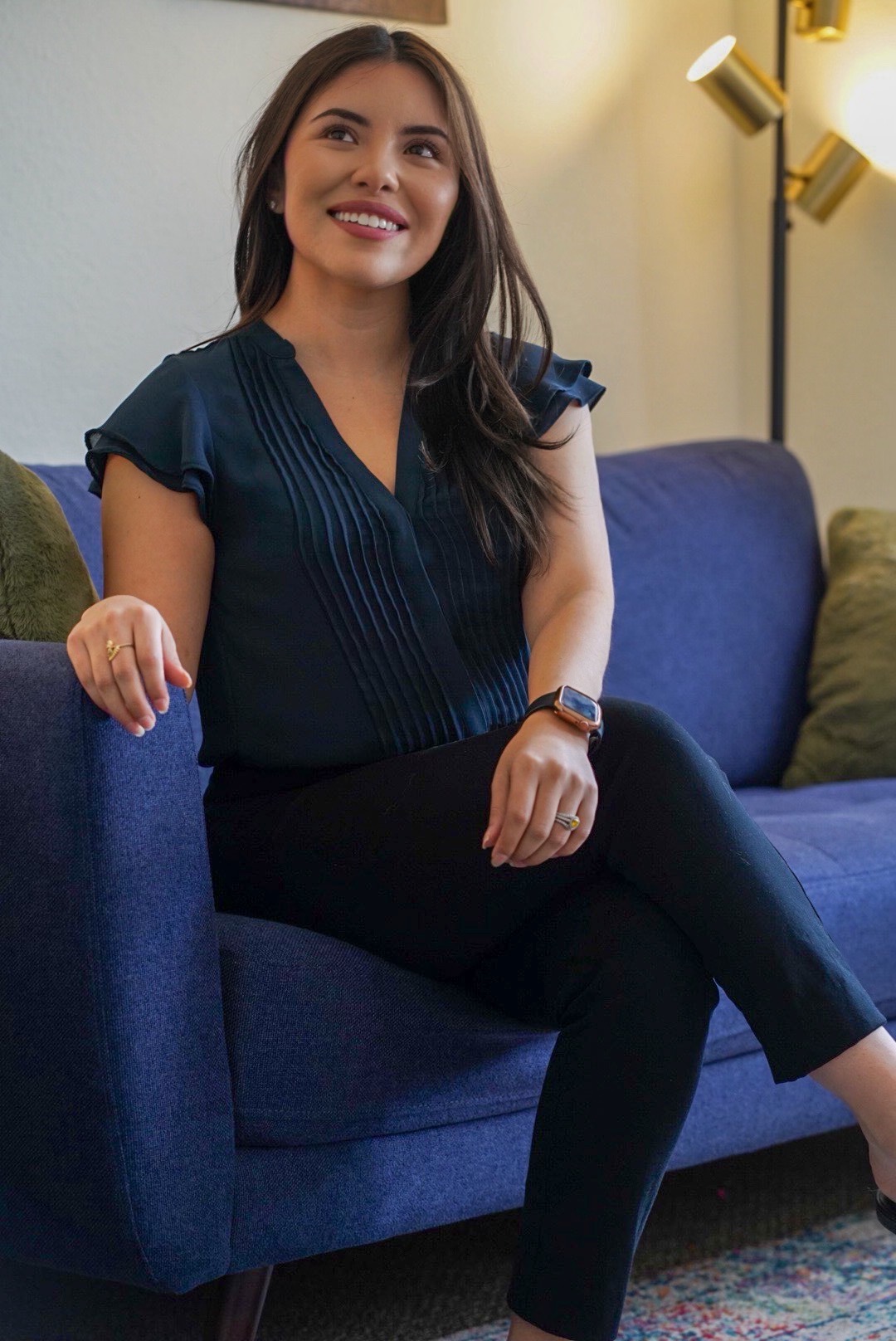

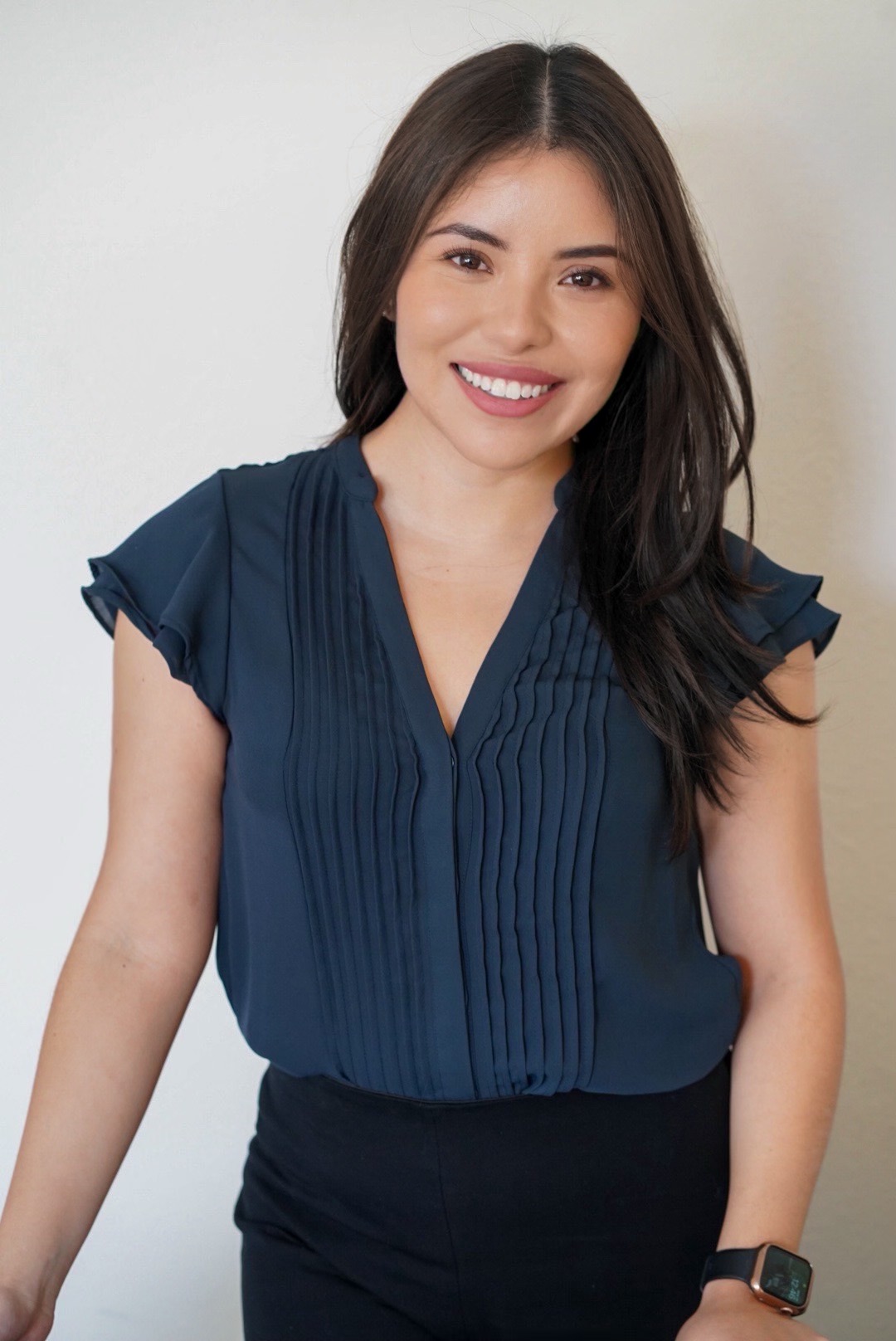
Image Credits
Diego Casanova
Instagram: @casanovacaptures
Popular
-

What is something outside of work that is bringing you joy lately?
-

Local Highlighter Series
-

What did suffering teach you that success never could?
-

What are you most proud of building — that nobody sees?
-

Who were you before the world told you who you had to be?
-

If you could say one kind thing to your younger self, what would it be?


