
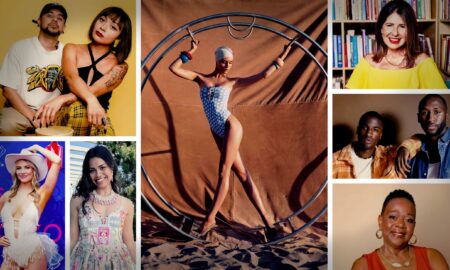



 Today we’d like to introduce you to Angie Cibis.
Hi Angie, it’s an honor to have you on the platform. Thanks for taking the time to share your story with us – to start maybe you can share some of your backstory with our readers?
Long before I was aware of graphic design as a profession, I was the sort of kid who carefully formatted the list of phone numbers my mom had next to the phone on the wall. I’ve had a lot of different interests (aviation, medicine, psychology) but graphic design turned out to be a great vehicle to learn more about those (and other) subjects as I partner with clients who tend to also value all things evidence-based. My drive to understand and help share information as clearly as possible helps my clients and their audiences – it all comes together really nicely!
I’m sure it wasn’t obstacle-free, but would you say the journey has been fairly smooth so far?
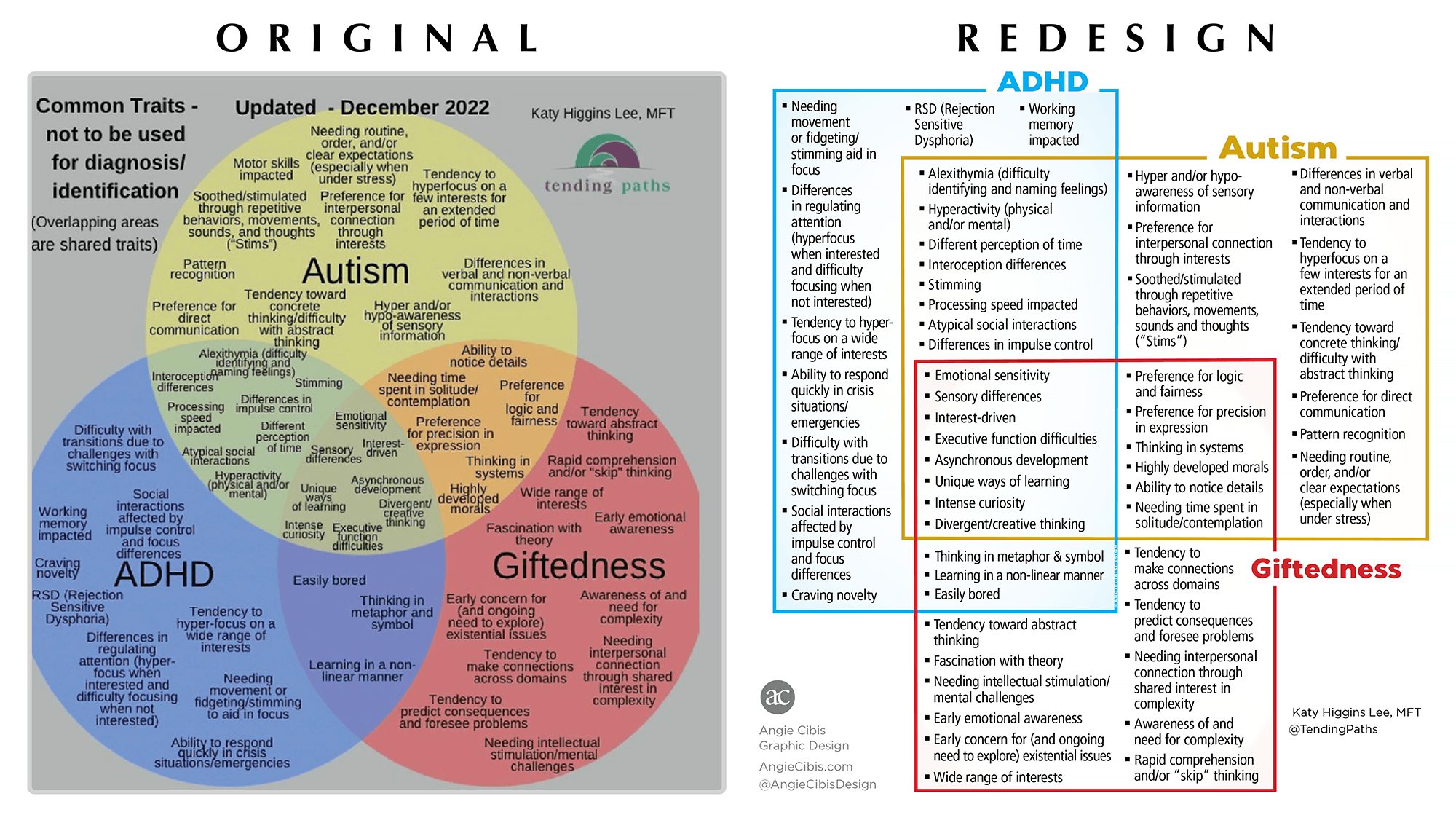
The process of offering to help someone communicate more effectively visually usually requires they acknowledge they could use the help from someone more skilled in design. Not everyone’s ready to do that – often, they’ve invested a lot of time and effort (the sunk cost fallacy) trying to perfect PowerPoint slides that their colleagues love… So, that’s frustrating – there’s so much information out there that could have a much bigger impact in areas like public health and safety that’s stymied because it’s not optimized for legibility and versatility across the various places it appears. For example, a super-wide PowerPoint slide that looks great at a conference is an inaccessible albatross posted to Instagram. Ultimately, it’s the subject matter experts who truly prioritize their audience that make for great partnerships. That’s where the magic happens!
Thanks for sharing that. So, maybe next you can tell us a bit more about your business?
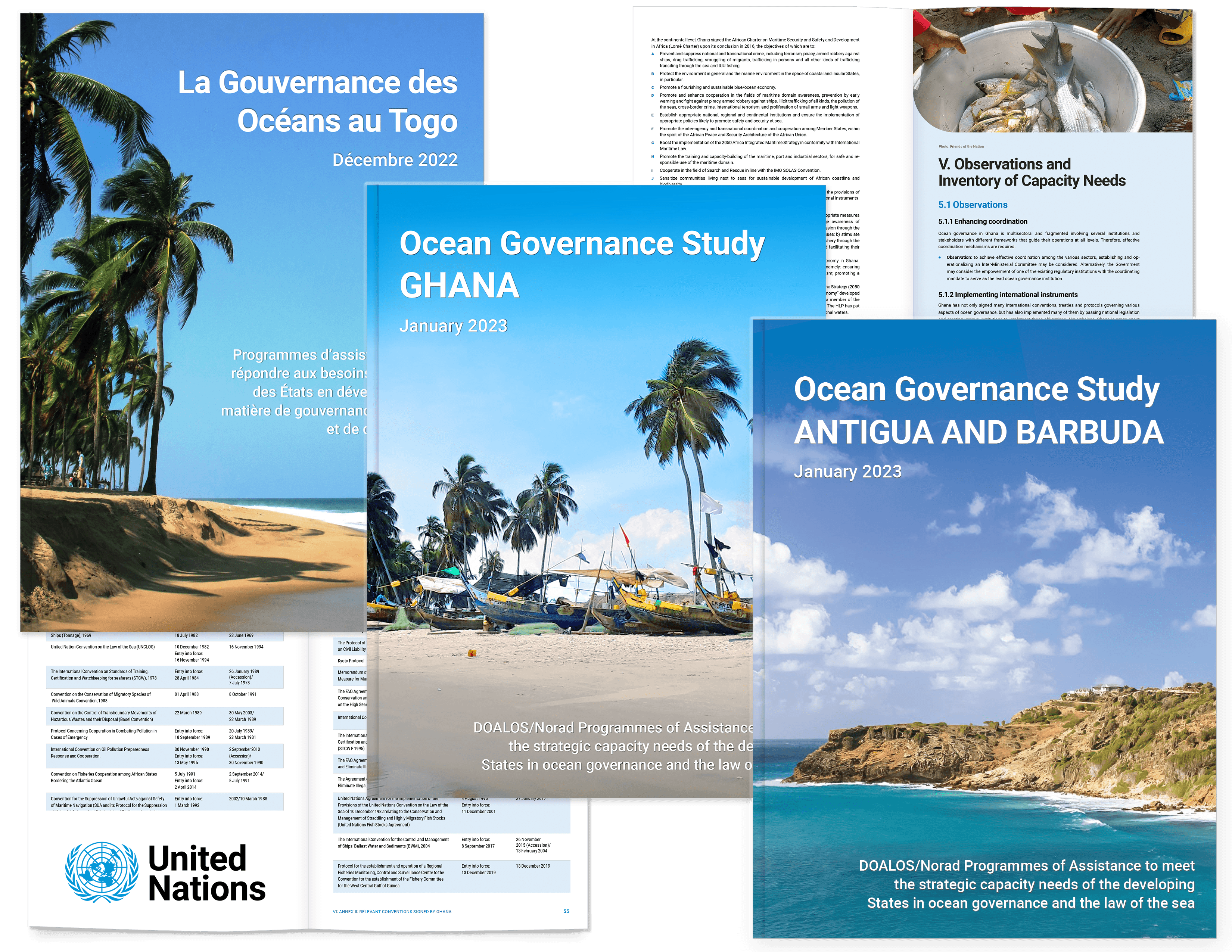
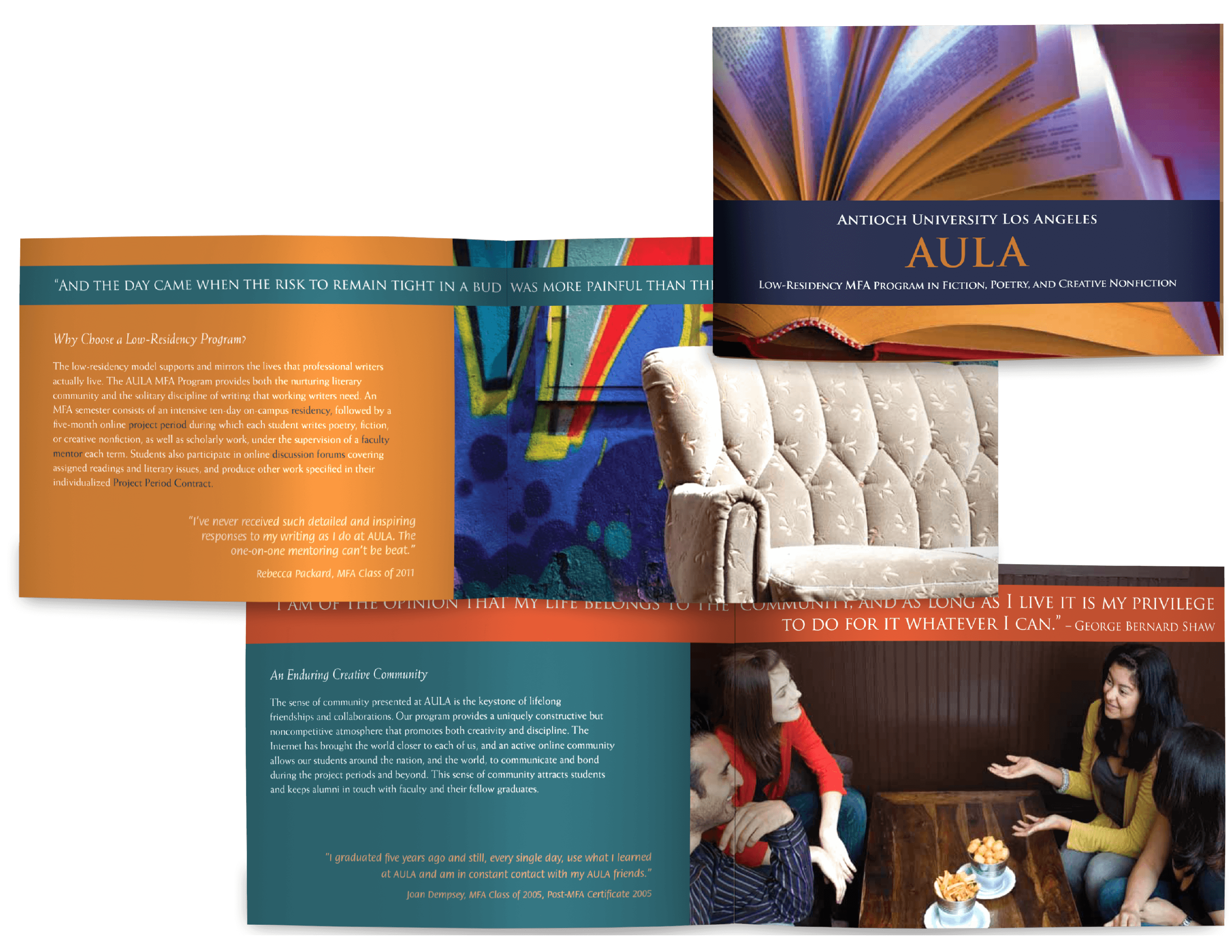
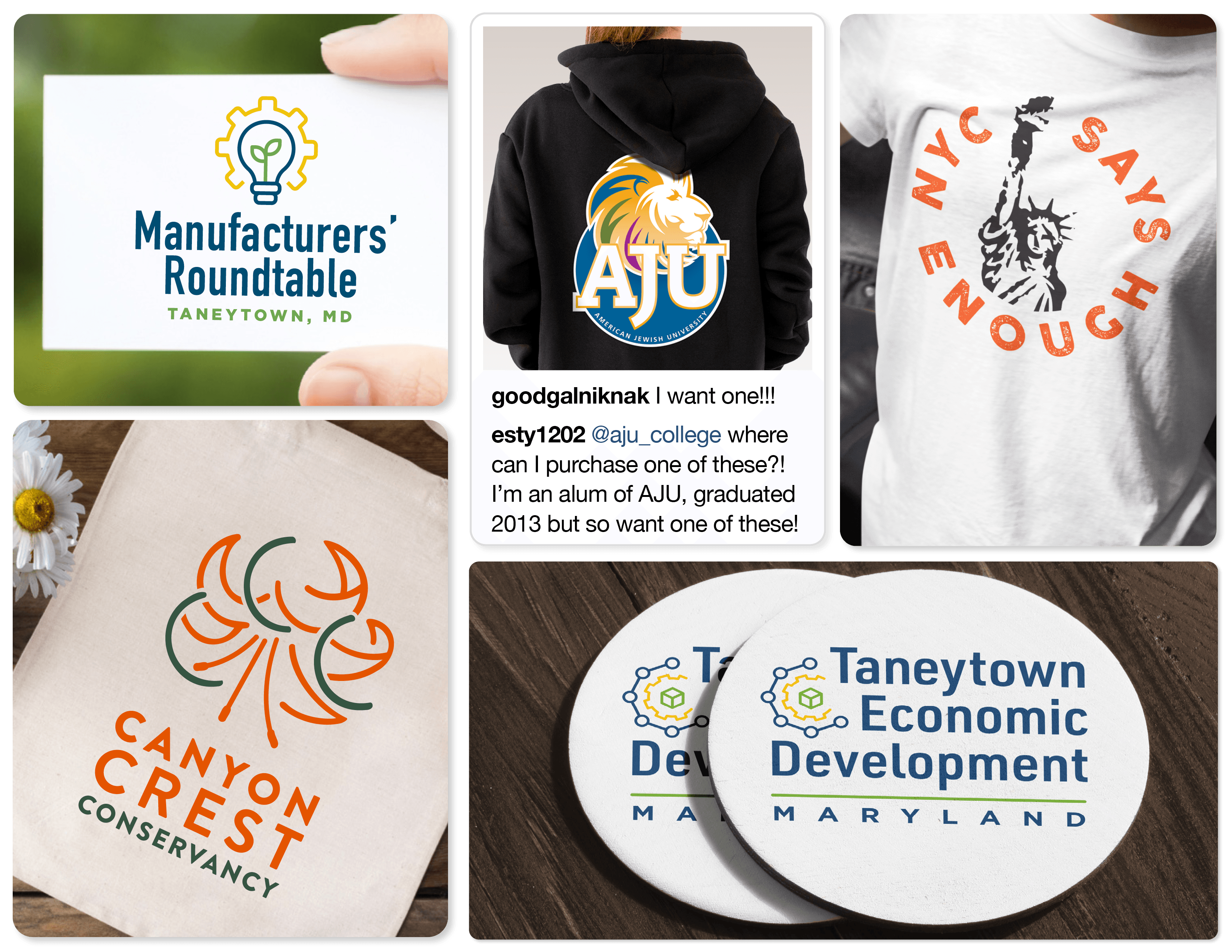
I’m largely a one-stop-shop graphic designer focused on clients helping inform and educate. Project-wise, that translates into social media and infographics for mental health professionals, presentations and course materials for people in higher education, invitations and signage for fundraisers, and brochures and annual reports for nonprofits. What sets me apart is that strangely, very few graphic designers implement design approaches that studies have long proven to help with quick comprehension and engagement. There’s more to consider, sure, but the payoff is undeniable. No designer would admit to doing inaccessible work, but there’s a lot of it – unfortunately, much of it is within fields that should know better. Also, a lot of design work could be much more versatile and cost-effective. For example, an infographic on a dark background might work for social media, but if there are plans to share it in printed form, the result is a big, unreadable block of ink.
What sort of changes are you expecting over the next 5-10 years?
Like many industries, AI is a big topic, but people are increasingly aware of the results (often pretty hilarious ones) of trying to use it for realistic design. With the growth of AI has come a greater desire for authenticity, and that’s a huge key to effective visual communication. People who keep doubling down on AI and DIY design will find themselves at an increasing disadvantage. Ultimately, I think it’s all about humility and realizing that delegating and partnering with each other drives real change. We can accomplish so much more together.
Contact Info:
- Website: https://angiecibis.com/
- Instagram: https://www.instagram.com/angiecibisdesign/
- Linkedin: https://www.linkedin.com/in/angiecibis/
- Other: https://www.behance.net/angiecibis
Popular
-

Local Highlighter Series
-

If you could say one kind thing to your younger self, what would it be?
-

Who taught you the most about work?
-

What is something outside of work that is bringing you joy lately?
-

Have any recent moments made you laugh or feel proud?
-

What fear has held you back the most in your life?


