




Today we’d like to introduce you to Joshua H. S. Kim.
Hi Joshua H. S., so excited to have you on the platform. So before we get into questions about your work-life, maybe you can bring our readers up to speed on your story and how you got to where you are today?
My family has practiced Eastern Medicine for over 120 years, spanning five generations. Our roots trace back to Wonsan—now part of North Korea—where my ancestors treated their community until the Korean War forced them to flee. After resettling in the United States, my grandfather re-established our tradition in Los Angeles, becoming the first in our lineage to offer acupuncture care in America.
My father carried on the practice until his passing in 2013. He had undergone heart bypass surgery, and during his final hospice stay his weakened immune system could not withstand the repeated rounds of antibiotics he received for pneumonia. As a student then, I felt powerless watching him decline into sepsis with no meaningful improvement. Years later in clinical training, I realized that so much of what failed him—what fails many older adults—could have been prevented before hospitalization ever became necessary.
That realization shaped my entire path. I came to believe that supporting the four fundamental physiological functions—sleep, appetite, digestion, and bowel regulation—can dramatically reduce disease burden and preserve quality of life in aging populations. This conviction led me to specialize in geriatric medicine in my doctoral program, focusing on how acupuncture and Eastern herbal therapy can stabilize these core systems.
The pandemic dramatically accelerated telemedicine, and with it came an opportunity to finally build the model of care I had envisioned for years. Today, through AgingWellAcu, I treat dizziness, insomnia, and age-related functional decline across California via telehealth, and I ship personalized herbal prescriptions directly to patients who need deeper support.
What has surprised me most is how often adult children reach out—not for themselves, but because they want their parents to stay steady, sleep well, and remain independent for as long as possible. In a way, every family I help feels like a small redemption of what I couldn’t do for my own father.
I continue this work as the only remaining practitioner in my family’s five-generation lineage, committed to honoring their legacy by helping older adults live with stability, clarity, and dignity.
We all face challenges, but looking back would you describe it as a relatively smooth road?
It hasn’t been a smooth road at all. The pandemic was financially devastating for many small healthcare practices, including mine. Older adults were afraid to come in, and at the same time, the need for stable, preventive care was growing. It created a gap that traditional insurance-based models weren’t equipped to solve.
Another major challenge is that insurance in the U.S. only covers acupuncture for pain. None of the core issues I focus on—sleep disruption, digestive decline, dizziness, immune weakness—are considered reimbursable “treatable conditions” under most plans. That means seniors who would benefit the most often have no coverage for the type of care that could keep them out of hospitals in the first place.
This also creates misunderstandings. When I recommend herbal medicine, some assume it’s motivated by profit rather than clinical reasoning. At the same time, the legal limitations of the medical system make it difficult to speak directly about prevention or functional decline. Clinicians cannot offer guarantees or definitive claims, so even when I can clearly see someone moving toward avoidable health deterioration, I have to be cautious about how to address it.
The structure of the U.S. medical system adds another barrier: everything runs through a primary care physician who refers to specialists as problems arise. Acupuncturists, however, are only referred for musculoskeletal pain, which means most seniors never get access to a tool that could help stabilize their core physiological functions early on. Part of the reason is structural—acupuncturists are not part of the pharmaceutical supply chain, and the system is deeply medication-dependent. Once a patient begins certain medications like immune suppressants or nerve-blocking agents, even acupuncture becomes more challenging to administer effectively.
These realities have shaped both my practice model and my philosophy. The road hasn’t been smooth, but it has forced me to think critically about how care can be delivered outside the limitations of insurance and how seniors can access interventions that help preserve long-term function.
Thanks – so what else should our readers know about AgingWellAcu?
AgingWellAcu is a clinic built around one simple idea: older adults can stay stable, sleep better, and maintain functionality far longer than most people assume—if their core physiological systems are supported consistently. We specialize in treating dizziness, insomnia, digestive decline, and age-related functional issues using acupuncture and classical Eastern herbal medicine.
Our focus is narrow by design. Instead of trying to treat everything, we address the handful of functions that determine whether an older adult remains independent or begins to decline. These issues are often overlooked in conventional care because they don’t fit neatly into insurance categories or specialty lines, yet they determine almost everything about long-term quality of life.
What sets us apart is the combination of specialization, continuity, and accessibility. We offer telemedicine throughout California, allowing seniors—especially those with dizziness or limited mobility—to receive consistent assessment and care without needing to travel. We also formulate and ship personalized herbal prescriptions so that patients have day-to-day support rather than episodic intervention.
Brand-wise, I’m most proud that AgingWellAcu is built on more than 120 years of family tradition in Eastern Medicine, now adapted to modern tools and clinical frameworks. Our guiding message, “Stand Steady. Sleep Soundly.” captures what we aim to deliver: stability, restorative sleep, and functional confidence for aging adults and their families.
What I want readers to know is that aging doesn’t have to follow the typical pattern of slow decline. With the right support—consistent acupuncture, targeted herbal treatment, and close monitoring of the core physiological functions—older adults can maintain clarity, mobility, and independence far longer than they’re usually told. Our clinic exists to make that possible in a practical, accessible, and evidence-guided way.
How do you think about luck?
When people ask about luck, I usually say that luck hasn’t played much of a role for me. What has shaped my life far more is a sense of calling and guidance. My family’s history—from fleeing the Korean War to rebuilding a medical tradition in Los Angeles—never felt random to me. It felt like we were being led, even through difficult periods.
In my own career, the turning points weren’t about chance. They came from moments that forced me to pay attention: my father’s decline, my early clinical experiences with older adults, and the realization that preventive care was being overlooked in our healthcare system. Even the pandemic, which was financially destructive, redirected me toward telemedicine and allowed me to serve people who otherwise would have had no access.
I don’t attribute those things to luck. I see them as direction—sometimes gentle, sometimes disruptive, but always pushing me toward the work I’m meant to do. That perspective has kept me steady through both setbacks and opportunities, and it continues to guide the way I build my practice and care for my patients.
Contact Info:
- Website: https://www.agingwellacu.com
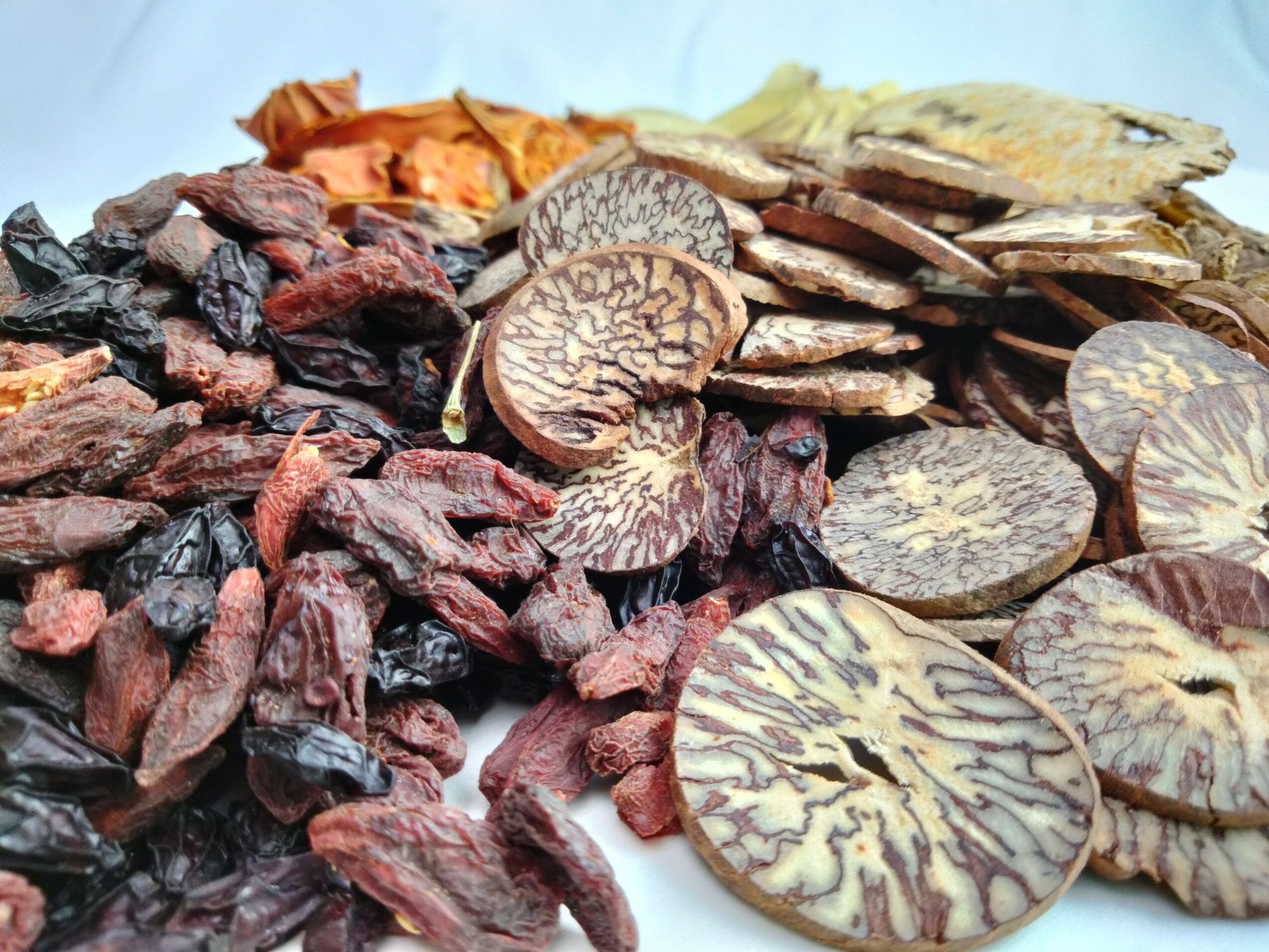
Image Credits
Joshua H.S. Kim
Popular
-

LA’s Most Inspiring Stories
-

Portraits of the Valley
-

Rick Norris Learned That Building a Successful Business Means Building a Life You Actually Want to Live
-
How Olivia Rush Turned Survival Into a Mission to Help Others Keep Going
-

How Bibi Goldstein Is Helping Entrepreneurs Reclaim Their Time by Embracing the Power of Delegation
-

Victoria Hasson is Redefining Voice Coaching Through Community and Collaboration


