




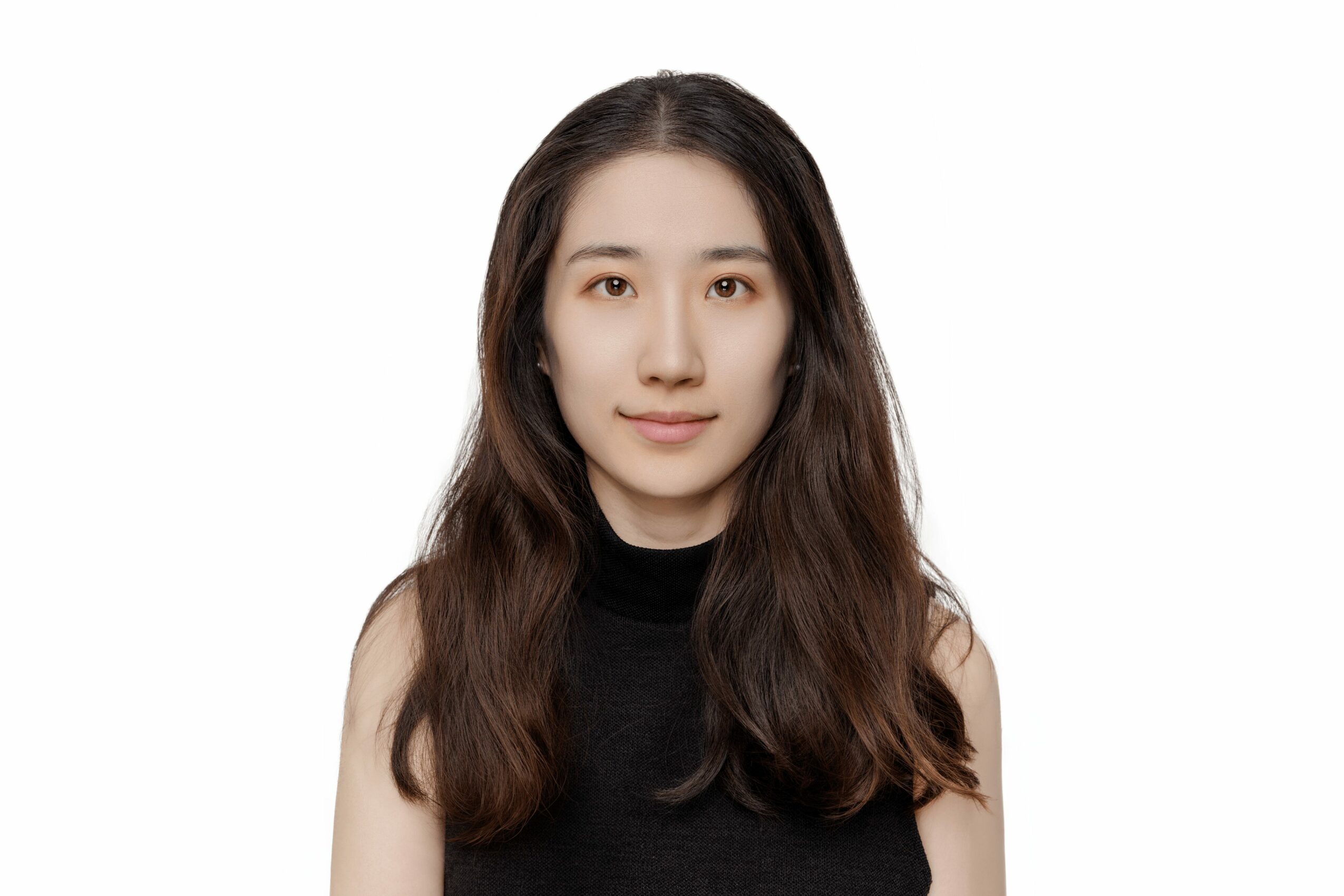
Today we’d like to introduce you to Jing Chen.
Hi Jing, we’re thrilled to have a chance to learn your story today. So, before we get into specifics, maybe you can briefly walk us through how you got to where you are today?
I grew up in China, where I first encountered architecture not as construction or engineering, but as a form of visual storytelling. Spaces had the ability to shape emotion and memory, and I was fascinated by how design could influence the way people move, gather, and connect with their surroundings. That early curiosity pushed me toward architecture, and over time it became clear to me that it was not only an artistic medium but also a social responsibility.
After completing my architectural studies, I began my career with El Dorado in Portland, where I had the opportunity to work on community
centered and culturally significant projects. These experiences exposed me to the intersection between public architecture and social impact. They helped solidify my belief that good design must respond to context, ecology, and the lived experiences of real communities.
I later moved to Los Angeles and joined Gensler, where I work on civic, cultural, and educational projects across California. Working in this environment has allowed me to explore how architecture can influence public life at a broader scale from historic preservation to contemporary public spaces. Los Angeles, in particular, has pushed me to think more deeply about landscape, identity, and the role architecture plays in shaping belonging.
In parallel with my professional work, I co-founded YCJ Studio with a longtime collaborator. Our studio explores architecture as a convergence of art, ecology, and spatial narrative. We focus on competition work, conceptual exploration, and research driven design. Over the past few years, our practice has been recognized internationally, receiving distinctions including the Red Dot Award, the Architizer A+ Award, IDA Design Award, multiple YAC and Buildner recognitions, and several TerraViva awards. These honors encouraged me to continue developing my own architectural language, one that blends ecological sensitivity, material experimentation, and visual storytelling.
Today, my work sits at the intersection of public design and artistic exploration. Whether through studio projects or public commissions, my goal is to create spaces that connect people back to landscape, community, and memory. It’s something I believe is deeply relevant to the future of Los Angeles, and it continues to guide both my professional work and independent practice.
Would you say it’s been a smooth road, and if not what are some of the biggest challenges you’ve faced along the way?
The road has definitely not been smooth, but the challenges became an important part of how I developed as a designer. Architecture is a field where every project is shaped by competing constraints technical, social, cultural, and environmental and navigating that complexity has been a major part of my growth.
One of the earliest challenges was learning to design across different cultural and environmental contexts. Moving from China to the United States meant rethinking my assumptions about space, materiality, and community needs. It required learning new codes, new expectations, and new values embedded in the built environment. That transition wasn’t easy, but it taught me to approach architecture with a broader lens and a deeper respect for local narratives.
Working on public and educational projects also brought its own set of challenges. These projects involve large teams, public stakeholders, tight budgets, and long timelines. You have to balance design ambition with real world constraints while ensuring that the work still serves the community in meaningful ways. These constraints pushed me to refine my design methodology, integrating ecological thinking, cultural research, and visual storytelling in a way that remains both practical and imaginative.
Another ongoing challenge is pursuing conceptual and competition work alongside professional practice. Competitions demand an almost obsessive level of clarity and originality, and they require you to produce at a very high level under extreme time pressure. But the process also helped me develop my independent voice, and many of the strongest recognitions I’ve received came from competitions that were initially incredibly difficult to take on.
None of these challenges were “smooth”, but they were defining. They helped me learn how to work across cultures, scales, and disciplines, skills that shape my work today and continue to influence how I design for communities in Los Angeles and beyond.
Great, so let’s talk business. Can you tell our readers more about what you do and what you think sets you apart from others?
YCJ Studio is an independent design practice that I co-founded with my long-time collaborator. Our studio was created with a very simple belief: that architecture can be a form of storytelling, where ecology, culture, and human experience shape the spaces we design. We approach every project as an opportunity to explore new spatial narratives and challenge conventional boundaries between art, landscape, and architecture.
Our practice focuses heavily on conceptual projects, public-facing design work, and research-driven architectural investigations. Many of our projects are developed through international competitions, which offer a unique platform to test ideas at a global scale. Over the past few years, YCJ Studio has been recognized internationally, receiving awards such as the Red Dot Award, the Architizer A+ Award, IDA Design Award, multiple TerraViva distinctions, and several honors from YAC and Buildner. These recognitions have helped shape our reputation as a young studio with a strong conceptual voice.
What sets YCJ Studio apart is our emphasis on ecological integration and cultural narrative. We design from the belief that architecture should coexist with its surroundings, revealing context rather than replacing it. Our projects often explore themes like adaptive reuse, landscape-driven form, and the relationship between memory and place. This approach allows us to create work that is experimental yet grounded in real environmental and cultural conditions.
Although our studio is international in scope, Los Angeles plays a critical role in our practice. Living and working in LA has exposed us to diverse communities, layered histories, and constantly evolving urban landscapes. These experiences continually shape our design thinking and influence how we approach the idea of “belonging” within architecture.
As we grow, our goal is to continue creating work that bridges conceptual research with public impact to design spaces that connect people, landscape, and culture in meaningful and memorable ways.
Can you share something surprising about yourself?
One thing that often surprises people is that a large part of my design process does not start with architecture at all, it starts with drawing, writing, and building small narrative worlds. Before I ever think about form or material, I spend time sketching atmospheres, writing short descriptions of imagined spaces, and creating small storyboards that explore mood and emotion.
Most people see the final architectural proposal – clean diagrams, renderings, models, but what they don’t see is the narrative layer that comes first. For me, architecture begins more like filmmaking or poetry: it’s about constructing a sense of place before designing the place itself. This approach has become the foundation of many of my competition projects, and it’s often the part juries connect with most strongly.
Another thing people don’t expect is that much of my strongest work was developed during late nights, weekends, and after long work days – not out of obligation, but out of genuine fascination. The conceptual projects that have won international awards were often created during moments of quiet obsession, when I felt compelled to explore an idea simply because it felt meaningful.
That hidden, highly personal part of my process – the storytelling, the sketches, the solitary exploration – is something that doesn’t show up in the portfolio, but it’s where most of my ideas truly form.
Contact Info:
- Website: https://ycjarch.cargo.site/
- Instagram: ycjarch
- LinkedIn: https://www.linkedin.com/in/ycjstudiojing
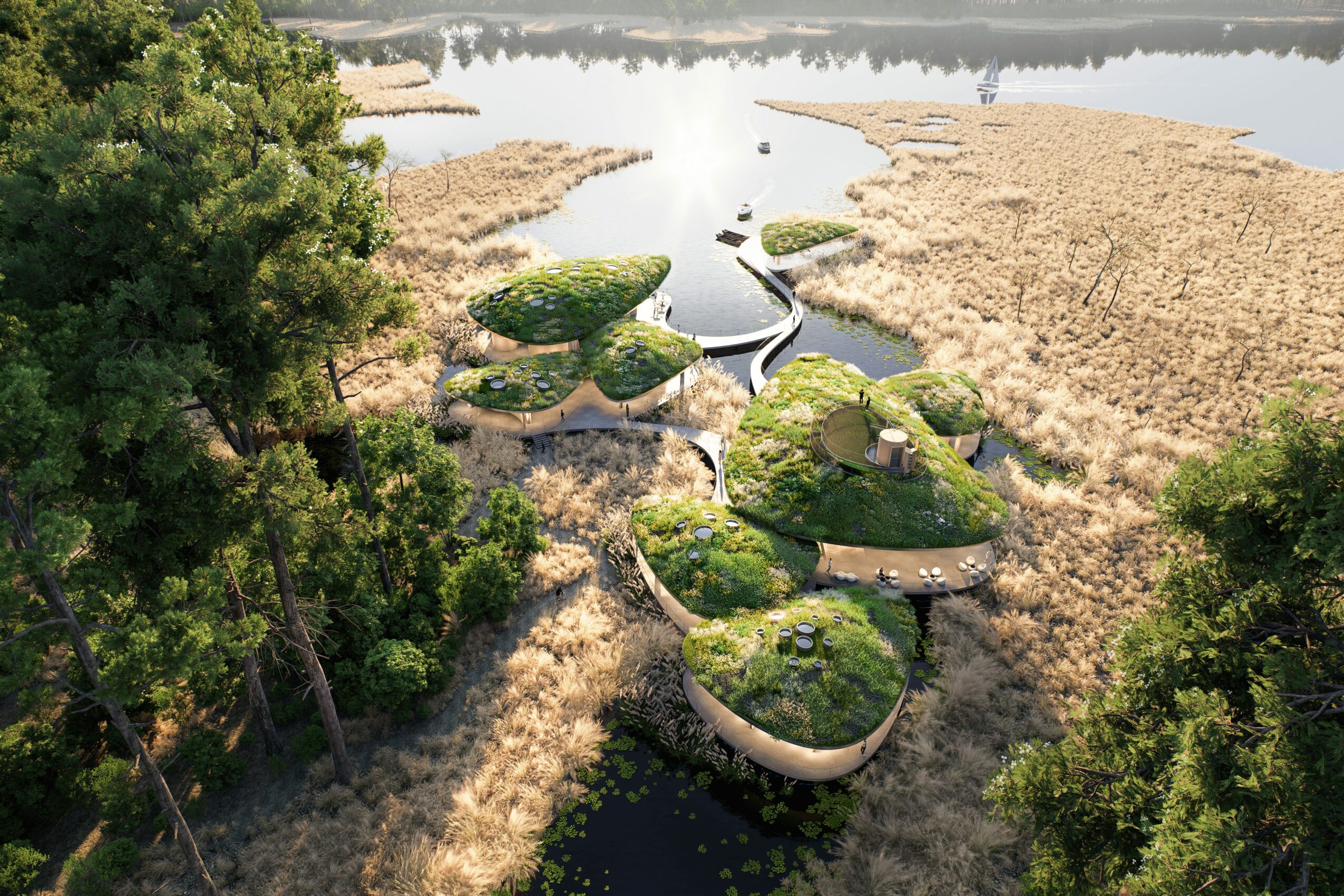
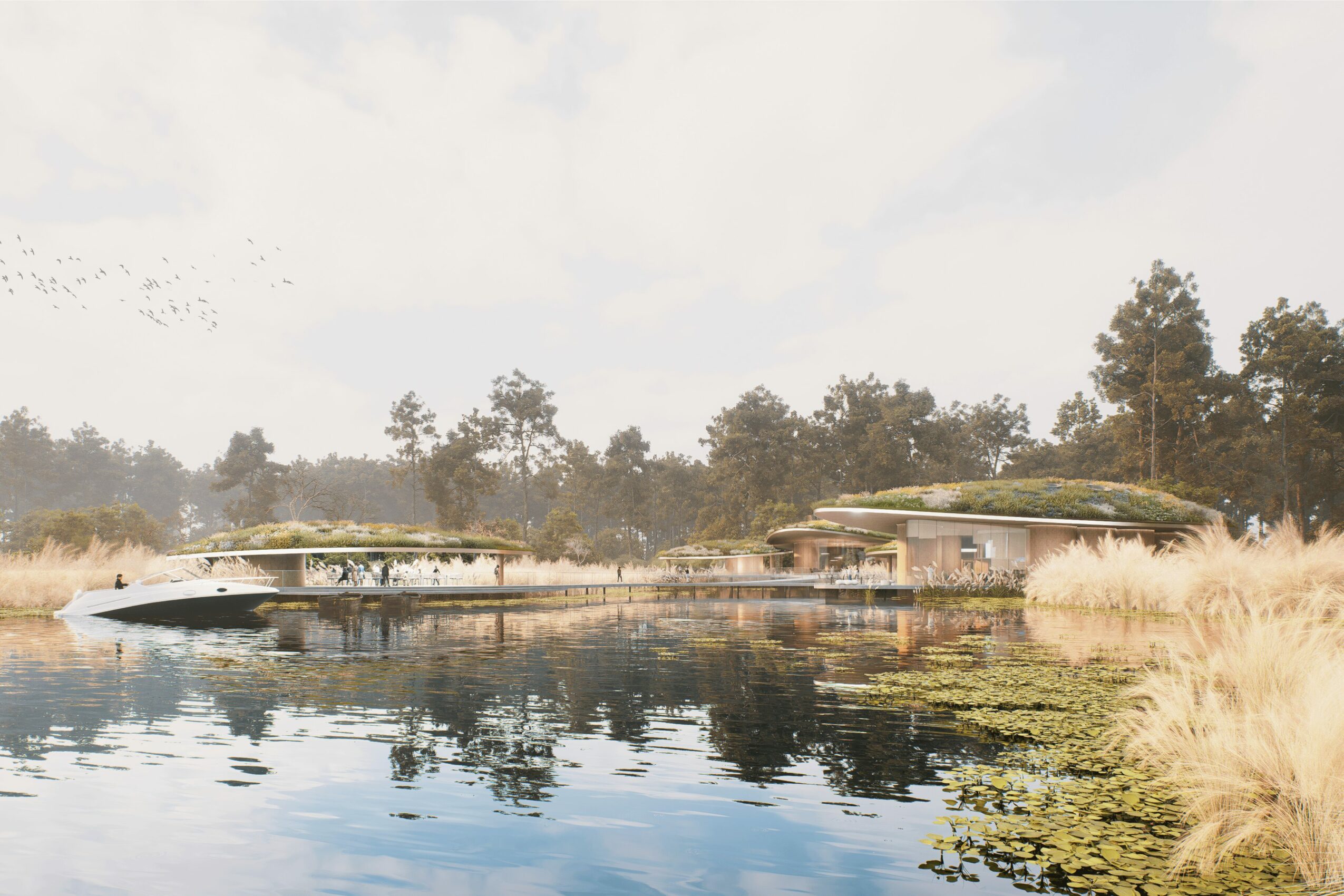
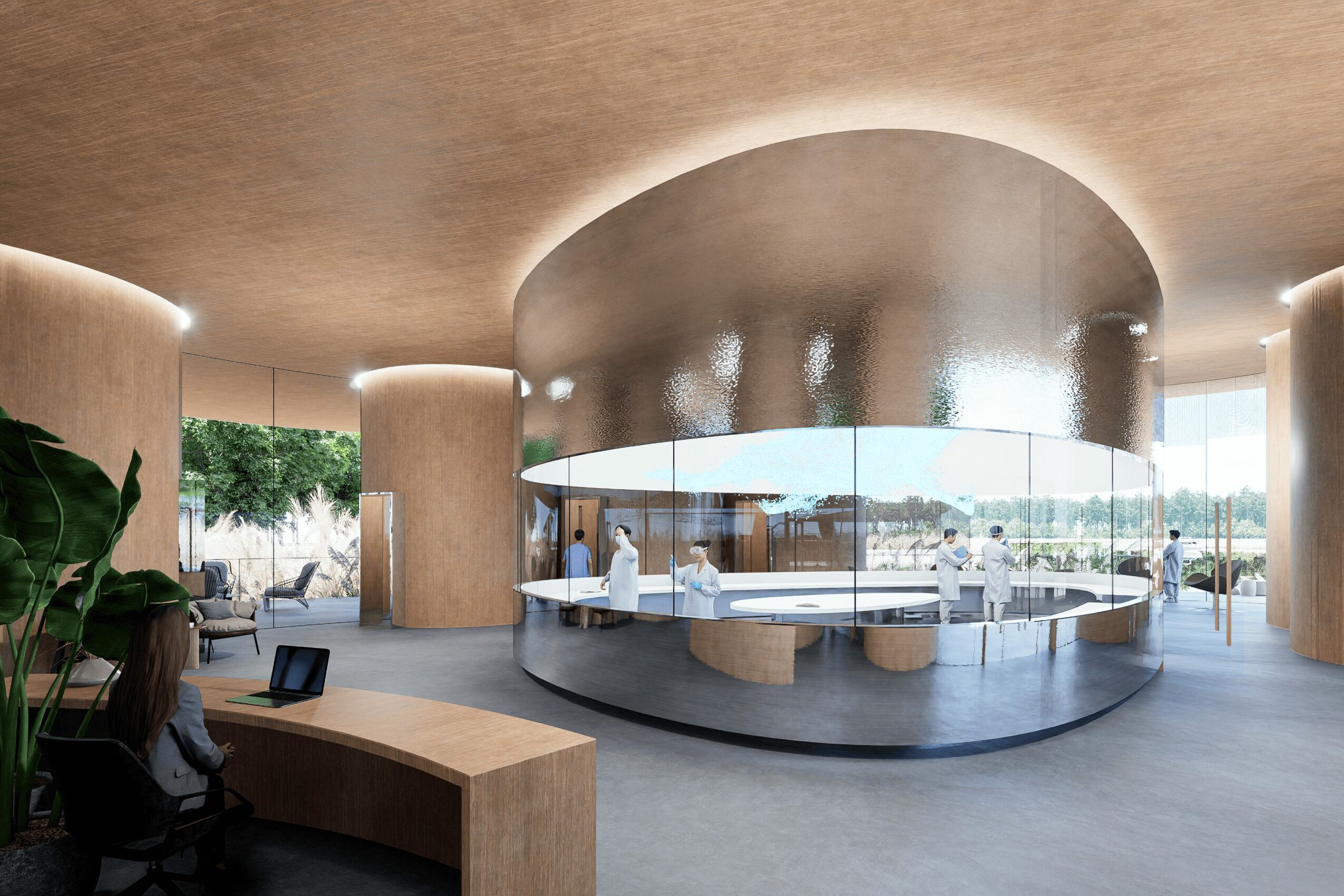
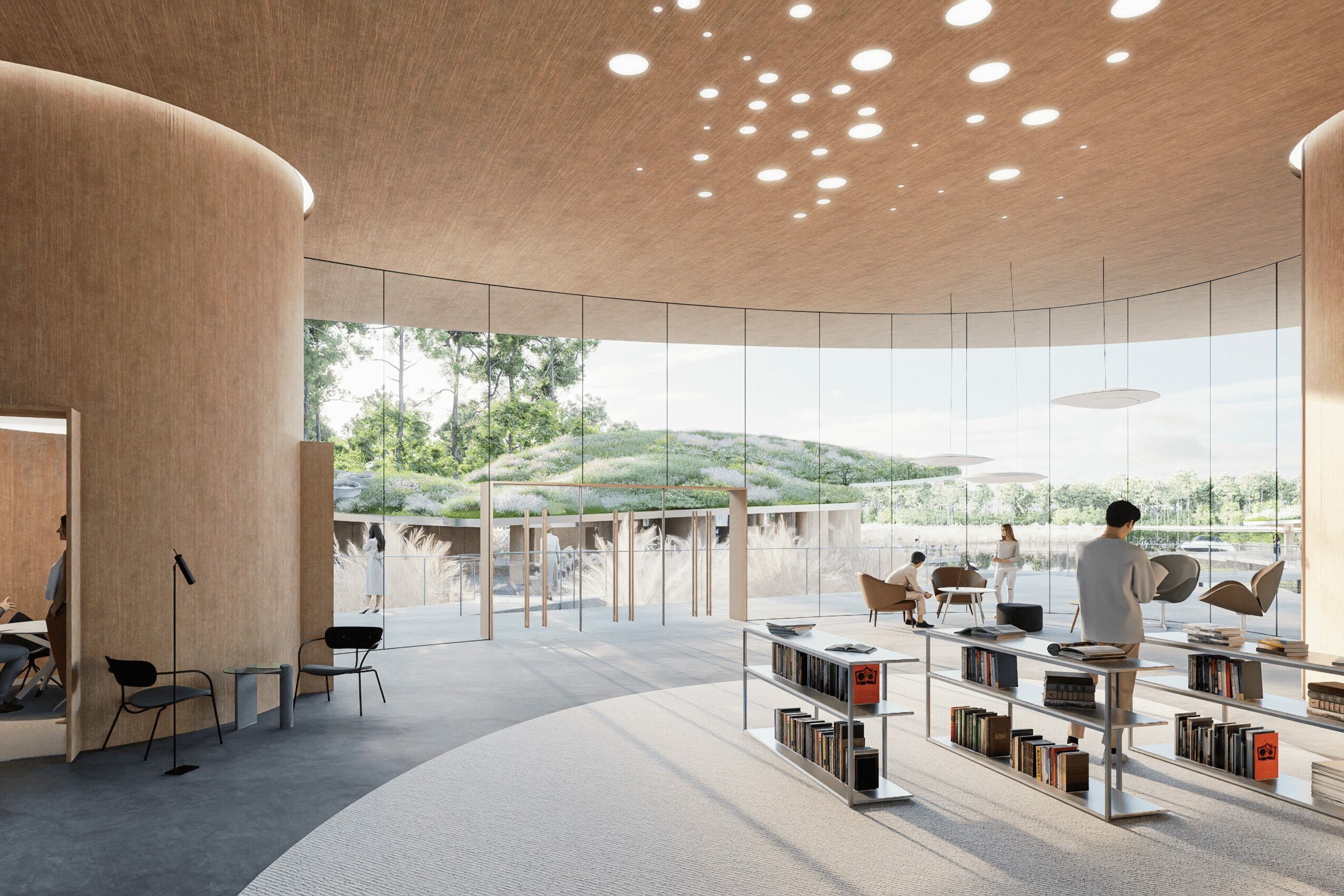
Image Credits
Yanci Chen
Popular
-

What is the story you hope people tell about you when you’re gone?
-

Who were you before the world told you who you had to be?
-

Was there ever a time you almost gave up?
-

What is something outside of work that is bringing you joy lately?
-

Who saw you clearly before you could see yourself?
-

What are the biggest lies your industry tells itself?


