




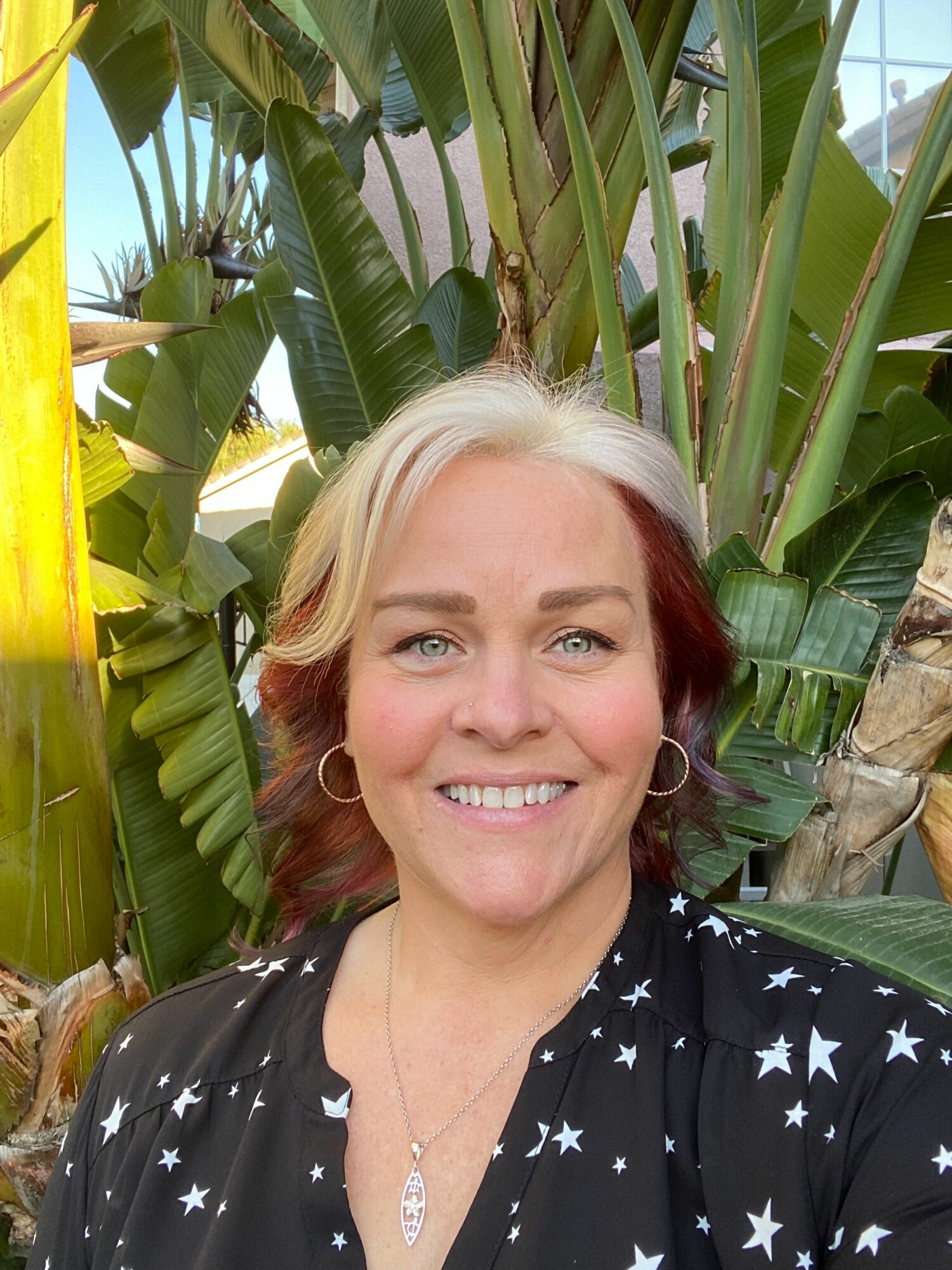
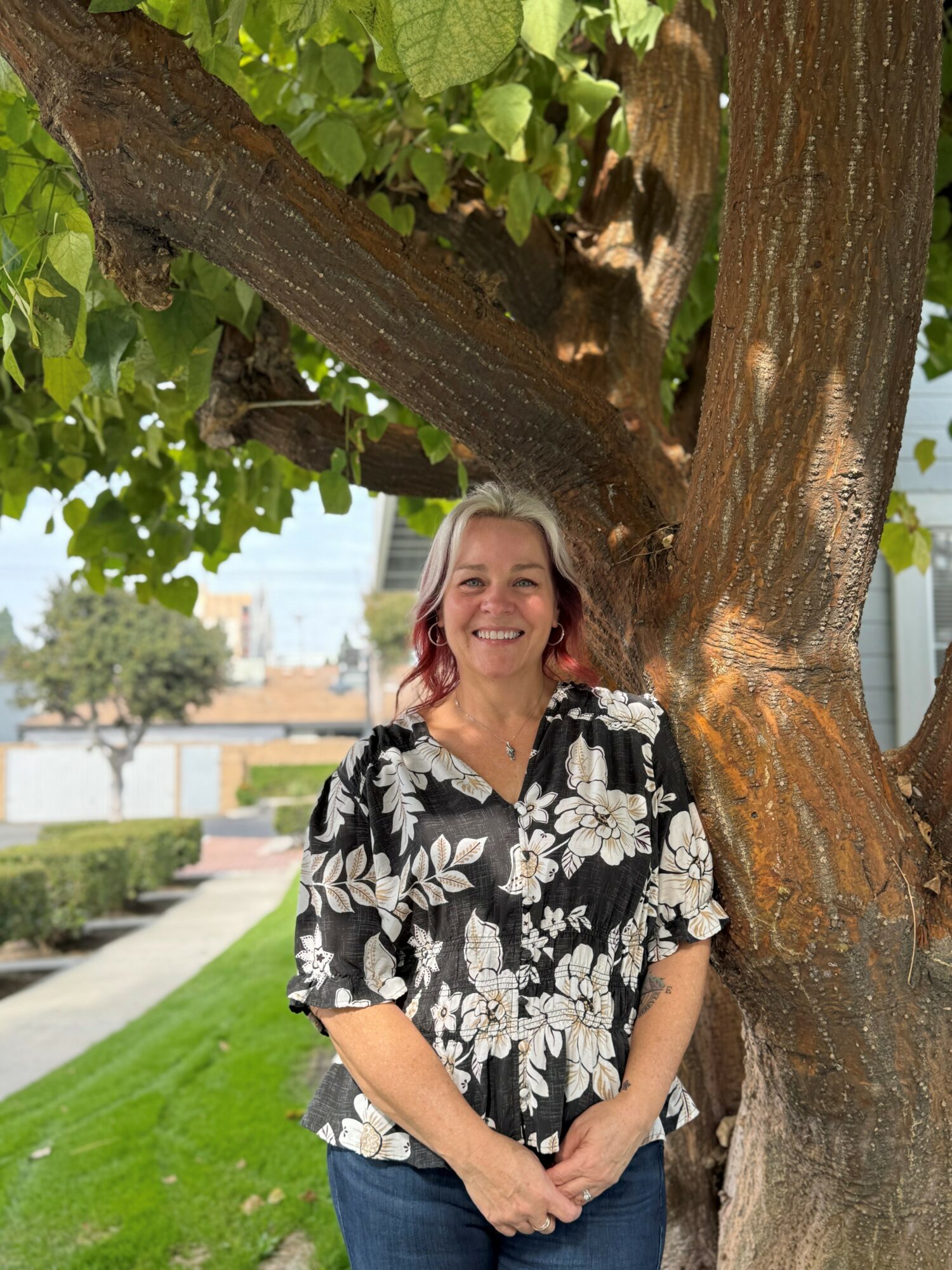
Today we’d like to introduce you to Amy Le Reve Renderos.
Hi Amy, it’s an honor to have you on the platform. Thanks for taking the time to share your story with us – to start maybe you can share some of your backstory with our readers?
My friends like to joke that I’ve been a therapist for as long as they’ve known me. Even in junior high, I paid for my own phone line (back in the 80’s before cellphones) so my friends could reach me whenever they needed support. I knew as early as sixth grade that I wanted to be a psychologist, which feels almost surreal to reflect on now.
After high school, I married and dedicated myself to raising a family while steadily working toward my bachelor’s degree in psychology. I never let go of the dream, even if it had to move at a slower pace. Life, of course, has its own timing. When my husband asked for a divorce, I was shocked. Looking back, though, I see it as one of the best turning points in my life—despite how difficult that period was. I was supporting my son through high school, working full time, and still trying to find a way to honor my long-held goals.
When my son finally graduated, it became my moment to focus on myself. I decided to take a leap and empower my future by returning to school to earn my Master of Counseling Psychology degree. After graduation, I gained experience in many different settings—mental health clinics, corporations, group practices, and even the detention system. Each environment pushed me to grow, exposed me to diverse needs, and helped clarify the type of therapist I wanted to become.
Over time, I realized that the limitations within larger systems often made it harder to truly help clients in the ways they needed. That frustration became a catalyst. I knew I could make a greater impact by going out on my own, even though the idea was intimidating. I questioned whether I’d be able to find clients, afford an office, or manage the responsibilities of running a business. But I stayed focused on the possibilities—creating a space that felt safe, authentic, and genuinely supportive for the people I worked with.
Stepping into entrepreneurship has come with stress, but it has also given me the freedom to shape my practice around what my clients’ needs. And when I see clients grow, heal, and achieve their goals, I’m reminded why I fought so hard for this path. I know I’m successful not just because my practice has grown, but because I created a space where people can take care of themselves and truly thrive.
Would you say it’s been a smooth road, and if not what are some of the biggest challenges you’ve faced along the way?
I’d love to say the journey has been smooth, but like many therapists who step into private practice, it’s been anything but a straight line. Early on, one of my biggest challenges was simply building a client base. I pursued insurance contracts to increase accessibility, and while some were beneficial, others came with obstacles that required a lot of problem-solving and patience. Beyond that, stepping into the role of a business leader in today’s world brought its own learning curve. It’s undeniably easier to work within an established group, but I wanted the freedom, flexibility, and reach that comes with being an entrepreneur—and that path demanded a different set of skills.
I had to learn how to market myself, put myself out there, and make myself available to the clients who needed me most. That meant early mornings, late evenings, and the willingness to show up consistently. Being on my own also pushed me to actively build a community of like-minded professionals—whether in mental health, healthcare, or wellness—so I had support and didn’t feel isolated in the process. Creating that network took time and intention, but it was crucial.
For anyone who wants to be independent of larger corporations to provide meaningful services, there’s a significant learning curve, and the workload can be heavy. But even with the challenges, it has been absolutely worth it. It took a lot to build what I have, and every step has shaped the therapist and professional I am today.
Thanks for sharing that. So, maybe next you can tell us a bit more about your business?
In my work as a psychotherapist, I focus on truly meeting clients where they are. Every person arrives in therapy with a unique story, set of experiences, and reason for seeking support. My first step is always to understand what’s happening in their lives – why they’re showing up now, what they’re struggling with, and what they hope to achieve. From there, I develop an eclectic and holistic treatment plan that is fully tailored to their goals, using therapeutic modalities that best fit their needs and their willingness to engage in the work.
I take the process session by session, because life doesn’t pause for therapy. Things will inevitably happen while we’re doing the work—transitions, crisis, changes, growth—and I help clients navigate those moments as they move from one stage of life to another. A big part of the therapeutic journey is recognizing these shifts and acknowledging them together so they can grow with intention rather than feeling overwhelmed by what’s unfolding around them.
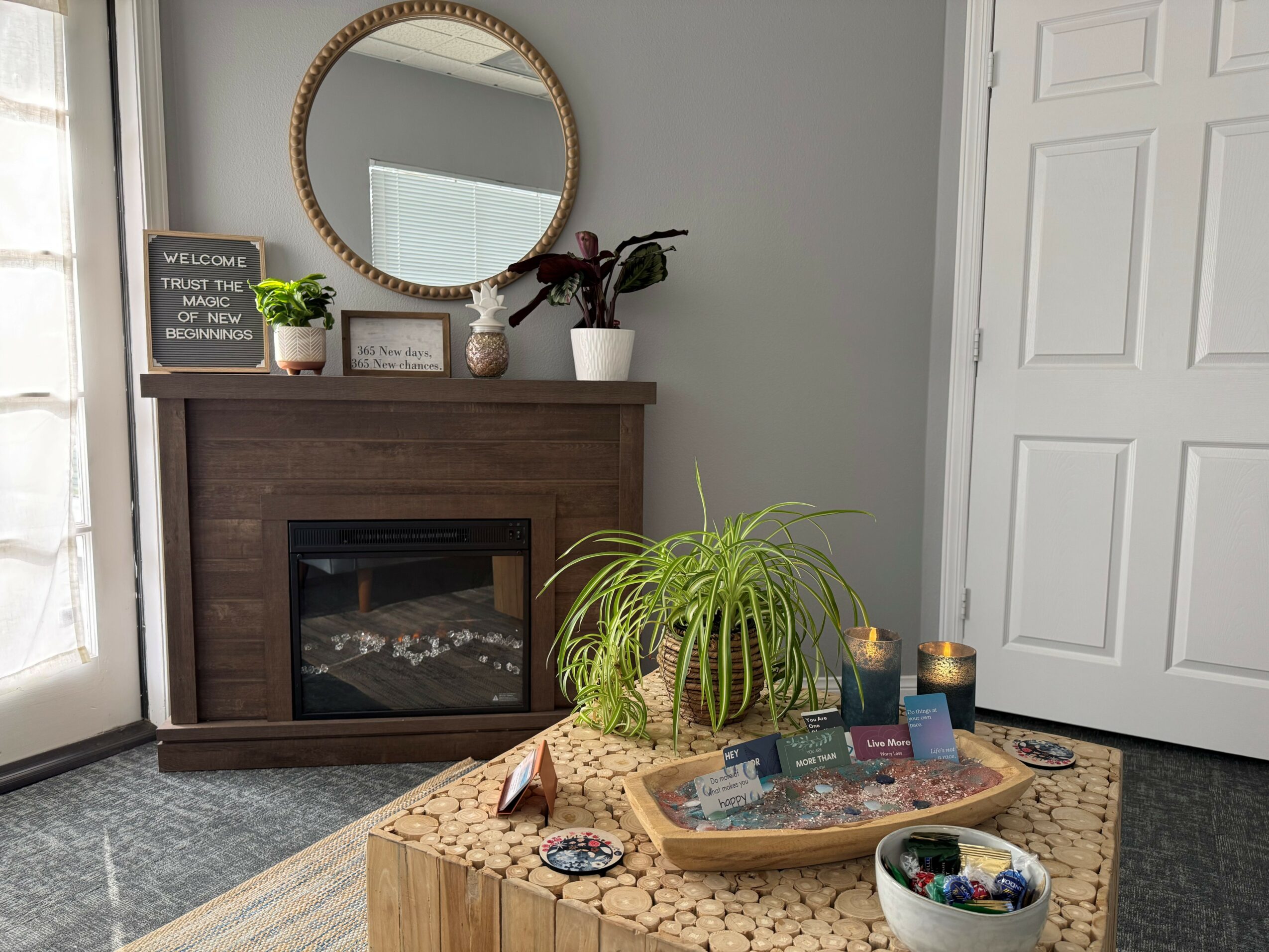
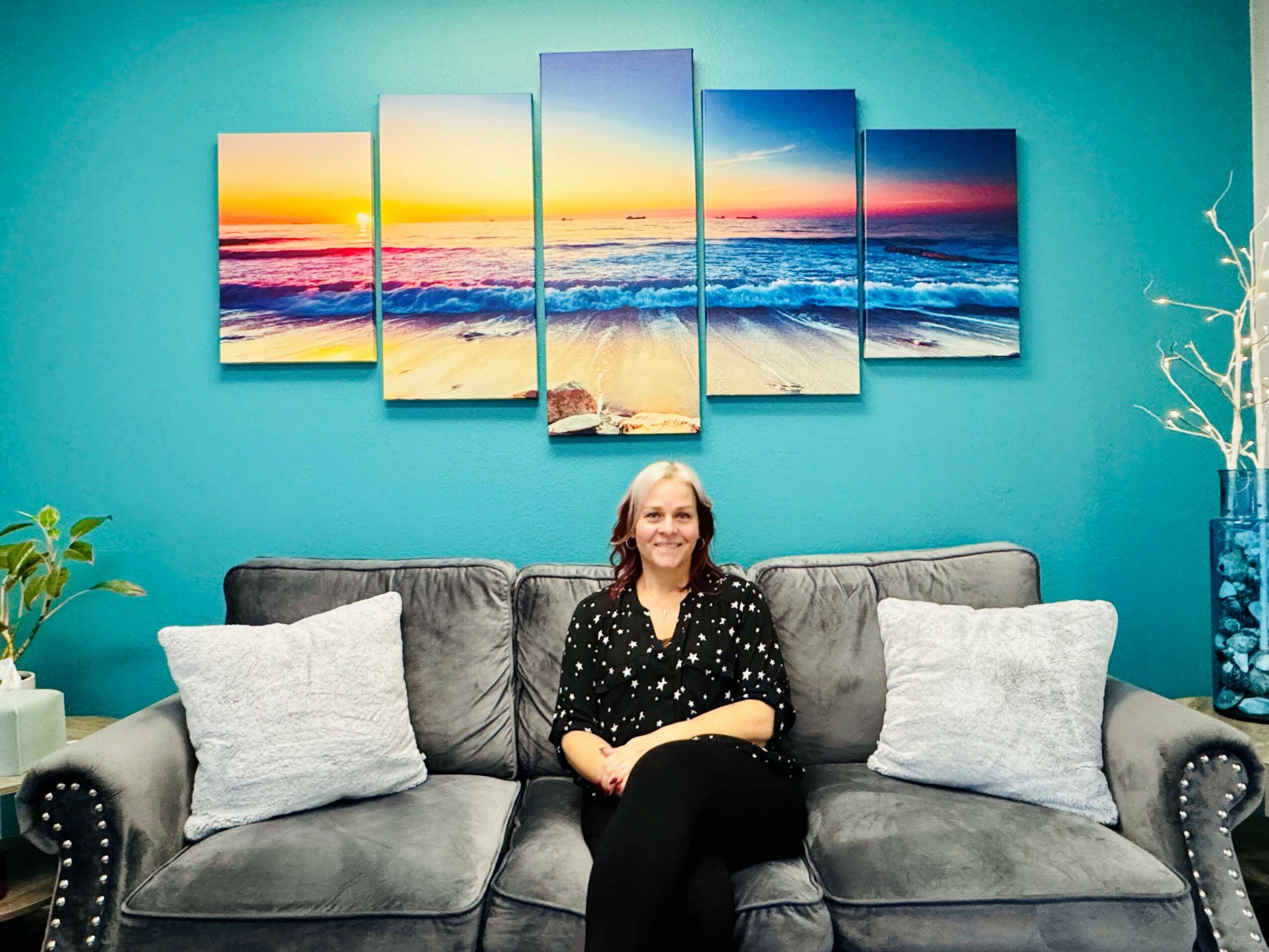
My space is designed to be a place where clients can vent, process, and be completely vulnerable without judgment. When they’re with me, the time is all about them – their needs, their healing, and their personal evolution. My role is to guide, support, challenge when needed, and empower them to create meaningful and lasting change in their lives.
Before we let you go, we’ve got to ask if you have any advice for those who are just starting out?
One thing I wish I had known early on is that you will have to work full time while earning your hours for licensure. It’s not easy, and in the beginning, you aren’t paid well. But what you are paid with is the success and progress of your clients. Watching them gain insight, grow, and move forward is truly what sustains you during those early years.
When you’re ready to branch out, whether that’s into private practice or simply into the next phase of your career, surround yourself with like-minded individuals. Create a support system not just for business, but also while you’re in school, throughout your practicum and internship, and during the long licensure process. You will naturally meet people along the way in clinics, corporations, community organizations, and through connections in the broader medical and mental health fields.
Make the effort to attend meetups and join therapist networking groups. There are many communities designed specifically to support clinicians, and they can be invaluable. For me, Orange County Shrinks was one of the groups that helped me build connections and find my footing.
Most importantly, remember that this journey has ups and downs—just like the ocean, everything ebbs and flows. Challenges are temporary, and growth happens over time. Keep that perspective close as you build your practice and your professional identity.
Contact Info:
- Website: https://www.seaglassreflectionstherapy.com/
- Instagram: https://www.instagram.com/seaglasstherapy?igsh=NTc4MTIwNjQ2YQ==
- Facebook: https://www.facebook.com/p/Sea-Glass-Reflections-Therapy-61556228277874/

Popular
-

What is the story you hope people tell about you when you’re gone?
-

Who were you before the world told you who you had to be?
-

Was there ever a time you almost gave up?
-

What is something outside of work that is bringing you joy lately?
-

Who saw you clearly before you could see yourself?
-

What are the biggest lies your industry tells itself?


