



Today we’d like to introduce you to Tara Pixley.
Hi Tara, thanks for joining us today. We’d love for you to start by introducing yourself.
I first started in photography in high school, taking photos to go alongside an article I wrote for the Atlanta Journal-Constitution. Then in college, I was a photo editor at my campus newspaper and started getting internships as a photojournalist. I worked as a staff photographer and photo editor for a few years but then went full-time freelance in 2011. Around the same time, I went to grad school for my PhD and started studying ethics and inequity in photojournalism, so my work as a visual storyteller became very intertwined with my knowledge of photography’s colonial histories.
In 2018, I co-founded Authority Collective with several colleagues in photography and film who wanted to make visual industries more accessible, equitable and ethical.
Now, I work across visual journalism as a photographer, photo editor, journalism educator and community advocate building more equity for us all. My photography clients include Northface, Apple, NY Times, Wallstreet Journal, Washington Post, LA Magazine, ESPN, Allure, Men’s Health, NPR, The Atlantic, and many more brands and news orgs. I also provide talks, consulting and workshops to colleges, museums, nonprofits, newsrooms and companies across the world.
Alright, so let’s dig a little deeper into the story – has it been an easy path overall and if not, what were the challenges you’ve had to overcome?
It has definitely not been a smooth road but every step along my path has been a necessary one. l started out as a self-taught photographer making my way through staff photographer roles in local and regional newspapers but I needed a more solid foundation and found that in a Photography MFA from SCAD.
Every opportunity to work with newsrooms and other photographers/photo editors has better informed my knowledge of the power of visual storytelling but newsrooms can also be very toxic places, especially for a Black woman journalist. From that work, I have developed a very thick skin and learned to communicate across differences, also how to advocate for better ethics and more accurate/holistic visual storytelling despite being met with indifference and occasional outright hostility in many spaces.
Raising two children as a freelancer, low-resource parent and doctoral candidate has radically informed my view of social equity practices broadly. From those experiences, I learned how to do a lot with very little and how to build in community, thinking from a space of plenty rather than a space of lack.
So, reflecting on the path to here: it was difficult but there is not much I would change.
Thanks – so what else should our readers know about your work and what you’re currently focused on?
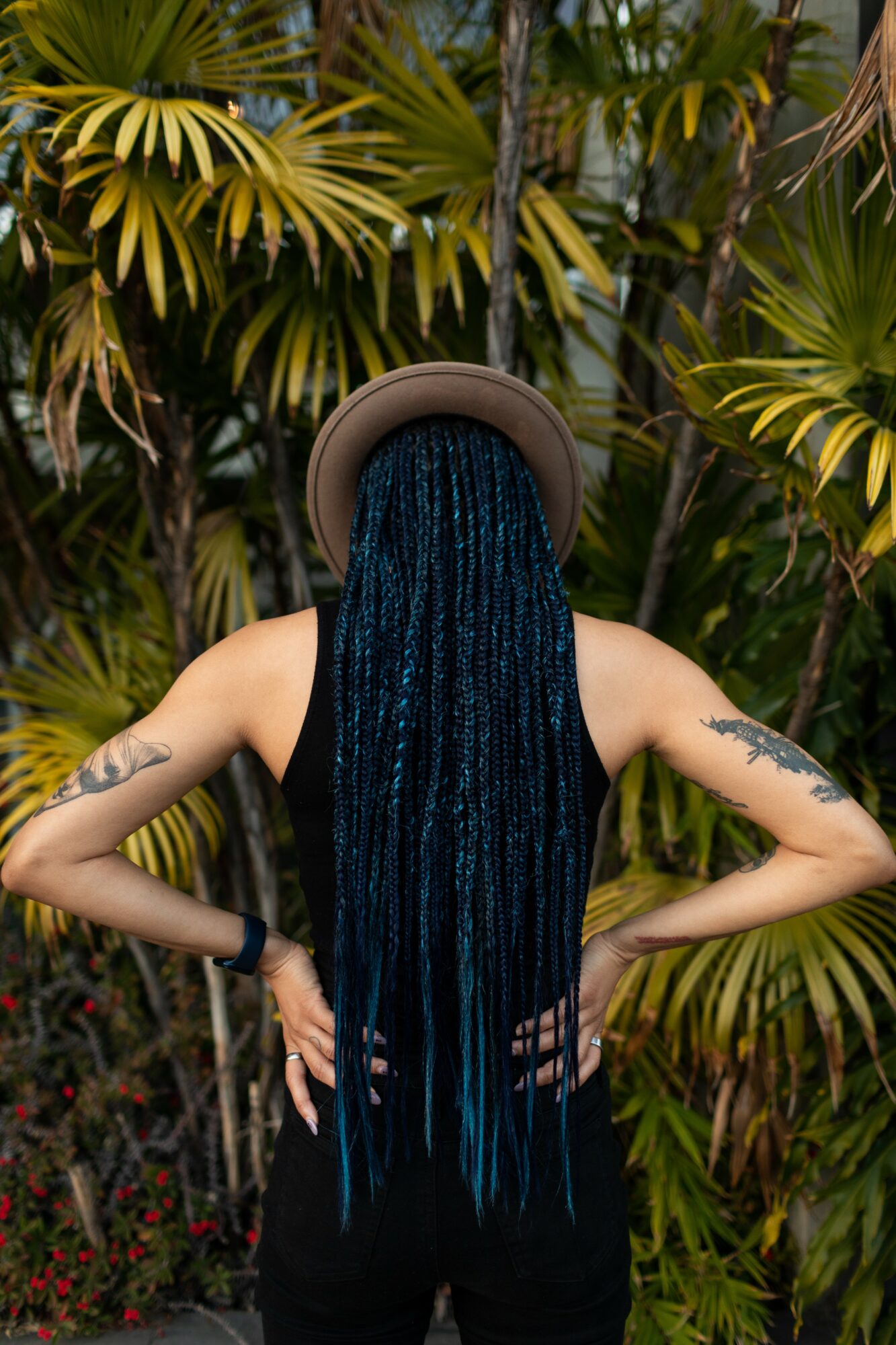
I would say my photographic work is primarily colorful, intimate portraits; reportage with a hint of humor; and dance photography and film that celebrates the process as much as it highlights the form. My long form visual storytelling work focuses on immigrant and LGBTQ+ communities and how people of color and women establish structures of safety, community and beauty. I’m also thinking a lot about elevating stories of environmental (in)justice, solutions journalism as a more effective approach to telling news stories and how we meet the challenge of gen-AI through a framework of ethics and equity. So, my work is in the process of expanding to different creative forms, topics and outlets.
What do you like and dislike about the city?
I love the art, food and landscape of LA. The culture of hustle meeting creativity is invigorating and a good place to be an artist. I don’t love LA’s tendency toward self-centeredness (not in every space, there’s a definite culture of community care amongst many, if not all, of the immigrant communities here).
Coming from the Southeast, where people really take care of each other and will often show up to support others even when it doesn’t personally benefit them, it has been hard to see so much deeply ingrained racial, environmental and economic injustice across LA that often feels very under-addressed. But the response from LA supporting our immigrant neighbors during the current slide into authoritarian rule has been really amazing to see. We need each other now more than ever, so building and maintaining support across the many communities and cultures of the city is vital to our collective survival.
Contact Info:
- Website: https://www.tarapixley.com
- Instagram: https://www.instagram.com/tlpix/?hl=en
- LinkedIn: https://www.linkedin.com/in/tarapixley/
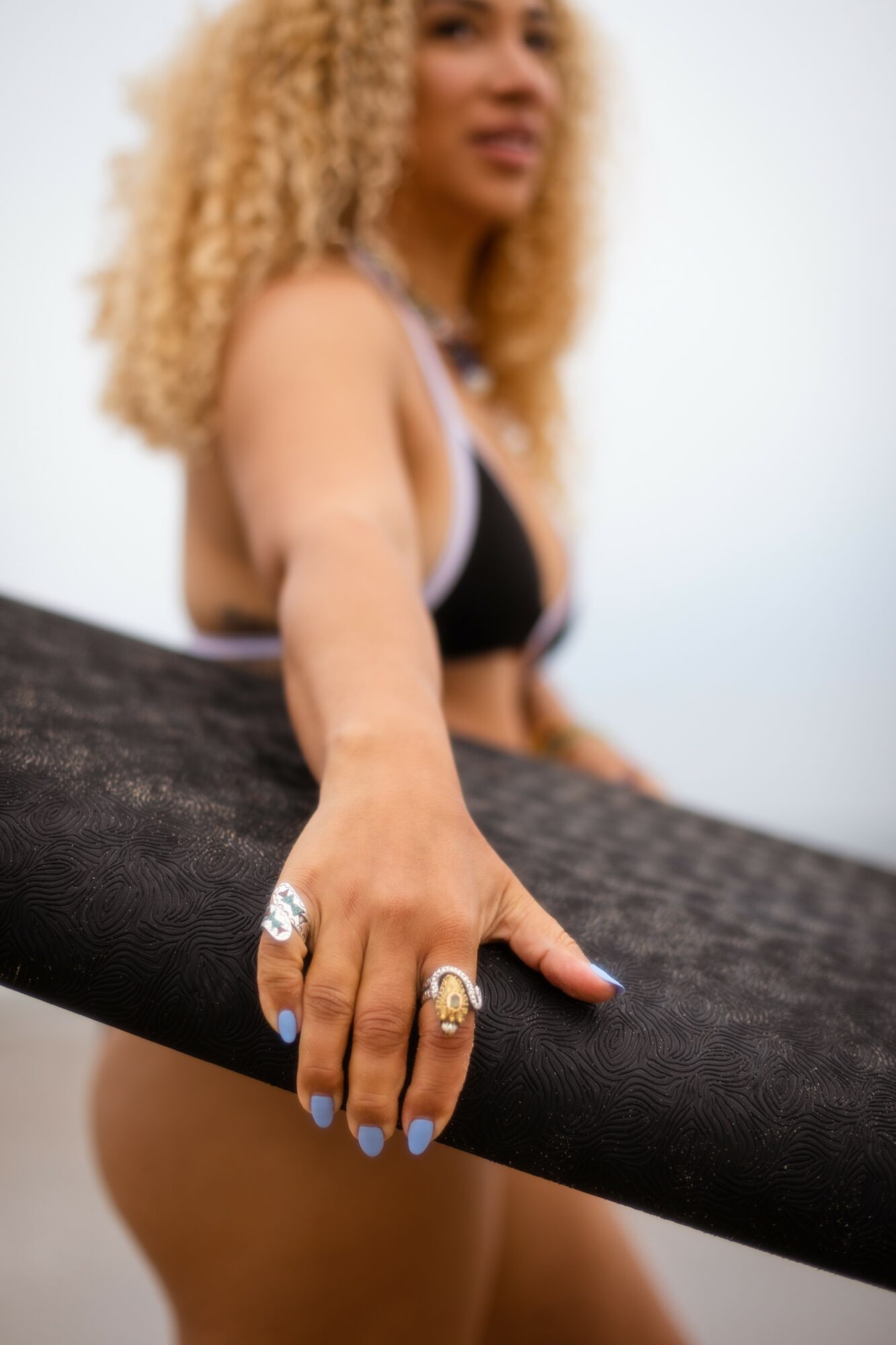
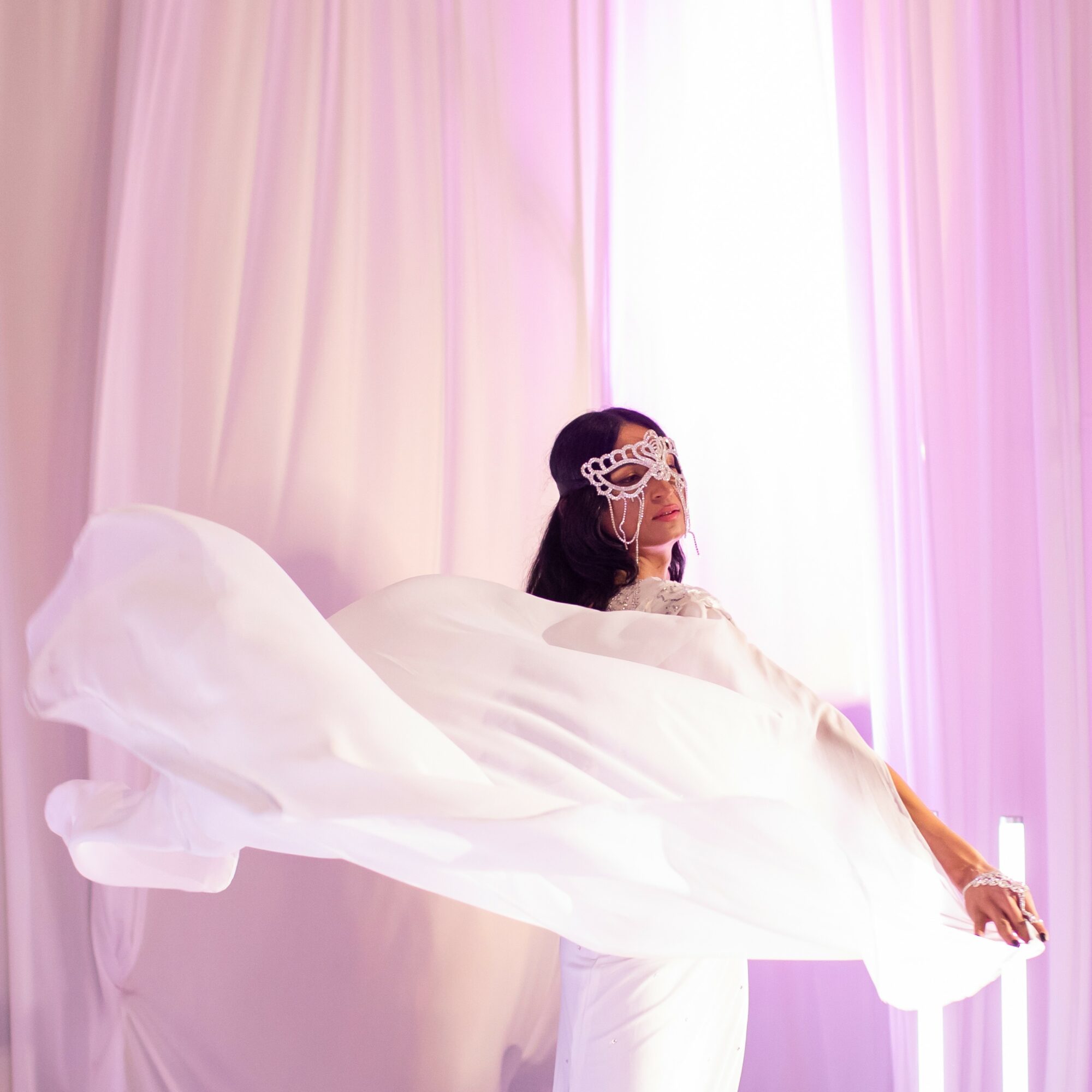
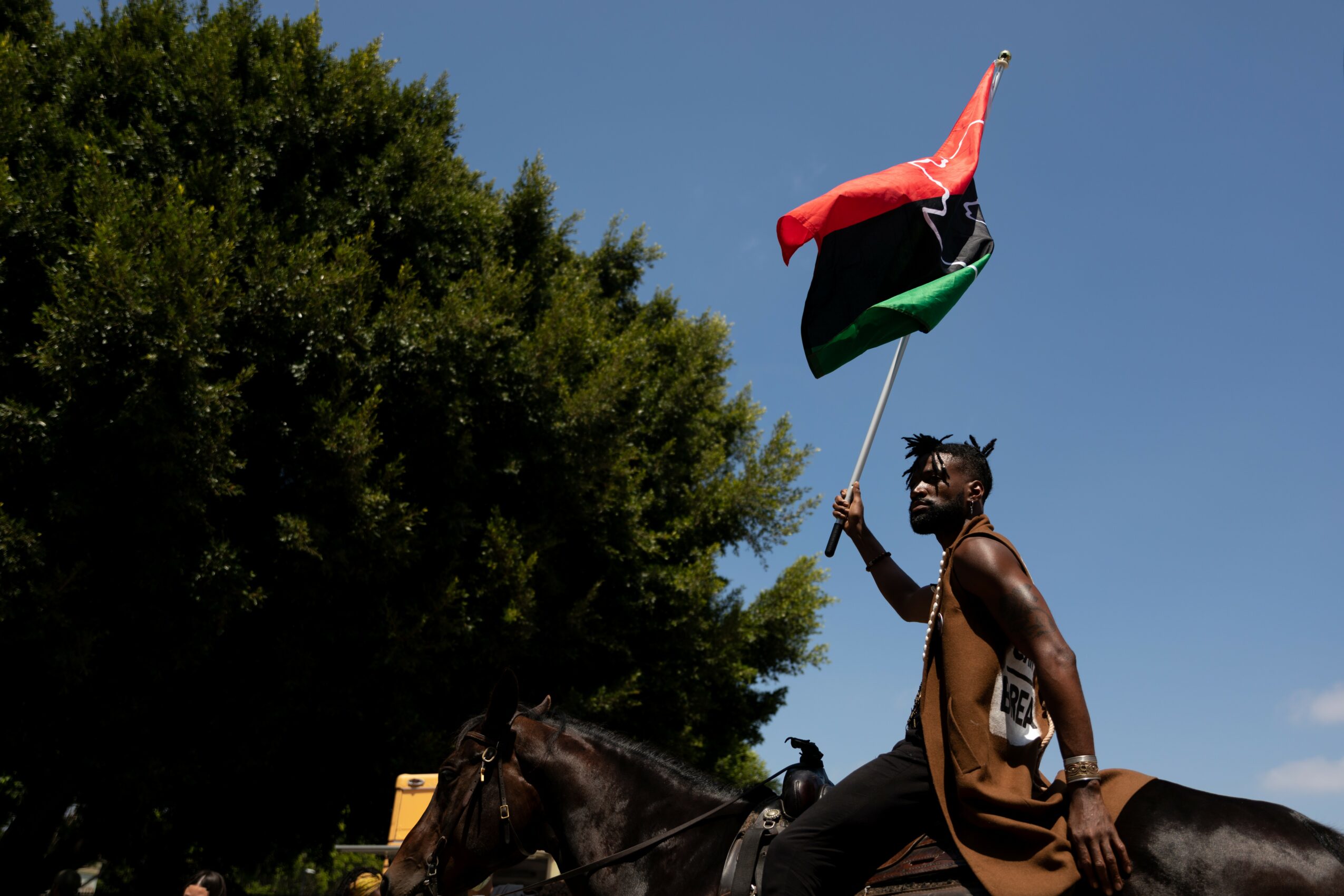

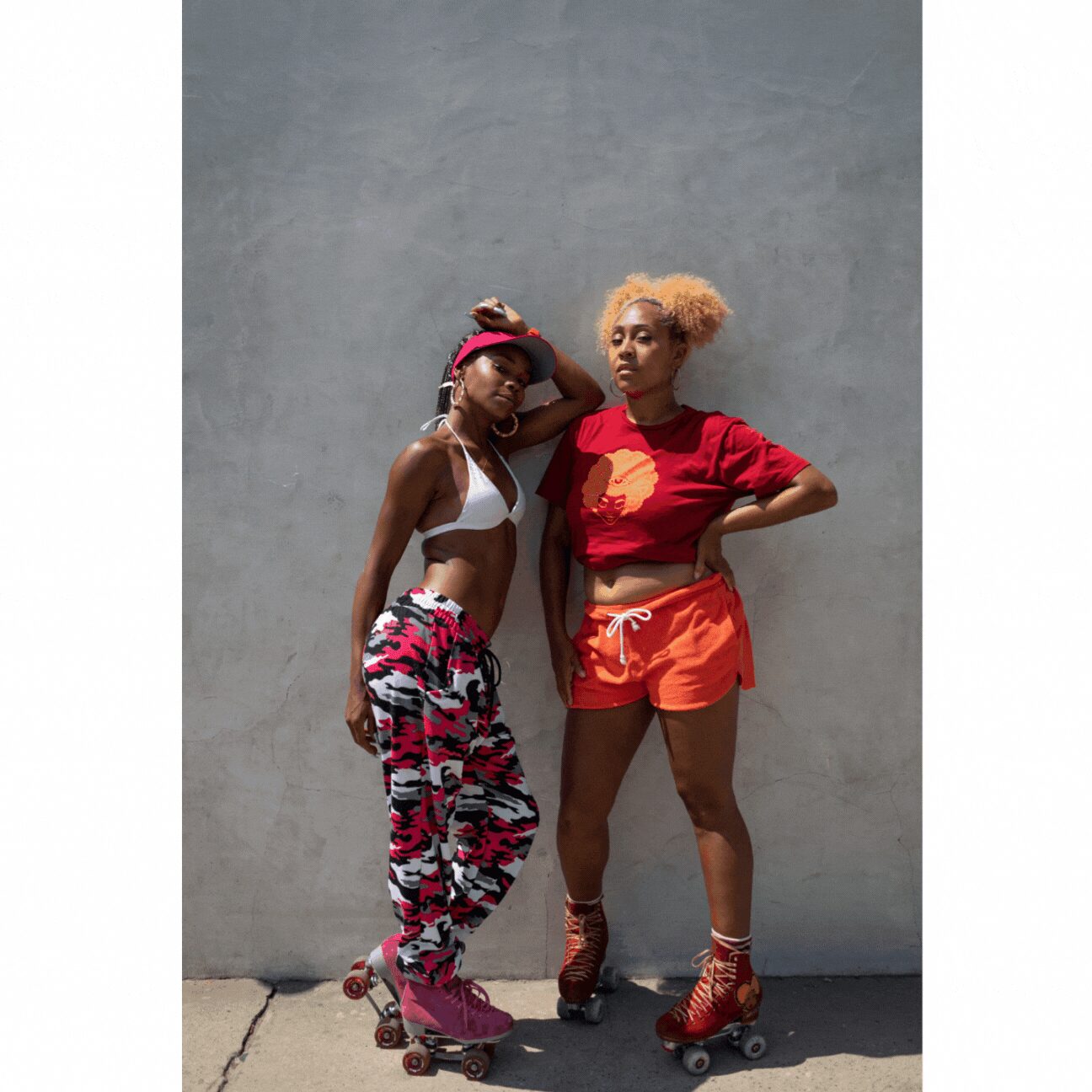

Image Credits
All images credit Tara Pixley