




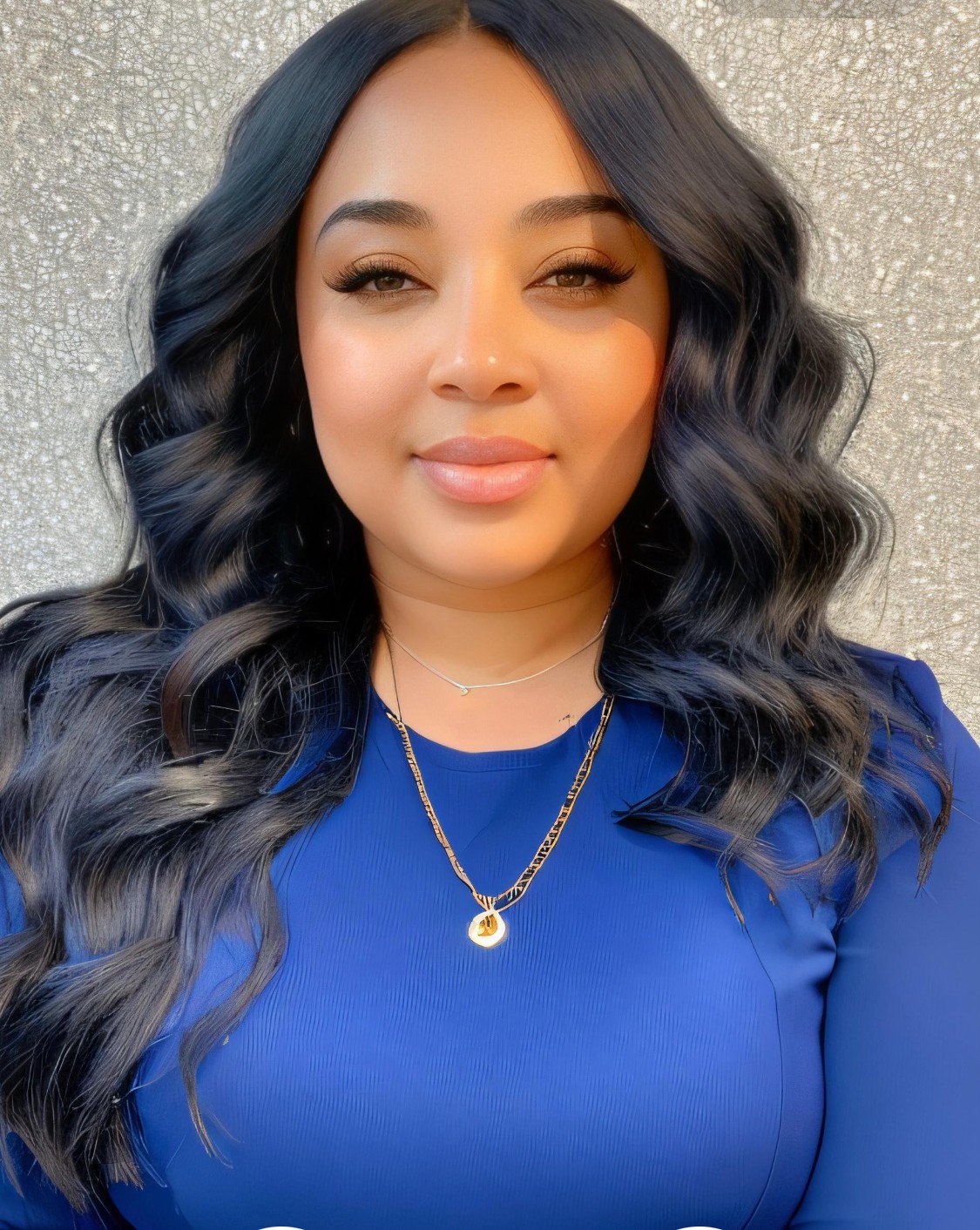
Today we’d like to introduce you to Panya Martin.
Panya , we appreciate you taking the time to share your story with us today. Where does your story begin?
I was raised by two incredible people — my grandparents. My grandmother, Mildrie, was everything you could imagine: a registered nurse at the VA hospital, a schoolteacher at Broaddus Elementary, a music instructor who could play over seven instruments, and a woman of deep, unwavering faith. She was brilliant. She was spiritual. And she carried a sharp, undeniable gift to teach — to educate everyone around her, whether they realized they needed it or not.
She always shared stories about how her grandmother raised her — how her grandmother made sure she learned how to read and pursued her education, no matter the odds. That same power flowed down into my grandmother, Mildrie, who made sure that education remained at the center of everything. She didn’t just teach in schools. She taught in life.
I saw it firsthand. I watched her sit at the table with adults — full-grown men and women — who never had the chance to learn how to read or write, and she would teach them. She taught their children, too. These were people I went to school with — their parents came to our home. And she never made them feel small. She never made them feel like they lacked. She lifted them up with love and grace.
After my grandfather passed away, my grandmother turned our home into a boarding house. She opened her doors to people who had nowhere to go. She gave them shelter, structure, and purpose. She fed people. She offered comfort. She gave people hope when they were in between blessings. And she never asked for recognition. That’s just who she was.
Everyone knew who my grandparents were. They were close-knit with their community. Everyone respected them — and not just for what they had, but for what they gave. That’s where I come from.
And even though I never thought I’d walk this same path, I now realize it was already in me.
This is my calling.
This is what I was put here to do.
In 2010 and 2011, I officially founded Mildrie’s Road Foundation, named after the woman who embodied wisdom, service, and strength. But the work? That work didn’t start in 2010. That work had been going on for generations — in kitchens, classrooms, and living rooms. My grandmother was already building what we now carry forward. I simply named it. I organized it. And I committed to carrying it further.
Through Mildrie’s Road Foundation, we’ve created a home-like facility we call the House of Literacy — where children receive tutoring, music education, life skills, culinary lessons, gardening enrichment, and cultural exposure. This space isn’t just a center. It’s an experience. People walk in and immediately say it feels like home. That’s intentional.
But we didn’t stop there.
We developed workforce training programs that prepare justice-impacted individuals and those affected by recidivism for meaningful work. Some of these men and women — after completing their training with us — were even prepared to travel abroad to Uganda to help build schools. That’s the kind of transformation we believe in: equipping people not just to rebuild their lives, but to help others rebuild theirs, too.
We’ve also mobilized to respond to disasters — because disasters don’t give warnings. They come unannounced and leave devastation in their path. And for many of our clients, the day the disaster hits is just the beginning. It’s not over when the fire goes out or the floodwater dries up. People are still displaced from the California wildfires, even a year later. Their homes aren’t rebuilt. Their jobs haven’t come back. They’re living in limbo — and this is the reality we face when we serve. This is the truth we answer to.
Our work is deeply rooted in compassion. It’s fueled by the love of community and the belief that no one should be left behind.
I’ve had my own struggles. I’ve faced times when I didn’t understand why life turned the way it did. I went from a good life to a painful chapter — and I asked God, Why would you put me through this? But now I understand. It was all part of building me for this mission. It gave me compassion. It gave me perspective. And it gave me a commitment that’s deeper than any paycheck or title.
One of the most powerful full-circle moments is my mother’s journey. She battled addiction in my early life — but for well over 20 years, she’s been clean. And more than that, she jumped straight into the work of Mildrie’s Road Foundation. She’s not only a living testimony — she’s a servant in the work. My entire family has been part of this: a host of siblings, cousins, friends, and now even my children. We are a lineage of leaders.
This work has allowed me to hear people’s stories, to stand beside them in their healing, and to recognize that we are all just a moment away from needing each other. I’ve taught my kids — not just with words, but with action — that the right way is the hard but holy way. That service is sacred. That community matters.
Even my neighbors — some who once watched from a distance — have now become part of this story. They’ve come out, contributed, supported, and grown with us. This is bigger than one person. It’s always been about us.
I know why I’m here.
I’m here to serve. I’m here to lead. I’m here to listen, to love, and to lift others.
This is Mildrie’s Road.
And I walk it boldly.
We all face challenges, but looking back would you describe it as a relatively smooth road?
It’s been anything but smooth. But smooth doesn’t make you strong. Smooth doesn’t teach you how to hold space for others, how to dig deep for the kind of love that costs you something.
We’ve been in the field, in the back office, and in the trenches — all at once. And that’s one of the hardest things. When you’re both the hands and the feet of this work — knocking on doors, meeting families in their homes, hearing their stories in real time — you don’t get the luxury of distance. You live the need. You witness it. You feel it. You become the space where their words land, where their cries get heard, where their hope begins to flicker again.
And let me tell you — people are always coming. The door keeps knocking. The inbox keeps filling. Not just with requests, but with desperation. With parents who don’t know how they’re going to make it through the month. With youth who have lost their footing. With stories that deserve more than sympathy — they deserve real support, real change.
That’s why support is necessary — and so is more. You can have relationships, and still need capacity. You can have good intentions, and still be stretched thin. Because for every hand you hold, there’s another reaching out. That’s the weight of being boots on the ground. The ones who aren’t just talking about it — we’re in it. And while the community gives us strength, the climb is real.
Sometimes I think about how people ask us to move mountains. And we’re trying. But how do you climb a mountain without the right rope? You start standing on each other’s shoulders. That’s what this is. This work is a human ladder — built from people who are willing to lift, even while they’re still climbing.
And that’s why I understand neighbor in a way I never did before. “Love thy neighbor” isn’t just scripture — it’s strategy. It’s survival. Because you never know when you’re going to need someone to come through for you. You never know when you might be the one knocking.
That’s the essence of Mildrie’s Road. We don’t just serve. We stand with. And in standing, we build something that money can’t always buy: community that sees you.
As you know, we’re big fans of you and your work. For our readers who might not be as familiar what can you tell them about what you do?
About My Work — And Why It Matters
At its core, my work is about building bridges — between families and opportunity, between need and access, between pain and healing. I’m the founder and president of Mildrie’s Road Foundation, an organization birthed from both legacy and lived experience. What started as a grassroots effort to support families in crisis has grown into a multi-faceted, community-centered engine for equity, education, and empowerment.
What We Do
We specialize in restorative community care — serving families who’ve been impacted by poverty, displacement, educational gaps, incarceration, and disaster. Our programs are rooted in dignity, sustainability, and long-term transformation. We operate across several key areas:
Education & Literacy: Through our House of Literacy, we run after-school and in-school programs that help children boost their reading and math levels, explore the arts, and develop confidence in and out of the classroom.
Workforce Development: We train youth and adults in construction, solar installation, virtual reality skills, culinary arts, and more. Our goal is to prepare people for real jobs — with real futures — and help break generational cycles of lack.
Disaster Relief & Recovery: We respond to families impacted by wildfires, emergencies, and housing loss — not just with short-term relief, but long-term support. We’ve helped place families in RVs, restore household goods, and assist with rebuilding after catastrophe.
Resource Distribution: From food and clothing to hygiene products, furniture, school supplies, and toys, we operate warehouses and large-scale donation events that serve thousands of families annually — often partnering with churches, schools, businesses, and civic leaders.
Family Empowerment: We mentor young parents, support returning citizens, and help families navigate everything from housing to healing. And we do it with grace, empathy, and structure.
What We’re Known For
We’re known for showing up — consistently, compassionately, and effectively. Whether it’s during a holiday giveaway, a wildfire response, a back-to-school drive, or a 7-day door-to-door outreach, our presence is felt.
We’re known for building programs that last. We’re not here for headlines — we’re here for outcomes.
And we’re known for being deeply connected to the community. Our story is personal. It’s real. And that’s why people trust us.
What I’m Most Proud Of
I’m proud that my entire family stands beside me in this work — my mother, who is now 16 years clean; my children, my siblings, nieces, and nephews. This organization was born from our lived experience, and we are walking testimonies of its purpose.
I’m proud that we didn’t wait to be funded to get started — we just started. And through relationships, integrity, and relentless vision, we built something powerful from the ground up.
Most of all, I’m proud that our work doesn’t just serve the people who show up — it reaches the homes, the heartache, the in-between moments. We meet people where they are. And we love them forward.
What Sets Us Apart
We don’t just give. We build. We build infrastructure, we build systems, and we build people.
We’re not just here to meet needs — we’re here to disrupt poverty at the root. That means focusing on education, sustainability, emotional wellness, and community-wide transformation.
We believe in teaching the village — because the work doesn’t end when the giveaway ends. It continues in how people live, grow, and lead afterward.
What sets us apart is that our work is personal. It’s spiritual. It’s legacy work. It’s generational.
What do you like and dislike about the city?
What I love most about our city is the heart of the people who live and lead here — especially in areas like Woodland Hills, where opportunity exists and people are often in a better position to give, support, and partner. There’s a spirit of collaboration that runs through this city. There are people who care, who understand that we’re not separate from each other. That what affects one community eventually touches us all.
I’ve seen individuals, families, businesses, and organizations come together, not just to support the spaces they live in — but to extend opportunity beyond where it’s comfortable. I’ve seen people with access and privilege help bring real change to areas that are often overlooked — places where families are severely under-resourced, incomes are far below the poverty line, and day-to-day survival is the reality.
What inspires me is the understanding that our children are going to grow up and move across cities, across borders, and across class lines. They’ll form friendships with kids from different walks of life. So if we don’t invest in all communities — not just the ones that are thriving — then we’ve failed the very world our children are inheriting. Stronger cities are built when every neighborhood is valued, when every family has access, and when opportunity isn’t just reserved for the zip codes with wealth.
Now, what I like least about our city — is the imbalance. It’s the clear division between areas of opportunity and areas of desperation. There are neighborhoods where children are flourishing, and others just a few miles away where families are living in survival mode, day after day. It’s not that people don’t care — it’s that the systems aren’t always designed to connect the resources to where they’re needed most.
What I believe is this: it takes intentional structure to change that. It takes community leaders, schools, partners, policy makers, and residents saying, “How do we make this equitable?” Because change doesn’t happen with charity alone — it happens when we all commit to long-term solutions, especially for our most underserved communities.
So while I see room for improvement, I also see hope. I see good people. I see leaders rising. And I see a city with the potential to truly lead — not just in innovation or economy, but in compassion, inclusion, and real community transformation.
Contact Info:
- Website: https://www.mildriesroad.org
- Instagram: https://www.instagram.com/mildriesroadfndn
- Facebook: https://www.facebook.com/mildriesroadfoundationinc
- Youtube: https://www.youtube.com/@MildriesRoad
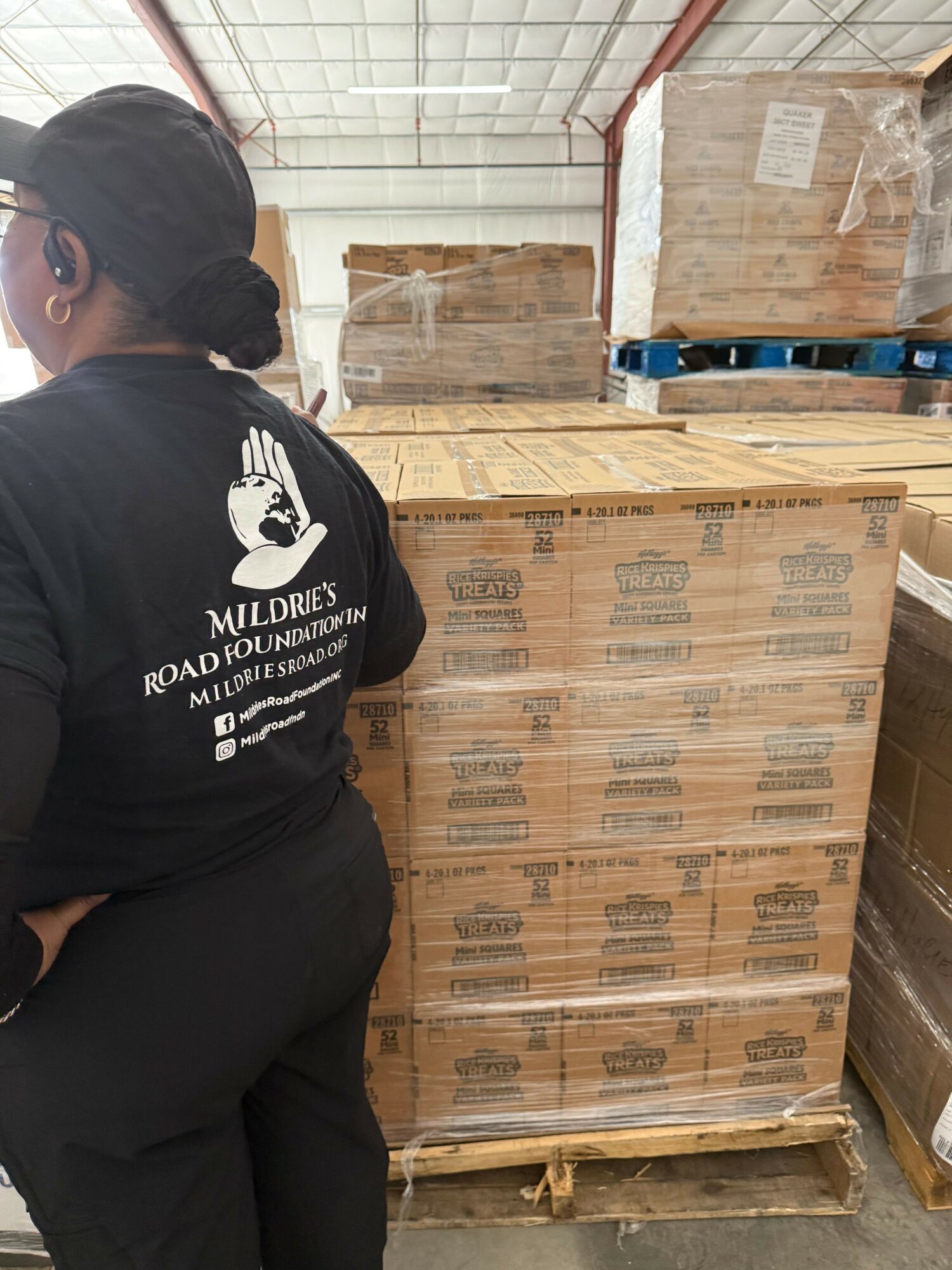
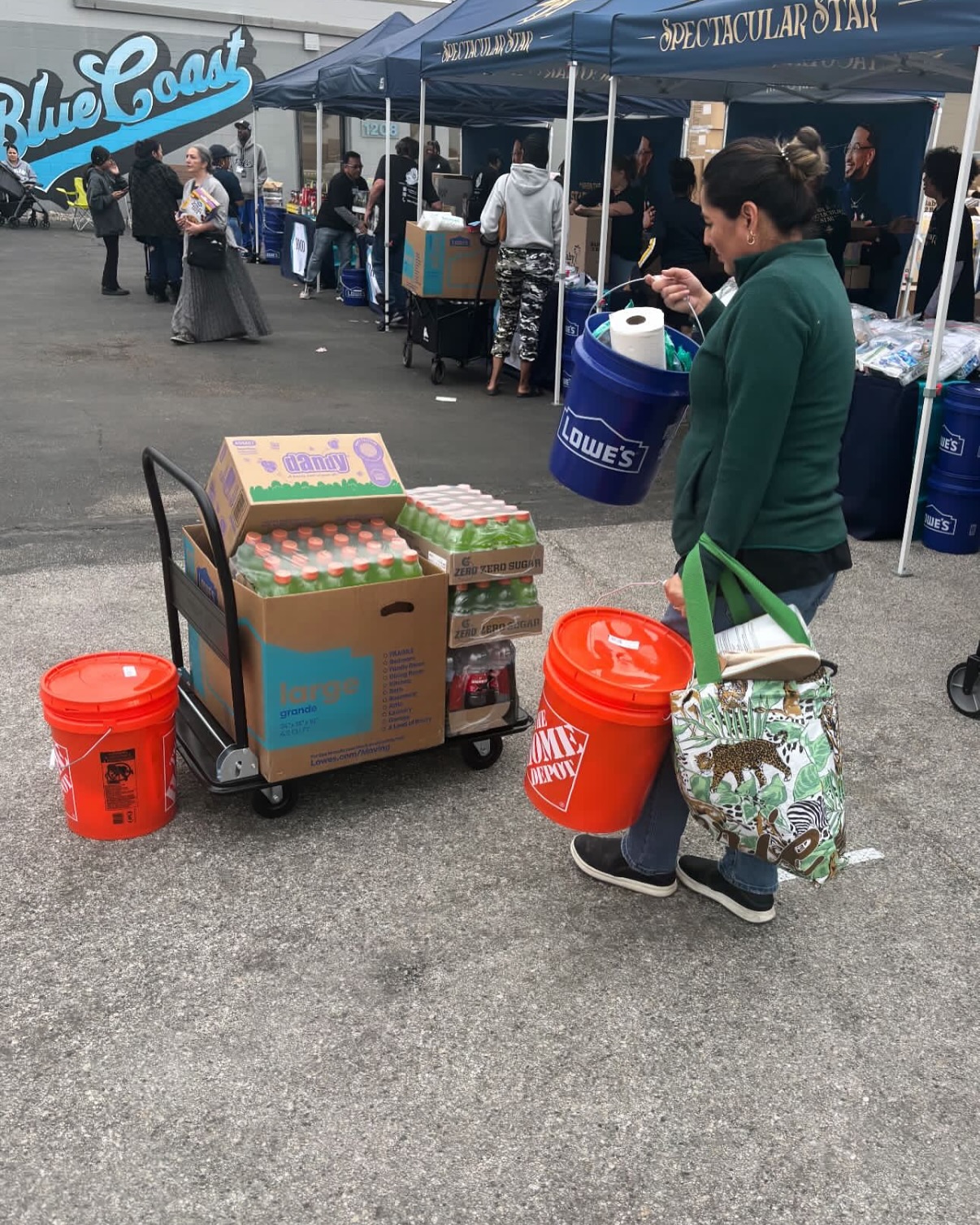
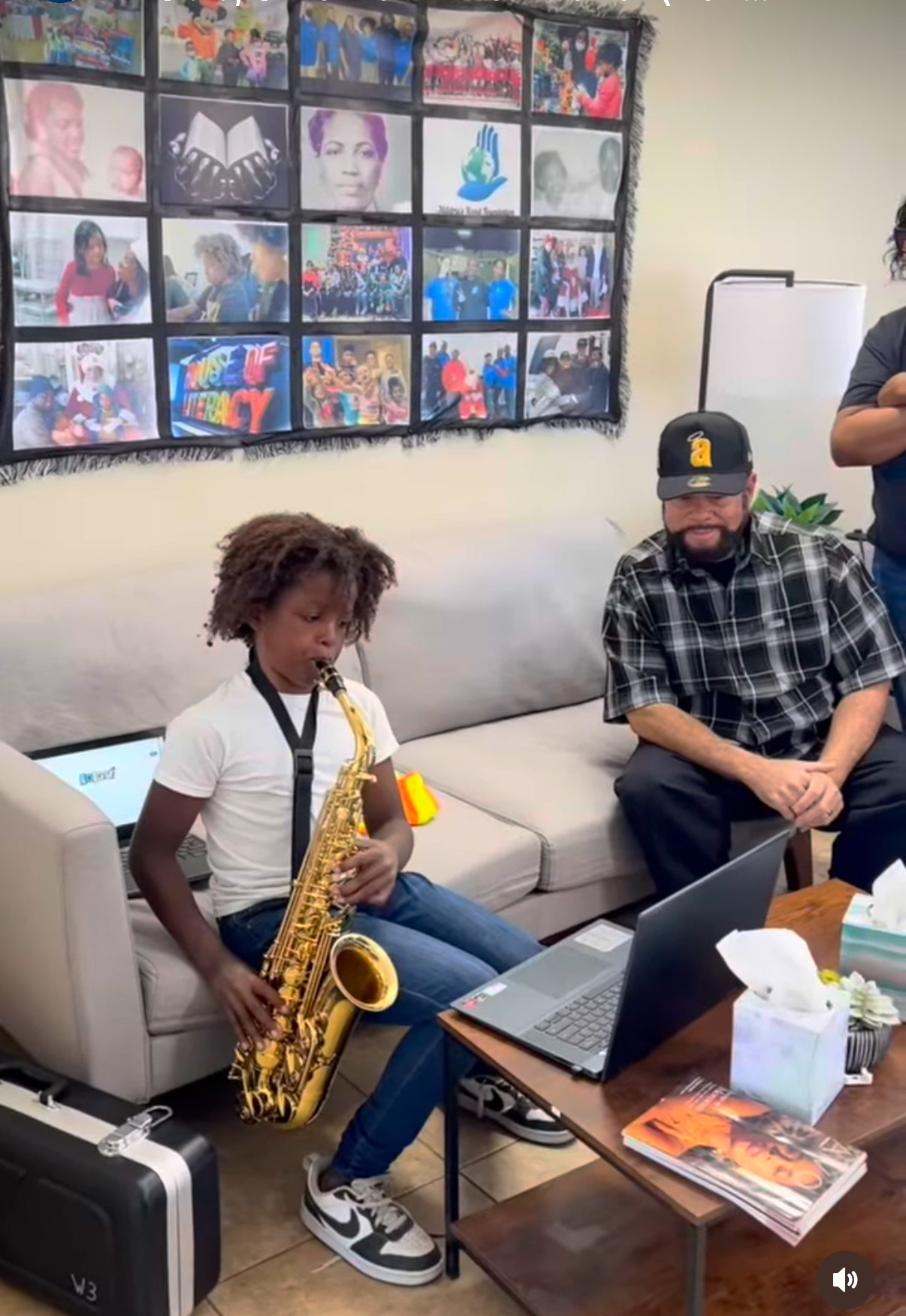
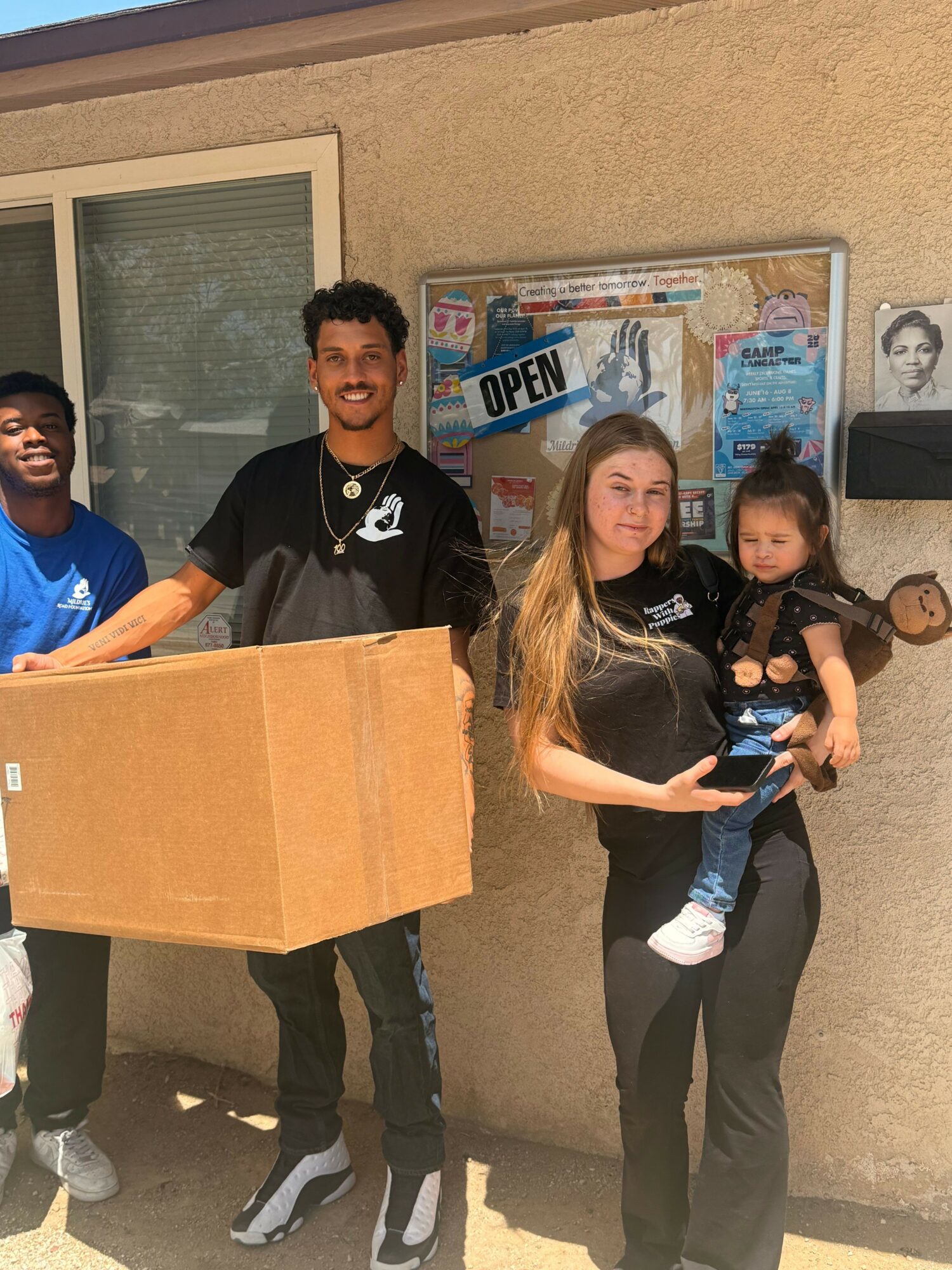
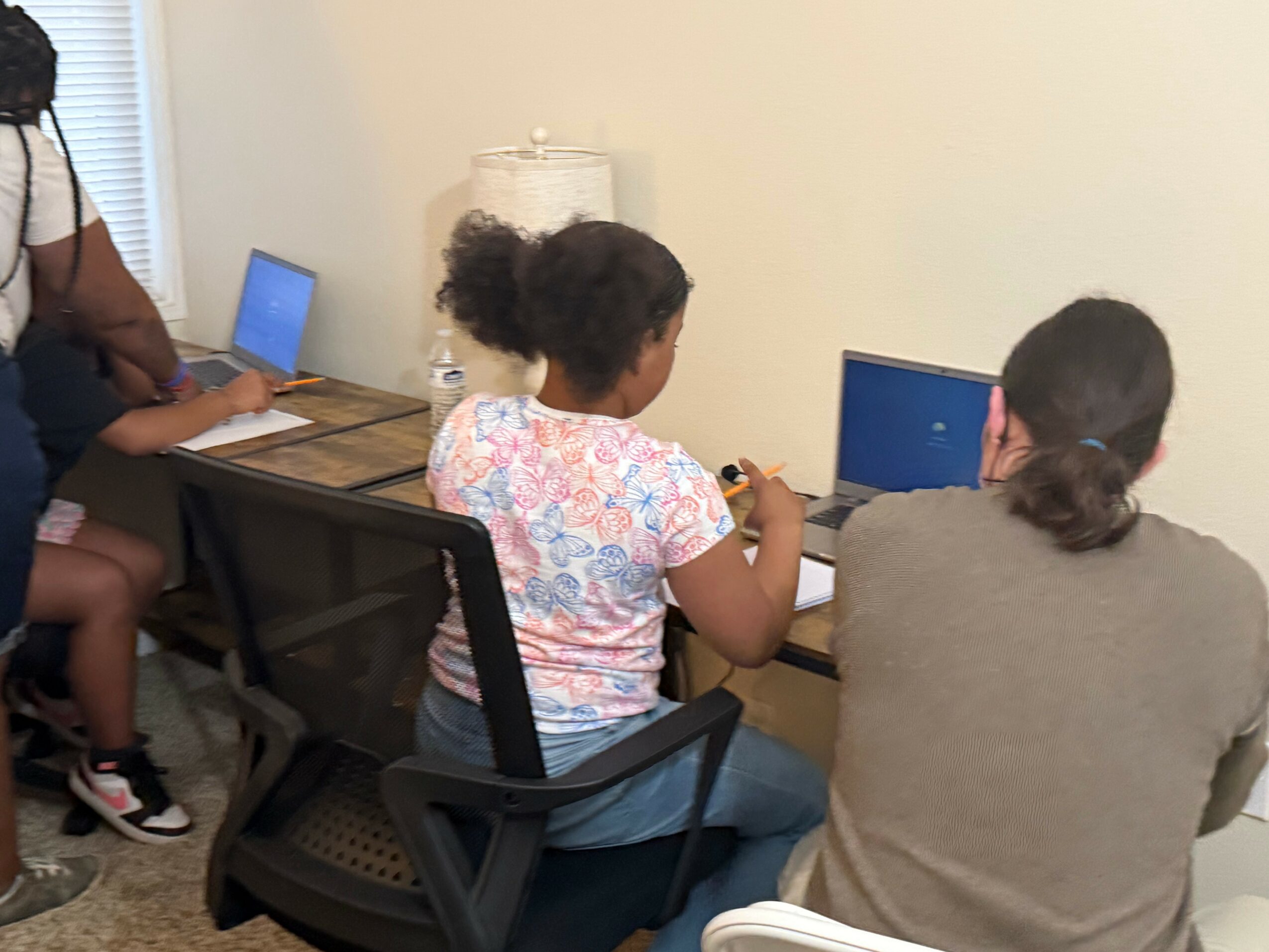
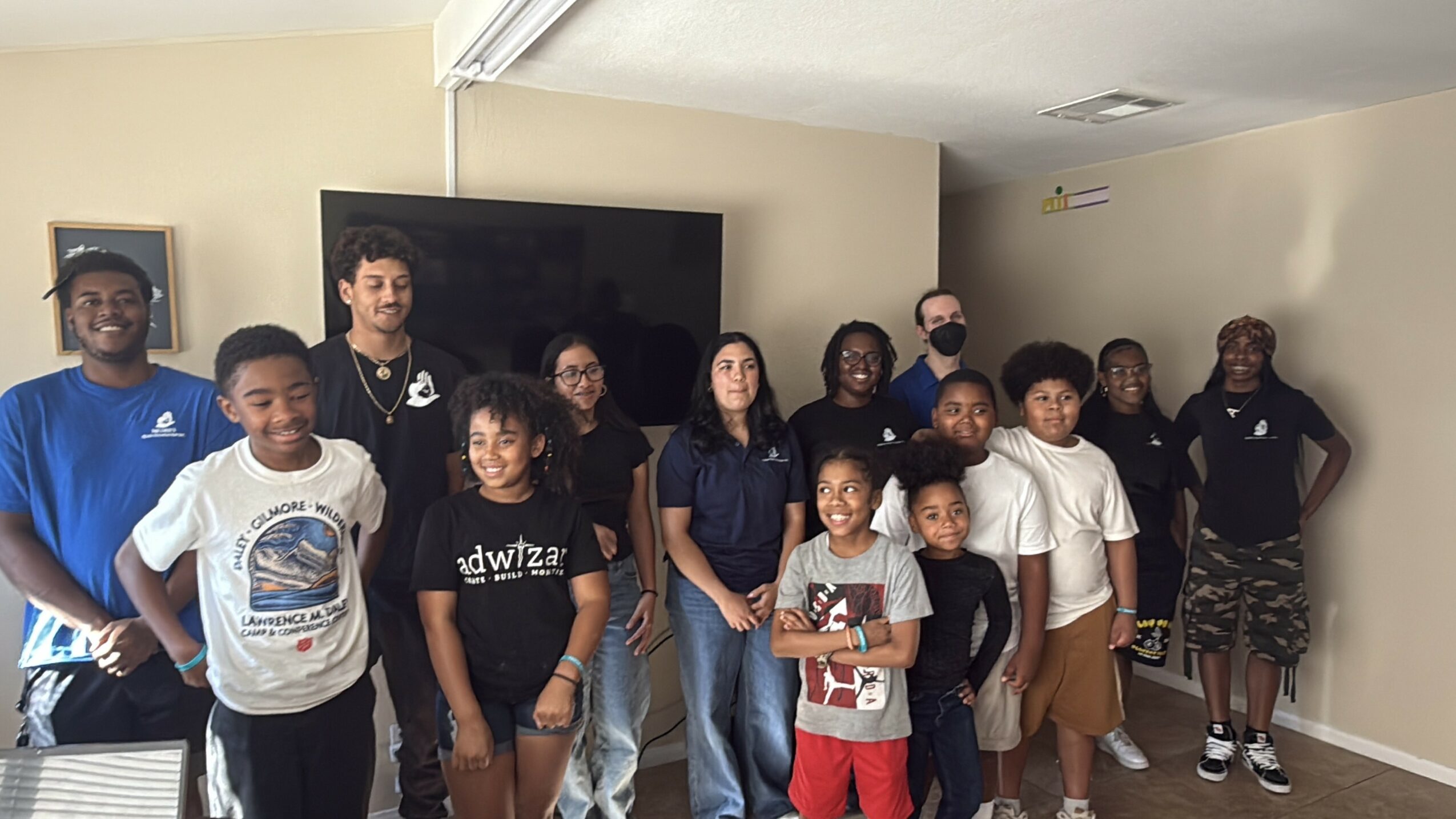
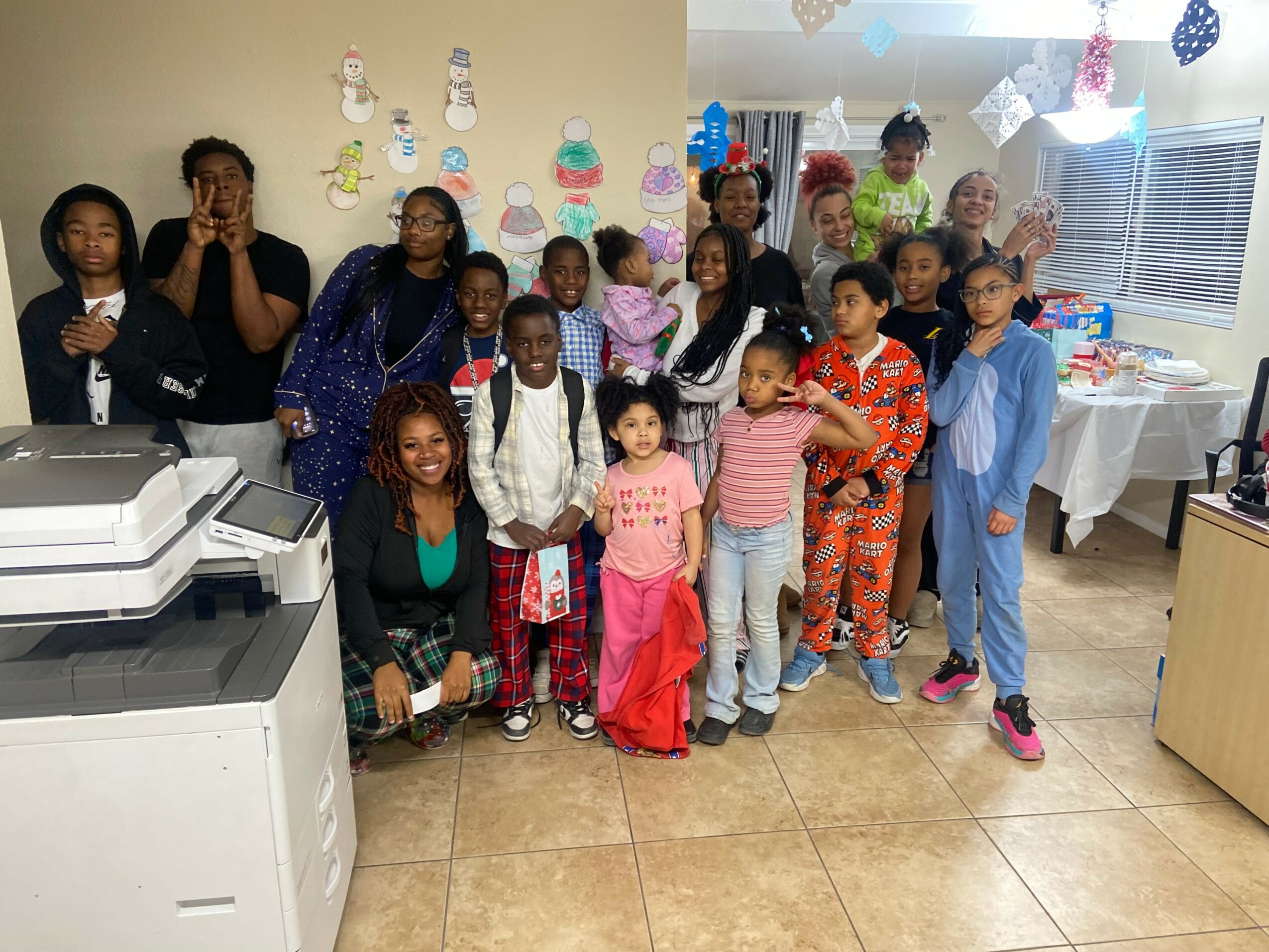
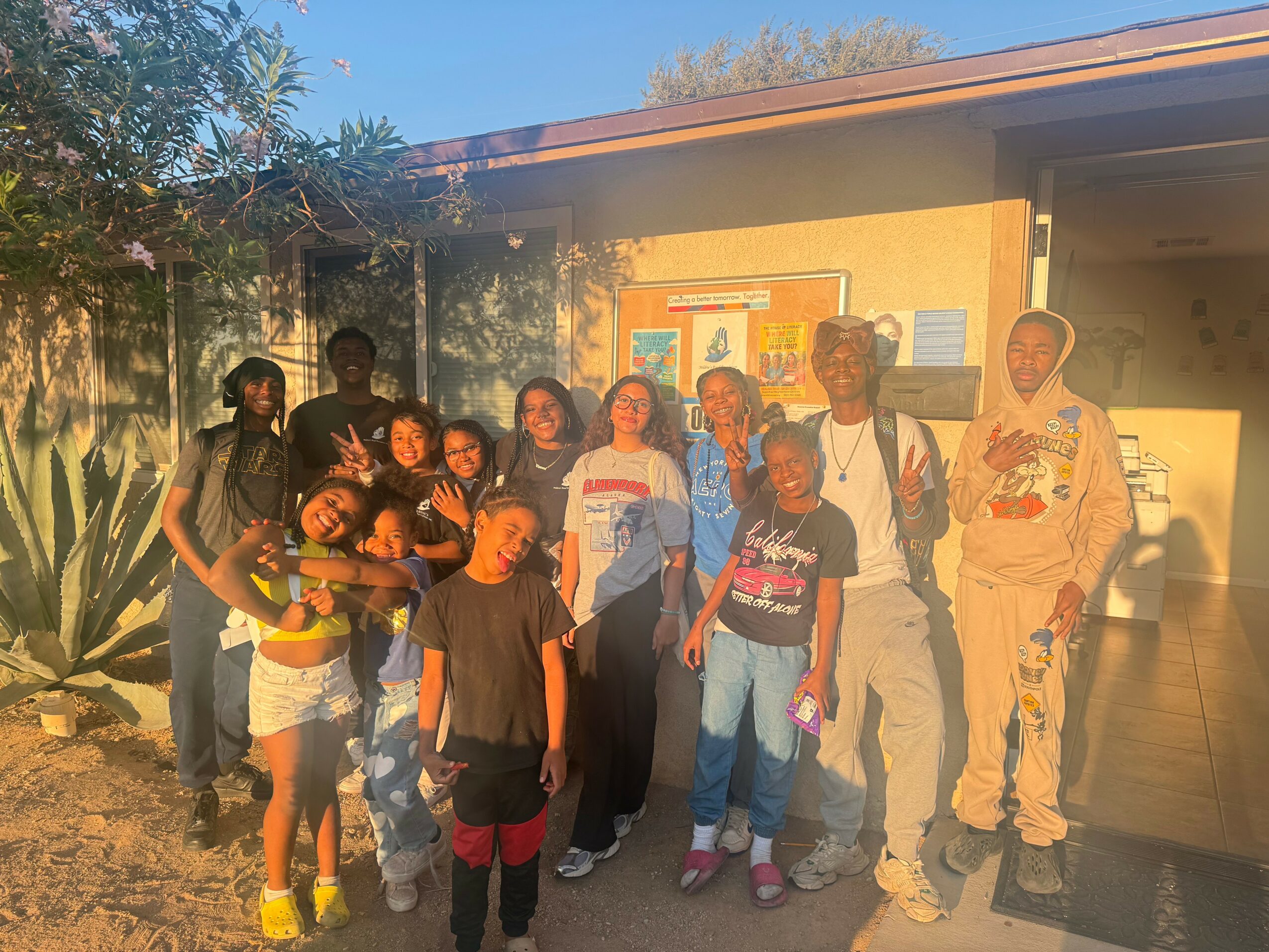
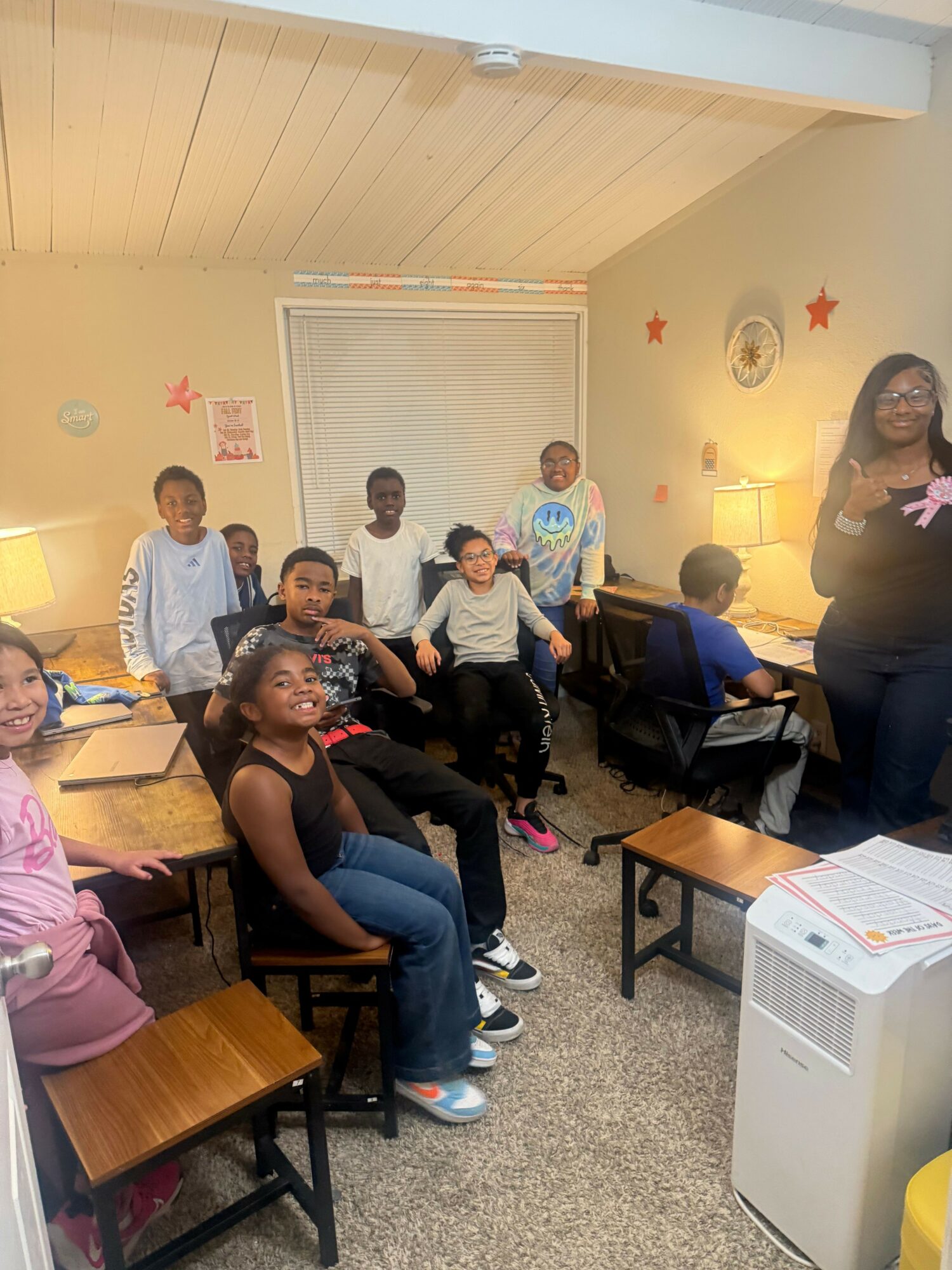
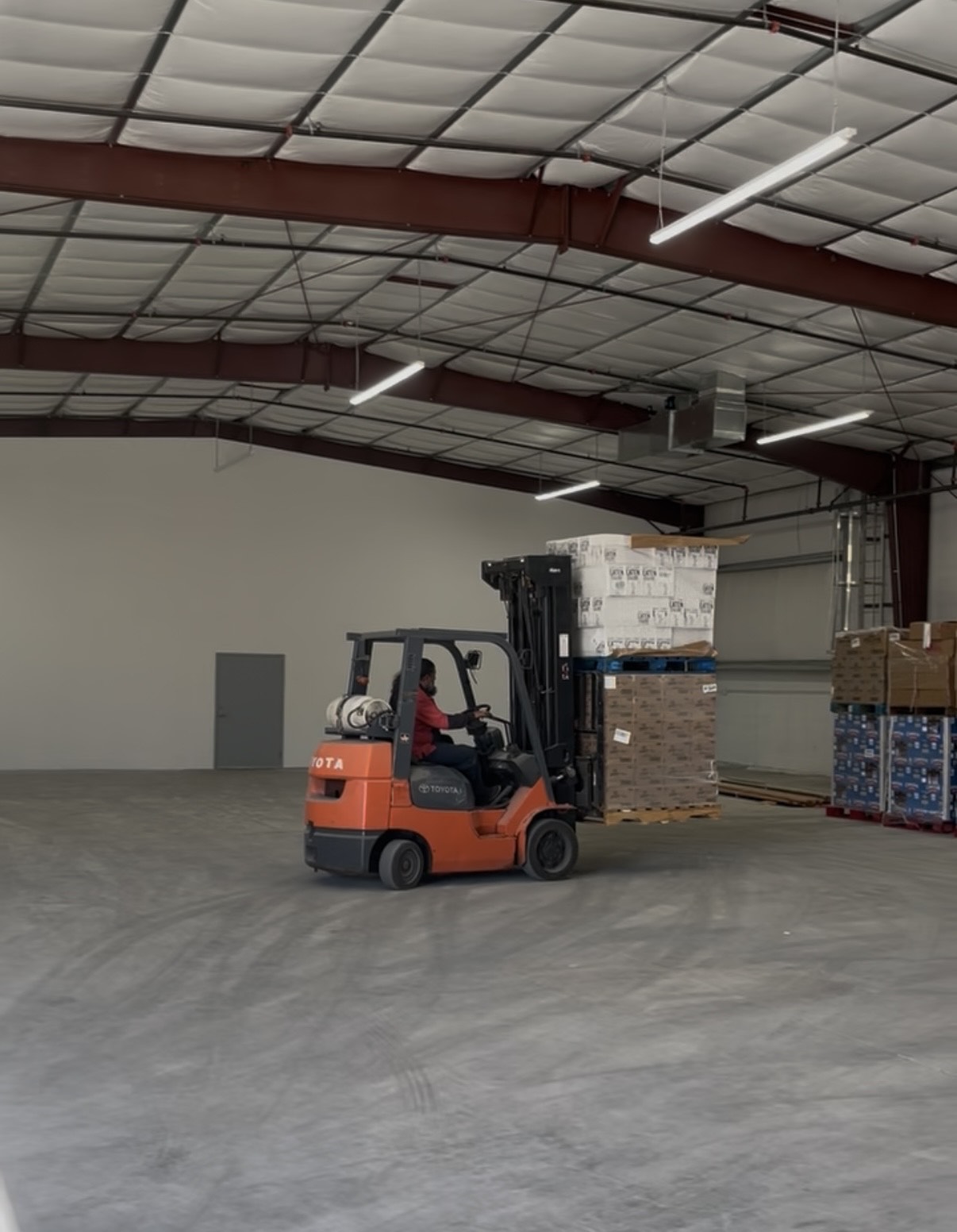
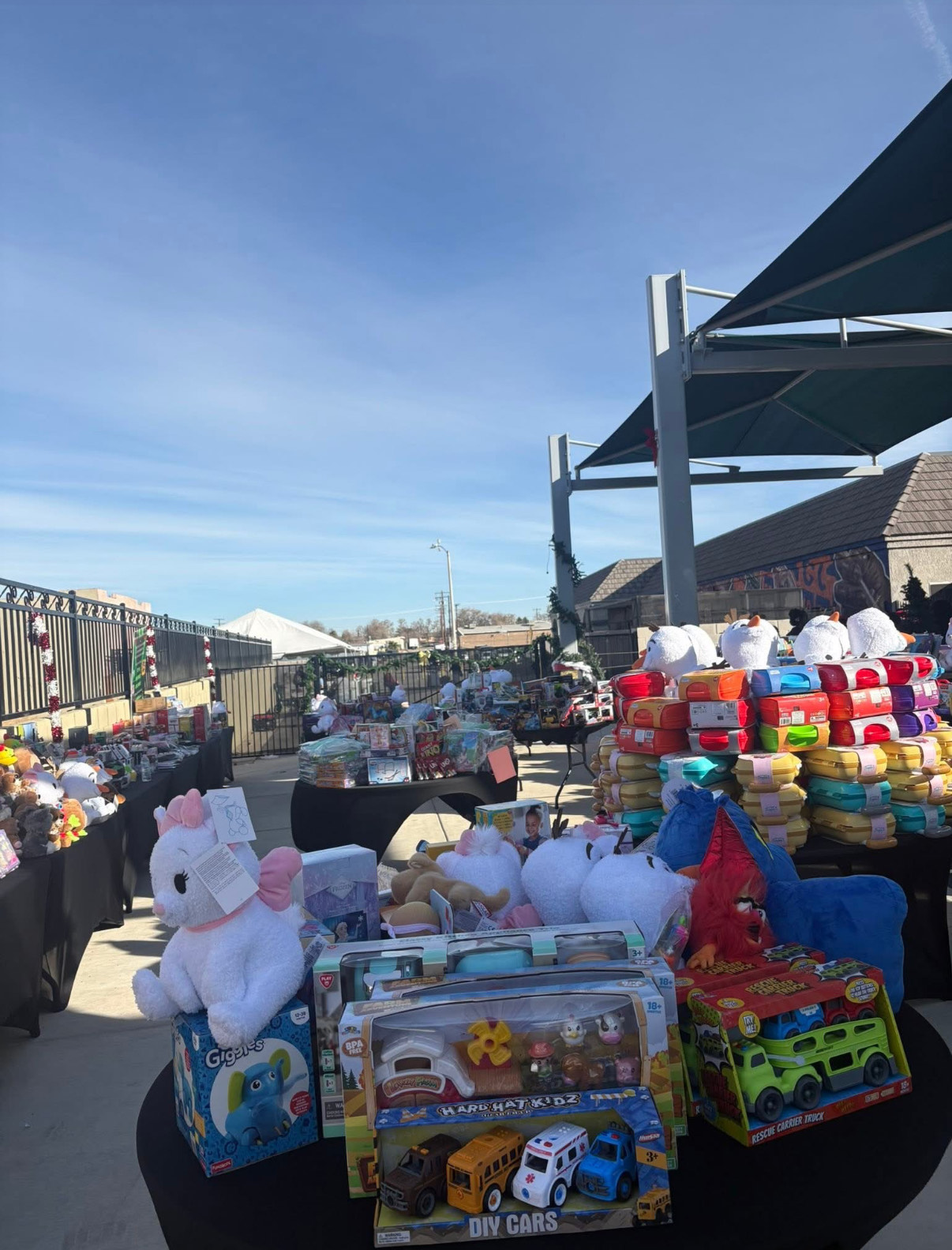
Image Credits
Images By Mildries road Foundation inc
Popular
-

Christina Wren Steps Into the Director’s Chair to Tell Stories That Feel Like Home
-

Portraits of the Valley
-

LA’s Most Inspiring Stories
-
JordanL on ‘Breathe,’ Belief, and Building a Movement Beyond the Music
-
Megan Birney Rudert on How Access to Light Is Powering a More Sustainable and Equitable Future
-
Linda Kneidinger on Building Lasting Change Through Small Steps and Self-Compassion


