


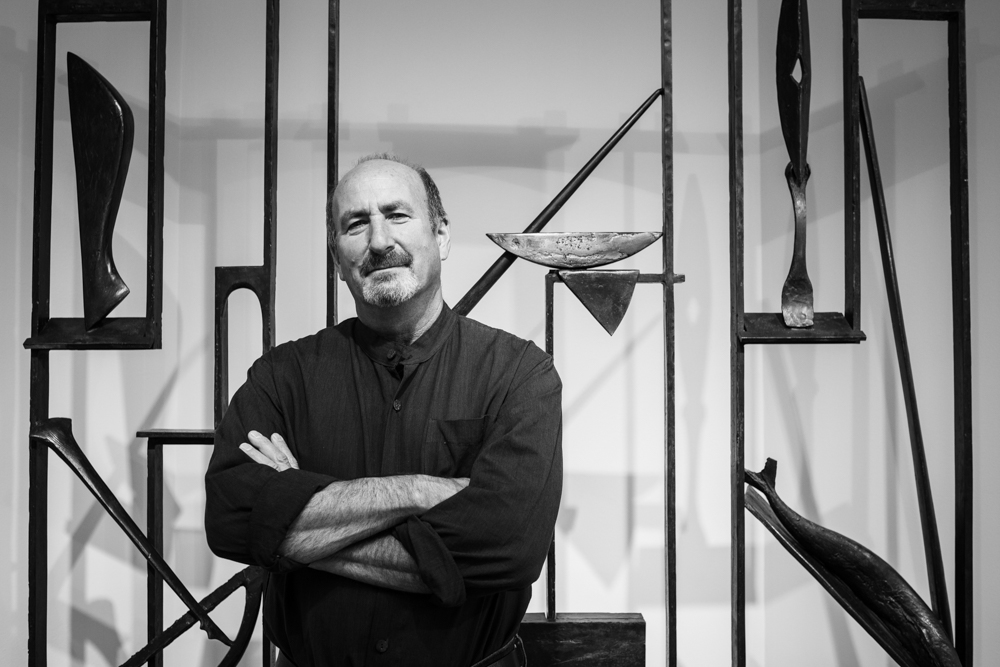
Today we’d like to introduce you to Neil Goodman.
Hi Neil, please kick things off for us with an introduction to yourself and your story.
I received my MFA from the Tyler School of Art in Philadelphia in 1979. Shortly thereafter I was offered a university teaching position at Indiana University Northwest in Gary Indiana. The school was just outside of Chicago, so it was a perfect place to get started, as I was able to both live and work in the city while maintaining my teaching position. Over those years I established an active studio practice with numerous public and private works throughout the city and country. After retiring from teaching as Professor Emeritus, my wife and I moved to Los Alamos, a small town close to Los Olivos in the central coast..
I continue to work as a sculptor with my next large scale exhibition at the Zolla/Lieberman gallery in Chicago opening September 2026.
Can you talk to us a bit about the challenges and lessons you’ve learned along the way. Looking back would you say it’s been easy or smooth in retrospect?
Life as an artist is always back and forth. You have good years and other years that are more challenging. They are equally important, as ideas often take time to generate and mature. The ongoing struggle is the synthesis of thought and form. You can have a good idea, but the visual language needs to be clear and communicative. You work both for others and for yourself. Without an audience, the work has no impact, yet if you are only dependent on outside confirmation, you can loose yourself. What is most important is that you keep working. Emotions come and go, yet the work finds its way through labor and persistence.
As you know, we’re big fans of you and your work. For our readers who might not be as familiar what can you tell them about what you do?
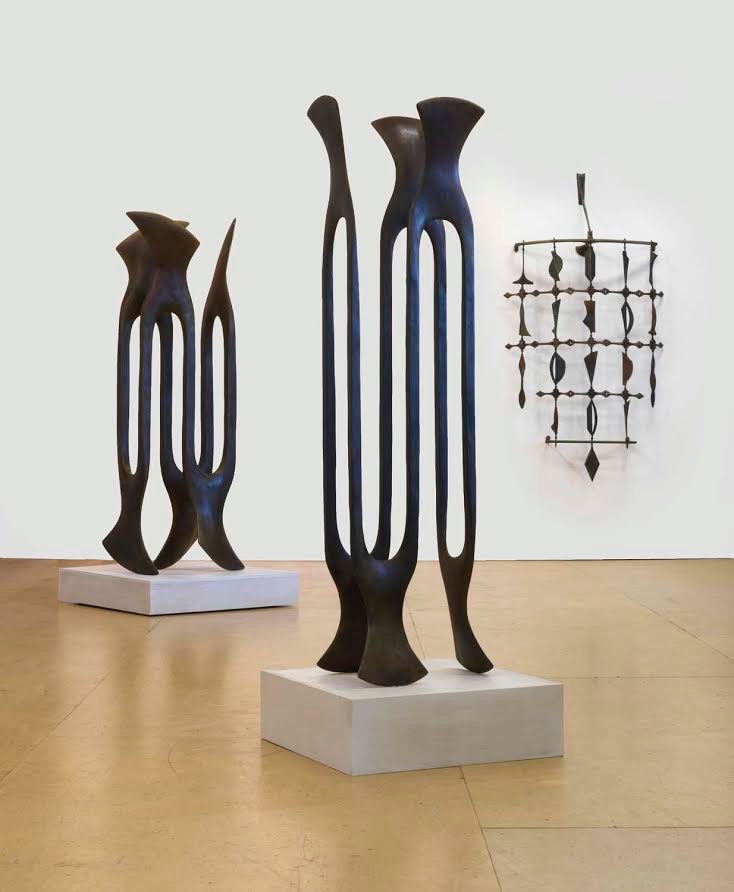
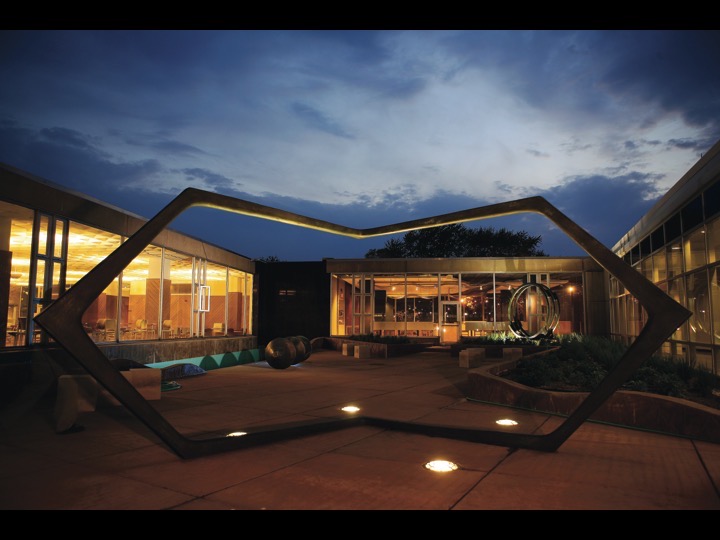
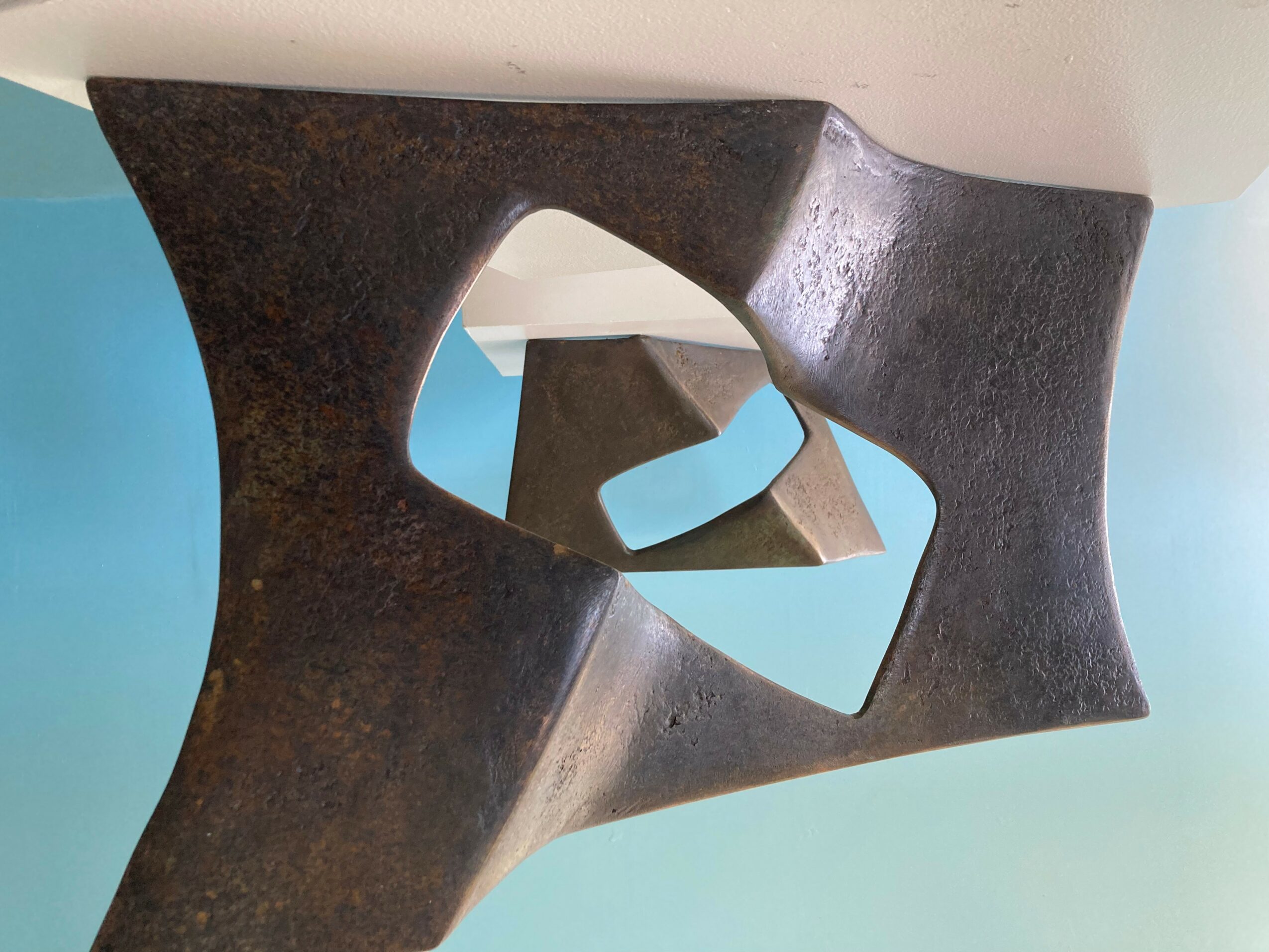
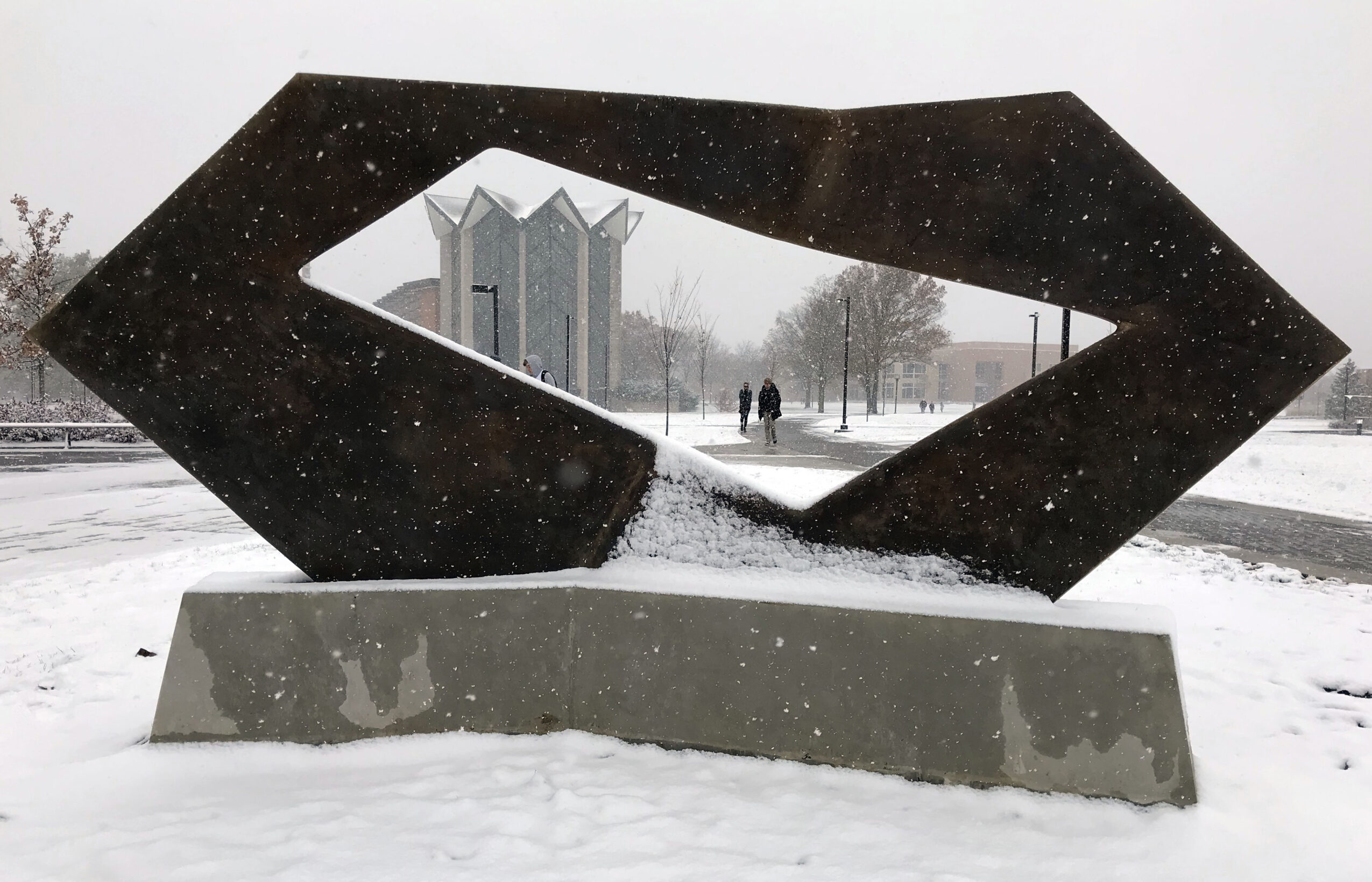
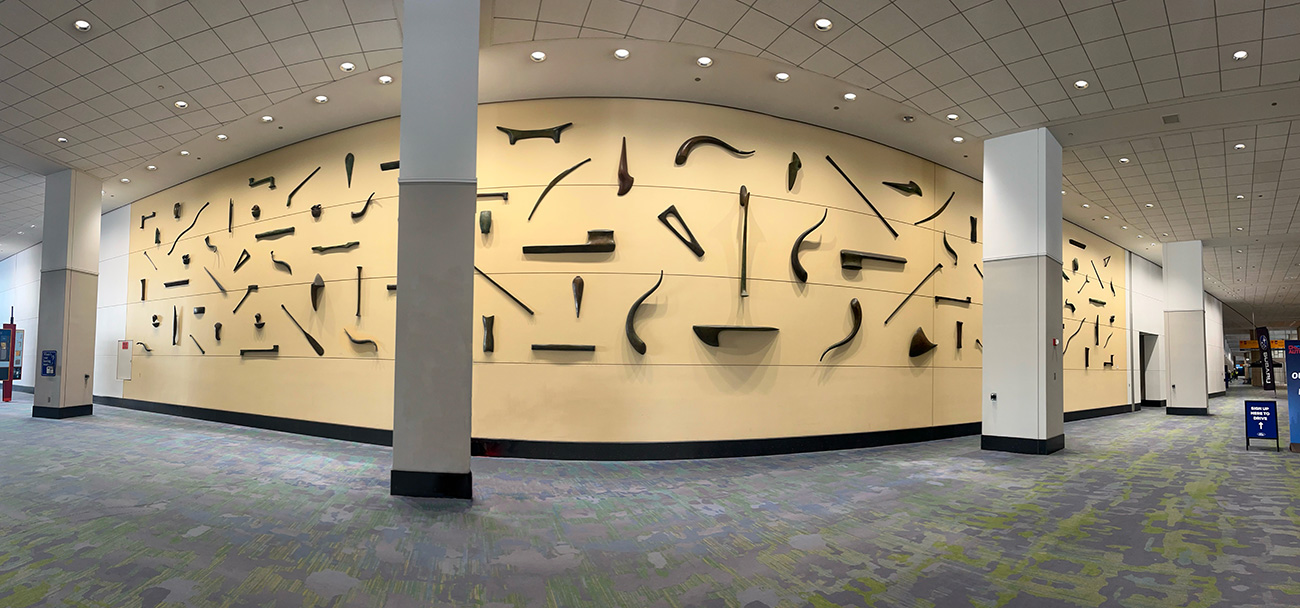
I am mostly known for creating cast bronze sculptures that bridge the gap between abstraction and representation. The work is often site-specific and depending on the commission, is intended to work with the space. My work although related to many other artists, has its own language which is uniquely and recognizably my own.
Where we are in life is often partly because of others. Who/what else deserves credit for how your story turned out?
I have had supportive art dealers, writers, museum directors and patrons over the years. Their encouragement was helpful and sustaining. My best advocate was always myself and my belief that I was capable of creating significant works of art. If the work is strong, recognition will often follow, although not necessarily immediately. Every artist however needs an audience
Contact Info:
- Website: https://neilgoodmansculpture.com