




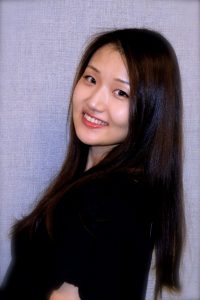
Today we’d like to introduce you to Moni (Jasmine) Guo.
Hi Moni (Jasmine), thanks for sharing your story with us. To start, maybe you can tell our readers some of your backstory.
Growing up in China, I started playing the piano when I was three and began writing music at ten. Back then, music was just my favorite thing to do—I practiced a lot, improvised all the time, and wrote some songs and piano pieces, but I never thought of pursuing a career in music. My journey brought me to the US when I was 13, where I attended a boarding school in Nebraska. There, my piano teacher encouraged me to continue my musical journey. I then went to an art high school in Michigan called Interlochen Arts Academy, where I initially majored in piano but later decided to study both piano and music composition. Around that time, I realized that I wanted to become a film composer. I always felt like my music told a story or painted a picture, which I think comes from my childhood visits to my city’s art gallery, right across from the music studio where I used to practice at. I also loved reading since I was a kid, so making music that tells a story feels natural to me.
After high school, I continued my study at The Peabody Institute and Rice University. I was focusing mostly on piano and writing concert music—for chamber ensembles, soloists, orchestra, and electronic music. But I also started working with student filmmakers. After that, I moved to LA to do my PhD in music composition, with a focus in scoring for visual media arts, at UCLA, where I’ve met and collaborated with so many amazing film friends. UCLA also has an incredible music school, where I’ve studied with the most inspiring teachers–both concert composers and film composers. I’ve also worked as composer Sharon Farber’s assistant for a year and have learned a tremendous amount of things.
Currently, while continuing with my composition work, I serve as an assistant professor at the Cincinnati Conservatory of Music, one of the nation’s top conservatories. There, I teach film scoring and music production. I feel extremely lucky to have scored over 40 short films and a wonderful documentary–which has just won the Best Feature Documentary award in the Nepal America International Film Festival. I love collaborating with directors, getting to know the stories and trying to find the unique sound for each story. My short film scores can be heard on different platforms, including The New Yorker and DUST (a sci-fi platform). My concert works also get performed often around the world. One of my orchestra pieces, “Rays of the After-rain Evening Sun,” was just performed by the Dallas Symphony Orchestra in June as part of the American Composers Orchestra’s Earshot program. My concert works are a lot like my diary or my letter to the world. I hope to comfort and encourage people through my music, and I hope my music can bridge the gap between Western and Eastern cultures.
Would you say it’s been a smooth road, and if not what are some of the biggest challenges you’ve faced along the way?
While being a film composer has always been my dream, I must say that this isn’t the easiest path to pursue—especially as a foreigner. I’ve faced many difficult situations. Finding my own voice and believing in it was quite a challenge for a young composer. Striking a balance between school, work, and writing music was not the easiest thing at first. As an introvert, learning how to network and meet people also took me some time and courage. Trying to find good musicians to record with a tight budget was also difficult. However, despite these challenges, I still feel extremely fortunate to do what I do. My love for music and storytelling always helps me keep going when times get tough.
Thanks for sharing that. So, maybe next you can tell us a bit more about your work?
I am a classical pianist and composer for both concert music and film. Over the years, I’ve had the opportunity to study and work with some of the finest musicians and teachers in the world. This diverse background has allowed me to approach my work with a unique perspective, whether I am composing for a solo artist, an ensemble, an orchestra, or a film. A core aspect of my concert music is the fusion of Western and Eastern cultural elements. I believe that music is a universal language and I strive to use it as a bridge to connect different cultures and to encourage and comfort people around the world. This blending of cultures also finds its way into my film scores, which often feature a synthesis of traditional, experimental, and commercial elements. My experience in writing for traditional ensembles, creating electronic music, drawing on Eastern cultural influences, and working on many films, allows me to help my directors tell their stories in unique ways that resonate with people on a deeper level.
What would you say have been one of the most important lessons you’ve learned?
The most important lesson I’ve learned along my journey is to always have faith in myself, in my music, and also in those around me.
Contact Info:
- Website: https://jasminemoniguo.wixsite.com/composer
- Instagram: https://www.instagram.com/jasmine.moniguo/
- Other: https://www.imdb.com/name/nm8426054/
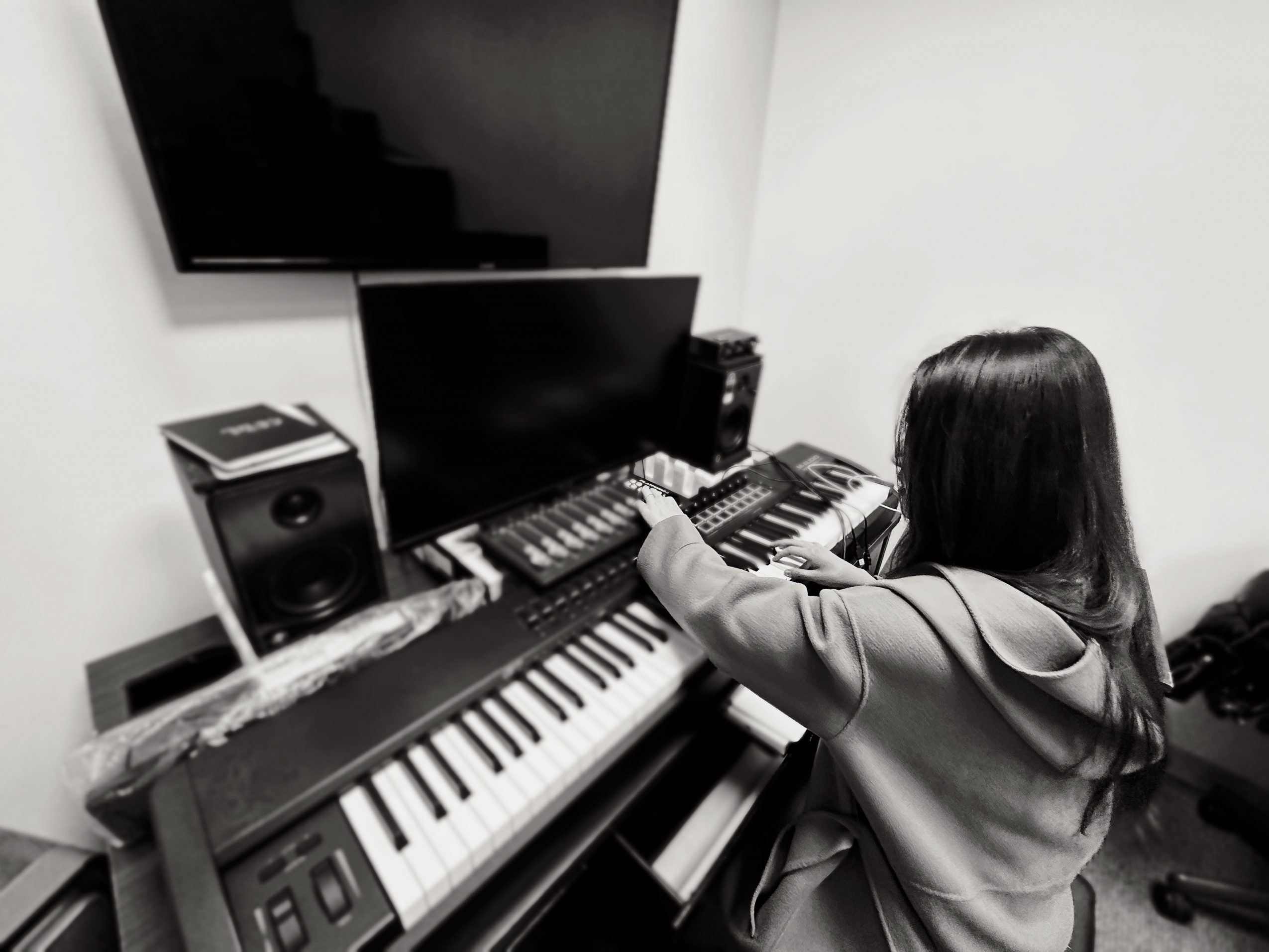
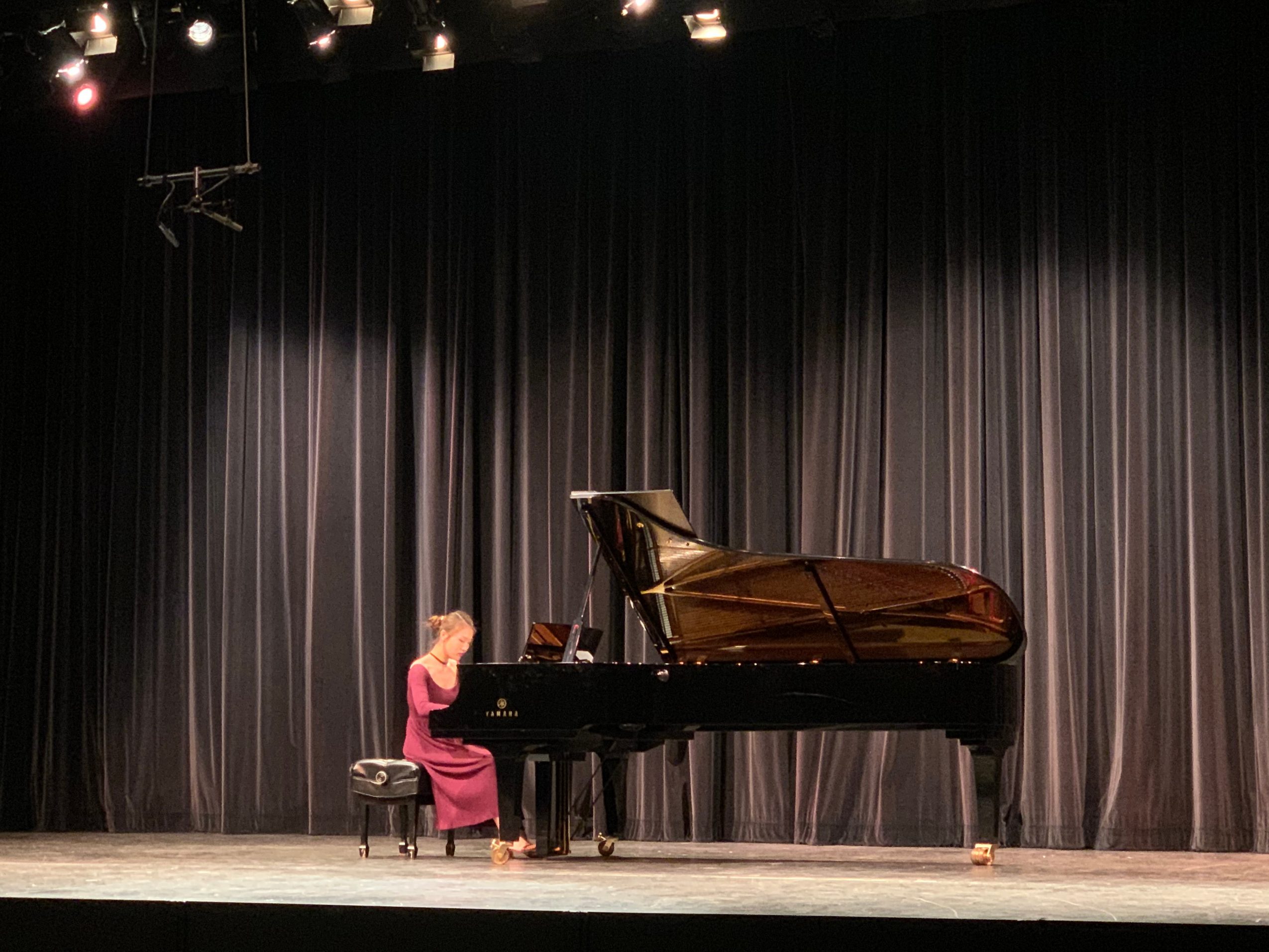
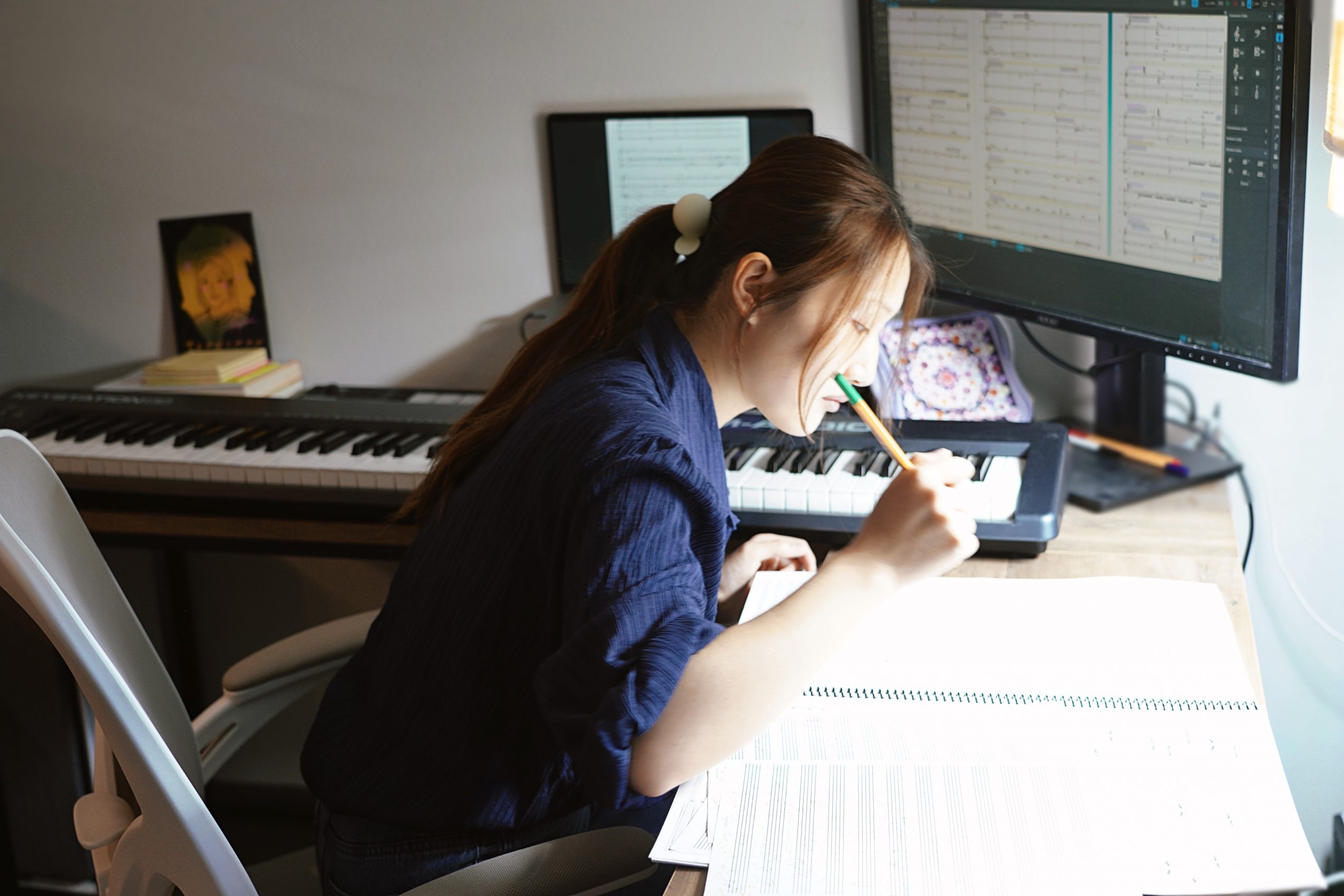
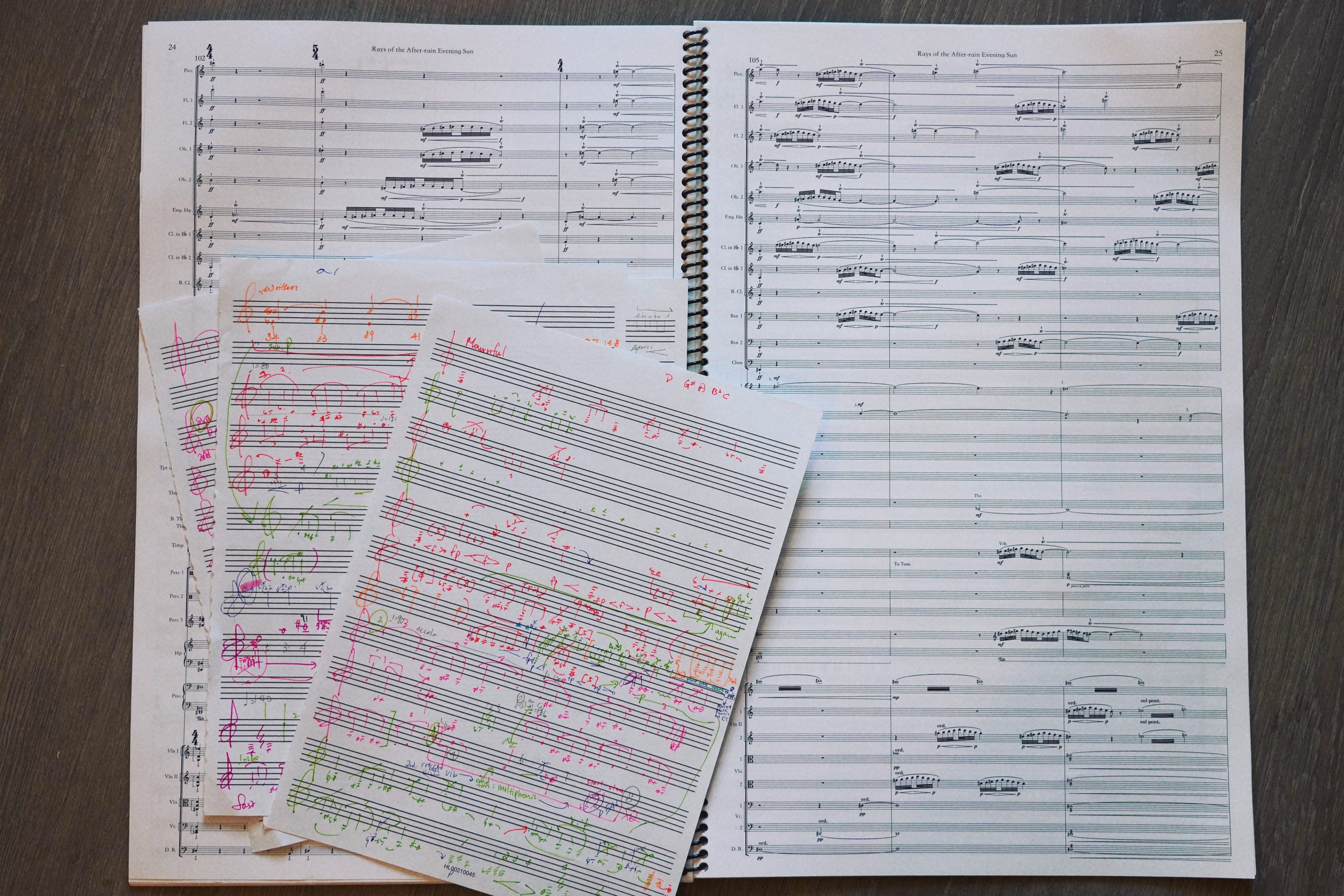
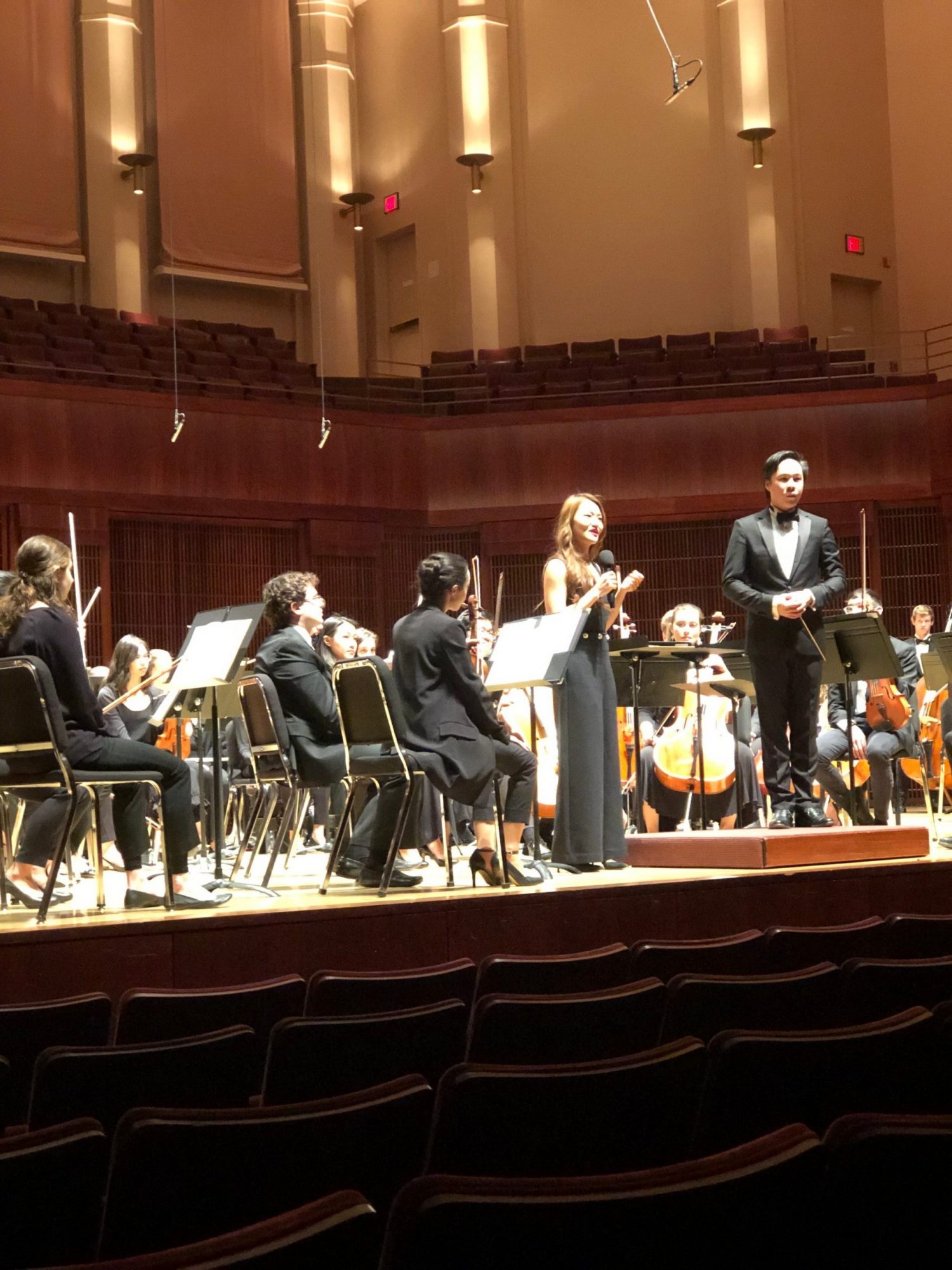
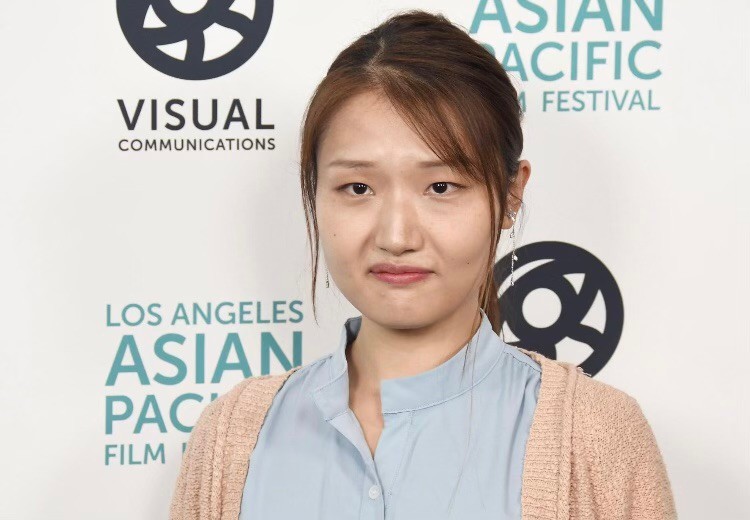
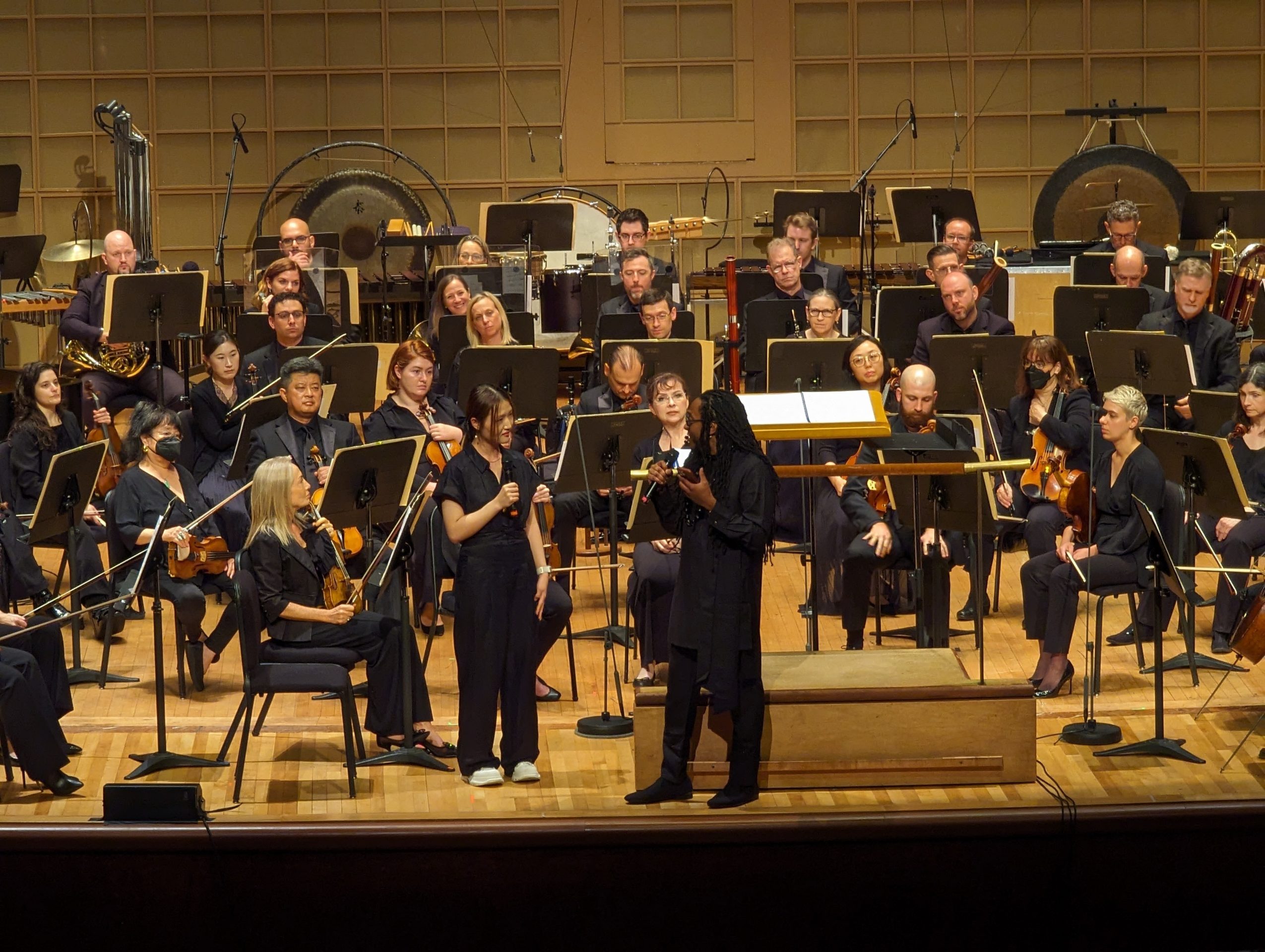
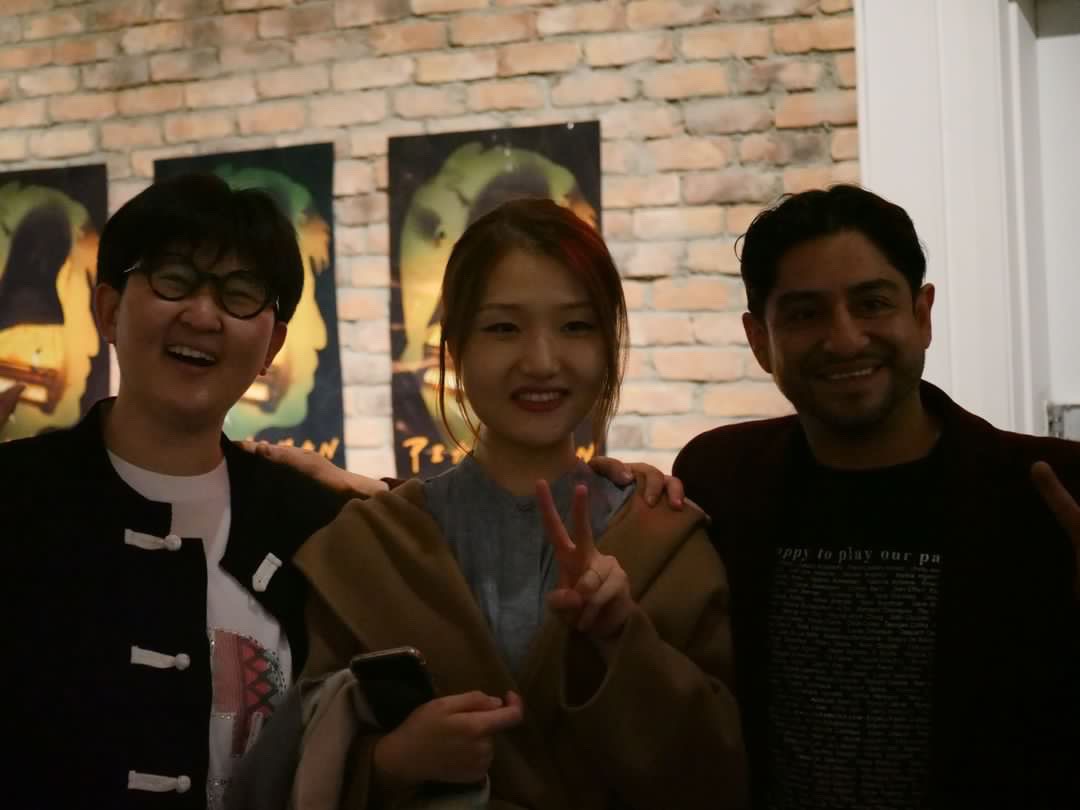 Image Credits
Candace Ho, Sunny Liu, American Composers Orchestra (ACO)
Popular
-

What is something outside of work that is bringing you joy lately?
-

Local Highlighter Series
-
What did suffering teach you that success never could?
-

What are you most proud of building — that nobody sees?
-

Who were you before the world told you who you had to be?
-

If you could say one kind thing to your younger self, what would it be?


