




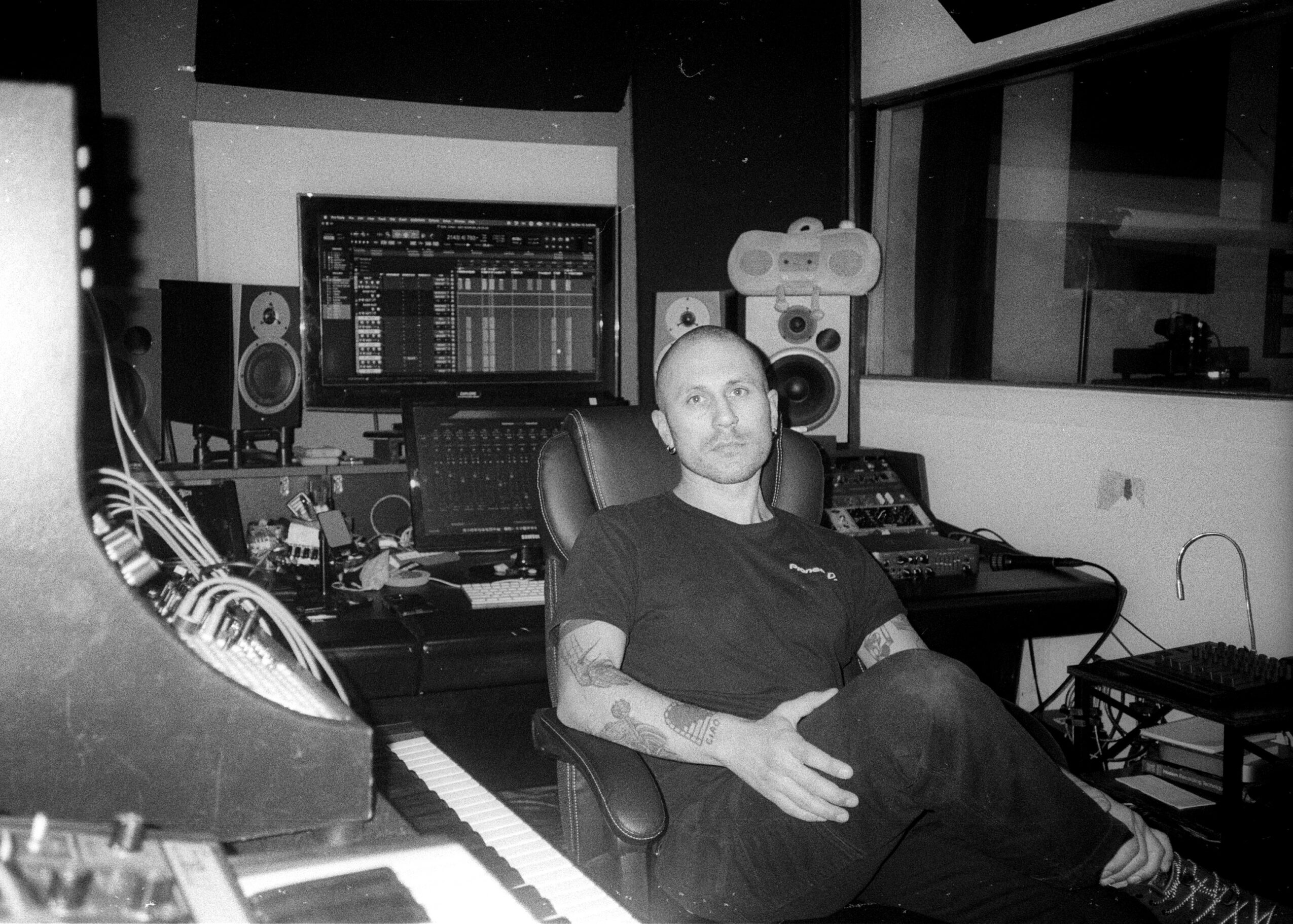
Today we’d like to introduce you to John Rojas.
Hi John, we’d love for you to start by introducing yourself.
The short version is this:
I had met my studio partners, Chung Kwon and Matt Pathmajeyan through the music scene. I played in a band called Dharma and they had one called Waste Age. Through music, we played a lot of shows together and became great friends.
Chung and Matt had started this studio around 2010-2011. I’ll keep this part brief, but during the early stages of having the space, the room next to me caught on fire and burnt half of the place down. At the time, this lockout had six rooms and did not have a recording studio style type of look. When rebuilding the entire place, both Chung and Matt, drew a schematic of this current design layout, and the owner honored their vision and developed the studio-look. Eventually, they both invested some money into equipment and made a business model. But after a couple of years, Chung decided to follow a different career path and Matt started another business.
This is where I come in:
From 2017 to 2019, I was working as a contributor writer for many publications. I got burnt out on the job and started to feel hopeless. I realized that there was no sustainable living as freelance writer, so I decided that I was going to take out a loan and chase a dream of mine: starting a studio. My logic behind this came from already having a collection of equipment, my involvement in the music community, and I have a passion for this trade.
Around 2019, I had started a new band called MACHINEKIT. We played a show in Riverside and Chung happened to be at that show. After the show, we both met up and went to a house party and caught up. As we were talking, I told him my idea of starting a studio, and I remember him saying, “no, don’t do that!” I was taken back by his comment, but then, he immediately mentioned his studio and that I should come check it out.
About 2 months later, at the beginning of 2020, I had some time to check it out. During the visit, I was very impressed. The space had good bones and there was great equipment. We talked about a working deal and what he needed from me. It was all very serendipitous. I asked why me, and he replied, “I believe you’re the perfect person for this space.” I didn’t quite see myself as the “perfect person” for this job, since I felt insecure, but these words inherently stuck with me. I knew that by taking this on, my life would drastically change.
Obviously, I said yes. But yes didn’t mean that I could immediately hit the ground running. In my perspective, the space needed a lot of love. At the time, I had very little money, and whatever I had, I poured into renovations and equipment. I had left the publication space and began doing gig work, so I could have time to focus on this endeavor. Immediately, I learned that this investment wasn’t just about money. There was a lot of reading, a lot of labor, a lot of planning, and a lot of time that went until building this. From the basic equipment to my philosophy, everything deserved attention. Honestly, I was super nervous. I was way in over my head, so I had to focus, educate myself, and get to work.
I couldn’t spend a lot of time with closed doors because I was running out of money, so by March of 2020, I decided to open the studio. However, no one told me the world would shutdown due to COVID. With that said, I just went back to the craft of learning more about the studio and put most of energy back into remodeling.
The entire space needed a facelift, but I couldn’t pay contractors, so I asked some friends for help. I paid them with lunch or whatever I could. During that time, my friends and I changed the floors, did sound treatment, transformed a receptionist room until a living room, and built a small kitchen.
Although I wasn’t equipped to do this, I had no other option. I watched a lot of videos and read a lot of books to get through each process. Lots of trail and error. The studio was more than just sound and gear, it was a gigantic home improvement project.
Covid made things very slow, but it gave me some time to develop a basic business model. It also gave me the space to do some trail sessions with a few bands. Therefore, it was bittersweet. By the beginning of 2021, when the world was opening up, and business slowly started coming in.
Alright, so let’s dig a little deeper into the story – has it been an easy path overall and if not, what were the challenges you’ve had to overcome?
Definitely not. It’s still not a smooth road. I’ll say, it’s bittersweet because running this studio keeps you on your toes. There’s always something to do, something to fix, and something that can be improved. Also, something is always… and I mean always breaking. Chung used to say, “It’s the gremlins, man.” He was spot on.
There are many struggles:
First, the sound and craft is a never-ending struggle because as an audiophile, you’re always learning something new. Learning something new means trying something new. Changing a process and figuring out what works and what’s efficient. A lot of time goes into this process because in order to calibrator a system, whether it’s mixing, mastering, engineering, etc, you need to fail a couple of times before you get it right.
Secondly, like I said, it’s not all sound and gear. I’m constantly remodeling. For example, I’ve been at war with the A/C, since day one. One time my foot went through the ceiling cause I was trying to fix the A/C in the attic. This gave me a new problem, the hole in my roof. After tinkering with air-ducts and air-flow, I eventually got a mini-split A/C, which I installed with a friend back in June of 2025. That within itself was a nightmare. I had no idea how to do it, but I had to figure it out.
Last, but not least, there’s the business side. The “how to run a business part,” which has its own system and procedures. Optimizing each aspect is very important. Developing an easy way to collect money, establishing a functioning rate, troubleshooting the service itself, and having a marketing strategy were all independent factors. I don’t have a team, so I have to organize this myself and keep track of every single part. This is the life force of my business because it’s what brings money and allows me to reinvest into it. This also meant that I had to put myself out there and let people know what I’m doing. Ironically, in the art / music space, like other artists, I don’t promote myself well because I’m at shy at times. I was nervous about being judged or not being supported, which. made things internally tough for me. However, I had to get over myself and get out my shell or I wasn’t going to eat.
As you know, we’re big fans of you and your work. For our readers who might not be as familiar what can you tell them about what you do?
I do many things. Primarily, I’m a creative person. I live and breathe music and gear.
By default, Machinehouse Audio is recording studio, so I primarily specialize in audio and mixing engineering.
In audio engineering, I’ve designed several systems that achieve different results. All bands are different and all genre are recorded differently. Therefore, I take my knowledge of music and I think about the best technical application that would best fit the band. Basically, I’m in service to the band’s organic sound and my job is to problem solve.
As a mixing engineer, I have to mix according to the style and vibe of the band. I believe a great mixer needs to listen to a lot of music to understand different styles. Mixing is subjective, but I think of it as using foundational and experimental techniques to achieve an exciting sound. However, when working with a band, their needs come first.
I am most proud of my perseverance. Honestly, just the fact that I keep this place open is big for me. My blood, sweat, and tears have been inside these walls. Therefore, I’m just proud of myself.
I think what sets me apart is that I am deconstructing studio hierarchies and building a community.
I believe a lot of musicians feel shame and insecure when they step into a studio. I’ve not only seen it myself, but I have also been that person. I’ve gone into sessions feeling very scared just to be belittle by some asshole engineer that thinks he’s better than me because he understands technical parts of sound. The high-brow arrogant vibes is dumb, but it’s a real, non-verbal, subtle thing. That feeling of shame stayed with me, and I don’t want artists to come here and feel that, even if they do need space to grow. I’m fostering learning environment, and it is definitely Anti-gatekeeper related. It’s the same way Chung and Matt taught me. They didn’t hide tricks, tips, information, nor made me feel small. They did the opposite, the made me feel seen. I never forget what they did for me, so I want to give that back.
These ambivalent feelings inspired me to build a community. Machinehouse mission statement is simple: share knowledge, deconstructs the “gate-keeper” mentality of the music scene, and capture magic. Those ingredients help uplift people and bring about the most difficult things inside of them. I’ve seen it. Magic isn’t just an amazing guitar solo or watching the best drummer. Magic is watching a person that is struggling to play a part and not giving up. Watching their visceral perseverance come out of their hands and mind during these difficult moments is truly special. You’re watching growth in real time. Therefore, my job is simple: to let the artist know that I got their back, no matter what.
What makes you happy?
Gear. I love gear.
The whole thing. The privilege to do this. The privilege to have people that I have never met before trust me with their most intimate projects. The privilege to watch people be very vulnerable as they sing a song or smack the drums. It’s a privilege to watch magic happen in front of you. That makes me happy.
Contact Info:
- Website: https://www.machinehouseaudio.com/
- Instagram: https://www.instagram.com/machinehouse_audio/?hl=en
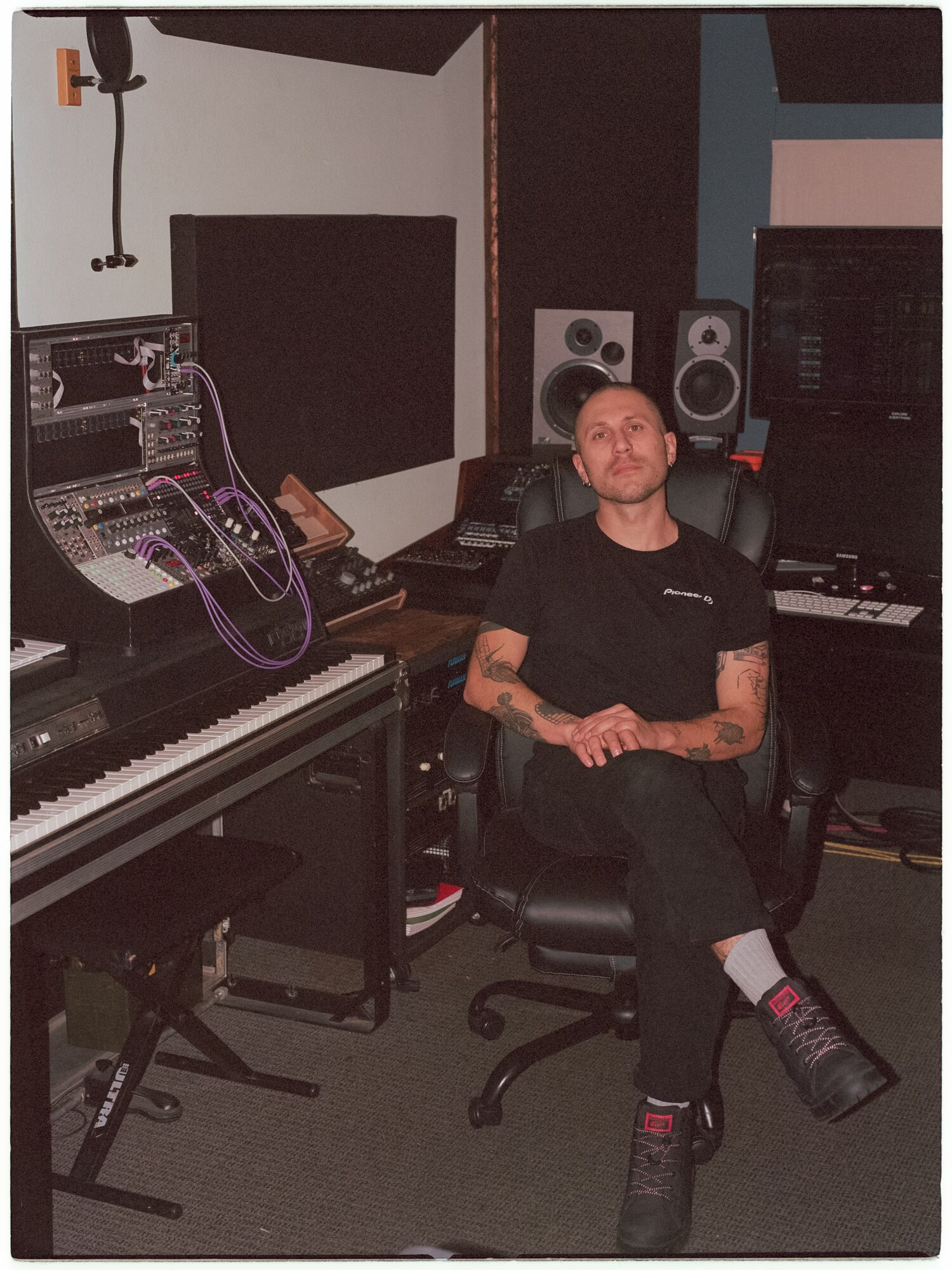
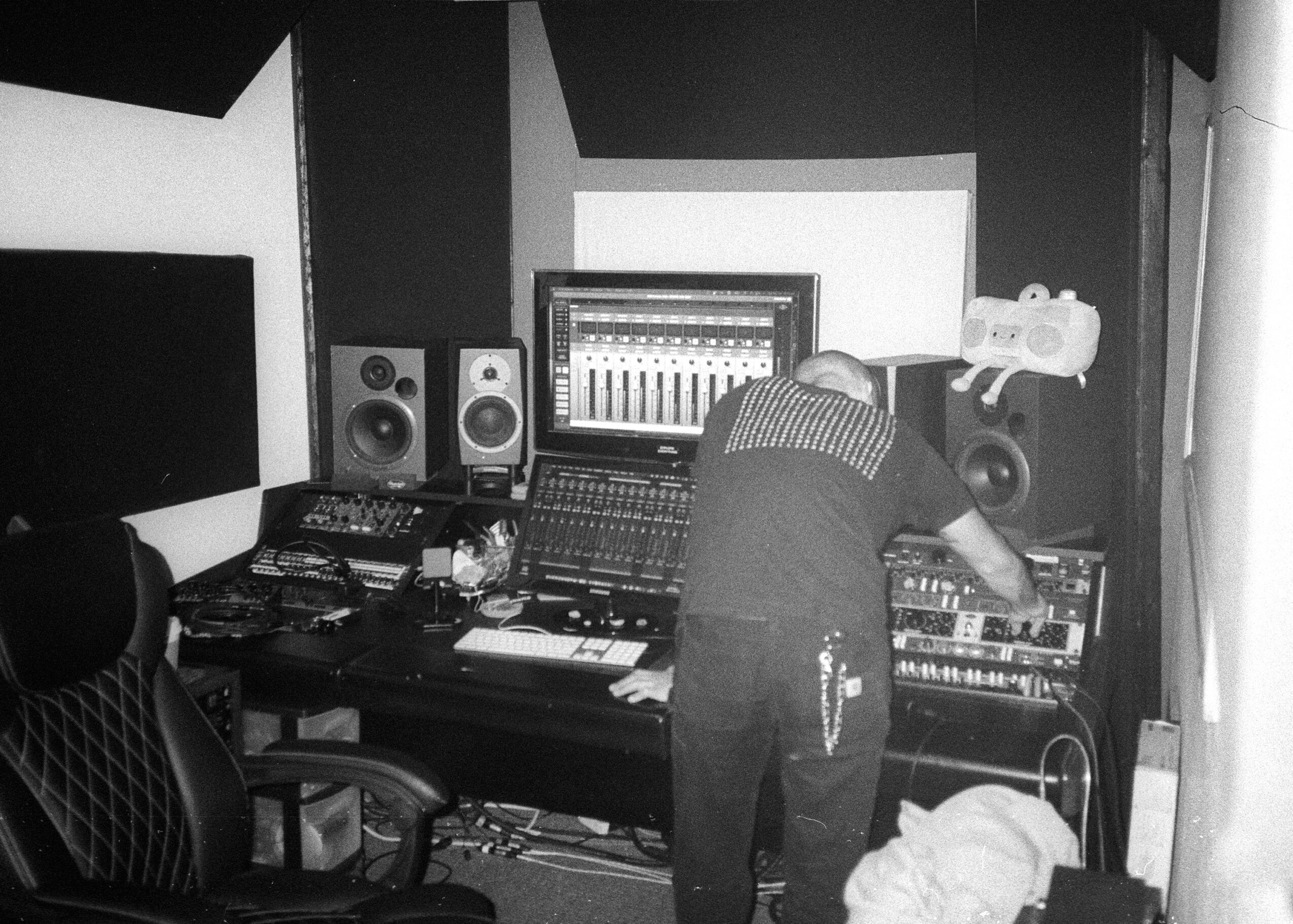
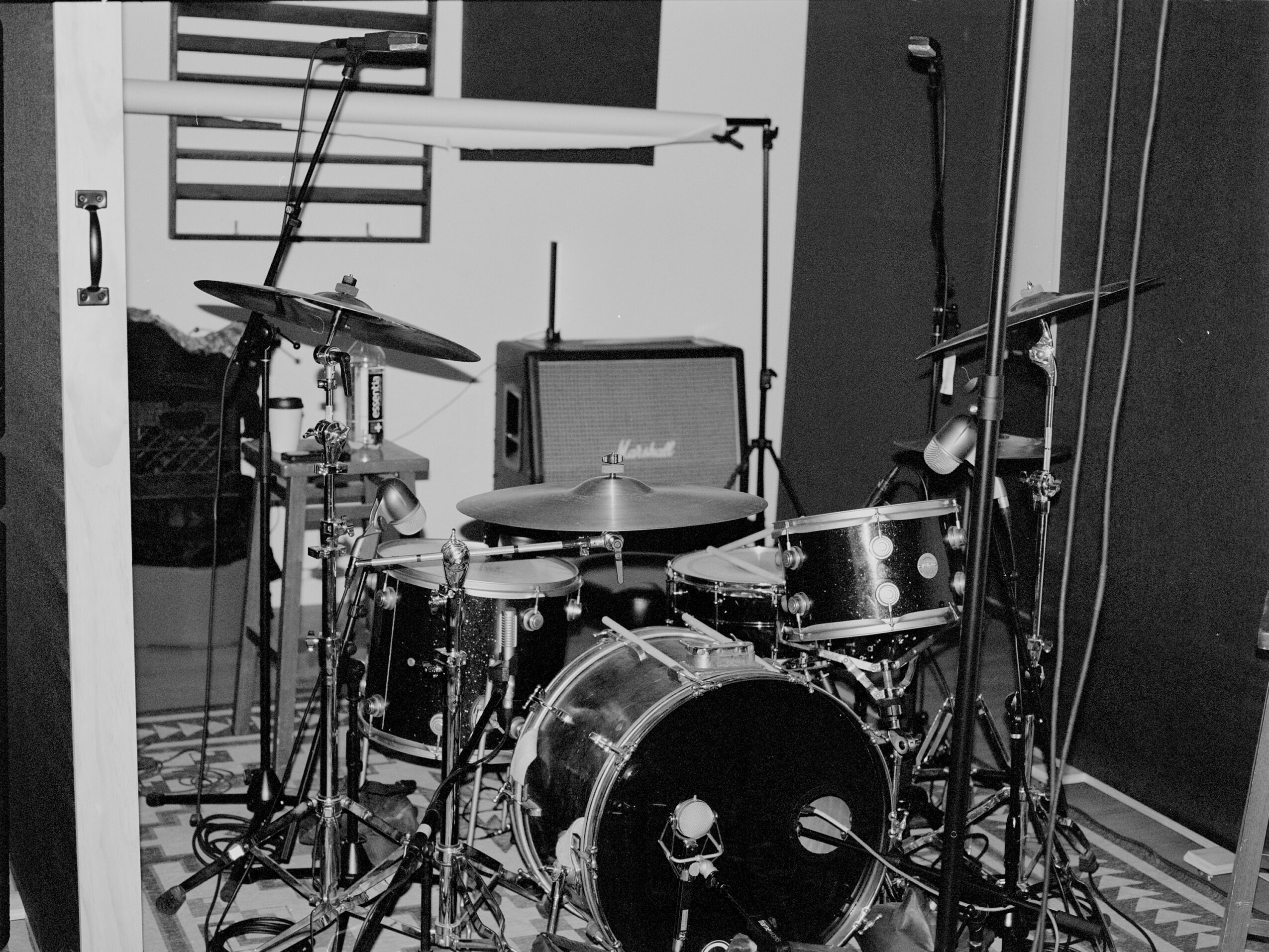
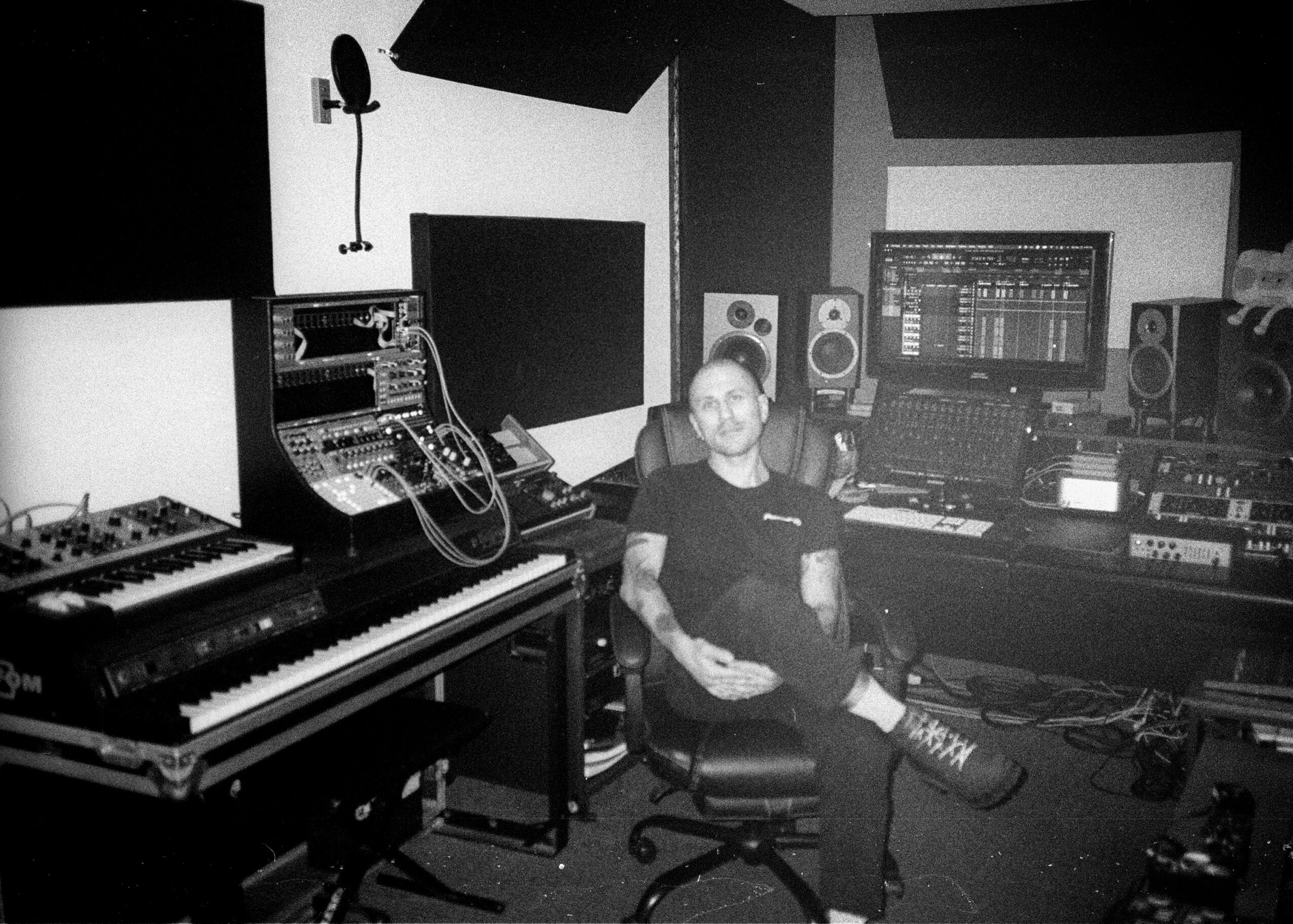
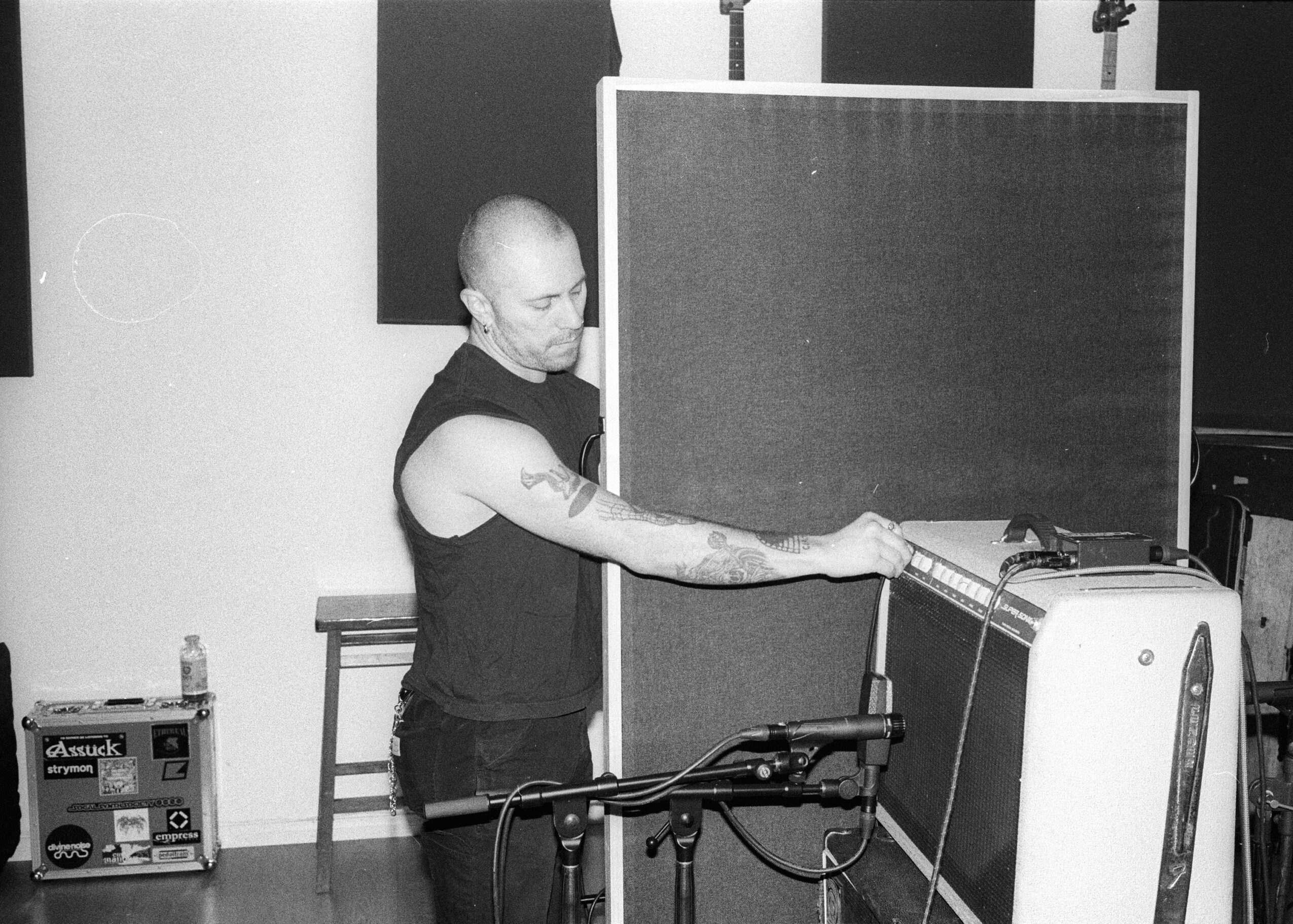
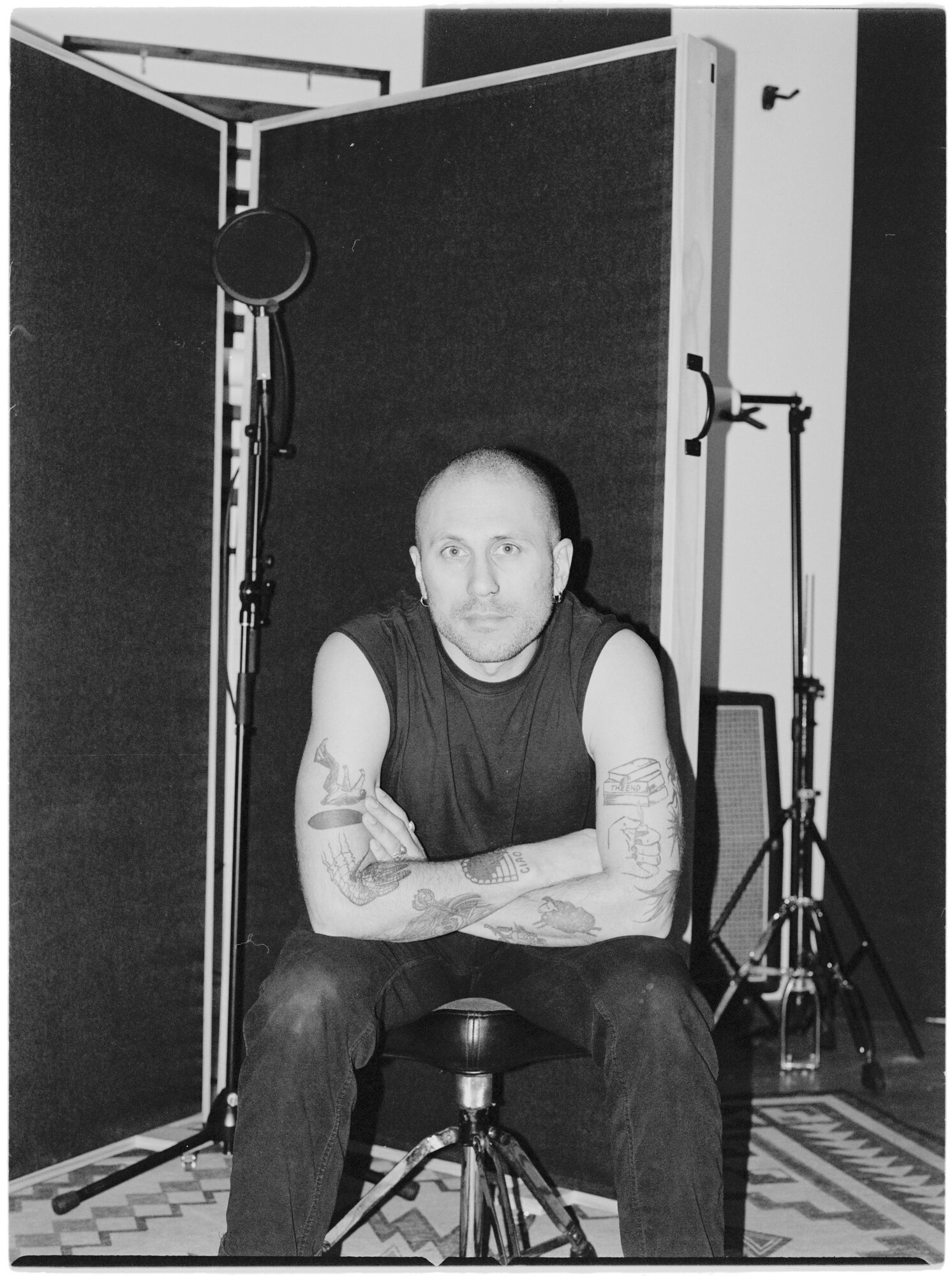
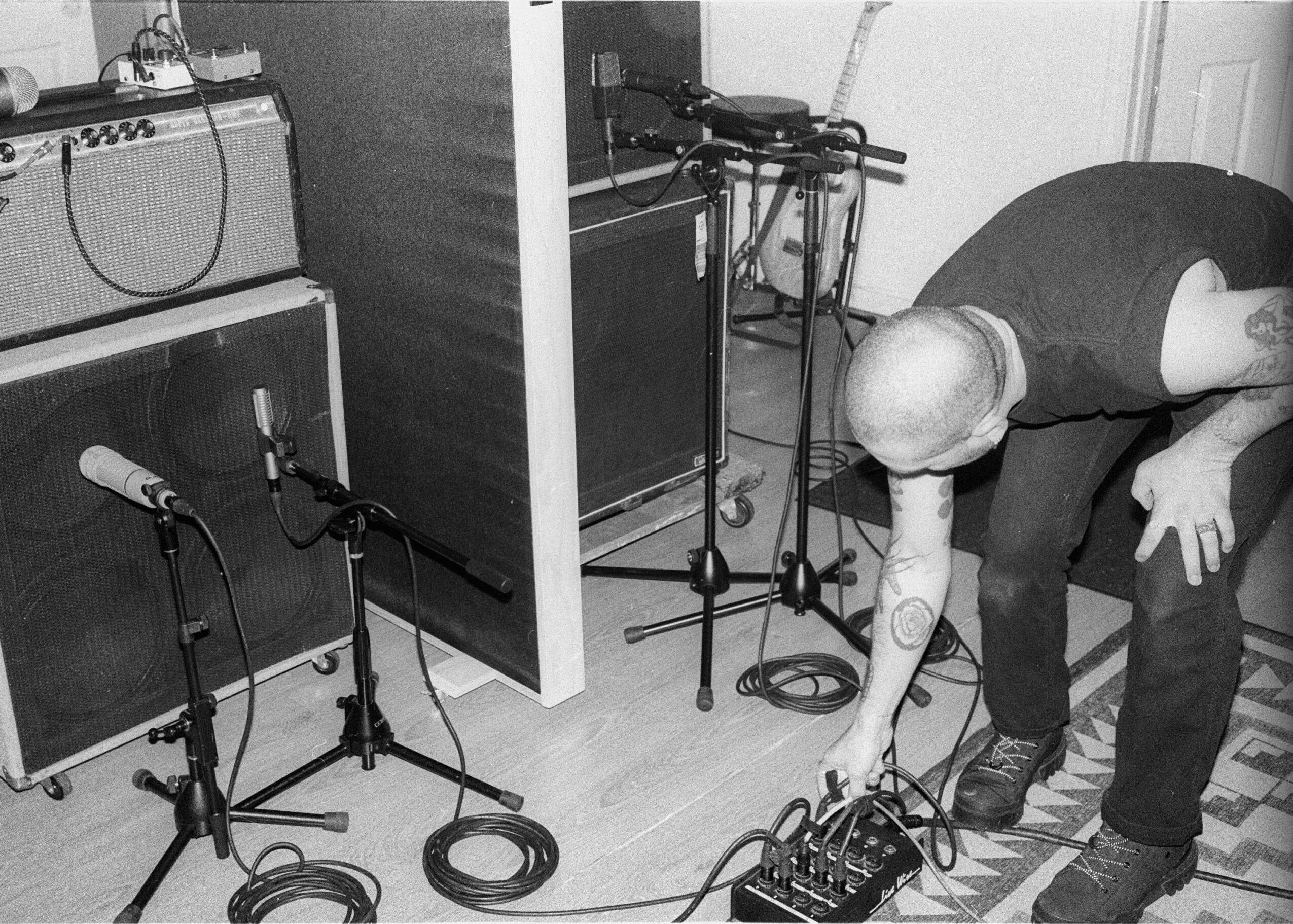
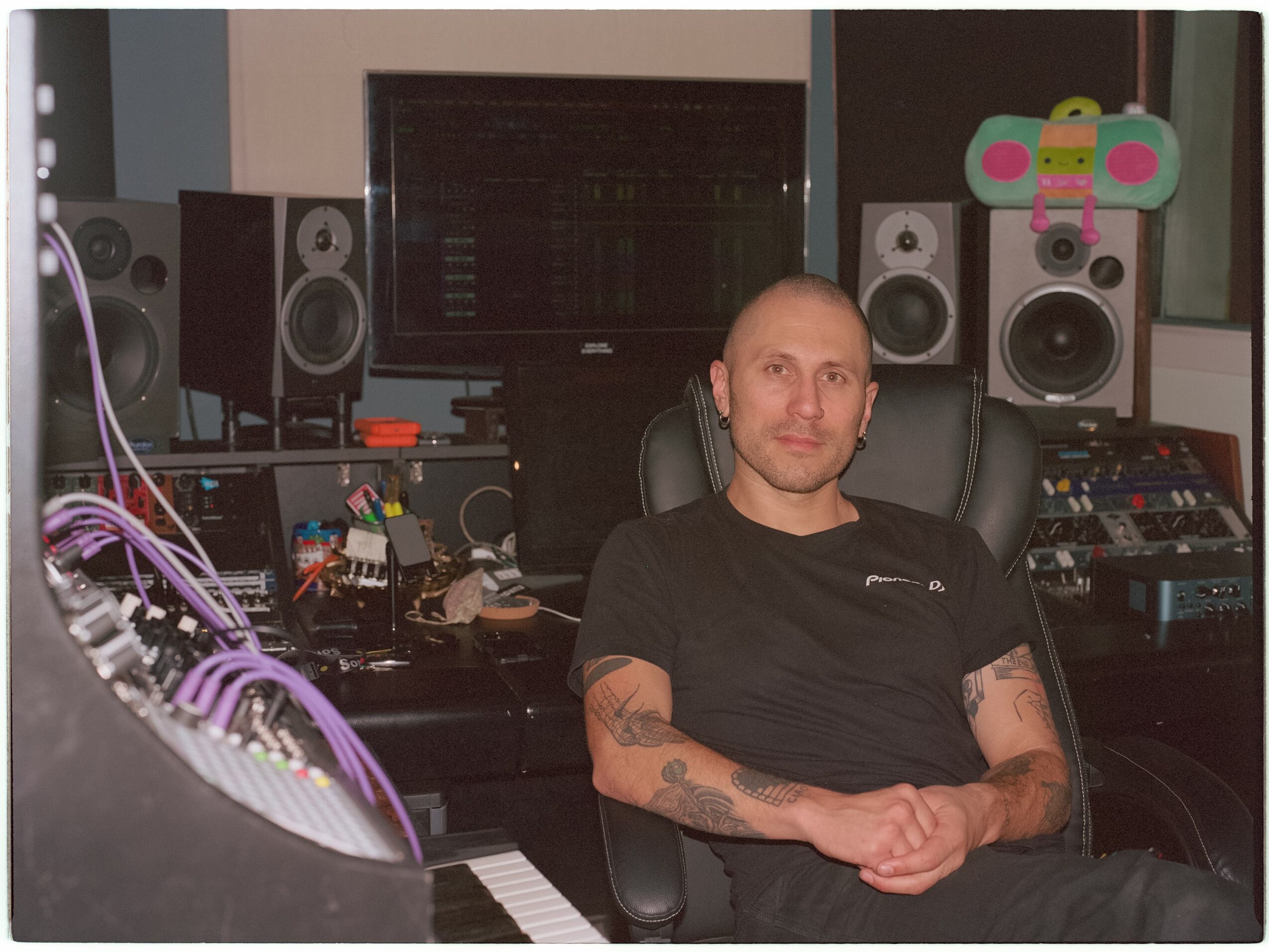
Image Credits
PHOTOGRAPHER – DANIEL TORRES
Popular
-

Local Highlighter Series
-

If you could say one kind thing to your younger self, what would it be?
-

Who taught you the most about work?
-

What is something outside of work that is bringing you joy lately?
-

Have any recent moments made you laugh or feel proud?
-
What fear has held you back the most in your life?


