




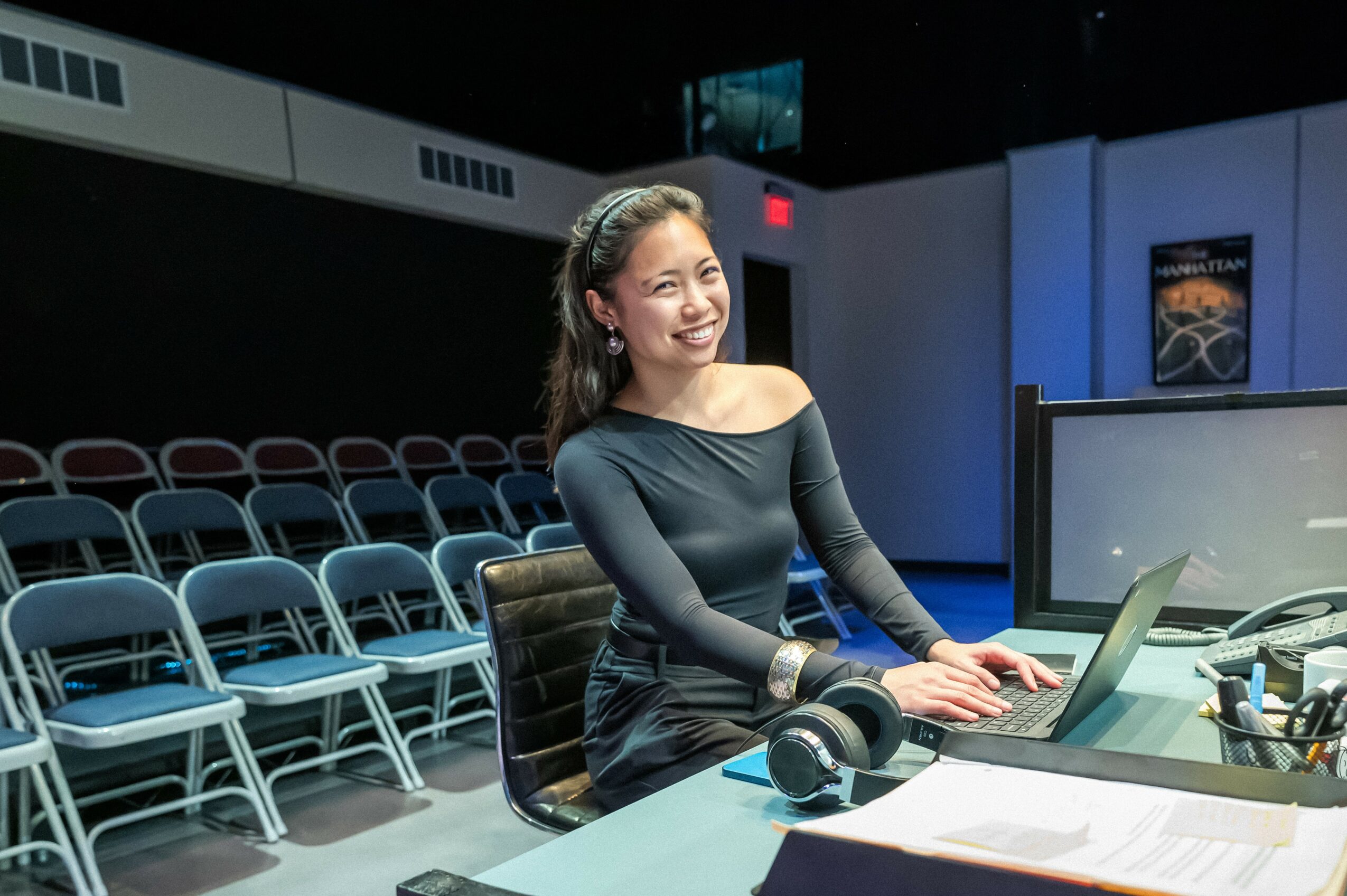
Today we’d like to introduce you to GRETCHEN UGALDE.
Hi GRETCHEN, so excited to have you with us today. What can you tell us about your story?
I grew up moving between Cebu City, Philippines and the Bay Area. As a kid, a lot of things in my life weren’t consistent — I was always adjusting to new school systems and curriculums. What grounded me, though, were my art classes, and those moments in English, Filipino, and history lessons when we explored stories and narratives. Listening to local stories, watching movies, and experiencing art always centered me. Those moments taught me about the universal power of storytelling — how it connects people across cultures, languages, and time.
I’m incredibly fortunate that my parents supported me in moving back to the U.S. for college to pursue art — even when I wasn’t sure exactly what that meant yet. Then, at my community college, I came across a production of The Diary of Anne Frank. I was shocked to see myself in a girl who couldn’t be more different from me — and yet, I did, because I saw a girl whose best friend was her father. That moment made me feel represented in a way I hadn’t expected, especially because, at the time, my own father was still living in the Philippines while I had moved away. I missed him deeply, and seeing that bond on stage opened my eyes to how powerful live performance can be.
That was when everything clicked: I realized that being part of bringing a story to life was what I was meant to do, and that my path was through architecture, sculptures, history, and color — through scenic design.
I transferred to the University of California Irvine to study scenic design, where I continued to learn about my craft, met incredible friends, and began telling stories on stage. I then moved to the Midwest to continue designing professionally. I spent four years designing at the Okoboji Summer Theatre, The Conservatory for the Performing Arts at Stephens College and Maples Repertory Theatre. Each of these experiences strengthened my love for bringing shows to life and collaborating with artists across all disciplines.
Now, I’m pursuing my MFA in Scenic Design at the University of California, Irvine, where I’ve been fortunate to gain regional theatre experience as an Associate Scenic Designer at the Oregon Shakespeare Festival for Efren Delgadillo Jr., and as Scenic Apprentice to Clint Ramos for Hamlet at the Mark Taper Forum.
Now, I’m focused on growing as an artist and storyteller — learning from an inspiring faculty and continuing to design stories that connect people. My dream is to design at the regional level and, one day, to bring to life stories of the immigrant and Asian American experience — and, most of all, stories my granny would love.
Alright, so let’s dig a little deeper into the story – has it been an easy path overall and if not, what were the challenges you’ve had to overcome?
It definitely hasn’t been a smooth road. I remember coming to the realization that this was what I wanted to do — and feeling guilty toward my family for pursuing something that didn’t feel like a “solid job,” especially after all the sacrifices it took for me to come back to the States. Support from family wasn’t always there at first, out of love and fear that a career in the arts might not be stable. Coming from a Filipino background, where family input is so deeply intertwined with self-worth, it took me a long time to come to terms with my choice and to truly believe in myself.
I also remember how intimidating it was in undergrad to pursue something I knew so little about. I was studying alongside people who already had theatre experience from high school, and later, in scenic design, others seemed miles ahead of me. It was a journey to quiet that noise, trust my own pace, and focus on my growth. If I could tell my younger self anything, it would be not to be nervous about not knowing — because it was through the passion to show up anyway, and the bravery to keep learning, that I found the experiences giving me confidence today.
Working as a woman in the technical and design side of theatre has also brought its challenges. Scenic design can often feel like a male-driven field, and I’m still learning how to navigate that space. I’m deeply grateful to the mentors and colleagues who have offered guidance, support, and encouragement along the way!
Thanks – so what else should our readers know about your work and what you’re currently focused on?
I’m a theatrical scenic designer who loves building worlds around human stories. What draws me to scenic design is the collaboration at its core — nothing is ever made alone. Every process shifts depending on the play, the team, and what’s happening in the world at that moment. I love the “aha” moments that happen in a design meetings, in the shops, and during tech rehearsal with the director, designers, artisans, stage managers, actors and technicians — those moments where something suddenly clicks and the production continues to shape itself in ways that feel honest and unique.
Growing up between the Philippines and the States made me sensitive to the emotional life of places. I’ve always noticed how a room can hold memory, history, belonging, or contradiction, and that awareness shapes the way I design. I’m drawn to creating spaces that feel lived in — worlds that understand the people inside them. In my process, I especially love using color and texture to shape the mood or emotional arc of a story.
In my work — whether it’s designing a New York office that shifts into Los Angeles for Gloria, creating a vibrant nostalgic world for Grease at Okoboji Summer Theatre, or developing a large-scale immersive Journey Through Oz concept — my goal is always the same: to understand how the audience will feel inside the space. I care about what a wall communicates before an performer enters. I care about how a doorway invites someone into a character’s world. Scenic design, for me, is storytelling through space.
I think what sets me apart is the balance I hold between emotional intention and technical craft. I love the discipline of drafting — from traditional hand-drafting techniques to building 2D/3D spaces in Vectorworks — and I’m excited by the challenge of translating human emotion through technical drawings, models, and software. But the technical work always serves the heart of the piece. I’m constantly searching for that “human heartbeat” in a design problem and finding the right visual language to express it.
I’m also proud of the collaborative communities I’ve been a part of. I’ve had the privilege of assisting designers I admire, designing at theatres that shaped me, and leading interdisciplinary teams on immersive projects during grad school. Those experiences taught me that generosity, clarity, and empathy create the strongest artistic environments.
Ultimately, what drives me is the intersection of narrative and place, and the people I get to create with. I’m interested in designing not just what a world looks like, but what it feels like to exist within it. That moment when someone steps into a space and immediately feels something — that’s why I design. Creating that kind of connection is the magic of theatre for me.
We’d love to hear about any fond memories you have from when you were growing up?
My favorite childhood memory was entering my high school beauty pageant on a whim, with my dad stepping into the role of my stage mom. I honestly felt like I had no business joining. My homeroom teacher announced that our class needed a representative, and I raised my hand without thinking. No one objected. I remember feeling like I needed this — to feel special in a way I didn’t often let myself feel.
When I got home, I went straight to my dad’s room to tell him I had entered. His reaction shocked me.
He said, “Why would you do that? I’m very against these pageants. They’re not healthy for young girls. For someone to win, it means someone else will feel like they didn’t.”
I walked out stunned, and honestly a little hurt. I sat with it for a moment, thinking about why I volunteered in the first place, and then I went back to him and said, “In my class, there are six of us girls. One is known as the dancer, one is known as the singer, one is smart… everyone is known for something — except me.”
My dad got very quiet. Then finally he said, “If we do this, we’re going to make it fun. The whole process should be fun.”
From there, it became our project.
We prepared for all four portions of the pageant — Talent, Walking, Sports, and Evening Gown — and we approached each one with humor.
For Talent, we went to the local magician at the mall kiosk and paid him 500 pesos (about $11 USD at the time) to teach me a few magic tricks. My dad thought it was important that the talent be fun and unexpected.
For Walking, he coached me like a very earnest, very hilarious runway trainer. We visited three dress-rental stores and tried on gowns, and all the ates working there got so invested in picking the “winning dress” that it became a whole event.
For Sports, we went with a childhood favorite: rollerblading. It was nostalgic and very us.
For Q&A, my dad said he saw his favorite drag queen begin their answer with, “First of all, I want to thank you for that beautiful question…and second of all *proceeds to the answer*” and we enjoyed practicing saying it for days.
What I remember most is not the competition, but how the fun we created made the room feel less intense and less competitive. We invited joy into the process, and it made everyone — not just me — relax a little.
The most surprising part was winning.
I had struggled with confidence for so much of my childhood, so the title itself was sweet, but the real shift was realizing I had the best dad in the world — someone who challenged me to think about my choices, but stood beside me when I needed to grow. That experience didn’t just make me feel special; it made me feel seen, supported, and loved in a way that has stayed with me ever since.
Contact Info:
- Website: https://www.gretchenugalde.com/
- Instagram: https://www.instagram.com/gretchendianeugalde/
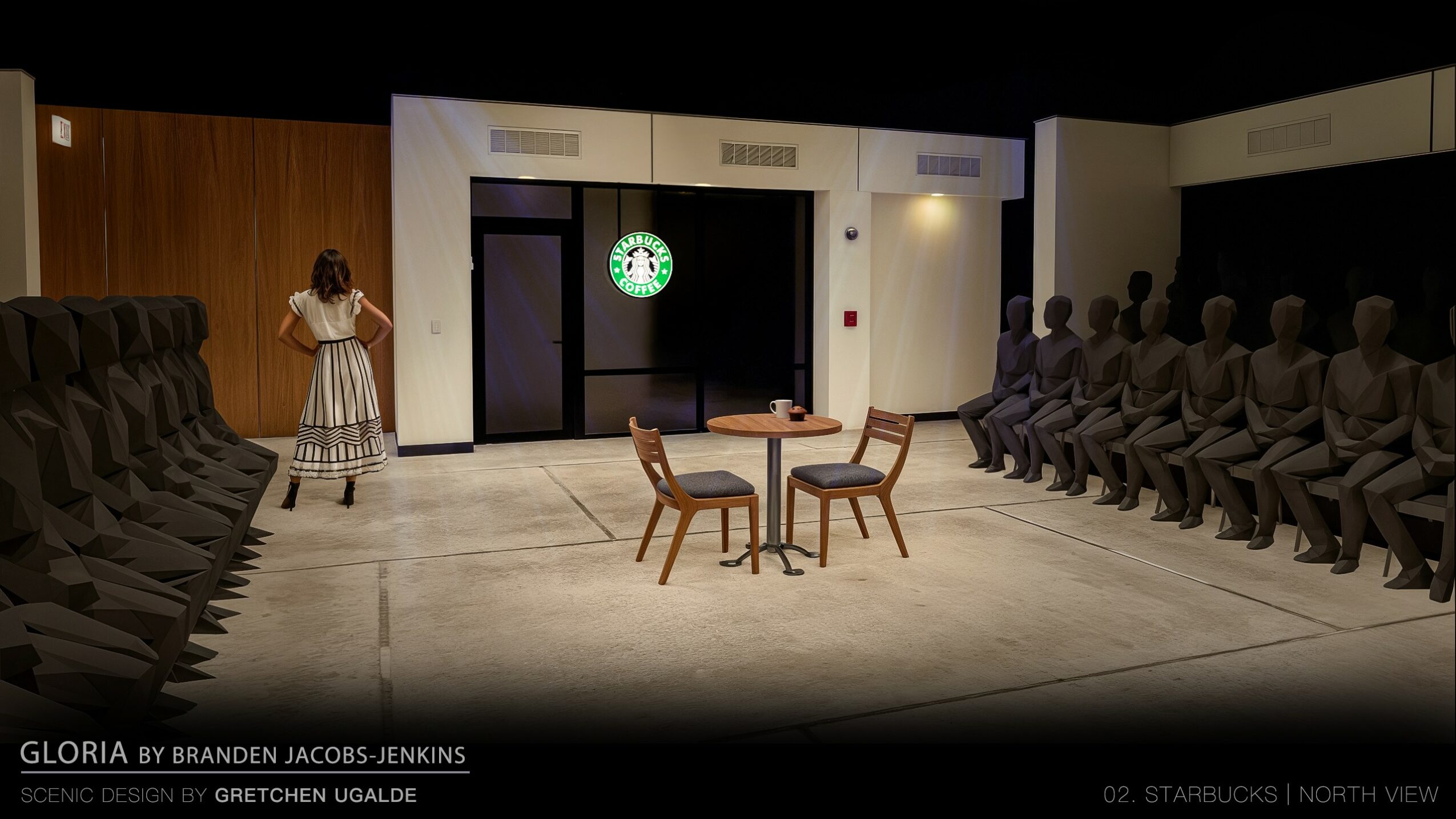
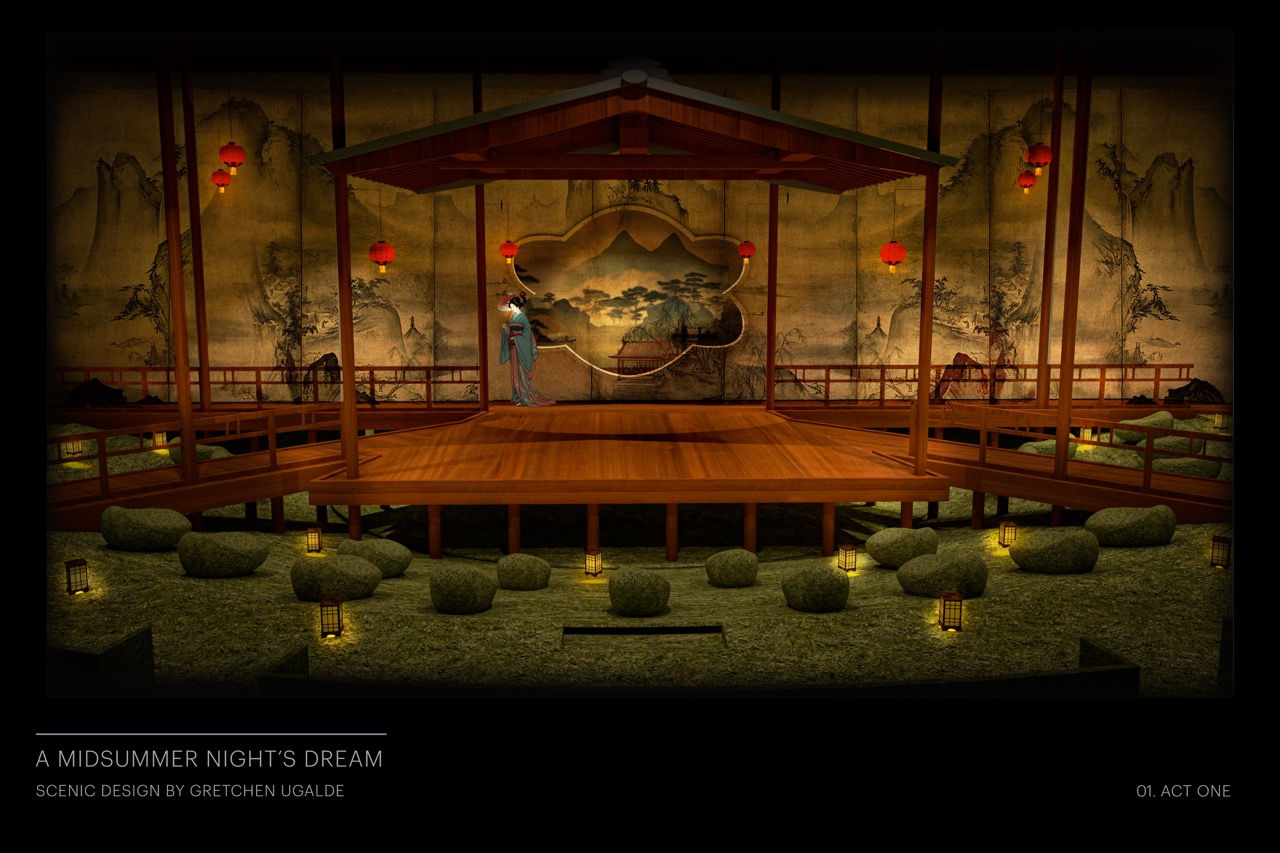
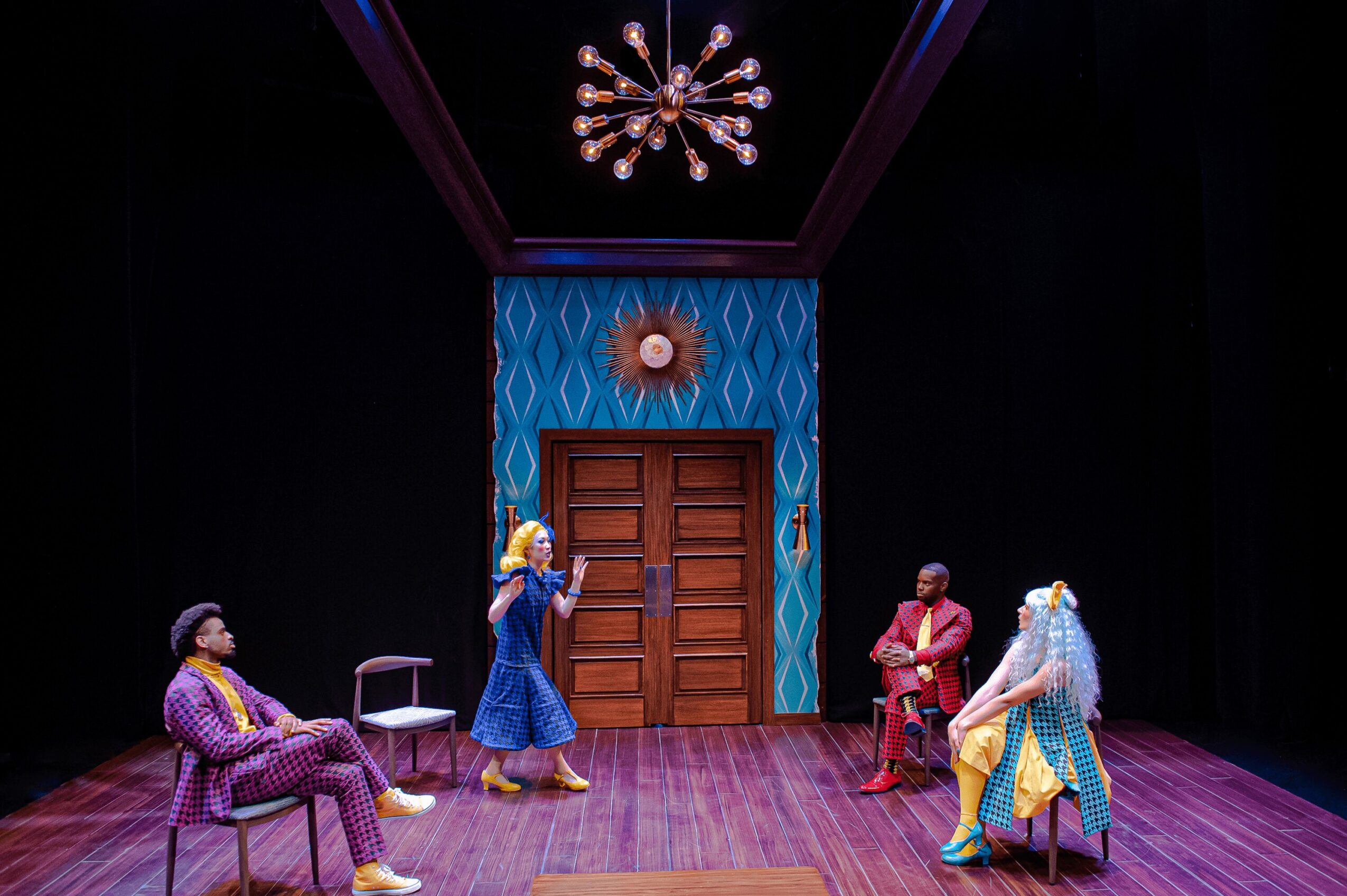

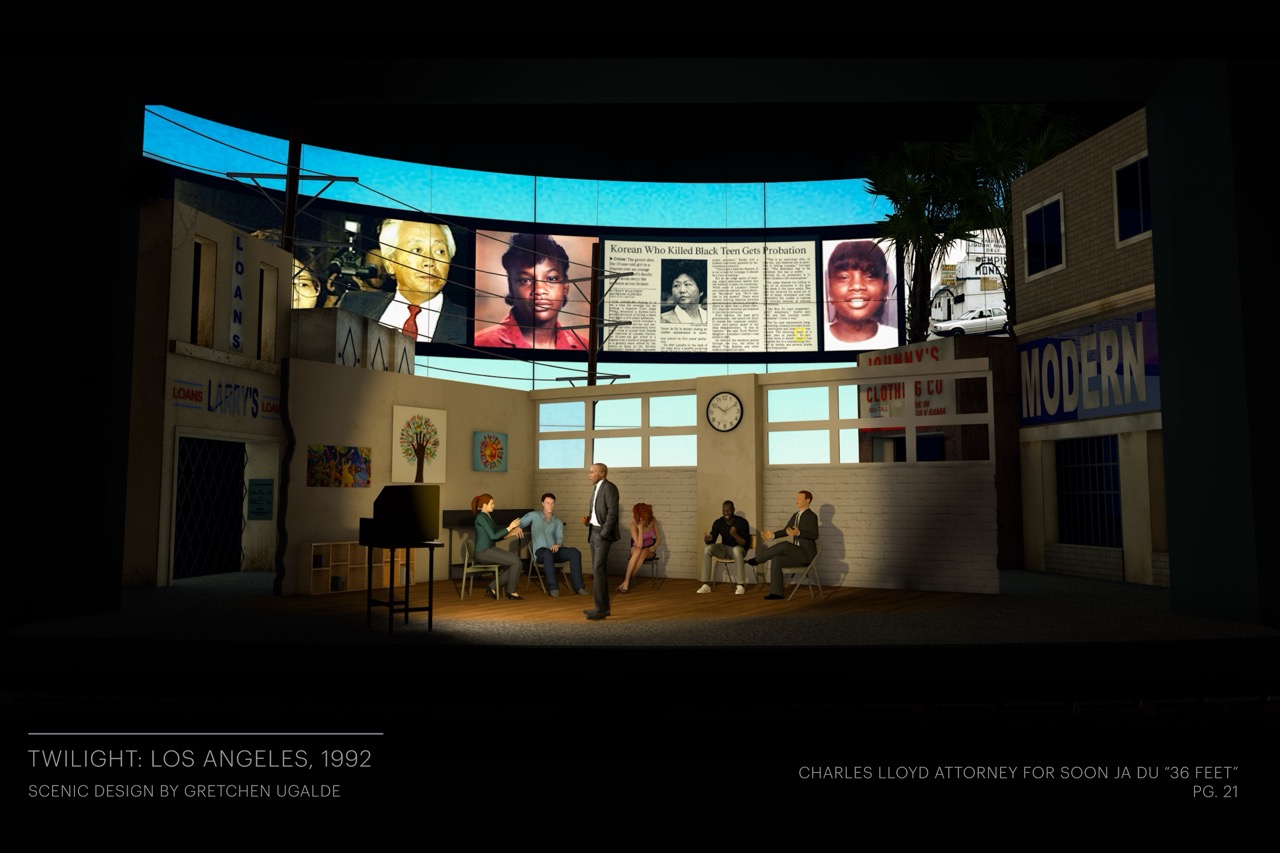
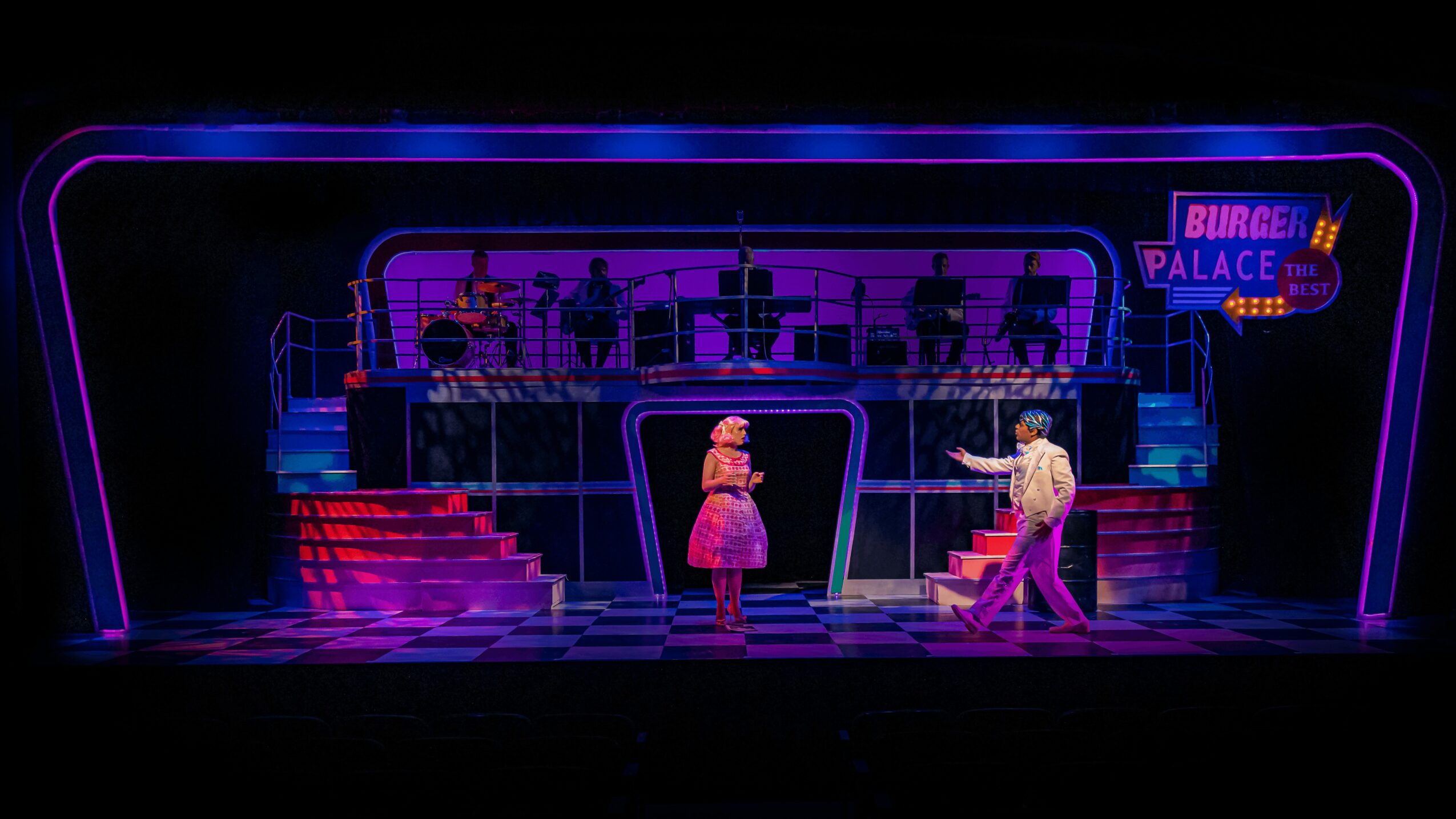
Image Credits
Personal Image, by Jeanine Hill.
Picture of 3 posters for production of Gloria, shot by Jeanine Hill.
Picture that includes 4 performer for production of The Bald Soprano, shot by Isaak Berliner.
Popular
-

What is the story you hope people tell about you when you’re gone?
-

Who were you before the world told you who you had to be?
-

Was there ever a time you almost gave up?
-

What is something outside of work that is bringing you joy lately?
-

Who saw you clearly before you could see yourself?
-

What are the biggest lies your industry tells itself?


