


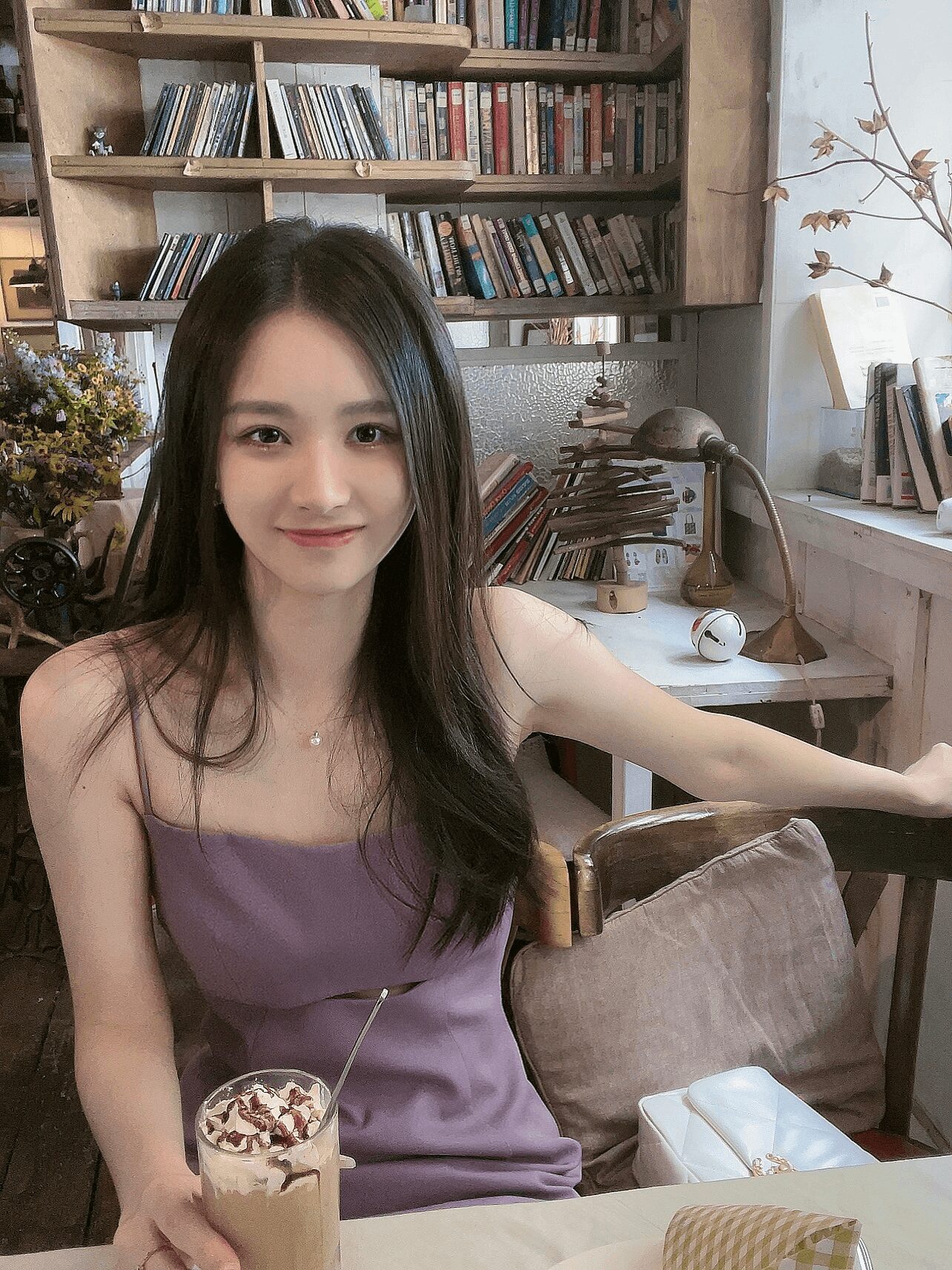
 Today we’d like to introduce you to Amanda Huang
Hi Amanda, we’re thrilled to have a chance to learn your story today. So, before we get into specifics, maybe you can briefly walk us through how you got to where you are today?
Maybe a pearl collector on the beach.
How do I define myself?
Raised by my grandfather, a renowned local calligrapher, I have been interested in a
diverse area of arts and many disciplines since my childhood. I play the zither, a Chinese
classical music instrument, in my spare time. I like reading art history and spending a whole
day in the museum to feel the aura of art pieces. I love classical Chinese poetry and East Asian
cultures, especially the idea of transient beauty and the charm of aging in Japanese aesthetics.
I also find philosophy and psychology attractive to me.
It was not until I took an “introduction to film” class in my sophomore year at Mount
Holyoke College I figured out what I wanted to do among these numerous interests. The
professor introduced that class with a painting I had just learned about in my western art history
class, Marcel Duchamp’s Nude Descending a Staircase, No.2. Sitting in the front seat and
looking at the screen, I felt the sense of movement Duchamp portrays in the work and the
connection between paintings and cinema. In the first nineteen years of my life, I watched film
only as a relaxation. For the first time, I realized that film, which includes several elements that
I have been fascinated by, is a new world that I would like to devote myself into exploring. I
used to be puzzled by the wide range of hobbies I have, but it turns out that they are pearls and
have been strung into a chain by film.
As I continued to explore, I kept finding more intersections between cinema and my
favorite areas of interest. My passion for these subjects not only led me to dive deep into the
critical study of cinema but also offered me some creative ideas when I started to tell my own
stories with film. Since graduating, I have been studying directing at Chapman University’s Dodge College, applying the theories I learned in film analysis to the stories I create, and continually exploring my own visual style.
Would you say it’s been a smooth road, and if not what are some of the biggest challenges you’ve faced along the way?
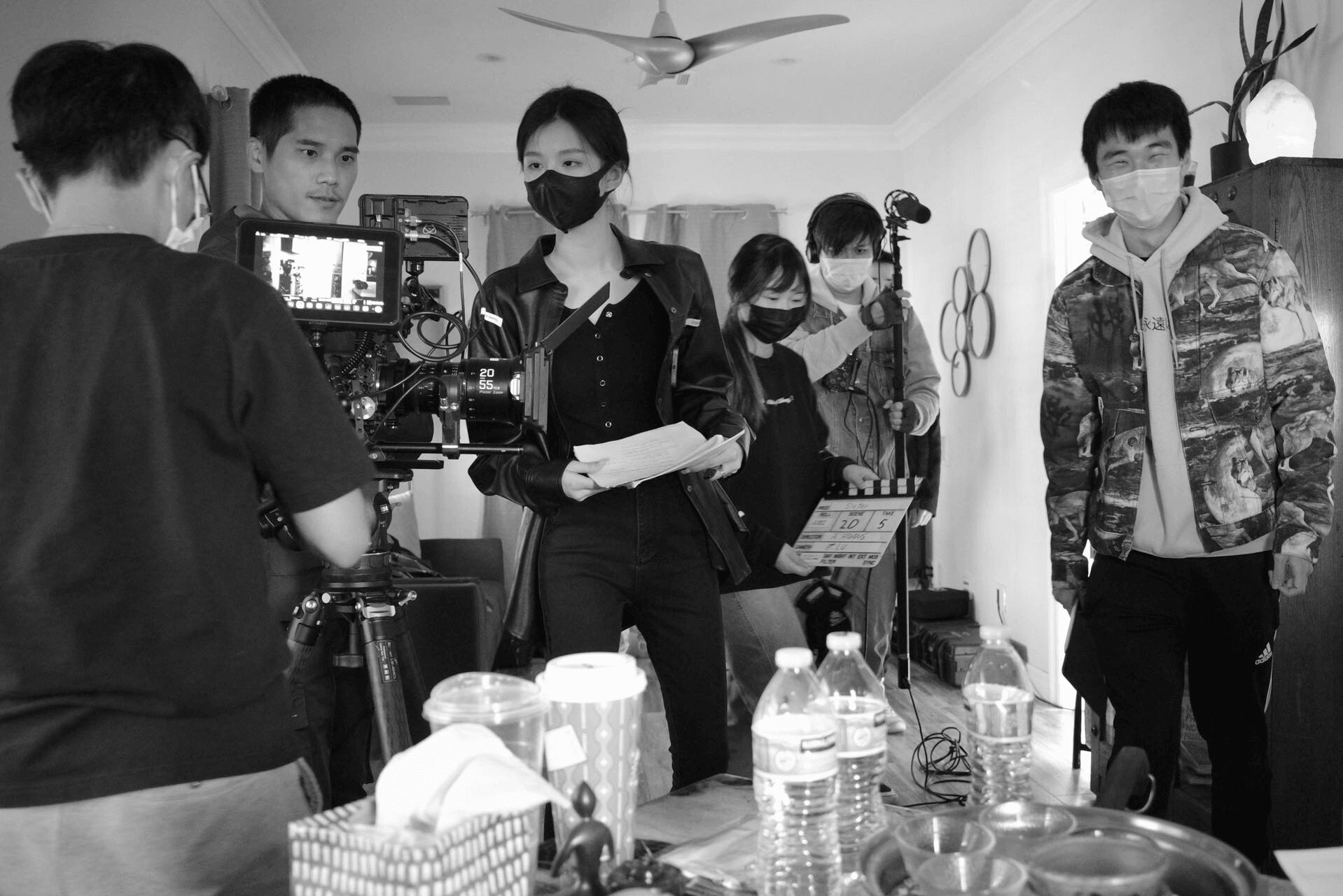
As a female filmmaker, I tend to pay more attention to women voices and choose female characters as subjects for my films. However, being in the film industry as a female filmmaker, there are still many moments when I encounter stereotypes and biases. For example, when I first started working as a production assistant on a film crew in China, I noticed that female crew members were in the minority, and we were prohibited from sitting on camera cases because, in Chinese, it is a homophone for the camera ‘losing focus.’ Later, when I worked as a director and production designer on set, I was often mistaken for an actress or another role until I introduced myself, and only then did some of the crew realize my position.
Thanks – so what else should our readers know about your work and what you’re currently focused on?
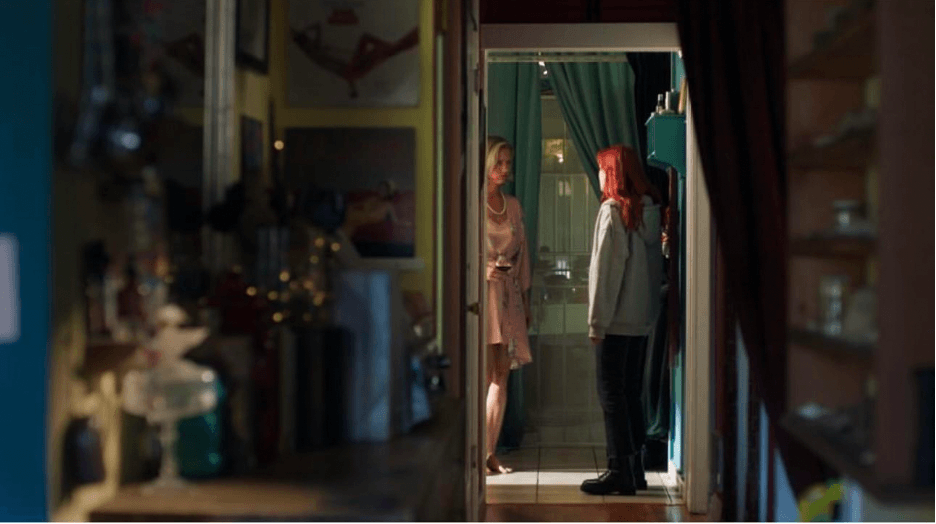
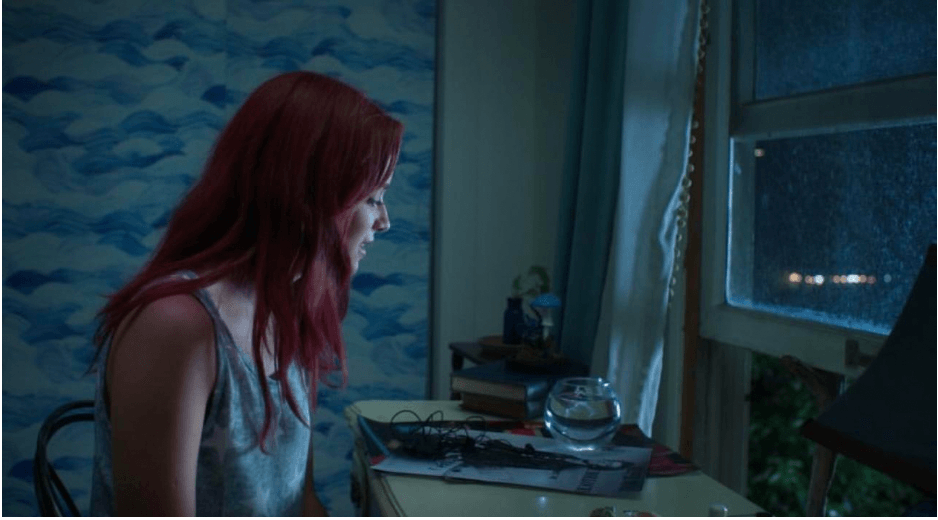
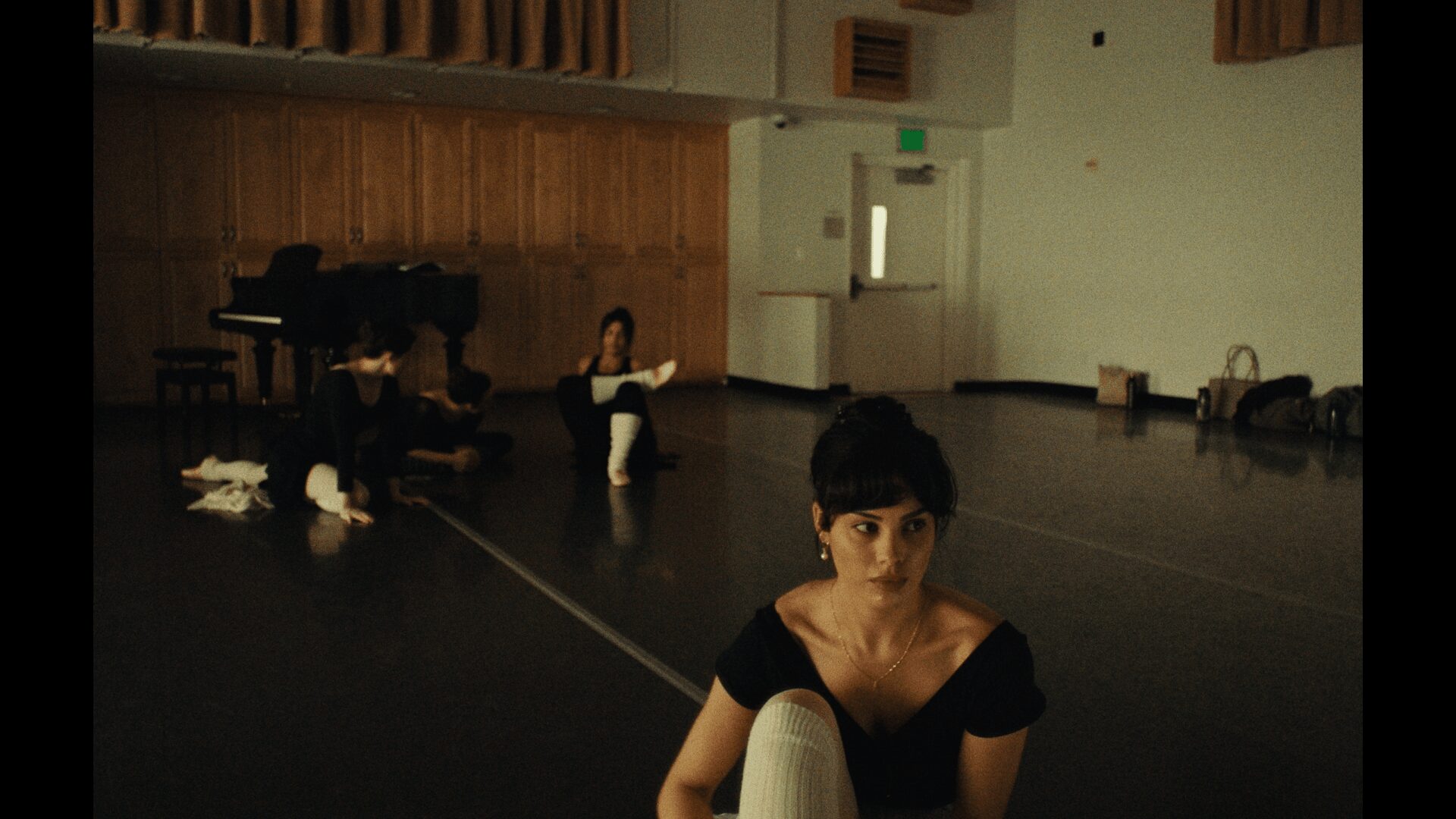
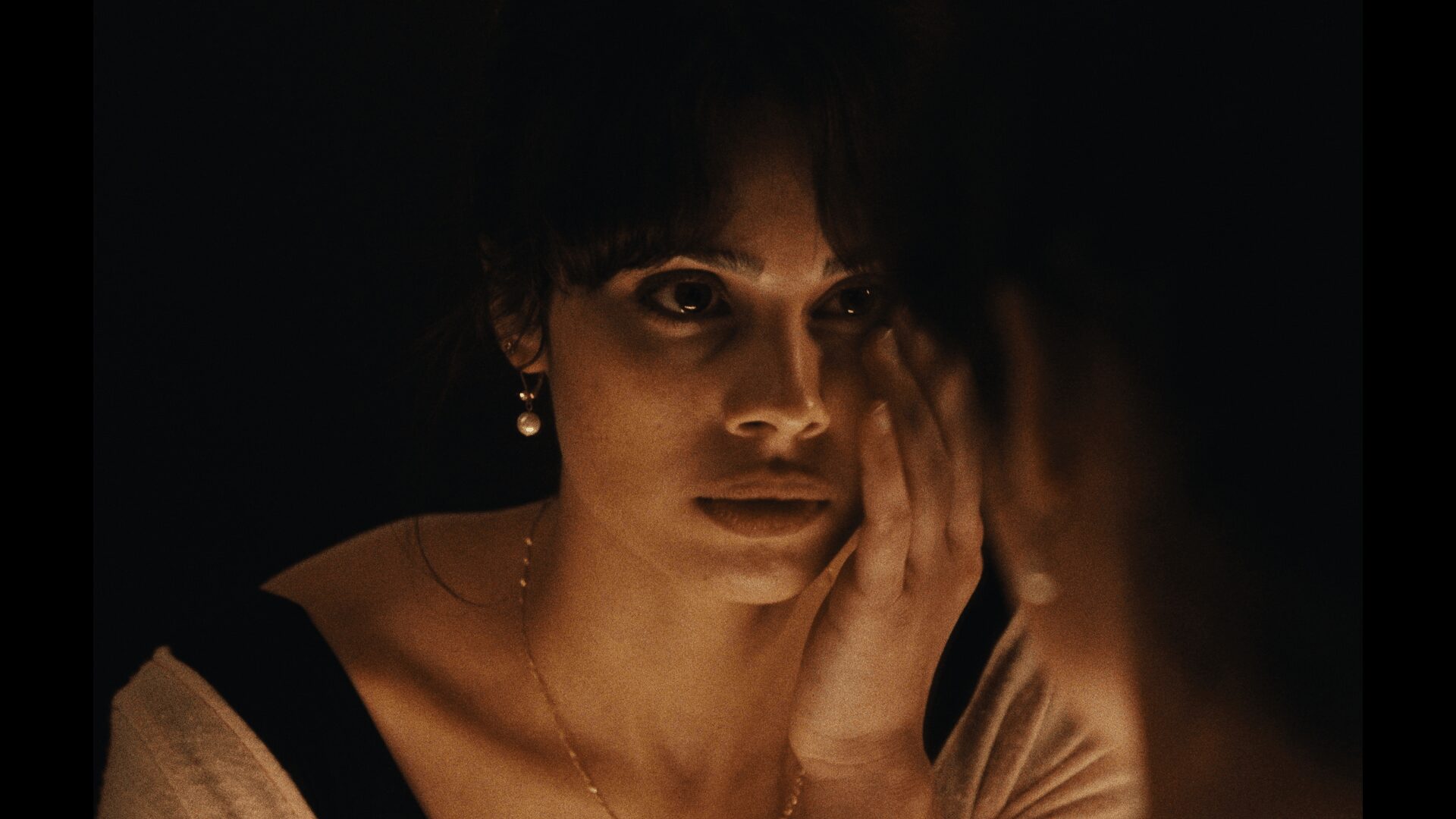
As I transitioned from focusing on film theory and studies to actually telling stories and finding my own voice, I gradually realized that my previous research in philosophy and traditional Chinese poetry and painting is deeply influencing my film style. In my stories, I often present a relatively open ending. The protagonist may achieve what they desire, but they also lose something important in the process. I choose not to reveal the character’s attitude toward this outcome, leaving everything for the viewers to judge. For example, in a previous story about a ballerina, the girl fights hard to secure the lead role, but in doing so, she distances herself from her boyfriend and friends, ultimately standing alone in the spotlight. I believe this is akin to philosophy, which always poses questions instead of giving answers, because the process of exploring answers is more important than obtaining a specific one.
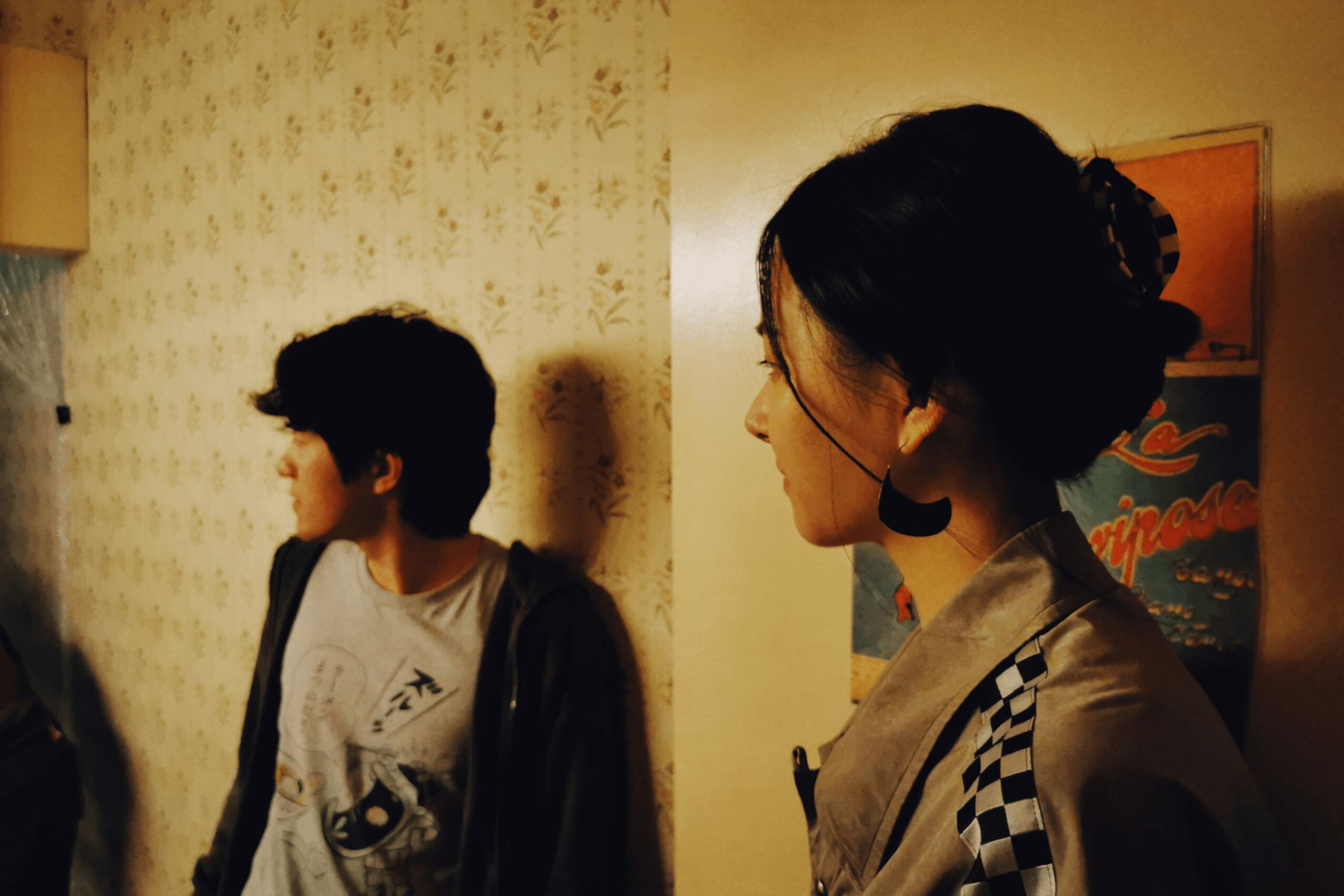
On one hand, the subtle emotions and slow pace in Asian culture influence my scriptwriting and visual style. The synesthesia in poetry and the blank spaces in ink paintings can similarly be applied to film, conveying the protagonist’s subtle emotional changes to the audience. On the other hand, as a Chinese director making films in the United States, telling stories in different cultural contexts challenges me to find a balance between integrating Eastern and Western cultures, embracing a broader audience while maintaining my unique style and exploring my storytelling voice.
What has been the most important lesson you’ve learned along your journey?
‘Trust your team members’ is the most important lesson I’ve learned in filmmaking. In the past, I often preferred to handle everything myself, fearing to trouble others, and doing things my way also reduced communication costs. However, teamwork is an inevitable and one of the most fascinating aspects of film production. You can’t do everything on your own. When the whole team works together, merging everyone’s ideas, providing one’s feedback even it is critical, the result is exponentially better than what could have been achieved alone. Trusting your team members helps to build a stronger connection between you. You’re more willing to entrust work to each other, allowing everyone to focus on their own areas of expertise, which, naturally, leads to better outcomes.
Contact Info:
- Instagram: https://www.instagram.com/_amanda0725?igsh=anJ6bXI2NHR0Ym05&utm_source=qr
- Other: imdb: https://www.imdb.com/name/nm14962712/