



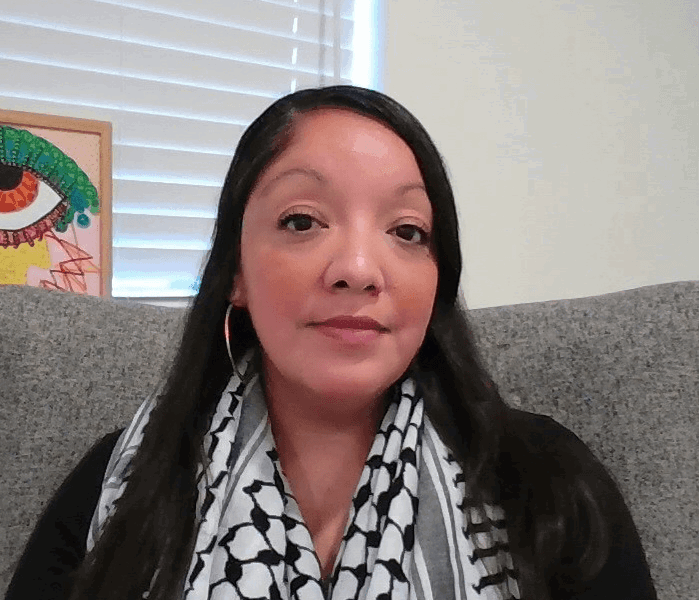
Today we’d like to introduce you to Adriana Medrano
Hi Adriana, so excited to have you with us today. What can you tell us about your story?
I’m about 5 years old and I’m walking alongside my grandmother, holding on to her mandil (apron). We are headed to church, the summer sun beaming down on us as we walk down Imperial Hwy in South Central LA. It’s the early 80’s and the streets are active and pulsating, but no one messes with my Salem smoking grandmother. The government-sanctioned crack/cocaine epidemic is evident as we walk down the street. We arrive to church, and my grandmother covers her head with a veil and we begin to pray “el padre nuestro.”
I still carry the trauma of the intentional divestment of my community; lack of community resources, healthcare, employment, food deserts, and so on. Seeing my community being systemically oppressed and being personally affected by it, is what radicalized me.
I am the eldest daughter of Mexican immigrants. I’m a Xicana, an 80’s baby who grew up and continues to reside in South Central Los Angeles. I know there’s a stereotype associated with this profile but don’t get it twisted; we inner city kids can show you a thing or two. As a product of LAUSD, I, like many of my classmates, were not given the adequate resources to fully meet our potential. I graduated with a 1.5 GPA from high school in the late 90’s (something that probably would not be allowed by today’s standards). Over a decade later, I graduated with a 3.9 GPA and a PhD. When they say educational standards are rigged, believe them.
I always say, I am who I am and what I have achieved BECAUSE of my community and not in spite of it. My community taught me to always ask the “why,” to remember where you came from and that “we take care of us.” I always knew I would use my titles and privileges to uplift my community, because it was my community who believed in me when the systems tried to “keep me in my place.” I am a Licensed Psychologist, a Nonprofit Co-Creator/CEO, an Adjunct Professor AND a proud Semilla (seed) of South Central LA.
We all face challenges, but looking back would you describe it as a relatively smooth road?
My journey has definitely not been one without obstacles. As many first gen children of immigrants, navigating a racist and oppressive systems was very overwhelming. I was fortunate to be raised by my maternal grandmother while both my parents worked to make ends meet. In addition, community violence made simple things like walking to school or catching the bus a life-threating experience. Stabbings & shootings in inner-city schools were not uncommon in the 80’s and 90’s, but unfortunately, Black and Brown mother’s cries were ignored.
At the age of 13, I began having panic attacks. This lasted until my early 20’s, with medical doctors minimizing my symptoms and telling my parents I was just “looking for attention” and to ignore me. It wasn’t until I took my first abnormal psychology class in undergrad that I was able to recognize how systemic and intergenerational trauma was stored in my body. Later, I also realized I was suffering from depression. When I began my PhD program at 25, personal therapy was a requirement of the program and I am forever grateful for that.
As someone who is now reclaiming her ancestral and spiritual practices, I now see my anxiety and depression as gifts; they were my body and spirits’ wisdom attempting to get my attention. Feeling things deeply felt like a curse but after much healing and introspection, I am able to support others in navigating those deep and dark waters. I now understand this as Shadow Work and I am privileged and honored to be able to guide others in this journey. With that said, I have to be very mindful of protecting my energy and being unapologetic with my boundaries. This can be extremely difficult to do living within a culture of urgency as slowing down is not rewarded and capitalism demands financial productivity to survive.
Appreciate you sharing that. What else should we know about what you do?
I am trained as a Clinical Psychologist with an emphasis in Multicultural/Community Mental Health. I always tell people “I have a PhD; the PhD does not have me.” What I mean by this is that I do not allow my titles and accolades to have power over me, but utilize these privileges to facilitate my life’s work and passions.
One of those passions was to create and build a nonprofit that centered the mental health needs of my community of South-Central LA. Along with my amiga and colleague, Liliana V. Munoz, LCSW, we co-created Roots of South LA Wellness Center in 2018. Due to that pandemic and difficulty securing funding, our current programming is limited but we are in the works to locate a physical space to begin providing more ongoing mental health services from a decolonial and holistic approach. You can learn more about the nonprofit at www.rootsofsouthla.org and follow us on IG/FB @rootsofsouthla.
In addition, through my private practice, I work with Black, Brown, Indigenous Womxn, Femmes & Queer Folx of Color in reclaiming spiritual and ancestral medicine to increase mental health wellness. This includes but is not limited to, shadow works, inner child healing, parts work, dream interpretation, use of natal charts, engaging Spirit Guides and somatic/nervous system integration.
Finally, I am an Adjunct Professor in the Aliento Program at Pepperdine University, which focuses on the mental health wellness within the Latinx community. I am grateful to be able to teach from a Liberation and Mujerista Psychology approach that incorporates anti-oppressive, abolition and decolonial frameworks. I was recently asked to be the 2024 Commencement Speaker for the Aliento Graduation Ceremony, which was an immense honor. In addition, in March of this year, I was invited by an Aliento student group organization, to be a guest speaker on “Decolonial Therapy; How It Relates to Palestinian Liberation.” As someone who has always been vocal about oppressive/colonial systems and our responsibilities as mental health providers in dismantling them, I am aware that the liberation of all oppressed groups is interconnected. I am humbled to be able to do this important work alongside others who are also committed to collective liberation.
Can you talk to us about how you think about risk?
If you were to ask those who know me about my risk-taking behavior, I believe most would say I am absolutely a risk taker! Now, with that said, I am not impulsive. I believe that “risk” is also subjective; what may seem like a risk for some may not be a risk for others. One of the biggest risks I’ve taken professionally was leaving a full-time position at a Community Mental Health Agency several years ago. I was a supervisor who was up for a salary increase and possibly a promotion. It was a comfortable salary, 401k, and the definition of “success” by many, but I was beginning to lose myself. I felt that I no longer had a purpose there. I gave my letter of resignation without a job lined up. I had some savings which was helpful, but everyone around me was confused by my decision. What was my plan? Why wasn’t I applying to a lucrative, secure, county job with all my experience? My logical brain was at odds with my sprit who was screaming, “RUN!” A year and a half later, I started my own private practice and co-founded a nonprofit that focuses on BIPOC mental health in South LA. I also now teach future therapists as an Adjunct Professor utilizing anti-oppressive approaches to care and wellness and how to navigate the mental health industrial complex. I believe that if you follow your intuition, risk is really just your spirit telling you “Trust what you cannot yet see, but know that its already yours.”
Contact Info:
- Website: https://www.adrianalmedrano.com
- Instagram: @mujerista_dra
- Twitter: @Mujerista_Dra

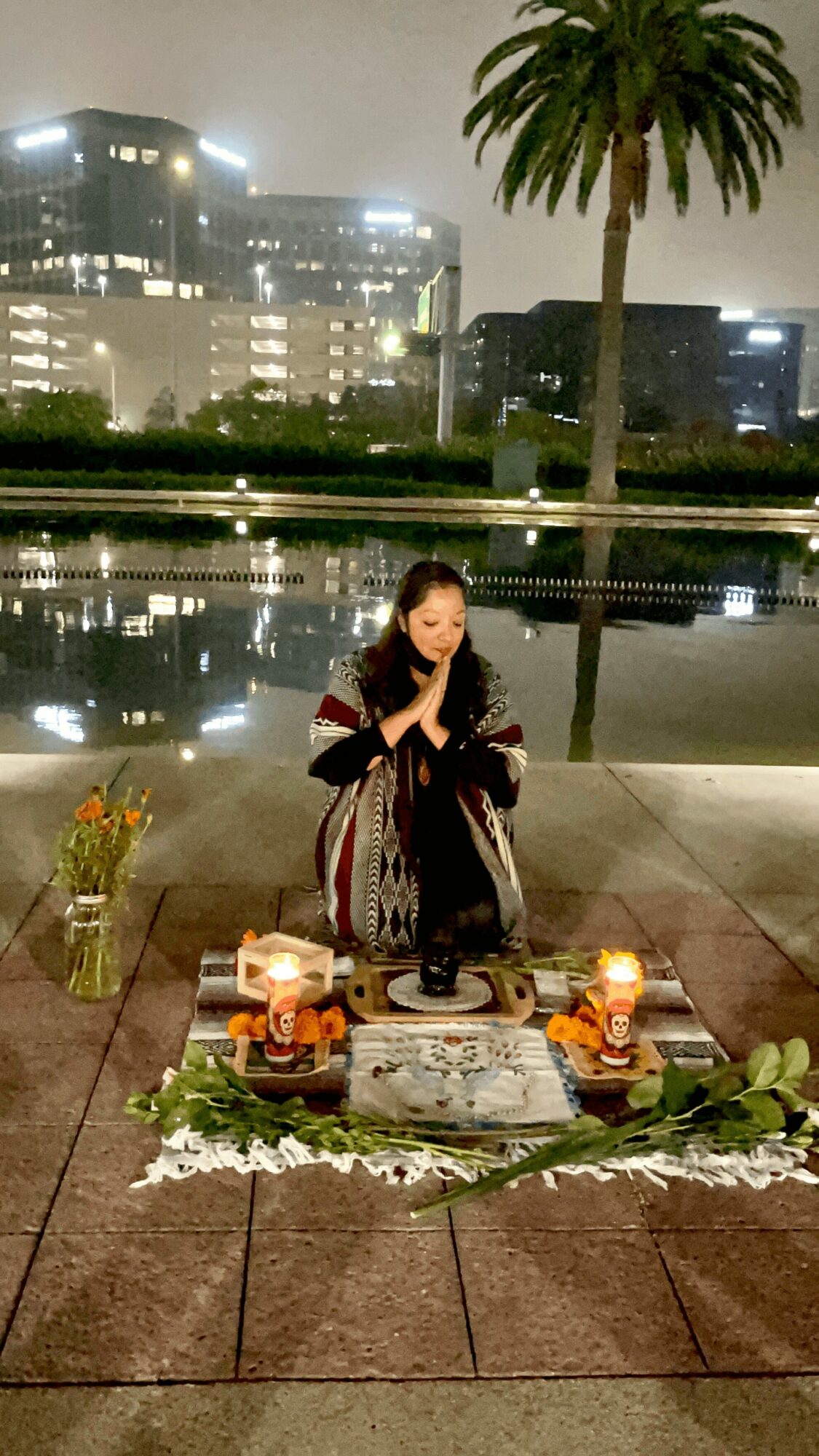
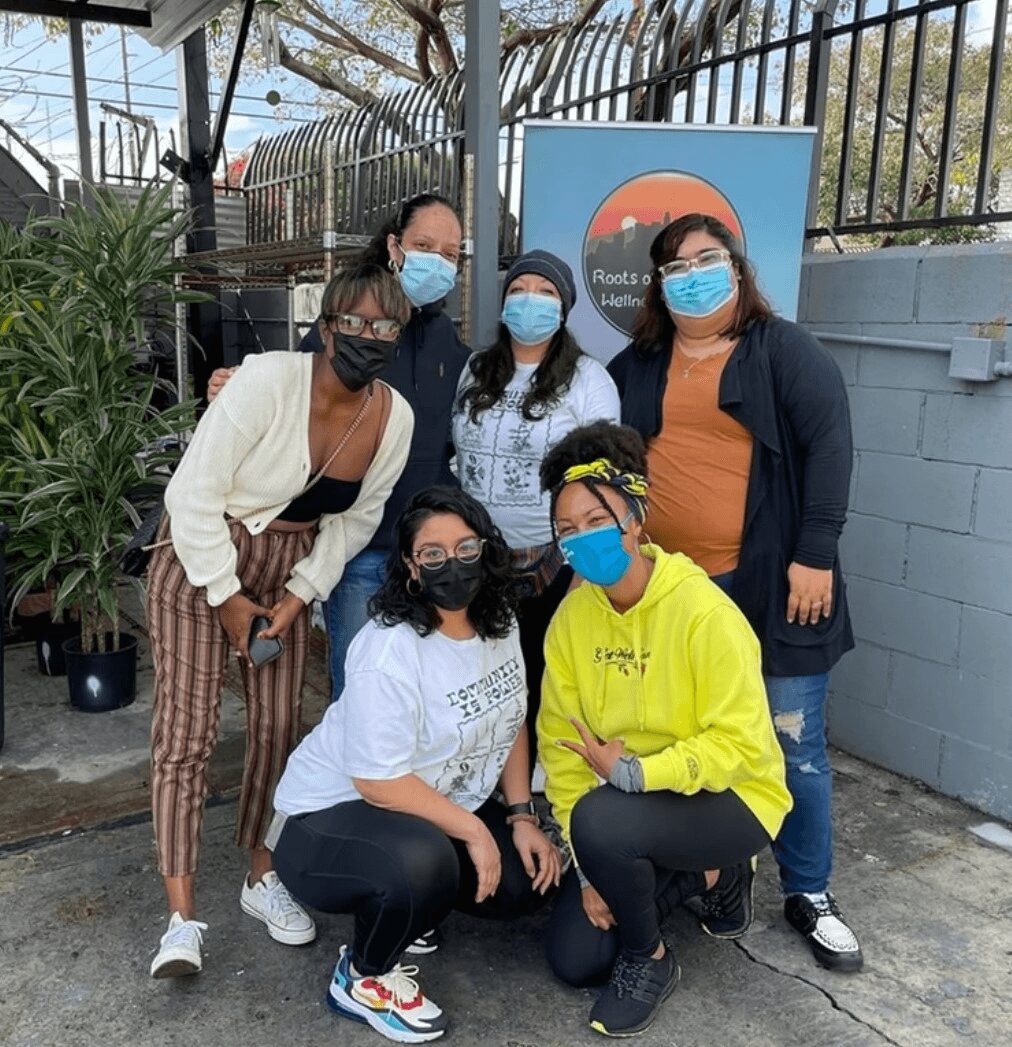
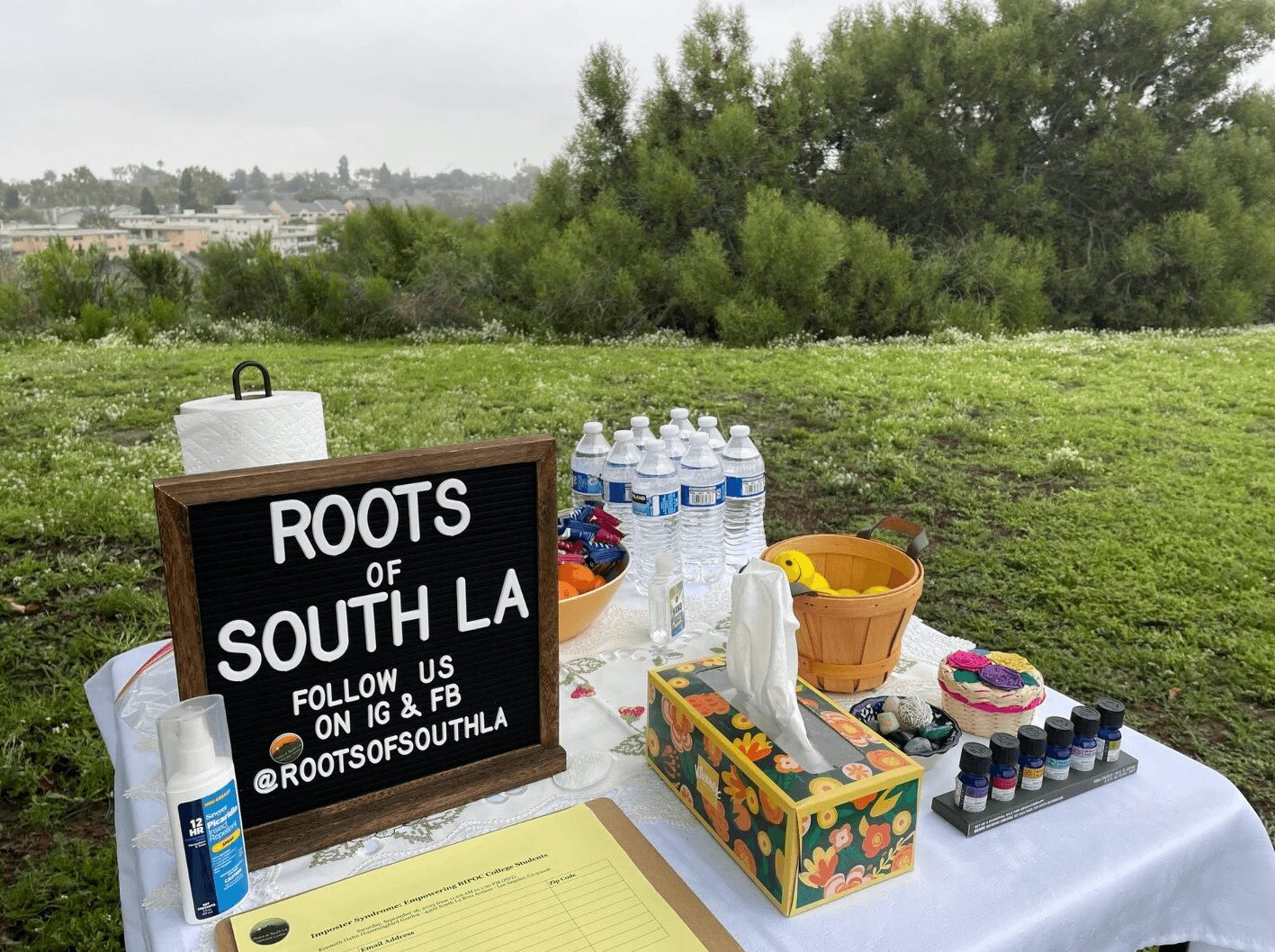
Image Credits
Photo #4- Liliana V. Muñoz
Popular
-

What is something outside of work that is bringing you joy lately?
-
Local Highlighter Series
-
What did suffering teach you that success never could?
-
What are you most proud of building — that nobody sees?
-

Who were you before the world told you who you had to be?
-
If you could say one kind thing to your younger self, what would it be?


