


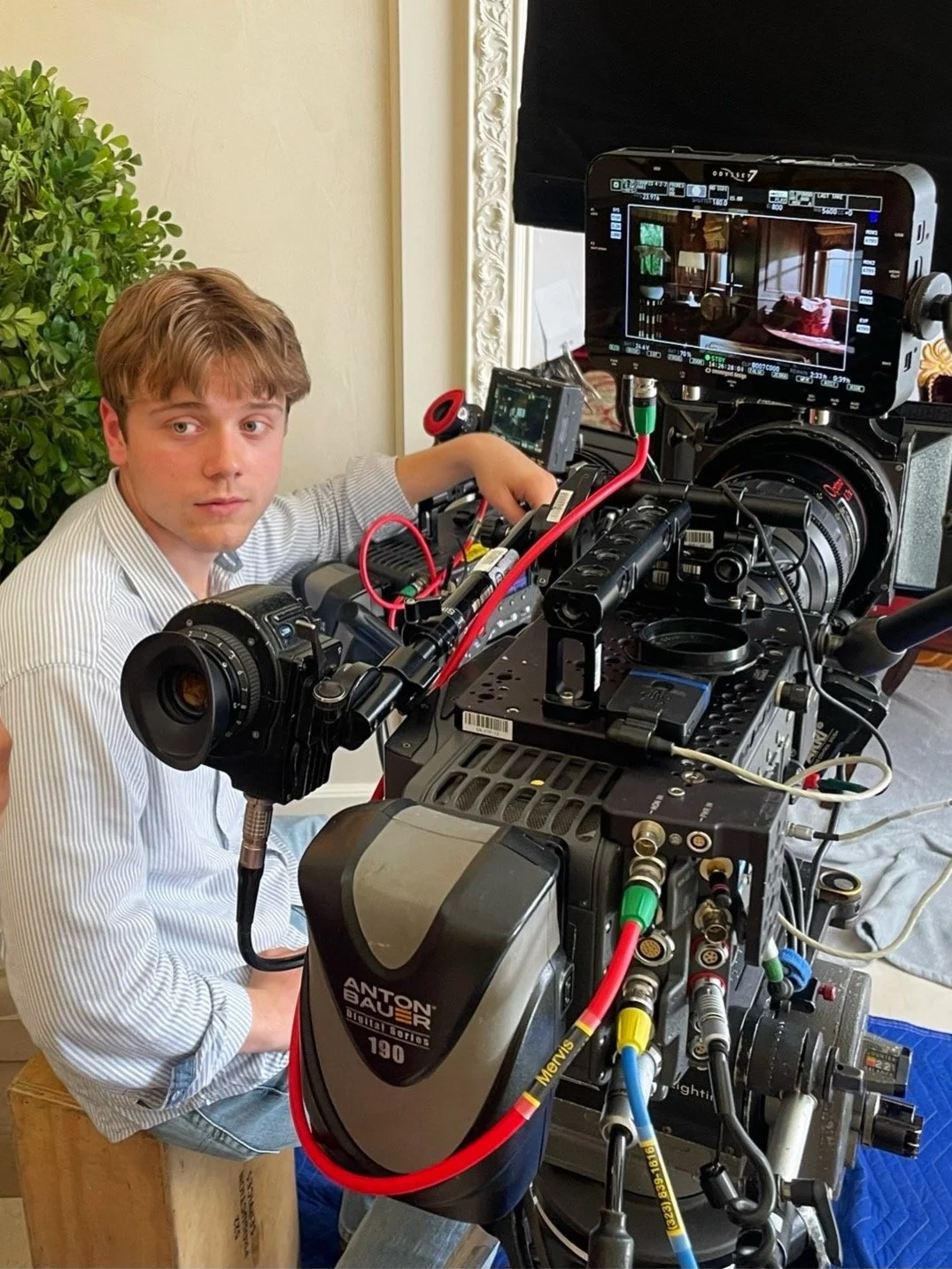
Today we’d like to introduce you to Zane Farmer.
Zane, we appreciate you taking the time to share your story with us today. Where does your story begin?
I grew up in a small town in Virginia, bordered by the Blue Ridge Mountains, where my local movie theater was the pathway to stories beyond my own. I believe I can speak for many when I say these early experiences in the cinema, watching tales of love and adventure, expanded my sense of what the world had to offer.
My godfather placed a camera in my hands when I was only five, and by twelve, I made a simple promotional video for that same hometown theater; that very project helped spark an emerging filmmakers program which continues to mentor young adults interested in filmmaking today. Seeing how a small piece of work can help create a space for others changed how I viewed filmmaking.
I knew that if I wanted a career in this business, I’d have to learn how to be a skilled technician and so I went off to film school in Virginia. There, I met cinematographer and mentor Mark Mervis, who challenged me to push my work further and ultimately encouraged me to move to Los Angeles. I was later accepted into the Film & Television Production program at the University of Southern California, where I completed my undergraduate degree and met many of the collaborators I continue to work with today.
Since graduating, I’ve been fortunate to work primarily in female and queer-led creative spaces. I’ve collaborated on feature-length films and documentaries, commercials, short-form narrative projects, and music videos. Along the way, my work has been recognized by national and international organizations and screened at festivals across the nation.
Can you talk to us a bit about the challenges and lessons you’ve learned along the way. Looking back would you say it’s been easy or smooth in retrospect?
It certainly has not. I grew up in a place with almost no infrastructure for film, so for most of my life I was completely self-taught. In that environment, “Cinematographer” isn’t really a job people understand; it’s more of a dream than anything. A lot of the early struggle was just pushing forward and teaching myself about the techniques and technologies I didn’t have access to.
Later, when I came out of university, I walked into an industry that was in a pretty rocky place. Work was harder to come by, and there were no clear paths forward. I had to learn how much of this business is about persistence and building real relationships.
What’s helped me most is investing in community. I’ve had to put a lot of stake in building strong, trusting relationships with the people I work with. The directors, producers, and crew which I’ve been fortunate to work with across multiple projects have all become close friends of mine.
Appreciate you sharing that. What else should we know about what you do?
What I’m most proud of isn’t a single project, but my ability to build open, collaborative spaces on set. My priority is to empower the people around me to feel free to explore and experiment with new ideas. When directors and crew feel safe to take risks, the work is always better for it.
Stylistically, as a Cinematographer, I think of myself as a chameleon. I adapt my approach to the needs of the story and the production rather than forcing a single look onto everything I shoot. My mentor always says, “The audience only cares if it’s interesting,” and that’s become a guiding principle for me. In my short film “Heartless,” for example, I leaned into deeply saturated, vibrant colors as a way of externalizing emotion. That willingness to play with color and texture is a through-line in my work, even as the genre of each project shifts.
What sets me apart is that combination of flexibility and intention. I’m always learning how I can better service the characters within our stories.
What are your plans for the future?
I’m in a really exciting moment of transition. I currently have nearly five projects in the post pipeline that are gearing up for release, including short-form narrative work, multiple music videos, and, most notably, my first feature film, “Mind Games,” directed by first-time filmmaker JJ Lippman. I also had the incredible opportunity to lens legendary actor Damon Gupton on a short titled “Four Square,” which will be released soon. Seeing all of these projects move toward the finish line at once has been energizing as I move into the new year.
Perhaps the largest event on the horizon for me is stepping into my second feature as a cinematographer in 2026. I will be working with seasoned director Mitch Altieri on a project with the working title “Echo.” Working with a director who has such cult classics under his belt as “The Hamiltons” and “The Thompsons” feels like an important step in my narrative career. “Echo” is a paranormal horror movie set in Vegas. Horror movies were my first love in cinema, and so getting to work in the genre feels like a full-circle moment. I am always looking to build new relationships and so I look forward to partnering with collaborators who will push me to expand my visual toolkit.
Contact Info:
- Website: https://www.zanefarmer.com
- Instagram: https://www.instagram.com/zanefarmerdp/
- Other: https://www.imdb.com/name/nm9067395/?ref_=mv_close
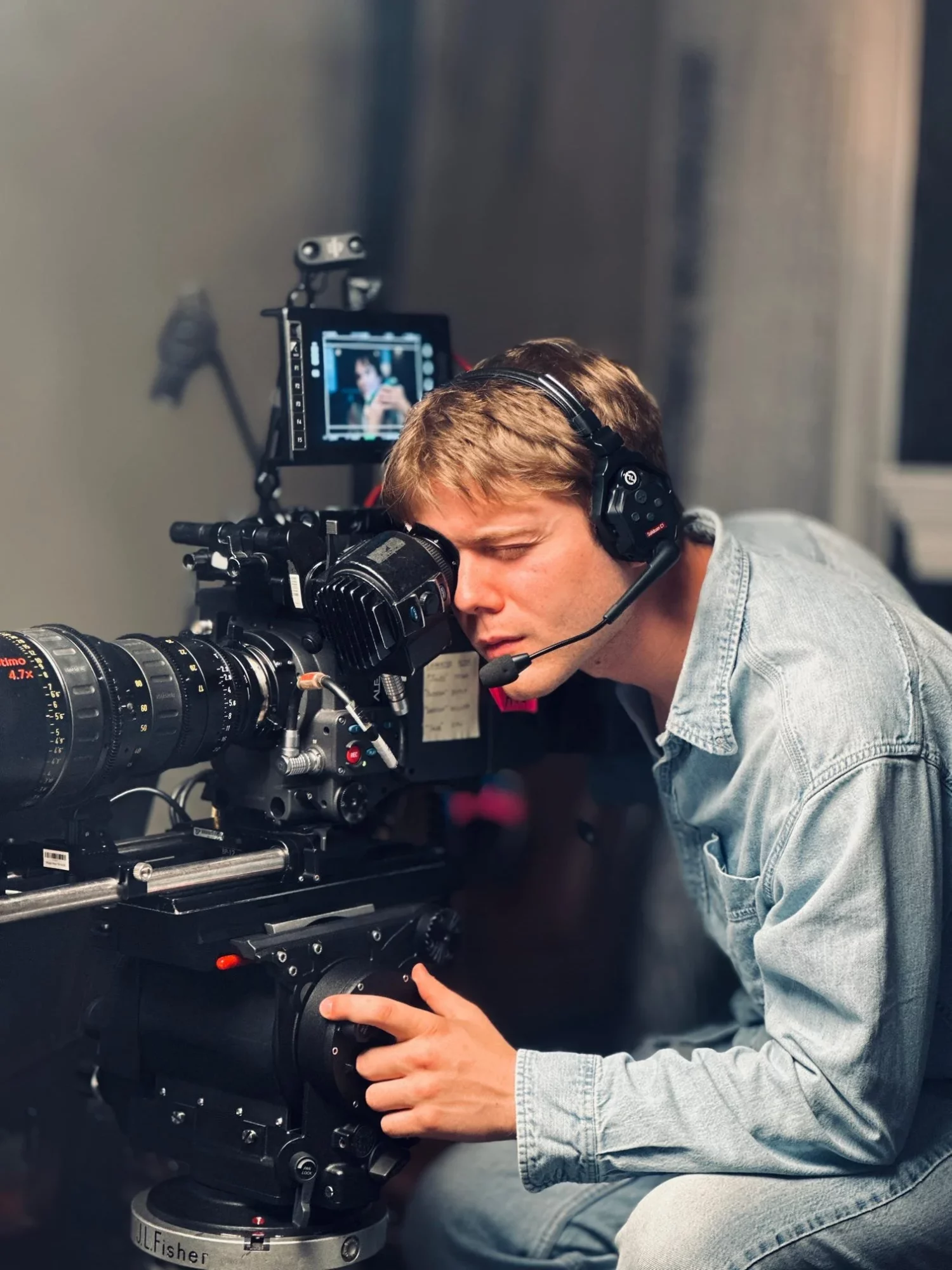
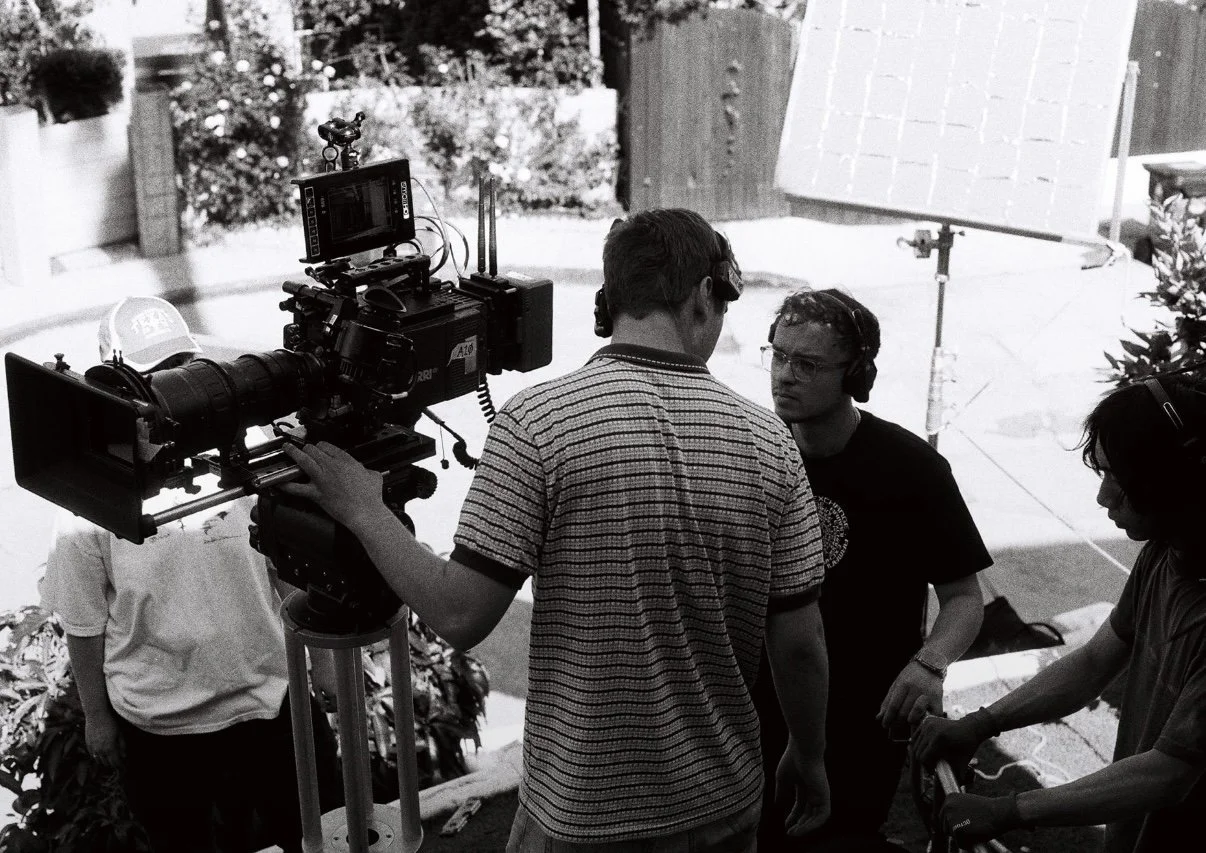
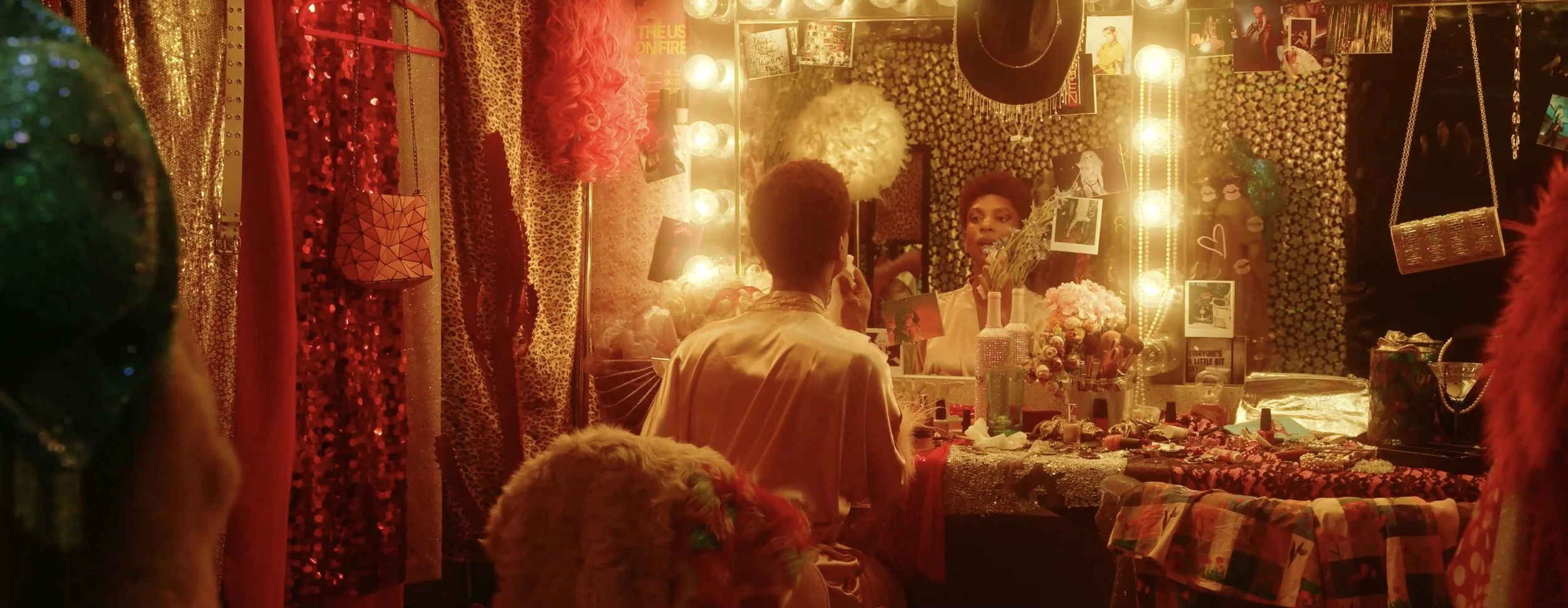
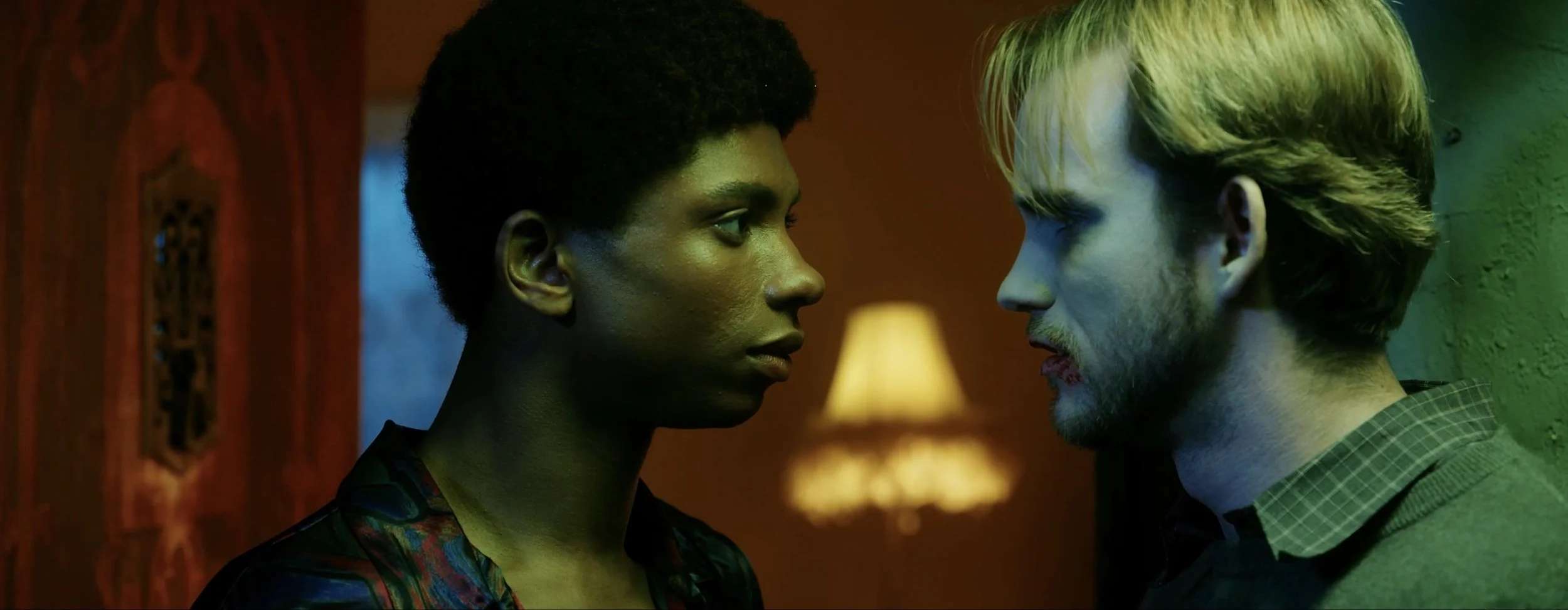
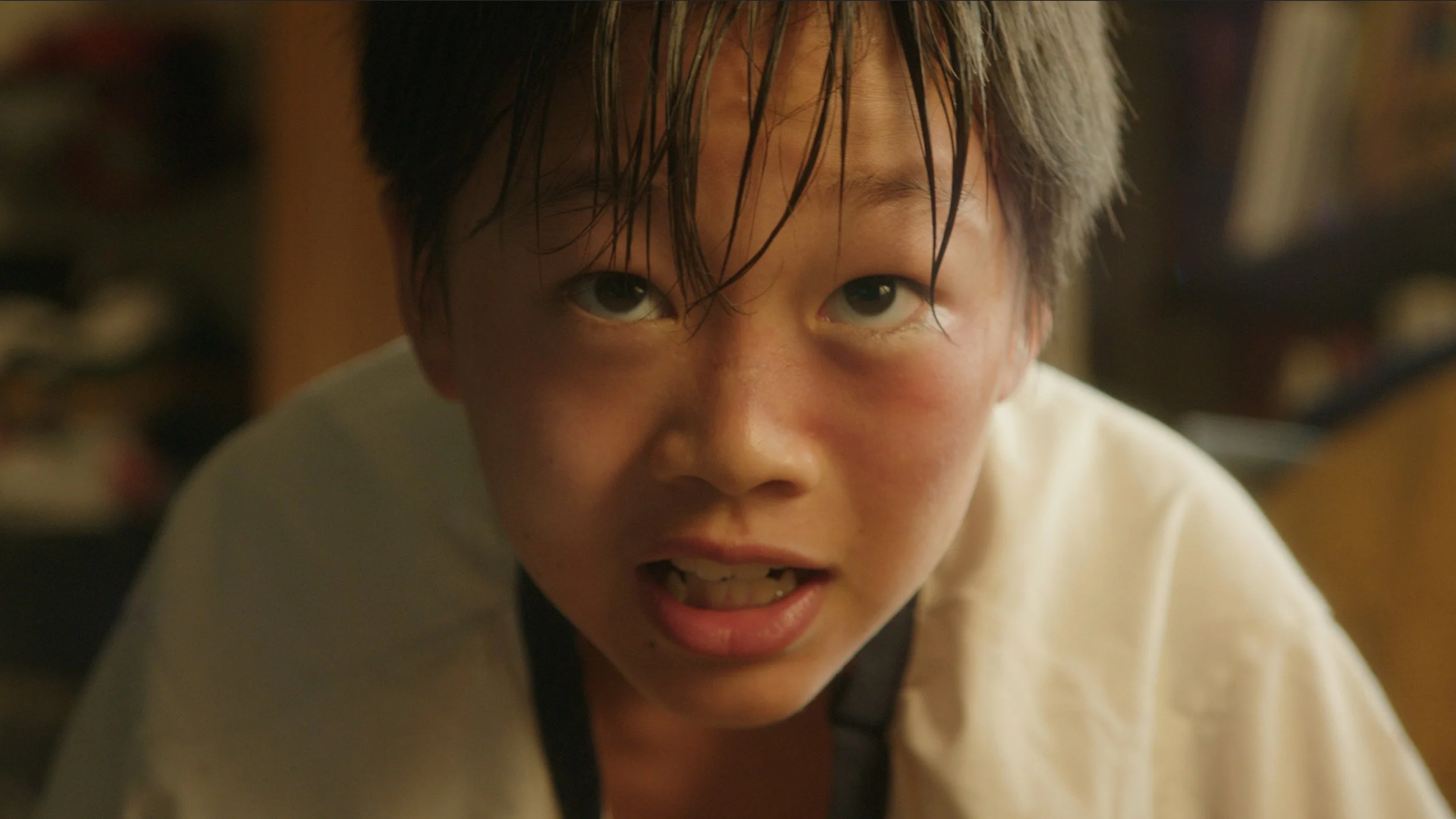
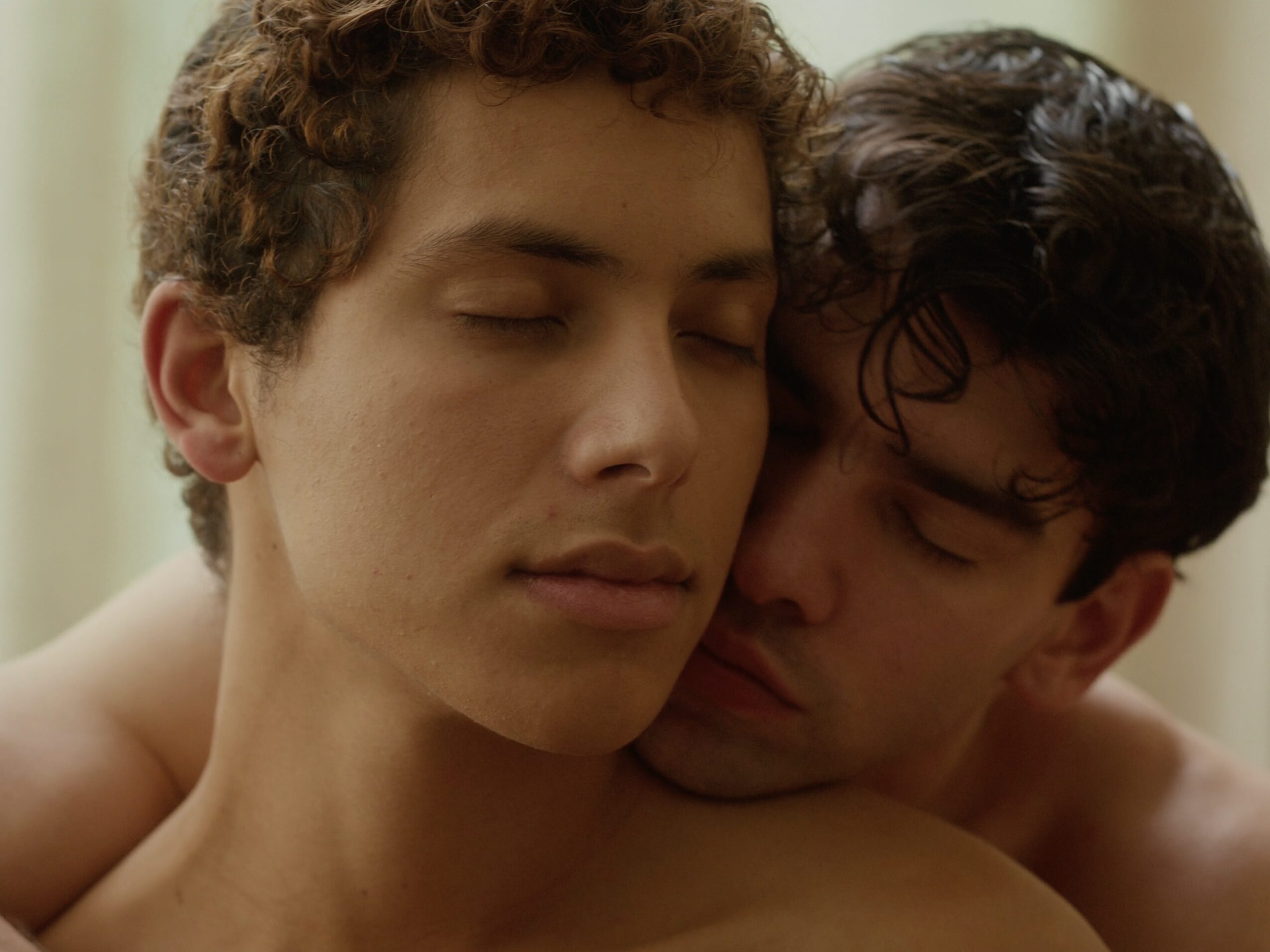
Image Credits
Sankalp Dubey
Jon Kean
Zane Farmer