


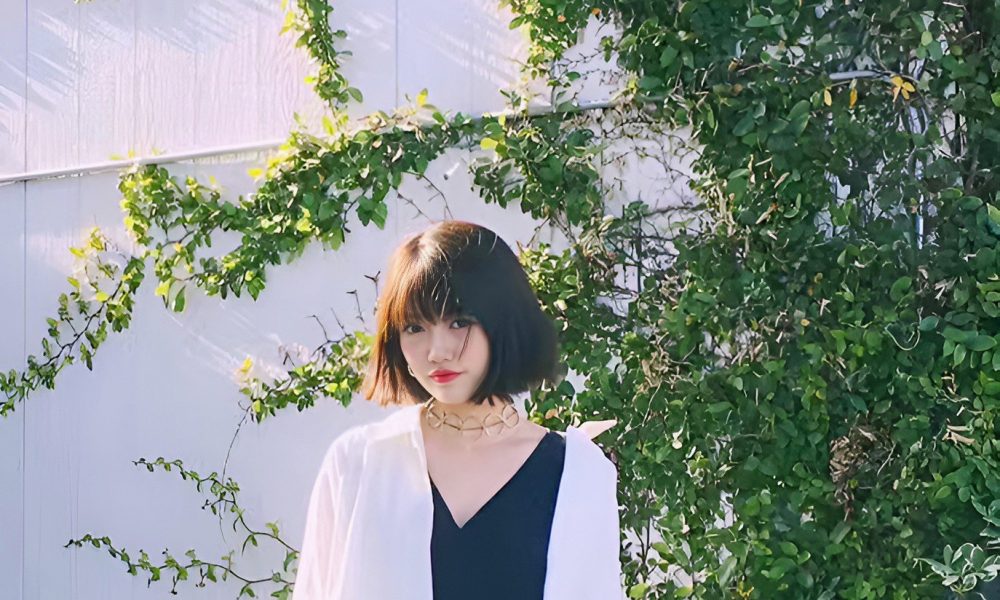
Today we’d like to introduce you to Weidi Zhang.
Alright, so thank you so much for sharing your story and insight with our readers. To kick things off, can you tell us a bit about how you got started?
I began my art career as a fine art photographer. In my early artwork, I explored image-making through a variety of fine-art practices combining photos, drawings, and sculptures. I earned a B.F.A. in photo/media from the University of Washington, Seattle. After graduating from there, I received a surprise acceptance to the Art+Tech program at California Institute of the Arts (CalArts). The search committee at CalArts believed that the photography works in my application would fit better into the new media art area. That was the most fortunate and beautiful accident that led me into a completely new genre of art and design. Upon receiving this graduate school acceptance, I shifted my creative direction and completely changed my artistic practice. During my time at CalArts, I learned experimental animation, interactive media, and graphic design, and my interdisciplinary practices and research enabled me to incorporate interactive technology into moving images to create art installations that are responsive and dynamically evolve.
After graduation, I worked in the entertainment industry as a creative designer. My working experience made me realize that my passion remained in the media arts and technology research fields. Therefore, I returned to school to pursue my Ph.D. in media arts and technology (MAT) at UC Santa Barbara, which is an interdisciplinary program that encourages research at the intersection of engineering and arts. At MAT, I gained extensive knowledge about computer programing, data visualization, and immersive media during my five years of residency at UC Santa Barbara. I had the opportunity to share my art journey with my amazing colleagues, friends, and collaborators at MAT and learned a lot from our inter/trans/multi-disciplinary collaborations, I significantly developed my technical and research skills through Ph.D. studies. Currently, I am an assistant professor at the Media and Immersive Experience center of Arizona State University. I am now based in Pasadena and Phoenix and I am very excited to start a new journey as a new media art educator. My current art practices focus on transforming the process of image-making into interactive, immersive art experiences through designing responsive AI systems, immersive experiences, and experimental data visualization.
We all face challenges, but looking back would you describe it as a relatively smooth road?
In addition to being a new media artist, I am also a designer. It was sometimes difficult to strike a balance between art and design. When I was working on both artistic and commercial design projects, I sometimes had difficulty shifting my mindset. In my practice, maintaining equilibrium at the intersection of new media art-making practices and contemporary design is always an intricate process. In the last few years, I have been exploring the intersections between conceptual art and contemporary design approaches by creating future scenarios, thought experiments, and alternative realities. My practices are now within the framework of speculative design where I have coined my artworks as speculative assemblages which assemble layers and parts through algorithms, designed combinatory poetic compositions, and built systems that incorporate automation with artistic originality for visualizations.
Thanks – so what else should our readers know about your work and what you’re currently focused on?
My artworks investigate the changing ontology of the images, as well as the methodology for transforming image making process into an interactive art experience that engages participants in an immersive way. I situate my art practices at the intersection of contemporary design practices and conceptual arts. I have designed interactive art installations, immersive audio-visual performances, and virtual reality experiences. I created interactive autonomous systems that generate interactive visualizations in various media and formats. For example, my artwork Cangjie’s Poetry utilized a customized AI system to create a language system based on real-world images; my work Astro employs AI generative images and data visualization to create an immersive audio-visual performance in planetariums; my work LAVIN creates an intelligent navigation system to travel participants in VR world. My artworks provide participants with takeaways in various forms that connect with their memorization and knowledge through art experiences spanning art and life. The experience I designed has no beginning or end. As long as the real world is captured, there is no end to it. There is no conclusion or instruction to be gained from an art experience. Also, participants can choose whether or not to read the statements of the work. My works aim to provide intuitive associations for every participant, resulting in a symbiosis of onlookers and interactive moving images, virtual and actual, humans and machines.
Contact Info:
- Website: www.zhangweidi.com
- Instagram: @w.e.i.d.i
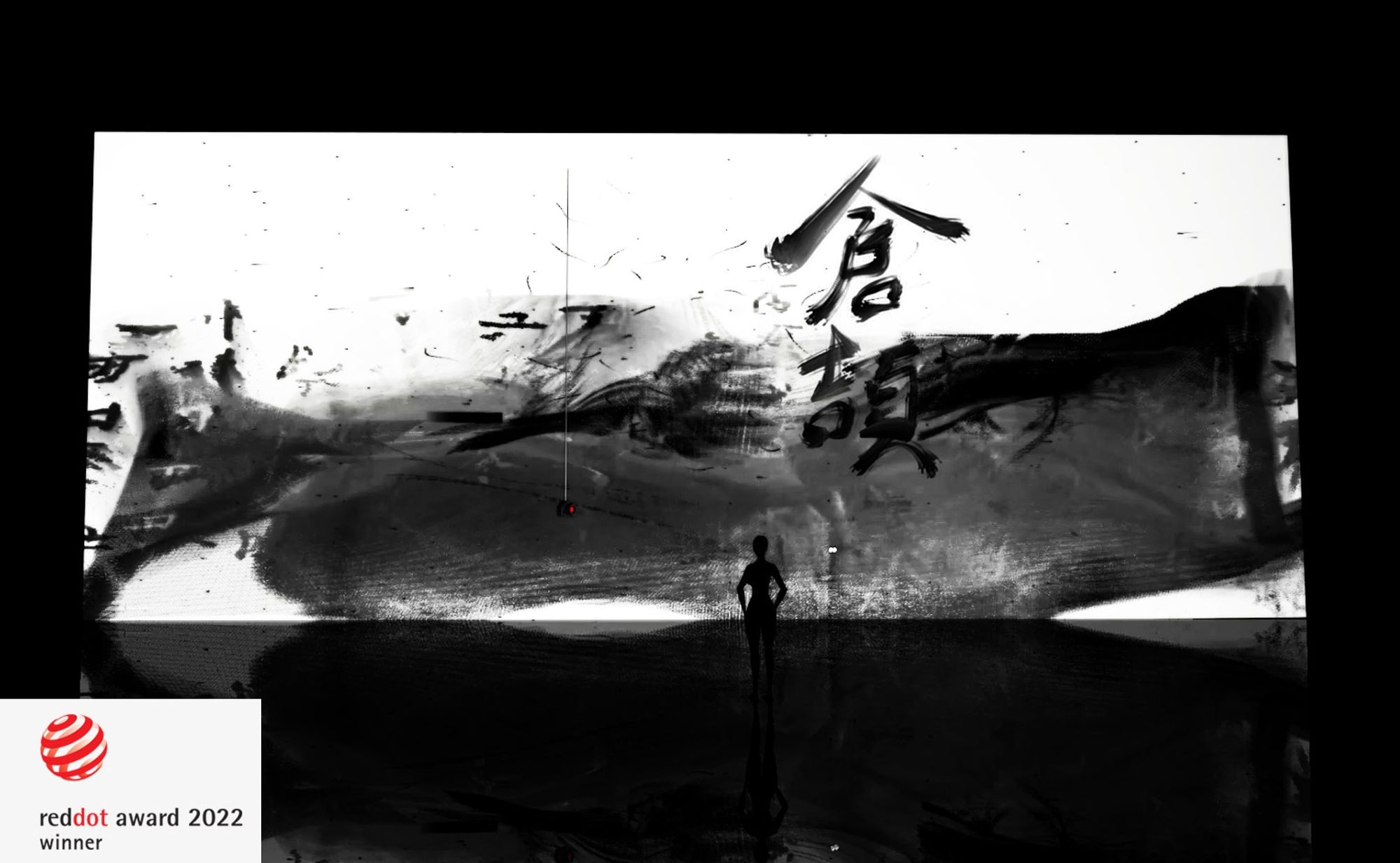 Image Credits
Images are posted in this link https://weidizhang.notion.site/interview-with-VoyageLA-954cfc4acd7f4e628ab74002d3a9aeeb