



Today we’d like to introduce you to Vincent Collyer.
Hi Vincent, can you start by introducing yourself? We’d love to learn more about how you got to where you are today?
My photography and graphic design journey started back in elementary and high school, making flyers and art on Microsoft Paint. I’m sure not many people even know what that is nowadays, but it was my introduction to any kind of creative outlet. Whether it was making magazine covers or designing iron-on shirts for my friends’ bands, each project was challenging yet fun.
In a world where careers labeled as “artistic” aren’t always viewed as lucrative, I’m incredibly lucky to have parents and a family who have supported me from day one. I was initially enrolled in college studying psychology, but when I couldn’t get the required classes for my major, my parents supported my leap into graphic design. Without hesitation, they helped me enroll in art school and even bought me a laptop. That level of support and encouragement is something I’ll be forever grateful for.
During my art school days, my friend invited me to join a band and I found myself creating as much merch, marketing, flyers, and stickers as I could for us. As much as I loved making music and collaborating on that side, my eye for clean fonts and layouts was always front and center. This lead to a full-time graphic design position which I still hold currently.
When our band eventually disbanded a few years later, I completely stepped away from the music and entertainment world. It wasn’t until my friend and former bandmate and I began approaching design and photography the same way we approached music—be methodical, create with purpose, and ultimately have fun—that things shifted. He let me borrow his first DSLR camera for a few weeks, and I was hooked. I felt like I had discovered graphic design again and began to intertwine photography and design seamlessly.
That new drive grew from simply wanting to take photos every day to eventually creating a legitimate company together—not just to take photos, but to build a space where we could nurture creativity and use each other as sounding boards for ideas across different mediums.
My love for music and the industry came rushing back after shooting my first show. Now, after shooting countless shows, there’s still nothing like being in that photo pit, capturing memories for artists that are frozen in time.
Can you talk to us a bit about the challenges and lessons you’ve learned along the way. Looking back would you say it’s been easy or smooth in retrospect?
I feel like life is never a smooth road, and that’s not necessarily a bad thing. You can’t truly appreciate the good times without experiencing the difficult ones. One of the ongoing challenges in concert photography has always been reaching out to managers, publicists, or artists directly for photo passes. I’ve been lucky enough to work with some truly great managers and publicists, but there’s always that wave of anxiety when sending the initial email.
Most concert photographers can relate to what we call the “walk of shame” —that moment right after being told at the will-call booth that your name is not on the photo pass list. Worst feeling ever.
Appreciate you sharing that. What else should we know about what you do?
I live in the world of graphic design, but I also see the world through the eyes of a photographer. As cliché as it may sound, framing and composition are always on my mind. I love seeing thoughtful execution in a logo or type choice, and on the other end of the spectrum, I cringe when a poor font choice takes away from an otherwise solid design. Art will always be subjective—and it should be—but there’s so much incredible work out there that deserves to be seen.
I like to pride myself on having a specific eye for design within my photography. This could be as simple as shooting with a particular composition because I know an artist may later use the image for a poster, flyer, or social media post. That design mindset changes my approach—I naturally want to leave room for a headline or logo that might be incorporated into the final piece.
I also try to approach every shoot with empathy, always thinking: What would the artist want highlighted from this performance? Is it capturing that “money shot” when they’re jumping off a riser, or is it showcasing the massive energy of a sold-out crowd? Every show is different and every artist is different, and that’s exactly what makes this industry so exciting. I always research an artist’s setlist beforehand because it almost always gives a quick glimpse into the story they’re trying to tell that night. I’ve even edited an entire photo set in black and white because an artist wanted the emotion, movement, and performance to take center stage rather than the lights and colors.
I also love meeting fellow photographers in the photo pit because they truly understand the struggle—the struggle of a terribly placed mic stand, or the struggle of a stage lit entirely in blue or red. I’ve met some of the best humans in those pits, and I’m forever grateful for their friendship, support, and advice.
What sort of changes are you expecting over the next 5-10 years?
With every industry, there are big and small changes. After 2021, as the live music industry slowly began to return, I personally noticed that the communities each artist brought with them felt larger and more connected than before 2020. Having live music taken away from all of us gave us a renewed sense of gratitude for those experiences.
I’m always excited to see innovation in any industry, and I can’t wait to see how things continue to change and evolve for both artists and their fans.
Contact Info:
- Website: https://tradingskylines.com/collyer
- Instagram: https://www.instagram.com/collyer.ts
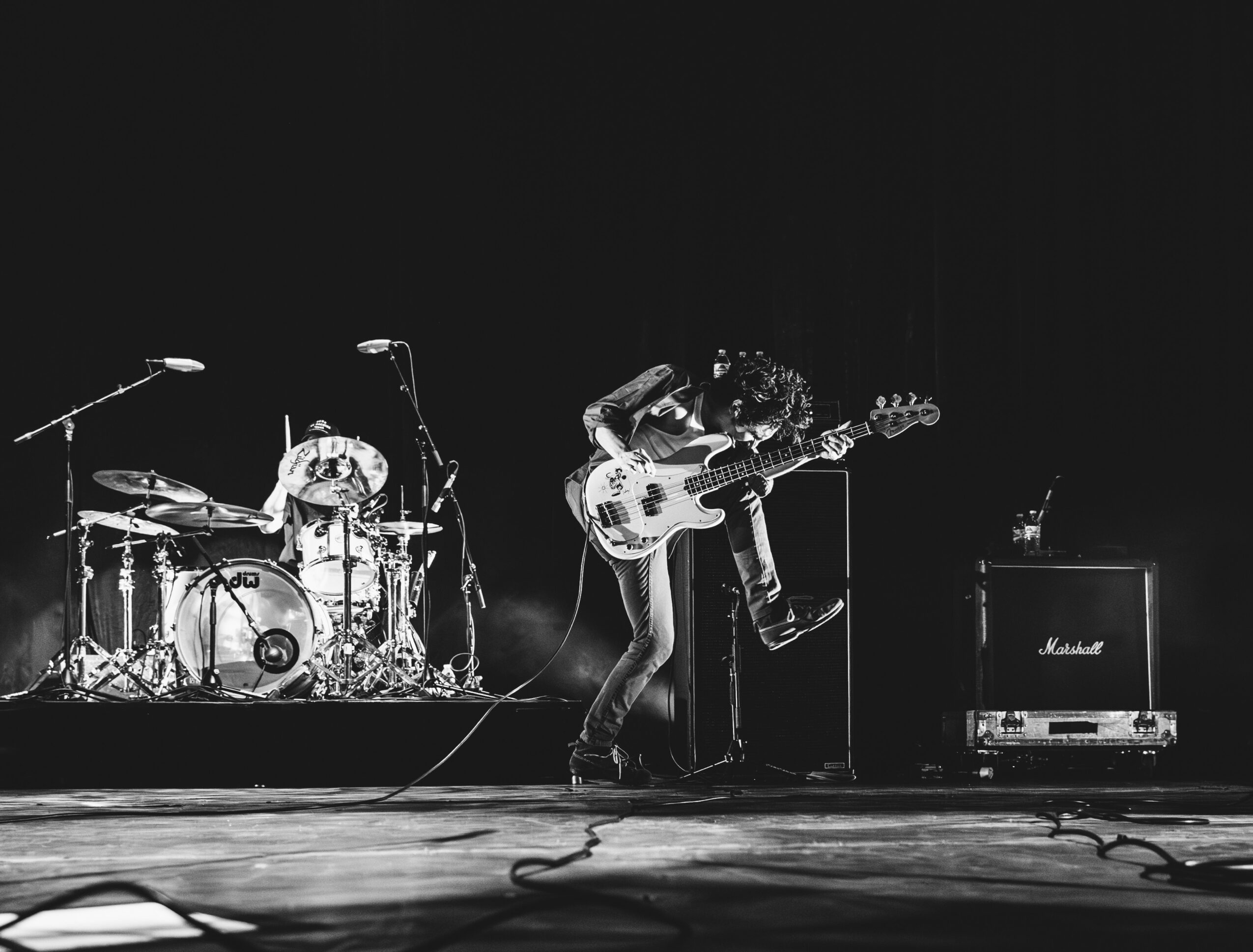
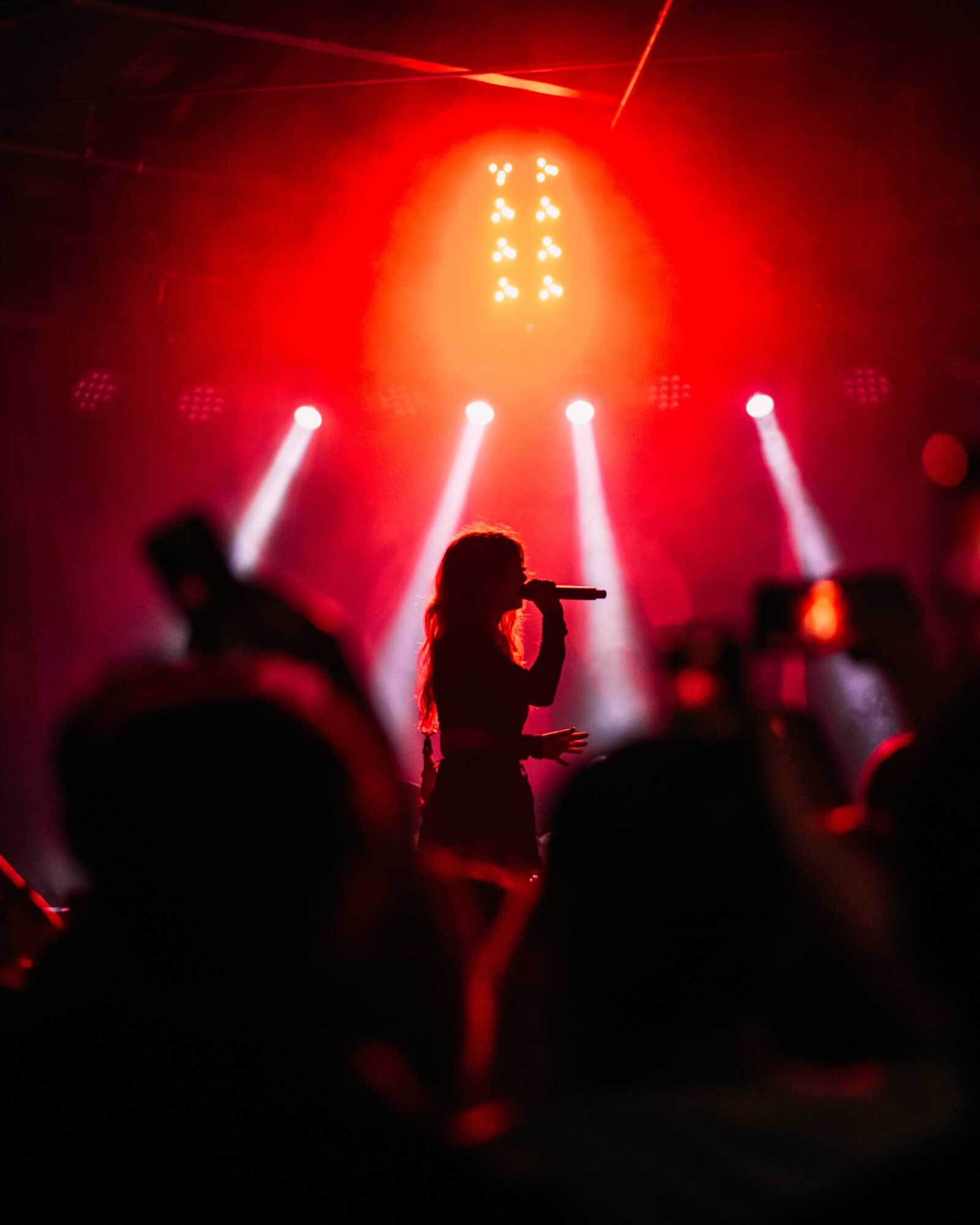
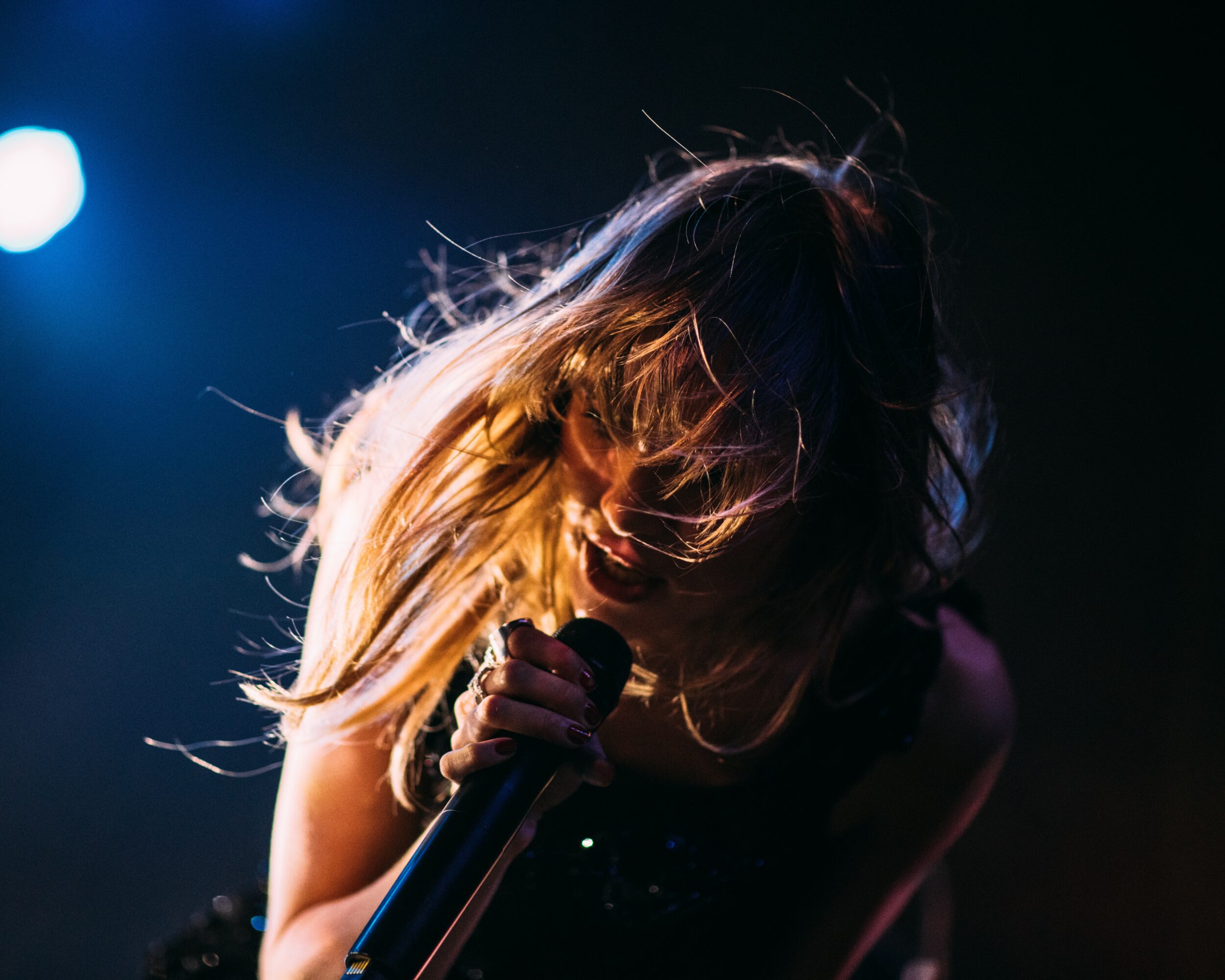
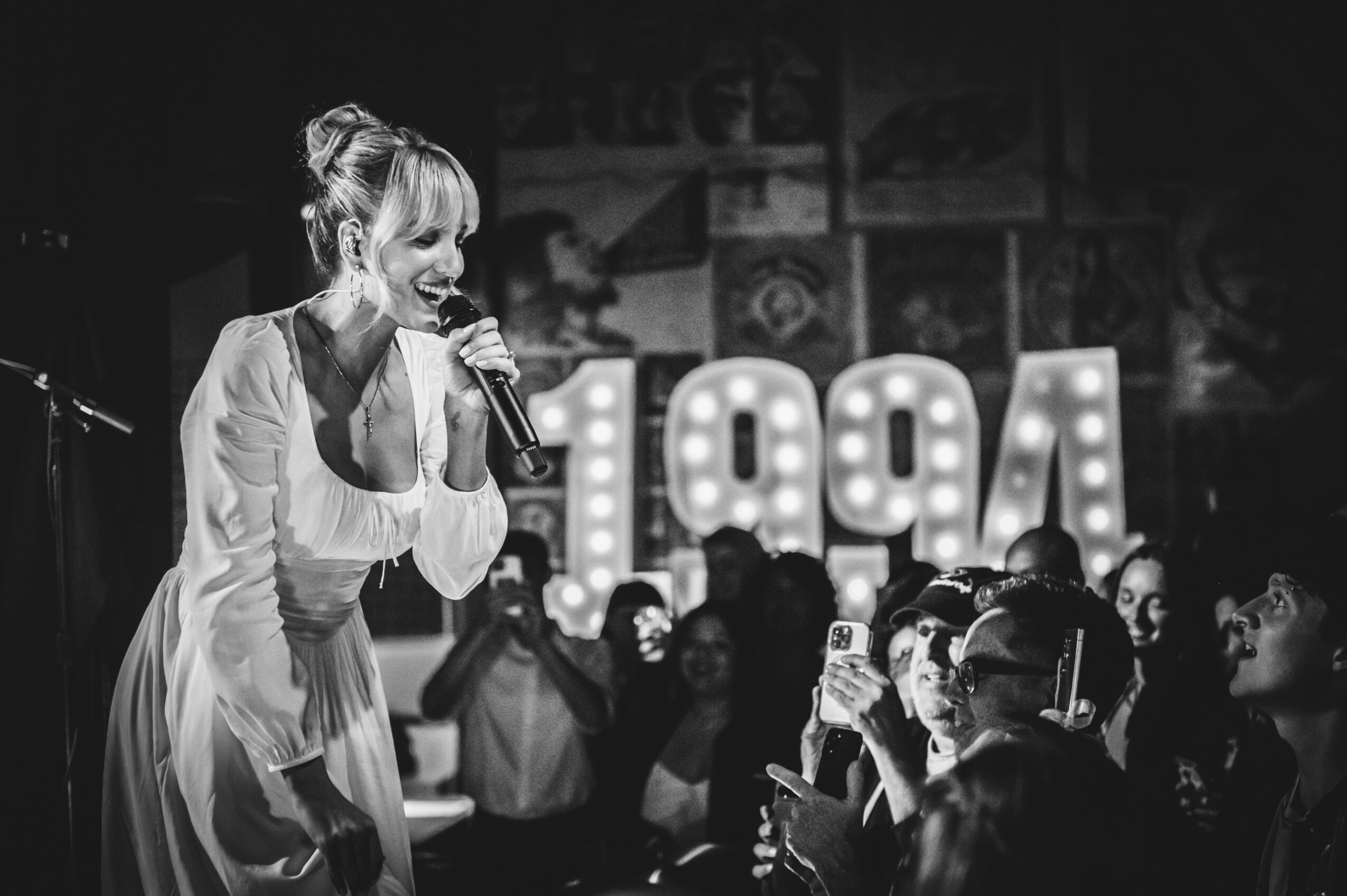
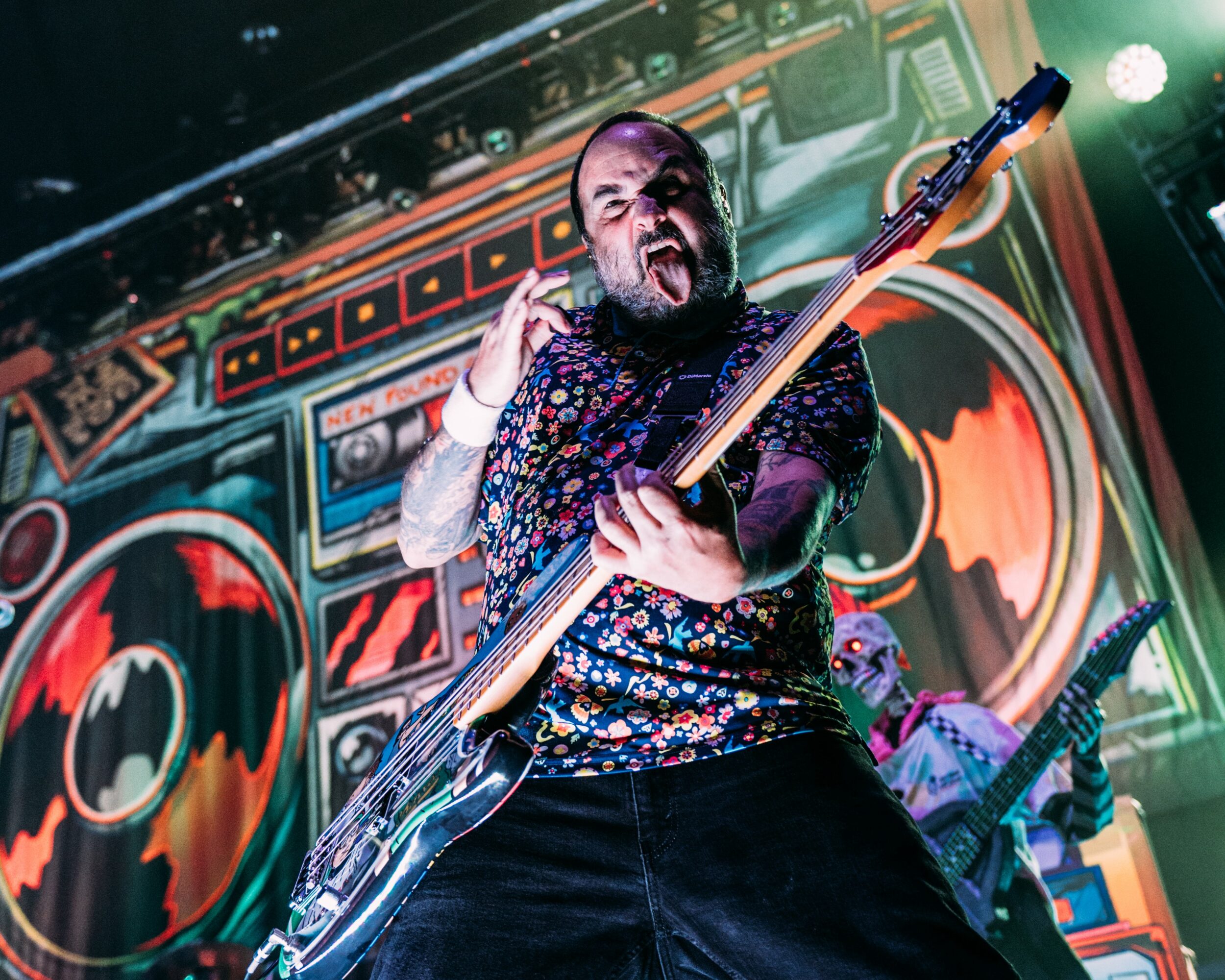
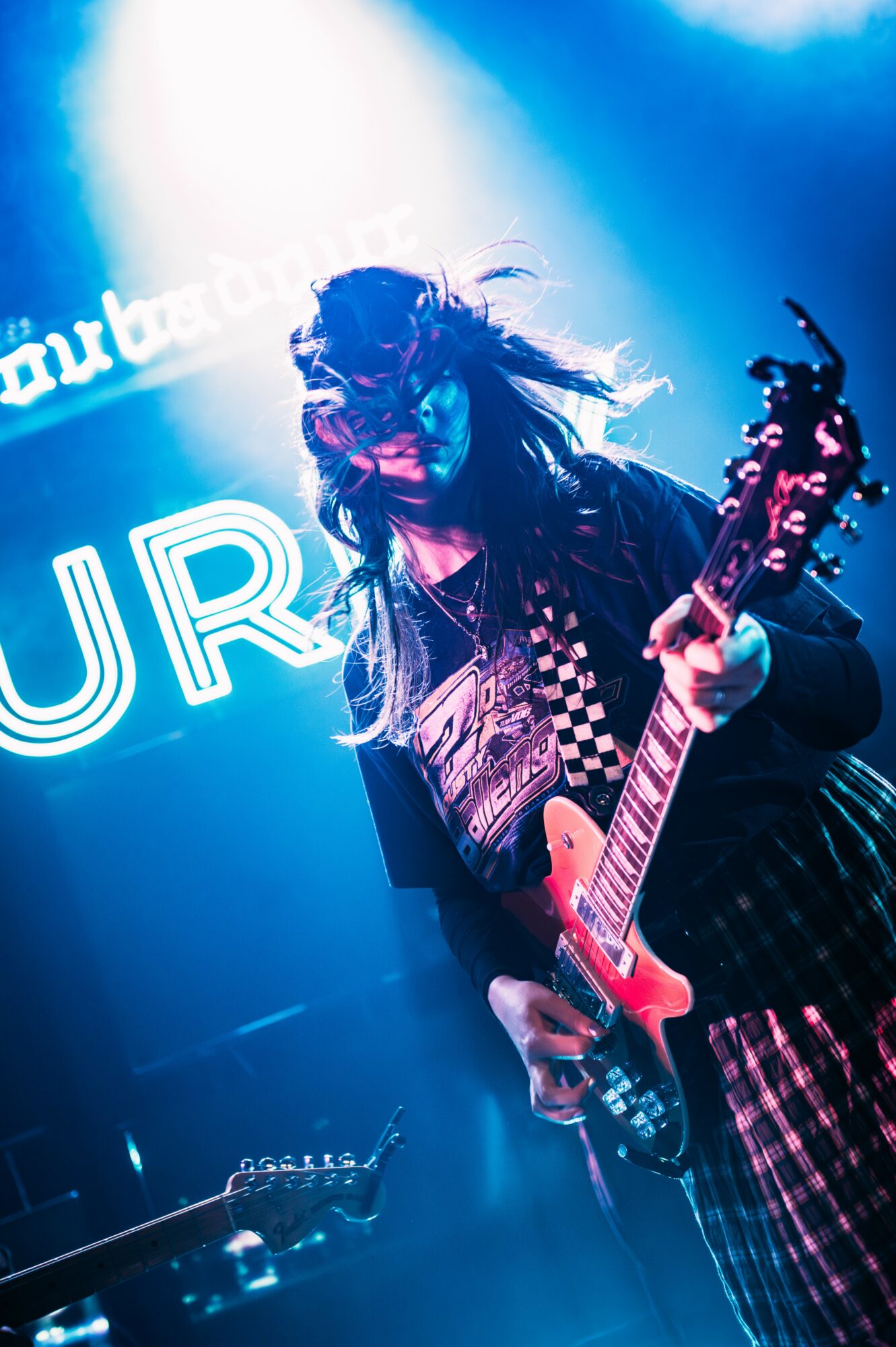
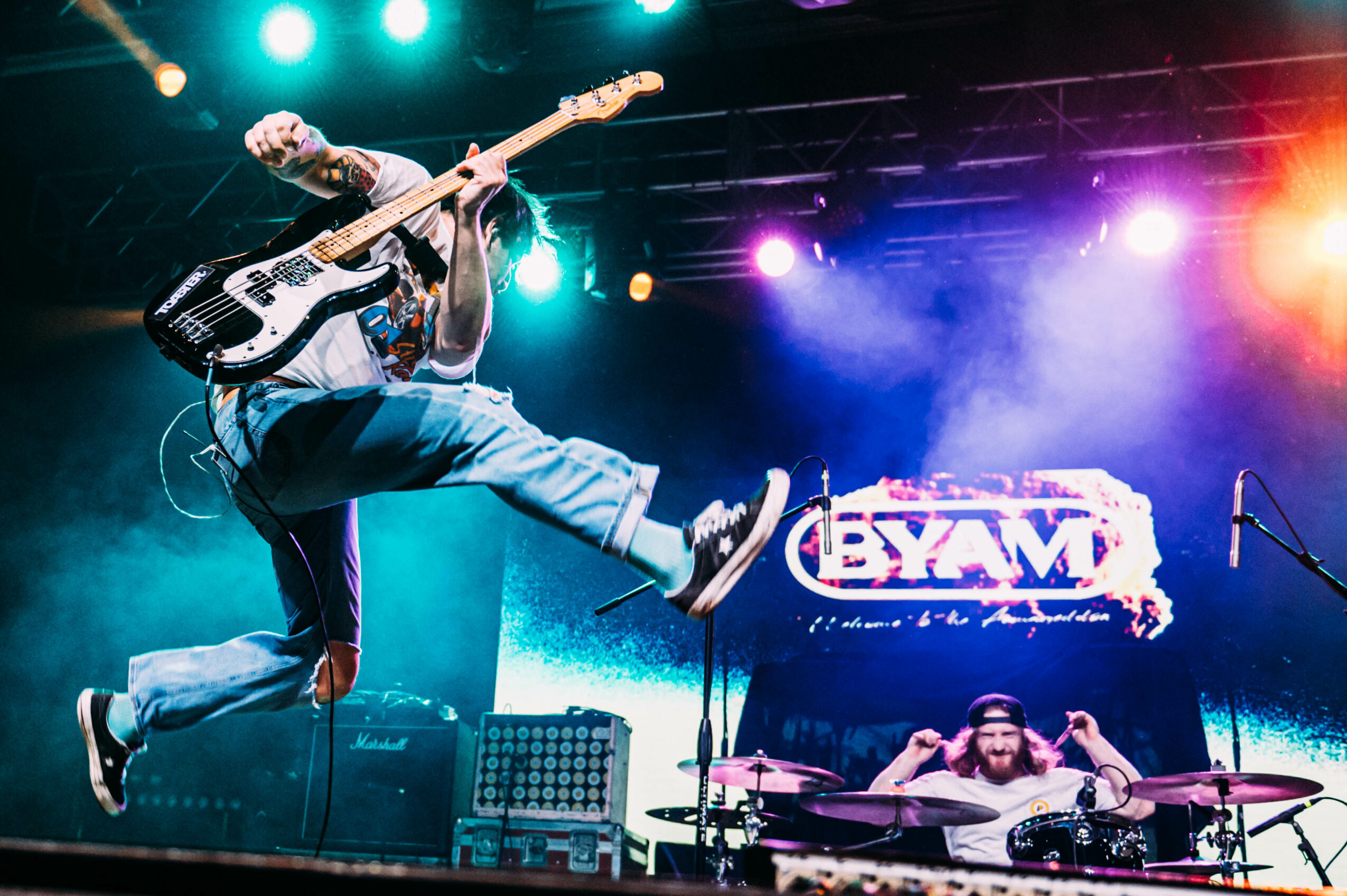
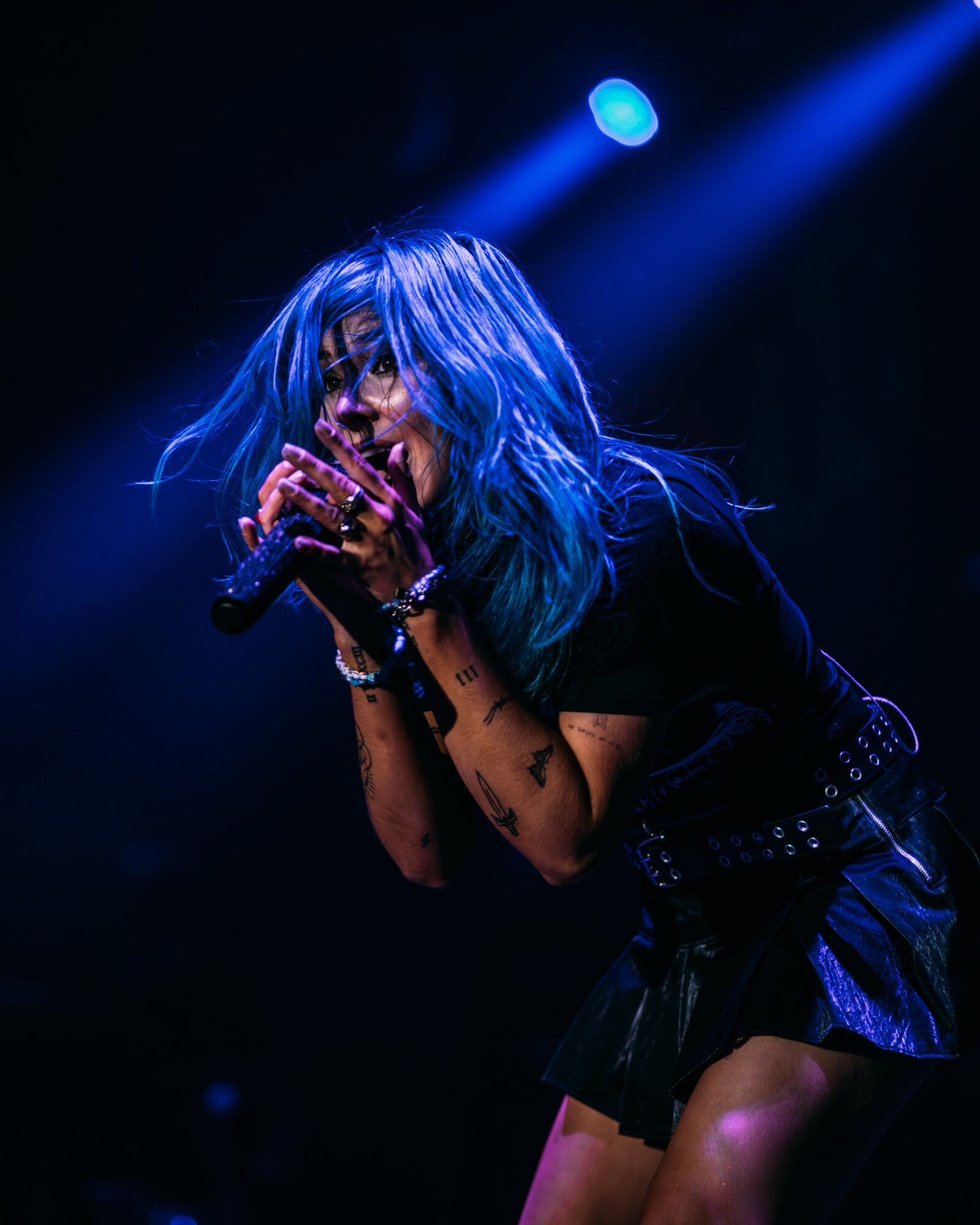
Image Credits
Bio Photo – Roland Songco
Popular
-

What is something outside of work that is bringing you joy lately?
-
Local Highlighter Series
-
What did suffering teach you that success never could?
-

What are you most proud of building — that nobody sees?
-
Who were you before the world told you who you had to be?
-

If you could say one kind thing to your younger self, what would it be?


