





Today we’d like to introduce you to Tracy Silver
Hi Tracy, thanks for joining us today. We’d love for you to start by introducing yourself.
I am originally from New York. I started dancing at the age of three as a prescription for a diagnosis of ADHD. Instead of Ritalin, my mom put me in a Ballet class. Being in a dance studio focused me. It gave me purpose. Being physical funneled my extra energy and complex emotions created by a chaotic childhood. I didn’t understand it at the time but what was really developing was a meditative practice that slowed down my brain, and woke up my imagination, and creativity. It also set me up for success in creating the detailed pictures and pathways that Ballet technique required as I continued my training.
I was not born with the optimal ‘Classical Ballet’ facility but the focus and concentration of that meditative state enabled me to grow my own technical skill and understand what muscles generated the most economical movement. But no matter how proficient I became, the joy I found in Ballet class was replaced by worry and frustration as my body matured. I had many of the upper echelon tell me I should do something different. My ‘facility’ was not conducive to success. However, the challenge served to generate a work ethic that turned that doubt, anger and frustration into a usable commodity.
At fifteen I was awarded a full scholarship at the Ailey School and the next chapter of my trajectory began.
Ailey changed my perception of what dance was and what dancers looked like. The example set for me there not only allowed me to study other dance disciplines that made me more viable as a dancer, it also opened up possibilities for a different theatrical aesthetic. When I received the scholarship, I had never been to an Ailey performance. I’ll never forget going to the Gala at City Center and watching Carmen De Lavallade glide on stage in a red gown. Something inside me screamed “Oh my God- I am in the right place”. I was there for three years honing my craft, my new found self-worth and my ‘meditative process’ into new pictures and pathways.
At eighteen I booked my first professional job with a leading role in a dance film (Thank you 1980’s dance film popularity) directed by Sidney Poitier, with music by Quincy Jones.
I flew out to Los Angeles and another level of education began. It was a lesson in ‘on the job’ training in professionalism, maintaining self-worth and becoming an adult all at once.
It also set a level of success that I spent many years trying to uphold. Having such good fortune so early in my professional career had its ups and downs. In my desire to maintain or grow my opportunities, I made critical decisions from my head and not my heart. This opportunity created another door for art; acting!
Having been a dancer my whole life, using my voice became a new vehicle for communication. Sidney was very supportive of my possibilities in becoming an actor and after the filming was over, I flew back to New York to study with Herbert Berghoff, Uta Hagen and Harold Guskin. However, it took me a while before I would be able to call myself an actor.
Acting wasn’t a natural progression. Unlike dance; that allowed a safe communication silently; acting demanded my voice both literally and figuratively. It felt much more vulnerable. It wasn’t until I realized that I could hide behind the character while connecting my own experience to theirs, and digging for my own point of view, that my love affair with acting began. It helped me define who I was as a whole person, not just as a dancer’.
Balancing my acting career with dancing became a full-time job. Just after my first play in New York came to a close, I booked a role in West Side Story’s International Company for its 30th anniversary celebration tour. Alan Johnson restaged the show and Jerome Robbins oversaw the production. This opportunity was the beginning of my interdisciplinary practices and became the foundation for a long, multifaceted career. Mr. Robbin’s notes had little to do with dance vocabulary or choreography and was much more about the emotion that informs the movement. Personal connection was key!
After that experience I felt it was time to hang up the dance shoes. I moved back to Los Angeles to pursue acting full time. I was on a mission to grow the career. I hid the fact that I was a dancer because some agent told me that people wouldn’t take me seriously as an actor. I chose acting and didn’t dance for eight years.
It wasn’t until I put up work in my acting class that I got found out. I danced in a scene as part of an idea I had about a dream sequence and when I sat down on the end of the stage for notes the teacher said “You’re a dancer”. I said “Well, not anymore”. He laughed at me and said “My dear, you are a dancer…and if you don’t continue to maintain your first love, your first art, you won’t ever live up to your potential in other artforms”. In essence I think he was telling me I had to be my ‘whole’ self all the time.
A few months later my husband answered an ad for a theater school that was looking for teachers for their West Coast campus. He applied for an acting instructor position. But they were interested in his dance skills as he had numerous Broadway Musical Theater and National tour credits. He wasn’t interested in teaching dance but he told them he knew someone who was and then sent them my resume. That was twenty years ago. I have been teaching at the AMDA Los Angeles Campus ever since.
In the beginning I continued to traverse the industry machine thinking that teaching would be a nice side job in between acting gigs, waiting for my career to take off…. but something happened. Teaching paralleled my own struggles. Working with young artists was like reliving my own difficult journey, past and present The student’s desire, and appetite to excel, along with their insecurities was very familiar. It was like looking at a room full of me. The perfection and need to succeed superseded the actual interest in the work.
It made me realize I had to change how and why I was pursuing my own career and forced me to look at how I could help the new generation not make the same mistakes I did.
Going back into a dance studio reconnected me with the process, with the joy of the moment; before it became about the industries’ or my definition of success. Teaching Ballet returned me to my meditative practice. I had lost it when I stopped dancing. Once again, I had to slow down and experience each moment. The moment where one is so focused they don’t have time to wonder is it good enough? Going back and having to retrieve how I did what I did in order to serve others was healing. It allowed me to give back and reminded me of what I really knew and who I was when dance was for joy…not a career.
I stopped teaching ‘result’ which in a performing arts college might be antithetical to students who are there to get the answers they need for success. Again, I was at a place where I was also looking for success, but I knew I needed to find a new definition for myself, and quite possible for them.
I included the idea of movement as a meditation to get them out of the mirror in Ballet class. Splitting one’s focus disconnects the dancer from themselves and the ability to ‘Connect emotionally from the inside in order to take care of the outside.’ To trust and not micromanage themselves was a new idea, but it created a new pathway for learning, a heightened ability to focus and exploded technique. It also created more joy. I taught them what I so desperately needed to be reminded of and in teaching them, I healed myself.
Twenty years of teaching and learning became a master’s thesis that was actually made legal last August when I graduated with an MFA in Interdisciplinary Art from Goddard College. Graduate School allowed me to articulate my life’s journey and coalesce all my practices. I finally figured out how to be whole! I was able to codify my understanding of movement as a meditation and the growing importance of creating a more somatic approach to Western Centric Classical Dance disciplines. I have incorporated my now forty years of ‘acting’ experience with what I learned from Mr. Robbins regarding emotion informing movement and how it actually expands technical ability, and the incorporation of improvisational movement practices that helped to uncover concepts for freedom within structure. I was on a mission to understand the path to maturity one experiences on the road to artistry. It uncovered my own, and helped to clarify my students’ so I could support them better on the journey.
Today my career has become more rewarding than I could have ever imagined. My definition of success has completely changed. I continue to work professionally as an actor. I also have the good fortune to remain in the dance community where I direct and choreograph. But most importantly, I remain in the classroom, now an educator, and mentor, with the strong purpose of aiding the next generation in honing their craft and maintaining their joy on that road to excellence.
Can you tell our readers more about what you do and what you think sets you apart from others?
I am interested in the ease rather than the difficulty often associated in the pursuance of a professional arts career! It has taken a lifetime to master and incorporate different methods of physical and emotional release that are possible in order to accelerate the learning process, increase technical ability, and create visceral, personal, authentic performance. Structure can equal freedom when delivered correctly.
I’d like to think of myself as a ‘liberator’. My desire is to free the artist physically as well as emotionally so they can experience what they are capable of without the stress and micromanagement that any highly structured art practice can create. I think my interdisciplinary trajectory has helped me create a different learning environment in the dance studio. I am skilled in the operation of both the physical as well as the emotional and in both disciplines, I am a technician….but only in the service of creating freedom.
Director
Choreographer
Actor
Contact Info:
- Website: https://Motioncures.com
- Other: https://www.imdb.com/name/nm0798811/?ref_=nv_sr_srsg_0_tt_0_nm_8_q_tracy%2520silver
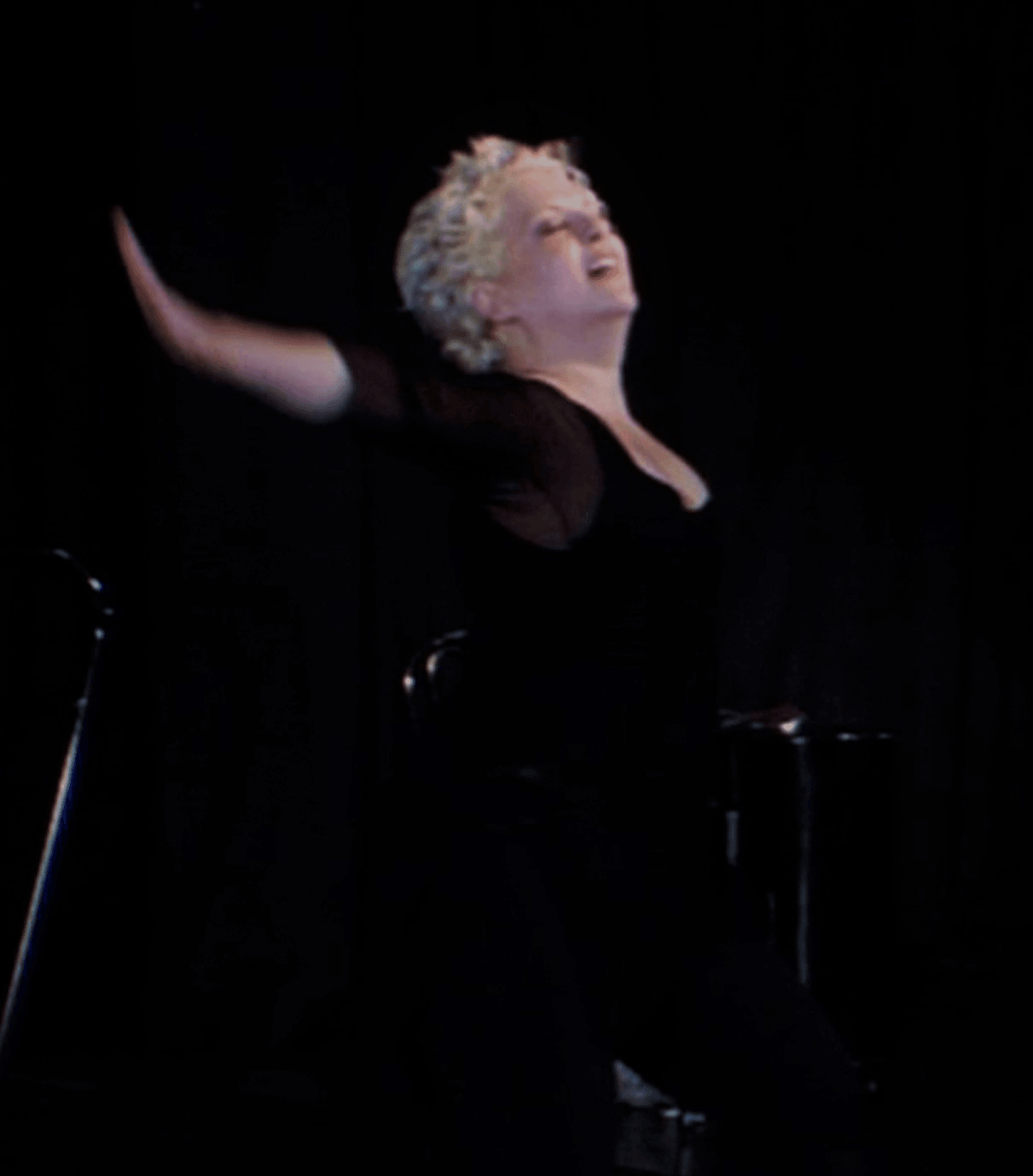
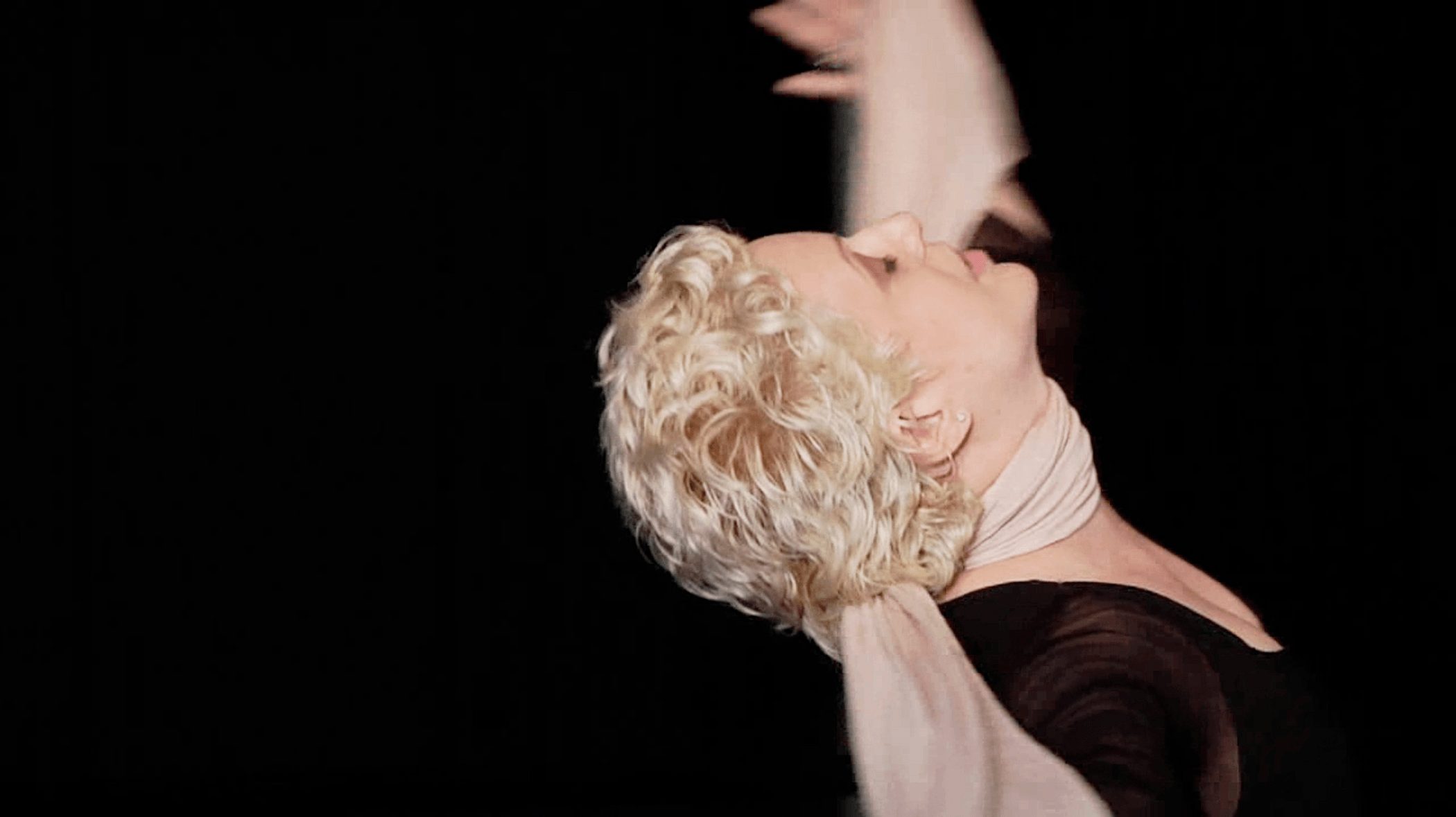
Photos from Solo Show Motion Cures
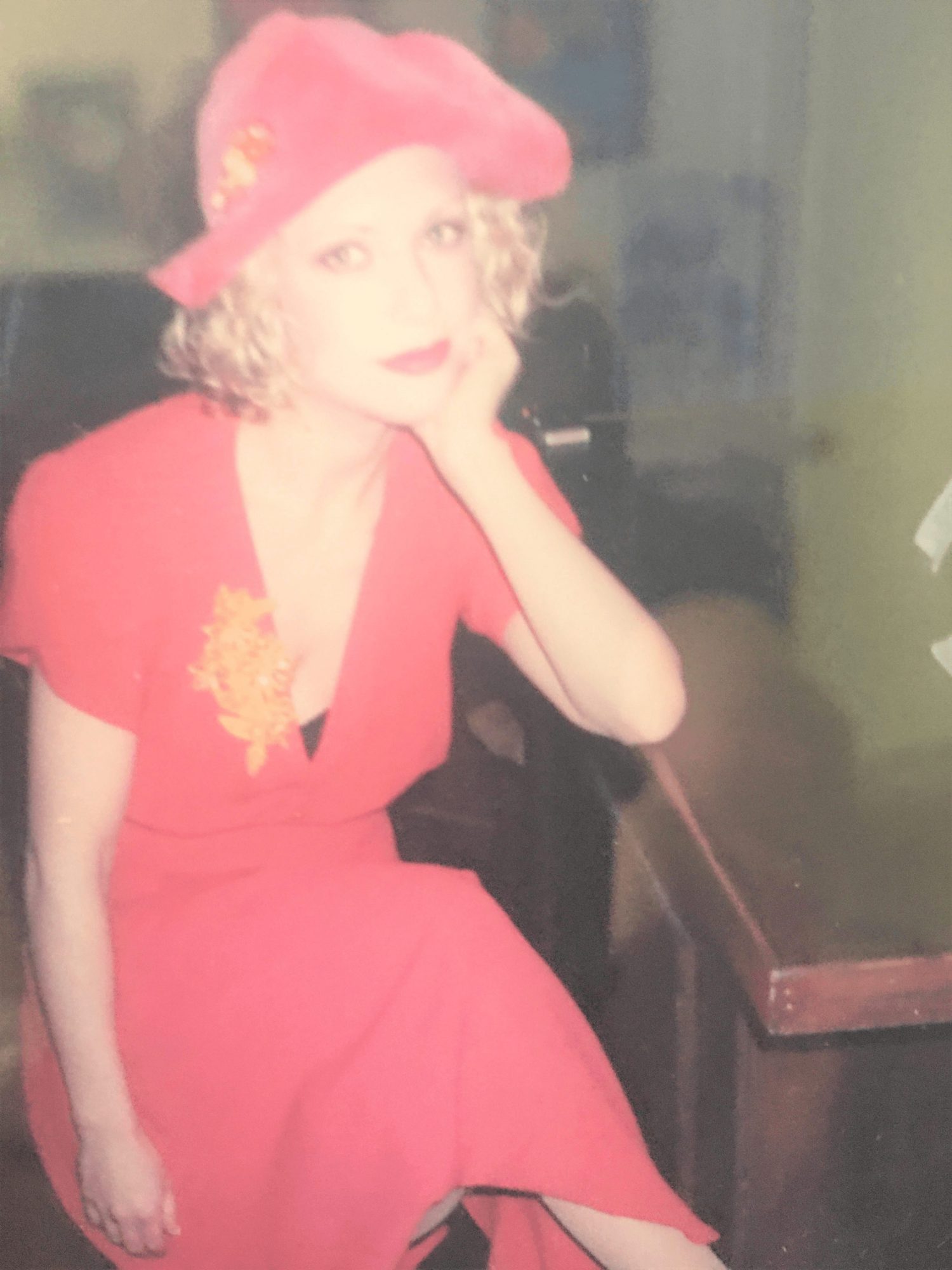
Kitty Duval IN the Time of Your Life – opposite John Glover
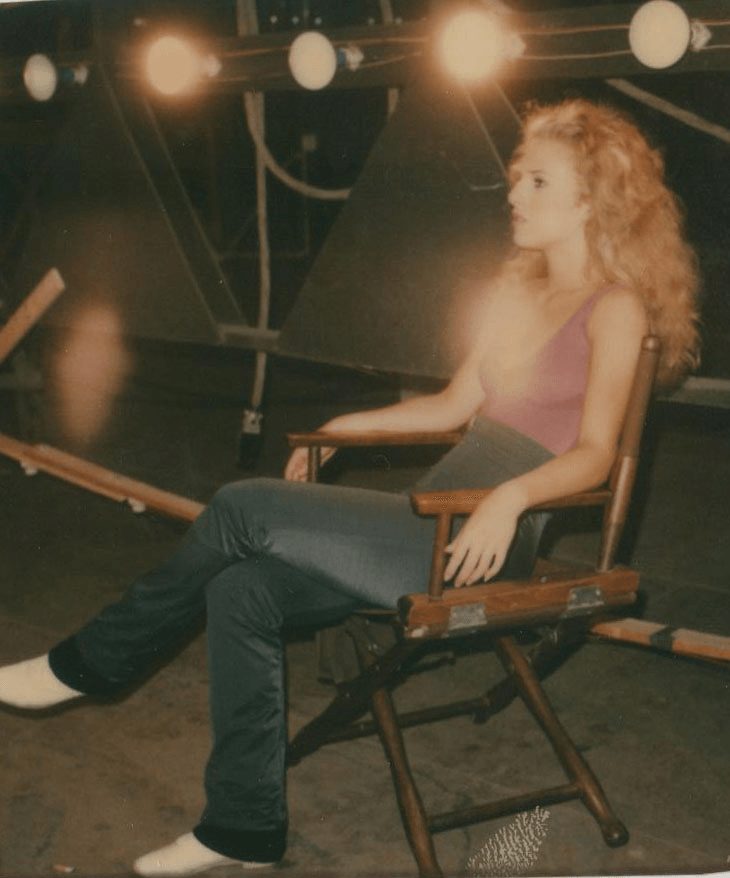
On set- Fast Forward
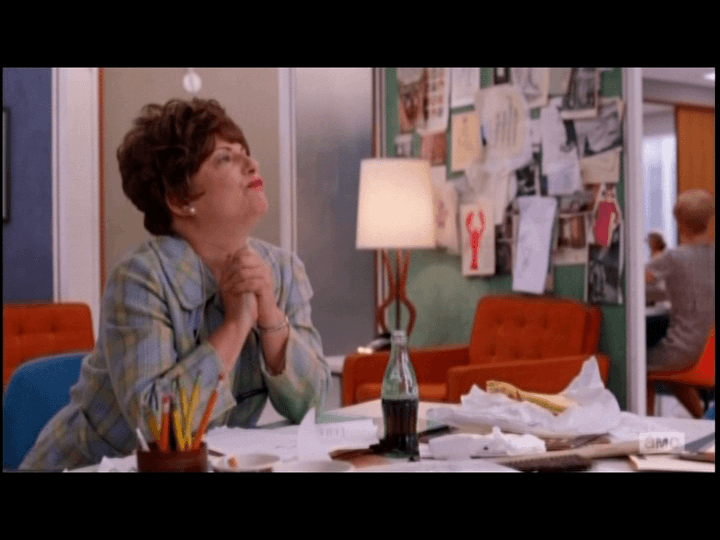
Margie Koch- Mad Men
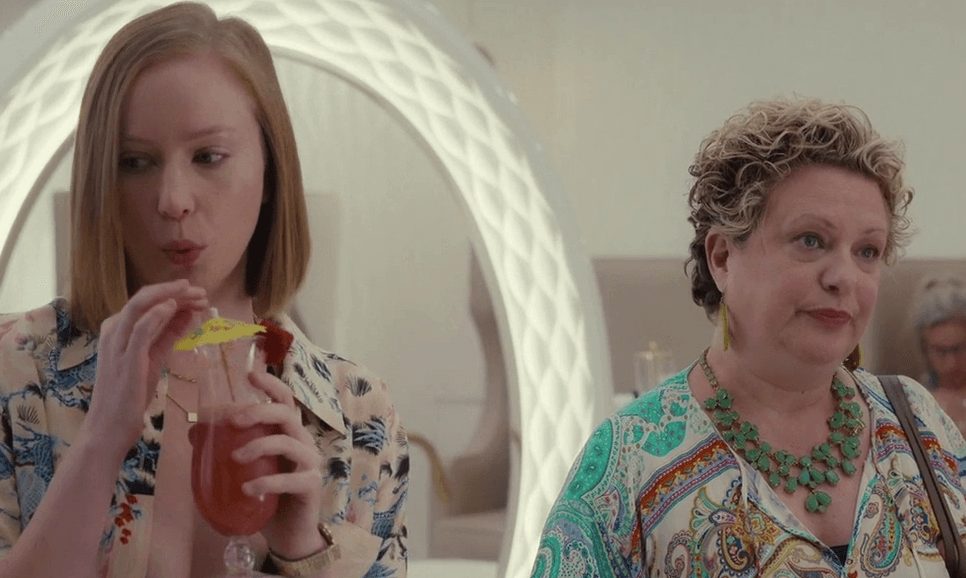
Hacks
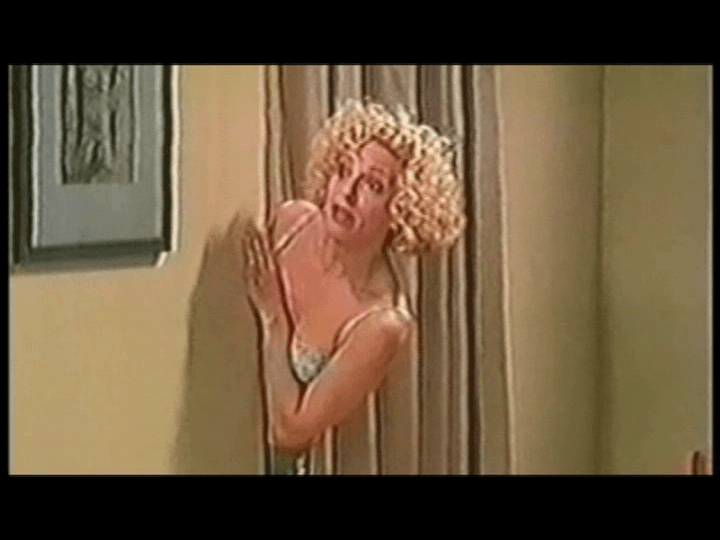
Friends
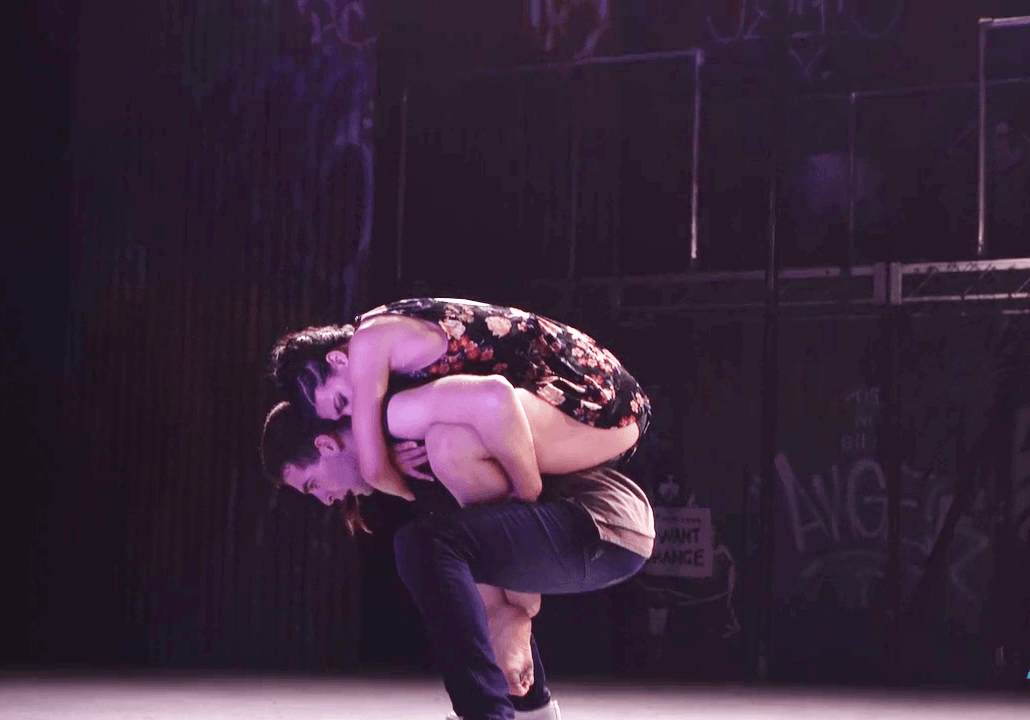
Living Gallery- Tennis Anyone?
Ecstatic
Popular
-

What is something outside of work that is bringing you joy lately?
-

Local Highlighter Series
-

What did suffering teach you that success never could?
-

What are you most proud of building — that nobody sees?
-

Who were you before the world told you who you had to be?
-

If you could say one kind thing to your younger self, what would it be?


